
 Worksheets
BIO SPRING FINAL REVIEW DAY 3 2022/23
Total questions: 115
Worksheet time: 2hrs 0mins


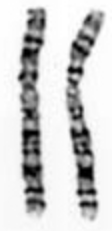


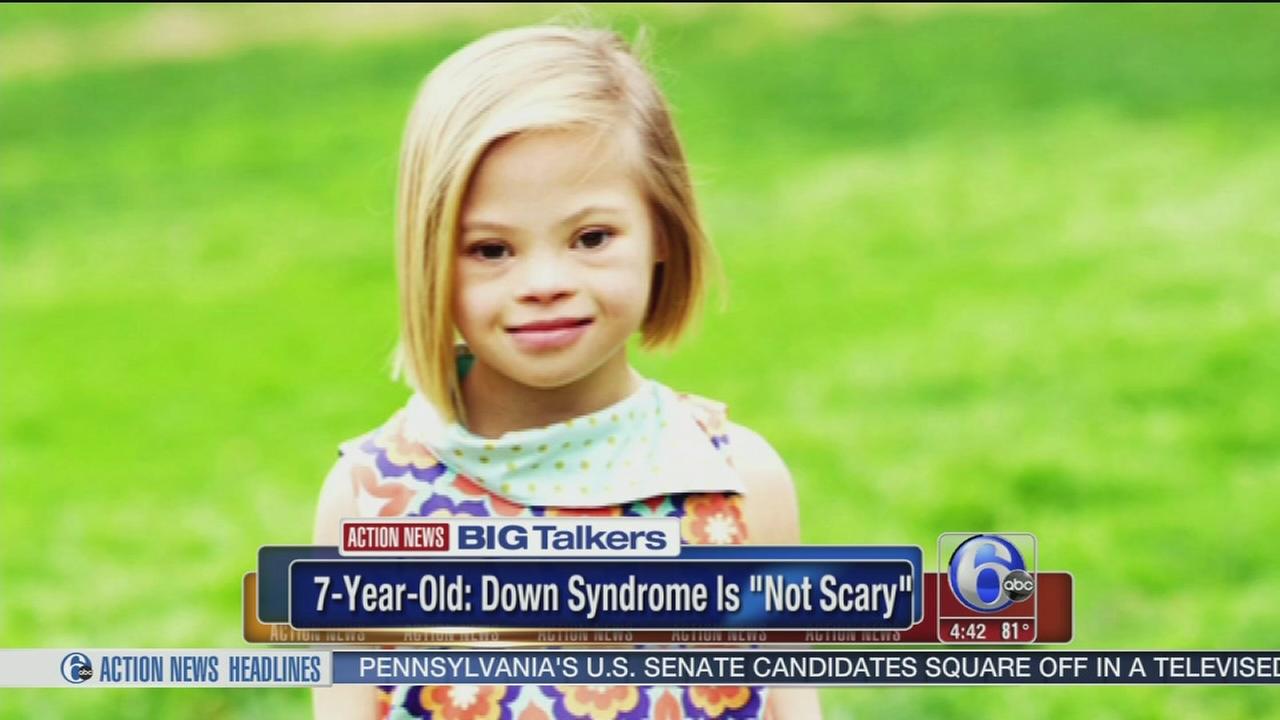
The failure of one or more pairs of homologous chromosomes or sister chromatids to separate "normally" during meiosis is called _____________________.
nondisjunction
anaphase I
nondiploidy
karyotype
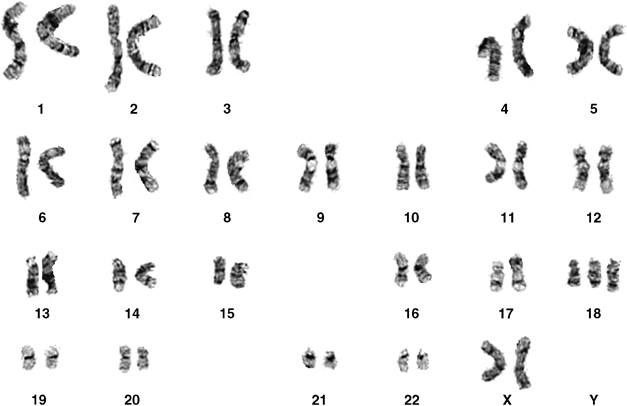
Which of the following is a karyotype for Turner Syndrome?


SELECT ALL THAT APPLY: Sex Chromosomes:
Pair #23
Determine whether you're male / female
Pairs #1-22
Every chromosome except sex chromosomes
SELECT ALL THAT APPLY: Autosomes Chromosomes:
Pair #23
Determine whether you're male / female
Pairs #1-22
Every chromosome except sex chromosomes

SELECT ALL THAT APPLY:
Male
Female
No chromosomal abnormalities
Trisomy 21
Which of the following is the collection of life's remains found in sedimentary rock? (a)

Similarities in bone arrangements, like those in the picture, support the hypothesis that...
(a)
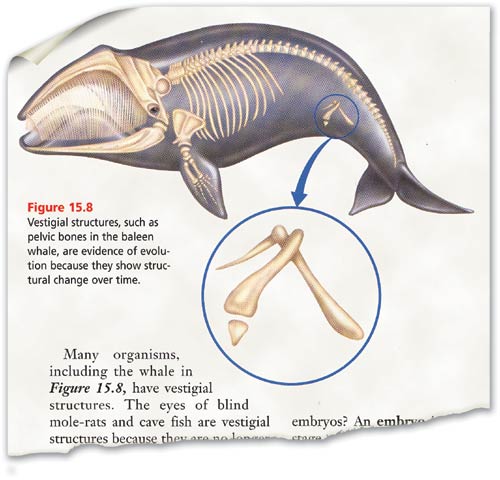
Which of the following is an example of a vestigial structure? (a)
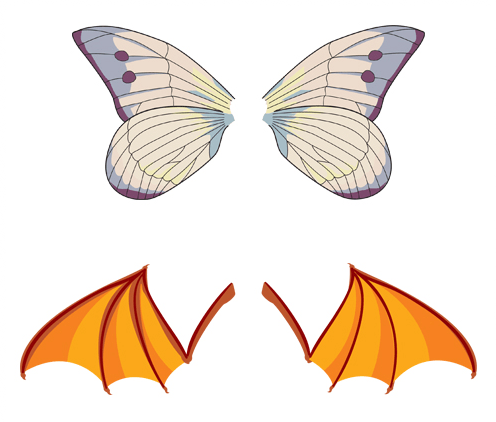
What is this an example of? (a)

The picture shows a/an (a)
Structures are similar in appearance but not in structure (a)
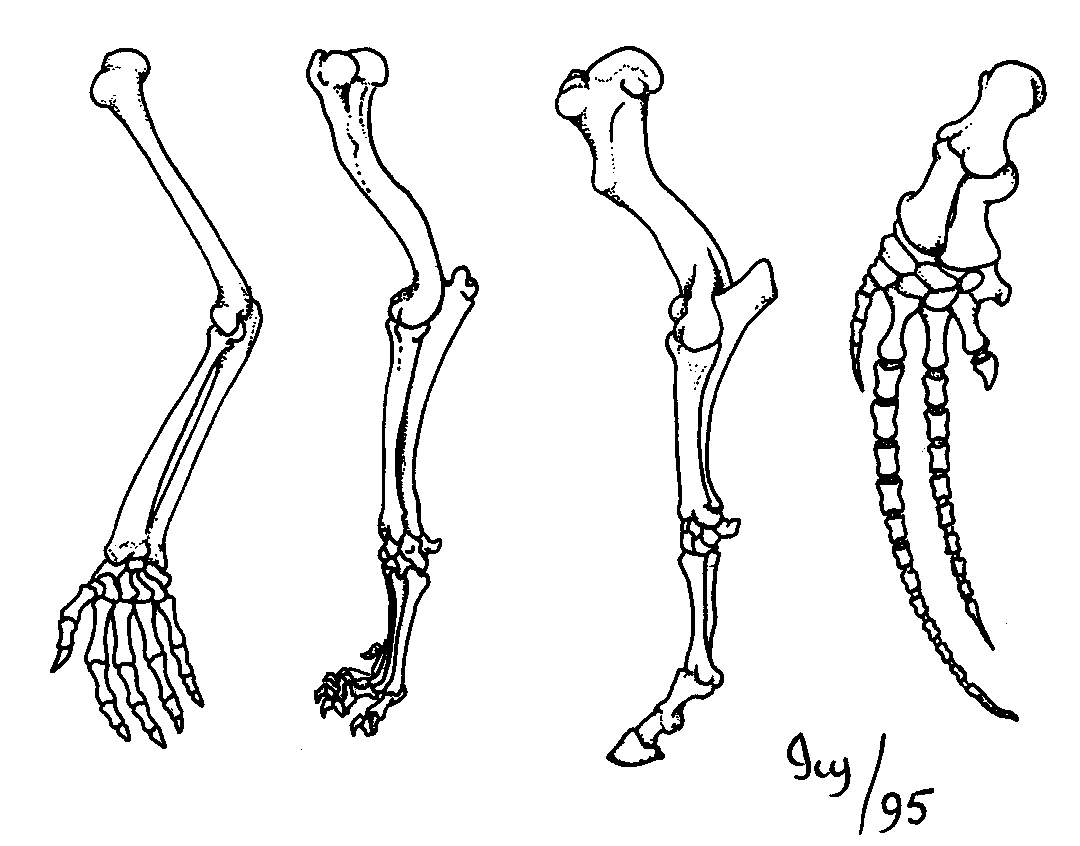
Structures with the same parts have different functions; suggests that organisms share a common ancestry (a)

Study of embryos of various organisms to show a common ancestor because of similarities in development (a)

Some organisms that share a common ancestor have features that have different functions, but similar structures. These are known as (a)

Which of the following can be determined by observing the embryos shown in the diagram

Vestigial structures
structures that perform a similar function but are not similar in origin
remnants of once-important structures that have slowly lost all or most of their function
features found in different organisms that share structural similarities but may have very different functions
preserved remains of an organism
The changes of species over time (a)
The picture shows a/an (a)
What is this an example of? (a)
If two organisms have similar traits of DNA they are probably (a)
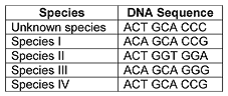
According to this data, the unknown bacterial species is most closely related to: (a)
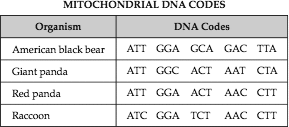
What conclusions can be made based on this table shown?
the American black bear and the giant panda are most closely related
the giant panda and the red panda are most closely related
the red panda and the racoon are the most closely related
the giant panda and the racoon are most closely related
A change in the inherited characteristics of an organism over time is (a)
Which of the following pieces of evolution evidence deals with comparing similar structures in various species? (a)

Does the presence of homologous structures in genetically different animals suggest common ancestry? (a)


What type of evidence are shown in the picture above? (a)
(a) show clear changes in an organism over time, the environment organisms lived in, the time period the organism lived in, and where the organism lived.
Recently, scientists have been able to use (a) to find common proteins and amino acids to determine how closely related species are.
According to this data, the unknown bacterial species is most closely related to: (a)

Two organisms that are closely related would have (a)

Because whales have a pelvis and femurs, it shows whales are descended from an ancestor that was able to (a) .

By looking at the genes of some animals we can determine which living species are most closely related to each other. This also reveals which species most recently diverged from their common ancestor. (a)

Images of the embryo and adult stages of three different organisms are shown.
Which of the following is the best conclusion that can be drawn from this evidence?
Having similar embryos indicates that these organisms eat the same types of food.
Having similar embryos indicates that these organisms live in a similar environment.
Having similar embryos indicates that these organisms share a recent common ancestor.
Having similar embryos indicates that a certain protein controls how many legs the adult organisms will have.

In the table shown, the DNA found in five primate species was compared to the DNA found in humans. The number of sequence differences was recorded. Based on the data in this table, what inference could you make about these species compared to humans?
Lemurs are most like humans.
Gorillas are most like humans.
None of the species are similar to humans.
Only the lemur differs from humans in any way.
Researchers discovered that the legs of birds are homologous to the feet of reptiles. Which claim is BEST supported by this fact?
Birds do not require legs
Birds and reptiles have a common ancestor
They randomly developed the same structures
Selection pressures have acted on birds, but not on reptiles

What evidence presented here supports the argument that vertebrates and insects evolved from a common ancestor?
The fact that the eye structures of vertebrates and insects are analogous
The fact that the genes encoding the eye structures of vertebrates and insects are analogous
The fact that the eye developmental genes of vertebrates and insects are homologous

What does it mean that the eye structures and specific genes for those structures are analogous but the genes that control eye development are homologous?
Select all that apply
It means vertebrates and insects had a common ancestor that possessed genes that coded for a primitive eye
It means every species that descended from the common ancestor developed additional genes that made changed the structure of their eye
It means that vertebrates and insects are not related to each other but developed eyes in a similar pattern

Which of these statements does NOT help explain why the development of gene sequencing technology provided a turning point in evidence gathering related to this claim?
Select all that apply
Before gene sequencing, the only evidence was the anatomical appearance of the eyes of vertebrates and insects
Because the eye structures are so different in appearance, it was easy to conclude these groups had no evolutionary relationship with each other
Gene sequencing shows that there are enough genetic similarities in the genes of eye development to suggest a very early common ancestor
Gene sequencing shows that, since the genes encoding eye structures are analogous, that vertebrates and insects share no common ancestors
An example of a homologous structure (a)

What (a)

The pair of population graphs below display the results of two different five-year hunting cycles, one on light trees and one on dark trees. The population of light-colored moths is shown by the light gray dots, and the population of dark moths is shown by the dark gray dots. How do these results demonstrate natural selection?
The moth populations shown here demonstrate random fluctuations over time that are not explained by tree color.
On light trees, individual moths tried to become lighter in color to match the tree background. On dark trees, individual moths tried to become darker in color.
The moths that were the same color as their background were more likely to survive and reproduce. Over time, the populations of these well-adapted moths increased.
Small particles of tree bark became embedded in the moth’s wings, causing the moths to become darker on the dark trees and lighter on the light trees. These acquired traits were then passed down to the next generation of moths, causing the populations to change color over time.
Suppose a certain species of insect lives in the lush green canopy of the rain forest. Some of the insects are bright green in color, and some are bright yellow. Assume there is a natural predator of the insect in the area. What do you expect to happen to the populations of the green and the yellow insects over time?
The green insect population will increase and the yellow insect population will decrease.
The green insect population will decrease and the yellow insect population will increase.
Both insect populations will remain constant over time.
Both insect populations will increase over time.

Which of the following statements best describes what will most likely occur to the moth populations in the image above?
The light moths will be captured by predators more easily than the dark moths, and the population of dark moths will rise.
The light moths will be captured by predators more easily than the dark moths, and the population of light moths will rise.
The dark moths will be captured by predators more easily than the light moths, and the dark moths will probably go extinct.
The light moths will change their wing color to match that of the dark moths.

What is the most likely explanation of the data shown below?
There has been a drought in the area that is affecting all life forms.
The population of natural predators of the moths has gotten smaller.
The moths are living in an environment with light trees.
The moths are living in an environment with dark trees.
What is an example of artificial selection?
Letting dogs choose their own mate
Letting plants pollinate on their own
Crossing a labrador and a poodle to create a labradoodle
Which statement is true comparing natural selection and artificial selection?
In natural selection, traits benefit humans and in artificial selection, the traits benefit the species
In natural selection, traits benefit the species and in artificial selection, the traits benefit humans
In natural and artificial selection, the process takes hundreds of years to occur
In natural and artificial selection, nature determines what traits will be passed down to offspring.
What type of adaptation affects a physical aspect of organism? (a)
What type of adaptation affects body chemistry and metabolism? (a)

Physiological
Structural
Behavioral

Physiological
Structural
Behavioral

Physiological
Structural
Behavioral

Using this picture, what defense is this Hawk Moth displaying? (a)

A green snake blends in so predators can NOT find it. This is an example of? (a)
A Viceroy butterfly looking like a bright colored poisonous Monarch butterfly is an example of (a) .
(a) is when an animal blends into its environment.
A green snake blends in so predators can NOT find it. This is an example of? (a)

A chameleon lies next to a large blue flower so predators can NOT find it. This is an example of (a)

What type of selection is pictured here? (a)

What type of selection is pictured here? (a)
A particular bird species lays an average of 4 eggs per nesting season. If more than four eggs are produced, the parents may not be able to feed the hatchlings. If less than 4 eggs are produced, there is an increased risk that predators will take all the young that have been produced. (a)
A lizard population lives in a very rocky area consisting of black rocks and white rocks. Black lizards can hide from predators by living on black rocks, and white lizards can hide from predators by living on white rocks. The intermediate grey colored lizard is found in fewer numbers because of its inability to hide from predators in this environment. (a)
During the ice ages, the black bears of Europe increased in size. (a)

Stabilizing Selection
Directional Selection
Disruptive Selection

Stabilizing Selection
Directional Selection
Disruptive Selection

Directional Selection
Stabilizing Selection
Disruptive Selection
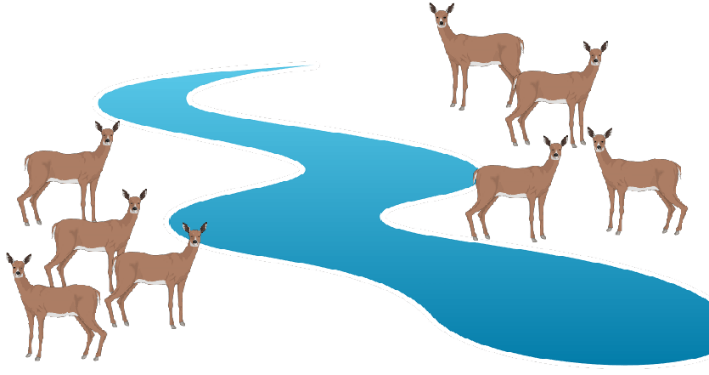
Two populations of the same species are separated by land barriers like rivers or mountains. (a)

After a long time in isolation, Island fruit flies and mainland fruit flies meet. They do not produce viable eggs due to genetic differences. The flies have resulted in two seperate lineages due to: (a)

According to the theory of natural selection, why are some individuals more likely than others to survive and reproduce?
Some individuals pass on to their offspring new characteristics they have acquired during their lifetimes.
Some individuals are better adapted to exist in their environment than others are.
Some individuals do not pass on to their offspring new characteristics they have acquired during their lifetimes.
Some individuals tend to produce fewer offspring than others in the same environment.

When members of two populations reproduce during different times. (a)
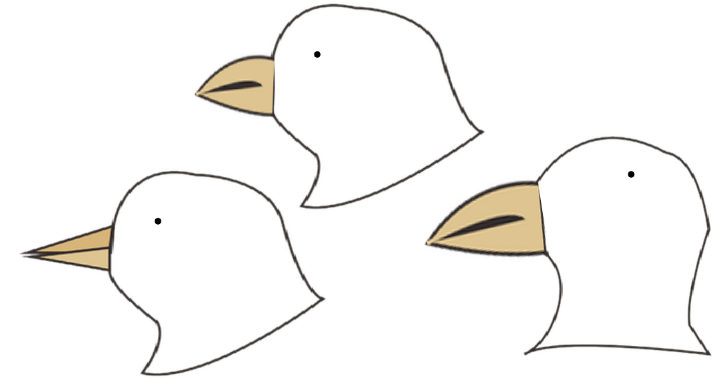
Birds with smaller beaks die out when a disease kills all food sources except hard nuts. (a)
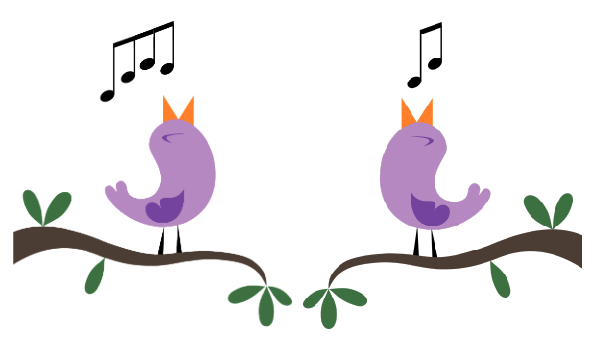
Two populations of the same species do not have the same mating rituals or signals. (a)
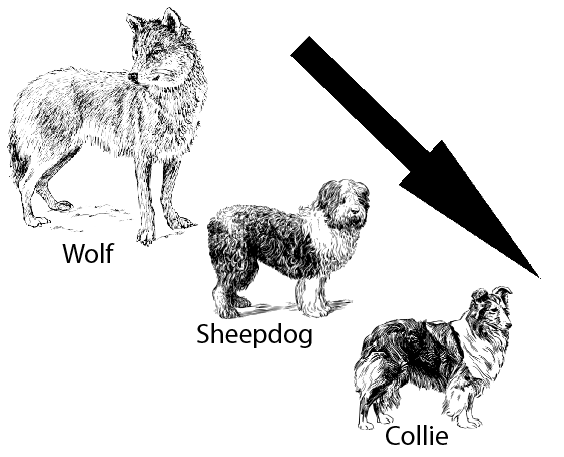
Gradualism means Natural Selection would normally happen over many generations and very (a)
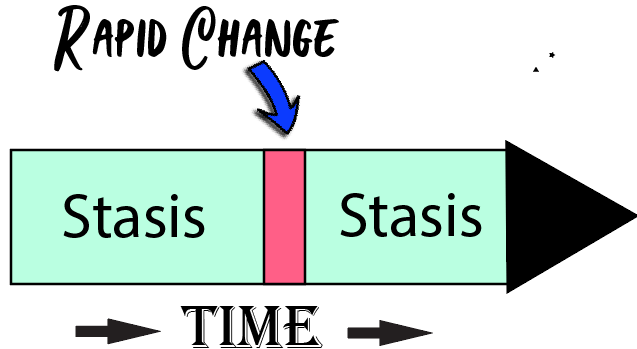
Punctuated Equilibrium implies catastrophic events caused natural selection to speed up due to great environmental changes. (a)
The evolution of an ancestral species into an array of species that occupy different niches (a)

What type of evolution is demonstrated in this photo? (a)
The Galápagos finches evolved through natural selection from a common ancestor into a wide variety of different looking species. (a)
The beaver in North America and the capybara in South America share a common ancestor, but have evolved over time to look different (a)
If there are 50 flowers, 30 red (RR), 15 pink (Rr) and 5 white (r), what the frequency of the recessive allele?
5%
10%
20%
25%
p+q = 1
p is
Frequency of dominant phenotype
Frequency of dominant genotype
Frequency of dominant allele
Frequency of recessive allele
Which of the following represent heterozygous frequency
2pq
p2
q2
pq
Frequency of dominant phenotype in a population in genetic equilibrium represented by
p2 + 2pq
p + p2
2pq + q2
2pq
Frequency of recessive phenotype in a population in genetic equilibrium represented by
2pq
p2
q2
q
Frequency of recessive phenotype in a population in genetic equilibrium represented by
2pq
p2
q2
q
What is the gene pools for a population of 100 individuals cows with with the following genotypes: 30 BB, 60 Bb, 10 bb?
100
70
200
90
In a population of 1000 dragonfly, 80% alleles are dominant. What is the frequency of recessive allele?
0.8
0.2
20%
80%
In a population of 250 rats, the recessive allele frequency of short fur is 0.25. What is the dominant allele frequency in the next generation if the population is considered to be in genetic equilibrium?
0.25
0.5
0.3
0.75
Which of the following genotypes describes a frequency of homozygous?
p2
q2
2pq
both p2 and q2
In a Hardy-Weinberg population, the frequency of the a allele is 0.4. What is the frequency of individuals with Aa genotype?
0.16
0.48
0.20
0.60
In a population of wildflowers, the frequency of the allele for red flowers was 0.8. What was the frequency of the white allele, the only other allele for flower colour?
0.8
0.6
0.4
0.2
In a type of mammal, genes for the albino are recessive to the brown hair. It is found that 72 out of 500 mammals are albinos. What is the frequency of the heterozygous albinos in that population?
0.75
0.47
0.38
0.25
In a rat population that is in equilibrium, the frequency of recessive white fur allele is 0.25. Calculate the frequency of the heterozygous rat.
0.188
0.5
0.375
0.75
In a population of 250 rats, calculate the gene pool for length of fur.
250
500
1000
125

