
 Worksheets
Bonanza HS Sem 2 Review
Total questions: 135
Worksheet time: 1hrs 22mins
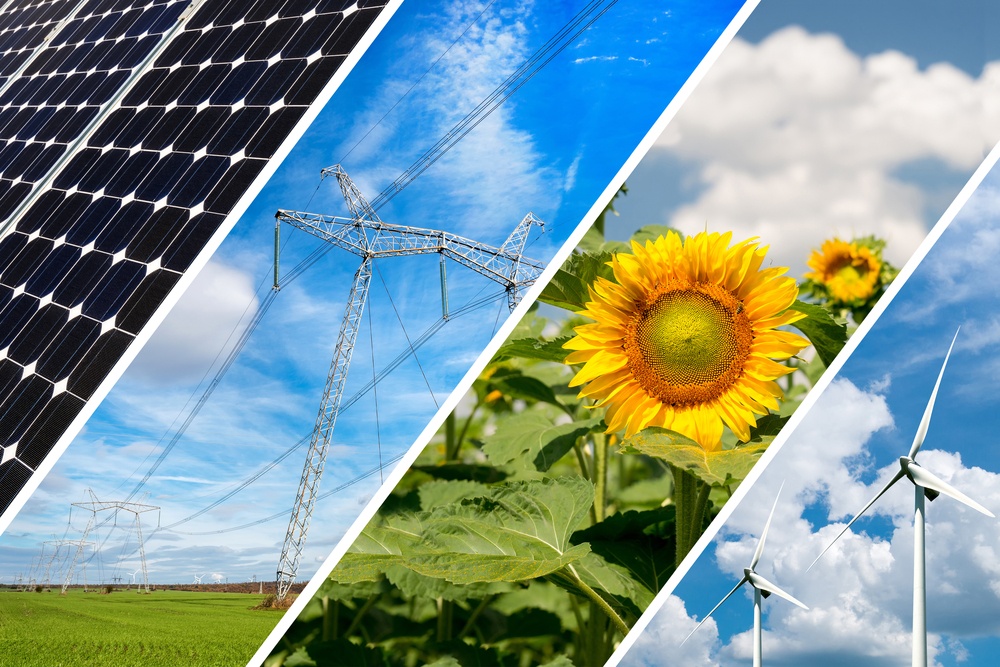
A natural resource is....
a resource that forms much more slowly than it is consumed
a natural resource that can be replaced at the same rate at which it is consumed
any natural material that is used by humans
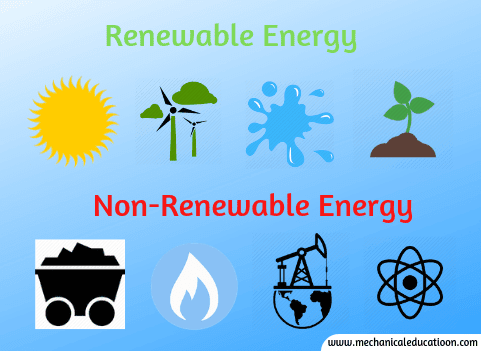
a nonrenewable resources is...
any natural material that is used by humans
a natural resource that can be replaced at the same rate at which it is consumed
a resource that forms much more slowly than it is consumed
An accurate definition of Sustainability is
meeting population needs
meeting the needs of the present without compromising the ability of future generations to survive
meeting the needs of the future without worrying about todays
meeting the food needs of animals
The three areas of sustainability are
Physical, Economic, Political
Environmental, Social, Physical
Economic, Environmental, Social
Physical, Political, Social
A natural resource is....
a resource that forms much more slowly than it is consumed
a natural resource that can be replaced at the same rate at which it is consumed
any natural material that is used by humans
What kind of resource can be regenerated or replenished?
a renewable resource
a nonrenewable resource
a synthetic product
a fossil fuel
a nonrenewable resources is...
any natural material that is used by humans
a natural resource that can be replaced at the same rate at which it is consumed
a resource that forms much more slowly than it is consumed
An accurate definition of Sustainability is
meeting population needs
meeting the needs of the present without compromising the ability of future generations to survive
meeting the needs of the future without worrying about todays
meeting the food needs of animals

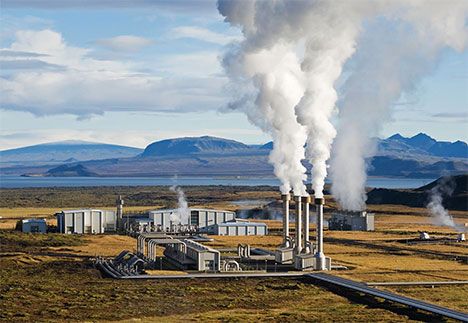
What is the main cause of air pollution?
plowing fields and releasing dust
using solar power
burning fossil fuels
using water power

Which is not a fossil fuel
Petroleum
Nuclear
Natural Gas
Coal

Which of the following is renewable
Petroleum
Natural Gas
Coal
Hydroelectric

According to this graph, what is the total percentage of renewable energy resources
5%
14%
86%
95%
Which of the following resources are carbon-based and were formed by once living things
Nuclear
Solar
Fossil Fuels
Geothermal

Kentucky Dam is an example of which type of renewable energy?
Hydroelectric
Solar
Geothermal
Wind
Which two sources of energy cannot be traced back to the sun
Hydroelectric and Wind
Fossil Fuels and Biomass
Solar and Coal
Geothermal and Nuclear
Which species has the greatest ability to impact our environment?
Humans
Cattle
Elephants
Whales
Which is an advantage of renewable energy
Renewable energy is sustainable
Renewable energy does not produce Carbon Dioxide
Renewable resources do not produce as much pollution
All of these
Which is not a reason to reduce, reuse or recycle
It increases our use of fossil fuels
It costs less money
It causes less pollution
It helps save natural resources
Which is not true about fossil fuels
They are limited
We are using them up faster than nature can produce them
They are more expensive that renewable energy
They produce carbon dioxide when burned

Lumber companies in the US replant forests as they cut them down. This is why in the US forests are considered:
renewable
nonrenewable
Abiotic
a man-made resource
What is a natural disaster?
A natural event that causes minor inconvenience
A man-made event that causes destruction
A natural and violent event that causes serious destruction and kills or injures people
A natural event that only affects animals
What triggers geological hazards?
Processes in the atmosphere
Water processes
Organic substances
Movement of tectonic plates
Which type of hazard includes hurricanes, tornadoes, and wildfires?
Geological hazards
Meteorological hazards
Hydrological hazards
Biological hazards
What causes hydrological hazards?
Processes in the atmosphere
Water processes
Organic substances
Movement of tectonic plates
What is a tsunami an example of?
Geological hazard only
Hydrological hazard only
Both geological and hydrological hazard
Biological hazard
Why is it difficult to predict geological disasters?
They take a long time to form
They need specific weather conditions
They occur without any warning
They are caused by organic substances
Which of the following processes can cause natural disasters?
Erosion
Movement of tectonic plates
Movement of sea water
Extreme weather conditions
Which of the following are examples of natural disasters?
Tornadoes
Droughts
Low air pressure
Erosion
Which of the following disasters are formed in the atmosphere?
Tornadoes
Landslides
Volcanic Eruptions
Blizzards
Which type of hazards occur because of extreme weather conditions?
Hydrological
Geological
Meteorological
Chemical
What is a hydrological hazard?
A hazard that involves the movement of water.
A hazard that is triggered by below the surface.
A hazard that is caused by living organisms.
A hazard that is formed in the atmosphere.
Why has the number of fatalities from natural disasters decreased in recent decades?
Because there have been fewer disasters.
Because scientists can predict disasters.
Because of climate change.
Because of better warning signs and preparation.
Choose correct answers:
If a _______ hits land, its high winds and heavy rain can cause a lot of damage
hurricane
tornado
avalanche
drought
What's the biggest danger posed by thunderstorms?
Being blown around by high winds.
Being soaked by heavy rain.
Being deafened by loud thunder.
Being struck by lightning.
___________ are a lot more common than hurricanes.
Floods
Droughts
Thunderstorms
Tornadoes
With rotating funnel-shaped clouds and winds reaching 300 miles per hour, _________ can do a lot of damage to large areas.
hurricanes
tornadoes
avalanches
floods
_______________ can cause icy conditions on roads, fallen power lines, and extreme cold.
Rainstorms
Winter storms
Thunderstorms
Hurricanes
Lots of things can bring about __________, including heavy rain, overflowing rivers, and even melting snow!
drought
tornadoes
floods
avalanches

Which natural disaster has hit in this location?
A tornado
A tsunami
A hurricane
A drought
________________ are slower to develop, but the lack of water can devastate entire ecosystems.
Rainstorms
Winter storms
Tornadoes
Droughts
_______________ are especially unpredictable. They happen along plate boundaries in the earth's crust.
Tsunamis
Earthquakes
Floods
Droughts
Which of the following would cause the greatest reduction of wildfires?
A decrease in lightning storms
An increase in rainfall
A decrease in average wind speed
Preventing people from visiting wildfire-prone areas
When an earthquake occurs underwater, it can trigger a _____________. These massive waves can travel as fast as 500 miles an hour.
flood
drought
thunderstorm
tsunami
_______________ are linked to plate activity, too. When they erupt on land, their ash plumes and lava flows can do a lot of damage.
Avalanches
Earthquakes
Volcanoes
Tsunami
What is the most common cause of tsunamis?
Underwater earthquakes
Monsoon rains
Storm surges
Tropical cyclones
Hurricanes, thunderstorms, and blizzards are all meteorological disasters. What does "meteorological"mean?
Ocean-based
Caused by meteors
Related to the weather
Unpredictable
What do tornadoes and hurricanes have in common?
They both form over the ocean.
They both involve strong winds.
They are both types of tropical storms.
They both include funnel-shaped clouds.
Which of the following items is a key part of a ready kit?
flashlight and batteries
fruits and vegetable
flowers and chocolates
Cheese and crackers
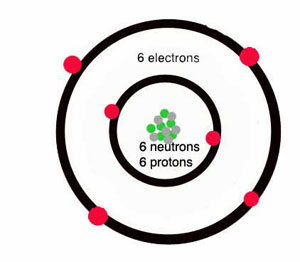
The circulation of the element Carbon among Earth's atmosphere, land, oceans, and organisms is called _____________.
the Carbon Cycle
the Oxygen Cycle
the Carbon dioxide Cycle
the Water Cycle
When animals eat plants, the carbon that the plant contains is absorbed by the animals.
True
False
How do animals get carbon?
By eating plants and or other animals.
They absorb it from the atmosphere.
From the ground
They do not get carbon from anywhere.
What are fossil fuels made from?
Plants and animals that are buried underground for millions of years.
They absorb it from the atmosphere.
Water
Wind
When humans EXHALE, we release __________________.
Oxygen
Carbon Dioxide
Nitrogen
Water
What is CO2?
Carbon Monoxide
Carbon Trioxide
Carbon Dioxide
Oxygen
Which of the following are fossil fuels?
Coal, water, oil
Oxygen, coal, oil
Coal, Oil, Natural Gas
None of the above
What microscopic (tiny) organism absorbs the CO2 at the surface of water?
Algae
Plants
Phytoplankton
Plankton
True or false. Carbon dioxide is a greenhouse gas.
True
False
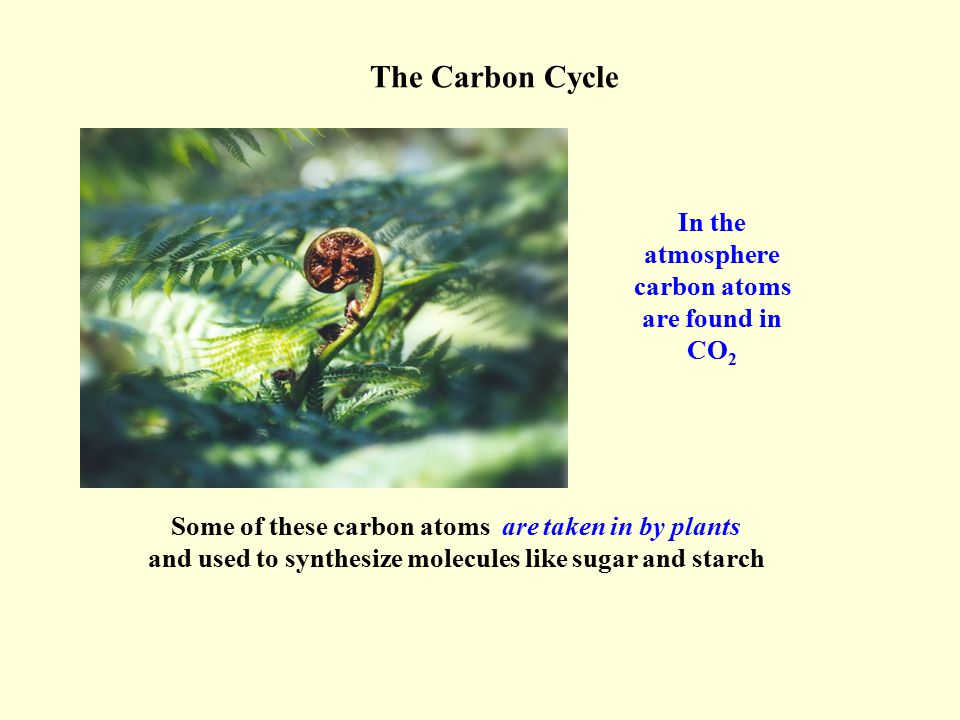
Carbon is used in the process called __________ by plants and algae to make food and the building blocks for growth.
carbon cycle
life
photosynthesis
decomposition
Which is a true statement?
Humans depend on oxygen, plants depend on carbon dioxide
Plants produce carbon dioxide
Humans depend on carbon dioxide, plants depend on oxygen
Humans don't depend on plants for the air they need
Which gas do plants release, that humans depend on for survival?
Water
Carbon Dioxide
Oxygen
Sugar
Which gas do animals release, that plants depend on for survival?
Carbon dioxide
Oxygen
Sunlight
Water
Over ________________ of years, once-living matter that remains in the ground can transform into fossil fuels.
millions
hundreds
thousands
a few handful
A group of components (parts) that work together is a...
Sphere
System
Habitat
Cycle
Contains solid inner metal core, liquid outer core, and rocky mantle and crust.
Hydrosphere
Geosphere
Biosphere
Atmosphere
All of Earth’s water.
Cryosphere
Geosphere
Hydrosphere
Biosphere
Contains all living things on Earth.
Biosphere
Geosphere
Atmosphere
Hydrosphere
Thin envelope of gases surrounding the Earth and contains the weather.
Atmosphere
Hydrosphere
Biosphere
Geosphere
All ice and snow on Earth.
Hydrosphere
Cryosphere
Atmosphere
Geosphere
A tree is blown down by wind.
Atmosphere and Geosphere
Hydrosphere and Atmosphere
Biosphere and Atmosphere
Biosphere and Cryosphere
Water vapor condenses to form clouds in the sky,
Cryosphere and Atmosphere
Hydrosphere and Geosphere
Hydrosphere and Biosphere
Atmosphere and Hydrosphere
Warmer air temperature causes glaciers to melt.
Hydrosphere and Biosphere
Atmosphere and Hydrosphere
Cryosphere and Atmosphere
Cryosphere and Biosphere
Water picks up rocks in the river and carries it farther downstream.
Hydrosphere and Geosphere
Geosphere and Biosphere
Hydrosphere and Atmosphere
Atmosphere and Geosphere
A monkey uses a rock as a tool to get some food.
Biosphere and Cryosphere
Geosphere and Atmosphere
Biosphere and Geosphere
Biosphere and Atmosphere

Hydrosphere
Geosphere
Biosphere
Atmosphere

Geosphere
Biosphere
Cryosphere
Hydrosphere

Hydrosphere
Cryosphere
Geosphere
Atmosphere

Geosphere
Cryosphere
Hydrosphere
Atmosphere

Hydrosphere
Atmosphere
Geosphere
Biosphere
The air temperatures are rising, causing sea ice to melt faster. This is an example of...
Season changes
Positive feedback
Negative feedback
An interaction between the cryosphere and the hydrosphere
The cryosphere is part of the...
Geosphere
Atmosphere
Hydrosphere
Biosphere
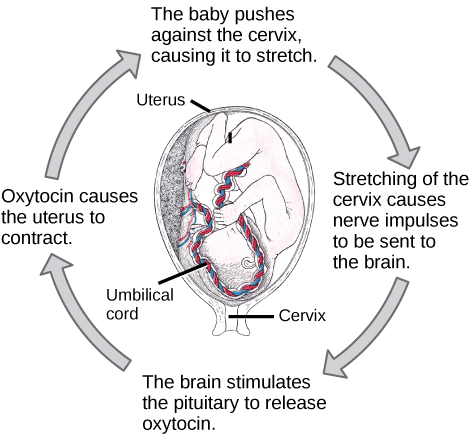
As the Earth warms, increased evaporation produces more clouds. Clouds increase albedo, reflecting more light away from the Earth. The temperature falls. Rates of evaporation fall.
Positive Feedback Loop
Negative Feedback Loop
A organization posts an advertisement with a very "click-baity" title and image on a social media platform. The title and image draw in people to click on the ad. As the ad receives more views, the algorithm shows the ad to more people.
Positive Feedback Loop
Negative Feedback Loop
As the Earth warms, upper layers of permafrost melt, producing waterlogged soil above frozen ground. Methane gas is released into the environment. The greenhouse effect is enhanced. The Earth warms, melting more permafrost.
Positive Feedback Loop
Negative Feedback Loop
As the Earth warms, ice cover melts, exposing soil or water. Albedo decreases. More energy is absorbed by the Earth’s surface. Global temperature rises. More ice melts.
Positive Feedback Loop
Negative Feedback Loop
In some developing countries poverty causes illness and contributes to poor standards of education. In the absence of knowledge of family planning methods and hygiene, this contributes to population growth and illness, adding further to the causes of poverty; “a vicious circle of poverty.”
Positive Feedback Loop
Negative Feedback Loop
In a positive feedback loop, each action creates a consequence that _____________________ the other action.
decreases
has no effect on
amplifies
In a negative feedback loop, each action creates a consequence that _____________________ the other action.
decreases
has no effect on
amplifies
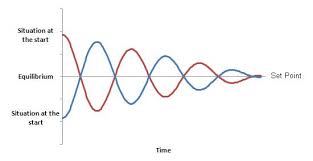
Does the graph show positive or negative feedback?
Positive, because when the red line shifts, the blue one does also
Negative, because the blue line starts below equilibrium
Negative, because the two actions are keeping each other near equilibrium
Both positive and negative because the graph moves up and down

Loops that cause a response to build up and build up until something big happens are called ____________ loops
positive
negative
The heater kicks on and the house warms up, so it kicks off. Then the house cools a bit and the heater kicks back on. This continues all day. It's a _____________ loop.
positive
negative
Most of the body's feedback loops are ____________ loops.
positive
negative
Body temperature regulation is an example of a ______________ loop
positive
negative
In a positive feedback loop, each action creates a consequence that _____________________ the other action.
decreases
has no effect on
amplifies
In a negative feedback loop, each action creates a consequence that _____________________ the other action.
decreases
has no effect on
amplifies
A ________________ feedback loop makes a system more stable.
Positive
Neutral
Negative
Circular
A _________________ feedback loop moves a system to an extreme.
Positive
Neutral
Circular
Negative
A thermostat in a central heating system can determine the temperature of your living room. It switches the air conditioner on when the temperature increases to a predetermined level and shuts it off when it cools to another level. The room temperature remains within a comfortable level regardless of the temperature outside.
Positive Feedback Loop
Negative Feedback Loop
In an economic recession, job loss leads to decreased spending, which harms businesses and leads to even more job loss.
Positive
Negative
When the population of deer in an area begin to grow, they start overgrazing the vegetation that feeds them. When there is not enough vegetation to sustain the rapidly growing deer population, they will begin to die off until the vegetation grows back to normal levels and the deer will have enough food to repopulate again.
Positive
Negative

This image is an example of
Equilibrium
Negative
Positive
Temperture
A organization posts an advertisement with a very "click-baity" title and image on a social media platform. The title and image draw in people to click on the ad. As the ad receives more views, the algorithm shows the ad to more people.
Positive Feedback Loop
Negative Feedback Loop
In some developing countries poverty causes illness and contributes to poor standards of education. In the absence of knowledge of family planning methods and hygiene, this contributes to population growth and illness, adding further to the causes of poverty; “a vicious circle of poverty.”
Positive Feedback Loop
Negative Feedback Loop
Does the graph show positive or negative feedback?
Positive, because when the red line shifts, the blue one does also
Negative, because the blue line starts below equilibrium
Negative, because the two actions are keeping each other near equilibrium
Both positive and negative because the graph moves up and down
Negative feedback loops result in stabilization of a system.
Negative feedback is a process that _______ the effects of a change.
reduces
amplifies
has no effect
Positive feedback loops result in a system moving towards an extreme. Positive feedback is a process that _______ the effects of a change.
reduces
amplifies
has no effect

