
 Worksheets
Environmental Final Exam Practice
Total questions: 100
Worksheet time: 2hrs 30mins
The information you collect while doing your experiment is called
conclusions
data
hypotheses
procedures
The variable that is being measured or observed is called the _______________. Hint: this is the variable that is the result or effect
independent variable
dependent variable
control variable
What is a constant/control in an experiment?
Things that do not change in a experiment. It's the variable that stays the same. You can have many variables stay the same.
It's the variables that the scientist changes in the experiment
It's the variables that are being measured in an experiment

How many independent variables should you have in an experiment?
two
as many as possible
four
one


What is the dependent variable of the graph?
A student wants to test the effects of different types of exercise on heart rate. What would be the dependent variable of the experiment?
the measurement of heart rate


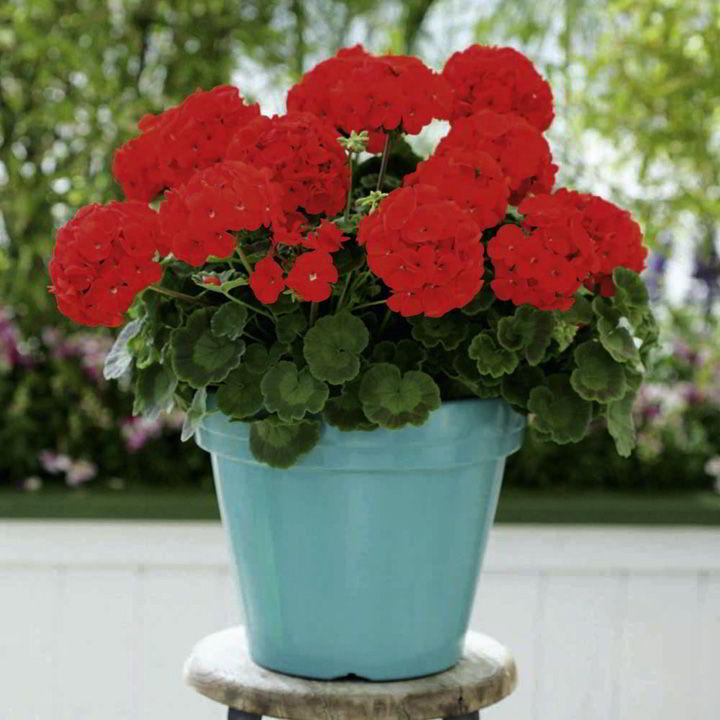
Susan said, “If I fertilize my geranium plants, then they will have more flowers.”
recognize a problem
test the hypothesis with an experiment
form a hypothesis
draw conclusions
__________ is an energy resource that WILL NOT run out in the next several hundred years.
Renewable Energy Resource
Non-Renewable Energy Resource
__________ is an energy resource that WILL run out in the next several hundred years.
Renewable Energy Resource
Non-renewable Energy Resource
Which of the following is a non-renewable resource?
Water
Sun
Coal
Win
What are the 3 fossil fuels?
coal, oil, uranium
coal, hydroelectric, oil
natural gas, oil, coal
A disadvantage of nuclear energy is that it creates...
fossil fuels
hydroelectric
radioactive waste
biomass

Energy from the sun is collected by a technology called photovoltaic cells.
Geothermal Energy
Solar Energy
Wind Energy
Hydroelectric Energy
Biomass Energy

Plants, wood, garbage can be burned to generate energy.
Some plants can also be turned into fuel like biodiesel which is made from corn.
Geothermal Energy
Solar Energy
Wind Energy
Hydroelectric Energy
Biomass Energy

Damming (blocking) water and releasing it at certain times creating electricity.
Geothermal Energy
Solar Energy
Wind Energy
Hydroelectric Energy
Biomass Energy

Wind spins the blades of a windmill which powers a turbine that generates energy.
Geothermal Energy
Solar Energy
Wind Energy
Hydroelectric Energy
Biomass Energy

Every source of energy has pros and cons even renewable ones.
Which renewable energy source would be harmful to fish and aquatic habitats?
Geothermal Energy
Solar Energy
Wind Energy
Hydroelectric Energy
Biomass Energy

Every source of energy has pros and cons even renewable ones.
Which renewable energy source would be harmful to birds and bats?
Geothermal Energy
Solar Energy
Wind Energy
Hydroelectric Energy
Biomass Energy
The decay of tiny marine organisms that accumulated on the ocean floor millions of years ago create
uranium
coal
oil and natural gas
Which of the following is an advantage of using fossil fuels for energy?
versatility in their use
air pollution
limited quantities


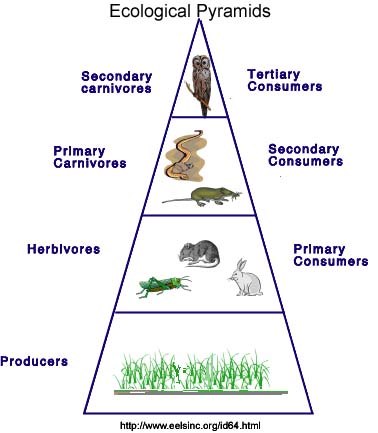

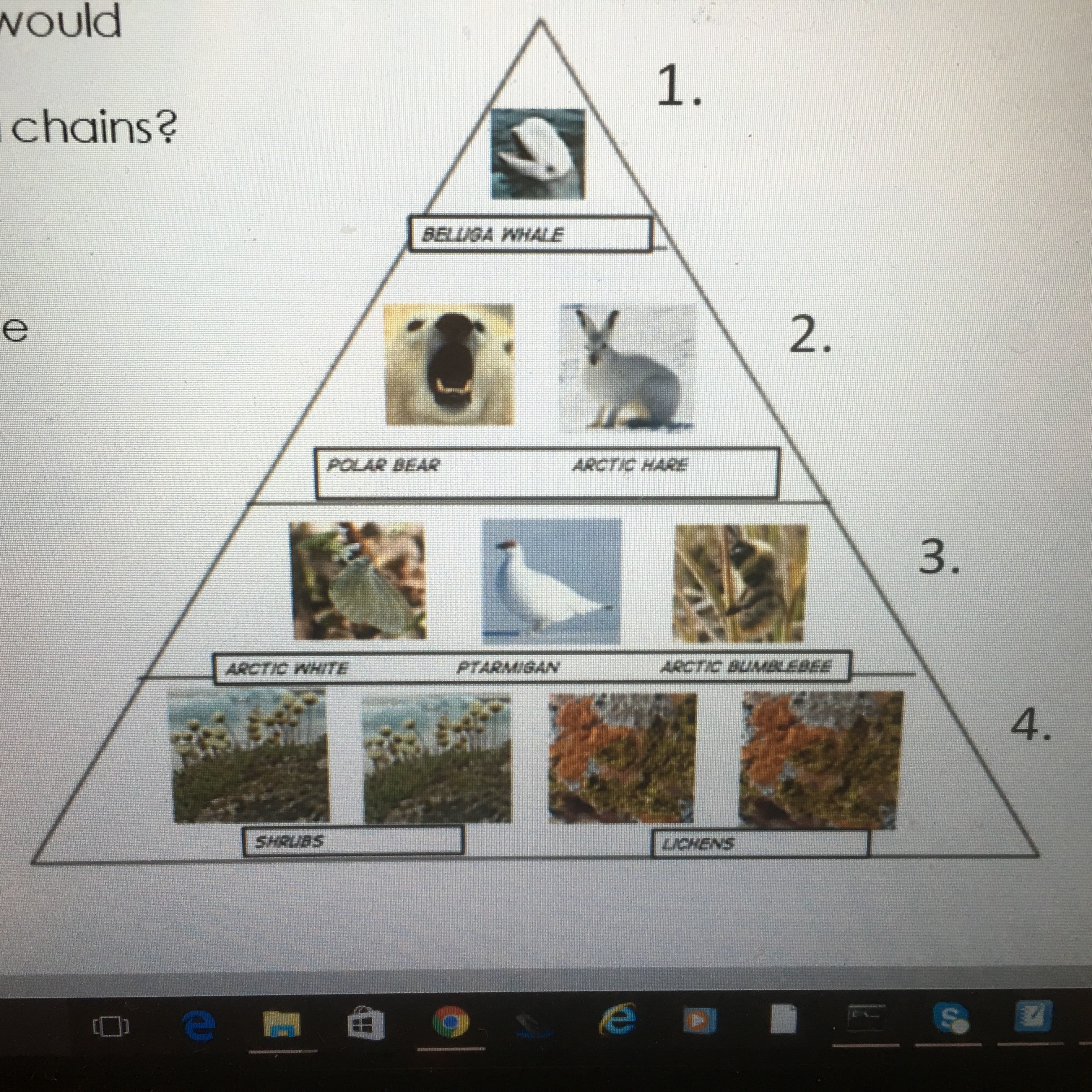
What amount of percentage does the energy decrease as it goes up the pyramid?
100%
1000%
10%
1%
How does the energy flow in an energy pyramids?
up the pyramid
down the pyramid
Photosynthesis is important because...
it makes carbon dioxide
it makes food for the food webs
it makes water
it's not important
Which graph depicts exponential growth in a population?


Which example describes or illustrates how a density-dependent limiting factor can affect a forest ecosystem?
A forest fire forces many animals to move to new habitats
A heat wave causes the death of many animals in the forest
An earthquake causes the death of many animals in the forest
A disease causes death of many animals in the forest
Over time, scientists are predicting the Baltic Sea to become less salty. As a result, there will be less biodiversity. Which best explains why the biodiversity of the Baltic Sea would decrease?
Fewer types of plants and animals are found in warm water than in cool water.
Plants and animals adapted for living in saltwater will grow more slowly in water that has less salt.
Plants and animals adapted for living in saltier conditions will not be able to survive and reproduce.
Animals adapted for living in warm water will eat all the plants and animals adapted for living in cool water.
Which example describes or illustrates how a density-dependent limiting factor can affect a forest ecosystem?
A forest fire forces many animals to move to new habitats
A heat wave causes the death of many animals in the forest
An earthquake causes the death of many animals in the forest
A disease causes death of many animals in the forest
Over time, scientists are predicting the Baltic Sea to become less salty. As a result, there will be less biodiversity. Which best explains why the biodiversity of the Baltic Sea would decrease?
Fewer types of plants and animals are found in warm water than in cool water.
Plants and animals adapted for living in saltwater will grow more slowly in water that has less salt.
Plants and animals adapted for living in saltier conditions will not be able to survive and reproduce.
Animals adapted for living in warm water will eat all the plants and animals adapted for living in cool water.

Water, sunlight, shelter, and space are resources that are often........
abiotic limiting factors
biotic limiting factors
non-limiting factors
exponetial factors

If the amount of food or resources available increases, the carrying capacity for an animal.....
Stays the same
Increases
Decreases
Fluctuates


Which of the following shows the symbiotic relationship between the Rodent and the Bird?
Mutualism
Commensalism
Competition
In (a) , one species harms another species to benefit themselves. For example, a flea bites a dog to get (b) . This leaves the (c) with itchy bite marks.
Macaws (a large, tropical bird) have strong beaks that can bit through thick shells. They are messy eaters, often opening nuts and droping them on the ground, leaving them behind. Other animals eat the dropped food. What type of relationship is this?
commensalism
parasitism
mutualism
competition
Match the following types of relationships to their descriptions:

Competition

Parasitism

Commensalism

Mutualism

Earth's core, mantle, mountains, sand, metals are examples
the hydrosphere
the geosphere/lithosphere
the atomosphere
the biosphere
This prefix comes from the greek work for "life"
hydro
geo
atmo
bio
This prefix comes from the Greek word for "ground"
bio
atmo
hydro
geo
When the volcano erupts adding CO2 to the air the interaction is between the ________________ and _____________.
biosphere and geosphere
hydrosphere and biosphere
geosphere and atmosphere
atmosphere and hydrosphere

What spheres of the Earth is Spongebob a part of?
Biosphere and atmosphere
Geosphere and hydrosphere
Hydrosphere and biosphere
Atmosphere and geosphere
When the volcano erupts adding carbon dioxide to the air the interaction is between the:
Biosphere and geosphere
Hydrosphere and biosphere
Geosphere and atmosphere
Atmosphere and hydrosphere
is the movement of individuals into an area
moving
immigration
emigration

Is this country Developed or Developing?
Developed
Developing

Predict the future population growth of this country.
Negative Growth (the population will shrink)
Slow/No Growth (the population will stay about the same)
Growth (the population will definitely grow)
Fast Growth (the population will explode)

According to this diagram, animals get proteins from eating ______________
decomposers
bacteria
plants
sunlight

A correct path that nitrogen could take would be _____
air -> animals->plants->bacteria
animals->air->bacteria->plants
air -> bacteria ->plants -> animals
bacteria ->air -> animals->plants
This is NOT a part of the phosphorus cycle.
Phosphate is incorporated into sedimentary rocks
Phosphate bound to soil
Atmospheric phosphate
Phosphate is absorbed from the soil by plants


¨The type of species that offers the best opportunity to apply the prevention principle is the
indicator species.
endangered species.
keystone species
alien species.

Responsible for the determination of endangered species status and monitoring the level of endangerment.
US. Fish and Wild Life Services
Park Rangers
DEA
Coast Guard
What is a habitat?
Where animals live
Where animals go and play
Where vertebrates live
Where invertebrates live

When mangrove trees are removed, it results in a rapid build-up of acid sulfides in the soil and increases shoreline erosion. What is a LIKELY impact of the removal of mangroves from their habitat?
The number of aquatic species would gradually increase.
Inshore breeding areas would be affected, and aquatic species would decline
The sedimentation rate would increase, and new hatcheries would form
The food web in the region would stabilize rapidly.

Migration
survival of the fittest
a behavior that must be taught
movement to a different geographical or climatic region where food is more available
the process of selecting organisms with desired traits to be parents of the next generation
The majority of species extinctions are caused by _____.
human practices such as hunting, overfishing, and deforestation
sickness
giant meteors hitting the planet
an imbalance in the ecosystem
What does the prefix macro- mean?
large
small
medium
none of these
How many macromolecules are there?
There are too many to count
3
4
10

What macromolecule is shown and comprises the main structure of the cell membrane?
Carbohydrates
Lipids
Proteins
Nucleic Acids

The image shows a particular macromolecule. Some humans do not have the ability to digest this molecule due to genetics. The enzyme lactase breaks down this molecule. What macromolecule is an enzyme?
Carbohydrate
Lipid
Protein
Nucleic Acid

A supercontinent containing all of Earth's land that existed about 225 million years ago.
Pangea
Gondwanaland
Rodinia
Pannotia

The theory that the continents have not always been in their present locations but have moved there over millions of years
Continental Drift Theory
Plate Tectonics
Alfred Wegener
Lystrasaurus

a tectonic plate boundary where two plates collide, come together, or crash into each other
transform
divergent
convergent
strike-slip
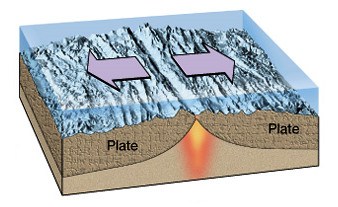
boundary between tectonic plates in which the two plates move away from each other, and new crust is created between them
transform
divergent
convergent
strike-slip

Boundary between two plates that are sliding past each other
transform
divergent
convergent
strike-slip

An area where magma from deep within the mantle melts through the crust above it
mountain chain
rift
subduction zone
hot spot

The theory that pieces of Earth's lithosphere are in constant motion, driven by convection currents in the mantle
buoyancy
continental drift
plate tectonics
Alfred Wegener

The portion of the earth's crust that primarily contains granite, is less dense than oceanic crust, and is 20-50 km thick
mantle
continental crust
oceanic crust
asthenosphere

