wayground logo

Free Printable Worksheets

Font size

S
M
L
XL
Worksheets

Physical Science Final- Part 2

Total questions: 85

Worksheet time: 7hrs 5mins

Name
Class
Date
1.

What is the mass on this triple beam?

a)

200.0 g

b)

44.0 g

c)

244.0 g

d)

240.4 g

2.

What is the mass on this triple beam?

a)

143 g

b)

40 g

c)

43.0 g

d)

43.5 g

3.

What is the mass on this triple beam?

a)

142.0 g

b)

42 g

c)

102.0 g

d)

140.2 g

4.

What is the volume?

a)

23 mL

b)

28 mL

c)

36 mL

d)

38 mL

5.

What is the volume?

a)

42 mL

b)

43 mL

c)

44 mL

d)

45 mL

6.

What is the volume?

a)

205 mL

b)

210 mL

c)

220 mL

d)

250 mL

7.

How many total Ammonia molecules are shown?

a)

4

b)

1

c)

3

d)

12

8.

How many Hydrogen (H) atoms are in this image?

a)

4

b)

1

c)

3

d)

12

9.

How many Nitrogen (N) atoms are in this image?

a)

4

b)

1

c)

3

d)

12

10.

How many Carbon atoms?

a)

2

b)

8

c)

3

d)

1

11.

How many Carbon atoms?

a)

1

b)

3

c)

4

12.

How many Hydrogen atoms?

a)

1

b)

2

13.

A substance's heating curve is shown in the graph. What is its melting point?

a)

100 C

b)

-60 C

c)

60 C

d)

-20 C

14.
At which point is this substance a liquid?
a)
A
b)
C
c)
E
15.

A substance's heating curve is shown in the graph. What point is the substance a solid?

a)

A

b)

C

c)

E

16.

A substance's heating curve is shown in the graph. What is its boiling point (evaporation)?

a)

100 C

b)

-60 C

c)

60 C

d)

-20 C

17.
What is the net force?
a)
5000 N right
b)
4000 N right
c)
40 N left
d)
4000 N left
18.
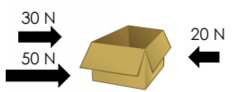
What is the net force in this picture?
a)
50 Newtons to the right
b)
950 Newtons to the right
c)
950 Newtons to the left
d)
50 Newtons to the left
19.

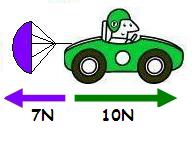
What is the net force?

a)

3 N

b)

3 N, right

c)

17 N, right

d)

3 N, left

20.
Calculate the Net Force. 
a)
60N, Left 
b)
40N, Right 
c)
0N
d)
60N, Right
21.
What is the net force of this object?
a)
0N
b)
50N
c)
25N
d)
5N
22.
Is this a balanced or unbalanced force?
a)
Balanced
b)
Unbalanced
c)
Neither
d)
Both
23.

Select the unit for speed

a)

m/s

b)

ms

c)

m/s^2

d)

ms^2

24.
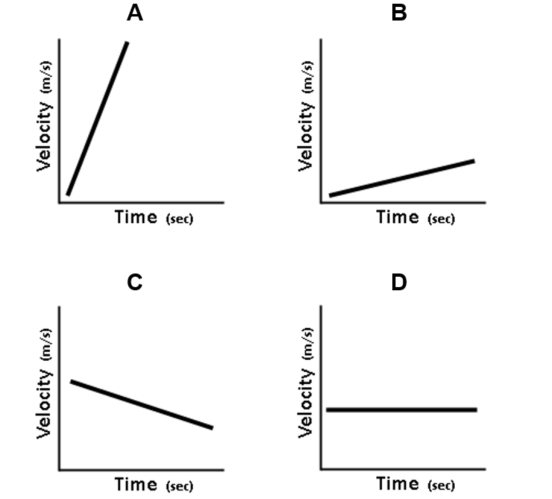
Which graph represents the greatest acceleration?
a)
A
b)
B
c)
C
d)
D
25.
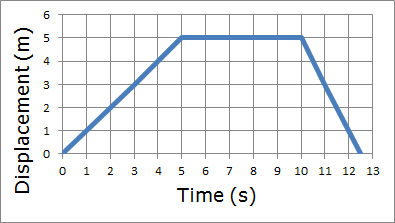
According to the graph how far does the person travel in the first 5 seconds?
a)
2 m
b)
10 m
c)
0 m
d)
5 m
26.
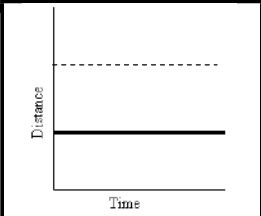
What is this graph representing?
a)
Constant Speed
b)
Acceleration (speeding up)
c)
Deceleration (slowing down)
d)
No motion
27.
At 60 seconds, how far had this object traveled? 
a)
0 m
b)
10 m
c)
20 m
d)
40 m
28.
How long did it take this object to travel 10 m?
a)
0 s
b)
10 s
c)
15 s
d)
20 s
29.
What does this graph represent?
a)
Constant speed
b)
Acceleration
c)
Not moving
30.
What is the speed of an object that travels 60 meters in 4 seconds?
a)
240 m/s
b)
15 m/s
c)
0.067 m/s
d)
15 mph
31.
What is the speed of an object that travels 20 meters in 4 seconds?
a)
80 m/s
b)
0.2 m/s
c)
5 m/s
d)
24 m/s
32.
Which line represents an object moving at a faster speed?
a)
A
b)
B
33.

What is the formula for force?

a)

F=m/a

b)

F=a/m

c)

F=ma

d)

F=Fm

34.
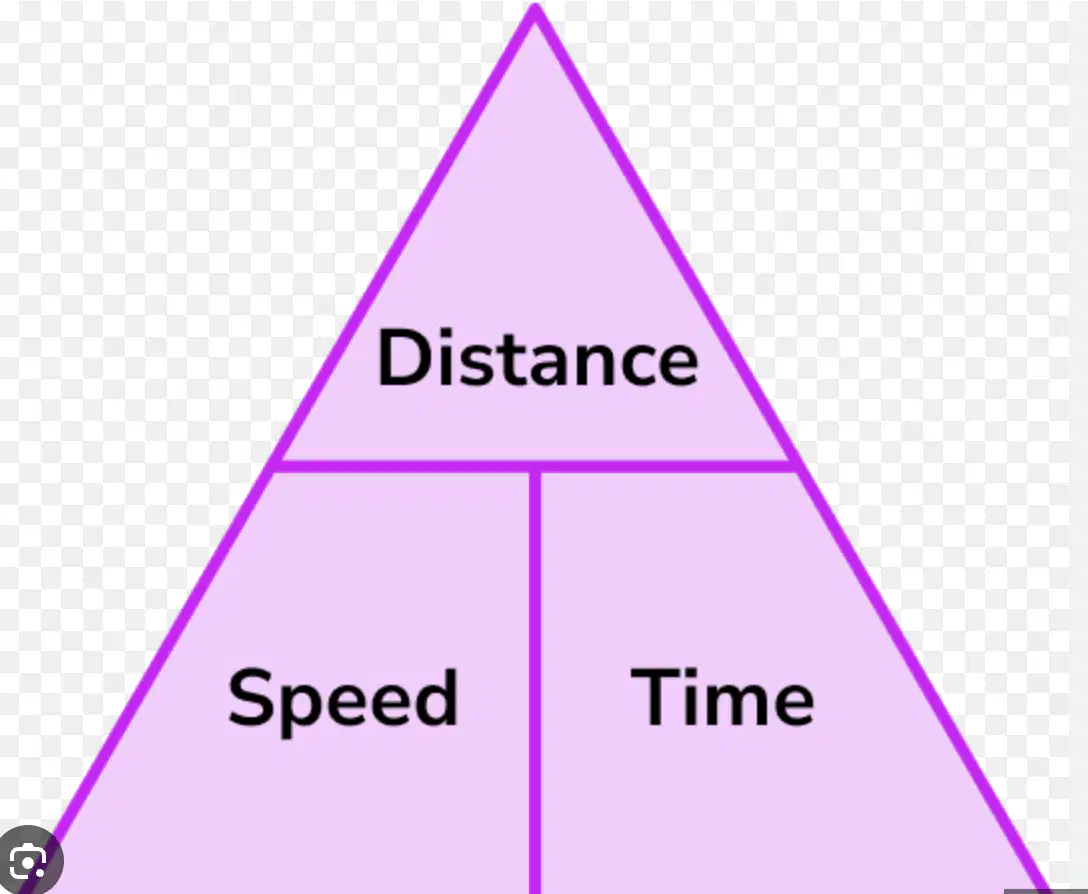
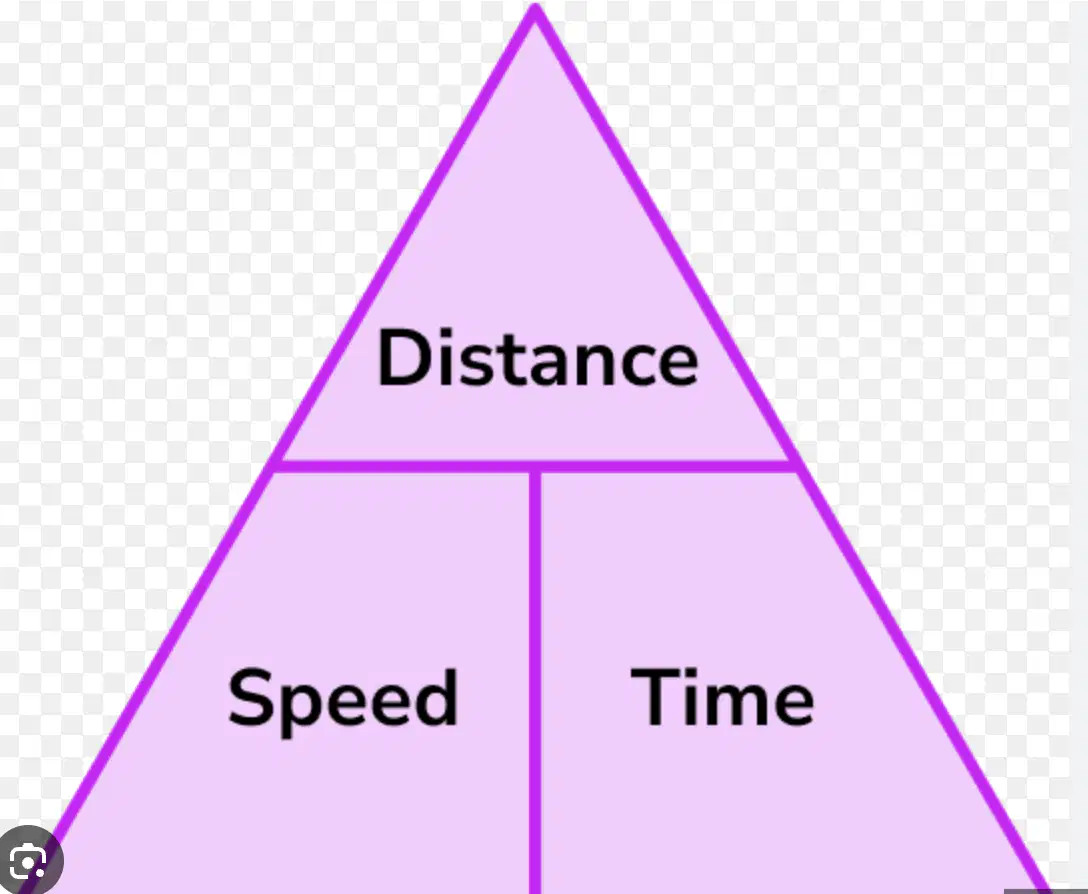
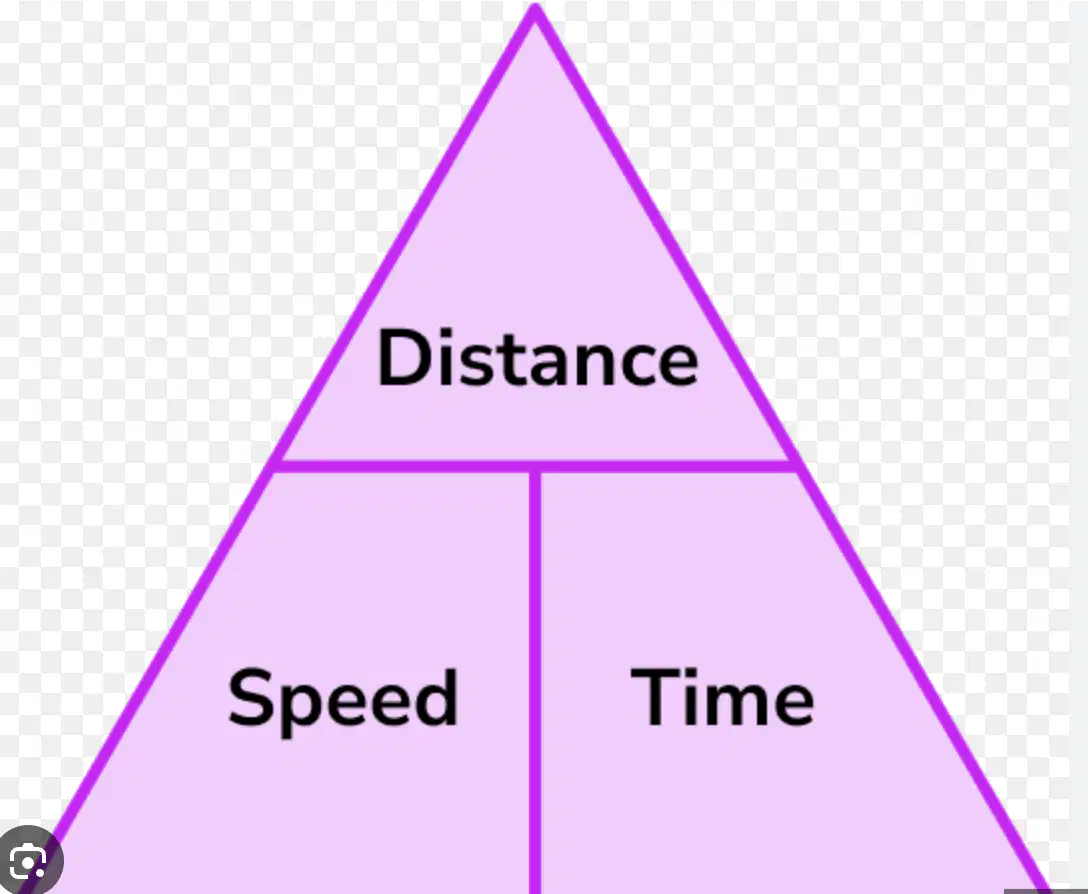
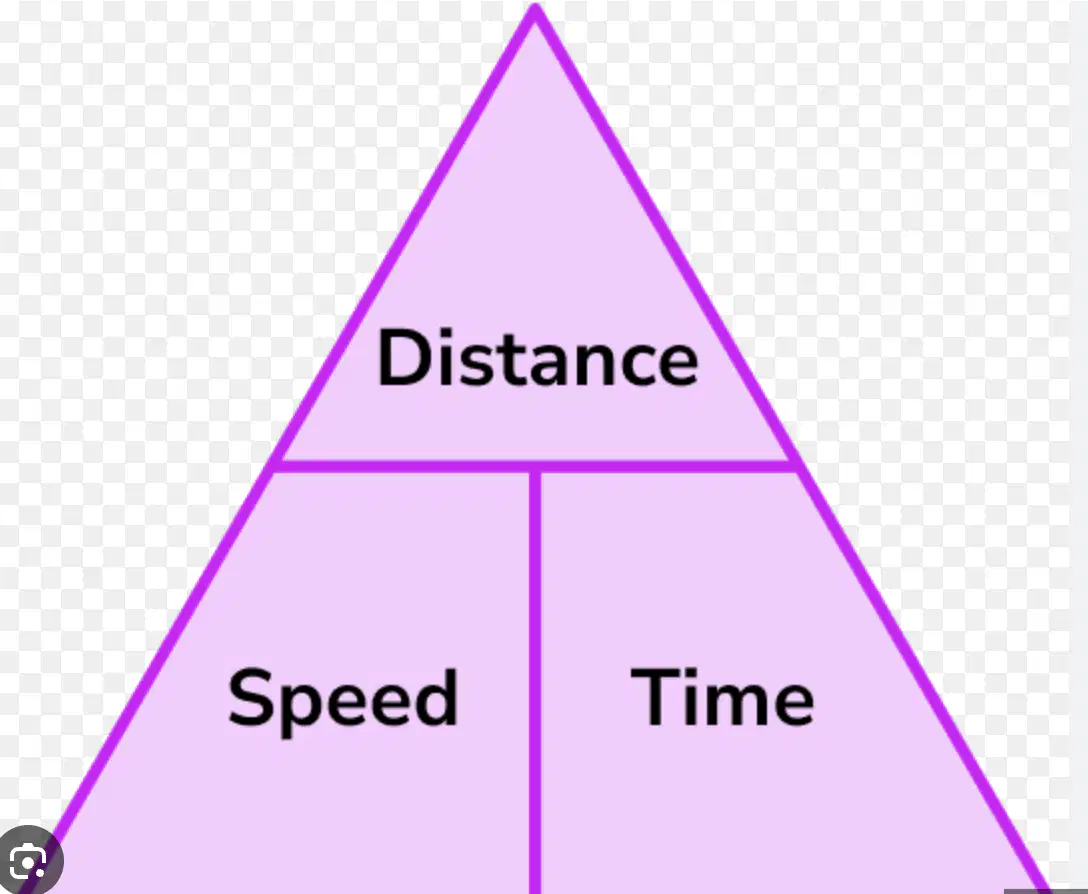
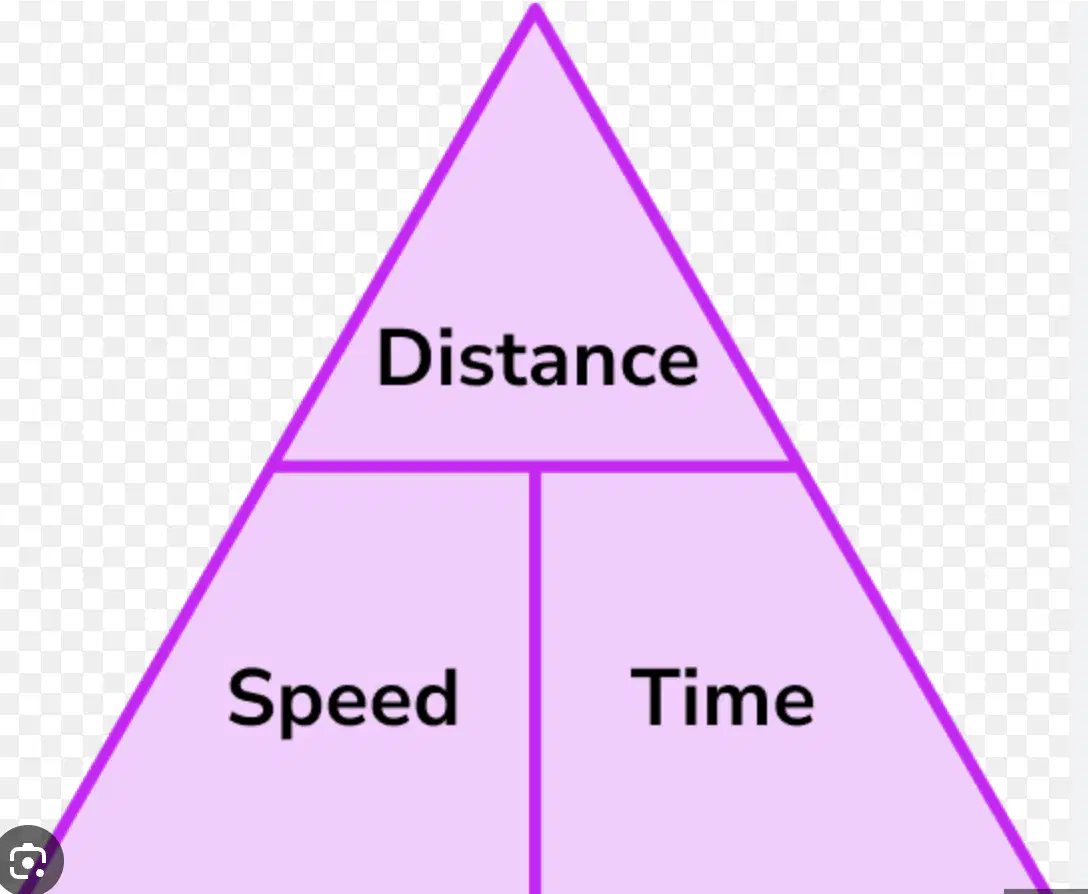
What is the formula to calculate speed?
a)
Speed = time/distance
b)
Speed = distance/time
c)
Speed = distance x time
d)
Speed = time x distance
35.

At what point does the biker have the greatest Kinetic Energy?

a)

Point A

b)

Point B

c)

Point C

d)

Point D

36.

At what point does the biker have the greatest Potential Energy?

a)

Point A

b)

Point B

c)

Point C

d)

Point D

37.

At what point does Potential Energy transform into Kinetic Energy?

a)

Point A

b)

Point B

c)

Point C

d)

Point D

38.

Which Apple has the greatest Gravitational Potential Energy?

a)

Apple A

b)

Apple B

c)

Apple C

d)

Apple D

39.
When does that ball have the greatest potential energy?
a)
A
b)
B
c)
C
d)
D
40.
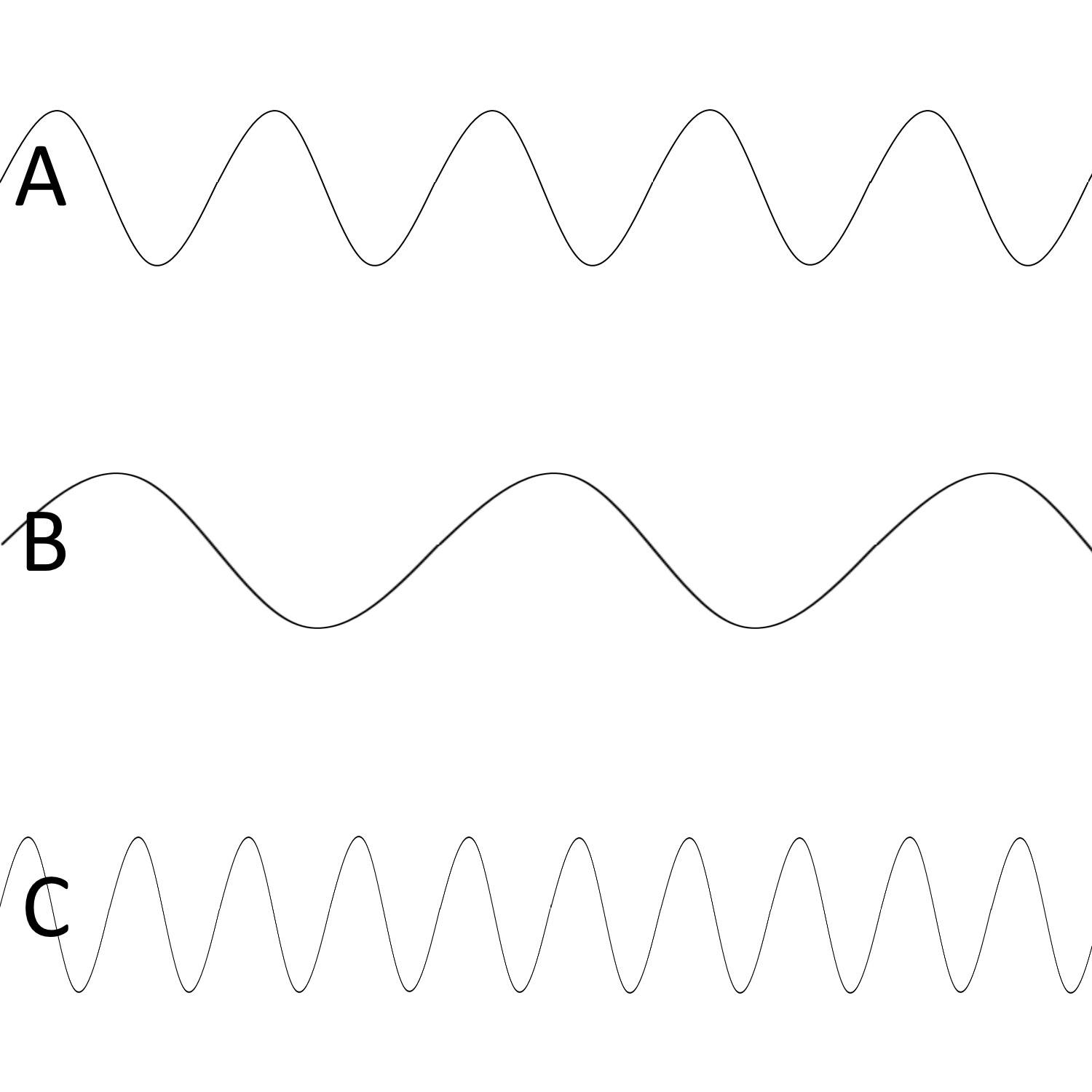
Which wave has the largest wavelength?
a)
A
b)
B
c)
C
d)
None (same wavelength)
41.

What type of wave is this?

a)

Transverse

b)

Longitudinal

42.
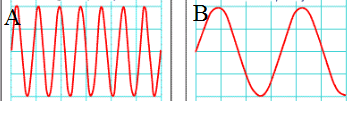
Which wave has a greater frequency?
a)
A
b)
B
43.
If the angle of incidence is 45 degree, what is the angle between the incident ray and reflecting surface
a)
45
b)
90
c)
180
d)
none of the above
44.

P is the

a)

ray of reflection

b)

ray of incidence

c)

angle of incidence

d)

angle of reflection

45.

Q is the

a)

ray of reflection

b)

ray of incidence

c)

angle of incidence

d)

angle of reflection

46.

θr\theta r  is the

a)

ray of reflection

b)

ray of incidence

c)

angle of incidence

d)

angle of reflection

47.

θi\theta i  is the

a)

ray of reflection

b)

ray of incidence

c)

angle of incidence

d)

angle of reflection

48.

If the angle of incidence in the diagram is 80°, the angle of reflection will be:

a)

10°

b)

100°

c)

90°

d)

80°

49.

In the diagram, which letter represents the angle of incidence?

a)

A

b)

B

c)

C

d)

D

50.

In the diagram, which letter represents the angle of reflection?

a)

E

b)

A

c)

C

d)

D

51.

In the diagram, which letter represents the normal?

a)

E

b)

A

c)

C

d)

D

52.

In the diagram, which letter represents the incident ray?

a)

E

b)

A

c)

C

d)

D

53.

If the angle of incidence is 30 degrees, what will be the angle of reflection?

a)

60 degrees

b)

30 degrees

c)

90 degrees

d)

120 degrees

54.

From where should the angles of incidence and reflection be measured?

a)

From the mirror

b)

From the incident ray

c)

From the reflected ray

d)

From the normal

55.

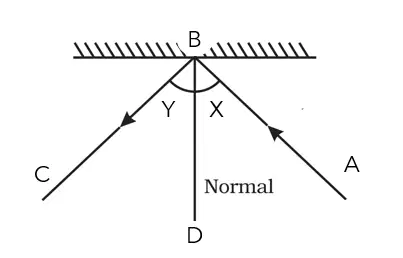
Identify BD

a)

Incident ray

b)

Reflected ray

c)

Normal

d)

Emergent ray

56.

The angle between the reflected ray and the normal (labelled Y on the diagram).

a)

Angle of Incidence

b)

Angle of Reflection

c)

Angle of Normal

d)

Angle of Light

57.

What is the wavelength of this wave?

a)

3

b)

10

c)

4

d)

8

58.

What is the amplitude of this wave?

a)

3

b)

-3

c)

6

d)

4

59.

If Θ2 is 40 degrees what is Θ3?

a)

40

b)

50

c)

80

d)

90

60.

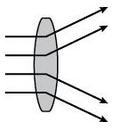
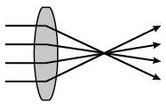
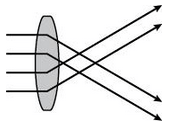
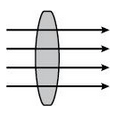
Which figure represents the path light takes through a convex lens?
a)
b)
c)
d)
61.

Which lens represents the path light takes through a concave lens?

a)
b)
c)
d)
62.

Which one of these is a convex lens?

a)
b)
63.

Which one of these is a concave lens?
a)
b)
64.
Jack has a rock. The rock has a mass of 14g and a volume of 2cm3. What is the density of the rock?
a)
7 mL
b)
7 g/cm3
c)
28 g/cm3
d)
1/7 g/cm3
65.
Frank has an eraser. It has a mass of 4g, and a volume of 2cm3. What is its density?
a)
8 g/cm3
b)
2 g/cm3
c)
1/2 g/cm3
d)
24 g/cm3
66.

What statement is true?

a)

Mass never changes. Weight does.

b)

Weight never changes. Mass does.

c)

Both mass and weight change because they are affected by gravity.

d)

Neither mass nor weight change. They are always the same.
67.

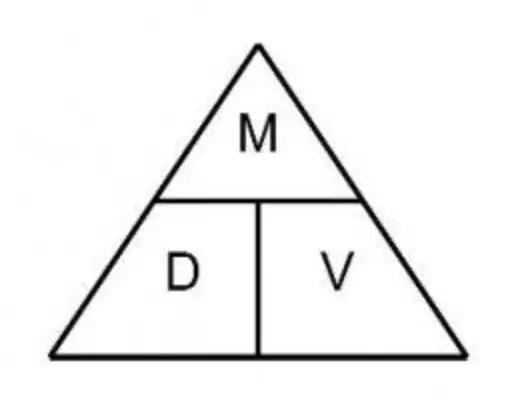
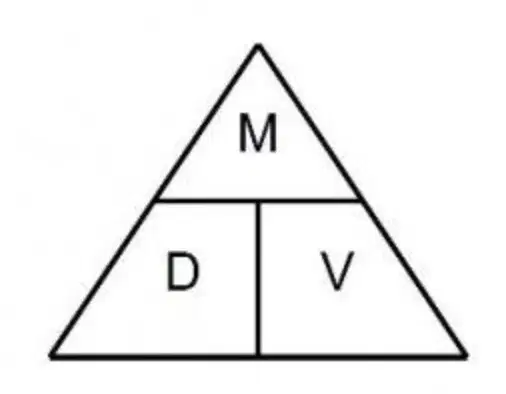
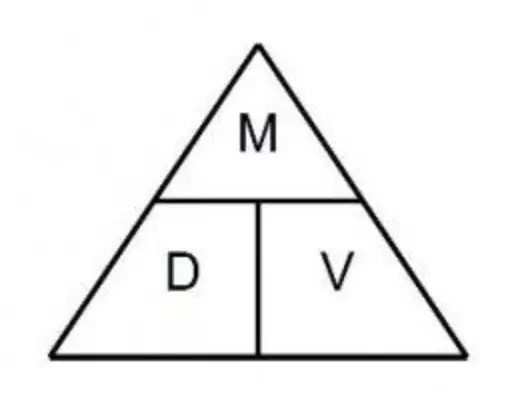
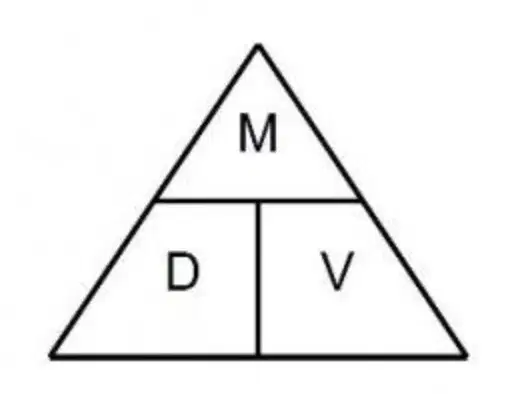
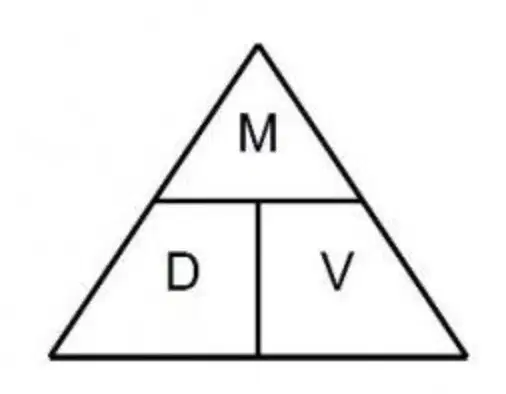
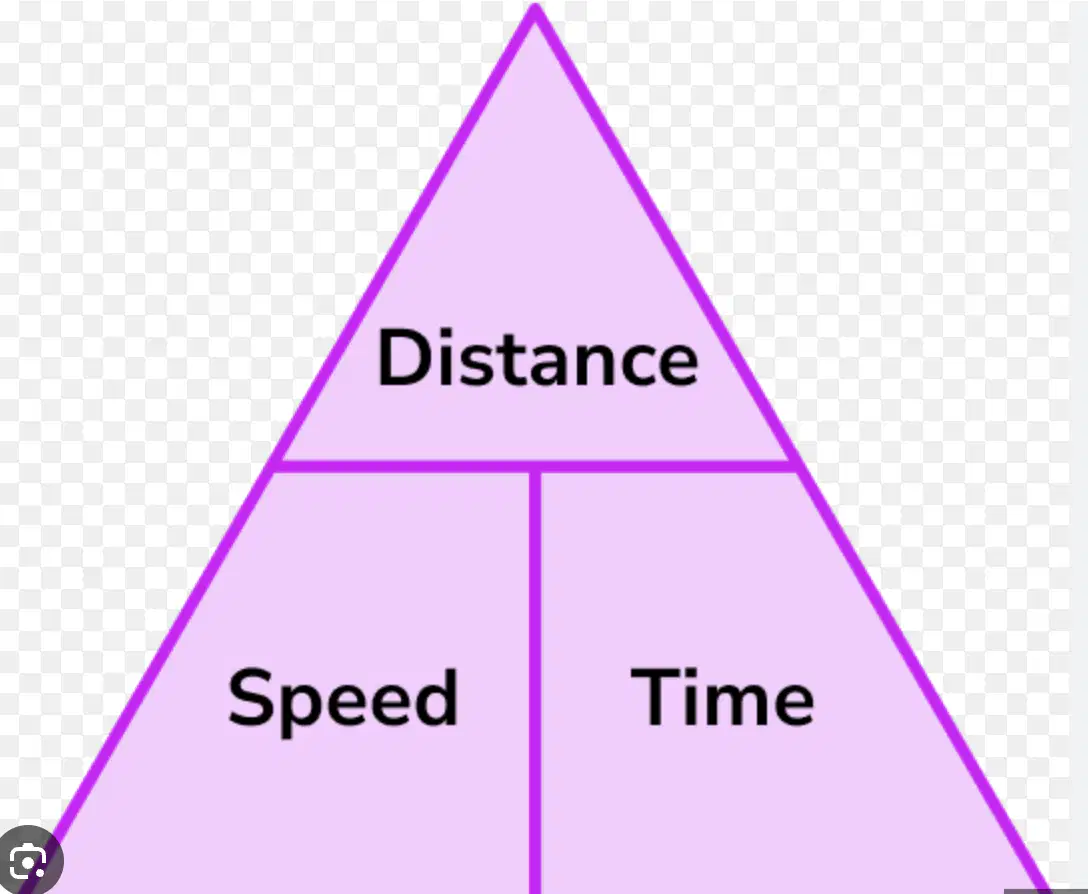
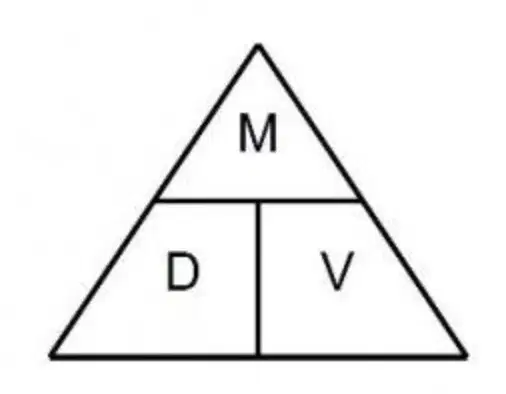
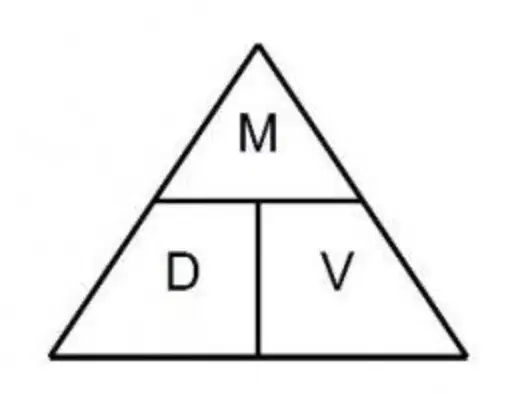
If a liquid has a density of 3 g/mL and a mass of 9 g. What is the volume? Use the density triangle to solve the problem

a)

24 mL

b)

18 mL

c)

3 mL

d)

12 mL

68.
What is the volume of 150 grams of lead if it has a density of 11.3 g/cm3?
a)
13.3 g
b)
13.3 cm3
c)
.075 g
d)
1695 cm3
69.
What is the formula for density?
a)
density = mass x volume
b)
density = mass / volume
c)
density = mass + volume
d)
density = mass - volume
70.

If you are given the density and volume of an item, how would you calculate its mass?

a)

M = D/V

b)

M = V/D

c)

M = D x V

71.
If you know the density and the mass of an object, what equation would you use to calculate its volume?
a)
V = D/M
b)
V = M/D
c)
V = M x D
d)
V = l x w x h
72.
A car travels 300 km in 6 hours. What is the average speed of the car (in km/hr)?
a)
0.02 km/hr
b)
1,800 km/hr
c)
50 km/hr
d)
50 km
73.
A storm is moving toward your house at a speed of 20 km/hr.  It is now 60 km away from your house.  In what time will the storm reach your house?
a)
0.3 hours
b)
1200 hours
c)
3 km
d)
3 hours
74.
What is the average speed of a walker who walks 500 m in 400 seconds?
a)
1.25 m/s
b)
100 m/s
c)
0.8 m/s
d)
200,000 m/s
75.
What is the speed of a helicopter that traveled 1200 miles in 7 hours?
a)
70,000 seconds
b)
171 hours
c)
8,400 mi/hr
d)
171 mi/hr
76.
If a student ran 300 m in 30 seconds, what was her average speed?
a)
0.10 m/s
b)
10 m/s
c)
270 m/s
d)
100 m/s
77.
What equation do I use to calculate time?
a)
S = D/T
b)
T = D/S
c)
D=TS
78.
What equation do I use to calculate distance?
a)
S = D/T
b)
T = D/S
c)
D=TS
79.
What equation do I use to calculate speed?
a)
S = D/T
b)
T = D/S
c)
D=TS
80.

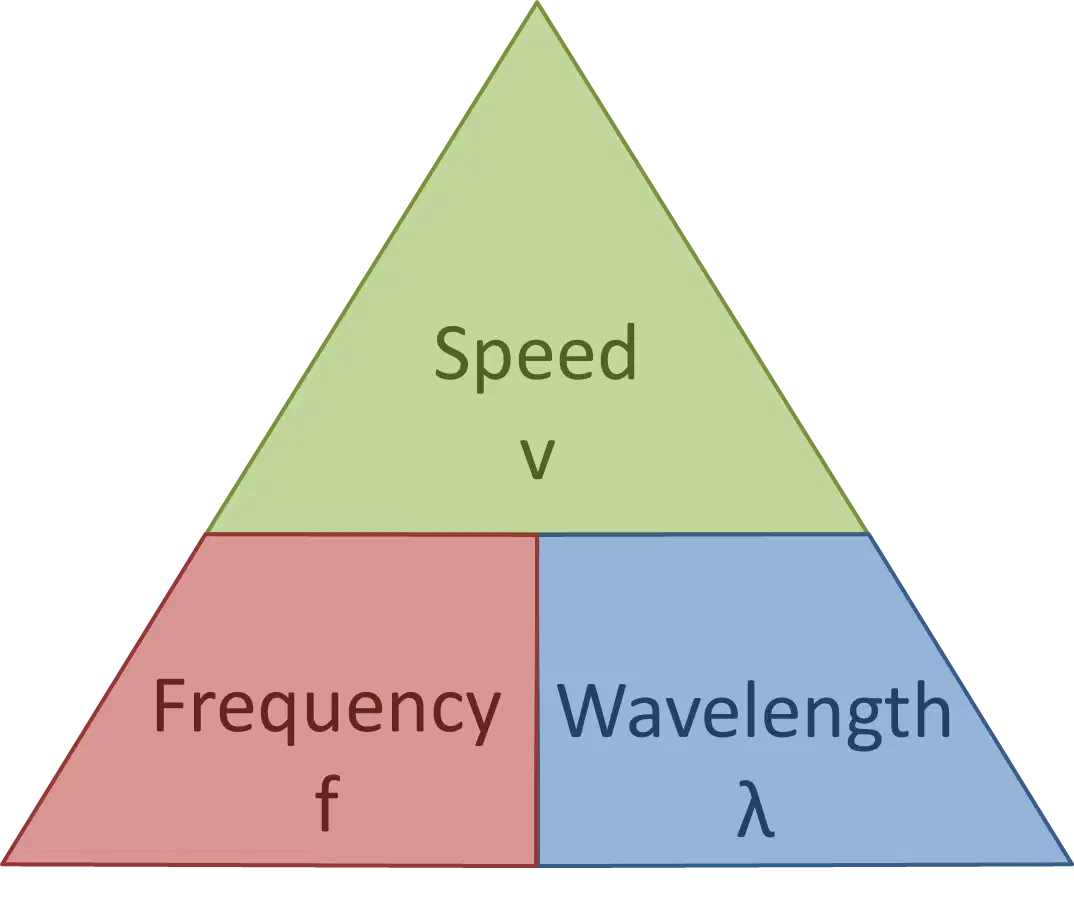
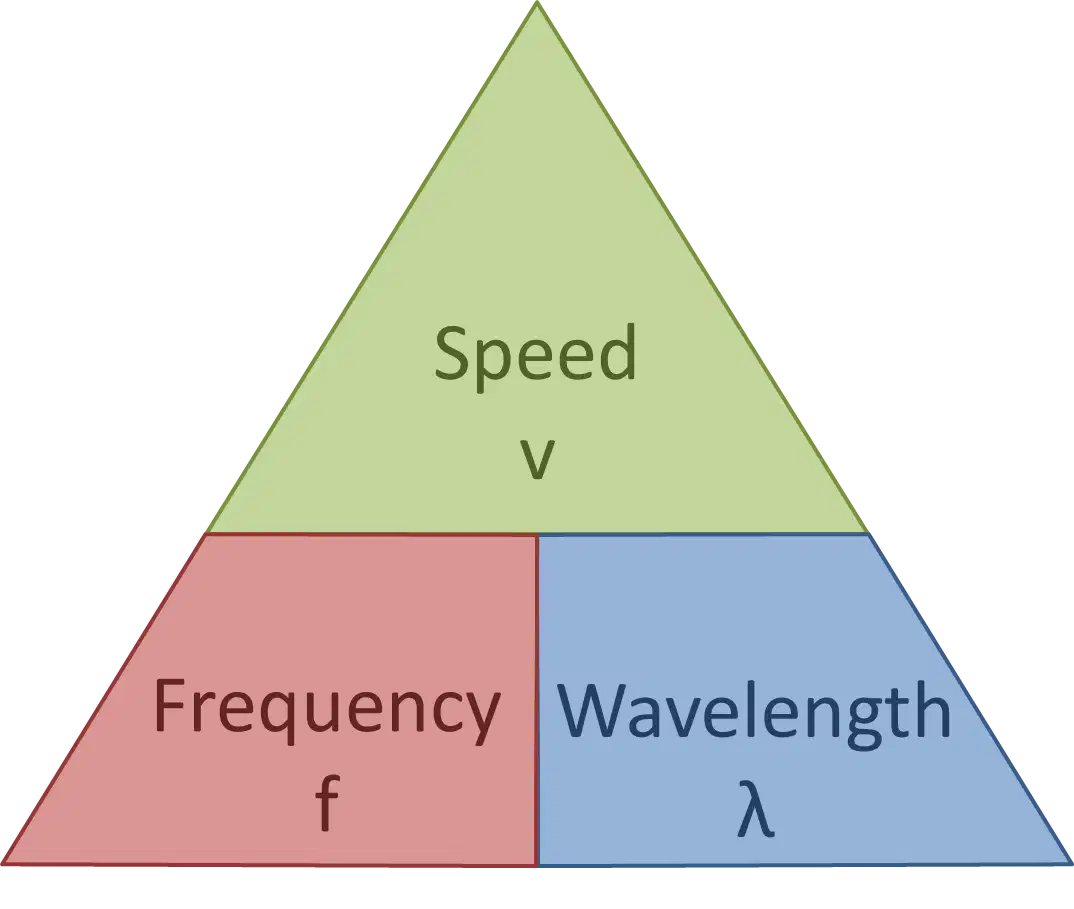
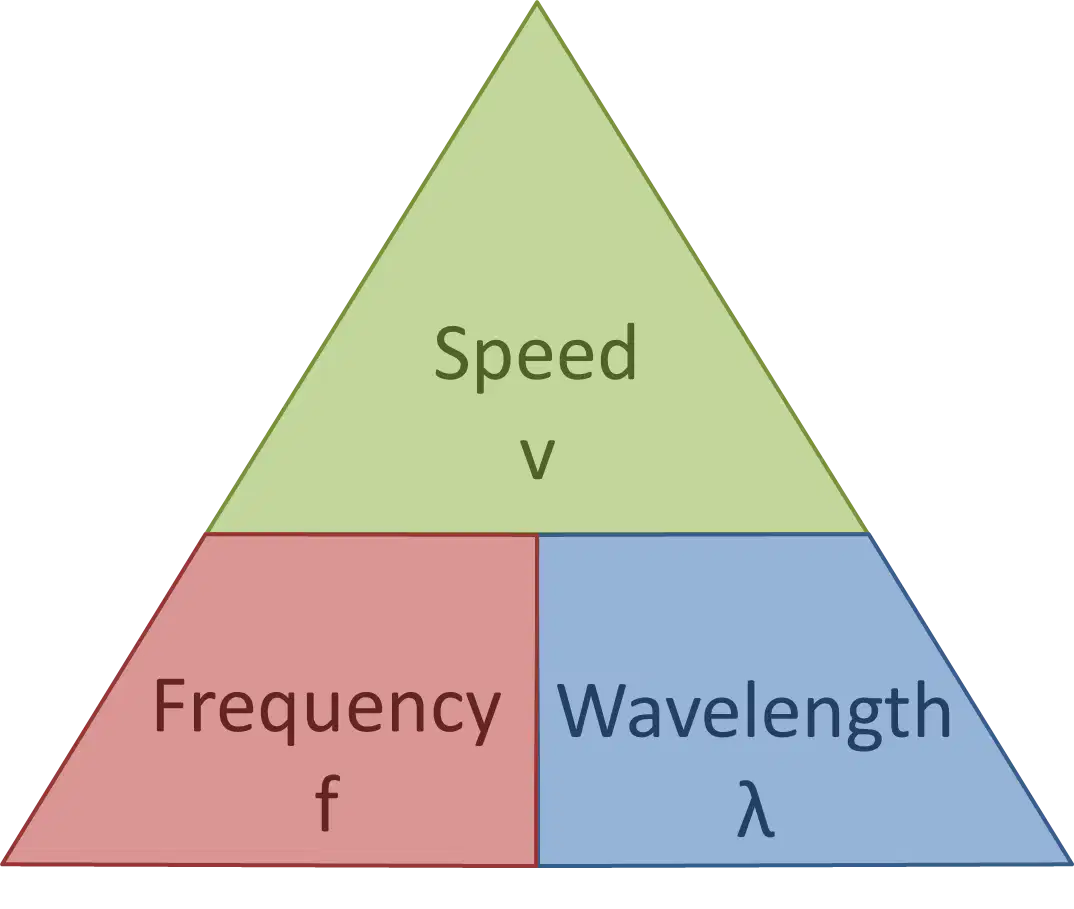
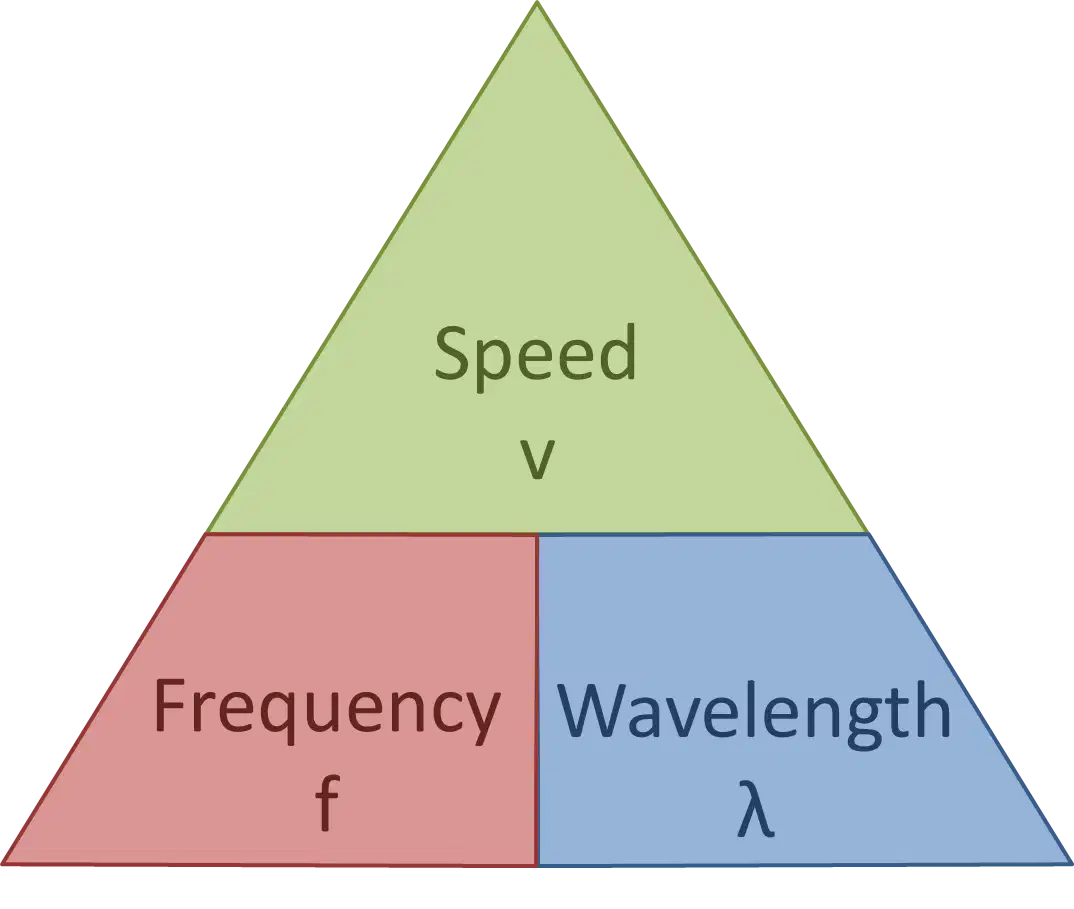
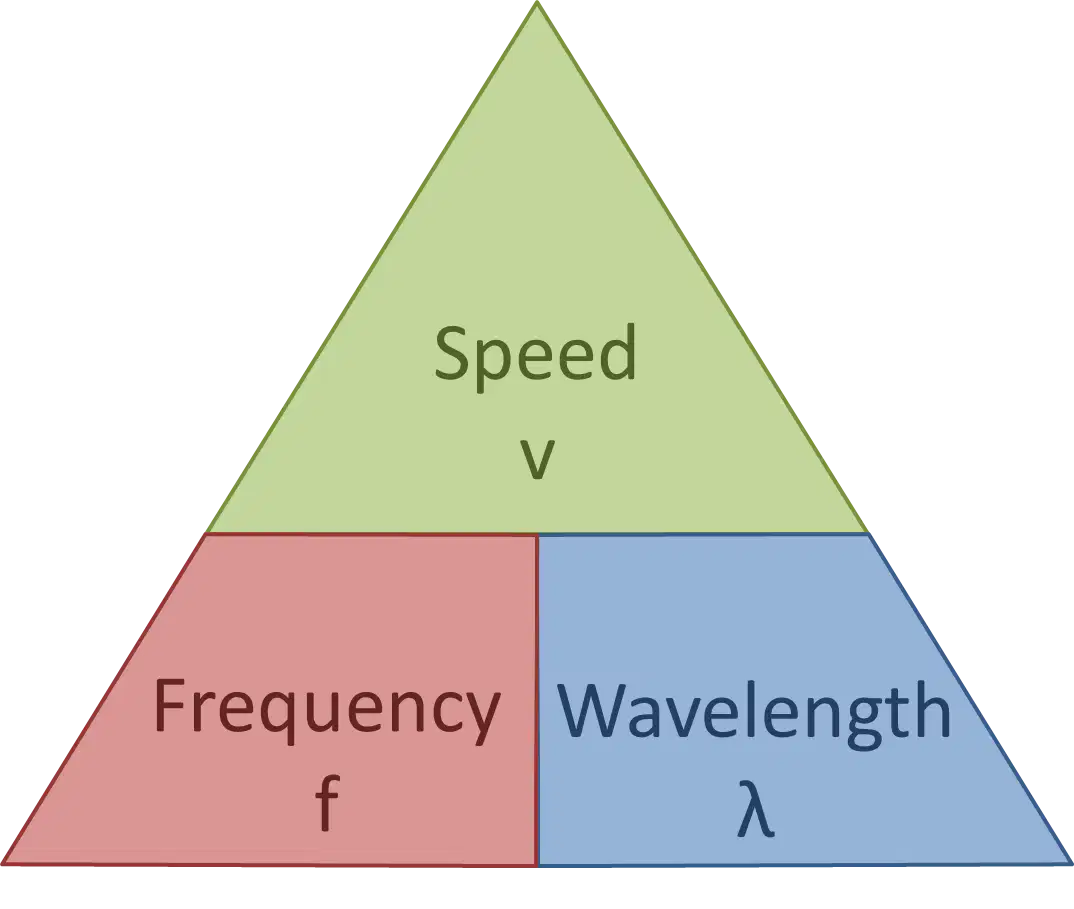
If a wave has a speed of 200 m/s and a wavelength of 4 meters, what is its frequency?

a)

25 Hz

b)

50 Hz

c)

75 Hz

d)

100 Hz

81.

A wave has a frequency of 120 Hz and travels at 360 m/s. What is its wavelength?

a)

2 m

b)

3 m

c)

4 m

d)

5 m

82.

If a wave has a speed of 250 m/s and a frequency of 500 Hz, what is its wavelength?

a)

0.2 m

b)

0.4 m

c)

0.5 m

d)

0.6 m

83.

What is the speed of a wave with a wavelength of 10 m and a frequency of 5 Hz?

a)

15m/s

b)

50m/s

c)

5m/s

d)

2m/s

84.

What is the formula for calculating frequency?

a)

Frequency = Speed ×\times Wavelength

b)

Frequency = Speed / Wavelength

c)

Frequency = Wavelength / Speed

d)

Frequency = Speed + Wavelength

85.

What is the formula for calculating wavelength?

a)

Wavelength = Speed ×\times Frequency

b)

Wavelength = Speed / Frequency

c)

Wavelength = Frequency / Speed

d)

Wavelength = Speed + Frequency