wayground logo

Free Printable Worksheets

Font size

S
M
L
XL
Worksheets

credit recovery final

Total questions: 125

Worksheet time: 3hrs 44mins

Name
Class
Date
1.
Which one is NOT an example of a decomposer?
a)
mushroom
b)
leaves
c)
mold
d)
worm
2.
Examples of a producer
a)
frog
b)
algae
c)
worm
d)
mouse
3.
Example of a decomposer
a)
fungus
b)
mouse
c)
plants
d)
frogs
4.
What is a producer?
a)
an organism that gets energy from eating other organisms
b)
an organisms that uses sunlight to make its own food
c)
an organism that gets energy from eating dead organisms, non-living material or waste
d)
an organism that uses chemical energy to make its own food
5.
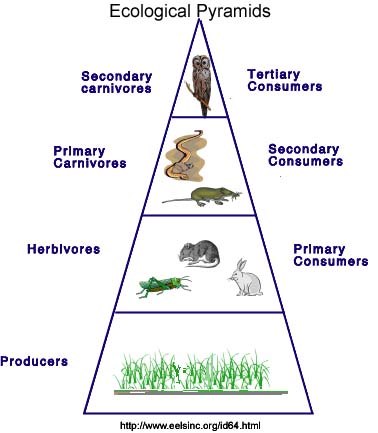
In the energy pyramid here, which organisms have the most energy available?
a)
Producers
b)
Carnivores
c)
Herbivores
d)
Top Predator
6.
If there is 1000 Kcal available in the producers in trophic level 1, how much energy is available in the herbivores in trophic level 2?
a)
10 Kcal
b)
1 Kcal
c)
100 Kcal
d)
1000 Kcal
7.
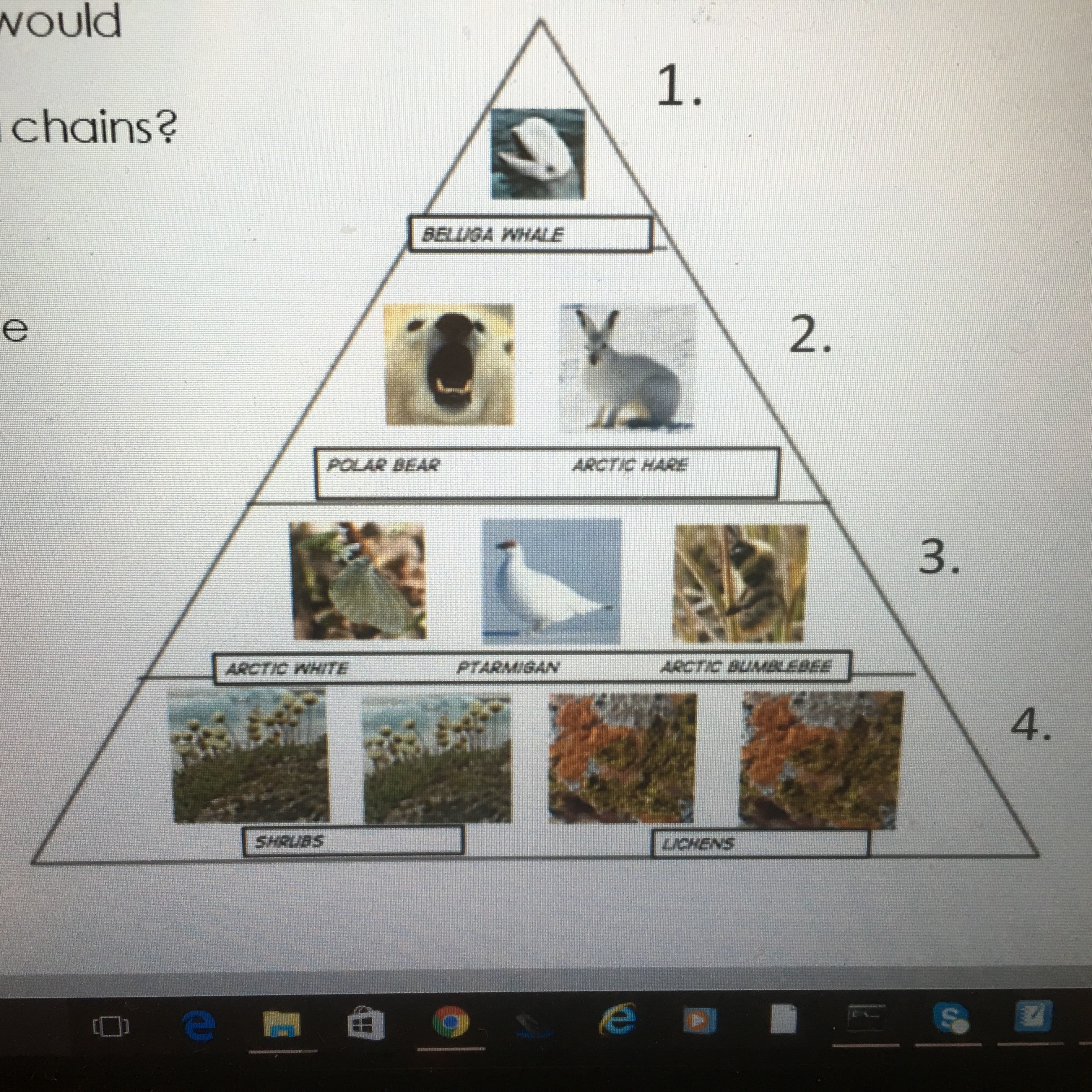
If these organisms were arranged in a food pyramid, which organism would have the least amount of total energy available?
a)
coyote
b)
insect
c)
lizard
d)
shrub
8.
Which organism recieves the least amount of energy from the producer?
a)
Owl
b)
Grasshopper
c)
Lilypad
d)
Mouse
9.
The largest group of organisms found in a food web would be:
a)
Primary Consumers
b)
Producers
c)
Decomposers
d)
Tertiary Consumers
10.
A food pyramid represent the relative amount of energy in trophic levels. Which of the following correctly shows a food pyramid?
a)
A
b)
B
c)
C
d)
D
11.
A third-level consumer has to be which type?
a)
Carnivore.
b)
Decomposer.
c)
Producer.
d)
Herbivore.
12.
A secondary consumer 
a)
eats primary consumers
b)
eats producers
c)
eats plants
13.
Level 1 is called the _____________ trophic level. 
a)
Tertiary consumer
b)
Tertiary producer
c)
Primary consumer
d)
Primary producer
14.

What amount of percentage does the energy decrease as it goes up the pyramid?

a)

100%

b)

1000%

c)

10%

d)

1%

15.

How does the energy flow in an energy pyramids?

a)

up the pyramid

b)

down the pyramid

16.
Which is the smallest level of an ecosystem?
a)
organsism
b)
population
c)
community
d)
ecosystem
17.
a system of food chains that shows the transfer of energy  is termed
a)
food web
b)
food chain
c)
prey
d)
predator
18.
Biodiversity is 
a)
the variety of species within an ecosystem
b)
a large number of the same species in an ecosystem
c)
an abundant amount of the same primary consumers 
d)
the ability to have an abundant source from the same species
19.

Photosynthesis is important because...

a)

it makes carbon dioxide

b)

it makes food for the food webs

c)

it makes water

d)

it's not important

20.
Cattle egrets forage (feed) in fields among cattle. The egret gets easy access to flying insects stirred up by the cattle, and the cattle don't care if they are there or not.
a)
mutualism
b)
commensalism
c)
competition
d)
parasitism
21.
A relationship between two organisms in which one organism benefits and the other is unharmed...
a)
Mutualism 
b)
Competition
c)
Parasitsm 
d)
Commensalism 
22.

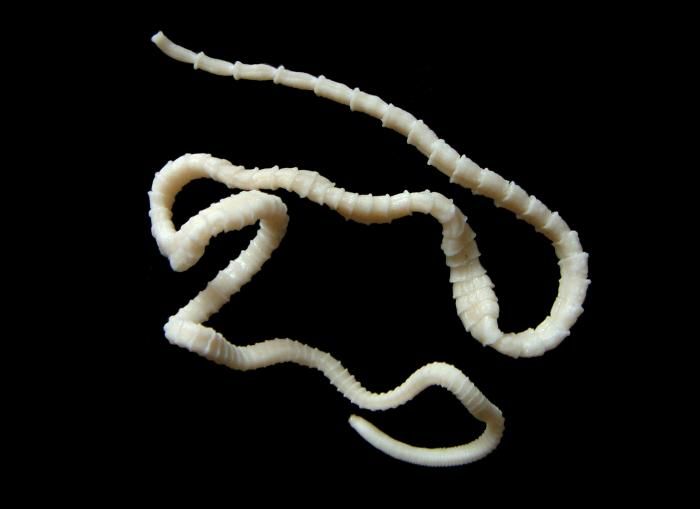
A tapeworm lives in the intestine of a cat absorbing nutrients through its skin. A tapeworm and a cat have this type of relationship.

a)

mutualism

b)

parasitism

c)

commensalism

d)

competition

23.
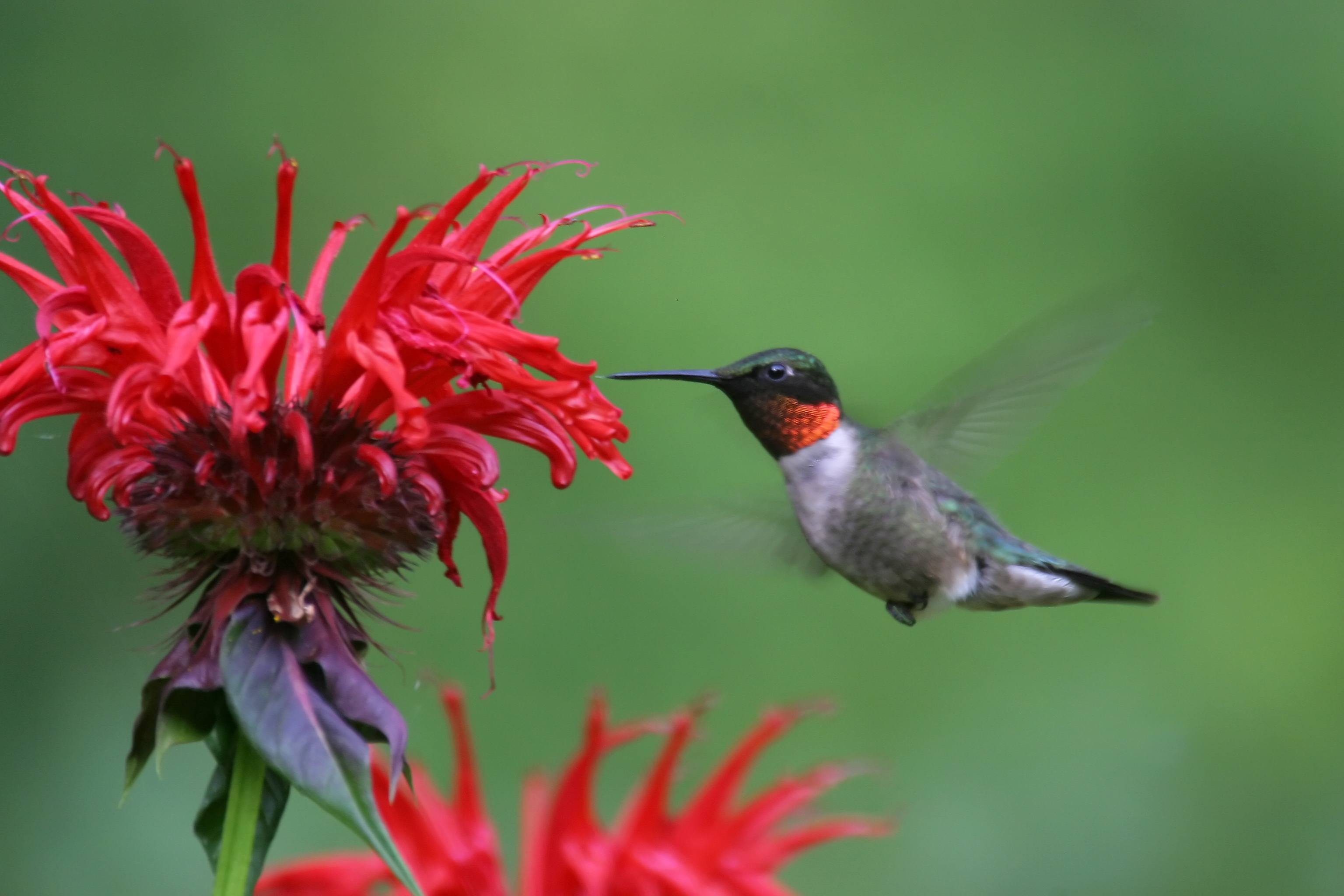
What type of symbiosis?  Hummingbirds feed on nectar from flowers.  The flowers are pollinated by hummingbirds as they move from flower to flower.
a)
commensalism
b)
mutualism
c)
parasitism
d)
predation
24.
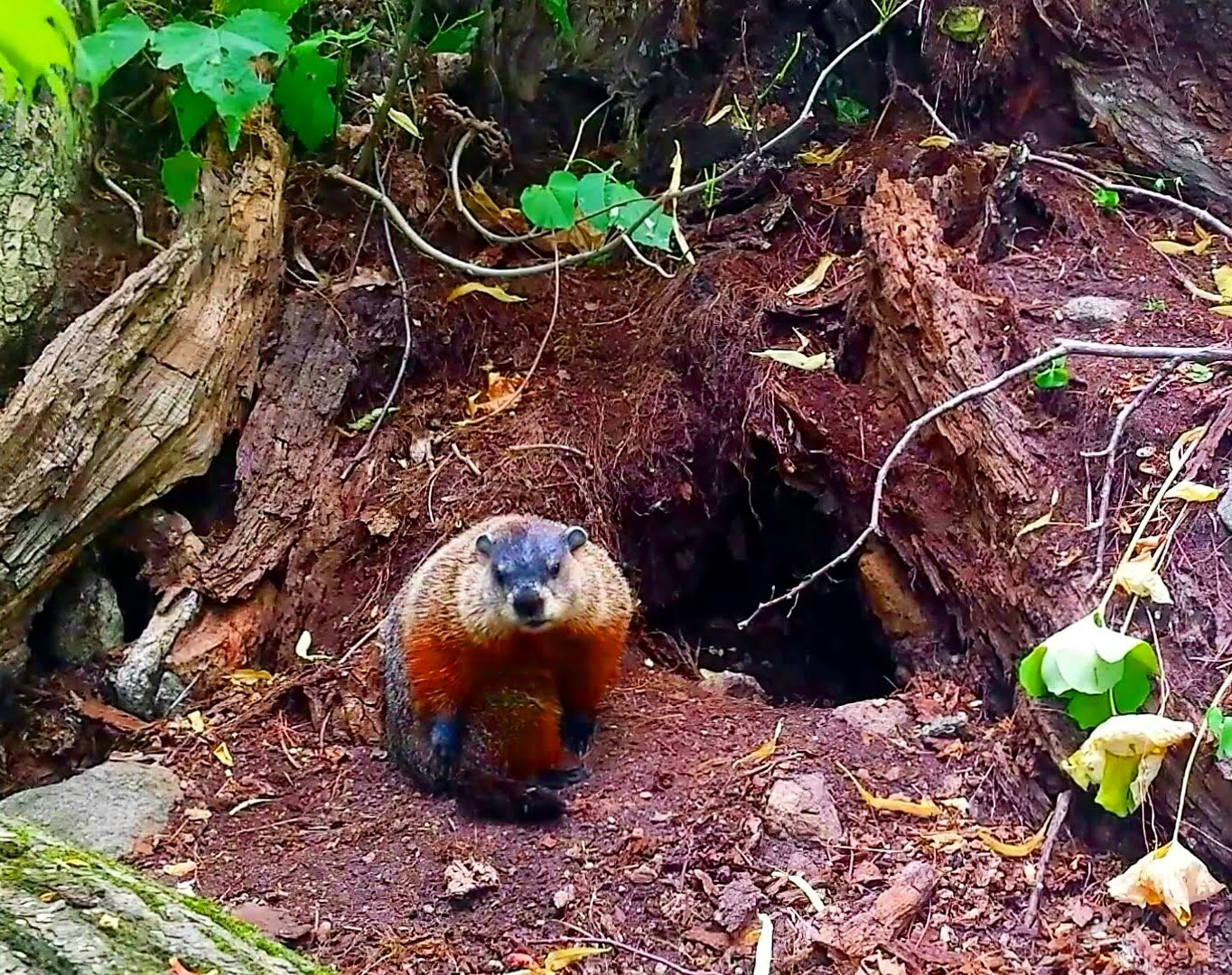
What type of symbiosis?  Skunks often live in burrows that have been dug and abandoned by woodchucks.  
a)
commensalism
b)
mutualism
c)
parasitism
d)
predation
25.
A relationship between two organisms in which both organisms benefit. 
a)
Mutualism 
b)
Competition
c)
Parasitsm 
d)
Commensalism 
26.
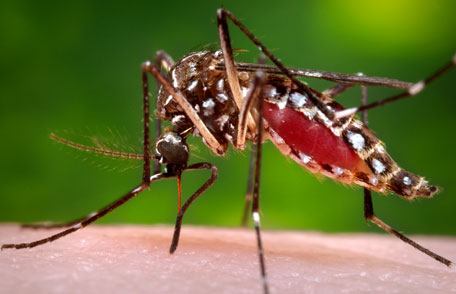
When a mosquito bites you, you are the __________ and the mosquito is the  ____________.
a)
host, hostess
b)
parasite, host
c)
host, parasite
d)
prey, predator
27.

Mockingbirds will push the eggs out of a blue bird's nest and use the nest for it's own babies illustrating...

a)

commensalism

b)

parasitism

c)

mutualism

d)

predation

28.

Clown fish live among anemones, acting as a lure for the sea anemone's prey. The clown fish get protection and shelter from the anemone. This is an example of which type of symbiosis?

a)

Commensalism

b)

Mutualism

c)

Parasitism

29.

A bee and a flower work together to benefit each other. This is an example of a ______. The bee helps the flower by pollinating it and the flower helps the bee by providing it with nectar.

a)

commensalistic relationship

b)

parasitic relationship

c)

mutualistic relationship

30.
Which of he following interactions demonstrates a PARASITIC relationship?
a)
A mosquito sucking blood from a warm blooded animal.
b)
A group of baby otters floating together to help warm each other in the cold waters.
c)
Many fish swimming together to protect each other from predators.
d)
Two hyenas fighting over a female to mate with.
31.
A bird makes a nest in a tree.  The bird gets a house, but the tree is unharmed.
a)
Commensalism
b)
Mutualism
c)
Parasitism
32.
Birds eat the flies off of a rhino's back in the savannah
a)
commensalism
b)
Mutualism
c)
parasitism
33.

What is a keystone species?

a)

A species that is most abundant in an ecosystem.

b)

A species that plays a critical role in maintaining the structure of an ecological community.

c)

A species that has no predators in its ecosystem.

d)

A species that can live in a variety of ecosystems.

34.

Which of the following is an example of a keystone species?

a)

Cattle

b)

Sea otter

c)

Grass

d)

Mosquito

35.

What is a trophic cascade?

a)

A process where nutrients flow from one trophic level to another.

b)

A series of secondary extinctions triggered by the primary extinction of a key species in an ecosystem.

c)

The migration of species from one habitat to another.

d)

The increase in population size of a species at the bottom of the food chain.

36.

How can the removal of a keystone species affect an ecosystem?

a)

It can increase biodiversity.

b)

It can lead to a more stable ecosystem.

c)

It can cause a trophic cascade and disrupt the ecosystem balance.

d)

It has no significant effect.

37.

In a food chain, what is the primary source of energy?

a)

Carnivores

b)

Herbivores

c)

Decomposers

d)

The Sun

38.

Which of the following best describes a food web?

a)

A linear sequence of who eats whom in an ecosystem.

b)

A single pathway of feeding relationships among organisms in an ecosystem.

c)

A complex network of feeding relationships among organisms in an ecosystem.

d)

A graphical representation of the energy flow in an ecosystem.

39.

What happens to energy as it moves up the food chain?

a)

It increases exponentially.

b)

It remains constant.

c)

It decreases due to energy loss at each trophic level.

d)

It is completely recycled.

40.

Why are keystone species important for biodiversity?

a)

They are the most numerous species in their ecosystems.

b)

They provide food for all other species.

c)

They help to maintain the structure and integrity of the ecosystem.

d)

They have no predators, ensuring their survival.

41.

What role do decomposers play in a food web?

a)

They produce their own food through photosynthesis.

b)

They consume living plants and animals.

c)

They break down dead organisms, returning nutrients to the soil.

d)

They are the primary source of energy in an ecosystem.

42.

What could be a direct consequence of removing a top predator from an ecosystem?

a)

A decrease in the population of primary consumers.

b)

An increase in the diversity of plant species.

c)

A decrease in the overall biodiversity of the ecosystem.

d)

An increase in the population of herbivores, leading to overgrazing.

43.
An endangered species is
a)
One whose numbers are so small that it is at risk of extinction
b)
One whose not been spotted after many years.
c)
One whose numbers are abundant.
44.
A species is defined as endangered when it
a)
suffers from damage to its habitat.
b)
suffers from disease or predation.
c)
when there are hazards to the continued life of the species.
d)
all of the above
45.
The Endangered Species Act of 1973 protects registered endangered species by removing them from the "take" list which makes it unlawful to
a)
shoot
b)
capture
c)
trap
d)
all of the above
46.
Which of the following does not destroy habitats?
a)
building homes
b)
pollution
c)
nature reserves
d)
hunting and trading
47.
Who can help save endangered species?
a)
environmentalist
b)
you
c)
scientists
d)
all of the above!
48.
The world's most endangered species include
a)
Tigers
b)
Elephants
c)
Rhinos
d)
all of the above
49.
Why is it important to protect and conserve animal species?
a)
So that the animal have food to eat.
b)
So that the animal have a place to stay.
c)
So that we can see the animal on Earth in the future.
50.

An animal that might become endangered if nothing is done is considered __________.

a)

extirpated

b)

threatened

c)

extinct

d)

vulnerable

51.
Which is NOT a process of the water cycle?
a)
precipitation
b)
freezing
c)
transpiration
d)
evaporation
52.

Why do living things need nitrogen?

a)

To get energy

b)

To make amino acids

c)

To make proteins

d)

To make proteins AND amino acids

53.
What is the only process that removes carbon from the atmosphere?
a)
combustion
b)
cellular respiration
c)
photosynthesis
d)
decomposition
54.
Where is carbon stored in the environment?
a)
Fossil fuels
b)
Wood of trees
c)
Calcium carbonate (shells and bones)
d)
All of the above
55.
These gases, such as carbon dioxide, trap heat in the Earth's atmosphere causing global warming
a)
Global warming gases
b)
Hot House gases
c)
Green House gases
d)
Thermal pollution
56.
What converts nitrogen into a useable form for plants and animals?
a)
bacteria
b)
fungi
c)
rain
57.

What cycle are fossil fuels part of ?

a)

carbon

b)

oxygen

c)

nitrogen

d)

phosphorus

58.

Where is the largest reservoir for the phosphorus cycle?

a)

rocks and minerals

b)

the ocean

c)

the atmopshere

d)

fossil fuels

59.

What is the largest reservoir for nitrogen?

a)

the ocean

b)

rocks and minerals

c)

the atmosphere

d)

bacteria

60.

What is the largest reservoir for water?

a)

the ocean

b)

rocks and minerals

c)

the atmosphere

d)

glaciers

61.
__________ energy from the sun is changed intto __________ energy during photosynthesis
a)
Chemical energy to light energy
b)
Light energy to chemical energy
c)
Thermal energy to light energy
d)
Electrical energy to chemical enerfy
62.
What are the 3 key ingredients needed for photosynthesis
a)
glucose, oxygen, carbon dioxide
b)
carbon dioxide, water, glucose
c)
water, soil, sunlight
d)
sunlight, water, carbon dioxide
63.
What is the name of the sugars a plant produces after photosynthesis
a)
Glucose
b)
Sugar
c)
ATP
d)
Oxygen
64.
Which of the following is not needed as a key ingredient for photosynthesis to occur?
a)
sunlight
b)
carbon dioxide
c)
water
d)
oxygen
65.
What gas goes into the plant before photosynthesis?
a)
Carbon Dioxide
b)
Carbon Monoxide
c)
Oxygen
d)
Nitrogen
66.
Plants need what to do photosynthesis?
a)
Food absorbed from ground
b)
Sun's energy
c)
Food broken down
d)
Minerals from the soil
67.
What three things are needed for a plant to do photosynthesis?
a)
Glucose, Oxygen, Sunlight
b)
CO2, Oxygen, Sunlight
c)
CO2, Water, Sunlight
d)
Oxygen, Water, Sunlight
68.
What two products does a plant make during photosynthesis?
a)
Water and Glucose
b)
Oxygen and Glucose
c)
Oxygen and Water
d)
CO2 and Glucose
69.
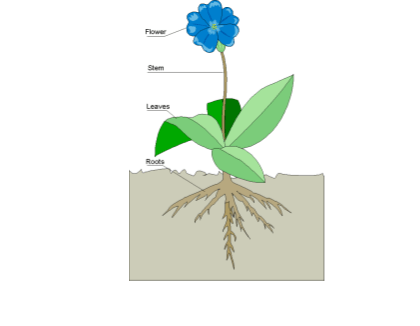
Which plant part absorbs water and nutrients?
a)
Leaf
b)
Stem
c)
Roots
d)
Flower
70.
What is the name of the green pigment inside plants?
a)
Monophyll
b)
Chlorophyll
c)
Epiphyll
d)
Glorophyll
71.

Which product is "waste" and mostly released by the producer (plant)?

a)

oxygen

b)

carbon dioxide

c)

sugar

d)

glucose

72.
What is the chemical formula for glucose?
a)
C6H12O6
b)
C6H6O12
c)
C12H6O12
d)
C6O2H6
73.
What is the chemical formula for water?
a)
H2O
b)
HO2
c)
CHO2
d)
CO2H
74.
What is the chemical formula for carbon dioxide?
a)
H2O
b)
CO2
c)
CHO2
d)
CO2H
75.
What is the chemical formula for oxygen?
a)
H12O2
b)
C6O2
c)
O3
d)
O2
76.
What are the products of photosynthesis?
a)
water and carbon dioxide
b)
oxygen and glucose
c)
oxygen and carbon dioxide
d)
oxygen and water
77.
Which gas is removed from the atmosphere during photosynthesis?
a)
hydrogen
b)
oxygen
c)
nitrogen
d)
carbon dioxide
78.
What is the organelle that contains the chlorophyll used in photosynthesis ?
a)
mitochondria
b)
ribosome
c)
chloroplast
d)
nucleus
79.
The purpose of photosynthesis is ...
a)
to make glucose
b)
to break glucose
c)
to capture energy from the sun
d)
to change carbon dioxide
80.
The purpose of cellular respiration is to
a)
make glucose
b)
break glucose
c)
capture the energy in sunlight
d)
change carbon dioxide
81.
Cellular respiration happens in which 2 places?
a)
cytoplasm and mitochondria
b)
chlorplast and mitochondria
c)
chloroplast and stomata
d)
chloroplast and cytoplasm
82.
How are photosynthesis and cellular respiration related?
a)
They have opposite equations
b)
they have the same equation
c)
they both produce carbon dioxide
d)
they both produce oxygen
83.
What are the products in cellular respiration?
a)
water and carbon dioxide
b)
water and glucose
c)
carbon dioxide and oxygen
d)
glucose and oxygen
84.
This is the equation for...
a)
photosynthesis
b)
cellular respiration
85.

This is the equation is for? 6Co2 + 6H2O ----> C6 H12 O6 6O2

a)

photosynthesis

b)

cellular respiration

86.

Which of the following occurs in the cytoplasm and produces only 2 ATP molecules?

a)

glycolysis

b)

Krebs Cycle

c)

electron transport chain

d)

Calvin Cycle

87.

Which of the following occurs in the mitochondria and produces only 2 ATP molecules?

a)

glycolysis

b)

Krebs Cycle

c)

electron transport chain

d)

Calvin Cycle

88.

Which of the following occurs in the mitochondria and produces 32 ATP molecules?

a)

glycolysis

b)

Krebs Cycle

c)

electron transport chain

d)

Calvin Cycle

89.

In what part of the plant does photosynthesis occur?

a)

Xylem

b)

Root

c)

Stem

d)

Leaf

90.
ATP is...
a)
A form of energy the cell can use that is produced by cellular respiration
b)
A kind of sugar produced in photosynthesis
c)
A battery
91.

Why are many plants green?

a)

plant cells are green

b)

plants absorb green light

c)

chlorophyll reflects green light

d)

rigid cell walls are green

92.
Chloroplasts are...
a)
A type of pigment used for photosynthesis
b)
The location inside a plant cell where photosynthesis happens
c)
The location where cellular respiration happens
d)
Green beans
93.
What do plants give off after photosynthesis?
a)
Oxygen
b)
carbon
c)
nitrogen
d)
hydrogen
94.
Plants need ________from the air for photosynthesis
a)
oxygen
b)
soil
c)
carbon dioxide
d)
sugar
95.
The products of photosynthesis are
a)
water and carbon dioxide
b)
oxygen and water
c)
sugar and cabon dioxide
d)
oxygen and sugar (glucose)
96.
The main source of energy for all life comes from ____.
a)
the Earth
b)
the moon
c)
the sun
d)
the food we eat/make
97.
In what part of the cell does photosynthesis occur?
a)
Nucleus
b)
Chloroplast
c)
Epidermis
d)
Vacuole
98.

Which of the following formulas represents photosynthesis?

a)

water + oxygen = glucose + carbon dioxide

b)

Sunlight + Water + Carbon Dioxide = Glucose

and Oxygen

c)

Glucose + oxygen = water+ carbon dioxide
99.
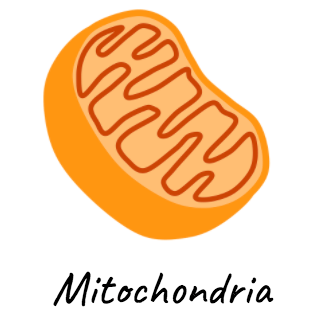
Mitochondria are...
a)
The location in cells where photosynthesis happens
b)
Kidney beans
c)
The location in cells where cellular respiration happens
d)
A type of pigment used for cellular respiration
100.

What is the purpose of cellular respiration?

a)

to break down food

b)

to create energy in people only

c)

to use glucose and oxygen to release energy

d)

there is none; it's a waste of time

101.

What is the correct equation for cellular respiration?

a)

Glucose + Oxygen =Carbon Dioxide, Water, and Energy (ATP)

b)

Oxygen + Energy = water

c)

carbon dioxide + water = oxygen, glucose, and Energy
102.
ATP is...
a)
A form of energy the cell can use that is produced by cellular respiration
b)
A kind of sugar produced in photosynthesis
c)
A battery
103.
Plants can...
a)
Only use photosynthesis
b)
Only use cellular respiration
c)
Use photosynthesis and cellular respiration
104.

Animals can...

a)

Do the processes photosynthesis

b)

do the processes of cellular respiration

c)

Use photosynthesis and cellular respiration

105.

What is photosynthesis?

a)

The smallest unit of living matter

b)

The food-making process in green plants that uses sunlight

c)

A green chemical in a plant

d)

The ability to perform work or change an object

106.

What gas do plants need to make their own food through photosynthesis?

a)

Nitrogen

b)

Oxygen

c)

Carbon Dioxide

d)

Helium

107.
During cellular respiration, what do animal cells use to produce energy from food?
a)
sunlight
b)
meat
c)
water
d)
oxygen
108.
During photosynthesis, what gas do plants release?
a)
oxygen
b)
carbon dioxide
c)
water
d)
nitrogen
109.
Photosynthesis is important because....
a)
plants need air to breathe
b)
it makes the plants green
c)
it is the process by which plants make their own food
d)
without it the Earth would all be a desert
110.
The energy that starts the process of photosynthesis comes from....
a)
sunlight
b)
transpiration
c)
cellular respiration
d)
germination
111.

What does high species diversity indicate?

a)

A healthy ecosystem with a wide variety of species coexisting.

b)

A lack of competition among species.

c)

An ecosystem that is prone to diseases.

d)

A decrease in the number of species present.

112.

Which habitat exhibits the greatest biodiversity?

a)

A habitat with 15 different species with about 300 individuals each.

b)

A habitat with 10 different species with about 500 individuals each.

c)

A habitat with 20 different species with about 100 individuals each.

d)

A habitat with 5 different species with about 1000 individuals each.

113.

What is a bottleneck in biodiversity?

a)

A process that increases genetic diversity in a population.

b)

A situation where a population's size is significantly reduced, leading to a loss of genetic diversity.

c)

An event that enhances the survival of all species in an ecosystem.

d)

A method of conserving species by increasing their population size.

114.

Why is genetic diversity important?

a)

It allows species to adapt and survive environmental changes.

b)

It increases the population size of a species.

c)

It reduces competition among species.

d)

It enhances the aesthetic value of ecosystems.

115.

How does pollution affect biodiversity?

a)

Pollution can enhance habitats and promote species diversity.

b)

Pollution can degrade habitats, harm species, and reduce biodiversity by creating unsuitable living conditions.

c)

Pollution has no significant impact on biodiversity.

d)

Pollution only affects terrestrial species, not aquatic ones.

116.

What is conservation biology?

a)

A scientific study focused on understanding and preserving biodiversity and ecosystems.

b)

A method of farming that promotes biodiversity.

c)

A type of biology that only studies extinct species.

d)

A branch of biology that deals with the genetic modification of organisms.

117.

What is biodiversity?

a)

The variety of life in a particular habitat or ecosystem, including the number of different species.

b)

The total number of organisms in a specific area.

c)

The study of how species interact with each other.

d)

The process of evolution in different species.

118.

How does biodiversity contribute to ecosystem resilience?

a)

Biodiversity enhances ecosystem resilience by providing a wider range of responses to environmental changes.

b)

Biodiversity decreases ecosystem resilience by limiting species interactions.

c)

Biodiversity has no impact on ecosystem resilience.

d)

Biodiversity only benefits certain species in an ecosystem.

119.

What is an invasive species?

a)

A species that is native to a specific habitat.

b)

A non-native species that spreads widely in a new habitat, often causing harm to native species and ecosystems.

c)

A species that is endangered and protected by law.

d)

A species that has been introduced for agricultural purposes.

120.

What are the advantages of biodiversity to humans?

a)

Biodiversity provides medical uses, recreational opportunities, and industrial resources.

b)

Biodiversity leads to increased pollution and environmental degradation.

c)

Biodiversity reduces the availability of natural resources.

d)

Biodiversity has no significant impact on human life.

121.

What is habitat fragmentation?

a)

A process where large habitats are preserved intact

b)

The division of large habitats into smaller, isolated patches, negatively impacting biodiversity

c)

A method of increasing biodiversity by creating more habitats

d)

The natural evolution of habitats over time without human interference

122.

What is the difference between species richness and species evenness?

a)

Species richness refers to the number of different species in a community, while species evenness measures how evenly individuals are distributed among those species.

b)

Species richness measures how evenly individuals are distributed among species, while species evenness refers to the number of different species in a community.

c)

Species richness is the total number of individuals in a community, while species evenness is the number of species present.

d)

Species richness and species evenness are the same concept, both referring to the diversity of species in a community.

123.

What is an example of low species diversity?

a)

A marsh ecosystem covered by a single species of cattail bulrushes.

b)

A tropical rainforest with a variety of trees and plants.

c)

A coral reef with multiple species of fish and corals.

d)

A grassland with various flowering plants and insects.

124.

What is ecotourism?

a)

Ecotourism is a form of tourism that supports the conservation and sustainable development of ecologically unique areas.

b)

Ecotourism is a type of tourism that focuses on luxury travel experiences.

c)

Ecotourism involves traveling to urban areas to experience local culture.

d)

Ecotourism is a form of tourism that promotes mass tourism in popular destinations.

125.

What is the role of keystone species in an ecosystem?

a)

They are the most abundant species in an ecosystem.

b)

They play a critical role in maintaining the structure of an ecosystem, influencing the types and numbers of other species.

c)

They are always the largest species in an ecosystem.

d)

They have no significant impact on the ecosystem.