wayground logo

Free Printable Worksheets

Font size

S
M
L
XL
Worksheets

cell structure, spcialized cell

Total questions: 101

Worksheet time: 1hrs 10mins
Name
Class
Date
1.
This organelle takes food and turns it into ENERGY for plant and animal cells.
a)
Chloroplast
b)
Mitochondria
c)
Lysosome
d)
Ribosome
2.
The site of photosynthesis
a)
ribosome
b)
mitochondria
c)
chloroplast
d)
nucleus
3.
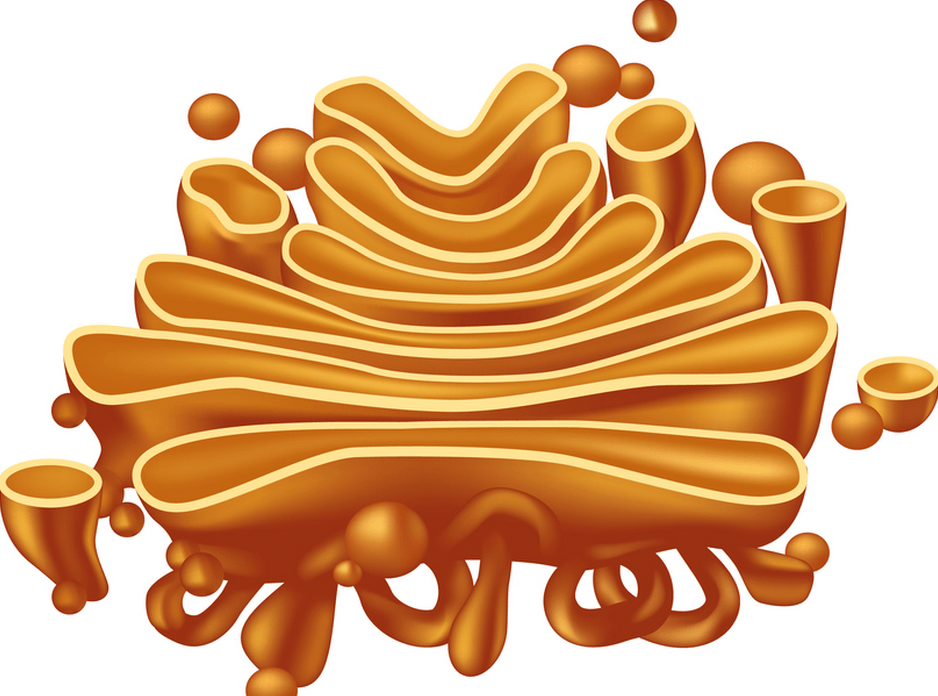
I am a protein packaging and shipping machine! Who am I?
a)
vacuole
b)
ribosome
c)
mitochondrion
d)
golgi apparatus
4.
Directs all cell activities through the DNA located there.
a)
Lysosomes
b)
Nucleus
c)
ribosomes
d)
Mitochondria
5.
Which organelle is only found in a plant cell? 
a)
nucleus
b)
chloroplast
c)
mitochondria
d)
cell membrane
6.
Which of the following is directly involved in the packaging and transportaton of materials inside/within the cell?
a)
Endoplasmic Reticulum
b)
Vacuole
c)
Lysosome
d)
Mitochondria
7.
Which part of the cell is often called "the brain of the cell"?
a)
nuclear membrane
b)
endoplasmic reticulum
c)
nucleus
d)
mitochondria
8.
What is found in both plant and animal cells but is much larger in plant cells?
a)
Nucleus
b)
Mitochondria
c)
Chloroplast
d)
Vacuole
9.
Where are proteins made?
a)
Golgi body
b)
Mitochondria
c)
Chromosomes
d)
Ribosomes
10.
I am the outer most layer of an animal cell. What am I?
a)
cell wall
b)
nucleus
c)
cell membrane 
d)
cell skin
11.
What are tiny organelles that convert glucose into ATP (energy)?
a)
Ribosomes
b)
Vesicles
c)
Cytoskeleton
d)
Mitochondria
12.
A rigid layer that lies outside the cell's  membrane is...
a)
Cytoskeleton
b)
Cilia
c)
Cell Wall
d)
Flagella
13.
Maintaining a stable internal environment?
a)
homologous
b)
homoeostasis
c)
ribosomes
d)
cytoplasm
14.
Main producer of ATP in all eukaryotes
a)
chloroplast
b)
mitochondria
c)
lysosome
d)
smooth er
15.
Which  structures are present in animal and plant cells?
a)
Vacuole, nucleus and cell membrane
b)
Nucleus, cell wall, cytoplasm
c)
Nucleus, cell membrane, cytoplasm
d)
Cell membrane, chloroplast, cell wall
16.
Sac-like structure which stores water, food, and wastes.
a)
lysosomes
b)
cell wall
c)
cytoplasm
d)
vacuoles
17.
Which cell part stores the DNA, which contains the instructions for the cell?
a)
Golgi body
b)
lysosome
c)
nucleus
d)
vacuole
18.
Which cell part controls what moves in and out of the cell?
a)
cell wall
b)
cell membrane
c)
cytoplasm
d)
mitochondria
19.
Which cell part is the "post office" of the cell, packaging materials to be secreted?
a)
Golgi body
b)
chloroplast
c)
mitochondria
d)
nucleus
20.
Plant cells have two structures animal cells do not, they are the
a)
cell membrane and chloroplast
b)
cell wall and mitochondria
c)
cell wall and chloroplast
d)
cell membrane and mitochondria
21.

Both prokaryotic and eukaryotic cells have all of the following EXCEPT:

a)

Cytoplasm

b)

Ribosomes

c)

DNA

d)

Cell Wall

22.

If a cell has a nucleus it must have a:

a)

nuclear membrane

b)

capsid

c)

cell wall

d)

central vacuole

23.

Eukaryotic cells are:

a)

only unicellular

b)

only multicellular

c)

unicellular or multicellular

d)

colonial

24.

The function of flagella is:

a)

Movement

b)

Provide Energy

c)

Protection

d)

Make Proteins

25.

The plant organelle that captures light to make energy is the:

a)

Cell Wall

b)

Mitochondria

c)

Chloroplast

d)

Ribosome

26.

An organism has a cell membrane, a mitochondria, and many small vacuoles. It is a(n)

a)

Prokaryotic cell

b)

Animal cell

c)

Plant cell

d)

Virus

27.

If the lysosome were a part of the city it would be the:

a)

Mayor - controls the cell

b)

Waste management - digests cell waste and cleans up

c)

Farms- synthesizes proteins

d)

Water tower - stores water

28.

Prokaryotic cells have all of the following parts EXCEPT:

a)

Cell membrane

b)

Ribosomes

c)

Cytoplasm

d)

Nuclear membrane

29.

The cell wall provides

a)

Genetic Material

b)

Energy

c)

Structure

d)

Proteins

30.

What kind of cell is Euglena an example of?

a)

Virus

b)

Bacteria

c)

Prokaryotic cell

d)

Eukaryotic cell

31.

What is this organism an example of? (select 2 answers)

a)

Eukaryotic unicellular organism

b)

Prokaryotic unicellular organism

c)

Virus

d)

Bacteria

32.

The organelle where cellular respiration occurs is the:

a)

Chloroplast

b)

Mitochondria

c)

Ribosome

d)

Lysosome

33.

Organelles in cells are called membrane-bound because

a)

They are attached to the cell membrane

b)

They are surrounded by their own membrane

34.

The function of the rough ER is to:

a)

Produce and folding lipids

b)

Produce and folding proteins

c)

Produce and folding carbohydrates

d)

Produce and folding Nucleic acids

35.

The function of the Golgi apparatus is to

a)

Sort, package and modify macromolecules produced by the cell.

b)

Produce proteins

c)

Produce lipids

d)

Produce RNA

36.

The function of the smooth ER is to:

a)

Make proteins

b)

Make lipids

c)

Make carbohydrates

d)

Make nucleic acids

37.

If the cell did not have _______, it would not be able to break down waste.

a)

the nucleus

b)

mitochondria

c)

lysosomes

d)

ribosomes

38.

This is an image of a _____ cell.

a)

Animal

b)

Plant

39.

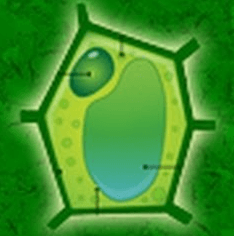
This diagram is of a(n) _______ cell.

a)

Animal

b)

Plant

40.

Check of the 3 main points of Cell Theory

a)

The cell is the smallest living unit in all organisms.

b)

All living things are made of cells.

c)

Cells can arise from non-living things.

d)

All cells come from pre-existing cells.

41.

Which of the following can be found in BOTH plant and animal cells?

a)

Mitochondria

b)

Vacuoles

c)

Nucleus

d)

All of the above

42.

Which of the following organelles functions in making proteins?

a)

Endoplasmic reticulum

b)

Ribosomes

c)

Golgi bodies

d)

Lysosomes

43.

Check all of the following organelles that can be found in PLANT cells

a)

Cell wall

b)

Cell membrane

c)

Chloroplasts

d)

Centrioles

44.

The gel-like substance where organelles are suspended is known as the...

a)

Chloroplast

b)

Lysosome

c)

Golgi apparatus

d)

Cytoplasm

45.

Mitochondria...

a)

breaks down waste in the cell

b)

is known as the "powerhouse" of the cell

c)

packages and transports proteins

d)

the organelle where photosynthesis occurs

46.

___ can be found in the nucleus.

a)

DNA

b)

Ribosomes

c)

Molecules

d)

Cells

47.

All living things are made up of _____.

a)

Mitochondria

b)

Organs

c)

Cells

d)

Corks

48.

Which of the following is an example of an organelle?

a)

Lysosome

b)

Nucleus

c)

Mitochondria

d)

All of the above

49.

The cytoplasm controls what goes in and out of the cell.

a)

True

b)

False

50.

The cell membrane can be found in...

a)

Animal cells

b)

Plant cells

c)

Both animal and plant cells

51.

Which organelle acts as the "brain" of the cell?

a)

Golgi apparatus

b)

Ribosome

c)

Endoplasmic Reticulum

d)

Nucleus

52.

Which organelle can be found in a plant cell but NOT in an animal cell?

a)

Nucleus

b)

Chloroplast

c)

Lysosome

d)

Cytoplasm

53.
What does the cell membrane do?
a)
controls activities of cell
b)
releases energy
c)
stores food, water, and waste
d)
controls movement in and out of cell
54.
What is the function of the nucleus?
a)
store food, water, and waste
b)
control cell activities
c)
take in energy from the sun
d)
give the cell shape
55.
In what kind of cell can you find a cell wall?
a)
plant 
b)
animal 
c)
both
d)
neither
56.
What does cytoplasm do?
a)
protects & supports organelles, and helps transport material
b)
controls cell activities
c)
releases energy from food
d)
contains chlorophyll
57.
Why is the mitochondria called the powerhouse of the cell?
a)
because it releases energy from food 
b)
because it creates food
c)
because it stores food
d)
because it makes proteins
58.
What is the function of vacuoles?
a)
store food, waste, and water
b)
make proteins
c)
create food from sun's energy and CO2
d)
control cell activities
59.
What is the function of chloroplasts?
a)
make proteins
b)
collect sun's energy
c)
create food (sugar) from sun's energy
d)
control cell activities
60.
Which structure is not in a bacteria cell?
a)
nucleus
b)
cytoplasm
c)
cell membrane
d)
DNA
61.
Which type of cell is not eukaryotic?
a)
plant
b)
animal
c)
bacteria 
d)
they all are
62.
Which type of cells have a cell membrane?
a)
plants
b)
animals
c)
bacteria
d)
all of them
63.
What structure of the cell forms a frame that holds the cell up in the cytoplasm?
a)
centrioles 
b)
cell wall 
c)
flagella 
d)
cytoskeleton 
64.

Mitochondria are found in

a)

Plant cells

b)

Animal cells

c)

Both

65.

Which organelle is important for the production of proteins?

a)

Nucleus

b)

Ribosomes

c)

Mitochondria

d)

Vesicles

66.

What is the function of red blood cell?

a)

Transport nutrients

b)

Transport oxygen

67.

What type of cells are adapted to perform a specific function?

a)

All cells

b)

Animal cells

c)

Plant cells

d)

Specialised cells

68.

What is the function of nerve cells?

a)

Allow for gas exchange to happen.

b)

Transport oxygen throughout the body.

c)

Control DNA expression.

d)

Transmit electrical signals to different parts of the body.

69.

Everything in your body is controlled by....

a)

Chloroplasts

b)

DNA

c)

Cancer

d)

Mitosis

70.

What is the function of red blood cells?

a)

Help to digest your food.

b)

Help you breathe.

c)

Provide nutrients to your organs.

d)

Carry oxygen throughout your body.

71.
The ___________ is the basic unit of life
a)
organ
b)
cell
c)
atom
d)
tissue
72.
A group of tissues that perform a similar function is called_____. (Examples include the heart, lungs or stomach)
a)
cells
b)
tissues
c)
organs
d)
organ system
73.
Organ systems working together form a living _____.
a)
Chloroplast
b)
Tissue
c)
Cell
d)
Organism
74.

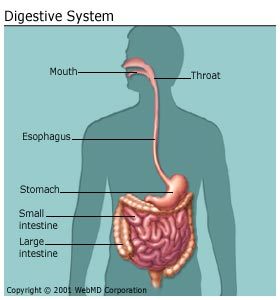
Which of the following is the correct order of organization in living things from most basic (simple) to most complex?

a)

a. Cell, tissue, organ, organism, organ system
b)

a. Organism, organ system, organ, tissue, cell

c)

a. Cell, tissue, organ, organ system, organism

d)

a. Cell, organ, tissue, organ, organism, organ system

75.
A group of similar cells that come together to perform a specific function is a/an
a)
organ
b)
organism
c)
organ system
d)
tissue
76.
When a group of organs work together to perform a particular function they create a/an
a)
organ system
b)
organism
c)
tissue
d)
organ
77.
The smallest level of organization of life in an organism
a)
tissue
b)
cell
c)
organ
d)
organ system
78.
The cell is the building block of all living things.
a)
True
b)
False
79.

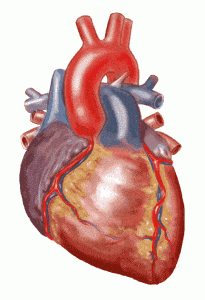
This is a example of a/an

a)

organ system

b)

cells

c)

organ

d)

tissue

80.

This is an example of a/an

a)

cell

b)

organ system

c)

organ

d)

tissue

81.

A specialized cell has a specific ________ that allows it to perform a specific __________.

a)

function; idea

b)

shape; structure

c)

shape; function

d)

function; shape

82.

Which of the following is not a type of specialized cell?

a)

Neuron

b)

Red Blood Cell

c)

Skin Cell

d)

Heart

83.
Specialized cells that absorb water by osmosis
a)
Nerve Cell
b)
Xylem
c)
Palisade Cell
d)
Root Hair Cell
84.
These specialized cells contain a large number of chloroplasts for absorbing light
a)
Nerve Cell
b)
Palisade Cell
c)
Smooth Muscle cell
d)
Chlorophyll
85.
This plant structure is designed to allow water to move up/out to rest of plant
a)
Xylem
b)
Pholem
c)
Roots
d)
Leaves
86.
This plant structure is designed to allow glucose to be transported throughout the entire plant. 
a)
Xylem
b)
Pholem
c)
Roots
d)
Leaves
87.
This cell sends one way chemical signals throughout the body. 
a)
Nerve Cell
b)
Red Blood Cell
c)
White Blood Cell
d)
Xylem
88.
The role of these specialized cells is to help fight off infection and foreign bodies.
a)
Palisade Cells
b)
Nerve Cells
c)
White Blood Cells
d)
Red Blood Cells
89.
This specialized cell does not contain a nucleus to allow for transport of oxygen
a)
Nerve Cell
b)
Red Blood Cell
c)
White Blood Cell
d)
Palisade cell
90.
This is a green pigment found in plants. 
a)
Chloroplasts
b)
Chlorophyll
c)
Cytoplasm
d)
MItochondria
91.
This organelle traps sunlight and uses that energy to convert it to food.
a)
Mitochondria
b)
Chloroplasts
c)
Lysosomes
d)
Chlorophyll
92.
The function of this organelle is to store water. Large ones are found in plants. 
a)
Lysosome
b)
Golgi Body
c)
Cytoplasm
d)
Vacuole
93.
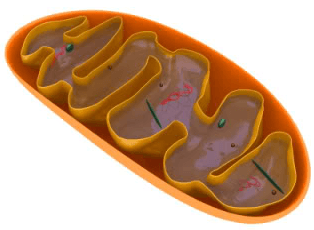
This function of this organelle is to break down glucose to make cell energy.
a)
Chloroplasts
b)
Mitochondria
c)
Nucleus
d)
ATP
94.
The function of this organelle is to break down food, worn out cell/cell organelles.
a)
Nucleus
b)
Vacuole
c)
Ribosome
d)
Lysosome
95.
This organelle function is to package, modify and transport materials in/out of cell.
a)
Rough E.R.
b)
Smooth E.R.
c)
MItochondria
d)
Golgi Body
96.
This organelle makes/transports fats or lipids. 
a)
Rough E.R.
b)
Smooth E.R.
c)
Golgi Bodies
d)
Lysosomes
97.
This organelle helps transport proteins.
a)
Ribosomes
b)
Rough E.R.
c)
Golgi Body
d)
Smooth E.R.
98.
This organelle's function is to make protein.
a)
Rough E.R.
b)
Smooth E.R.
c)
Ribosome
d)
Nucleus
99.
This organelle protects/holds the DNA
a)
Mitochondria
b)
Chloroplasts
c)
Nucleolus
d)
Nucleus
100.
Complex cell. Can be plant or animal. Contains membrane bound organelles. 
a)
Eukaryotic Cell
b)
Prokaryotic Cell
c)
Bacteria
d)
Blood cell
101.
This cell is simple. Only genetic material, cytoplasm and ribosomes inside.
a)
Eukaryotic
b)
Prokaryotic
c)
Plant
d)
Animal