
Font size
 Worksheets
Periodic Table
Total questions: 87
Worksheet time: 56mins

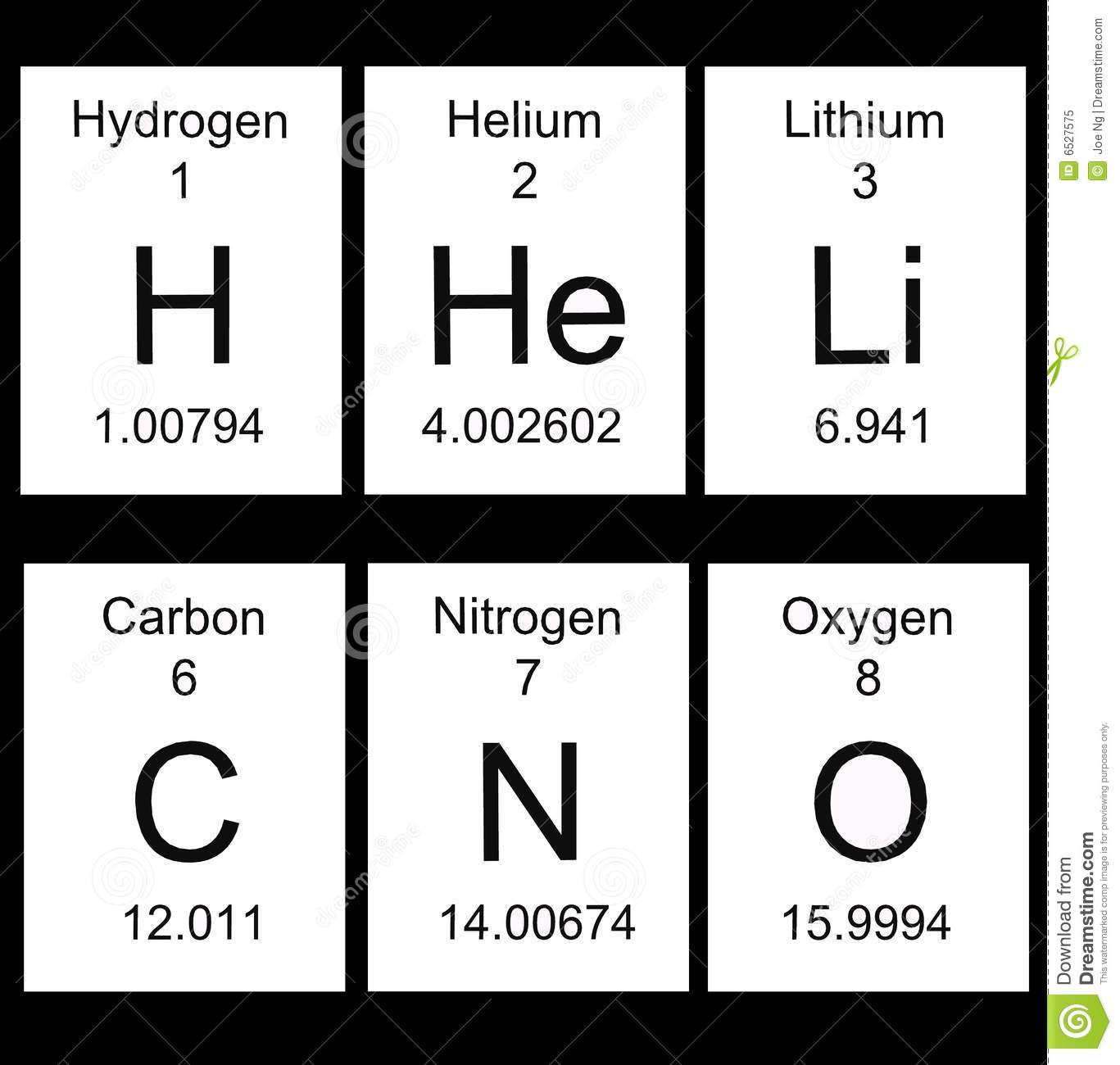
In an element box, the number at top is the
atomic number
atomic name
atomic mass
atomic symbol

Rows in the Periodic Table are called
Periods
Groups/Families
Cousins
Metals

Column in the Periodic Table are called
Periods
Groups/Families
Cousins
Metals
What do atoms of the same periodic group have in common?
They have the same atomic number.
They have the same chemical symbols.
The have similar chemical properties.
They have the same atomic mass.

The chemical symbol in this element box is
26
Fe
Iron
55.845

Find the element on Period 3 and Group 17. What is
this element’s chemical symbol?
F
Br
Cl
I

What is the chemical symbol for Sodium?
S
So
Na
Ca

How many periods are there in the periodic table?
7
9
10
18

From this element key of Nitrogen, determine the atomic mass of nitrogen
7
7.01
14.01
21.01
Where are metals located?
To the left of the stepped line
To the right of the stepped line
Where are non-metals located?
To the left of the stepped line
To the right of the stepped line
Select all qualities that metals have:
Lustrous
Malleable
Ductile
Insulator
What is a metalloid?
A type of metal
An element that possesses both metal and non-metal properties
A group of metals that include: tin, copper and silver
Another word for platinum
In the Periodic Table, what are horizontal rows called?
Columns
Rows
Lines
Periods
In the Periodic Table, what are vertical rows called?
Columns
Groups
Lines
Rows
What are the Group 1 elements?
Halogens
Noble Gases
Alkali Metals
Transition Metals
Group 1 elements get less reactive as you go down the Periodic Table.
True
False
Group 1 elements are soft metals.
True
False
What do alkali metals react with water to create?
Sodium fluoride
Hydroxides and hydrogen
Helium and hydroxides
Sodium chloride
What are the Group 0 elements called?
Noble gases
Halogens
Transition Metals
Alkali Metals
Which option includes all of the naturally-occurring noble gases?
Krypton, Gold, Calcium, Helium, Platinum, Neon
Helium, Neon, Krypton, Sodium, Francium, Silver
Helium, Neon, Argon, Krypton, Xenon, Radon
Neon, Argon, Xenon, Radon, Helium, Chlorine
What are noble gases? (select all that apply)
odourless gases
tasteless gases
unreactive gases
colourless gases
What are the Group 7 elements called?
Transition metals
Alkali metals
Noble gases
Halogens
The halogens get less reactive as you go down the column.
True
False
Which is the most reactive?
Chlorine
Fluorine
Bromine
Iodine
Which is the least reactive?
Bromine
Chlorine
Iodine
Fluorine
What is a displacement reaction?
A reaction whereby a compound is separated.
When an element explodes.
A reaction whereby an element replaces a less reactive one in a compound.
When an element joins a compound.
Which is correct?
Sodium Bromide + Iodine -> Sodium Bromide + Iodine
Sodium Fluoride + Chlorine -> Sodium Chloride + Fluorine
Which is correct?
Potassium Chloride + Iodine -> Potassium Iodine + Chlorine
Potassium Fluoride + Bromine -> Potassium Fluoride + Bromine
Which element is an Alkali Metal?
Sulfur (S)
Magnesium (Mg)
Sodium (Na)
Boron (B)
Which group contains the most chemically reactive elements?
Alkali Metals
Alkali Earth Metals
Halogens
Nobel Gases
Which of the following elements is in the same group as the Alkali Metals but is NOT an Alkali Metal?
Sodium (Na)
Hydrogen (H)
Oxygen (O)
Potassium (K)
Which TWO elements are Nobel Gases?
Helium (He)
Nitrogen (N)
Krypton (Kr)
Iodine (I)
What group on the periodic table are the Halogens located in?
Group 1
Group 18
Group 14
Group 17
Lithium is located in group __ of the periodic table?
1
13
15
18
What are the vertical (up and down) areas of the periodic table called?
Periods
Groups
Tiles
Shells
Which of the following is NOT a member of the Carbon Group?
Carbon (C)
Tin (Sn)
Aluminum (Al)
Silicon (Si)
Which group does Barium (Ba) belong to?
Alkali Metals
Alkali Earth Metals
Halogens
Boron/Aluminum
The order of elements in the modern periodic table is based on an element's
atomic number
chemical symbol
name
atomic mass
Elements within the same group in the periodic table have similar properties because they have the same number of
protons
neutrons
ions
valence electrons
Ionization refers to the process of
changing from one period to another
losing or gaining protons
turning lithium into fluorine
losing or gaining electrons
Elements that share properties of both metals and nonmetals are called
ions
periods
semiconductors
valences
Elements in a family often have a similar
appearance
atomic mass
number of total electrons
number of total protons
Which statement about the alkali metals is correct?
They are located in the left-most column of the periodic table
They are extremely nonreactive
They are usually gases
They form negative ions with a 1- charge
Which statement about noble gases is correct?
They form compounds with very bright colors
They exist as single atoms rather than as molecules
They are highly reactive with both metals and nonmetals
They are extremely rare in nature
Group 18 noble gases are relatively inert because
they readily form positive ions
they can have either a positive or a negative charge
their outermost energy level is missing one electron
their s and p orbitals are filled
Which element is a semiconductor?
carbon
sodium
silicon
uranium
The periodic law states that, in the modern periodic table, elements with similar _______________________ appear at regular intervals.
atomic numbers
chemical symbols
atomic masses
properties
A group's elements react similarly because of their _____________________.
protons
neutrons
ions
valence electrons
Some elements are highly _______________________ because their outermost energy levels are only partially filled.
reactive
stable
volatile
inert
Elements that are usually shiny are _______________________
metals
nonmetals
semiconductors
valences
The elements in a family in the periodic table have similar _______________________ and _______________________ properties.
physical, chemical
electrons, atoms
The _______________________ are located in the center of the periodic table.
alkali metals
noble gases
transition metals
halogens
Noble gases are nonreactive gaseous elements that are located in Group _______________________ in the periodic table.
1
8
18
20

Which of the following elements is a non-metal in group 14?
Carbon (C)
Silicon (Si)
Tin (Sn)
Lead (Pb)
Which of the following are the inert (non reactive) elements
group 1
group 2
group 17
group 18

Which are the most reactive metals?
group 1
group 2
group 17
group 18

What are the Halogens?
very reactive metals
very reactive nonmetals
non reactive (inert) elements
radioactive elements

Which number determines the order that this element must be placed in on the periodic table?
30
65.38
95.38
35

Based on this section of the periodic table, which two elements will have the same chemical properties?
H & Be
Li & Be
Na & Be
Mg & Be

Which two elements are in the same period (having the same number of energy levels)?
Cu and Ag
Co and Ni
Pd and Au
Rh and Ir

Which square on the periodic table is represented by this atom?


This image shows the first 6 groups of the periodic table. Based on its location on the periodic table, which of the following elements will have 2 valence electrons?
V
Li
Zr
Sr
Which is NOT true about the Noble Gases
Some are metalloids
They are inert (non reactive)
They are in group 18
They have stable electron energy levels and don't need to lose or gain electrons

What element is circled?
Halogen
Helium
Hydrogen
Hallium

Group 2
Group 3
Group 4
Group 7

3
2
4

group
family
period
atomic number

Sulfur (S)
Selenium (Se)
Chlorine (Cl)
Carbon (C)

Chlorine
Flourine
Oxygen
Phosphorous

Sodium (Na)
Magnesium (Mg)
Yttrium (Y)
Boron (B)

Neon (Ne)
Chlorine (Cl)
Krypton (Kr)
Xenon (Xe)

Lithium
Magnesium
Beryllium
Potassium

Neon (Ne)
Helium (He)
Chlorine (Cl)
Krypton (Kr)

Radium (Ra)
Radon (Rn)
Stontium (Sr)
Lutetium (Lu)

Chromium (Cr)
Tungsten (W)
Molybdenum (Mo)
Tantalum (Ta)

group
period


Which group of the periodic table corresponds with the halogens.
Group 1A
Group 5A
Group 7A
Group 8A

Which group of the periodic table corresponds with the noble gases.
10
14
16
18

Which color on the image of the periodic table corresponds with the transition metals.
red
purple
yellow
orange

Which color on the image of the periodic table corresponds with the alkaline earth metals.
yellow
orange
purple
red
There are (a) periods in the periodic table. Period 1 has only two elements ( (b) and (c) ) , while periods 2 and 3 have 8 elements.
There are (a) numbered groups in the periodic table
Group 1 is called : (a)
Group 2 is called : (b)
Group 17 is called: (c)
Group 18 is called: (d)
All elements from groups 3 to 12 are called: (e)
Magnesium is a (a) and oxygen is a (b)

