
Font size
 Worksheets
Unit 2 Biochemistry-Study Questions
Total questions: 116
Worksheet time: 58mins
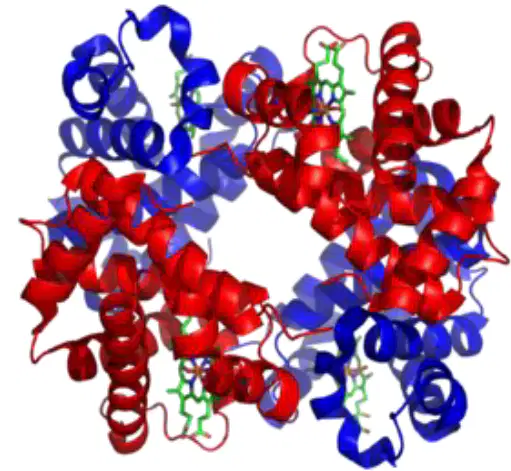
What is a characteristic shape of globular proteins?
Linear
2-D
3-D
Flat
What role do globular proteins often serve as?
Structural components
Enzymes
Hormones
Lipids
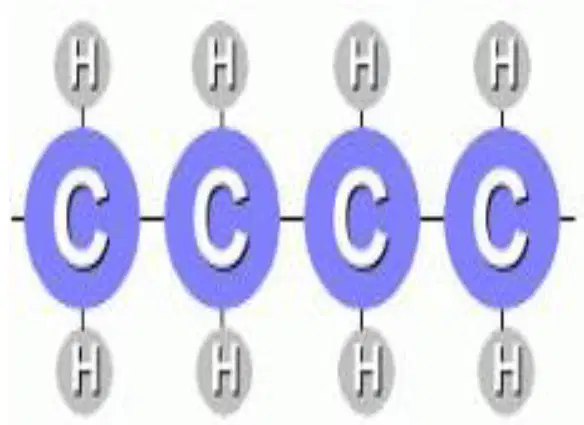
What are hydrocarbons composed of?
Carbon and oxygen
Carbon and nitrogen
Carbon and hydrogen
Carbon and sulfur
What is the primary function of hormone proteins in the body?
To provide structural support
To coordinate certain body activities
To store energy
To transport oxygen
Which of the following is an example of a hormone protein?
Hemoglobin
Keratin
Insulin
Collagen
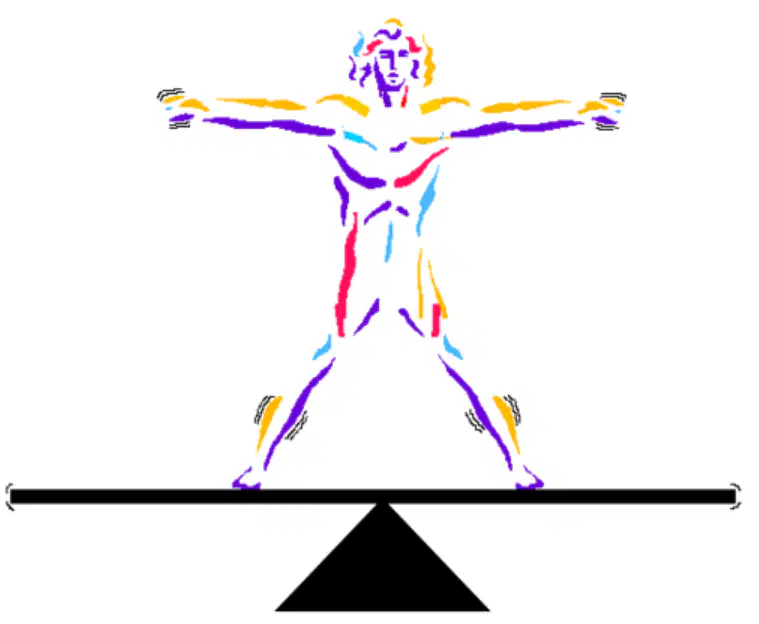
What is the term used to describe the process of maintaining a stable internal environment in the body?
Homeostasis
Photosynthesis
Metabolism
Respiration
Which of the following terms is synonymous with balance in the context of biological systems?
Equilibrium
Photosynthesis
Digestion
Circulation
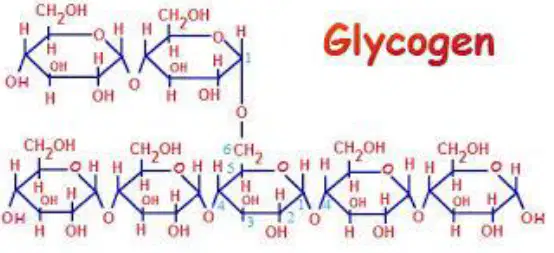
What is glycogen primarily classified as?
Monosaccharide
Disaccharide
Polysaccharide
Lipid
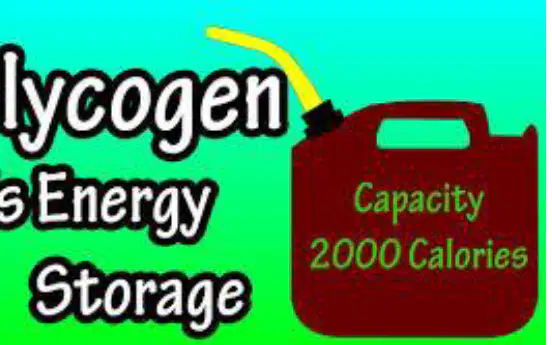
In animals, glycogen serves as the storage form of which substance?
Protein
Glucose
Fatty acids
Amino acids
Where in the body is glycogen primarily stored?
Blood and skin
Liver and muscles
Heart and lungs
Kidneys and pancreas
What is the process of breaking down complex molecules by the chemical addition of water called?
Hydrolysis
Photosynthesis
Condensation
Oxidation

What does the term "hydrophilic" mean?
"Water-fearing"; pertaining to non-polar molecules that are insoluble in water.
"Water-loving"; pertaining to polar molecules (or parts of molecules) that are soluble in water.
"Oil-loving"; pertaining to molecules that are soluble in oil.
"Air-loving"; pertaining to molecules that are soluble in air.
What does the term "hydrophobic" refer to?
Water-loving; pertaining to polar molecules that dissolve in water.
Water-fearing; pertaining to nonpolar molecules that do not dissolve in water.
Water-neutral; pertaining to molecules that neither dissolve nor repel water.
Water-attracting; pertaining to ionic molecules that dissolve in water.
What are lipids primarily composed of?
Carbon, Hydrogen, and Oxygen (CHO)
Nitrogen, Oxygen, and Hydrogen (NOH)
Carbon, Nitrogen, and Sulfur (CNS)
Oxygen, Phosphorus, and Hydrogen (OPH)
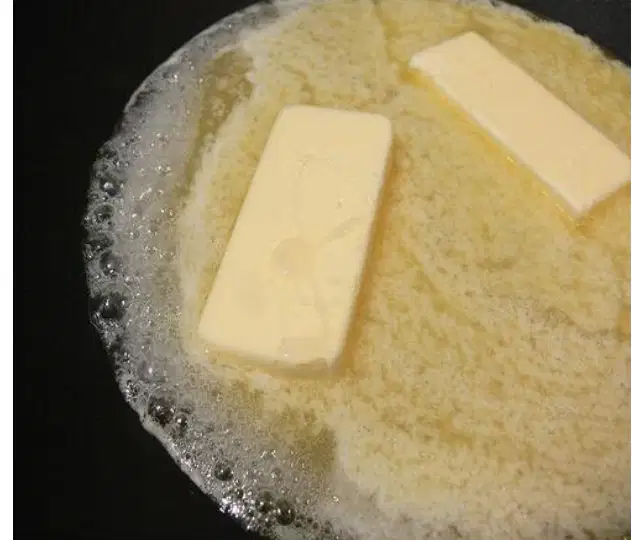
Which of the following is NOT an example of a lipid?
Fats
Oils
Waxes
Proteins
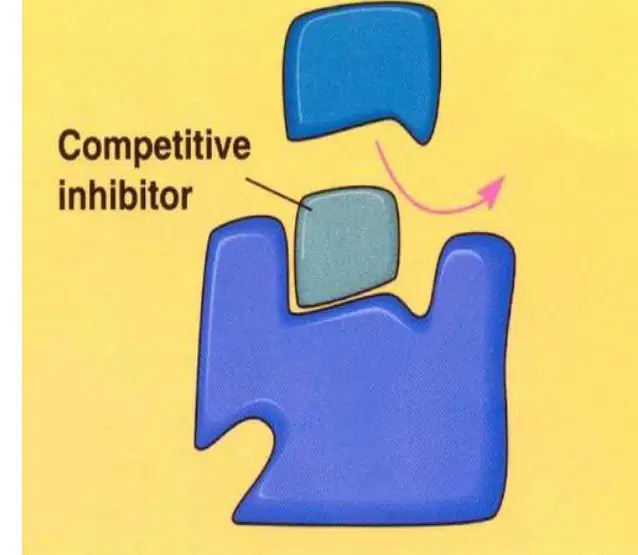
What is an inhibitor in the context of chemical reactions?
A substance that speeds up a chemical reaction.
A substance that slows down or stops a chemical reaction.
A substance that enhances the action of a catalyst.
A substance that has no effect on a chemical reaction.
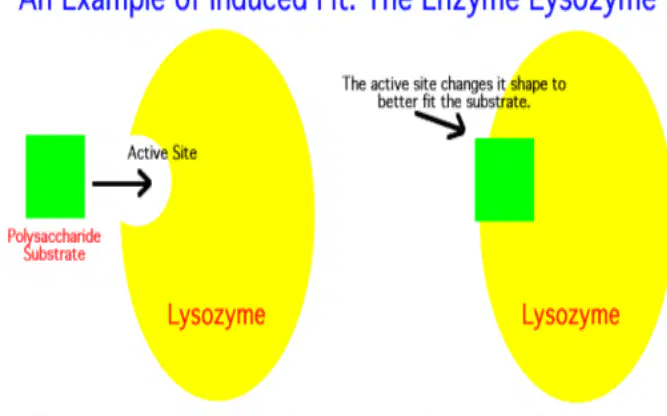
What is the term used to describe the change in shape of an enzyme's active site to better bind to a substrate?
Lock and key model
Induced fit
Competitive inhibition
Allosteric regulation
What is a macromolecule?
A small organic molecule
A very large organic molecule composed of many smaller molecules
A type of inorganic molecule
A single atom
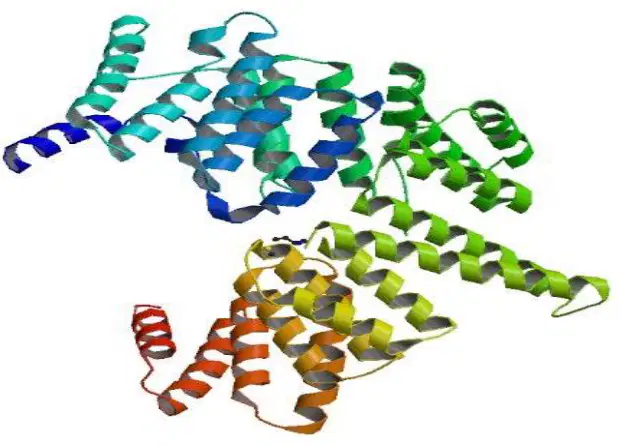
Which of the following is an example of a macromolecule?
Water
Oxygen
Protein
Sodium chloride
Which of the following is NOT a type of macromolecule?
Carbohydrates
Lipids
Nucleic acids
Minerals
What is matter?
Anything that has mass and takes up space
Anything that is visible to the human eye
Anything that can be touched
Anything that is in motion
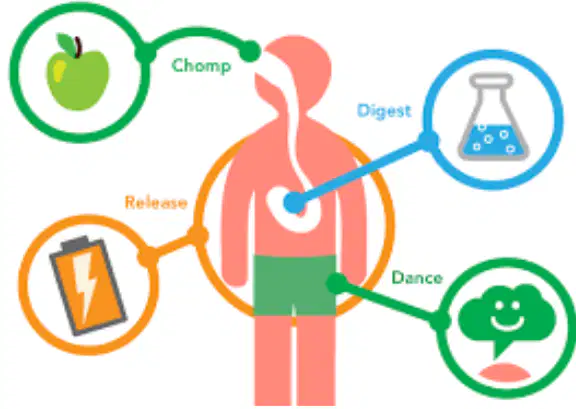
What is metabolism?
The process of breathing in oxygen and exhaling carbon dioxide.
The sum total of all the chemical reactions that occur within an organism.
The breakdown of food into smaller components.
The process of photosynthesis in plants.

What is a molecule?
A single atom
A combination of 2 or more atoms held together by chemical bonds
A type of chemical reaction
A form of energy
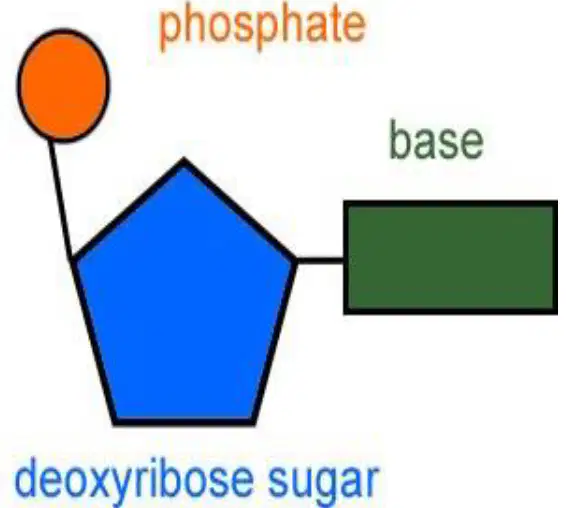
What are the components of a nucleotide?
A simple sugar, a phosphate group, and a nitrogenous base
A protein, a lipid, and a carbohydrate
A fatty acid, a glycerol, and a phosphate group
A glucose molecule, a ribose sugar, and a nitrogenous base
What is the primary function of nucleic acids?
Provide energy for cellular processes
Contain genetic information
Act as enzymes in biochemical reactions
Serve as structural components in cells
Nucleic acids are made up of long chains of which type of monomers?
Amino acids
Fatty acids
Nucleotides
Monosaccharides
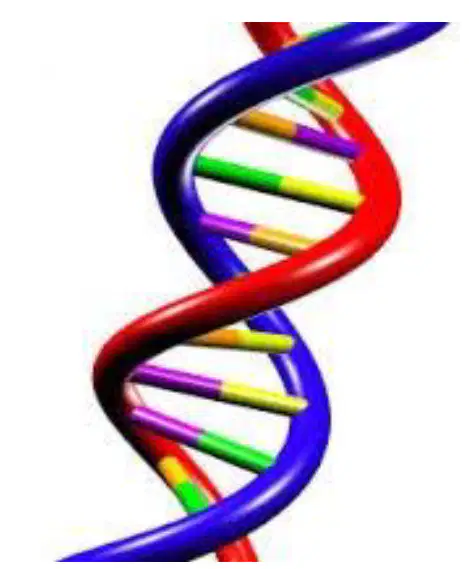
Which of the following are examples of nucleic acids?
Proteins and lipids
DNA and RNA
Glucose and fructose
Starch and cellulose
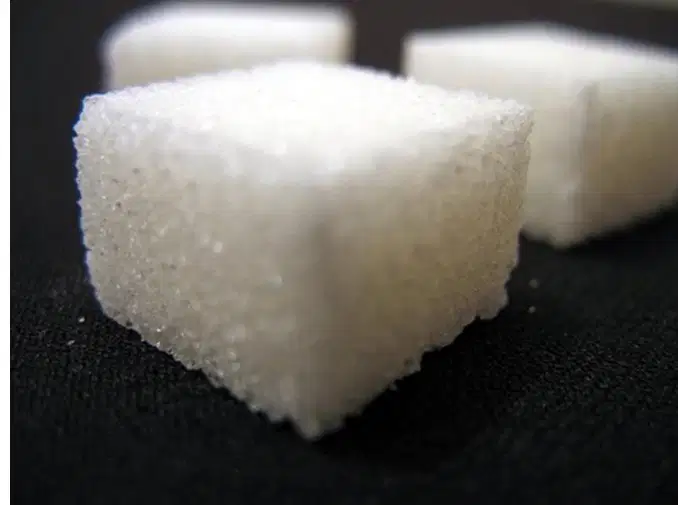
What is a monosaccharide?
A complex sugar molecule
A single sugar molecule, the simplest type of sugar
A type of protein
A type of fat
Which of the following is an example of a monosaccharide?
Sucrose
Lactose
Glucose
Starch
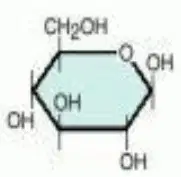
What is a monomer?
A large molecule made up of repeating units
A subunit that serves as the building block of a polymer
A type of protein
A complex carbohydrate
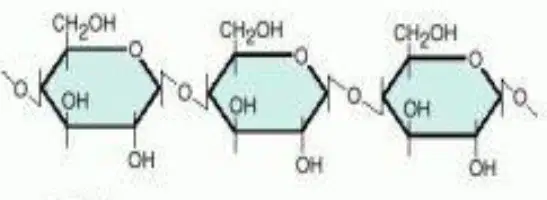
Which of the following best describes the role of a monomer in a polymer?
It is the entire polymer
It is one part of a larger polymer
It is a catalyst for polymerization
It is a byproduct of polymerization
What is the process by which the body takes in and uses nutrients called?
Digestion
Nutrition
Metabolism
Respiration
Which of the following is a characteristic of organic compounds?
They contain hydrogen and oxygen.
They contain carbon, except for CO and CO2.
They are always in gaseous form.
They do not contain any carbon atoms.
What is a key characteristic of organic compounds?
They contain a carbon atom.
They are always in liquid form.
They do not contain any hydrogen atoms.
They are always synthetic.
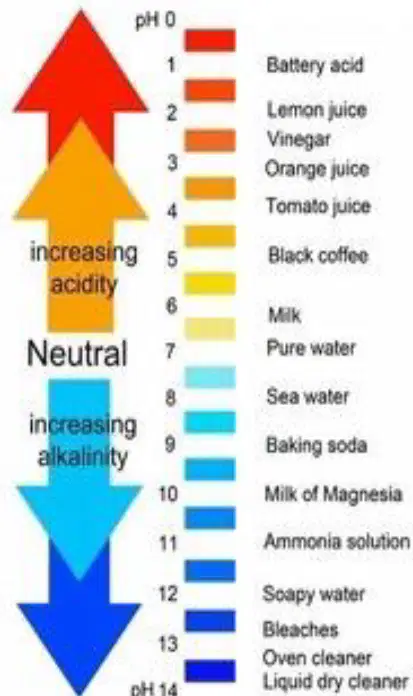
What does the pH scale measure?
The temperature of a solution
The acidity or alkalinity of a solution
The density of a solution
The color of a solution
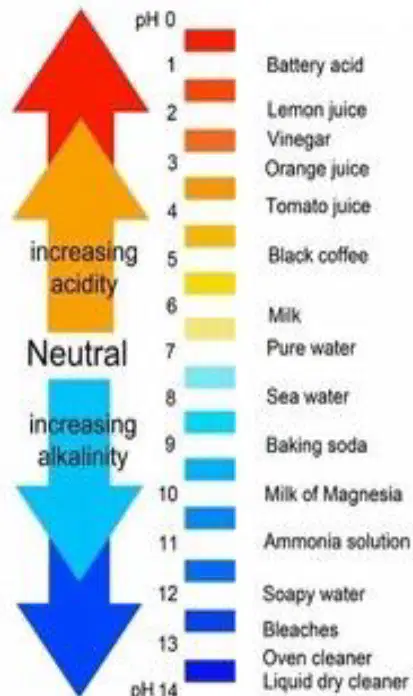
Which of the following substances is considered neutral on the pH scale?
Lemon juice
Pure water
Baking soda
Vinegar
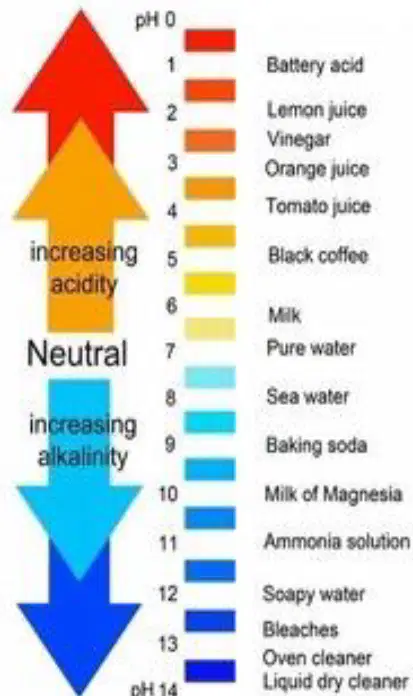
Which substance is more acidic: tomato juice or black coffee?
Tomato juice
Black coffee
Both are equally acidic
Neither is acidic
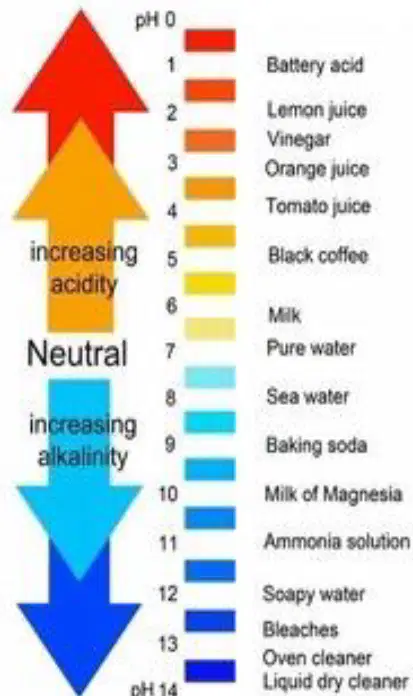
At which pH level does milk of magnesia fall on the pH scale?
pH 3
pH 7
pH 10
pH 14
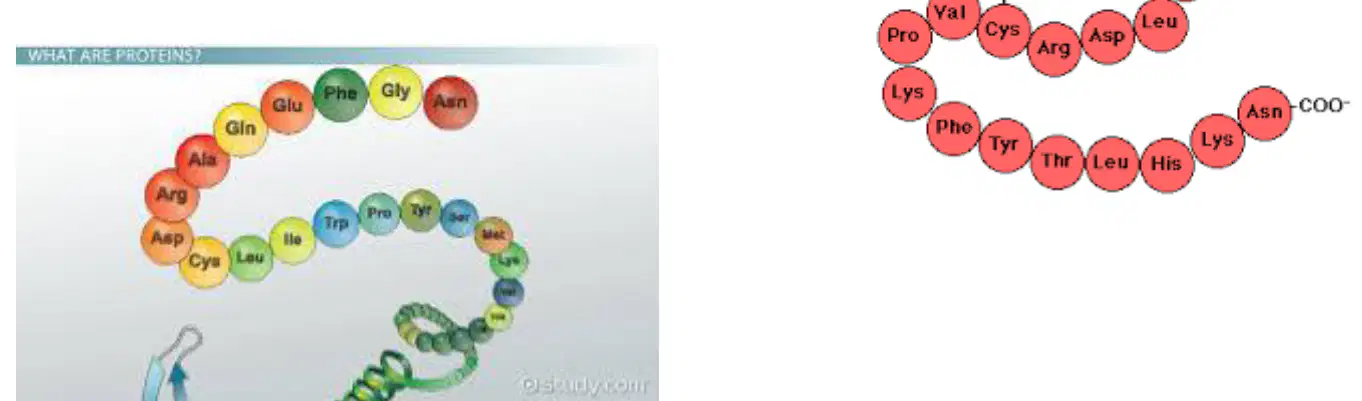
What is a polypeptide?
A single amino acid
A polymer of many amino acids linked by peptide bonds
A type of carbohydrate
A lipid molecule
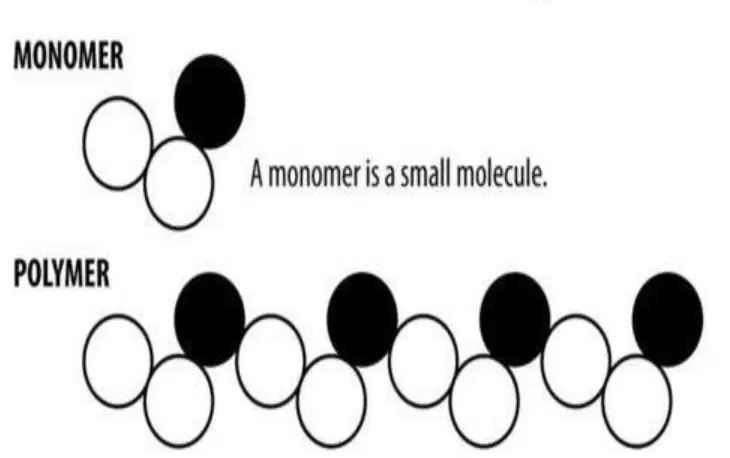
What is a polymer?
A small molecule that can join with others to form a chain
A long molecule consisting of many similar or identical monomers linked by chemical bonds
A type of chemical bond that holds atoms together
A single unit of a chemical compound
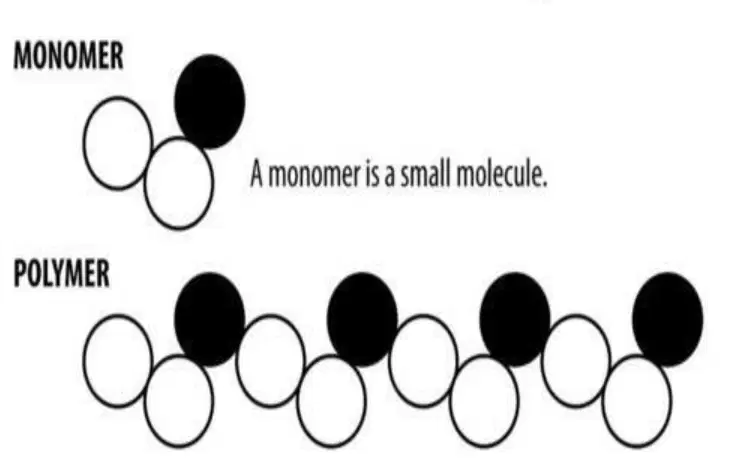
What is a monomer?
A large molecule made up of repeating units
A small molecule that can join with others to form a polymer
A type of chemical reaction
A complex structure made of different elements
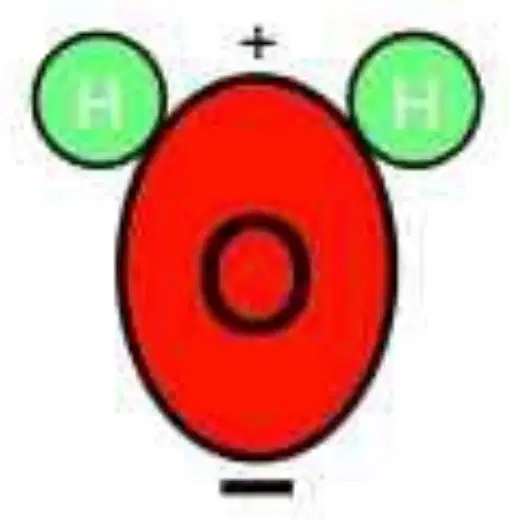
What is a polar molecule?
A molecule with equal distribution of charge
A molecule with an unequal distribution of charge, resulting in a positive end and a negative end
A molecule with no charge distribution
A molecule with only negative charges
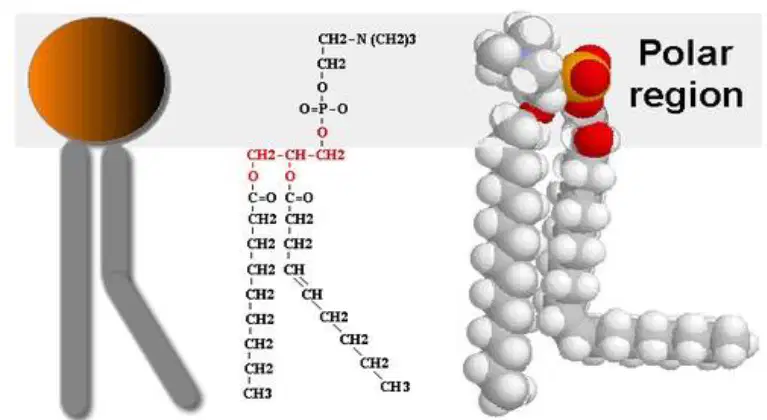
What is a phospholipid?
A protein that contains nitrogen and is a structural component in cell membranes
A carbohydrate that contains carbon and is a structural component in cell walls
A lipid that contains phosphorus and is a structural component in cell membranes
A nucleic acid that contains sulfur and is a structural component in cell nuclei
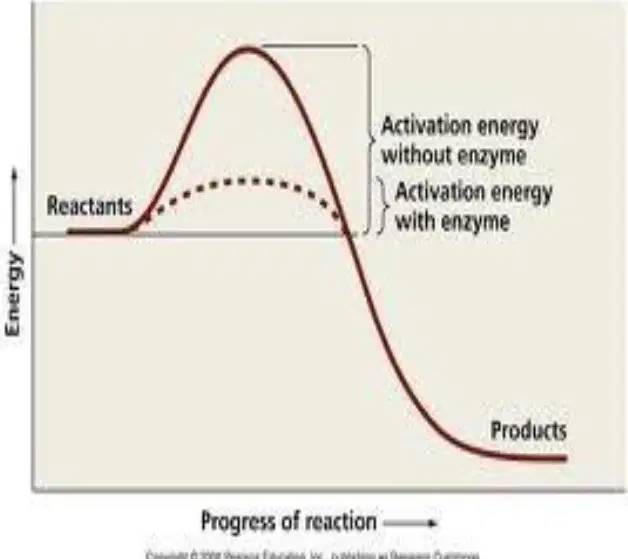
What is activation energy?
The energy released during a chemical reaction.
The energy needed to get a reaction started.
The energy absorbed by products in a reaction.
The energy that remains constant throughout a reaction.
Which of the following best describes the minimum amount of energy required to start a chemical reaction?
Activation energy
Kinetic energy
Potential energy
Thermal energy
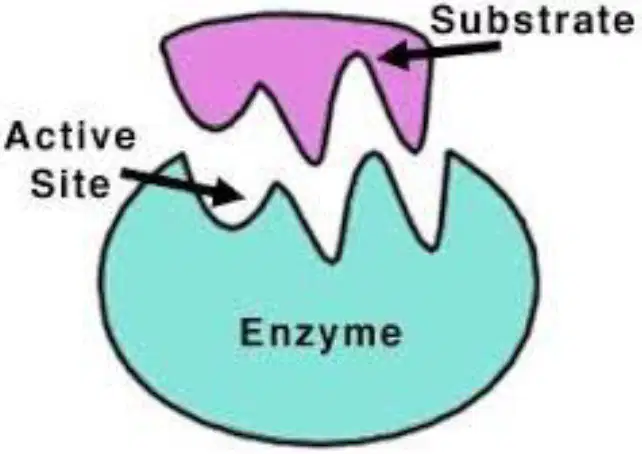
What is the active site on an enzyme?
The site on an enzyme that attaches to a substrate.
The site on a substrate that attaches to an enzyme.
The site on an enzyme that releases energy.
The site on a substrate that stores energy.
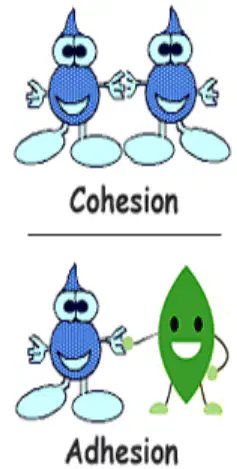
What is adhesion?
An attraction between molecules of the same substance
An attraction between molecules of different substances
A repulsion between molecules of different substances
A repulsion between molecules of the same substance
What is the final electron acceptor in the process of aerobic respiration?
Nitrogen
Hydrogen
Oxygen
Carbon
Which of the following best describes aerobic respiration?
The process by which cells make ATP by breaking down organic compounds, with nitrogen as the final electron acceptor.
The process by which cells make ATP by breaking down organic compounds, with oxygen as the final electron acceptor.
The process by which cells make ATP by synthesizing organic compounds, with oxygen as the final electron acceptor.
The process by which cells make ATP by breaking down inorganic compounds, with oxygen as the final electron acceptor.

In the equation for aerobic respiration, what are the products formed?
Glucose and oxygen
Carbon dioxide and water
Oxygen and water
Glucose and carbon dioxide
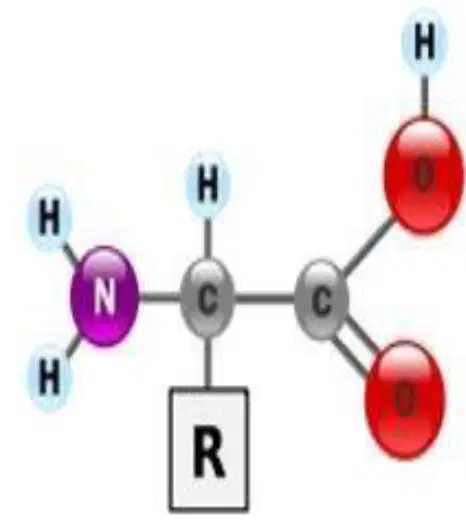
What are the building blocks of proteins?
Nucleotides
Amino acids
Fatty acids
Monosaccharides
How many different monomers form proteins?
10
15
20
25
What is ATP commonly known as in living organisms?
The universal energy molecule
The universal protein molecule
The universal carbohydrate molecule
The universal lipid molecule
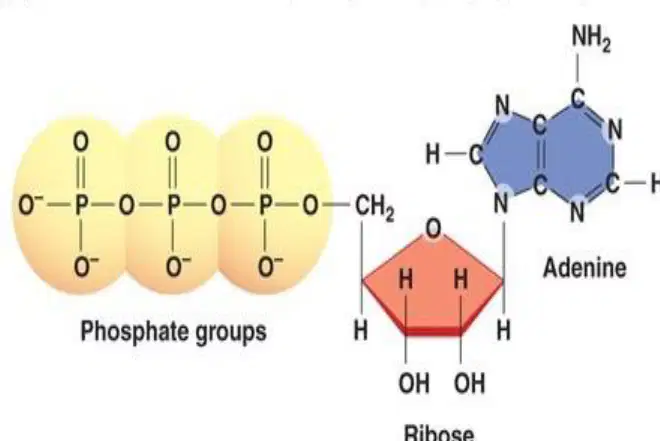
Which components make up ATP according to the diagram?
Three phosphate groups, ribose, and adenine
Two phosphate groups, glucose, and adenine
Three phosphate groups, ribose, and guanine
Two phosphate groups, ribose, and cytosine

What is a biochemical reaction?
A physical change in matter without any transformation of molecules
A chemical change in matter or the transformation of one molecule to a different molecule inside a cell, mediated by enzymes
A process where molecules are destroyed without any transformation
A reaction that occurs only outside of cells without enzyme mediation
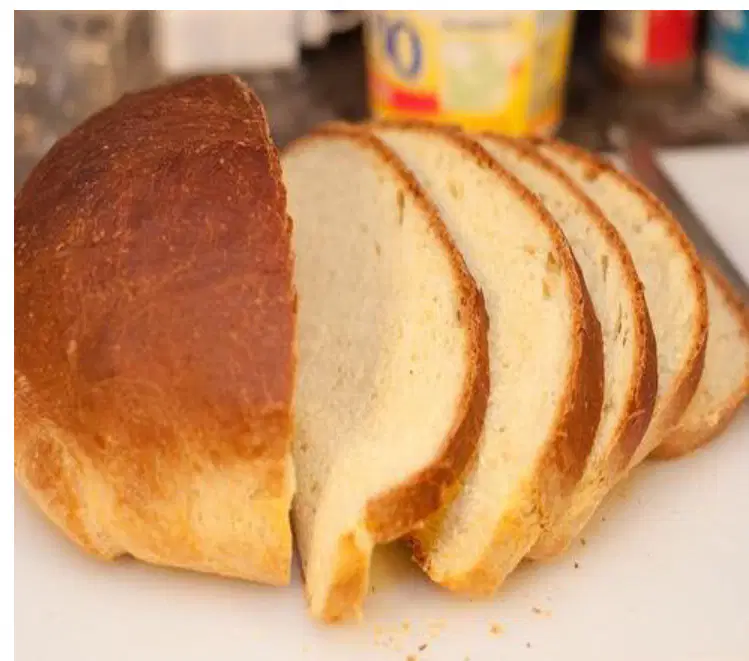
What is the primary composition ratio of carbohydrates?
1:2:1 (CHO)
1:1:2 (CHO)
2:1:1 (CHO)
1:1:1 (CHO)
What is the main source of energy in your diet?
Carbohydrates
Proteins
Fats
Vitamins
What is carbon primarily known as in the context of living organisms?
A metal
An organic compound
A gas
A liquid
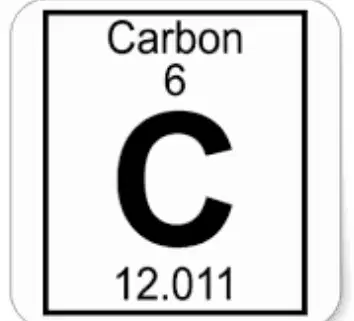
Why is carbon considered important for humans?
It is a major nutrient
It is a source of energy
It is a type of vitamin
It is a form of protein
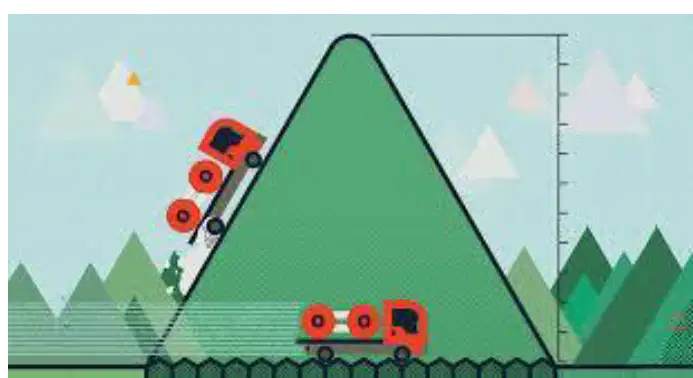
What is a catalyst?
A substance that slows down a chemical reaction
A substance that initiates or accelerates a chemical reaction without itself being affected
A substance that is consumed in a chemical reaction
A substance that changes the color of a chemical reaction
What is a long molecule consisting of many similar or identical building blocks linked by covalent bonds called?
Polymer
Monomer
Isomer
Atom
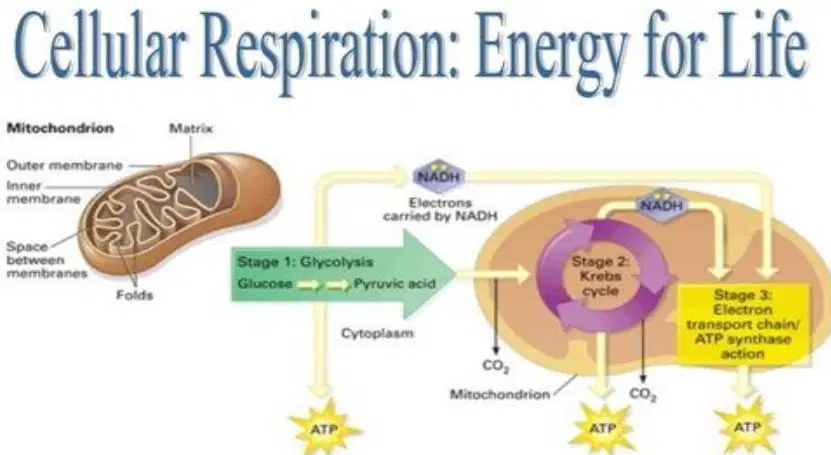
Which diagram best illustrates the stages of cellular respiration, including glycolysis, Krebs cycle, and electron transport chain?
A diagram showing glycolysis, Krebs cycle, and electron transport chain in sequence
A diagram showing only glycolysis
A diagram showing only the Krebs cycle
A diagram showing photosynthesis stages
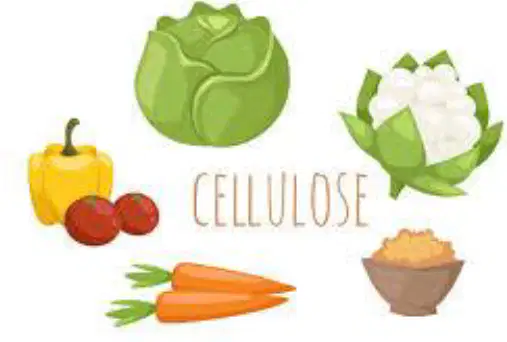
What is the main component of plant cell walls and vegetable fibers such as cotton?
Starch
Cellulose
Protein
Lipid
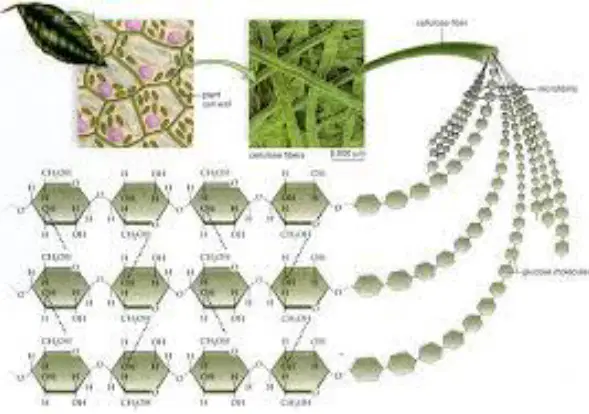
Cellulose is a polysaccharide consisting of chains of which type of monomers?
Fructose
Sucrose
Glucose
Maltose
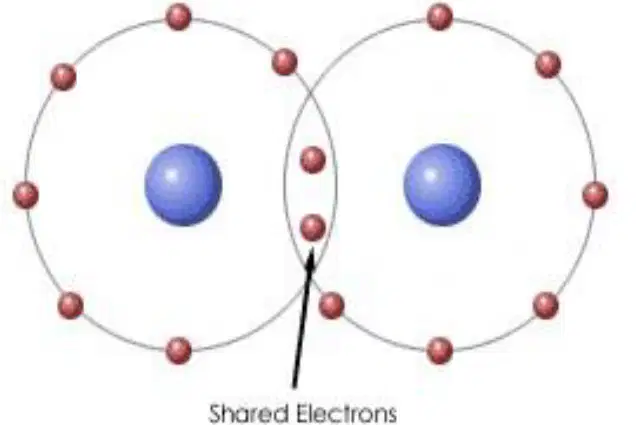
What is chemical bonding?
The process of atoms splitting into smaller particles
The combining of atoms to form molecules or ionic compounds
The movement of electrons within a single atom
The destruction of molecules into atoms
What is a chemical reaction?
A process where substances are mixed but not changed
A change in which one or more substances are converted into new substances
A method of separating substances without changing their properties
A physical change that does not alter the chemical composition
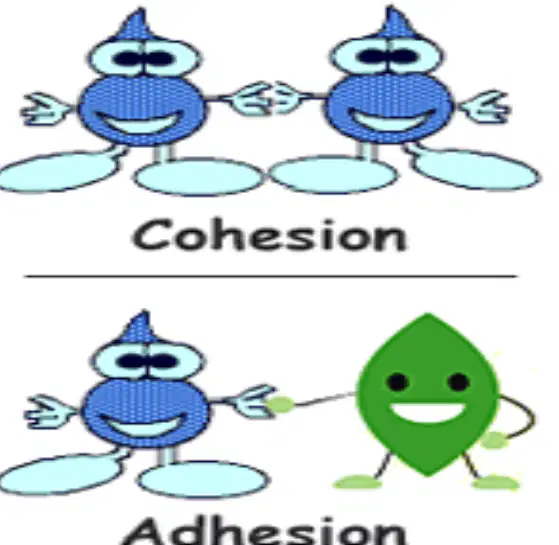
What is cohesion?
Attraction between molecules of the same substance
Attraction between molecules of different substances
Repulsion between molecules of the same substance
Repulsion between molecules of different substances
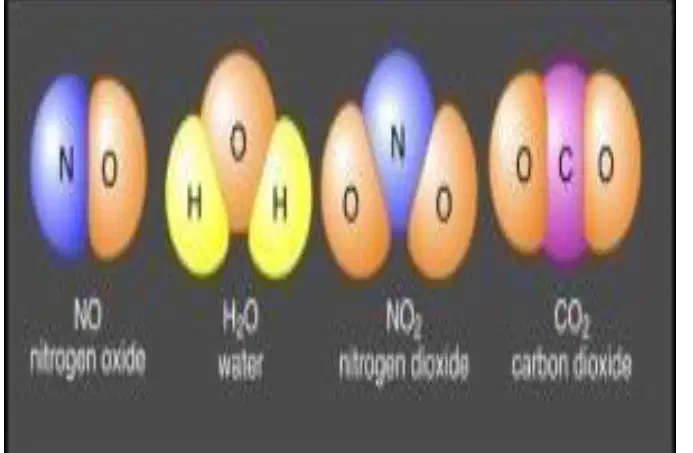
What is a compound?
A single element in its pure form.
A mixture of substances that are not chemically bonded.
A substance made up of two or more different elements joined by chemical bonds.
A solution of a solute dissolved in a solvent.
What are contractile proteins essential for?
Muscle contraction
Bone growth
Nerve signaling
Blood circulation
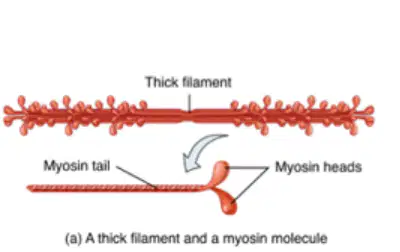
Which protein is described as a thick filament and a motor protein in muscle cells?
Actin
Myosin
Keratin
Collagen

What is dehydration synthesis?
A chemical reaction where two molecules bond by removing a water molecule.
A process where water is added to break down molecules.
A method of hydrating molecules to form bonds.
A reaction that involves the addition of oxygen to molecules.
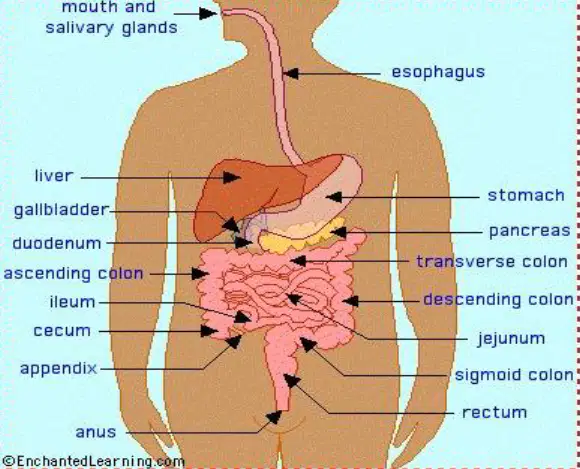
What is digestion?
The process of breathing in oxygen and releasing carbon dioxide
The process by which the body breaks down food into small nutrient molecules
The process of circulating blood throughout the body
The process of converting sunlight into energy
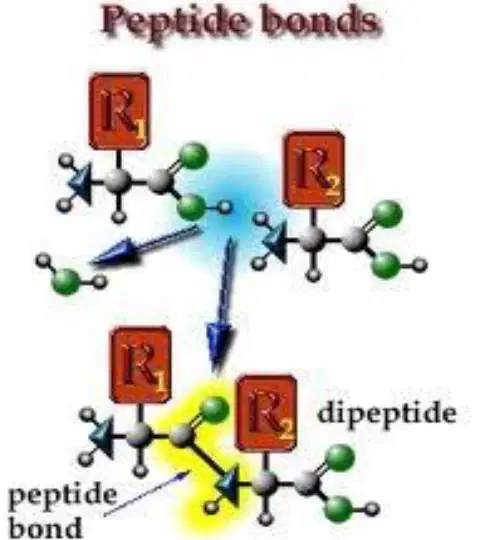
What is a dipeptide?
A combination of three amino acids united by a peptide bond.
A combination of two amino acids united by a peptide bond.
A single amino acid with a peptide bond.
A combination of four amino acids without any peptide bonds.
What is a disaccharide?
A single sugar molecule
A double sugar consisting of two monosaccharides joined by dehydration synthesis
A protein made of amino acids
A lipid composed of fatty acids
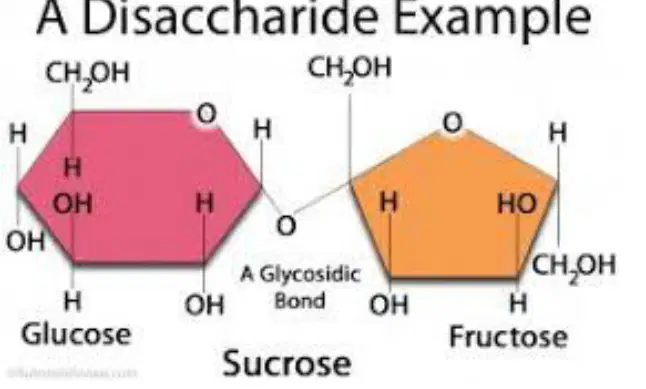
Which of the following is an example of a disaccharide?
Glucose
Fructose
Sucrose
Galactose
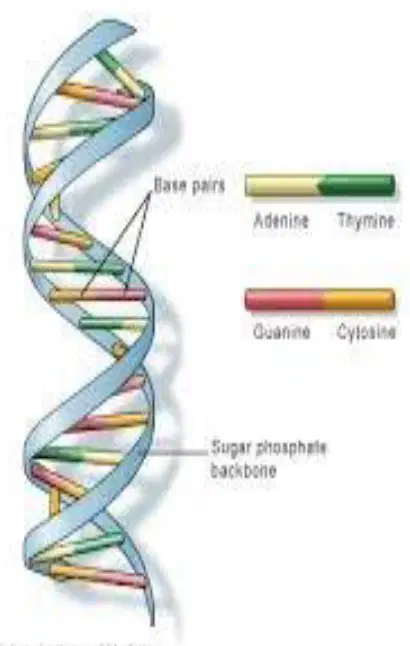
What is the structure of DNA often compared to?
A single strand
A double helix or twisted ladder
A triple helix
A flat sheet
What is the primary function of DNA in living organisms?
To provide energy
To carry the genetic code
To transport oxygen
To digest food
What is an element?
A pure substance made of only one kind of atom that cannot be broken down into other substances by chemical or physical means
A mixture of different substances that can be separated by physical means
A compound made of two or more different atoms bonded together
A solution that can be separated into its components by chemical means
What is an endothermic reaction?
A chemical reaction that releases energy in the form of heat.
A chemical reaction that absorbs energy in the form of heat.
A chemical reaction that neither absorbs nor releases energy.
A chemical reaction that only occurs at high temperatures.
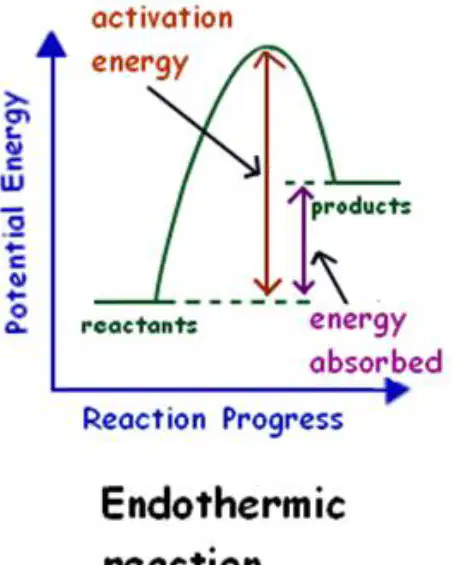
Which of the following best describes the energy change in an endothermic reaction?
Energy is released to the surroundings.
Energy is absorbed from the surroundings.
Energy remains constant throughout the reaction.
Energy is converted into mass.
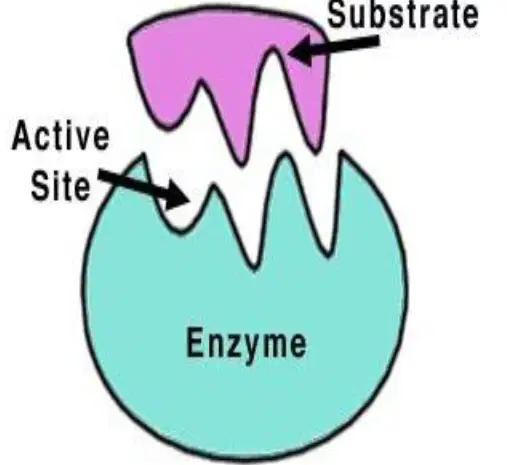
What is an enzyme?
A type of protein that speeds up a chemical reaction in a living thing
A type of carbohydrate that stores energy in cells
A type of lipid that forms cell membranes
A type of nucleic acid that carries genetic information
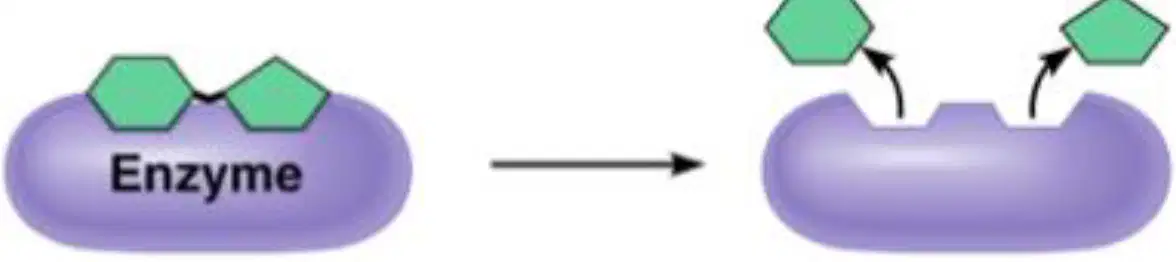
What is the primary function of enzymatic proteins?
To provide structural support to cells
To store genetic information
To selectively accelerate chemical reactions
To transport oxygen in the blood
Which of the following is an example of an enzymatic protein?
Hemoglobin
Collagen
Digestive enzymes
Antibodies

What is the process by which metabolic wastes are eliminated from the body?
Digestion
Excretion
Respiration
Circulation
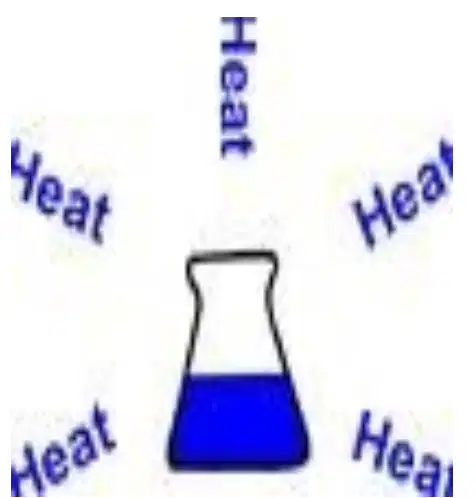
What is an exothermic reaction?
A reaction that absorbs energy in the form of heat.
A chemical reaction in which energy is primarily given off in the form of heat.
A reaction that neither absorbs nor releases energy.
A chemical reaction that occurs without any energy change.
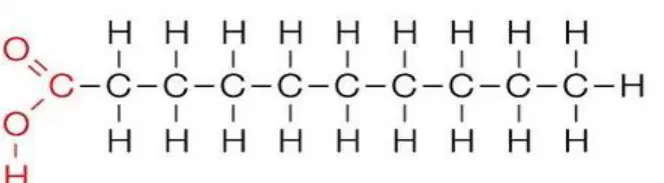
What is a characteristic of saturated fats in terms of their chemical structure?
Saturated fats have double bonds between carbon atoms.
Saturated fats have carbon atoms surrounded by hydrogen atoms.
Saturated fats have fewer hydrogen atoms than unsaturated fats.
Saturated fats have a kink in their structure.
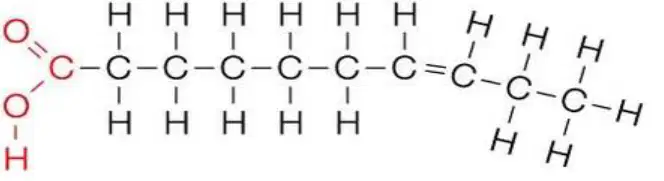
Which type of fatty acid chain contains double bonds between carbon atoms?
Saturated fatty acid chain
Unsaturated fatty acid chain
Both saturated and unsaturated fatty acid chains
Neither saturated nor unsaturated fatty acid chains
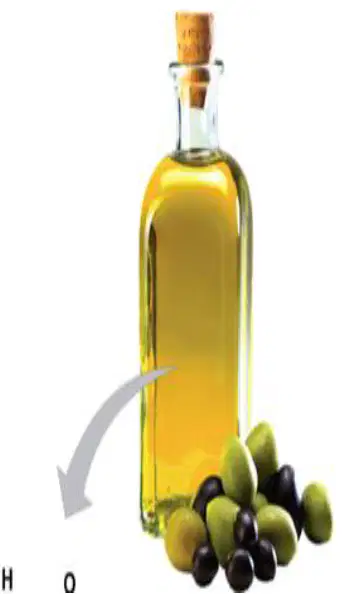
What is a characteristic of unsaturated fatty acids?
They have one or more double bonds of carbon with less than the maximum number of hydrogen atoms.
They are solid at room temperature.
They have no double bonds and are fully saturated with hydrogen atoms.
They are always found in animal fats.
At what state are unsaturated fatty acids typically found at room temperature?
Solid
Liquid
Gas
Plasma
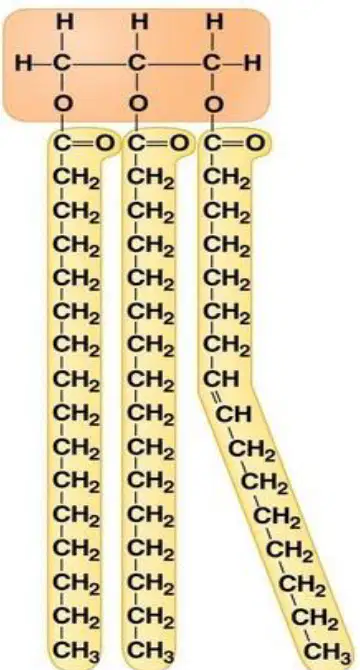
What is a triglyceride molecule made up of?
Three fatty acids covalently bonded to glycerol
Two fatty acids and one glycerol
Three glycerol molecules bonded to one fatty acid
Two glycerol molecules and one fatty acid
What is one of the primary uses of triglycerides in the body?
Energy storage
Protein synthesis
DNA replication
Oxygen transport
Which of the following is NOT a function of triglycerides?
Thermal insulation
Binds and cushions organs
Fills space
Transports nutrients
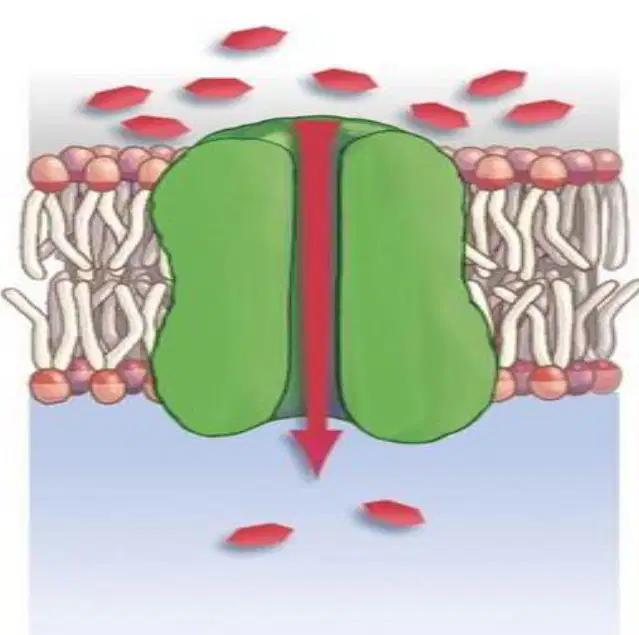
What is the primary function of transmembrane proteins in the cell membrane?
To provide structural support to the cell
To act as enzymes for metabolic reactions
To provide a passageway for the movement of ions and molecules across the phospholipid bilayer
To store genetic information
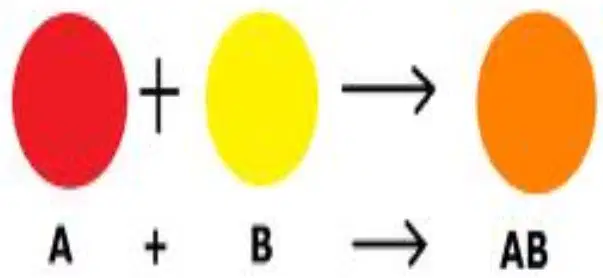
What does the term "synthesis" refer to in a biological context?
The breakdown of complex substances into simpler ones.
The process of combining simple substances into more complex substances.
The movement of substances across a cell membrane.
The release of energy from nutrients.
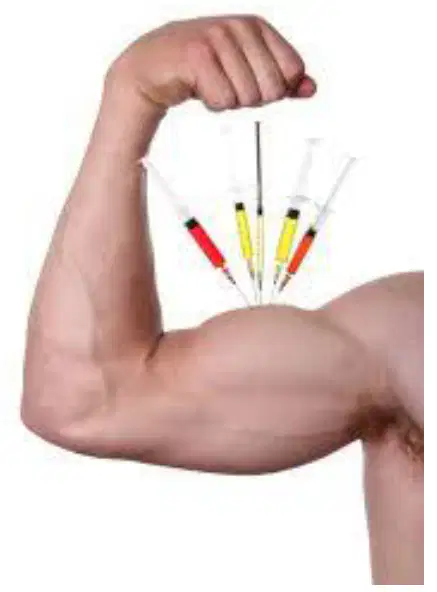
What is the structural characteristic of steroids?
They consist of three carbon rings and a functional group.
They consist of four carbon rings and a functional group.
They consist of five carbon rings and a functional group.
They consist of two carbon rings and a functional group.
Which of the following is an example of a steroid?
Glucose
Cholesterol
Amino acid
Cellulose
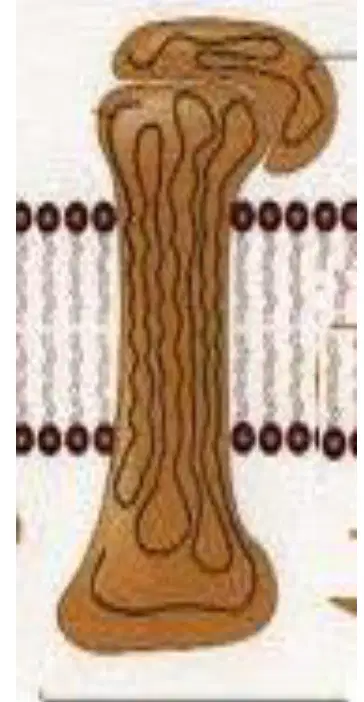
What is the primary role of structural proteins in organisms?
To store energy for later use
To hold cells and organisms together
To transport oxygen in the blood
To catalyze biochemical reactions
Which of the following is an example of a structural protein used for support?
Hemoglobin
Insulin
Keratin
Amylase

What is a substrate in the context of a chemical reaction involving enzymes?
A substance that speeds up a chemical reaction without being consumed
A substance on which an enzyme acts during a chemical reaction
A molecule that inhibits enzyme activity
A product formed after an enzyme-catalyzed reaction

What is surface tension?
The result of an inward pull among the molecules of a liquid that brings the molecules on the surface closer together.
The force that causes objects to sink in a liquid.
The process of a liquid turning into a gas.
The attraction between different types of molecules.
What is a reactant in a chemical reaction?
A chemical substance that is present at the start of a chemical reaction.
A chemical substance that is produced at the end of a chemical reaction.
A catalyst that speeds up a chemical reaction.
A byproduct of a chemical reaction.
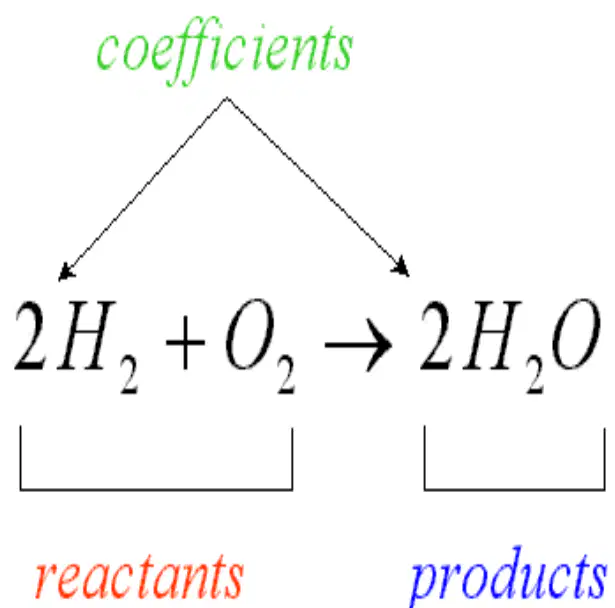
In the chemical equation 2H₂ + O₂ → 2H₂O, what do the numbers in front of H₂ and H₂O represent?
They represent the number of molecules involved in the reaction.
They represent the atomic number of the elements.
They represent the mass of the reactants and products.
They represent the temperature at which the reaction occurs.
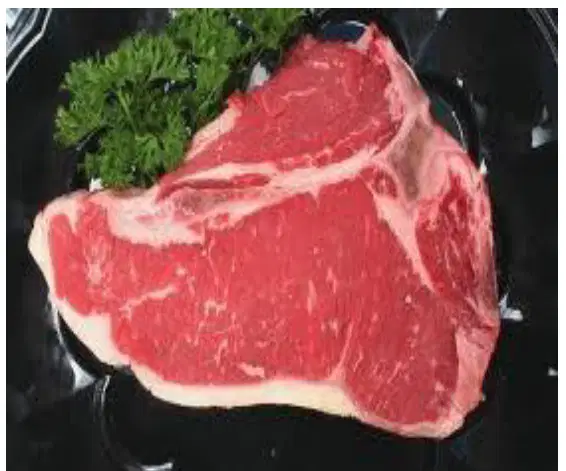
What are proteins made up of?
Carbohydrates
Amino acids
Fatty acids
Nucleic acids
What is one of the primary functions of proteins in the body?
To store energy
To build and repair body structures
To provide insulation
To transport oxygen
What is the definition of a product in a chemical reaction?
The starting material in a chemical reaction.
A substance produced in a chemical reaction.
A catalyst used in a chemical reaction.
A byproduct of a chemical reaction.
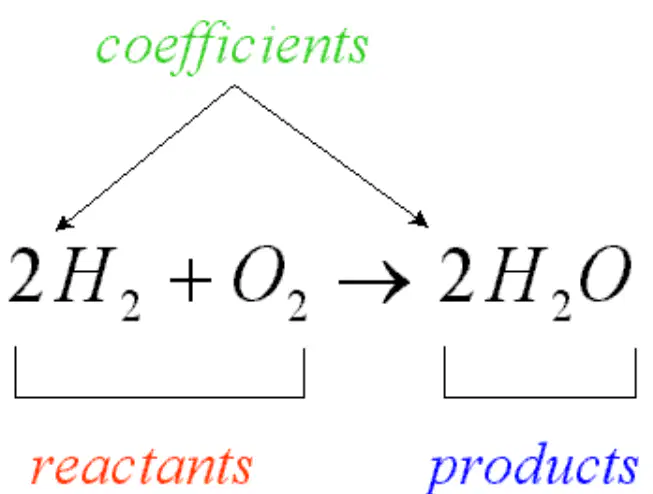
In a chemical reaction, what term is used to describe the ending material?
Reactant
Catalyst
Product
Solvent
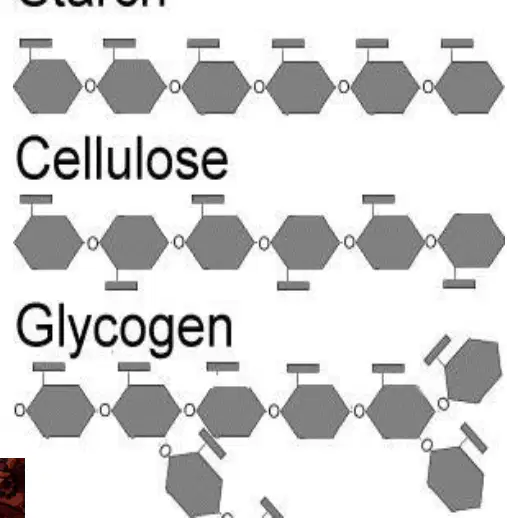
What are polysaccharides made up of?
1 or 2 monosaccharides
3 or more monosaccharides
Amino acids
Fatty acids
Which of the following is an example of a polysaccharide?
Glucose
Fructose
Starch
Sucrose
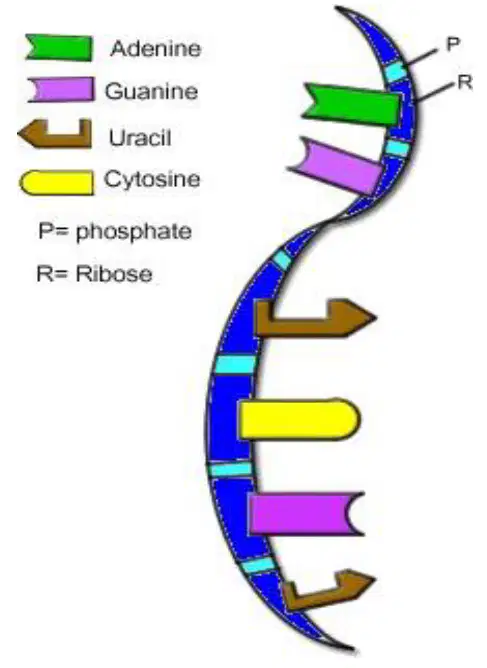
What is the structure of RNA compared to DNA?
Double-stranded
Single-stranded
Triple-stranded
Quadruple-stranded
Which of the following is NOT a form of RNA?
Messenger RNA (mRNA)
Transfer RNA (tRNA)
Ribosomal RNA (rRNA)
Deoxyribose RNA (dRNA)
What sugar is found in the structure of RNA?
Glucose
Fructose
Ribose
Deoxyribose
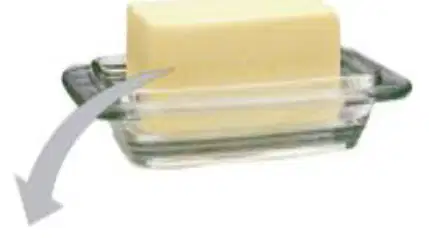
What is a characteristic of saturated fatty acids?
They are liquid at room temperature.
They are filled to maximum capacity with hydrogen atoms.
They contain double bonds between carbon atoms.
They are unsaturated fats.

At room temperature, what state are saturated fatty acids typically found in?
Liquid
Gas
Solid
Plasma
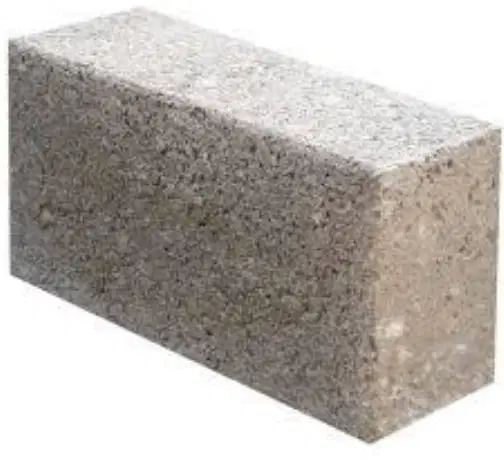
What is a characteristic of a solid state of matter?
It has a definite shape and a definite volume.
It has a definite shape but no definite volume.
It has no definite shape but a definite volume.
It has no definite shape and no definite volume.
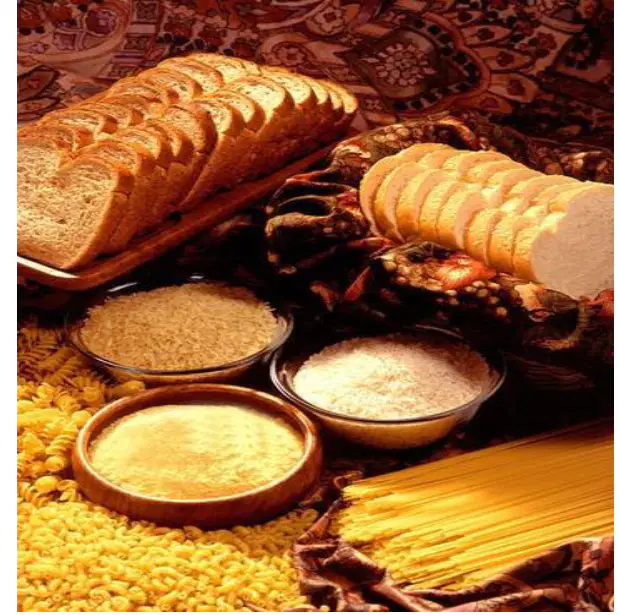
What is starch primarily composed of?
Fructose
Sucrose
Glucose
Lactose
Which of the following is NOT a common source of starch?
Potatoes
Rice
Corn
Apples

