
 Worksheets
BIOLOGY FOR NASSER AL MARBOEI
Total questions: 119
Worksheet time: 1hrs 15mins

Study the picture below.
Position of our heart is in ____
P
Q
R
S
The main organ that works in our respiratory system is (are) ____
brain
blood vessels
mouth
lungs
The picture of our stomach is shown by picture ____


Study the following organ of respiratory system.
The organ pointed by letter X is called ____
trachea
bronchi
bronchioles
Alveoli
The organs that produce urine are
lungs
intestines
ribs
kidneys
The place where carbon dioxide is exchanged with oxygen is ____


The function of this organ is absorbing nutrients. This organ is ____
gall bladder
esophagus
large intestine
small intestine
It controls all of the activities in human body. The organ is ____
brain
heart
liver
nerve

Here is the path through which air from outside the body moves into the human body.
The correct organ in A, B and C in order are ____
nose, lungs, windpipe
nose, windpipe, lungs
lungs, nose, windpipe
lungs, windpipe, nose
In which part of the digestive system does food enters the body?
mouth
gullet
stomach
intestine

Organ pointed by letter A are called ____
heart
spinal cord
blood vessels
muscles

Study the human organs below.
The body system that works using these organs is ____ system.
nervous
respiratory
excretory
circulatory
The function of our heart is ____.
producing urine
filtering the blood
removing waste
pumping the blood
The organ system that handling the food in our body is ___ system.
respiratory
excretory
digestive
circulatory
When we do activities our body produces ___ that is absorbed by the blood and then is transported into the heart.
oxygen
carbon dioxide
urea
excess water
The organ of nervous system that is protected by our spine is called (a)
The blood vessel that carries the blood out of the heart is called (a)

Following table shows the number of Ahmad's heartbeats at two different timings.
Which reading was most likely taken when Ahmad was doing exercise?
(a)
The organ of our digestive system that absorb water is (a)

Study this picture.
This is a picture of our (a)
contains muscles and tendons
muscular
skeletal
integumentary
digestive
contains bones, ligaments, cartilage and joints
muscular
skeletal
integumentary
digestive
contains lymph vessels and nodes
lymphatic
nervous
endocrine
urinary
contains kidneys, ureters, bladder, urethra
lymphatic
nervous
endocrine
urinary
contains testes, sperm, penis or ovaries, eggs, uterus
reproductive
respiratory
digestive
endocrine
contains mouth, esophagus, stomach, intestines, liver, pancreas, gallbladder
digestive
nervous
cardiovascular
respiratory
contains glands throughout the body
cardiovascular
lymphatic
endocrine
digestive
contains heart and blood vessels (arteries, capillaries and veins)
digestive
nervous
respiratory
cardiovascular
contains skin, hair, nail, sweat and oil glands
integumentary
nervous
digestive
respiratory
contains nose, pharynx, trachea, bronchial tubes, alveoli and lungs
respitaory
digestive
nervous
cardiovascular
contains brain, spinal cord and nerves
digestive
nervous
cardiovascular
urinary
communication and coordination with nerve impulses from the external and internal environment
cardiovascular
lyphatic
nervous
integumentary
produce sound, transport gases, eliminates waste, filters and breathe
endocrine
digestive
respiratory
nervous
protection, senses outside environment, regulate temperature, eliminate waste and support
lymphatic
endocrine
skeletal
integumentary
transport nutrients, gases, waste, hormone, red blood cells, white blood cells, and platelets
nervous
cardiovascular
integumentary
skeletal
communication and coordination using hormones, maintaining homeostasis
endocrine
muscular
lyphatic
nervous
physically and chemically breaks down food, absorbs nutrients and eliminates waste
respiratory
urinary
digestive
muscular
production of offspring
reproductive
integumentary
nervous
cardiovascular
filters and regulates the composition of blood and body fluids and eliminates nitrogenous waste
lymphatic
urinary
nervous
cardiovascular
filters fluids from the body to the blood, fight diseases and organisms
lymphatic
integumenary
urinary
muscular
framework, protection, produce blood cells and storage
nervous
skeletal
muscular
cardiovascular
movement of the bodies organs, posture, production of heat to help maintain body temperature
nervous
cardiovascular
skeletal
muscular
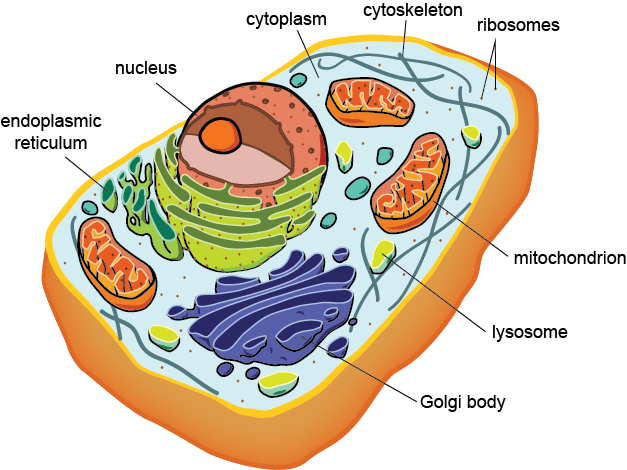
Every living organism is made up of one or more cells.
True
False
A cell is...
the basic unit of structure and function in living organism
an organism
a basic part of everything that we see
found only in animals, not plants
Which of the following are NOT found in animal cells
chloroplasts and cytoplasm
chloroplasts and cell wall
cell wall and cell membrane
cell wall and nucleus
The jelly-like fluid that surrounds the organelles in the plant and animal cells is called what?
chloroplast
cytoplasm
vacuole
cell wall
What do vacuoles do?
They give the cells their shape.
They protect the cell.
They are the brain of the cell.
They are used for storage.
Which organelle helps plants with the process of photosynthesis?
Vacuole
Mitochondria
Cytoplasm
Chloroplast
Which of the following, found ONLY in plant cells, provides structure?
cell wall
chloroplast
nucleus
vacuole

In which organelle is the genetic material, or DNA, found inside?
cell membrane
chloroplast
nucleus
vacuole
A large vacuole is found in a _____ cell.
animal
plant

Identify the structure that is indicated by the arrow in the image.
cell wall
vacuole
chloroplast
nucleus

The arrow is showing the fluid inside the cell that surrounds the cell organelles. What is the arrow pointing to in the cell?
cytoplasm
cell membrane
chloroplast
nucleus
Which organelle gives the cell a rigid, box-like shape?
cytoplasm
chloroplasts
cell wall
cell membrane
Which organelle uses energy from sunlight to make food?
cytoplasm
nucleus
chloroplasts
vacuoles
Which structure is found in plant cells and not in animal cells?
cell wall
cell membrane
nucleus
cytoplasm


I store water in both plant and animal cells. What am I?
cytoplasm
nucleus
vacuole
chloroplast

I am only found in a plant cell. What am I?
cell wall
vacuole
cytoplasm
chloroplast
All things are made of cells.
True
False
Who was the scientist that looked at cork under a microscope?
Alfred Wegner
Howard Hess
Robert Hooke
Mattias Schleiden
Robert Hooke named the small compartments that made up the cork __________after the rooms monks lived in.
organelles
membranes
mocroscopes
cells
Cell theory states that...
cells are the basic building block of life
cells are cool
cells are microscopic
cells cannot be destroyed
Cell theory also states that...
bacteria are eukaryotic cells
animals are prokaryotic cells
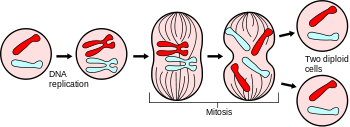
cells come from other cells (cell division or splitting apart)
cells are awesome!
Lastly cell theory states....
cells don't do much
cells are microscopic
all living things are made up of cells (either unicellular or multicellular)
bacteria aren't cells




Robert Hooke
Matthias Schleiden


Which question is a scientific question?
Why is it foggy?
Is it more likely to be foggy after a drizzling rain or a thunderstorm?
What is fog?
How can I draw a picture of fog with colored pencils?
Jill is testing the effect of caffeine on the breathing rate of betta fish. She sets up two fish tanks with identical conditions. She places 10 betta fish in each tank. She adds caffeine to one tank and nothing to the other tank. She then counts the operculum plate movement per minute for the fish in each tank.
What scientific question is the above experiment attempting to answer?
What effect does caffeine have on betta fish?
Will caffeine affect the heart rate of betta fish?
Does caffeine affect the breathing rate of betta fish?
Is the amount of caffeine affected by the betta fish?
John believes the water plant Elodea will produce more oxygen when placed closer to a light source. He places four Elodea plants of the same height at varying distances from a lamp: 1 meter, 2 meters, 3 meters, and 4 meters. The plants are in identical aquariums with a beaker placed over each plant. The oxygen content inside the beaker is measured after each plant sits for 8 hours.
Which question best describes John's experiment?
Does the amount of oxygen affect the amount of light needed by the plant?
Does a plant produce more oxygen when it is placed closer to a light source?
How does the type of plant affect the oxygen produced when placed by a lamp?
Will the light affect how much the Elodea plant grows when placed in the light?
Ryan wants to test which cleats enable him to run the fastest. Which question is the proper scientific question?
"Which cleats will help me run faster?"
"Which brand of cleats will enable Ryan to run the fastest time in 100 meters?"
"Do different brands of cleats affect running speed?"
"Which brand of cleats helps Ryan run better?"
What is the best bubble I can make?
testable/measurable question
non-testable/measurable question
Does food coloring affect how big a bubble is when blown?
testable/measurable question
non-testable/measurable question
What types of apples grow in Missouri?
testable/measurable question
non-testable/measurable question
Does the temperature of a classroom affect student test grades?
testable/measurable question
non-testable/measurable question
Why do people smoke?
testable/measurable question
non-testable/measurable question
Does talking to a plant affect a plant’s growth height?
testable/measurable question
non-testable/ measurable question
Where are whales found in the world?
testable/measurable question
non-testable/measurable question
Which planet is the most interesting one to study?
testable/measurable question
non-testable/measurable question
Do larger seeds grow taller flowers?
testable/measurable question
non-testable/measurable question
Do flying saucers really exist?
testable/measurable question
non-testable/measurable question
Does the color of a surface(when outside) affect its temperature?
testable/measurable question
non-testable/measurable question
Does doing homework every night lead to higher test scores?
testable/measurable question
non-testable/measurable question
Jill is testing the effect of caffeine on the breathing rate of betta fish. She sets up two fish tanks with identical conditions. She places 10 betta fish in each tank. She adds caffeine to one tank and nothing to the other tank. She then counts the operculum plate movement per minute for the fish in each tank.
What scientific question is the above experiment attempting to answer?
What effect does caffeine have on betta fish?
Will caffeine affect the heart rate of betta fish?
Does caffeine affect the breathing rate of betta fish?
Is the amount of caffeine affected by the betta fish?
Jill is testing the effect of caffeine on the breathing rate of betta fish. She sets up two fish tanks with identical conditions. She places 10 betta fish in each tank. She adds caffeine to one tank and nothing to the other tank. She then counts the operculum plate movement per minute for the fish in each tank.
What scientific question is the above experiment attempting to answer?
What effect does caffeine have on betta fish?
Will caffeine affect the heart rate of betta fish?
Does caffeine affect the breathing rate of betta fish?
Is the amount of caffeine affected by the betta fish?
Scientists observed two groups of white mice and counted the number of offspring they produced. One group of white mice received large doses of vitamin A with its food and water. The other group got the same amount of food and water, but no vitamin A was included.
What question were the scientists trying to answer?
What effect does vitamin A have on the reproduction of white mice?
Will two groups of mice eat vitamin A mixed with their food?
How does the production of offspring affect the consumption of vitamin A in white mice?
Will white mice have the same number of offspring if given the same amount of food?
John sets up three sets of bean seeds. One group receives full sunlight. The second group receives partial sunlight. The third group receives no sunlight.
What scientific question is John trying to answer?
What amount of sunlight produces the tallest bean plants?
Does seed germination affect the rate of bean seed growth?
Does the amount of sunlight affect seed germination?
What type of seed germinates in full sunlight?
Jace researched how temperature affects the functioning of the enzyme amylase. Amylase, an enzyme found in saliva, breaks down starch molecules. Jace measured the rate at which starch is broken down by amylase at 25, 30, 35, and 40°C.
Which question best describes Jace's research?
Does amylase break down starch at all temperatures?
How is the reaction rate of amylase affected by temperature?
Does changing amylase’s temperature make it a better enzyme?
Will amylase cause the temperature of its environment to change?
John believes the water plant Elodea will produce more oxygen when placed closer to a light source. He places four Elodea plants of the same height at varying distances from a lamp: 1 meter, 2 meters, 3 meters, and 4 meters. The plants are in identical aquariums with a beaker placed over each plant. The oxygen content inside the beaker is measured after each plant sits for 8 hours.
Which question best describes John's experiment?
Does the amount of oxygen affect the amount of light needed by the plant?
Does a plant produce more oxygen when it is placed closer to a light source?
How does the type of plant affect the oxygen produced when placed by a lamp?
Will the light affect how much the Elodea plant grows when placed in the light?
Ron believes caffeine will make mice more alert and help them find their way through a maze faster. He puts 10 mice in each test group and gives each test group a different amount of caffeine before placing the mice in the maze. One group receives no caffeine.
Which question best describes Ron’s experiment?
Does consumption of caffeine affect how fast mice can run?
Does caffeine help mice find their way through a maze faster?
Does the number of mice affect how fast they complete the maze?
Does going through a maze increase the caffeine consumption of mice?

Mr. Conyers needs your help: He needs to find the constant variables for his experiment. He is trying to determine what shampoo leaves his beard the softest. Which variable would be a constant?
Type of Shampoo
Softness of Mr. Conyer's beard
Amount of Shampoo
He doesn't need any constant variables
Which question is a scientific question?
Why is it foggy?
Is it more likely to be foggy after a drizzling rain or a thunderstorm?
What is fog?
How can I draw a picture of fog with colored pencils?
Which question is NOT a scientific question?
Will a cat sleep longer on a winter day or summer day?
Will the fish have more babies when the temperature of the tank is 70°F or 80°F?
Will the shamrock have more flowers when watered with tap water or distilled water?
If cans of Dr. Pepper and Diet Dr. Pepper are put into a bucket of water, then the Diet Dr. Pepper will float?
What is the proper hypothesis for the scientific question: "Will more students buy cafeteria food on days when the cafeteria serves pizza?"
I think that more students will buy food on the days that the cafeteria sells pizza.
If the cafeteria sells pizza, then the students will win.
If the cafeteria sells pizza, then more students will buy cafeteria food than on days when pizza is not served.
If the cafeteria sells pizza, they will sell more food than on days when they do not sell pizza.
Ryan wants to test which cleats enable him to run the fastest. Which question is the proper scientific question?
"Which cleats will help me run faster?"
"Which brand of cleats will enable Ryan to run the fastest time in 100 meters?"
"Do different brands of cleats affect running speed?"
"Which brand of cleats helps Ryan run better?"
A(n) _____________ variable is purposely changed to test a hypothesis.
independent
Controlled
Dependent
A good scientist never changes anything...EVER
What is the correct question for this hypothesis -- ". Each year when the weather gets cold, birds fly to warmer regions."
Why do birds fly to warmer places in the winter or when it is cold?
Which birds fly to warmer regions in the winter?
Why do birds like warm weather rather than cold weather?
Where do birds travel during the cold months?
A scientific Question needs to be able to be...
Tested
Researched
Read about
Looked up on the internet or in a book
This is a good scientific Question-- "Why do dogs like to play fetch?"
True
False
This is a good scientific question "Does studying for 15 minutes every day increase test scores?"
True
False

