
 Worksheets
Hematology Disorders Learning Material Quiz
Total questions: 89
Worksheet time: 45mins
Which of the following best describes the subject of the provided learning material?
Hematology Disorders
Cardiac Arrhythmias
Respiratory Infections
Gastrointestinal Diseases
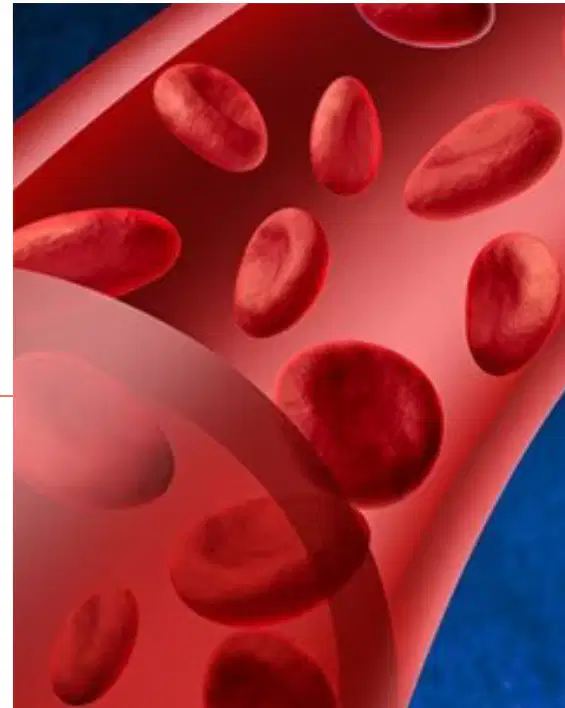
What does the diagram most likely represent?
Red blood cells in a blood vessel
White blood cells attacking bacteria
Platelets forming a clot
Nerve cells transmitting signals
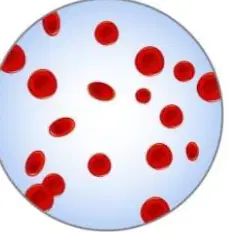
What is the primary effect of anemia on the blood?
Increased oxygen-carrying capacity of the blood
Decreased oxygen-carrying capacity of the blood
Increased production of white blood cells
Decreased plasma volume
Which of the following is NOT a common cause of anemia?
Blood loss
Impaired production of red blood cells (RBCs)
Increased destruction of RBCs
Increased production of platelets
What is the normal hemoglobin (Hgb) range for adult males?
10-14 g/DL
14-18 g/DL
12-16 g/DL
16-20 g/DL
A female patient has a hemoglobin level of 11 g/DL. Based on the normal range provided, what condition might she be experiencing?
Polycythemia
Leukemia
Anemia
Thrombocytopenia
Explain why impaired production of red blood cells can lead to anemia. Use evidence from the information provided.
Impaired production of RBCs reduces the number of cells available to carry oxygen, decreasing the oxygen-carrying capacity of the blood.
Impaired production of RBCs increases the destruction of white blood cells.
Impaired production of RBCs increases the plasma volume in the blood.
Impaired production of RBCs causes an increase in hemoglobin levels.
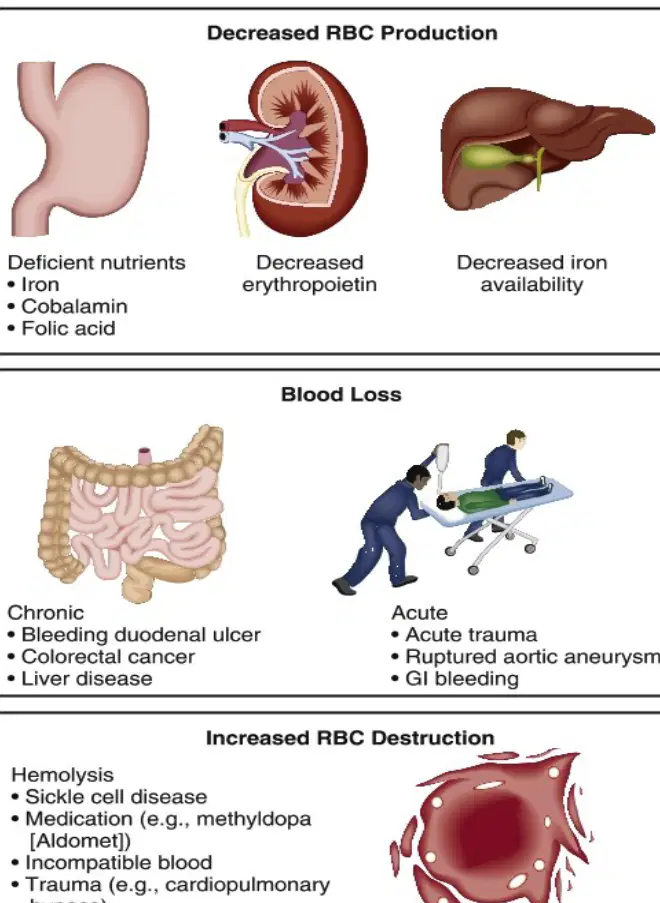
Which of the following is a cause of decreased red blood cell (RBC) production leading to anemia?
Deficient nutrients such as iron, cobalamin, and folic acid
Chronic bleeding duodenal ulcer
Sickle cell disease
Acute trauma
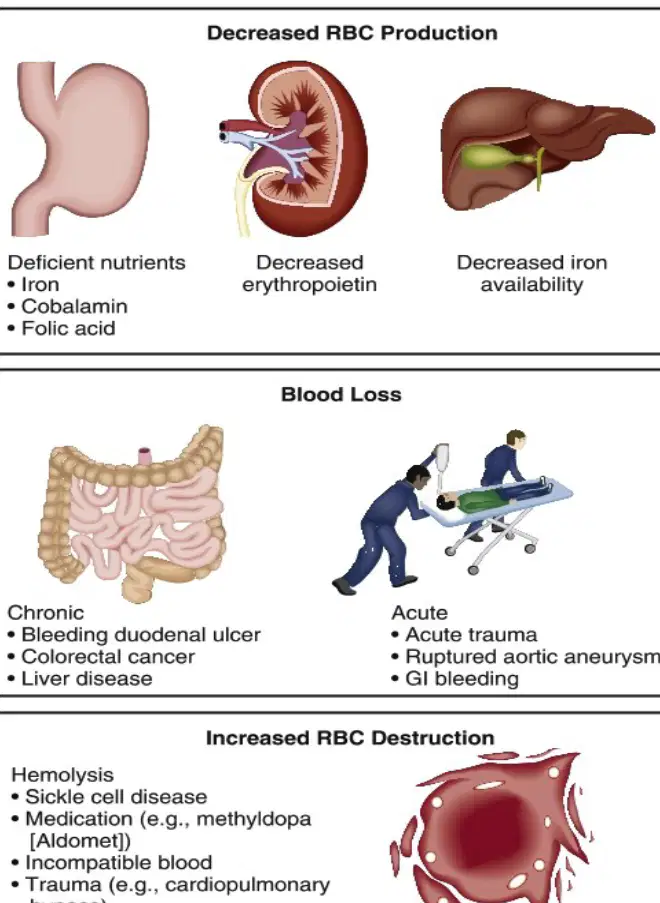
Which of the following conditions is associated with increased RBC destruction as a cause of anemia?
Sickle cell disease
Decreased erythropoietin
Colorectal cancer
Deficient folic acid
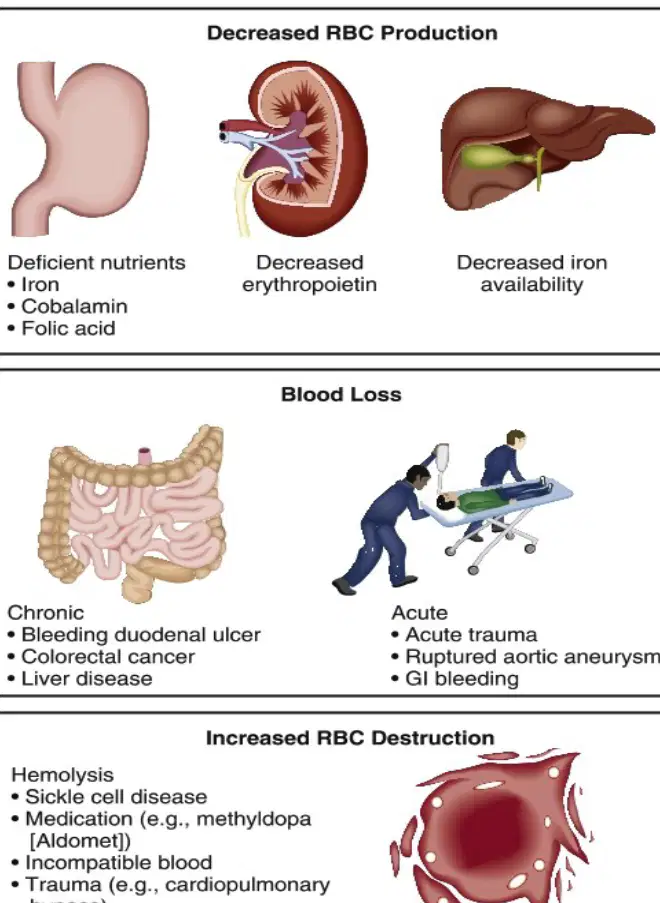
A patient presents with anemia due to chronic blood loss. Which of the following is the most likely underlying cause?
Bleeding duodenal ulcer
Decreased iron availability
Medication (e.g., methyldopa)
Deficient cobalamin
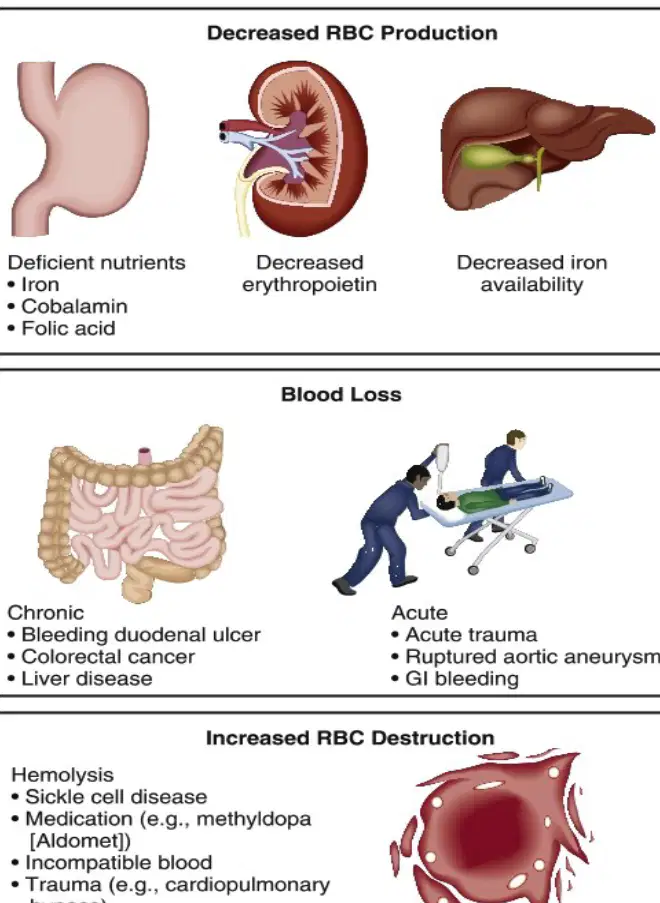
Which of the following best explains how liver disease can contribute to anemia?
It can cause chronic blood loss.
It increases erythropoietin production.
It enhances iron absorption.
It prevents hemolysis.
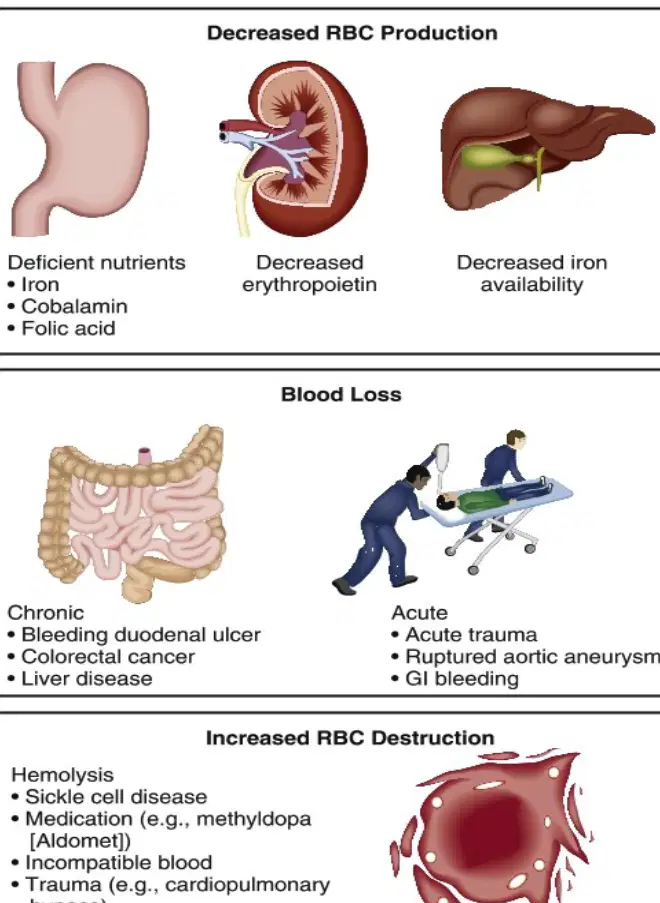
A patient with a ruptured aortic aneurysm is at risk for which type of anemia?
Anemia due to acute blood loss
Anemia due to decreased erythropoietin
Anemia due to hemolysis
Anemia due to iron deficiency
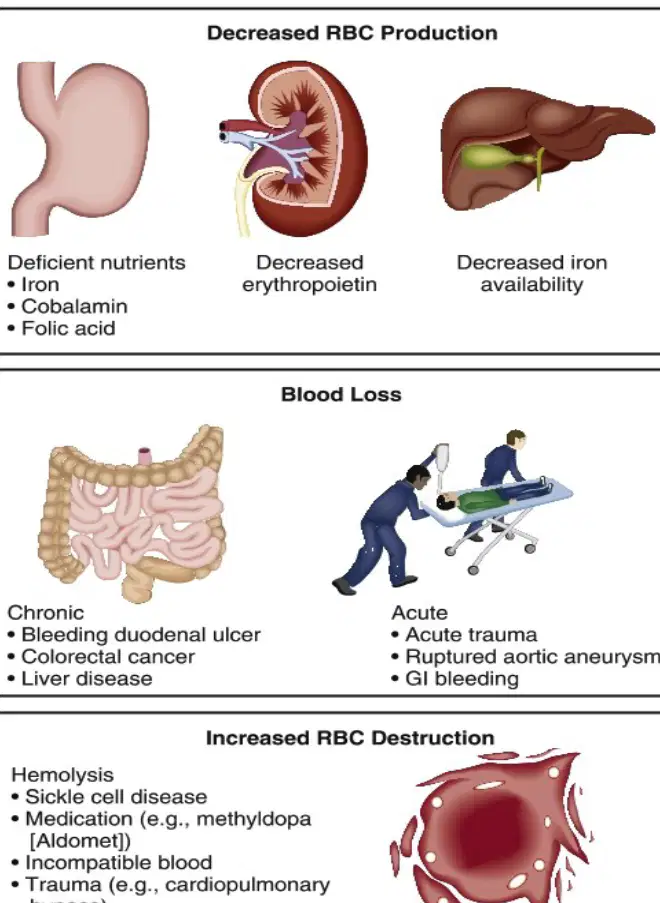
Which medication is mentioned as a possible cause of increased RBC destruction?
Methyldopa (Aldomet)
Iron supplements
Folic acid
Erythropoietin
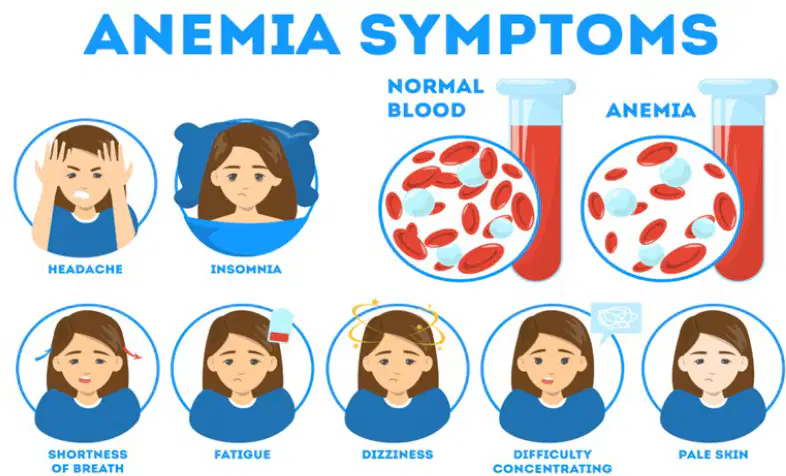
Which of the following is a common clinical manifestation of anemia?
Fatigue/lethargy
Increased appetite
Weight gain
Hypertension
Which symptom is characterized by an abnormal rapid heart rate and is a clinical manifestation of anemia?
Tachycardia
Bradycardia
Hypotension
Cyanosis
A patient presents with pallor of the skin, oral mucosa, and nails. What underlying condition could this indicate?
Anemia
Diabetes
Hypertension
Asthma
Which of the following best explains why a person with anemia might experience palpitations?
The heart works harder to supply oxygen to tissues due to reduced red blood cells.
The body retains more water, increasing blood pressure.
The immune system is overactive.
The digestive system absorbs more nutrients.
A student is asked to identify two symptoms that may help distinguish anemia from other conditions. Which pair is most specific to anemia?
Pallor and tachycardia
Fever and cough
Rash and joint pain
Nausea and vomiting
Which of the following is NOT typically a clinical manifestation of anemia?
Diaphoresis
Jaundice
Pruritus
Hyperactivity
What is the hemoglobin range for mild anemia?
10-12 g/dL
6-10 g/dL
Less than 6 g/dL
12-14 g/dL
Which of the following is a symptom of moderate anemia?
Increased palpitations
Tachycardia
Possible mild fatigue
Blurred vision
A patient presents with tachycardia, cold sensitivity, pallor, and blurred vision. What is the most likely hemoglobin level?
Less than 6 g/dL
10-12 g/dL
6-10 g/dL
Greater than 12 g/dL
Which symptom is most likely to be present in a patient with mild anemia but not in severe anemia?
Possible mild fatigue
Lethargy
Dyspnea at rest
Headache
Compare the symptoms of moderate and severe anemia. Which symptom is unique to severe anemia?
Blurred vision
Fatigue
Dyspnea
Increased palpitations
A patient with hemoglobin of 8 g/dL is most likely to experience which of the following symptoms?
Fatigue and dyspnea
Tachycardia and blurred vision
Palpitations and mild fatigue
Cold sensitivity and lethargy
What are some common causes of iron-deficiency anemia?
Inadequate dietary intake, malabsorption, blood loss, or hemolysis
Excessive vitamin C intake, dehydration, or high calcium levels
Overconsumption of protein, lack of exercise, or high cholesterol
Viral infections, excessive sleep, or low sodium levels
Which group is most susceptible to iron-deficiency anemia?
The very young, those on poor diets, and women in their reproductive years
Elderly men, athletes, and people with high blood pressure
Teenagers, people with diabetes, and those who exercise regularly
Middle-aged men, people with allergies, and those who eat a lot of fruit
How much iron do we lose daily through urine, bile, sweat, and sloughing of epithelial cells?
1 mg
10 mg
0.1 mg
5 mg
Which of the following foods is NOT typically recommended to increase iron intake?
Red meat
Leafy greens
Poultry
Candy
Why might someone with iron-deficiency anemia need supplementation in addition to dietary changes?
Because dietary sources alone may not be sufficient to restore iron levels
Because supplements taste better than food
Because iron from food is always harmful
Because supplements are required for everyone
Which of the following is a strategy to boost iron intake through nutrition?
Eating more muscle meats, liver, legumes, and dark leafy greens
Avoiding all vegetables and fruits
Drinking only water and avoiding all food
Consuming only dairy products
A patient presents with symptoms of iron-deficiency anemia. Based on the information provided, what would be a logical first step in managing their condition?
Assess their dietary intake and recommend iron-rich foods or supplements
Prescribe antibiotics immediately
Advise them to avoid all physical activity
Suggest they increase their sugar intake
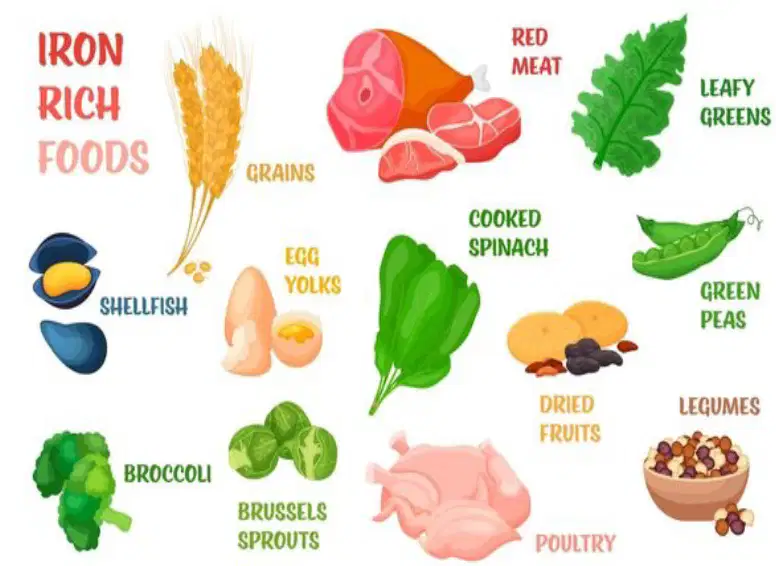
Which of the following is depicted as an iron-rich food in the diagram?
Red meat
White bread
Soda
Ice cream
What is the primary goal of nursing care for anemia?
To correct the cause of anemia
To increase blood pressure
To reduce fever
To prevent infection
Which of the following is an acute intervention for a client with anemia?
Administer blood transfusion
Administer insulin
Provide antibiotics
Encourage fasting
Why should ferrous sulfate (iron supplement) be taken with vitamin C?
To enhance absorption
To reduce stomach pain
To prevent allergic reactions
To increase appetite
What is a possible side effect of taking ferrous sulfate?
Stools may become dark or black
Increased urination
Severe headaches
Rash on the skin
A patient with anemia is experiencing constipation after starting ferrous sulfate. What should the nurse recommend?
Take stool softeners
Increase caffeine intake
Reduce water consumption
Stop taking the supplement
A nurse is planning care for a client with anemia. Which combination of interventions best addresses both physical and pharmacological needs?
Assist with physical activity and administer erythropoietin
Encourage fasting and provide antibiotics
Increase caffeine intake and provide insulin
Reduce water intake and administer antihistamines
A client with anemia is prescribed both erythropoietin and ferrous sulfate. What is the rationale for using these two medications together?
They address different causes of anemia by stimulating red blood cell production and increasing iron levels.
They both reduce fever and inflammation.
They both act as pain relievers.
They both prevent infection.
Why is it important to alternate periods of rest and activity for a client with anemia?
To prevent fatigue and promote recovery
To increase blood pressure rapidly
To reduce the need for medication
To avoid weight gain
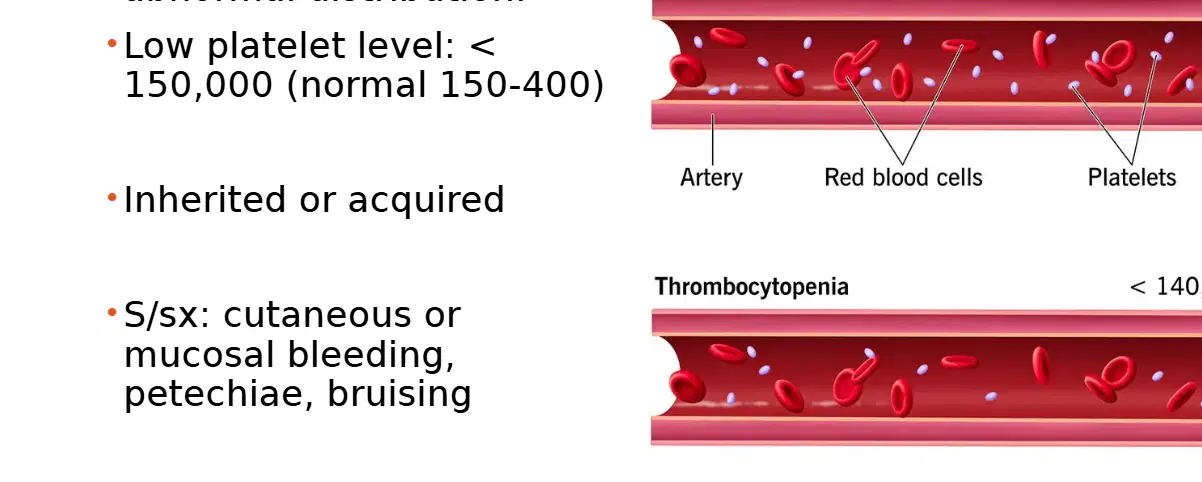
What is thrombocytopenia primarily characterized by?
High platelet count
Low platelet count
High red blood cell count
Low white blood cell count
Which of the following is a possible complication of thrombocytopenia?
Hypertension
Hemorrhage
Diabetes
Asthma
Which of the following platelet levels is considered thrombocytopenia?
200,000
300,000
100,000
400,000
Thrombocytopenia can be caused by which of the following mechanisms?
Increased platelet production
Impaired platelet production, increased destruction, or abnormal distribution
Increased red blood cell production
Decreased white blood cell destruction
A patient presents with cutaneous or mucosal bleeding, petechiae, and bruising. Which condition should be considered?
Leukemia
Thrombocytopenia
Anemia
Hemophilia
Explain why a patient with thrombocytopenia is at risk for hemorrhage. Use evidence from the definition and symptoms provided.
Because of increased red blood cell count
Because of low platelet levels, which are essential for blood clotting
Because of high white blood cell count
Because of increased platelet production
Which of the following symptoms should a patient with thrombocytopenia report to their healthcare provider (HCP)?
Black stools
Mild headache
Dry mouth
Increased appetite
What is the recommended action after receiving an injection for a patient with thrombocytopenia?
Apply pressure for 5 to 10 minutes
Apply ice for 30 minutes
Massage the area for 2 minutes
Leave the site uncovered
Why should patients with thrombocytopenia avoid puncturing or tweezing their skin?
To prevent infection
To avoid excessive bleeding
To reduce pain
To prevent scarring
If a patient with thrombocytopenia soaks one sanitary napkin during menstruation, how much blood loss does this represent?
10 ml
25 ml
50 ml
100 ml
Which of the following is an appropriate way for a patient with thrombocytopenia to manage a runny nose?
Blow the nose forcefully
Pat the nose gently
Use a cotton swab inside the nostril
Ignore the symptoms
A patient with thrombocytopenia is prescribed a new medication. What should they do before taking it?
Check with their healthcare provider about the risk of bleeding
Start the medication immediately
Double the dose for effectiveness
Stop all other medications
A patient with thrombocytopenia wants to get a tattoo. What is the best advice?
Avoid getting tattoos
Get a tattoo from a licensed artist
Use numbing cream before the tattoo
Only get small tattoos
What is neutropenia?
Abnormally low number of neutrophils in the blood
Abnormally high number of red blood cells in the blood
Abnormally high number of neutrophils in the blood
Abnormally low number of platelets in the blood
What is the normal range of neutrophils per microliter (μL) of blood?
2500-7500
1000-2000
500-1500
8000-12000
At what neutrophil count per microliter (μL) of blood is neutropenia diagnosed?
Less than 1500
Less than 2500
Less than 7500
Less than 5000
Which of the following best describes the function of neutrophils?
They are a subtype of white blood cells that fight off bacterial and fungal infections.
They are responsible for carrying oxygen in the blood.
They help in blood clotting.
They produce antibodies to fight viruses.
A patient has a neutrophil count of 1200/μL of blood. Based on the information provided, what condition does this patient have?
Neutropenia
Leukocytosis
Anemia
Thrombocytopenia

What does the diagram illustrate about neutrophils?
They are involved in fighting off bacterial and fungal infections.
They transport nutrients in the blood.
They are responsible for producing hormones.
They store energy for the body.
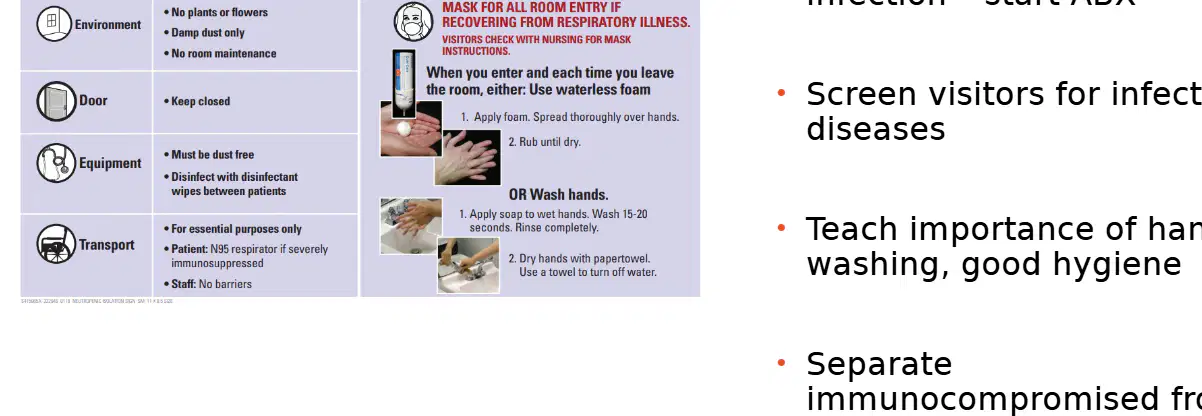
Which of the following is a key precaution for staff and physicians when caring for neutropenic patients?
Allow plants and flowers in the room
Keep the door open at all times
Disinfect equipment between patient uses
Use barriers for all staff members
What is the primary reason for screening visitors for infectious diseases when caring for neutropenic patients?
To reduce noise in the patient’s room
To prevent the spread of infection to immunocompromised patients
To ensure visitors follow dress code
To limit the number of visitors
Which action should be taken at the first sign of infection in a neutropenic patient?
Increase room temperature
Collect cultures and start antibiotics (ABX)
Allow more visitors
Stop all medications
Why is it important to teach neutropenic patients about hand washing and good hygiene?
To help them feel more comfortable
To prevent the introduction and spread of infections
To reduce hospital costs
To improve their appetite
A nurse is caring for two patients: one is immunocompromised and the other has a respiratory infection. According to neutropenic precautions, what should the nurse do?
Place both patients in the same room
Separate the immunocompromised patient from the infected client
Allow both patients to share equipment
Encourage both patients to interact
Which of the following is NOT recommended for the environment of a neutropenic patient?
No plants or flowers
Damp dust only
Frequent maintenance
No room maintenance
A visitor is recovering from a respiratory illness and wants to enter a neutropenic patient’s room. What should they do?
Enter without any precautions
Wear a mask for all room entry
Bring flowers as a gift
Use shared equipment
When should cultures be collected from a neutropenic patient?
At the end of treatment
At the first sign of infection
Only if the patient requests
After discharge
Which of the following is NOT a blood product commonly included in transfusions?
Plasma
Platelets
Packed RBCs
Insulin
What type of tubing is typically used to administer blood transfusions?
Y-type blood tubing
Straight tubing
Spiral tubing
Luer lock tubing
Which IV gauge is preferred for blood transfusions?
22G
20G
18G
25G
Before ordering a blood transfusion, what must the healthcare provider (HCP) discuss with the patient?
Only the benefits of transfusion
Only the risks of transfusion
Risks, benefits, and alternatives to transfusion
The cost of transfusion
Why is it important to obtain consent before a blood transfusion?
It is a legal and ethical requirement to ensure the patient is informed and agrees to the procedure.
It speeds up the transfusion process.
It is only necessary for minors.
It is required only for emergency transfusions.
A patient is scheduled for a blood transfusion. The healthcare provider orders a specific component and discusses the risks, benefits, and alternatives with the patient. What is the next essential step before proceeding with the transfusion?
Start the transfusion immediately
Obtain the patient's consent
Order more blood products
Change the IV tubing

What does the image most likely depict in the context of blood therapy?
A patient receiving a blood transfusion
A patient undergoing dialysis
A patient receiving chemotherapy
A patient having an X-ray
Which solution should be used for blood therapy according to nursing care guidelines?
0.9% sodium chloride (NS) solution
5% dextrose solution
Lactated Ringer's solution
0.45% sodium chloride solution
What should NOT be added to blood tubing during blood therapy?
Medications (additives)
0.9% sodium chloride solution
Blood products
Sterile water
When should a nurse take the second set of vital signs (VS) during a blood transfusion?
After 15 minutes
Before transfusion begins
30 minutes after transfusion starts
One hour after transfusion ends
Why is it important to use a dual-check system with a licensed nurse during blood therapy?
To ensure patient safety and prevent errors
To save time during the procedure
To reduce the cost of the procedure
To increase the speed of transfusion
A nurse is preparing to administer a blood transfusion. What is the correct sequence for taking vital signs (VS)?
Before transfusion, after 15 minutes, when transfusion ends
After transfusion, before transfusion, after 30 minutes
Only before transfusion and after transfusion
Every hour during transfusion
A patient is receiving a blood transfusion. According to best practice, how long should the nurse stay with the client at the start of the transfusion?
First 15 minutes
First 5 minutes
First 30 minutes
Until the transfusion ends
Which of the following is a key step before ordering a blood product for transfusion?
Check patency of IV
Administer medication
Start transfusion immediately
Add additives to blood tubing
Why is it important to follow facility protocols during blood therapy?
To ensure standardized and safe care
To reduce paperwork
To speed up the transfusion process
To avoid taking vital signs
Which of the following is a responsibility of a Registered Nurse (RN) during a blood transfusion?
Complete baseline physical assessment
Prescribe medication
Perform surgery
Diagnose diseases
What should an RN do to ensure the correct patient receives the correct blood product?
Double-check verification with another licensed nurse
Ask the patient to confirm the blood type
Rely on the label only
Skip verification if in a hurry
Which of the following is NOT a sign or symptom of a transfusion reaction?
Rise in temperature >1°C
Chills
Flushing
Increased blood pressure
Why is it important for an RN to monitor for signs of fluid overload during a transfusion?
To prevent complications such as shortness of breath and decreased blood pressure
To ensure the patient receives enough fluids
To speed up the transfusion process
To reduce the cost of treatment
A patient receiving a blood transfusion develops a headache, vomiting, and urticaria. What should the RN suspect?
Transfusion reaction
Dehydration
Hypoglycemia
Infection unrelated to transfusion
Which task can an RN delegate to an Unlicensed Assistive Personnel (UAP) during a transfusion?
Taking vital signs as directed
Adjusting the infusion rate
Assessing for transfusion reaction
Double-checking blood product identification

