
 Worksheets
Periodic table Review
Total questions: 113
Worksheet time: 3hrs 4mins
A __________ is a subatomic particle with a negative charge.
proton
neutron
electron
nucleus
A __________ is a subatomic particle with a positive charge.
proton
neutron
electron
nucleus
A __________ is a subatomic particle with a neutral charge.
proton
neutron
electron
nucleus
What is a valence electron?
A positive electron
An electron in the outer ring
An electron in the nucleus
A neutral electron

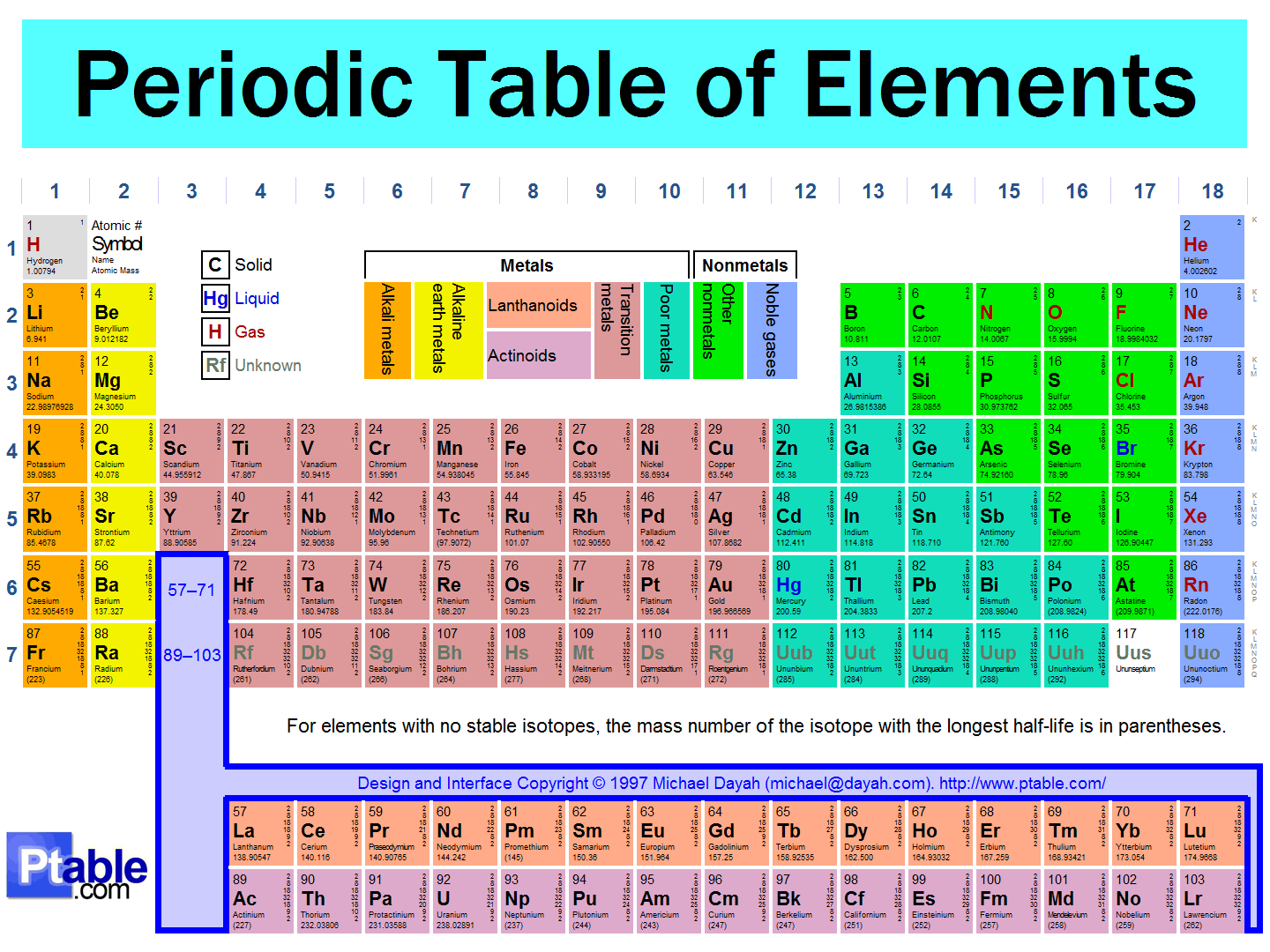
Which element is this?
Nickel
Neon
Sodium
Nitrogen

Name this element.
Argon
Chlorine
Aluminum
Boron

Name this element.
Neon
Magnesium
Sodium
Manganese

How many valence electrons?
2
3
4
5
How many electrons can fit on the 1st energy level (orbital) for any Bohr Model?
2
6
8
10


Which Element is this?
Carbon (C)
Magnesium (Mg)
Beryllium (Be)
Sodium (Na)

How many valence electrons?
2
5
6
8
The period number is equal to
The number of energy levels
The number of electrons
the number of protons
The number of valence electrons

How many energy levels does this element have
7
5
3
2

On the periodic table, Periods are
Horizontal rows
Vertical columns

On the periodic table, Groups are
Horizontal rows
Vertical columns
Which subatomic particle identifies an element?
Proton
Neutron
Electron
Nucleus
How many protons are in an atom of Phosphorus, P?
30
15
16
31
Elements with the same number of valence electrons are located in the same:
Period
Group
Table
Row
The period number tells you:
How many protons
How many neutrons
Number of energy levels
Number of valence electrons
How many energy levels are in an atom of aluminum, Al?
1
3
4
2

How many valence electrons are in this element?
7
6
5
2

What is the name of this element?
Calcium
Helium
Lithium
Boron
Which element has the same number of electrons in the outer energy level as Oxygen?
Boron, B
Carbon, C
Neon, Ne
Sulfur, S

How many energy levels does this element have?
2
5
3
1
How many energy levels are in an atom of Neon?
8
2
3
10
What group is Lithium located in?
1
3
2
7

How many valence electrons does this element have?
3
4
2
1
How many neutrons are in an atom of Sulfur, S
17
15
16
5
How many valence electrons do elements in group 14, 4A contain?
6
12
14
4
What Period is Chlorine, Cl, located in?
2
3
17
7

Is this model correct for Carbon, C?
Yes
No
How many protons are in an atom of Calcium, Ca?
2
20
12
40

What period is this element located in?
2
20
4
3

What group is this element located in?
1
2
3
4
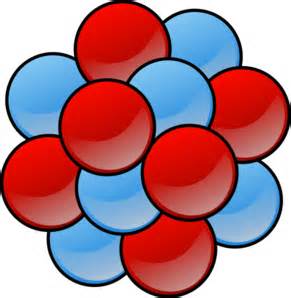
This diagram is showing the nucleus of an atom. If the red circles represent the protons, then which element is being modeled here?
Oxygen
Carbon
Nitrogen
Boron

What category is highlighted?
metals
nonmetals
metalloids

What category is highlighted?
metals
nonmetals
metalloids

What group is highlighted?
Transition Metals
Lanthanides
Actinides

What group is highlighted?
Nitrogen Family
Halogens
Noble Gases

Which group is highlighted?
Alkali Metals
Halogens
Transition Metals

What group is highlighted?
Nitrogen Family
Boron Family
Noble Gases

What category is highlighted?
metals
nonmetals
metalloids

What group is highlighted?
Lanthanides
Actinides
Alkaline Earth Metals

What group is highlighted?
Transition Metals
Alkali Metals
Carbon Family

Which group is highlighted?
Boron Family
Halogens
Carbon Family

What group is highlighted?
Alkaline Earth Metals
Transition Metals
Nitrogen Family

What group is highlighted?
Halogens
Noble Gases
Lanthanides

What staircase/zig zag line in this picture helps identify...
where the Lanthanides are.
where the metals, nonmetals, and metalloids are.
where the Alkali Metals are.

What group is highlighted?
Oxygen Family
Noble Gases
Halogens

What group is highlighted?
Boron Family
Noble Gases
Oxygen Family

What state of matter are the elements shaded in yellow?
solid
liquid
gas

What state of matter are the elements shaded in blue?
solid
liquid
gas

What state of matter are the elements shaded in white?
solid
liquid
gas

The number 26 in the picture would be Iron's...
atomic number
atomic mass
chemical symbol

The number 55.847 in the picture would be Iron's...
atomic number
atomic mass
chemical symbol


Four students were asked to name the parts of an atom that determine the atom’s identity and chemical properties. The students’ responses are shown in the table below. Which student’s responses are correct?
Student 1
Student 2
Student 3
Student 4
Which pair of properties describes the elements in Group 18?
They are chemically stable and liquid at room temperature.
They have eight valence electrons and are flammable.
They are magnetic and boil at low temperatures.
They are gaseous at room temperature and chemically stable.
Which statement does NOT correctly compare silicon with another element?
Silicon is a better conductor of electricity than sulfur.
Silicon is less malleable than silver.
Silicon is a solid at room temperature, but argon is a gas.
Silicon conducts electricity as well as copper does.
Which two elements on the periodic table are in the same period?
C and Sn
F and Cl
Mg and Ar
Se and Te
The atoms of a certain element each contain 11 protons and 1 valence electron. Which statement correctly identifies this element and describes its chemical reactivity?
The element is sodium, and it is highly reactive.
The element is fluorine, and it is not very reactive.
The element is sodium, and it is not very reactive.
The element is fluorine, and it is highly reactive.

A student drew atomic models of four elements. Based on these drawings, which element is the least reactive?
Neon, because it has two energy levels with eight electrons in the second level
Chlorine, because it has three energy levels with seven electrons in the third level
Gallium, because it has four energy levels with three electrons in the fourth level
Tin, because it has five energy levels with four electrons in the fifth level
A student is trying to classify an unidentified, solid gray material as a metal or a nonmetal. Which question will best help the student classify the material?
Will the material float in water?
Does the material feel hard to the touch?
Is the material malleable or ductile?
Does the material feel rough or smooth?
Elements in the group of noble gases typically fail to chemically react with other elements. This is true because noble gases tend to have —
a single valence electron in its outer shell.
a full outer shell of valence electrons.
fewer neutrons than other elements.
more protons than other elements.

Students were asked to identify the location of elements in the periodic table based on clues printed on game cards. Based on the data, which periodic table shows the correct location of the four elements?


The element sodium (Na) occurs naturally as a light solid with a shiny metallic appearance. The diagram below shows what will happen when a piece of pure sodium is placed in water. This indicates that the properties of the elements in the same column on the periodic table as sodium (Na) have —
the tendency to be highly reactive.
properties of metals and nonmetals.
a full octet of eight electrons in their outer shell.
brittle textures so they disintegrate in water.
A student is studying calcium, a highly reactive element that humans need for strong bones. Which characteristic of calcium is most closely related to its chemical reactivity?
The 20 protons in each atom of calcium
The density of calcium, which is 1.54 g/cm3
The 2 valence electrons in each atom of calcium
The atomic mass of calcium, which is 40.078 amu


Alkali earth metals are extremely reactive.
True
False

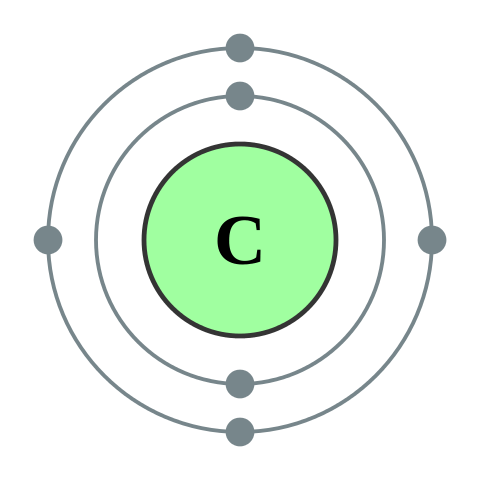
How many valence electrons does carbon have?
4
5
6
7


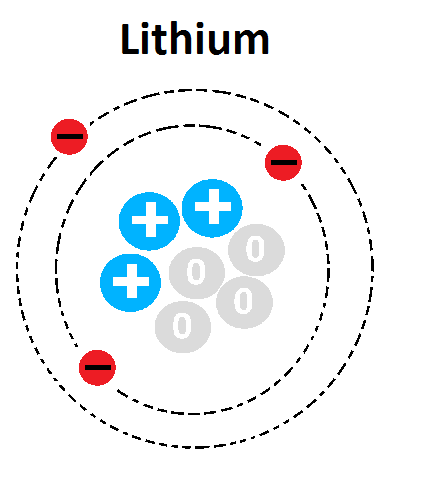

How many electrons can fit on the 1st energy level (orbital) for any Bohr Model?
2
6
8
10

This is the location of electrons in an atom.
nucleus
protons
orbitals
neutrons
A __________ is a subatomic particle with a positive charge.
proton
neutron
electron
nucleus
A __________ is a subatomic particle with a neutral charge.
proton
neutron
electron
nucleus
Protons + Neutrons =
the average atomic mass
mass number
number of electrons
APE MAN

