
 Worksheets
Muscular Skeletal Labeling
Total questions: 85
Worksheet time: 48mins
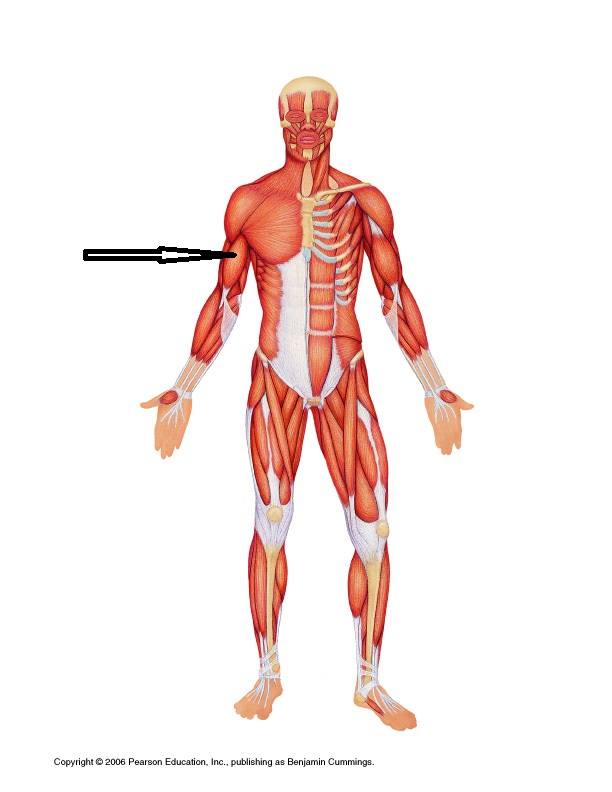
triceps
biceps
brachialis
deltoid
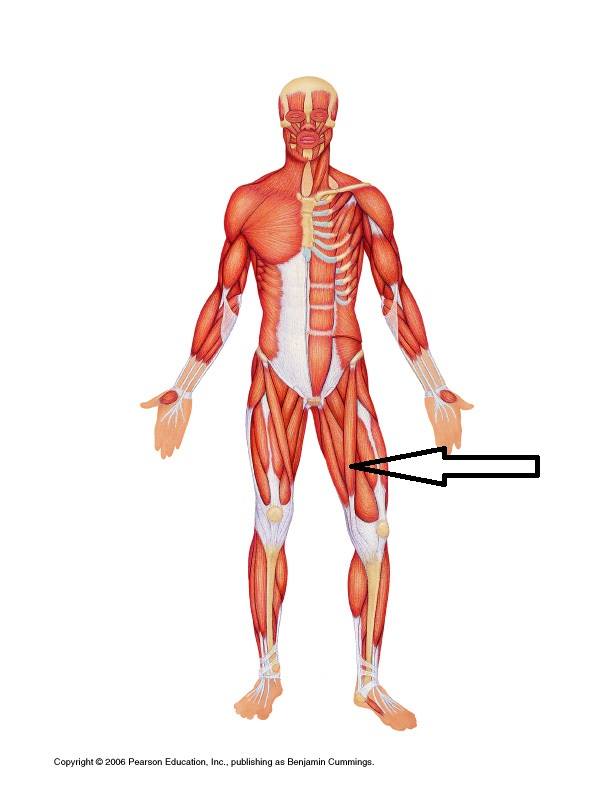
sartorius
tibialis anterior
quadriceps
brachioradialis
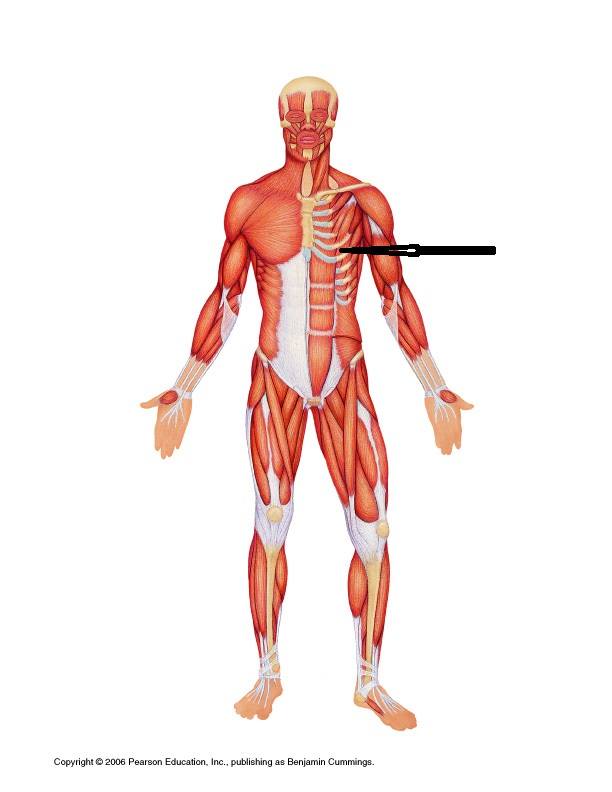
external oblique
tibialis anterior
intercostals
rectus abdominus
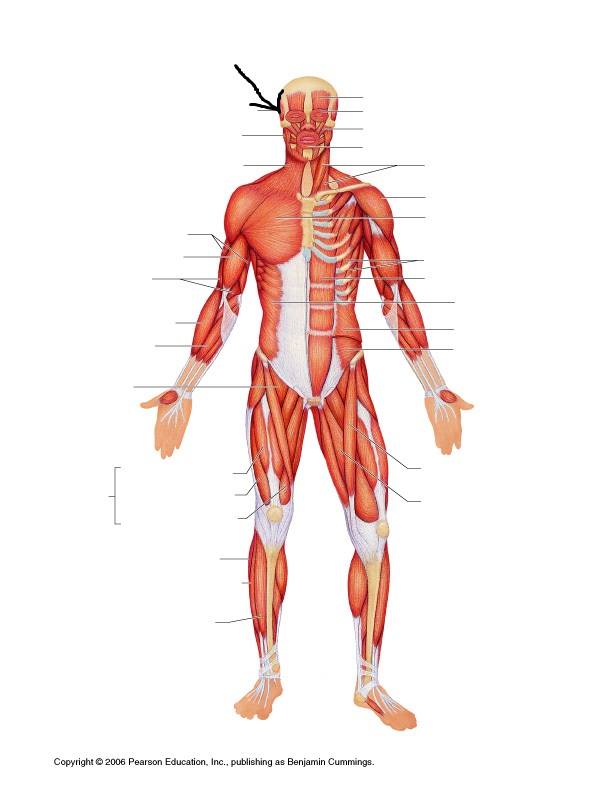
temporalis
frontalis
ocipitalalis
zygomaticus
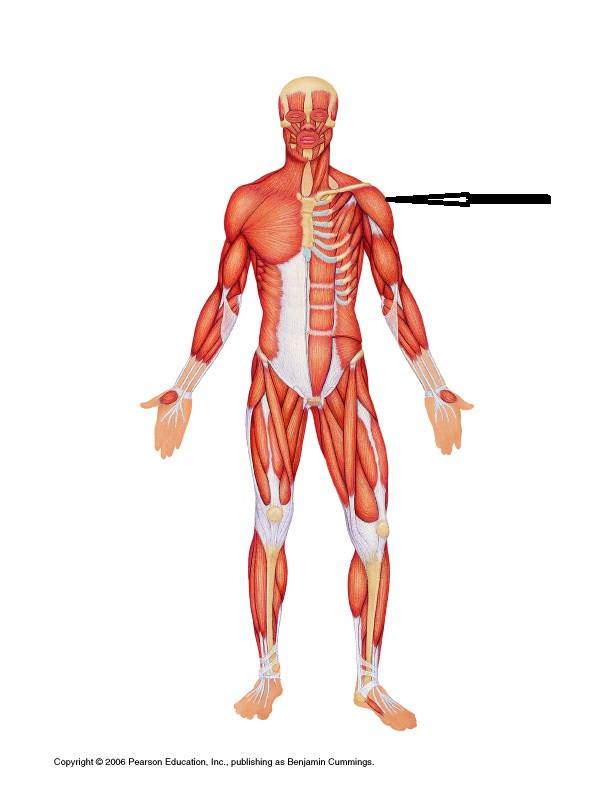
biceps
triceps
brachialis
deltoid
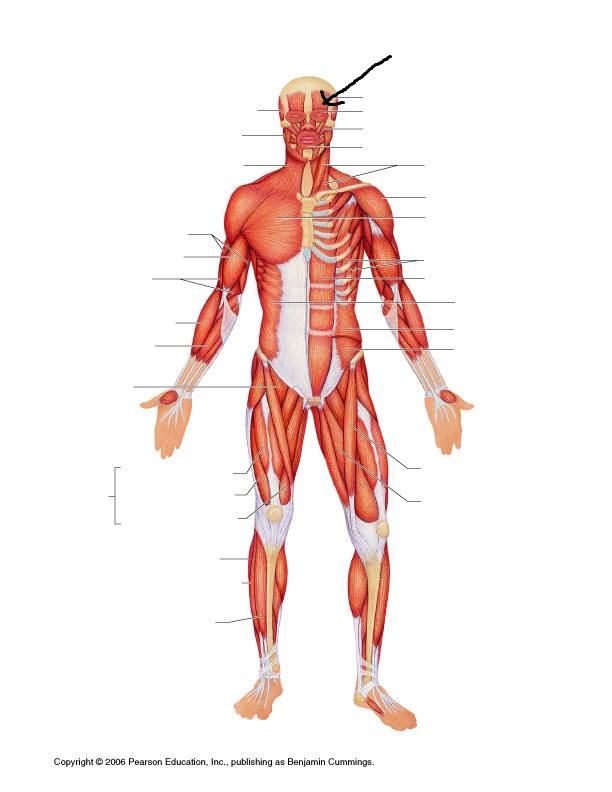
temporalis
frontalis
occipitalis
trapezius
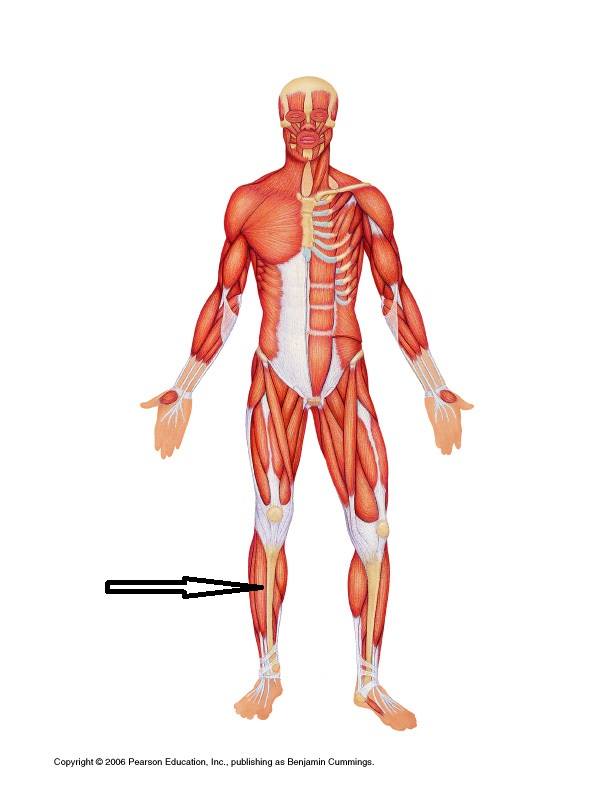
hamstrings
sartorius
tibialis anterior
brachioradialis
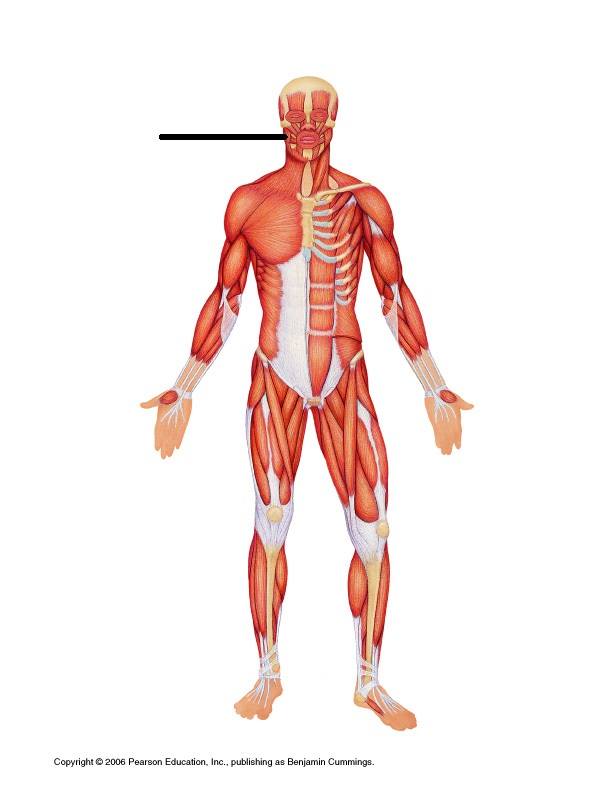
masseter
zygomaticus
orbicularis oculi
sartorius
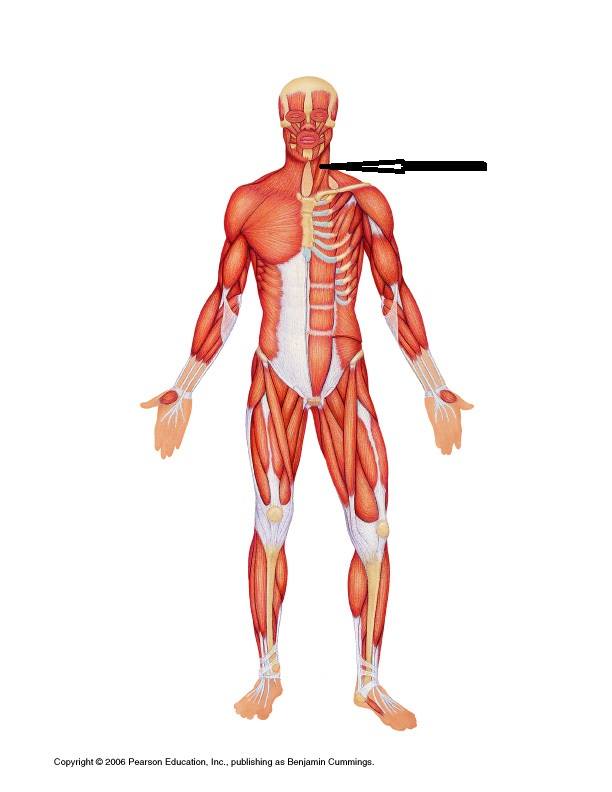
masseter
tibialis anterior
pecotoralis major
sternocleidomastoid
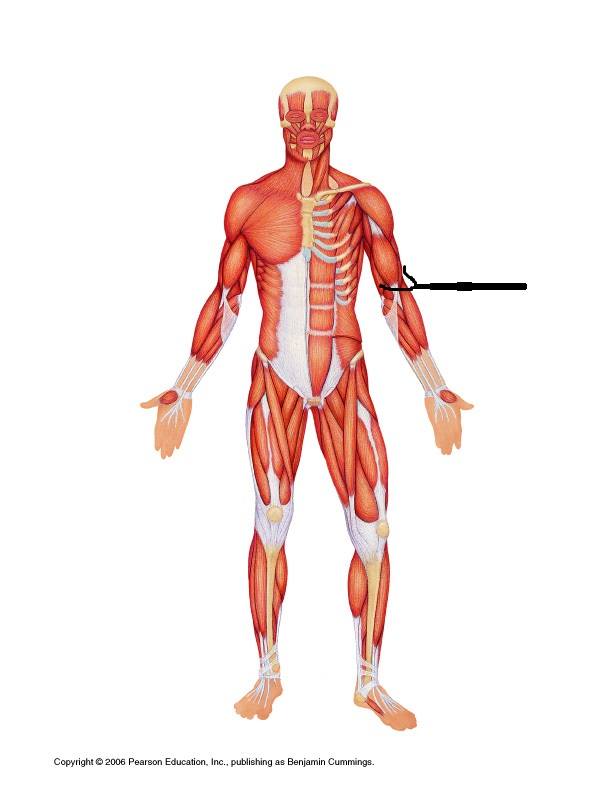
deltoid
brachialis
brachioradialis
biceps brachi
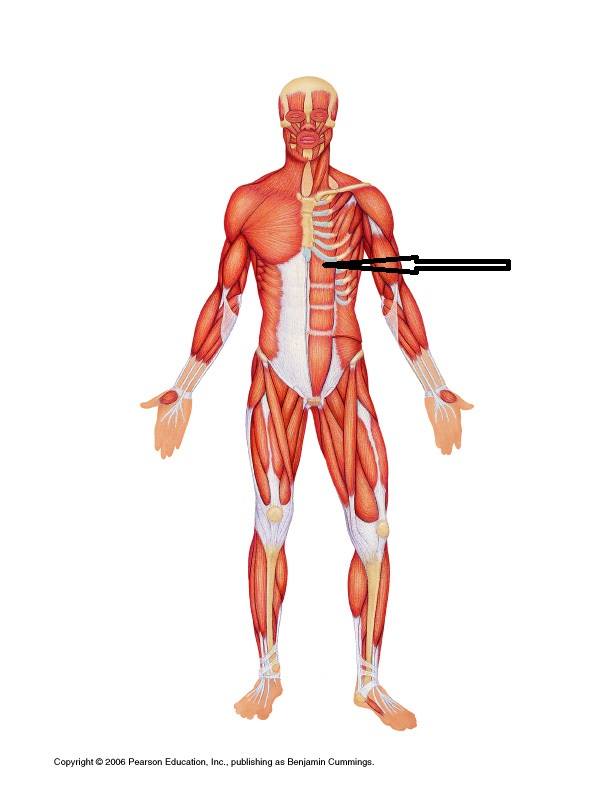
rectus abdominus
intercostal
external oblique
brachioradialis
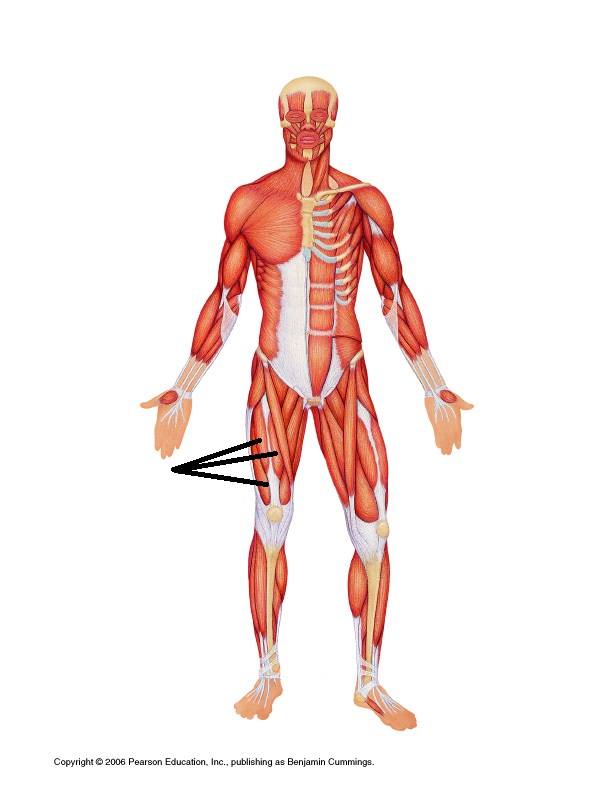
biceps
sartorius
quadriceps
tibialis anterior
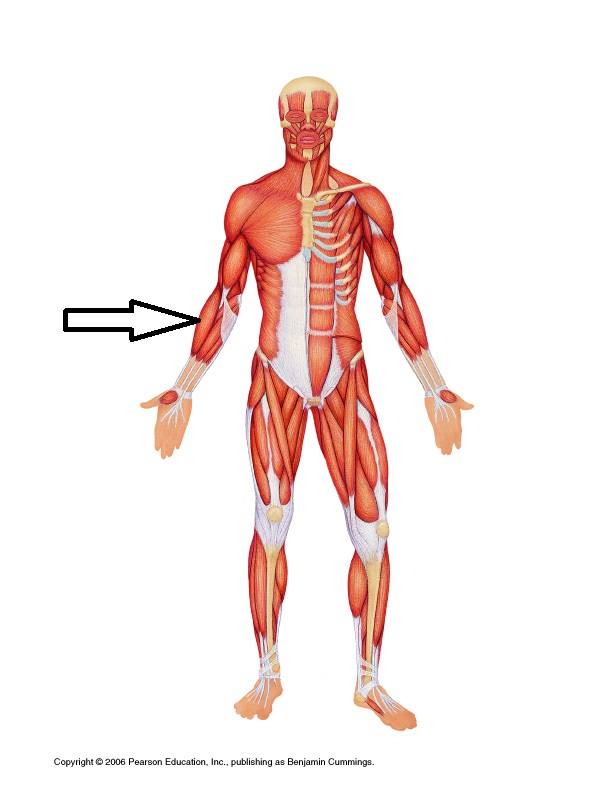
biceps
brachioradialis
tricepts brachi
tibialis anterior
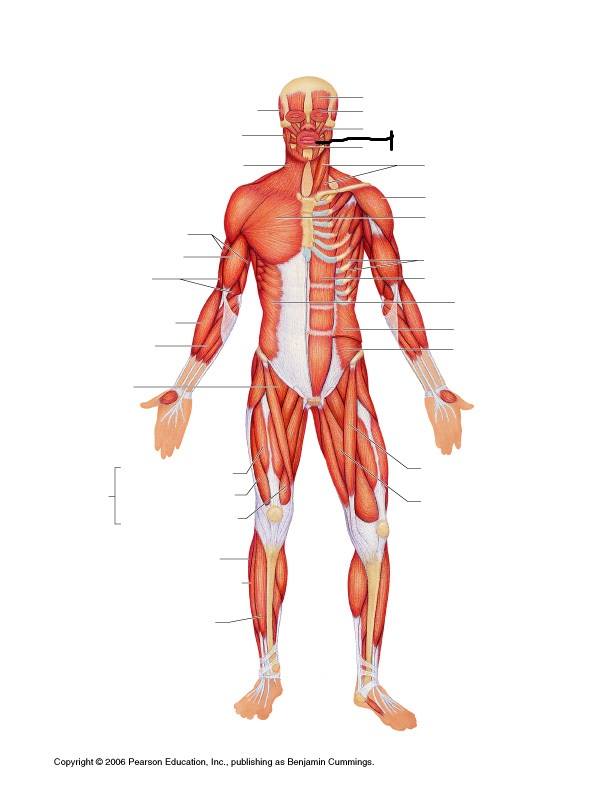
orbicularis oculi
orbicularis oris
masseter
zygomaticus
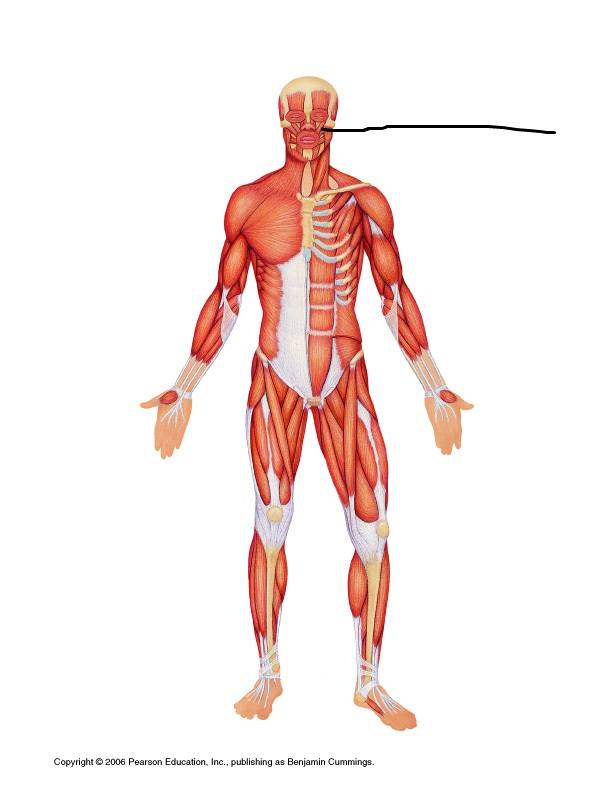
zygomaticus
buccinator
masseter
sternocleidomastoid
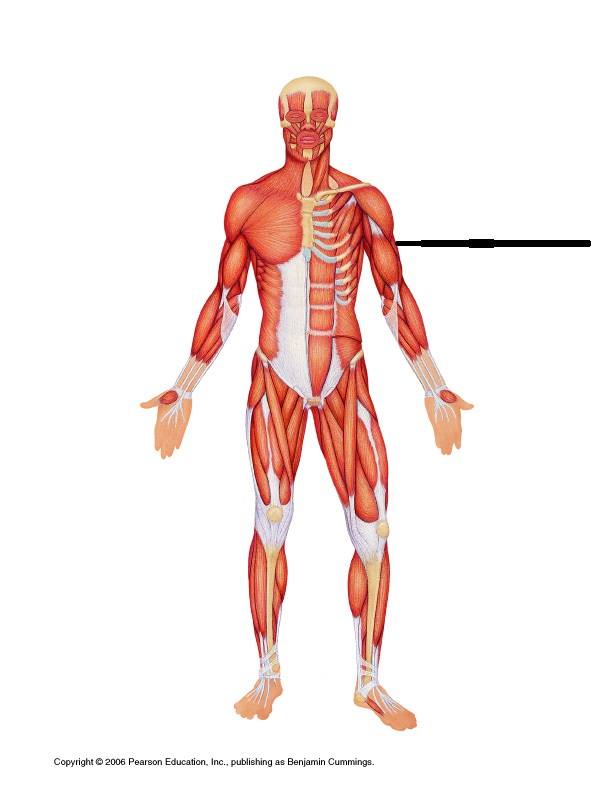
brachialis
biceps brachi
triceps brachi
brachioradialis
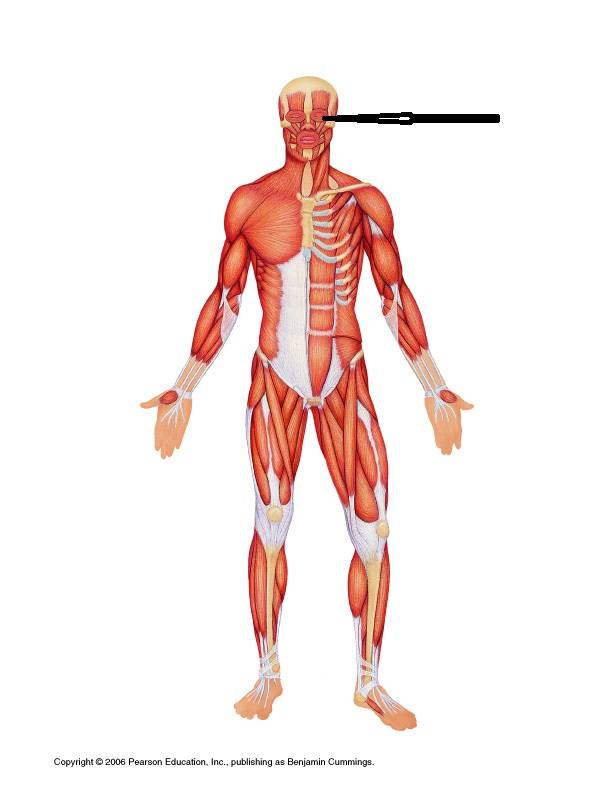
orbicularis oris
orbicularis oculi
masseter
frontalis
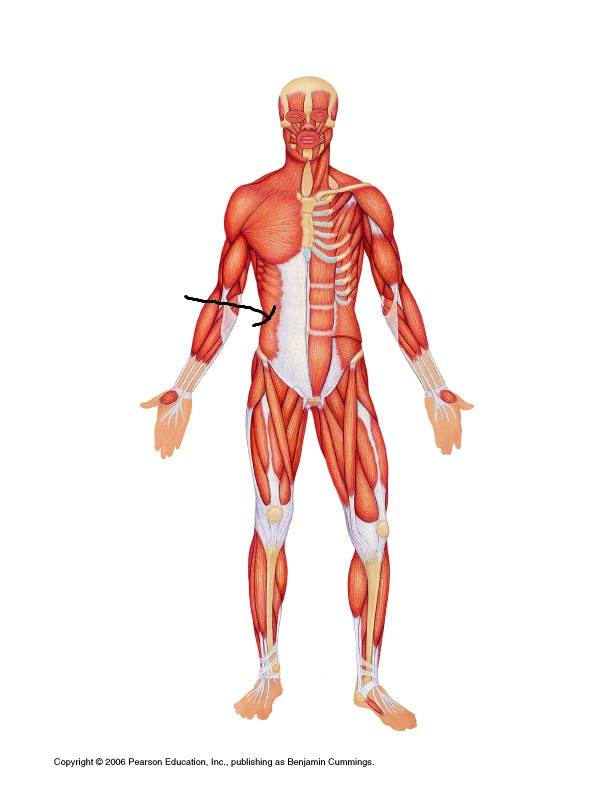
external oblique
intercostals
pectoralis major
rectus abdominus
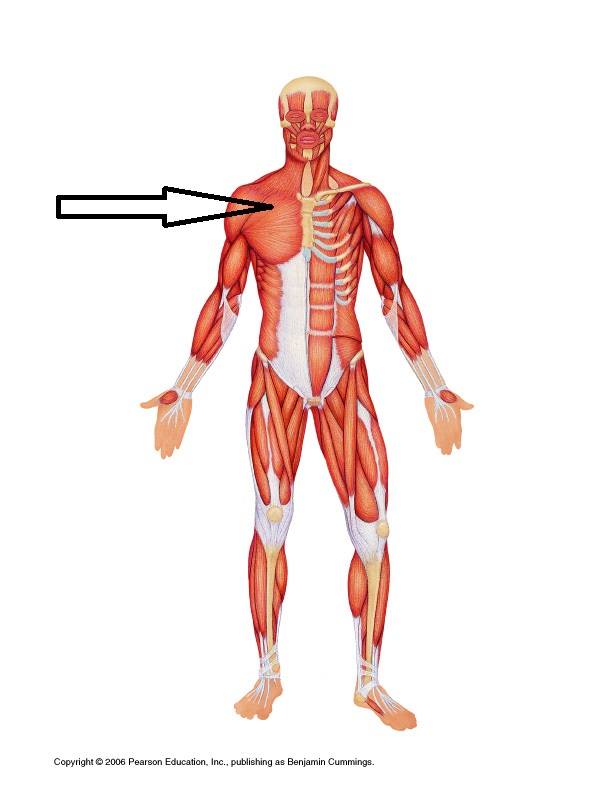
intercostal
rectus abdominus
pectoralis major
masseter

11
Gracilis
Satorius
Biceps brachii
Rectus femoris

Gastrocnemius
12
2
5
4
3
Biceps brachii
Biceps femoris
Sartorius
Semitendinosus
Semimembranosus
5
4
3
2
1
Gluteus maximus
Gluteus minimus
Biceps gluteus
Anconeus
12
Sartorius
Gracilis
Fibularis/peroneus longus
Soleus

Trapezius
10
11
9
6
9
Lattisimus dorsi
Trapezius
Gluteus maximus
Teres major
Gluteus medius
10
11
1
9
8
Teres major
Trapezius
Triceps brachii
Deltoid
7
Teres major
Trapezius
Triceps brachii
Deltoid
Muscles that oppose the agonist
antagonist
agonist
synergist
fixator
Muscles that help or assist the agonist
antagonist
agonist
synergist
fixator


What muscle is represented by number #1?
Biceps Brachii
Temporalis
Adductor Longus
Masseter
What muscle is represented by number #4?
Biceps Brachii
Frontalis
Adductor Longus
Masseter
What muscle is represented by number #5?
Trapezius
Sternocleido-mastoid
Orbicularis Oculi
Masseter


What is bone 1?
Skull
Mandible
Sternum
Ulna
What is bone 2?
Patella
Mandible
Sternum
Ulna
What is bone 3?
Patella
Femur
Sternum
Ulna
What is bone 4?
Patella
Femur
Ribs
Humerus
What is bone 5?
Phalanges
Femur
Humerus
radius
What is bone 6?
Phalanges
Femur
Humerus
Ulna
What is bone 7?
Phalanges
Femur
Humerus
Patella
What is bone 8?
Tibia
Mandible
Humerus
Patella
What is bone 9?
Fibula
Femur
Humerus
Patella
What is bone 10?
Pelvis
Femur
Humerus
Patella
What is bone 11?
Pelvis
Femur
Humerus
Patella

What is number 6?
Lacrimal
Frontal
Axis
Occipital
What is number 5?
Ethmoid
Temporal
Zygomatic
Mandible

What is number 48?
Manubrium
Body
Xyphoid Process
Sternum

What is number 25?
Occipital
Vomer
Palatine
Stapes

What type of fracture is this?
greenstick
comminuted
spiral
impacted

What type of fracture is this?
greenstick
comminuted
spiral
impacted




Label the part of the skeletal muscle diagram numbered 3 using the word bank.
Perimysium
Epimysium
Endomysium
Fascicle

Label the part of the skeletal muscle diagram numbered 2 using the word bank.
Muscle
Bone
Tendon
Ligament

Label the part of the skeletal muscle diagram numbered 1 using the word bank.
Epimysium
Perimysium
Endomysium
Fascicle

Label the part of the skeletal muscle diagram numbered 4 using the word bank.
Fascicle
Myofibril
Sarcomere
Tendon

Label the part of the skeletal muscle diagram numbered 5 using the word bank.
Endomysium
Perimysium
Epimysium
Sarcolemma

Label the part of the skeletal muscle diagram numbered 6 using the word bank.
Muscle fiber
Tendon
Ligament
Bone

Label the part of the skeletal muscle diagram numbered 7 using the word bank.
Sarcolemma
Myofibril
Endomysium
Perimysium

Label the part of the skeletal muscle diagram numbered 9 using the word bank.
Myofibrils
Sarcomere
Tendon
Ligament

Label the part of the skeletal muscle diagram numbered 10 using the word bank.
Sarcomere
Myofibril
Tendon
Fascicle

What is number 17?
Ethmoid
Nasal
Zygomatic
Axis
The set of bones inside your head that protects your brain is called ____________.
femur
backbone
skull
What protects the spinal cord?
vertebrae
body
ribcage
What happens after you break a bone?
your body connects the bone together and the bone heals
the bone will be broken forever
your body won't need bones anymore
you grow an extra bone
The smallest bone in your body is inside your ear. Which is the biggest bone?
a rib in your ribcage
the thighbone in your leg
the jawbone in your skull
a wrist bone in your wrist

