
 Worksheets
Small Group P&C Midterm Exam
Total questions: 141
Worksheet time: 71hrs 30mins

What are the vertical columns on the periodic table called?
groups
periods
nonmetals
metals
metalloids
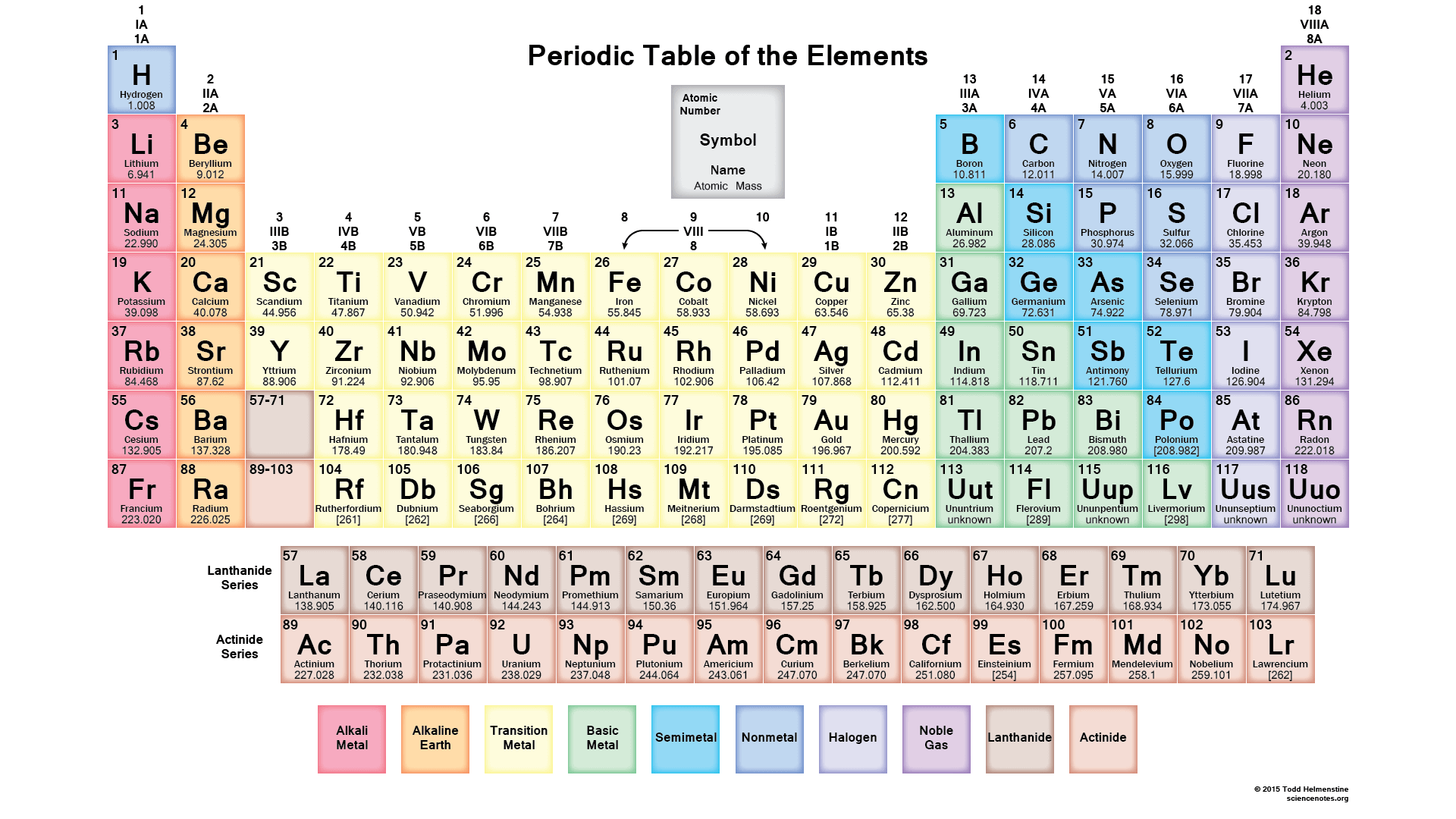

Which elements have one valence electron?
period 1
group 1
group 4
The electrons in the outermost shell (main energy level) of an atom; these are the electrons involved in forming bonds.
alkali metals (Group 1)
halogens (Group 17)
atomic number
valence electrons
A subatomic particle that has a negative charge.
noble gases
protons
electrons
neutrons

Name group 1A on the periodic table.
alkali metals
alkaline earth metals
noble gases
halogens

Name Group 8A on the periodic table.
alkali metals
alkaline earth metals
transition metals
noble gases

Which group contains the most reactive nonmetals?
alkali metals
noble gases
metalloids
halogens


Which of these elements is the least metallic?
Potassium (K)
Carbon (C)
Sulfur (S)
Neon (Ne)
Which metal is located in period 3 and group 2?
Boron
Magnesium
Aluminum
Neon
Which metal is located in period 3 and group 2?
Boron
Magnesium
Aluminum
Neon
Which noble gas has 18 protons?
Helium
Hydrogen
Argon
Calcium
Group 17 is known as:
Halogens
Noble Gases
Alkaline Earth Metals
Alkali Metals
Which group of elements has full energy levels and is considered stable?
Halogens
Alkaline Earth Metals
Alkali Metals
Noble gases
Elements that share common traits of both metals and non-metals are called
metals
non-metals
halogens
metalloids
Which element has 87 protons and is considered the most reactive metal?
Francium
Fluorine
Calcium
Hydrogen
Which element is found in Group 17 and is the most reactive non-metal?
Chlorine
Argon
Fluorine
Magnesium
Which alkaline earth metal is located in period 2 and group 2?
Sodium
Beryllium
Aluminum
Carbon
Which metalloid has the atomic number 32?
Antimony
Calcium
Bromine
Germanium
What are the elements in groups 3-12 called?
Metalloids
Transition Metals
Alkali Metals
Halogens
Which noble gas is found in period 4?
Helium
Krypton
Argon
Neon
Calcium is a:
metal
non-metal
metalloid
Chlorine is a
metal
non-metal
metalloid
Boron is a:
metal
non-metal
metalloid
What does the chemical symbol 'Au' stand for?
Gold
Silver
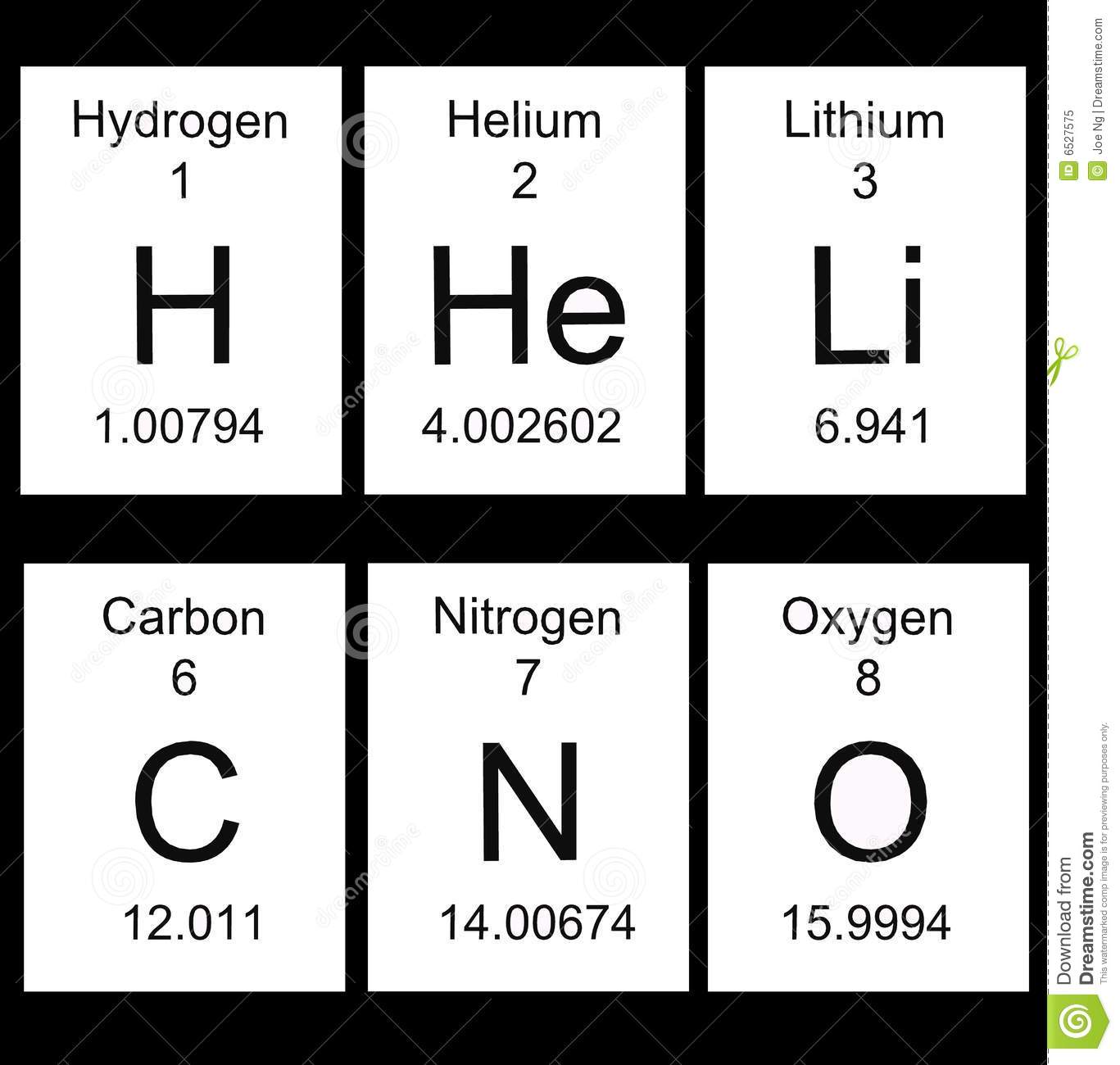
In each square of the periodic table, the number at the bottom represents the:
atomic number
atomic mass
chemical symbol
element name
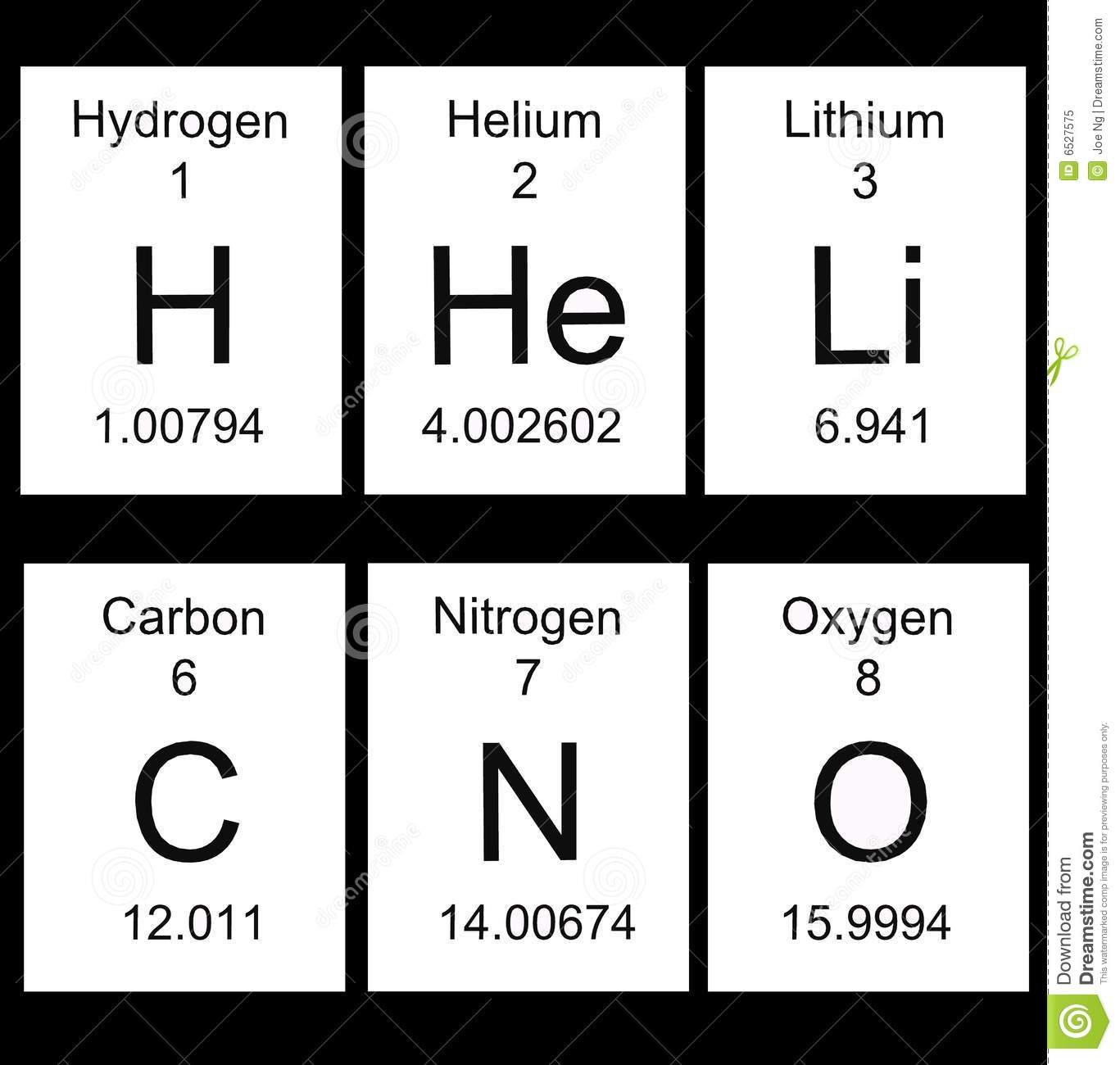
The number at the top of each square on the periodic table is the...
atomic number
atomic mass
Chemical Symbol
Element Name
An element's identity is determined by the number of:
electrons.
protons.
neutrons.
valence.
The atomic mass of an element is:
the number of electrons the element has
the size of the element
the number of protons and neutrons an element has in its nucleus
the name of the element
The atomic number is:
the average mass of the element
the number of protons an element has
the number of valence electrons an element has
the group and period an element belongs to
The number of neutrons in an atom can be found by
adding the number of neutrons and protons together.
adding the atomic mass and the atomic number.
subtracting the atomic number from the atomic mass.
subtracting the atomic mass from the atomic number.

___________________ are positively charged particles located in the nucleus of an atom.
Electrons
Neutrons
Protons
Isotopes
The smallest particle of an element that retains the chemical properties of the element is
a molecule of that element.
an atom of that element.
a proton of that element.
the nucleus of the element.

The chemical symbol in this element box is:
26
Fe
Iron
55.845
Which of these items is made up of one or more molecules?
Gold
Hydrogen
Salt
Neon
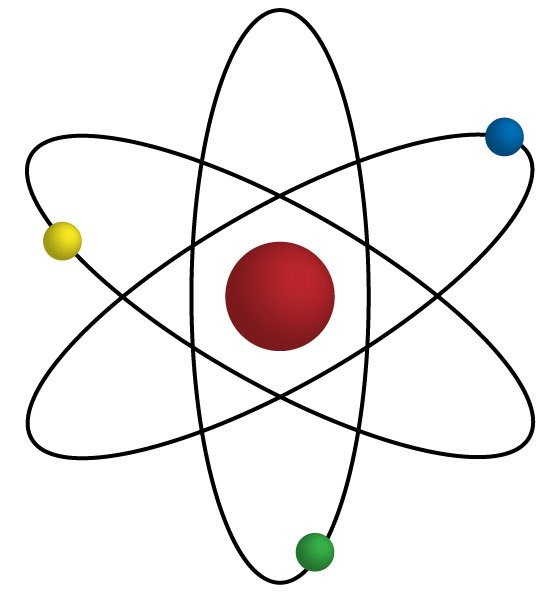
What are the three particles that make up the atom?
protons, neutrons, and isotopes
neutrons, isotopes, and electrons
positives, negatives, and electrons
protons, neutrons, and electrons
Elements in the same column of the periodic table are called
rows
periods
groups
compounds
A horizontal row of elements in the periodic table is called a:
period
group
family
compound
The most reactive metals, which are located in Group 1, are called
halogens
noble gases
alkali metals
alkaline earth metals
The least reactive elements, which are located in group 18 of the periodic table, are called the
halogens
noble gases
alkali metals
alkaline earth metals
A classification of elements characterized by properties such as shininess, malleability, ductility, and conductivity is
metals
non-metals
metalloids
halogens
An element that lacks most of the properties of a metal are called
metals
non-metals
metalloids
halogens
An element that has some characteristics of both metals and nonmetals are called
metals
non-metals
metalloids
halogens
An element found in group 17 that is the most reactive non-metal is called a
halogens
noble gases
alkali metals
alkaline earth metals

Which atom of an element has an average atomic mass of about 16 amu.
sulfur
nitrogen
oxygen
hydrogen
Elements in the same group/family of the periodic table are similar in what way?
They have a full outer shell of electrons.
They are all metals.
They are all non-metals.
They have the same number of valence electrons.
All the elements of a family in the periodic table have what feature in common?
They all have similar chemical properties.
They all have the same number of electrons in the electron cloud.
They all have the same number of protons in the nucleus.
They are all located in the same horizontal row or period.
The modern periodic table is arranged by
atomic mass
atomic number
number of isotopes
valence electrons
Why are the lanthanides and actinides placed at the bottom of the periodic table?
because they are very reactive
because they are non-reactive
to save space on the periodic table
to make the periodic table wider
The majority of the elements on the periodic table are
metals
non-metals
metalloids
alkali metals
Where on the periodic table are the metals located?
right of the staircase line (zig-zag)
left of the staircase line (zig-zag)
bordering the staircase line (zig-zag)
Where on the periodic table are the non-metals located?
right of the staircase line (zig-zag)
left of the staircase line (zig-zag)
bordering the staircase line (zig-zag)
Where on the periodic table are the metalloids located?
right of the staircase line (zig-zag)
left of the staircase line (zig-zag)
bordering the staircase line (zig-zag)
Which is not a state of matter?
solid
liquid
gas
Lysol
What is another word used for states of matter?
phase
thermal energy
contract
atoms
The Kinetic Theory describes the _______ of particles in all matter.
arrangement
motion
expansion
contracting
How tightly the particles are packed determines what ______ it takes.
molecules
state
evaporation
phase change
What causes particles to vibrate to move around more?
cooling
thermal energy
Cooling causes particles to move around ___________.
slower
more
faster
more quickly
Have a definite shape and a definite volume
solid
liquid
gas
Have a definite volume but no definite shape
solid
liquid
gas
Have no definite volume and no definite shape
solid
liquid
gas
What causes a change in state/phase?
thermal energy
pressure
expanding
contracting
When a solid changes to a liquid, it is called ______.
sublimation
condensation
melting
freezing
Freezing is when a liquid to a ________.
gas
solid
liquid
Vaporization is when a liquid changes to a __________.
solid
liquid
gas
The moisture you see on the mirror in your bathroom after a hot shower is called __________.
sublimation
evaporation
condensation
melting
If you put dry ice on the table, it turns from a solid to a _____.
gas
liquid
solid
Solid changing to a gas is called _____________.
condensation
vaporization
evaporation
sublimation
When you heat a solid or liquid, its particles begin to move ______.
faster
slower
When particles in a solid or liquid move faster, they move slightly further apart. This is called __________.
expanding
contracting
What is it called when particles in a solid or liquid move slower and closer together?
expanding
contracting

What is 22 on the chart?
temperature
thermal energy
solid
liquid

What is 23 on the chart?
solid
liquid
gas
vaporizing

What is 24 on the chart?
solid
temperature
condensing
gas

What is 25 on the chart?
solid
temperature
condensing
gas

These are the molecules in a _________.
solid
liquid
gas

These are the molecules in a _________.
solid
liquid
gas

These are the molecules in a _______.
solid
liquid
gas
All living things are made of matter.
True
False
There are seven phases of matter.
True
False
Water exists in the gas phase as water vapor.
True
False
Volume is the amount of space an object takes up.
True
False
Plasma is found in the sun and stars.
True
False
The particles in solids are packed quite loosely.
True
False
Most liquids have a definite shape.
True
False
All matter is made of atoms.
True
False
Water freezes at 20˚ Celsius.
True
False
Condensation is the process of a gas changing to a liquid.
True
False
What has a definite shape and volume?
Gas
Liquid
Solid
A state in which matter has no definite shape and no definite volume is ________.
Liquid
Solid
Gas
What state of matter has a definite volume, but no definite shape?
Gas
Solid
Liquid
Milk is a example of which state of matter?
Solid
Liquid
Gas
A pencil is a __________.
Solid
Liquid
Gas
Plasma
When you heat water, it turns into a _________.
Gas
Liquid
Solid
What is an example of a solid turning into another state of matter?
Breaking a chair into pieces
Snow becoming a puddle
Tearing a piece of paper
Water freezing
When an ice cube melts, it changes from...
A solid to a liquid.
A liquid to a gas.
A solid to a gas.
A gas to a solid.
Which would cause liquid water to change to a solid?
Warming
Heating
Freezing
Dripping
Shauna placed a cup of water in a warm place. One week later, no water was left in the cup. What probably happened?
The liquid water changed to a gas.
The liquid water changed to a solid.
The water leaked out of the cup.
The water spilled from the cup.
What has a definite shape and volume?
Gas
Liquid
Solid
A state in which matter has no definite shape and no definite volume is ________.
Liquid
Solid
Gas
What state of matter has a definite volume, but no definite shape?
Gas
Solid
Liquid
Milk is a example of which state of matter?
Solid
Liquid
Gas
A pencil is a __________.
Solid
Liquid
Gas
Plasma
When you heat water, it turns into a _________.
Gas
Liquid
Solid
What is an example of a solid turning into another state of matter?
Breaking a chair into pieces
Snow becoming a puddle
Tearing a piece of paper
Water freezing
When an ice cube melts, it changes from...
A solid to a liquid.
A liquid to a gas.
A solid to a gas.
A gas to a solid.
Which would cause liquid water to change to a solid?
Warming
Heating
Freezing
Dripping
Shauna placed a cup of water in a warm place. One week later, no water was left in the cup. What probably happened?
The liquid water changed to a gas.
The liquid water changed to a solid.
The water leaked out of the cup.
The water spilled from the cup.

What is the atomic number of oxygen?
5
Sandwich
8
17


What does a represent?
Proton
Neutron
Electron

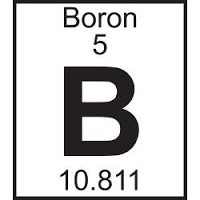


The number 16 for the atomic element sulfur is the
ionic number
isotope
atomic mass
atomic number


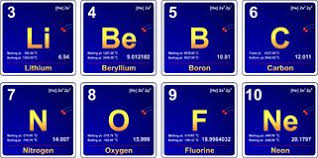

Which of the labeled structures is a neutron?
a
b
c

Which subatomic particle as no charge, also known as a neutral charge?
proton
neutron
electron
chakra

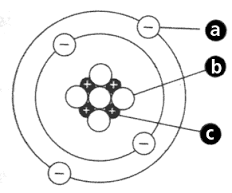


Which subatomic particles is counted to determine the type of element the atom represents?
proton
neutron
electron
boron

What is the atomic number of this atom?
7
14
21
9


Only protons & neutrons can be distinguished by mass, charge and position in an atom.
True
False

Mass: 1 amu

Mass: 1 Amu


Mass: Almost Nothing

