
Font size
 Worksheets
Biotic and Abiotic Interactions
Total questions: 95
Worksheet time: 5hrs 13mins

In the graphic organizer above, what word could we use to replace the word living?
Abiotic
Biotic
Ecosystem
Organism
Which of the following best describes the relationship between abiotic and biotic factors in an ecosystem?
Biotic factors rely on abiotic factors such as water, shelter, and light for survival.
Abiotic factors rely on biotic factors, such as types of trees, to exist
Biotic factors only rely on other biotic factors for survival
There is no relationship between abiotic and biotic factors; they can survive on their own.
What abiotic factors might a student study in an ecosystem?
Herbivores, carnivores, and omnivores
Algae and invertebrates
Predators and prey
Water, temperature, and sunlight

What terms should replace X and Y in the table?
elements; compounds
abiotic; biotic
microscopic; macroscopic
natural; man-made
Which of the following MOST completely describes the components of a pond ecosystem?
the soil and water that make up the pond
the organisms and non-living environment in and around the pond
the plants and animals that live in and around the pond
the fish and other aquatic animals in the pond
Which of the following is a biotic factor in an ocean ecosystem?
the salt content of the water
the temperature of the water
the fish in the water
the oxygen in the water
A hollow, sealed glass sphere contains sand, water, air, algae, and tiny brine shrimp. The sphere is a model ecosystem. Which of these is a biotic factor of this ecosystem?
air
algae
sand
water

Refer to the diagram. Which list includes abiotic factors only?
Items A, C, D
Items B, C, E
Items A, D
Items A, B, C, D, E
Which of these is a biotic factor in a river ecosystem?
the types of microorganisms that live in the river water
the amount of soil and other particles carried by the river
the amount of rain that flows off the land and into the river
the speed at which the river water flows toward the ocean
Which of the following is a biotic factor in an ocean ecosystem?
the salt content of the water
the temperature of the water
the fish in the water
the oxygen in the water
Which of the following MOST completely describes the components of a pond ecosystem?
the soil and water that make up the pond
the organisms and non-living environment in and around the pond
the plants and animals that live in and around the pond
the fish and other aquatic animals in the pond
What abiotic factors might a student study in an ecosystem?
Herbivores, carnivores, and omnivores
Algae and invertebrates
Predators and prey
Water, temperature, and sunlight
Which of the following best describes the relationship between abiotic and biotic factors in an ecosystem?
Biotic factors rely on abiotic factors such as water, shelter, and light for survival.
Abiotic factors rely on biotic factors, such as types of trees, to exist
Biotic factors only rely on other biotic factors for survival
There is no relationship between abiotic and biotic factors; they can survive on their own.
Which of the following is NOT an abiotic factor?
sun
temperature
soil
grass
A living, or once-living, organism in an ecosystem is a/an ---
abiotic factor.
biotic factor.

The Sun is the source of all energy within an ecosystem. Plants depend on light from the sun in order to perform the process of photosynthesis. Sunlight is an example of what type of factor?
Biotic
Abiotic
Bio means _________.
non-living
not/without
written word
living
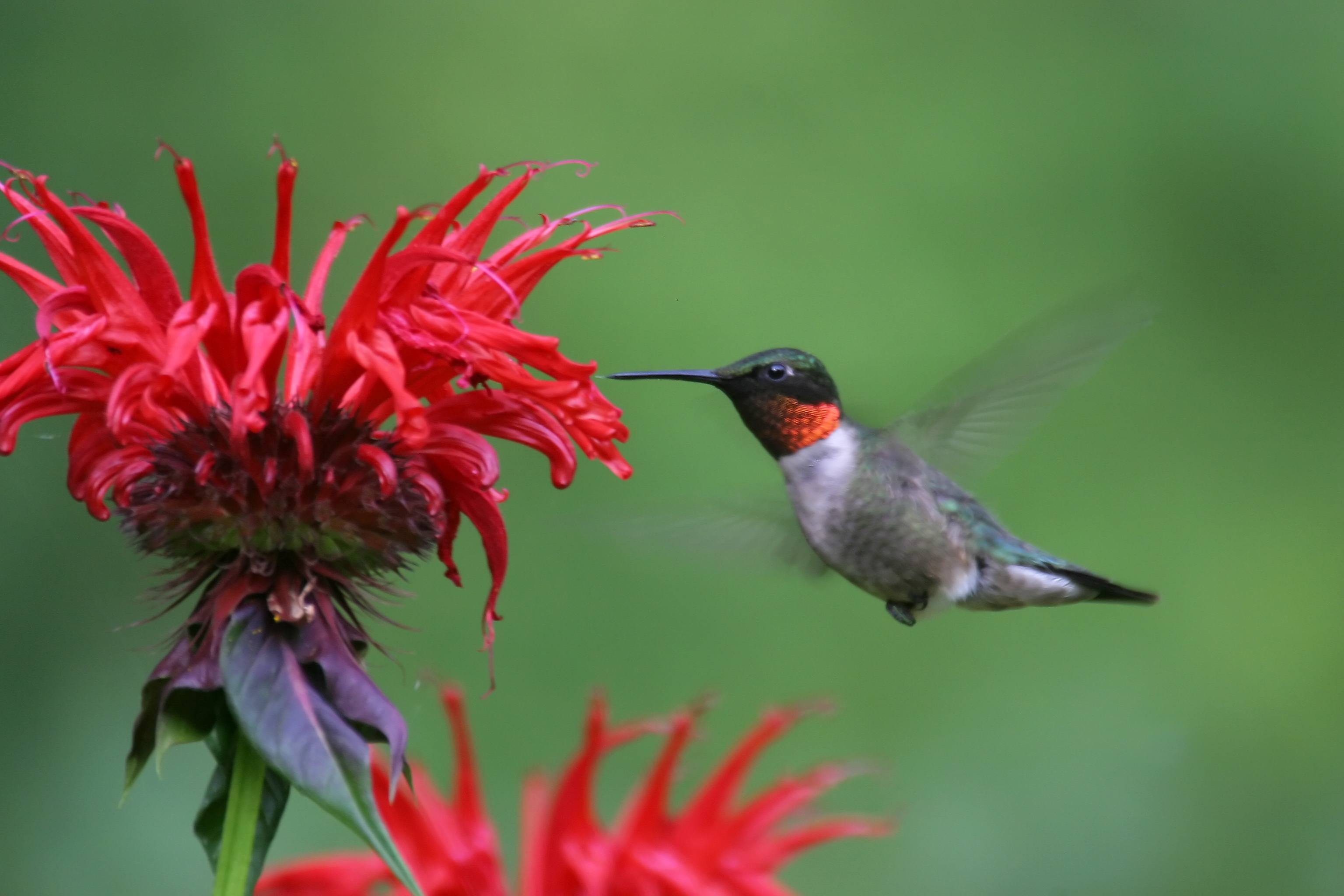


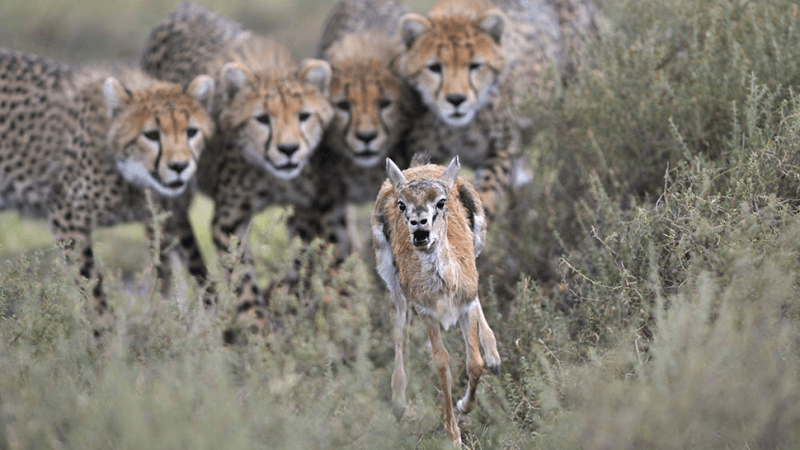
Hawks and owls eat the same type of food and struggle with one another to get their food. What is this an example of?
Competition
Biotic factor
Symbiosis
Population
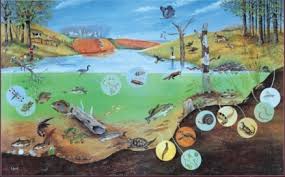
The specific environment in which all the biotic and abiotic factors in an area interact.
Ecosystem
Organism
Struggle
Competitive Interaction
A hollow, sealed glass sphere contains sand, water, air, algae, and tiny brine shrimp. The sphere is a model ecosystem. Which of these is a biotic factor of this ecosystem?
air
algae
sand
water
Which of these is a biotic factor in a river ecosystem?
the types of microorganisms that live in the river water
the amount of soil and other particles carried by the river
the speed at which the river water flows toward the ocean
the amount of rain that flows off the land and into the river
Which of the following is a biotic factor in an ocean ecosystem?
the salt content of the water
the temperature of the water
the fish in the water
the oxygen in the water
Which of the following MOST completely describes the components of a pond ecosystem?
the soil and water that make up the pond
the organisms and non-living environment in and around the pond
the plants and animals that live in and around the pond
the fish and other aquatic animals in the pond
Drought, erosion, flood, and prolonged heat spells are examples of —
communities
biotic factors within an ecosystem which affect abiotic components
populations
abiotic changes within an ecosystem which can affect biotic factors
An abiotic component of an ecosystem is represented by the —
bats under a bridge in Austin, Texas
population of deer on a deer lease in Central Texas
attack on a wheat field by fungus
monthly average rainfall in Texas
Which statement below refers only to biotic components in an ecosystem?
Evaporation, transpiration, and precipitation are complex processes that cycle water between the atmosphere and the Earth's surface.
Photosynthesis and respiration are not considered atmospheric processes.
Vegetation is an indicator of several environmental factors, including precipitation, temperature, soil, geology, and wind.
In Yellowstone Park, shrubs have expanded their range into large areas formerly populated by short grasses, due to overgrazing and trampling by livestock.


In a desert ecosystem, sand is an example of a(n)______________ factor.
biotic
abiotic
ecosystem
community
A cactus is an example of a(n) ________________factor.
biotic
abiotic
habitat
niche
Populations of sharks, along with shells and water are included in an ocean ____________________.
niche
community
habitat
ecosystem
A population is ____________________________.
a group of different species living in the same area.
a group of individuals of the same species living in separate areas.
a group of different species living in separate areas.
a group of individuals of the same species living in the same areas.
What determines where a population can live?
whether its needs are met by the biotic factors in the habitat
whether its needs are met by the abiotic factors in the habitat
whether its needs are met by the abiotic and biotic factors in the habitat
whether its needs are met by the other populations in the habitat

Which is an abiotic factor in this ecosystem?
fish
rocks
snails
plants
Organisms depend on, but do not compete with each other in an ecosystem.
true
false
An ecosystem relies on both predator and prey to survive.
true
false
An increase in predators won't affect the population of prey.
True
False
Competition is good in a healthy ecosystem.
True
False
An increase in predators won't affect the population of prey.
True
False
Some animals compete for mates.
True
False
All the different populations that live together in an area make up a (an)
biome
ecosystem
species
community
Food, water, climate, weather, space, and shelter are all _______________.
biotic factors
populations
limiting factors
biomes
Abiotic means
living
nonliving
What is the difference between the biotic and abiotic factors?
Biotic factors are living things and abiotic factors are nonliving things.
Biotic factors are nonliving things and abiotic factors are living things.
What is a example of a abiotic factor?
Panda
Bacteria
Butterfly
Weather
Temperature is an example of what kind of factor?
biotic
abiotic
dead
living
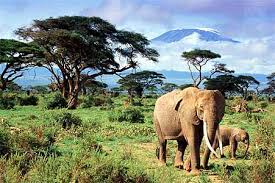
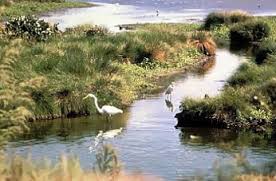
What are the abiotic factors in this image?
water, sunlight, dirt, air
birds, trees, and sunlight
water, trees, and birds
Which of the following is a biotic factor?
sun
temperature
soil
grass
Which of the following is an abiotic factor?
mushroom
air
elephant
coyote
What is an example of a biotic factor?
bear
rocks
soil
water
An organisms in an environment is a
abiotic factor
biotic factor
Lizards and cacti are biotic factors in a desert ecosystem that would rely on which abiotic factors?
insects and sun
water and insects
snakes and temperature
water and soil
Nonliving elements in an ecosystem are called _______________.
biotic factor
abiotic factor
limiting factor
fear factor
Which is an example of an abiotic factor in a pond environment?
The water
A frog
A grasshopper
A snake
Which of the following shows an abiotic factor interacting with a biotic factor in the environment?
Lamprey eels survive by attaching themselves to trout.
Water temperature affects its oxygen level.
Low light intensity affects the growth of forest pine trees.
Gypsy moth caterpillars eat the leaves of apple tree.
Which of the following is an abioitic factor that could affect biotic factors?
Population of rabbits.
Length of daylight.
Presence of harmful bacteria.
Number of herbivores.
The living parts of an ecosystem
abiotic
symbiosis
biotic
competition
the nonliving parts of an ecosystem
abiotic
limiting factor
biotic
commensalism
a relationship between organisms or species that is helpful to both
commensalism
parasitism
competition
mutualism
a single living thing
organism
population
community
ecosystem
an interaction between organisms or species that is helpful to one but neither helpful nor harmful to the other
organism
population
commensalism
parasitism
when more than one individual or population in an ecosystem relies on the same limited resources
commensalism
competition
limiting facor
ecosystem
a relationship between organisms of different species where one organism benefits at the expense of the other
mutualism
commensalism
parasitism
competition
a group of interacting individuals of the same species located in the same area
organism
population
community
ecosystem
a system comprising all the biotic and abiotic factors in an area and all the interactions among them
organism
population
community
ecosystem
biotic and abiotic environmental factor that restricts the growth of a population
commensalism
limiting factor
symbiosis
ecosystem
the interaction between two animals in which one animal eats the other
mutualism
commensalism
parasitism
predation
a long-term relationship between two different kinds of organisms where one or both receive benefit
ecosystem
population
symbiosis
commensalism
Which is NOT an example of a biotic factor?
lion
bear
sunlight
frog
Which is NOT an example of an abiotic factor?
temperature
soil
water
dog
all the different populations that live in an area
organism
ecosystem
community
population
Which is the smallest level of organization in an ecosystem?
ecosystem
community
organism
population
Which is the largest level of organism in an ecosystem?
ecosystem
community
population
organism

