
 Worksheets
Anatomy Review
Total questions: 100
Worksheet time: 1hrs 14mins
Match the term with the proper definition or example. Which definition best matches Amphiarthrodial joint?
a freely movable joint that has a joint capsule
a thin layer of cartilage covering the ends of bones
an immovable joint characterized by bones held together by tough connective tissue
a joint of cartilage that links bones together, such as where the ribs join the sternum
Match the term with the proper definition or example. Which definition best matches Synarthrodial joint?
an immovable joint characterized by bones held together by tough connective tissue
a sleevelike structure that covers a joint
the most superficial layer of the skin
a tissue that surrounds a diarthrodial joint and secretes a slippery fluid
Match the term with the proper definition or example. Which definition best matches Diarthrodial joint?
a freely movable joint that has a joint capsule
another name for a synarthrodial joint
the area of a long bone where growth occurs
a thin layer of cartilage covering the ends of bones
Match the term with the proper definition or example. Which definition best matches Epiphysis?
a sleevelike structure that covers a joint
the area of a long bone where growth occurs
the most superficial layer of the skin
a tissue that surrounds a diarthrodial joint and secretes a slippery fluid
Match the term with the proper definition or example. Which definition best matches Hyaline cartilage?
a thin layer of cartilage covering the ends of bones
a sleevelike structure that covers a joint
another name for a synarthrodial joint
a tissue that surrounds a diarthrodial joint and secretes a slippery fluid
Match the term with the proper definition or example. Which definition best matches Synovial membrane?
the most superficial layer of the skin
a tissue that surrounds a diarthrodial joint and secretes a slippery fluid
a freely movable joint that has a joint capsule
a joint of cartilage that links bones together, such as where the ribs join the sternum
Match the term with the proper definition or example. Which definition best matches Joint capsule?
a sleevelike structure that covers a joint
an immovable joint characterized by bones held together by tough connective tissue
the area of a long bone where growth occurs
a thin layer of cartilage covering the ends of bones
Match the term with the proper definition or example. Which definition best matches Fibrous joints?
another name for a synarthrodial joint
a freely movable joint that has a joint capsule
the most superficial layer of the skin
a sleevelike structure that covers a joint
Match the term with the proper definition or example. Which definition best matches Epidermis?
the area of a long bone where growth occurs
the most superficial layer of the skin
a tissue that surrounds a diarthrodial joint and secretes a slippery fluid
an immovable joint characterized by bones held together by tough connective tissue
Section 2: Fill in the Blank — Select from the following terms to fill in both blanks: smooth, tendon, anterior, posterior, medial, lateral, proximal, distal. Complete the sentence: The elbow is ______ to the wrist and ______ to the shoulder.
proximal; distal
distal; proximal
medial; lateral
anterior; posterior
Section 2: Fill in the Blank — Select from the following terms to fill in both blanks: smooth, tendon, anterior, posterior, medial, lateral, proximal, distal. Complete the sentence: The ankle is ______ to the knee and ______ to the phalanges.
distal; proximal
proximal; distal
medial; lateral
anterior; posterior
Section 2: Fill in the Blank — Select from the following terms to fill in both blanks: smooth, tendon, anterior, posterior, medial, lateral, proximal, distal. Complete the sentence: The tibia is located on the ______ aspect of the leg while the fibula is located on the ______ aspect of the leg.
medial; lateral
lateral; medial
anterior; posterior
proximal; distal
Section 2: Fill in the Blank — Select from the following terms: smooth, tendon, anterior, posterior, medial, lateral, proximal, distal. Complete the sentence: The patella is located at the ______ aspect of the knee.
anterior
posterior
medial
lateral
Section 2: Fill in the Blank — Select from the following terms: smooth, tendon, anterior, posterior, medial, lateral, proximal, distal. Complete the sentence: A ______ is a strong fibrous cord that attaches muscles to bone.
tendon
ligament
fascia
cartilage
Section 2: Fill in the Blank — Select from the following terms: smooth, tendon, anterior, posterior, medial, lateral, proximal, distal. Complete the sentence: ______ muscle is found in hollow organs such as the stomach, intestines, and blood vessels.
smooth
cardiac
skeletal
striated
Which movements are capable of being performed at the shoulder joint? Select all that apply.
flexion
abduction
internal rotation
pronation
plantarflexion
Which movements are capable of being performed at the elbow joint? Select all that apply.
flexion
extension
pronation
supination
abduction
Which movements are capable of being performed at the hip joint? Select all that apply.
flexion
adduction
external rotation
inversion
plantarflexion
Which movements are capable of being performed at the knee joint? Select all that apply.
flexion
extension
plantarflexion
abduction
What is an example of a long bone.
femur
scapula
vertebra
patella
What is an example of an irregular bone.
vertebra
femur
sternum
radius
What is an example of a flat bone.
scapula
femur
vertebra
patella
Identify the plane of motion in which shoulder abduction is performed.
sagittal plane
frontal (coronal) plane
transverse plane
oblique plane
Which two terms mean the same thing? Choose the correct pair.
ventral and anterior
dorsal and anterior
medial and lateral
proximal and distal
Longitudinal bone growth continues
as long as epiphyseal plates are open.
as long as the individual is alive
as long as the bone is a long bone
None of these
About how many muscles are in your body?
206
300
over 600
1,000

What muscle is the arrow pointing to?
Pectoralis (Pecs)
Biceps
Triceps
Latissimus dorsi

What muscle is the arrow pointing to?
Biceps
Triceps
Latissimus dorsi
Quadriceps (Quads)

Quadriceps
Solius
Hamstring
Gastronecmius

Latissmius Dorsi
Trapezius
Deltoids
Rectus Abdominis

Rectus abdominis
Obliques
Deltoid
Trapezius

Your QUADS can be found in your . . .
arms
back
legs
shoulders
What is the opposing muscle group for the biceps?
Quadriceps
Abdominals
Trapezius
Triceps

Rectus abdominis (abs)
Obliques
Pectorals (pecs)
Trapezius

Latissimius Dorsi
Trapezius
Triceps
Deltoid
Planks work which muscle(s)?
arms
abs
legs
all of the above

What muscle is this?
Gluteus maximus
Hamstrings
Quadriceps
Deltoids

What could you not do if you did not have muscles?
move
think
feel

A ______________________ attach bones to each other at joints.
Ligament
Bone
Joint
Cell

Smooth muscle and cardiac muscle are considered _____ muscles because we can’t control them consciously.
Immovable
Involuntary
Skeletal
none of the above

Skeletal muscles always work _____.
in groups
in pairs
singly
none of the above

What are the 3 types of muscles?
Skeletal, muscular, ligament
Skeletal, smooth, cardiac
Smooth, Cellular, Cerebrum
Cardiac, smooth, brain stem
Found in the heart
smooth
cardiac
skeletal
all
Found attached to bones throughout the body
smooth
cardiac
skeletal
all
What is the process called when muscles adapt to progressively greater demands?
Hypertrophy
Atrophy
Repair
Inflammation
What is the term for the process of muscles shrinking due to lack of resistance?
Hypertrophy
Atrophy
Repair
Inflammation
Which type of muscle contraction generates effective conditions for new growth?
Concentric contraction
Eccentric contraction
Isometric contraction
Isotonic contraction
Antagonist muscles are known
as primary or prime movers or muscles most involved in a joint action
to contract concentrically and perform the opposite joint motion of the agonist muscle.
Prevent muscle control
Work independently of all other mucles.
The synergist muscle of an activity
is the primary mover.
assists the prime mover
lowers the fluidity of a movement
makes the antagonist muscle work
Agonist Muscles are known as
are the opposite of primary muscles
work against primary muscles
primary muscles
muscles that control the heart
______________________refers to the ability of a muscle to return to its original length following stretching
Extensibility
Elasticity
Electricity
contractility

What is the main function of the muscular system?
The muscular system carries messages from the brain to the bones to move the body.
The muscular system keeps the bones strong and prevents them from being broken.
The muscular system produces energy the body needs to be able to move.
The muscular system allows movement of bones and helps maintain posture.

The ability shorten in response to a stimulus
contractility
irritability
volatility
agility
The shape of bones
Does not limit how they move
Can limit how they move
Does not matter
All bones are shaped the same.
The skeletal system is responsible for all of the following (choose all that apply)
Protect internal organs
Mineral storage
Posture
Heat Production


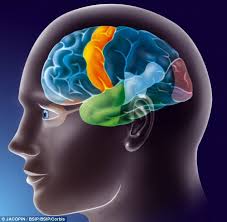
[The eyes are _______ to the brain].
Your feet are ________ to your knees.
caudal
cephalic
inferior
superior

This plane divides the body into superior and inferior parts.
coronal plane
frontal plane
transverse plane
sagittal plane
The eyes are _________ to the ears
medial
lateral
anterior
posterior
The nose is on the _________side of the body
superior
anterior (ventral)
posterior (dorsal)
proximal
lifting the foot closer to your shin (up)
dorsiflexion
plantarflexion
eversion
inversion
pointing foot toward the ground
dorsiflexion
plantarflexion
inversion
eversion

The lateral motion TOWARDS the midline is called ______.
adduction
abduction
circumduction
opposition


Name this movement
adduction
abduction
flexion
extension

Name this movement
extension
flexion
adduction
abduction

Name this movement
ulnar deviation
supination
pronation
radial deviation
Which of the following is not a property of skeletal muscle tissue that allows for force production and movement about joints?
elasticity
extensibility
constrictability
irritability
Muscles are named by their (choose all that apply)
Shape
Size
Function
Nerve type
Prefix post means
After
Before
Next
During
-ectomy means
Surgical Removal
to move continuously
Muscle Movement of the leg
To examine
-scopy means
Surgical Removal
to move continuously
Muscle Movement of the leg
To examine
The most common combining vowel is "o"
True
False
Hyper means
Increase
Decrease
Stay the same
Hypo means
Increase
Decrease
Stay the same
Which is an example of a hinge joint
knee and elbow
shoulder and hip
neck
ankle and wrist

The skull is an example of what type of joint?
Cartilaginous (amphiarthrosis)
Synovial (diarthrosis)
Fibrous (synarthrosis)
What is the purpose of synovial fluid in synovial joints?
To hold the joint together
To lubricate the joint
To prevent bone rubbing
To provide flexibility to the joint
The following is NOT one of the 3 Joint Classifications..
Cartilaginous
Cartilage
Fibrous
Synovial
The joints that allow the most movement are called
Fixed
Fibrous
Cartilaginous
Synovial
This is where 2 bones meet, it is responsible for keeping bones far enough apart so they don't rub and they hold bones in place.
Muscle
Joint
Tendon
Ligament
One of the functions of the muscular system is to provide heat. Which of the following observations best provides this statement?
Your body starts to shake to raise your internal body temperature back to 98.7 degrees Fahrenheit.
The skeletal muscles in your arms feel sore the day after a strenuous workout.
Contractions of involuntary muscle move food down your esophagus (food pipe) even while lying down.
Your heart will continuously pump blood throughout your body.
Which muscle type is responsible for pumping blood throughout the body?
striated
cardiac
smooth
skeletal
Which bone is classified as a short bone?
carpal
femur
scapula
vertebra
Section 2: Fill in the Blank — Select from the following terms: smooth, tendon, anterior, posterior, medial, lateral, proximal, distal. Complete the sentence: The heart is located in the ______ aspect of the thoracic cavity.
distal
lateral
medial
posterior
Which type of joint allows for the greatest range of motion?
Fibrous joint
Amphiarthrodial joint
Synarthrodial joint
Diarthrodial joint
Section 2: Fill in the Blank — Select from the following terms: smooth, tendon, anterior, posterior, medial, lateral, proximal, distal. Complete the sentence: The heart is located in the ______ part of the chest, while the lungs are located on the ______ sides.
lateral; medial
proximal; distal
medial; lateral
anterior; posterior
Which muscle type is responsible for voluntary movements?
Cardiac
Skeletal
All of the above
Smooth

