
 Worksheets
Endocrine System - Training Handout
Total questions: 89
Worksheet time: 45mins
What is the main function of the endocrine system?
To control voluntary movements
To control the internal environment (homeostasis)
To digest food
To transport oxygen
Which chemical messenger is used by the nervous system?
Hormones
Neurotransmitters
Enzymes
Proteins
Fill in the blank: The endocrine system uses _______ as chemical messengers.
hormones
enzymes
neurotransmitters
antibodies
Which of the following is true about endocrine glands?
They discharge secretions through a duct
They release secretions directly into the bloodstream
They are always constant in secretion rate
They only affect digestive tissues
Endocrine glands are ductless.
True
False
What is the role of the endocrine system in the body?
It is in charge of processes that happen quickly
It is in charge of processes that happen slowly, such as the growth of cells
It only affects the digestive system
It does not influence any cells or organs
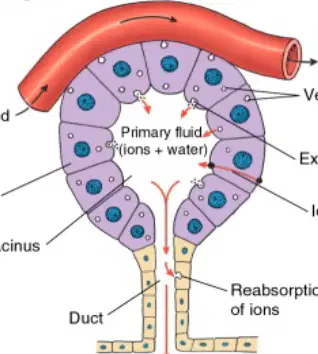
In the diagram of exocrine glands, what is the function of the duct?
To transport secretions to a targeted tissue
To produce hormones
To store neurotransmitters
To absorb ions
Fill in the blank: The glands and hormones of the endocrine system influence almost every _______ and _______ in the body.
cell; organ
bone; muscle
nerve; tissue
enzyme; reaction
What is homeostasis? (Fill in the blank) Homeostasis is a stable internal environment involving ________, metabolism, excretion, water and salt balances.
nutrition
respiration
photosynthesis
digestion
Which of the following is NOT a part of the feedback mechanism in homeostasis?
Stimulus
Response
Digestion
Signal sent to CNS
Fill in the blank: In feedback mechanisms, a stimulus causes a change in the homeostatic environment and a signal is sent to the ________.
CNS
muscle
gland
bone
Which diagram shows the process of returning to optimum after stress in homeostasis?
Diagram A
Diagram B
Diagram C
Diagram D
Hormones are the body's chemical messenger.
True
False
Each hormone only affects cells that are programmed to receive a specific hormone's message.
True
False
What is the process called when most hormones use a 'turnoff' process?
Positive feedback
Negative feedback
Open loop system
Digestion
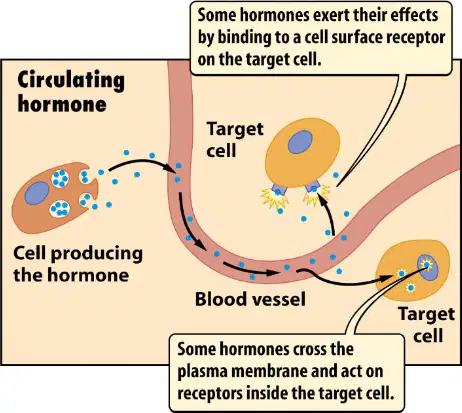
Which diagram shows how hormones exert their effects on target cells?
Diagram A
Diagram B
Diagram C
Diagram D
The main difference between negative feedback and positive feedback mechanisms is:
Negative feedback reduces the effect of the stimulus, while positive feedback amplifies it.
Negative feedback amplifies the effect of the stimulus, while positive feedback reduces it.
Both mechanisms always reduce the effect of the stimulus.
Both mechanisms always amplify the effect of the stimulus.
Which of the following is the most common control mechanism in the body?
Positive feedback
Negative feedback
Both equally common
Neither
Fill in the blank: In negative feedback, an increase in A will ________ in B.
decrease
increase
remain the same
fluctuate
Which of the following is an example of negative feedback?
Lactation
Labor contractions
Body temperature regulation
Oxytocin release during birth
Positive feedback mechanisms are more common than negative feedback mechanisms in the body.
True
False
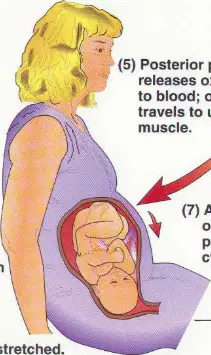
Fill in the blank: The action of oxytocin on uterine muscle during birth is an example of ________ feedback.
positive
negative
neutral
inhibitory
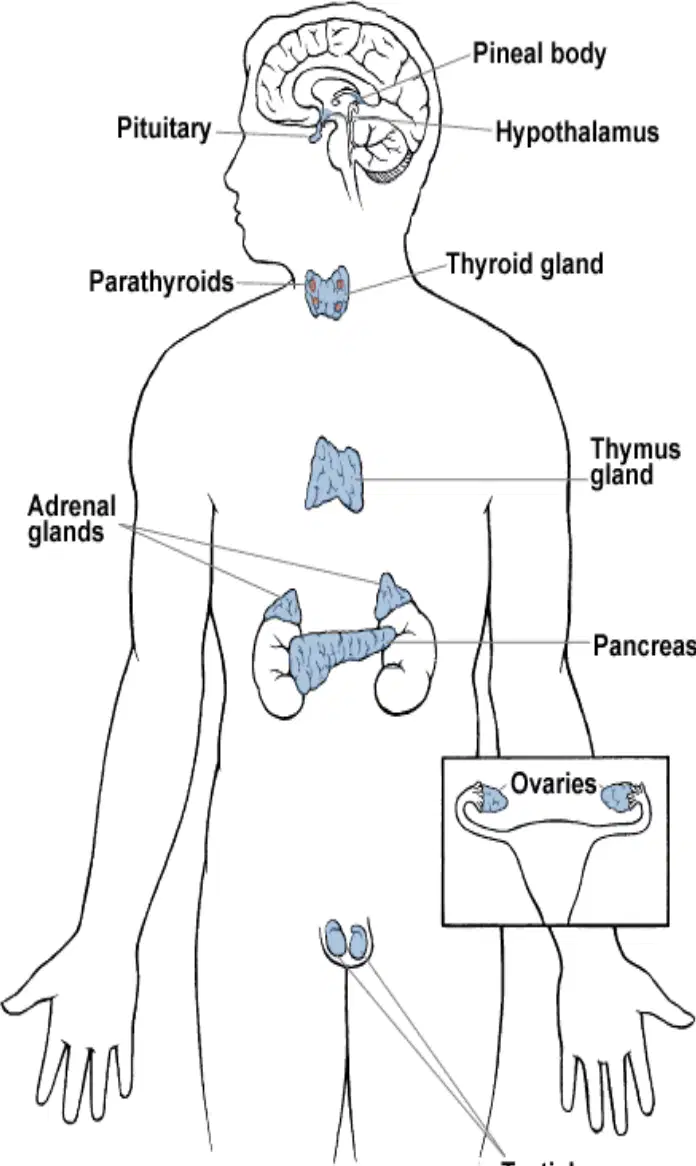
Which gland is located in the brain and is responsible for regulating sleep-wake cycles?
Pineal body
Pituitary gland
Thyroid gland
Adrenal gland
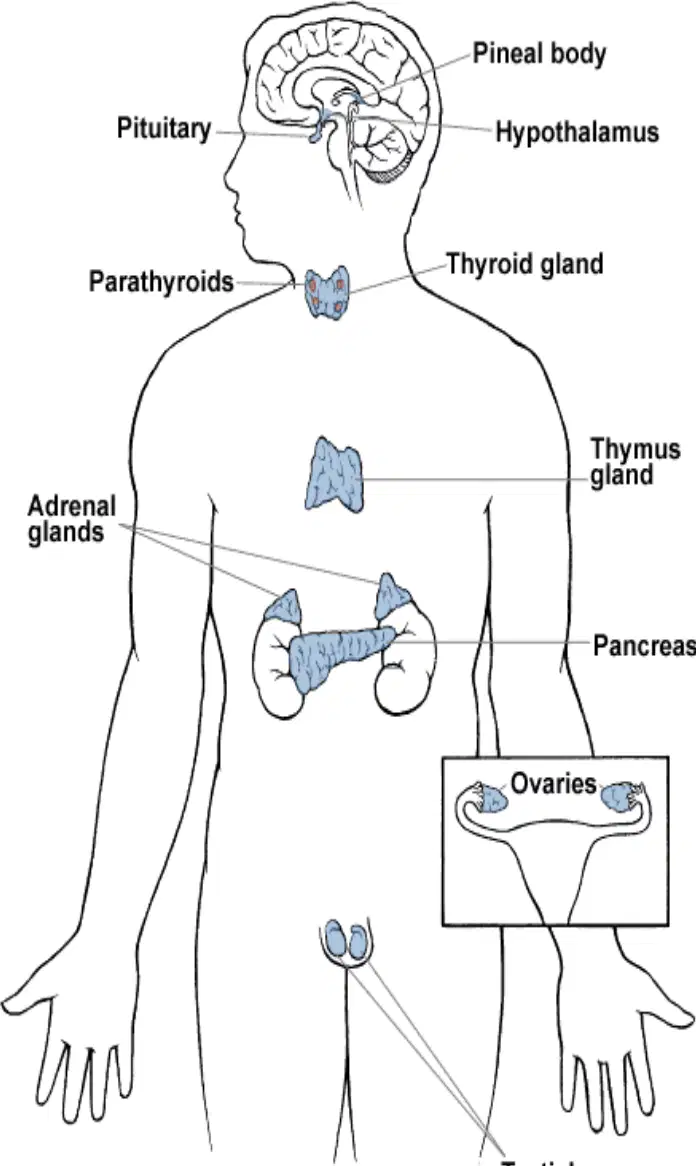
Which gland is known as the 'master gland' because it controls other endocrine glands?
Pituitary
Thyroid
Adrenal
Pineal
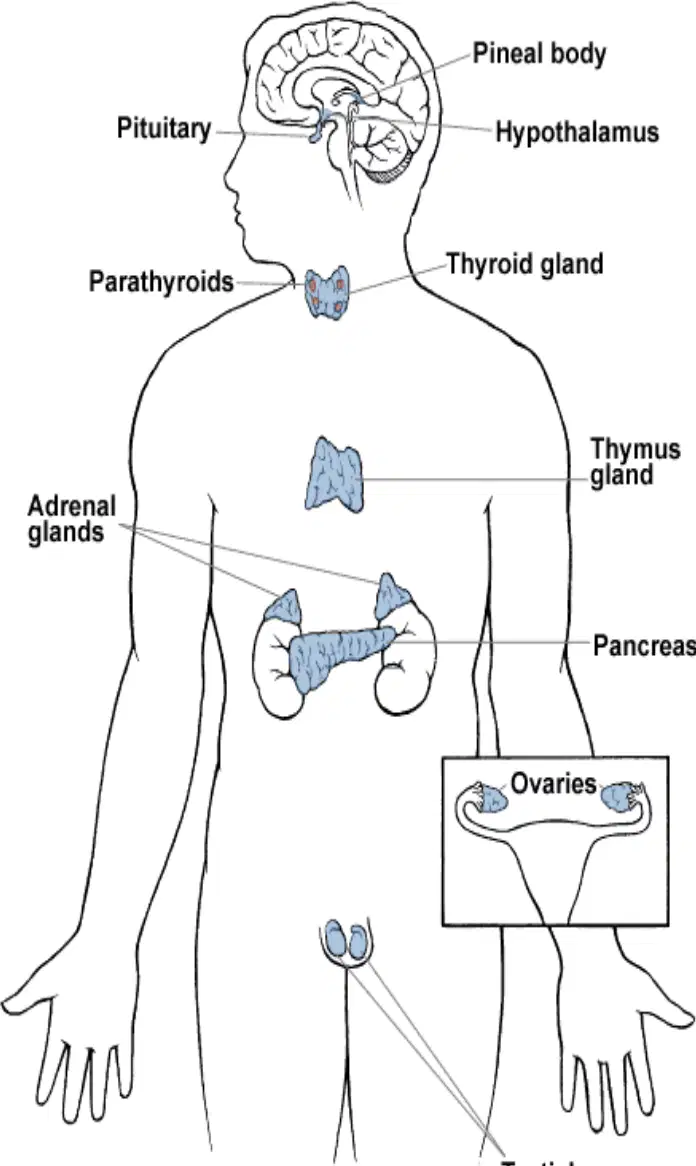
Which gland is located in the neck and regulates metabolism?
Thyroid gland
Pituitary gland
Adrenal gland
Pancreas
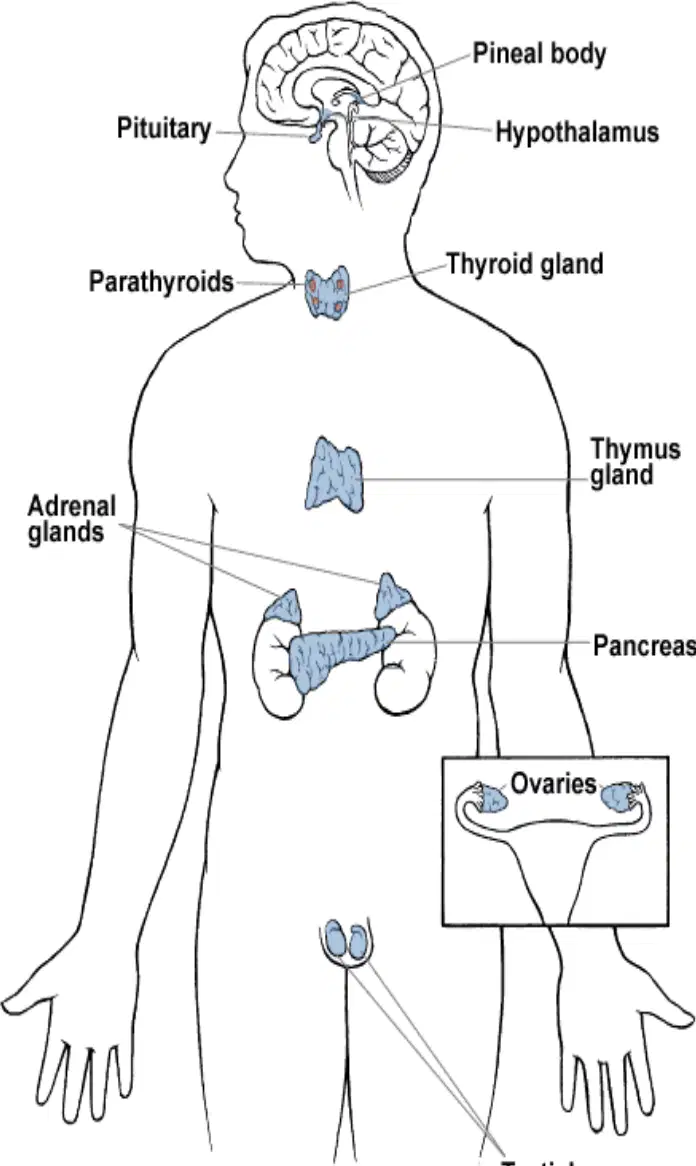
Which gland is responsible for producing insulin?
Pancreas
Thyroid
Adrenal
Pituitary
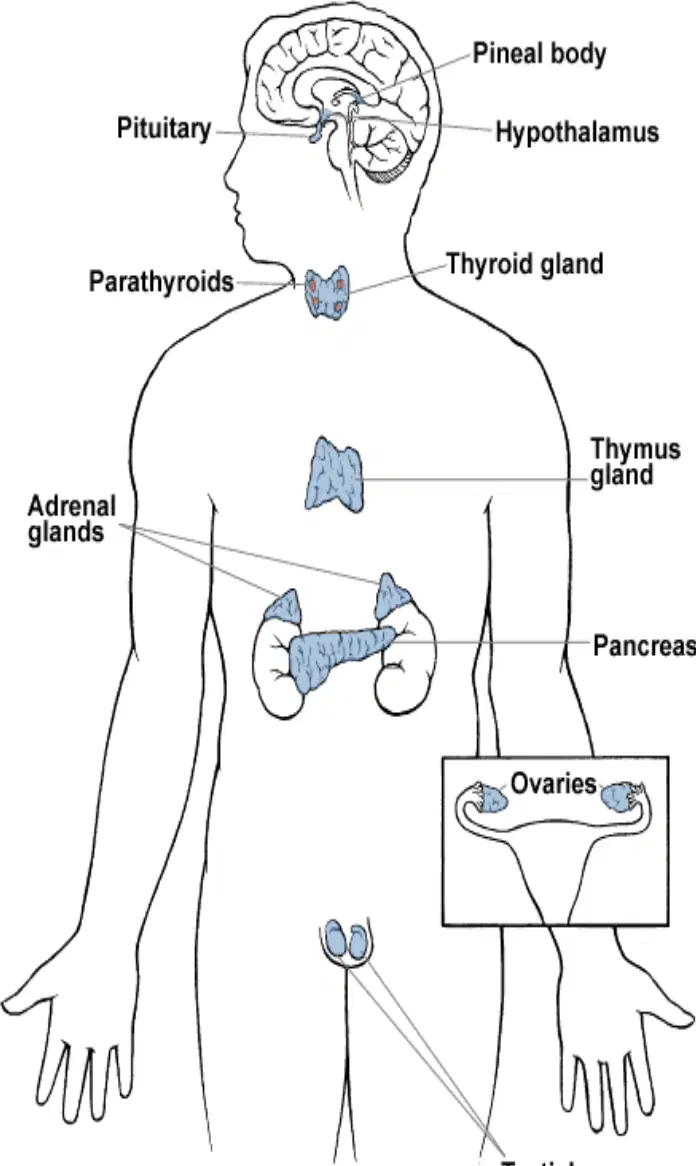
Refer to the diagram titled 'Glands of the Endocrine System'. Which gland is located above the kidneys and produces adrenaline?
Adrenal glands
Pituitary gland
Thyroid gland
Pancreas
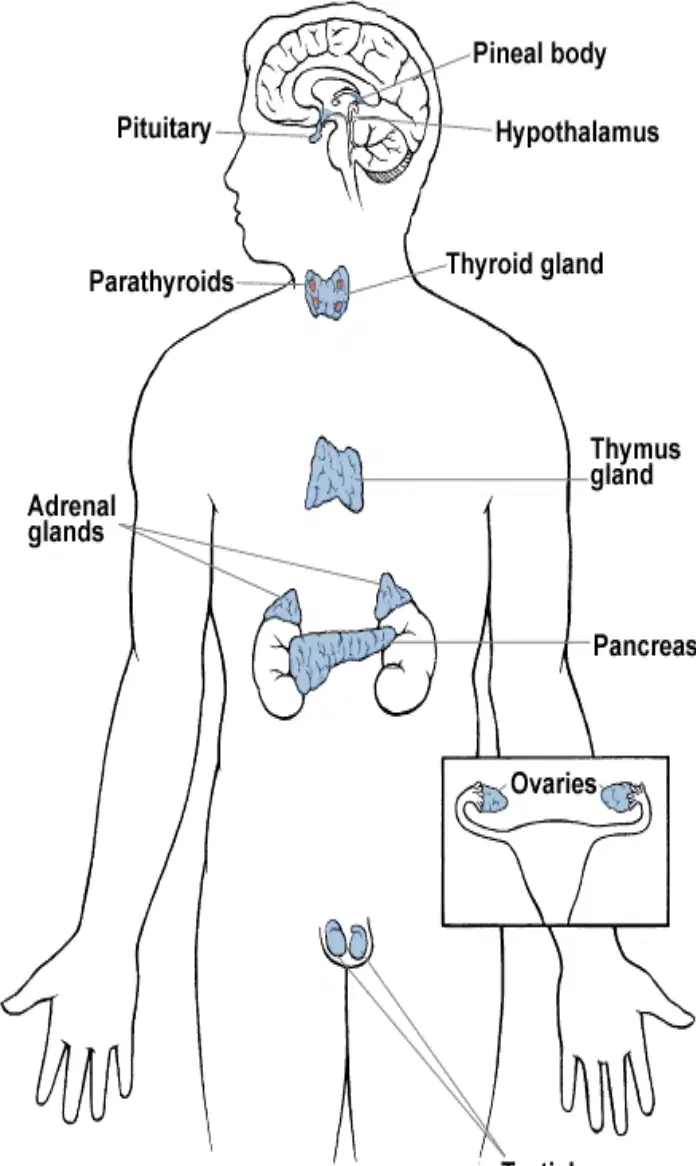
Which gland is involved in immune system development and is located in the chest?
Thymus gland
Pituitary gland
Thyroid gland
Adrenal gland
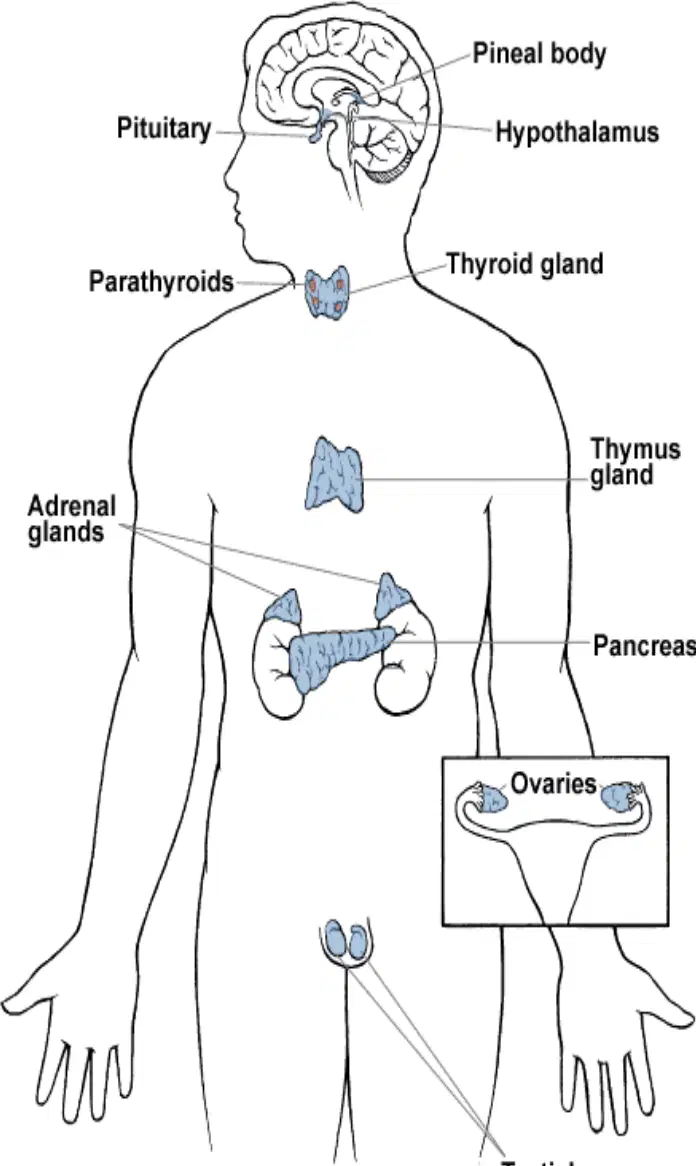
Which gland is responsible for regulating calcium levels in the blood?
Parathyroids
Thyroid
Adrenal
Pituitary
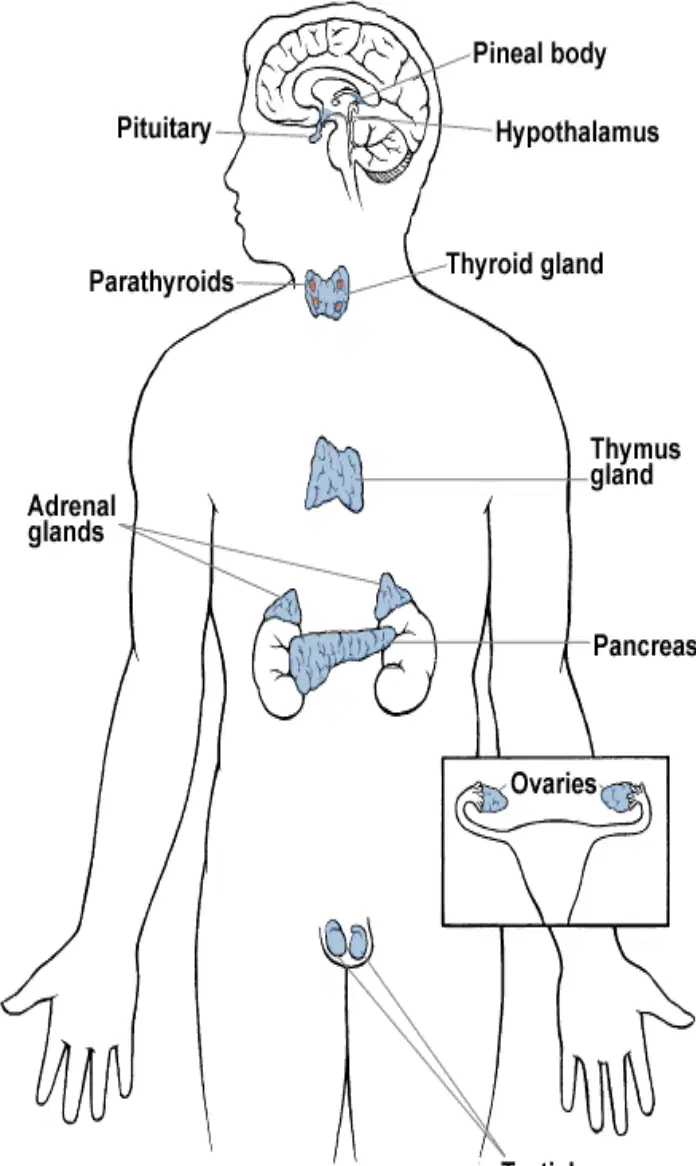
Which gland is located in the lower abdomen of females and produces eggs and hormones?
Ovaries
Thyroid
Pancreas
Adrenal
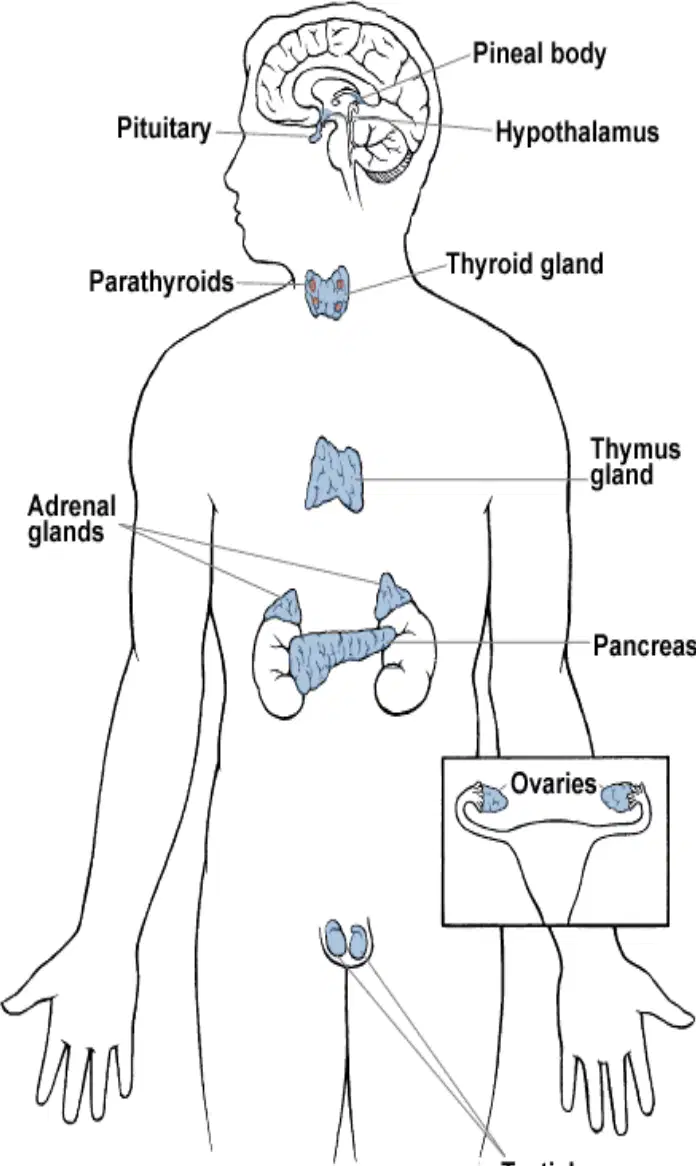
Which gland is located in the lower abdomen of males and produces sperm and hormones?
Testicles
Prostate gland
Adrenal gland
Pancreas
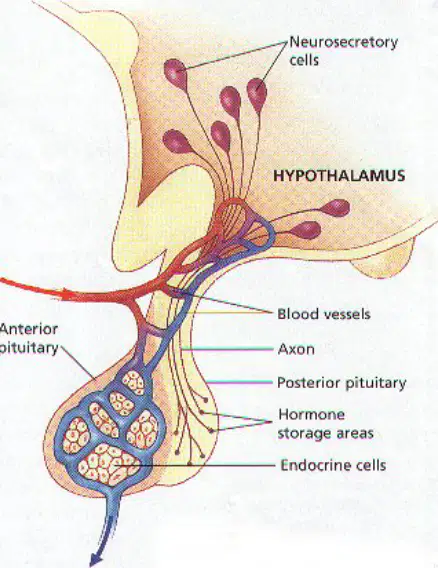
What is the main function of the hypothalamus?
To synchronize the information from the brain and the secretions of hormones.
To control voluntary muscle movements.
To produce red blood cells.
To store memories.
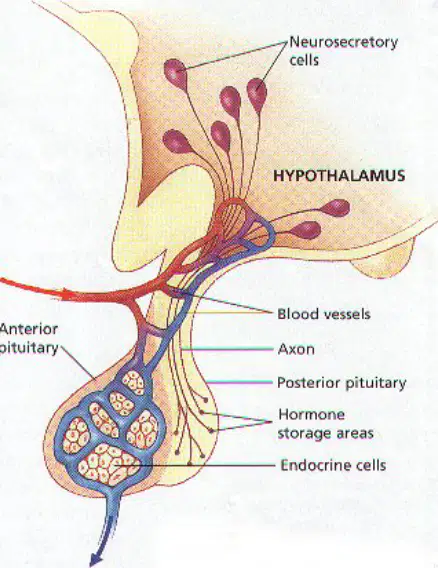
Which specialized neurons synthesize and secrete hormones in the hypothalamus?
Neurosecretory cells
Glial cells
Motor neurons
Sensory neurons
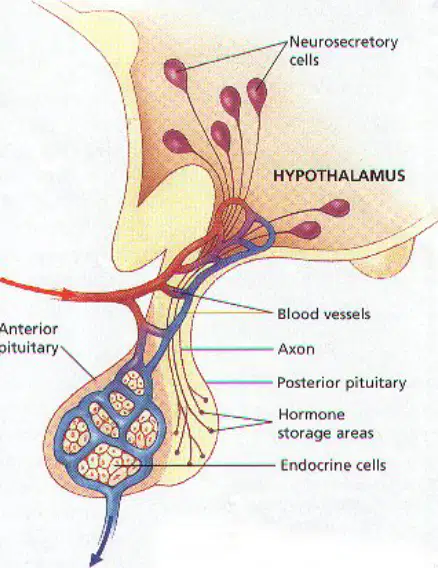
The hypothalamus controls the secretions of the pituitary gland through which two types of stimulation?
Nervous stimulation (posterior pituitary) and releasing hormones (anterior pituitary)
Chemical stimulation (posterior pituitary) and electrical impulses (anterior pituitary)
Direct blood flow regulation and enzyme activation
Thermal stimulation and mechanical pressure
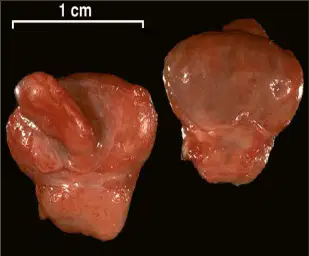
The pituitary gland is often called the 'master gland'.
True
False
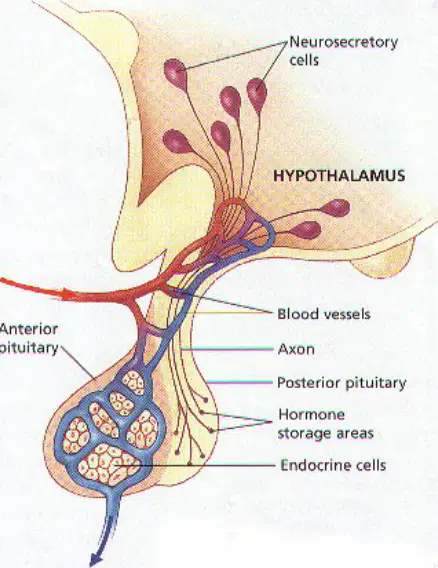
Which part of the pituitary gland is directly controlled by nervous stimulation from the hypothalamus?
Posterior pituitary
Anterior pituitary
Pars intermedia
Infundibulum
What does 'RH' stand for in the context of hypothalamic hormones?
Pituitary releasing hormones
Renal hormone
Respiratory hormone
Reproductive hormone
What does 'RIH' stand for in the context of hypothalamic hormones?
Pituitary release inhibiting hormones
Renal inhibitory hormone
Reproductive inducing hormone
Respiratory inhibiting hormone
Which hormone stimulates the production of milk in nursing mothers?
Prolactin
Insulin
Adrenaline
Thyroxine
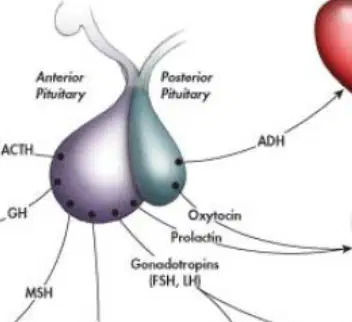
Which hormone is secreted by the posterior pituitary and stimulates contractions of the uterus during childbirth and allows the milk to be released from the breast tissue?
Melatonin
Oxytocin
Thyroxine
ADH
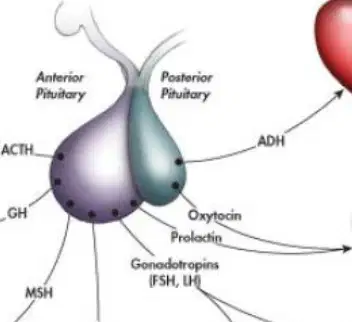
What is the function of Antidiuretic hormone (ADH) secreted by the posterior pituitary?
Stimulates contractions of the uterus
Stimulates the kidneys to reabsorb more water
Regulates metabolic rates
Regulates internal clocks
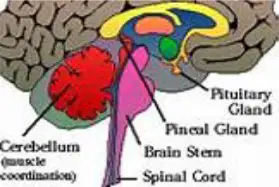
Fill in the blank: The pineal gland secretes ________, which regulates our internal clocks and any rhythmic activities.
melatonin
insulin
adrenaline
thyroxine
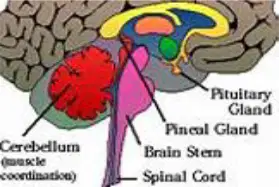
Where is the pineal gland located?
In the brain
In the heart
In the liver
In the kidney
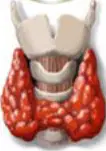
The thyroid gland wraps around the trachea at the base of the neck.
True
False
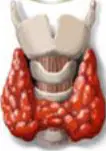
What hormone does the thyroid gland secrete?
Oxytocin
Melatonin
Thyroxine
ADH
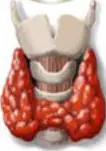
Fill in the blank: The thyroid gland needs ________ to create thyroxine, that is why salt is iodized now.
iodine
calcium
potassium
magnesium
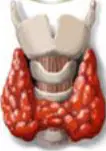
The role of thyroxine in the body is to:
regulate metabolism
control blood sugar levels
produce antibodies
aid in digestion
Which hormone is secreted by the parathyroid glands and regulates the amount of calcium in the blood and its absorption by bones?
Parathyroid hormone
Thyroxine
Insulin
Adrenaline
Where is the thymus gland located?
Below the thyroid between the right and left lung
Above the heart near the collarbone
In the lower abdomen near the intestines
Behind the stomach next to the pancreas
What hormone does the thymus secrete that stimulates T-cell production in children?
Thymosin
Insulin
Melatonin
Cortisol
Which hormone is secreted by the adrenal medulla and is responsible for the fight or flight response?
Epinephrine (adrenaline) and norepinephrine
Insulin
Thyroxine
Cortisol
What hormone is secreted by the adrenal cortex to regulate reabsorption of nutrients from the kidney?
Aldosterone
Insulin
Thyroxine
Adrenaline
Which hormone secreted by the adrenal gland controls the rate of metabolism of carbohydrates, fats, and proteins?
Cortisol
Adrenaline
Insulin
Thyroxine
Which hormone is secreted by the pancreas to tell the liver and muscles to remove sugar from the blood and store it as fat?
Insulin
Glucagon
Adrenaline
Thyroxine
What hormone does the pancreas secrete to tell the liver to break down fat stores and release sugar back into the blood?
Glucagon
Insulin
Adrenaline
Thyroxine
Which hormones are secreted by the ovaries to regulate the female menstrual cycle?
Estrogen and progesterone
Testosterone and insulin
Adrenaline and thyroxine
Cortisol and melatonin
What is the function of the hormone secreted by the endometrium in the uterus when a fertilized egg binds to it?
To stop the menstrual cycle from progressing to menstruation
To stimulate ovulation
To increase blood pressure
To promote bone growth
What hormone do the testicles secrete that controls the development of male characteristics such as deep voice, facial hair, chest and armpit hair?
Testosterone
Estrogen
Insulin
Adrenaline
What is the term for the secretion of too much hormone in the endocrine system?
Hyper
Hypo
Iso
Normo
What is the term for the secretion of insufficient hormone in the endocrine system?
Hypo
Hyper
Iso
Normo
Pituitary dwarfism is caused by which of the following?
Hypersecretion of GH
Hyposecretion of GH
Hypersecretion of ADH
Hyposecretion of ADH
Which disorder is caused by hypersecretion of GH during childhood?
Pituitary dwarfism
Giantism
Acromegaly
Diabetes insipidus
Diabetes insipidus is caused by hyposecretion of which hormone?
ADH (antidiuretic hormone)
Insulin
Thyroxine
Growth hormone
Cretinism is caused by hyposecretion of thyroid hormones during which stage of life?
Fetal life or infancy
Adulthood
Old age
Puberty
Which disorder is an autoimmune disease and the most common form of hyperthyroidism?
Grave's Disease
Hashimoto's Thyroiditis
Addison's Disease
Cushing's Syndrome
Goiter is the enlargement of which gland?
Thyroid gland
Pituitary gland
Adrenal gland
Pineal gland
Hypoparathyroidism results in which condition?
Muscle tetany
Hyperglycemia
Goiter
Cushing's syndrome
Hyperparathyroidism produces which bone disorder?
Osteitis fibrosa cystica
Osteomalacia
Paget's disease
Osteopetrosis
Cushing's Syndrome is caused by hypersecretion of which hormone?
Cortisol
Insulin
Thyroxine
Adrenaline
Addison's Disease is caused by hyposecretion of which hormones?
Glucocorticoids and aldosterone
Insulin and glucagon
Thyroxine and calcitonin
Adrenaline and noradrenaline
Type I or insulin-dependent diabetes mellitus is caused by which of the following?
Down-regulation of insulin receptors
Absolute deficiency of insulin
Excess insulin
Excess cortisol
Type II or insulin-independent diabetes is caused by which of the following?
Absolute deficiency of insulin
Down-regulation of insulin receptors
Excess insulin
Excess cortisol
Hyperinsulinism results in which condition?
Hypoglycemia (low blood sugar) and possibly insulin shock
Hyperglycemia (high blood sugar) and diabetic coma
Hypertension (high blood pressure)
Hyperthyroidism (overactive thyroid)
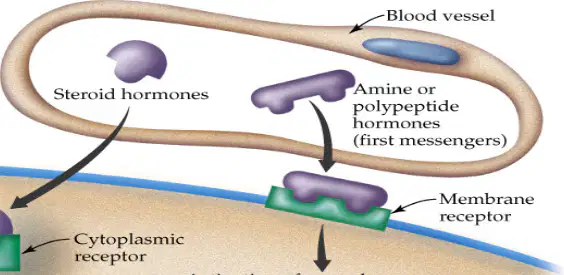
Which type of hormones are non-steroid, water soluble, and cannot fit through the membrane of the target cell?
Peptides and Amines
Steroid hormones
Fat-soluble hormones
All of the above
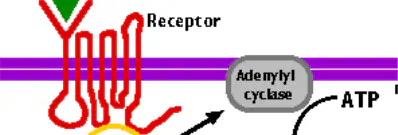
Protein hormones (first messengers) bind to receptors on the target cell, triggering the activation of which type of messenger to affect the cell's activity?
First messenger
Second messenger
Third messenger
None of the above
Fill in the blank: The most common chemical signals (second messengers) generated by hormone-receptor complexes are ______ and IP3.
cAMP
ATP
GTP
NADH
Steroid hormones bind to receptors on the plasma membrane of the target cell.
True
False
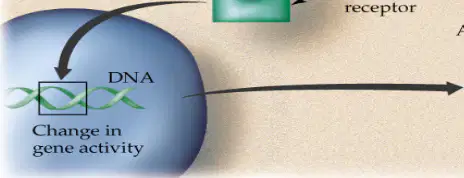
Steroid hormones are fat-soluble and influence cell activity by binding to receptors within the target cell. What is the next step after the hormone binds to the receptor?
Activation of G protein
Complex binds to steroid response element on DNA
Release of calcium ions
Activation of adenylyl cyclase
Fill in the blank: Hormone-receptor complex acts as a transcription factor to turn target genes '____' or '____'.
on, off
up, down
open, close
start, stop
Which of the following hormone classes consists of short chains of amino acids and is found in organs such as the pituitary, parathyroid, heart, stomach, liver, and kidneys?
Peptides
Amines
Steroids
Eicosanoids
Which hormone class is derived from tyrosine and secreted by the thyroid and adrenal cortex?
Peptides
Amines
Steroids
Eicosanoids
Fill in the blank: Steroid hormones are lipids derived from ________ and are secreted by the gonads, adrenal cortex, and placenta.
cholesterol
glucose
amino acids
fatty acids
Which hormone class is produced from 20-carbon fatty acid, arachadonic acid, and is produced in all cells except RBCs?
Peptides
Amines
Steroids
Eicosanoids
Which of the following is NOT a property of Peptide/Protein hormones?
A) Hydrophilic
B) Large
C) Can fit through membrane
D) Second messenger mechanism of action
Fill in the blank: The most common hormone type is ________.
Peptide/Protein
Steroid
Amino acid derivative
Lipid
Which hormone class is synthesized from a single amino acid and includes melatonin from tryptophan and catecholamines from tyrosine?
Peptide/Protein
Amine
Steroid
Eicosanoid
Which hormone class travels in blood with a carrier and binds to cytoplasmic or nuclear receptors?
Peptide/Protein
Amine
Steroid
Eicosanoid
Fill in the blank: An example of a steroid hormone is ________.
estradiol
insulin
thyroxine
glucagon
Eicosanoids mediate inflammation and act as second messengers.
True
False

