
 Worksheets
PMA 2 review
Total questions: 110
Worksheet time: 1hrs 13mins
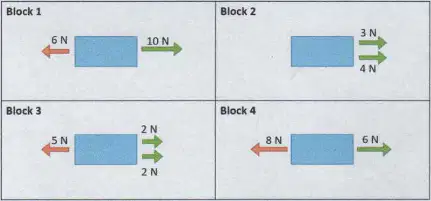
Which block above will have the greatest net force?
A. Block 1
B. Block 2
C. Block 3
D. Block 4
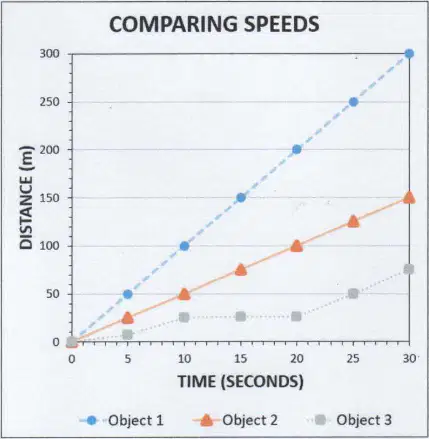
What conclusion can be drawn from the graph?
Object 2 is moving for a longer period of time.
Objects 1 and 2 are moving at the same constant speed.
Object 1 is moving at a faster constant speed than Object 2.
Object 3 is moving for a shorter period of time, but at the fastest constant.
If an object is moving to the right, what will happen if a greater force is applied in the opposite direction?
The object will speed up and continue in the same direction.
The object will slow down and continue in the same direction.
The object will speed up and then move in the opposite direction.
The object will slow down and then move in the opposite direction.
Logan is pushing a cart with 75 N of force. If Gabriella wants to help Logan demonstrate balanced forces, what should she do?
Pull with a force of 75 N in the same direction as Logan's force.
Pull with a force of 150 N in the same direction as Logan's force.
Push with a force of 75 N in the opposite direction of Logan's force.
Push with a force of 150 N in the opposite direction of Logan's force.
Which of the following statements correctly describes the forces acting on an object in motion?
To cause a change in speed, a balanced force must be applied to an object.
To cause a change in direction, a balanced force must be applied to an object.
To cause a change in speed or direction, a balanced force must be applied to an object.
To cause a change in speed or direction, an unbalanced force must be applied to an object.
Which statement below is an example of an unbalanced force acting on an object?
A. A ball is hit by a bat.
B. An apple is sitting on the table.
C. A car driving at a constant speed.
D. A person is leaning against a wall.
During an eruption, volcanoes release ash and gases. As this occurs, which two spheres are interacting?
atmosphere and biosphere
geosphere and hydrosphere
geosphere and atmosphere
hydrosphere and biosphere
Matthew wanted to study the interactions of the Earth's spheres. He decided to make a model of the Earth to observe. He built a terrarium containing rocks, soil, plants, and air. He added some water to wet the soil and sealed it shut. Which of the following describes an interaction between the geosphere, the hydrosphere, and the biosphere in his model?
A. The soil will hold the water that the plants will absorb.
B. The rocks and soil provide a solid foundation for the plants to grow on.
C. Condensation forms on the inside of the terrarium glass due to the temperature difference.
D. The air inside the terrarium gets warmer as sunlight enters, causing the water to evaporate.
A forest fire was caused by a lightning strike in Split Oak Forest. Which of the following statements is a possible interaction of two spheres after the forest fire was put out?
The birds in the forest will have more nesting sites in trees.
The river will provide more water for the local plant and animal life.
The air will contain more water vapor increasing the amount of rainfall.
The loss of plant life causes the land to become more exposed to erosion.
The cryosphere plays a vital role in regulating Earth's climate. Which of the following best describes an interaction between the cryosphere and the atmosphere?
Icebergs provide habitats for polar bears.
Frozen ground prevents new plant growth.
Sea levels increase due to melting glaciers.
Sunlight reflects off the snow back into space.
Which of the following is an example of an interaction between the hydrosphere and the cryosphere?
Glaciers melt and add water to a river.
Hail melts and is absorbed into the soil.
Wind causes waves to form in the ocean.
Evaporation of water from the ocean's surface.
The water cycle is a continuous process involving multiple Earth spheres. Which of the following best represents an interaction between the hydrosphere and the atmosphere during the water cycle?
Rivers carry sediment downstream.
Groundwater seeping into the ocean.
Plants absorb water through their roots.
Water evaporates from the ocean's surface.
Which statement below explains the cause of wind?
movement of air in the atmosphere due to radiation
movement of air in the atmosphere due to conduction
even heating of Earth's atmosphere over land and water
uneven heating of Earth's atmosphere over land and water
On a sunny day, both the sidewalk and the community pool are hot, measuring 30°C (86°F). By midnight, the sidewalk temperature had dropped to 25°C (77°F), but the pool temperature had only dropped to 29°C (84°F). Which statement best explains why at midnight the pool temperature and sidewalk temperature were different?
The sidewalk releases heat more quickly than the pool.
The pool absorbs heat more quickly than the sidewalk.
Radiation transfers more heat to the sidewalk than the pool.
Convection transfers heat away from the pool but not the sidewalk.
In order to gather warmth, alligators can often be found lying on the grass during the daylight hours. How is the heat transferred to the alligator?
The warm air transfers heat to the alligator through convection.
Heat from the Sun is transferred to the alligator through radiation.
Heat from the grass is transferred to the alligator through radiation.
Heat from the grass is transferred to the alligator through conduction.
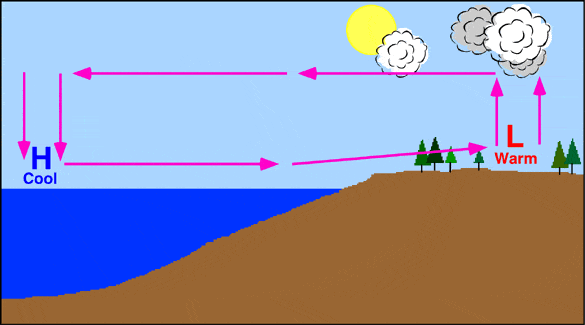
A sea breeze forms during the day and a land breeze forms at night. Which statement explains why wind direction changes from day to night?
The land quickly heats up during the day and stays warm at night.
The water quickly heats up during the day and stays warm at night.
The land quickly heats up during the day and the water stays warmer at night.
The water quickly heats up during the day and the land stays warmer at night.
How is heat being transferred?
convection from the pot to the water and radiation through the water
conduction from the pot to the water and convection through the water
convection from the stove to the pot and radiation from the water to the air
radiation from the stove to the pot and conduction from the water to the air
During a typical summer afternoon, Orlando experiences significantly higher temperatures than Daytona Beach. Which statement best explains why this occurs?
The cool breeze from the ocean cools down the temperature in Orlando.
The warm breeze from the ocean cools down the temperature in Orlando.
The cool breeze from the ocean cools down the temperature in Daytona Beach.
The warm breeze from the ocean cools down the temperature in Daytona Beach.
A dog is walking on the sidewalk on a sunny day. Which statement describes the heat transfer occurring?
The sun heats up the sidewalk through conduction, the dog's paws will feel the heat through radiation.
The sun heats up the sidewalk through radiation, the dog's paws will feel the heat through conduction.
The sun heats up the sidewalk through radiation, the dog's paws will feel the heat through convection.
The sun heats up the sidewalk through convection, the dog's paws will feel the heat through conduction.
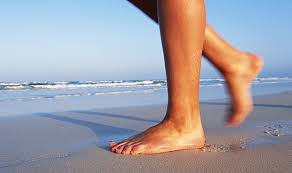
On his visit to the beach, Marcus was walking across the sand. The sand was so hot, he began to run. Which statement best describes how heat was transferred from the sand to his feet?
by radiation
by conduction
by convection
by evaporation
Convection is one way that heat is transferred through Earth's systems. Which statement below correctly describes an example of this happening?
A. A lizard warming itself on a hot rock in the Sun.
B. A hiker feeling the warmth of a campfire on their face.
C. A heater warms the room by blowing hot air out of the vent into the surrounding air.
D. The handle of a metal spoon becoming hot after being left in a cup of steaming coffee.
After a hurricane hits a coastal area, flooding damages homes, trees are uprooted and water becomes polluted with debris. Which of the following describes an interaction between Earth's spheres?
Trees uprooted by the storm is the atmosphere and biosphere.
Water becoming polluted is the biosphere and the hydrosphere.
Flooding damaging homes is the hydrosphere and atmosphere.
Winds eroding soil and sand is the geosphere and hydrosphere.
During a long drought, lakes and rivers dry up, affecting the hydrosphere. Animals are forced to migrate in search of water. What other sphere is interacting in this situation?
Geosphere
Biosphere
Atmosphere
Cryosphere
Which of the following statements describes the differences between weather and climate?
Scientists collect weather data for at least 30 years to understand climate trends.
Scientists track the weather over a long period of time and the climate over a short period of time.
Scientists use data from 30 years ago to understand the weather and use recent data to understand the climate.
Scientists observe the weather slowly changing over a period of years and the climate quickly changing within a few minutes or hours.
George was texting his friend Sally about the temperature where he lived. George stated, "Every July, the temperature here is warm." What was he describing in his text?
A. Climate because it is weather over a long period of time.
B. Climate because it is the temperature at a exact time and place.
C. Weather because it is determined by the temperature and precipitation over time.
D. Weather because it is the condition of Earth's atmosphere at a particular time and place.
Elijah has been asked to create a table that accurately compares weather to climate. Which of the following options should he submit for a grade?
Weather: Changes often, Can be measured, Provides a pattern in a specific location Climate: Changes rapidly, Can be tracked, Specific location and time
Weather: Changes often, Can be tracked & measured, Specific location and time Climate: Changes slowly, Can be tracked & measured, Provides a pattern in a general area
Weather: Changes often, Can be tracked & measured, Specific location and time Climate: Never changes, Can't be tracked & measured, Specific location and time
Weather: Changes quickly, Can be tracked & measured, Specific location and time Climate: Never changes, Can't be tracked & measured, Specific to location but not time
The average temperature in a city during the month of March was 19°C (66°F). The next month, April, the average temperature was 22°C (71°F). Which of the following does this change in temperature, from March to April represent?
increased humidity
change in the climate
change in the weather
decreased precipitation
For his class project on weather and climate, Jeremy presented information about the rainforest at Olympic National Park in Washington. Which of his statements below is an example of climate?
There is a 0% chance of rain for the entire first week of June.
The park receives an average of 144 inches of rain each year.
The average temperature each day during the first week of June was 20°C (68°F)
In winter last year, there were only two days when the temperature dropped below -18°C (0°F)
Read the two statements below: • It rained every afternoon in the city for a week. • The same city usually has dry hot summers. Which statement describes weather, and which is climate?
Both are climate because it depends on daily temperature changes.
Both are weather because it depends on a repeating pattern of events.
Daily rain in the afternoon is the weather, while dry hot summers describe the climate.
Dry hot summers are the weather while daily rain in the afternoon describes the climate.
Which example below describes weather?
The average snowfall over 50 years.
A tornado touched down today in Sanford.
A pattern of hot summers for over a century.
The average rainfall in a region over the past 20 years.
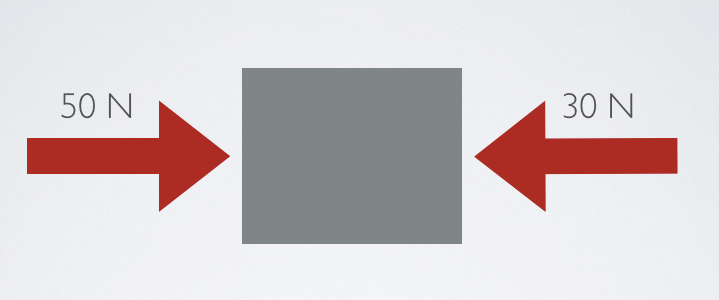


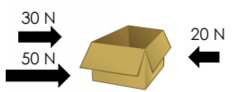
Calculate the Net Force.
60N, Left
40N, Right
0N
60N, Right


These forces are...
Balanced
Unbalanced

These forces are...
Balanced
Unbalanced

These forces are...
Balanced
Unbalanced

The net force is...
50 N
0 N
100 N
2500 N

The net force is...
-20 N
0 N
80 N
20 N


What is true about this image?
It shows unbalance forces.
It shows balanced forces.
The people on the right are winning.
The people on the left are winning.

What is true about this picture?
the forces are balanced
the net force is 10N
The net force is 3 N
The net force is 7N

Describe the motion between 20 and 30 seconds.
Accelerating
Stopped
Constant speed
Coming back to start


What was the bird's average speed to the nearest hundredth? (Remember to go to the end of the line)
(a)
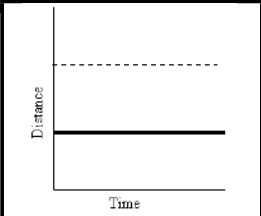


Acceleration of an object happens when things ________
speed up
slow down
change direction (turn)

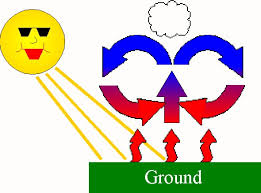

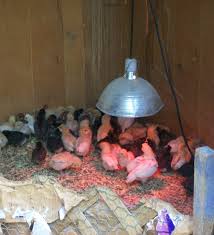
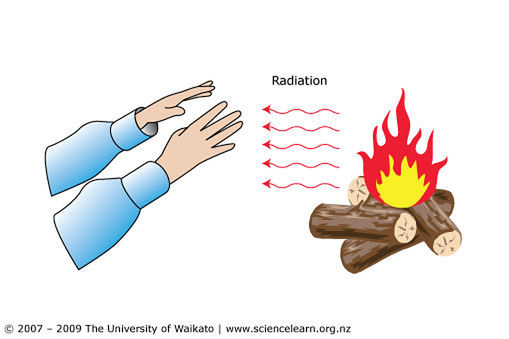


Heat is the transfer
of thermal energy from a cooler object to a warmer object
of thermal object from a warmer object to a cooler object.
Heat doesn't transfer
Freezing to Cold

Which type of scientist most likely uses maps with types of rocks?
chemist
biologist
geologist
physicist
It is an attempt to explain a pattern observed repeatedly in the natural world.
Scientific Law
Scientific Theory
Hypothesis
Critical Thinking
It is a rule that describes a pattern in nature.
Scientific Law
Scientific Theory
Prediction
Hypothesis
What does it mean to make an inference?
make observation
draw a conclusion
replace
test
Which Earth system contains the frozen portion of water on the earth?
biosphere
cryosphere
geosphere
hydrosphere
Which Earth system contains all living things?
geosphere
hydrosphere
cryosphere
biosphere
What is the middle layer of the geosphere?
inner core
outer core
mantle
crust
Which of the following belongs to the biosphere
oxygen
minerals
bacteria
glaciers
Which of the following is a function of the cryosphere?
energy production
temperature regulation by reflecting heat
reservoir for salt water
Food source
Which Earth system makes up Earth's minerals, rocks, and soil?
Biosphere
Geosphere
Cyrosphere
Atmosphere
Which is an example of an interaction between the Hydrosphere and Atmosphere?
water vapor in the atmosphere returns to the hydrosphere via precipitation
water in the ground is used by plants
ocean waves carve out a cave into a rocky cliff
humans pollute the air
Which of the following true of the hydrosphere
the hydrosphere and biosphere do not interact
the water in the hydrosphere is mostly salt water
water vapor is not part of the hydrosphere
the hydrosphere and cryosphere are different names for the same system
Water that is stored in cracks and pores beneath Earth's surface
glaciers
magma
groundwater
lakes
Which of the following rocks form when layers of sediment weigh down underlying layers?
metamorphic rock
igneous rock
sedimentary rock
minerals
The continuous movement of water on, above, and below earth's surface
carbon cycle
phosphorous cycle
water cycle
rock cycle
True/False: Cycles of matter show the interactions among earth systems.
True
False
Which of the following is true?
when water changes from gas to liquid it gains energy
evaporation is when water changes from gas to liquid
when water changes from gas to liquid it loses energy
melting is when water changes from gas to liquid
As water changes state, which is its main source of energy?
cellular respiration
food energy
wind
the sun
Which is NOT a process where water vapor is released into the atmosphere?
evaporation
precipitation
transpiration
respiration
Which is NOT a weathering agent?
organisms
water
wind
rocks
Which of the following is one way water in the atmosphere returns to the earth's surface?
precipitation
transpiration
evaporation
respiration
Which is one way carbon moves through Earth systems?
carbon enters the atmosphere as CO2 during volcanic eruptions
plants absorb carbon through the soil
plants release CO2 during photosynthesis
CO2 evaporates from ocean water
Which two systems are interacting when CO2 dissolves in water?
atmosphere and geosphere
geosphere and biosphere
biosphere and atmosphere
atmosphere and hydrosphere
When atmospheric water condenses, what does it form?
snow
water vapor
water droplets that collect as a cloud
waterfalls

