
 Worksheets
Unit 1 Biology (Molecular Basics)
Total questions: 146
Worksheet time: 2hrs 11mins
Animals belong to which Domain and Kingdom?
Domain: Bacteria
Kingdom: Animalia
Domain: Archaea
Kingdom: Animalia
Domain: Eukarya
Kingdom: Animalia
Florida beach mice live on sparsely vegetated sand dunes along the Florida coast. They have light tan, dappled fur on their backs so they blend into their surroundings, providing ___.
sun protection
camoflage
a cooling effect
homeostasis
independent variable
factor manipulated by researchers
factor being affected by the independent variable
shows what a positive result should look like
an educated guess that is testible
dependent variable
factor manipulated by researchers
factor being affected by the independent variable
shows what a positive result should look like
an educated guess that is testible
positive control
factor manipulated by researchers
factor being affected by the independent variable
shows what a positive result should look like
an educated guess that is testible
Which of the following statements is true?
Organisms interact but do not affect their environment
A typical human liver cell has one set of chromosomes
RNA is the only type of genetic material found in the living system
All forms of life employ the same genetic code (DNA)
How does a scientific theory differ from a scientific hypothesis?
Theories are usually supported by substantial evidence; hypotheses typically are an educated guess to a question.
Hypotheses are usually an explanation for a more general phenomenon; theories typically address more specific issues.
Confirmed theories become scientific laws; hypotheses become theories.
Theories are proposed to test scientific hypotheses.
Which best describes a controlled experiment?
includes one group for which the scientist controls all variables
includes at least two groups, one of which does not receive the experimental treatment
is repeated many times to ensure that the results are accurate
includes at least two groups, one differing from the other by two or more variables
The temperature at which an alligator's egg is incubated will determine the sex of the offspring. The dependent and the independent variables in this experiment are
Dependent Variable: sex of the baby alligator
Independent Variable: temperature
Dependent Variable: number of offspring
Independent Variable: temperature in the incubator
Dependent Variable: temperature
Independent Variable: sex of the baby alligator
Dependent Variable: size of the incubator
Independent Variable: size of the baby alligator
A scientist, who wants to study the effects of nitrogen on wheat plants, sets up an experiment with 4 groups of wheat plants: group A gets 20 pounds per acre, group B gets 40 pounds per acre, group C gets 60 pounds per acre, and group D gets 0 pounds per acre. Which of the following is the control group?
group A
group B
group C
group D
Which of the following best demonstrates the unity among all organisms?
descent with modification
natural selection
emergent properties
the structure and function of DNA
What is the system called that is used to write scientific names?
Polytomial nomenclature
Binomial nomenclature
Monomial nomenclature
Trinomial nomenclature
What is your correct binomial nomenclature classification?
Animalia Chordata
Homo sapien
Homo sapiens
Chordata Mammalia
Biology is best described as:
the exploration of outer space
the scientific study of life and living organisms
the analysis of historical events
the study of chemical reactions
An organism was isolated from the extreme environment of a hot thermal vent at the bottom of the ocean; therefore, it was appropriately typed as an extremophile. Which domain does this organism belong to?
eukarya
archaea
bacteria
extremophile
What are the two domains of prokaryotes?
bacteria and monera
archaea and eukarya
bacteria and archaea
eukarya and bacteria
You vacation in Tahiti. It's 41°C outside where you are sunbathing, but your internal temperature is a comfortable and constant 37°C. What is your body doing?
evolving
performing homeostasis
naturally selecting
binomializing
A nitrogen atom has 7 protons, and the most common isotope of nitrogen has 7 neutrons. A radioactive isotope of nitrogen, nitrogen-15, has a greater mass number than nitrogen-14 because the atomic nucleus of nitrogen-15 contains
8 protons
15 protons
7 neutrons
8 neutrons
Why does the structure H-C=C fail to make sense chemically?
Carbon has 4 bonding electrons and will form 4 bonds, the formula provided shows each carbon only making 3 bonds
Carbon has 6 bonding electrons and will form 6 bonds, the formula provided shows each carbon only making 4 bonds
Carbon has 2 bonding electrons and will form 4 bonds, the formula provided shows each carbon only making 3 bonds
Carbon has 4 bonding electrons and will form 4 bonds, the formula provided shows each carbon making 8 bonds
When is a covalent bond considered to be polar?
when the two atoms sharing electrons are of the same elements
when the two atoms sharing electrons are equally electronegative
when carbon is one of the two atoms sharing electrons
one of the atoms sharing electrons is more electronegative than the other atom
When the atoms involved in a covalent bond have the same electronegativity, what type of bond results?
ionic bond
polar covalent bond
nonpolar covalent bond
hydrogen bond

Which of the following best describes the relationship between the atoms shown?
They are isotopes
they contain 1, 2 and 3 protons, respectively.
they each contain 1 neutron
they are isomers
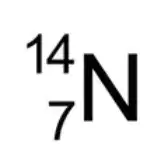
Which of the following best shows the electron configuration of Nitrogen-14


Which of the following atoms would be considered chemically unreactive?
What are the four elements that build life?
carbon
hydrogen
nitrogen
oxygen
hydrogen
nitrogen
sodium
carbon
oxygen
hydrogen
calcium
nitrogen
nitrogen
carbon
oxygen
phosphorus
hydrogen
Which of the following effects can occur because of the high surface tension of water?
Organisms can resist temperature changes, although they give off heat due to chemical reactions.
Sweat can evaporate from the skin, helping to keep people from overheating.
A raft spider can walk across the surface of a small pond.
Lakes cannot freeze solid in winter, despite low temperatures.
Why does ice float in liquid water?
The crystalline lattice of ice causes it to be denser than liquid water.
The high surface tension of liquid water keeps the ice on top
Stable hydrogen bonds keep water molecules of ice farther apart than water molecules of liquid water.
The ionic bonds between the molecules in ice prevent the ice from sinking.
Which of the following explains hydrophobic substances such as oil?
nonpolar substances that have an attraction for water molecules
polar substances that have an affinity for water
polar substances that repel water molecules
nonpolar substances that repel water molecules
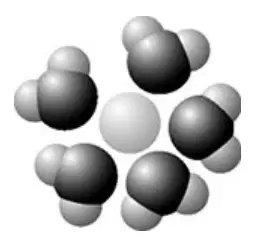
Use your knowledge of the polarity of water molecules and how they dissolve other substances to answer the question. What is the best explanation of the solute molecule (in the center), given the orientation of water molecules around it?
negatively charged
nonpolar
without charge
positively charged
A solution contains 0.0000001 (10-7) moles of hydrogen ions [H+] per liter. Which of the following best describes this solution?
acidic: H+ donor
neutral
basic: H+ acceptor
acidic: H+ acceptor
What is the pH of a solution with a hydroxyl ion (OH-) concentration of 10-10 M?
pH 12
pH 2
pH 4
pH 10
What is the hydroxyl ion (OH-) concentration of a solution of pH 8?
10-6 M
8 × 10⁻⁶ M
8 M
10-8 M
Which of the following statements is true about buffer solutions?
They maintain a constant pH of 7.
They maintain a constant pH when acids are added to them but not when bases are added to them.
They maintain a relatively constant pH when either acids or bases are added to them.
They fluctuate in pH when either acids or bases are added to them.

One of the buffers that contribute to pH stability in human blood is carbonic acid (H2CO3). Carbonic acid is a weak acid that, when placed in an aqueous solution, dissociates into a bicarbonate ion (HCO3-) and a hydrogen ion (H+). What would happen if the pH of blood decreases?
a decrease in the concentration of H2CO3 and an increase in the concentration of HCO3-
the concentration of bicarbonate ions (HCO3-) to increase
the HCO3- to act as a base and remove excess H+ by the formation of H2CO3
the HCO3- to act as an acid and remove excess H+ by the formation of H2CO3
Assume that acid rain has lowered the pH of a particular lake to pH 5.0. What is the hydroxide ion concentration of this lake?
5.0 M hydroxide ion
1 × 10⁻⁹ mol of hydroxide ions per liter of lake water
5.0 × 10⁻⁵ mol of hydroxide ions per liter of lake water
1 × 10⁻⁵ mol of hydroxide ions per liter of lake water
Which of the following can be attributed to water's high specific heat?
Ice floats on water.
A lake heats up more slowly than the air around it.
Sugar dissolves in hot tea faster than in iced tea.
Oil and water do not mix well.
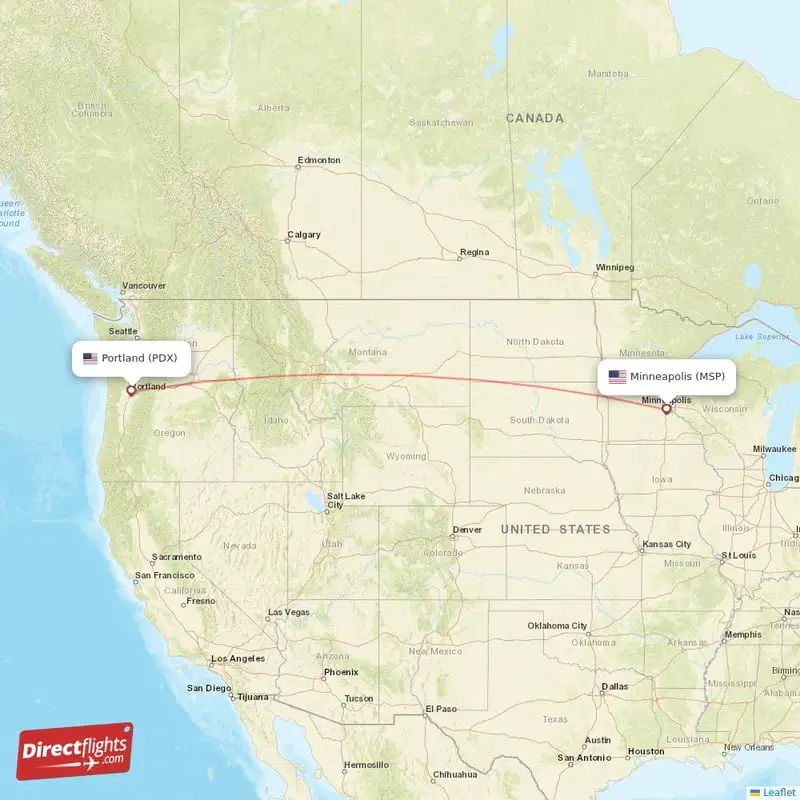
If the cities of Portland, Oregon and Minneapolis, Minnesota are at about the same latitude, why does Minneapolis have much hotter summers and much colder winters than Portland?
They are not at the same exact latitude.
The ocean near Portland moderates the temperature.
Minneapolis is much windier, due to its location in the middle of North America.
Fresh water is more likely to freeze than salt water.
Measurements show that the pH of a particular lake is 4.0. What is the hydrogen ion concentration of the lake?
4.0 M
10-4 M
104 M
10-10 M
Measurements show that the pH of a particular lake is 4.0. What is the hydroxide ion concentration of the lake?
4.0 M
10-4 M
104 M
10-10 M
Why were the biological samples generally good buffers?
Water is a poor buffer
They need to maintain a pH of 8.0 at all times
All living organisms need to maintain homeostasis in terms of pH
The samples came in liquid form
How does the high specific heat of water contribute to the stability of Earth's climate?
It causes rapid temperature fluctuations.
It allows for the storage and release of heat, moderating temperatures.
It prevents the ocean from absorbing heat.
It increases the rate of evaporation.
Humans produce sweat as a cooling mechanism to maintain a stable internal temperature. Which of the following best explains how the properties of water contribute to this physiological process?
The high specific heat capacity of water allows the body to absorb a large amount of excess heat energy
The high heat of vaporization of water allows the body to remove excess heat through a phase change of water from liquid to gas.
The high surface tension of water contributes to the physical process by which water leaves the body.
The high melting temperature of water allows the body to remove excess heat through a phase change of water from solid to liquid.

Blood functions as a transport mechanism to take nutrients and oxygen to all cells in the body. What property of water allows for this to occur?
Expansion Upon Freezing
Universal Solvent
Cohesive Behavior
Ability to Moderate Temperature
Why would a layer of ice be important on a lake during winter?
ice doesn't cause erosion
keeps water cooler and from evaporation
ice prevents the water from freezing underneath.
Why is capillary action in plants impotant?
moves fertilizer to the right place
forms bonds to make the plant grow
moves water from the roots to the leaves
True or False:
High specific heat is responsible for a narrow range of temperatures throughout the year.
True
False
Water has a high specific heat capacity, meaning it requires a significant amount of energy to change its temperature. What is the primary reason for this property?
The small size of water molecules.
The presence of strong covalent bonds within water molecules.
The extensive network of hydrogen bonds between water molecules.
Water's ability to dissolve many substances.
In an ethane (C2H6) molecule, each carbon atom is bonded to how many hydrogen atoms?
3
4
6
2
Which of the following statements correctly describes cis-trans isomers?
They have the same chemical properties.
They have variations in arrangement around a double bond.
They have different molecular formulas.
They have an asymmetric carbon that makes them mirror images.
Research indicates that ibuprofen, a drug used to relieve inflammation and pain, is a mixture of two enantiomers; that is, molecules that
differ in the location of their double bonds
have identical chemical formulas but differ in the branching of their carbon skeletons
differ in the arrangement of atoms around their double bonds
are mirror images of each other
What is the complexity and variety of organic molecules is due to?
the chemical versatility of carbon atoms
the diverse bonding patterns of nitrogen
their interaction with water
the variety of rare elements in organic molecules

How can you best describe the two molecules shown in the figure?
chain length isomers
structural isomers
cis-trans isomers
enantiomers
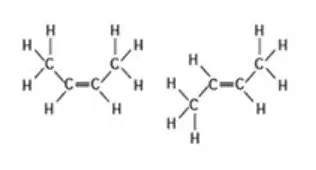
How can you best describe the two molecules shown in the figure?
chain length isomers
structural isomers
cis-trans isomers
enantiomers
Which of the following illustrations is not a structural isomer of an organic compound with the molecular formula C6H14?
For clarity, only the carbon skeletons are shown; hydrogen atoms that would be attached to the carbons have been omitted.

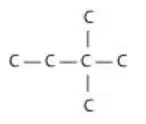
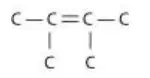
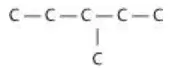
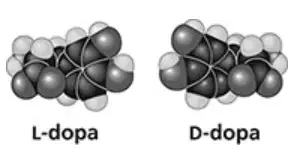
Thalidomide and L-dopa are examples of pharmaceutical drugs that occur as enantiomers. L-dopa is the effective drug used to treat Parkinson's disease. The other enantiomer, D-dopa, is biologically inactive. Which of the following correctly describes enantiomers?
have identical three-dimensional shapes allowing both to be effective in treating Parkinson's disease
are mirror images of one another, causing one to become inactive and not function properly due to incorrectly facing functional groups
are cis-trans isomers, caused by a double bond
are mirror images of one another and have the same biological activity
Amino acids are acids because they always possess which functional group?
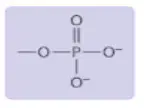
phosphate

carboxyl group
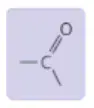
carbonyl
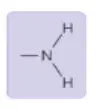
amino
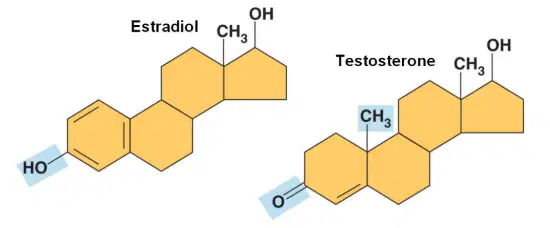
Testosterone and estradiol are male and female sex hormones, respectively, in many vertebrates. In what ways do these molecules differ from each other?
Testosterone and estradiol have different functional groups attached to the same 4-carbon skeleton
Testosterone and estradiol are enantiomers of the same organic molecule
Testosterone and estradiol are cis-trans isomers but have the same molecular formula
Testosterone and estradiol are structural isomers but have the same molecular formula
Which two elements do all organic compounds contain?
Carbon and hydrogen
Carbon and oxygen
Oxygen and hydrogen
Carbon and nitrogen
Organic compounds made only of the elements carbon and hydrogen are called...
Hydrocarbons
Carbohydrogens
Carbohydrates
Hydrocarbonates
Which structure is correctly drawn


Isomers are molecules that have the _________molecular formula (contain the same number of atoms) but ______ structurally (having different arrangement of the atoms in space).
differ, differ
same, differ
same, same
differ, same

glucose and fructose have the same chemical formula but different shapes. This makes them
tricky
isomers
functional groups
the same molecule
Which formulas represent compounds that are isomers of each other?


This figure relate to
Enantiomers
Diastereomers

An example of a Hydrogen Bond is the bond between
the two hydrogen atoms in a molecule of hydrogen gas (H2)
Na+ and Cl- in salt
the H of one water molecule is attracted to the O of another water molecule
C and H bonded in Methane (CH4)
Which compounds contain only Carbon and Hydrogen atoms, making them extremely hydrophobic?
Sucrose
Hydrocarbons
Ethanol
Fatty Acids
The structural level of a protein least affected by a disruption in hydrogen bonding is the
primary
quaternary
tertiary
secondary
Which of the following is not a polymer?
DNA
glucose
RNA
starch
Starch and cellulose
are structural components of the plant cell wall
are cis - trans isomers of each other
are used for energy storage in plants and animals
are polymers of glucose
Humans can digest starch but not cellulose because
Starch is softer than cellulose
humans have enzymes that can hydrolyze the α-glycosidic linkages of starch but not the β-glycosidic linkages of cellulose
starch monomers are joined by covalent bonds, and cellulose monomers are joined by ionic bonds
the monomer of starch is glucose, while the monomer of cellulose is galactose
A glycosidic linkage is analogous to which of the following in proteins?
a disulfide bond
a peptide bond
an amino group
a β pleated sheet
Which of the following statements is true for lipids?
Lipids mix poorly with water.
Lipids are true polymers.
Lipids are true polymers and mix poorly with water.
Waxes and pigments are not lipids.
How many molecules of water are released during the polymerization of a 20 monomer-long cellulose molecule?
19
40
10
20
How do phospholipids interact with water molecules?
The polar heads interact with water; the nonpolar tails do not.
Phospholipids do not interact with water because water is polar and lipids are nonpolar.
The polar heads avoid water; the nonpolar tails attract water (because water is polar and opposites attract).
Phospholipids dissolve in water.
Saturated fats
contain more hydrogens due to only having single bonds than unsaturated fats that consist of the same number of carbon atoms
have multiple double bonds in the carbon chains of their fatty acids
are more common in plants than in animals
are generally liquid at room temperature
What component of amino acid structure varies among different amino acids?
the glycerol molecule that forms the backbone of the amino acid
the components of the R group attached to an alpha carbon
the long carbon-hydrogen tails of the molecule
the presence of a central C atom
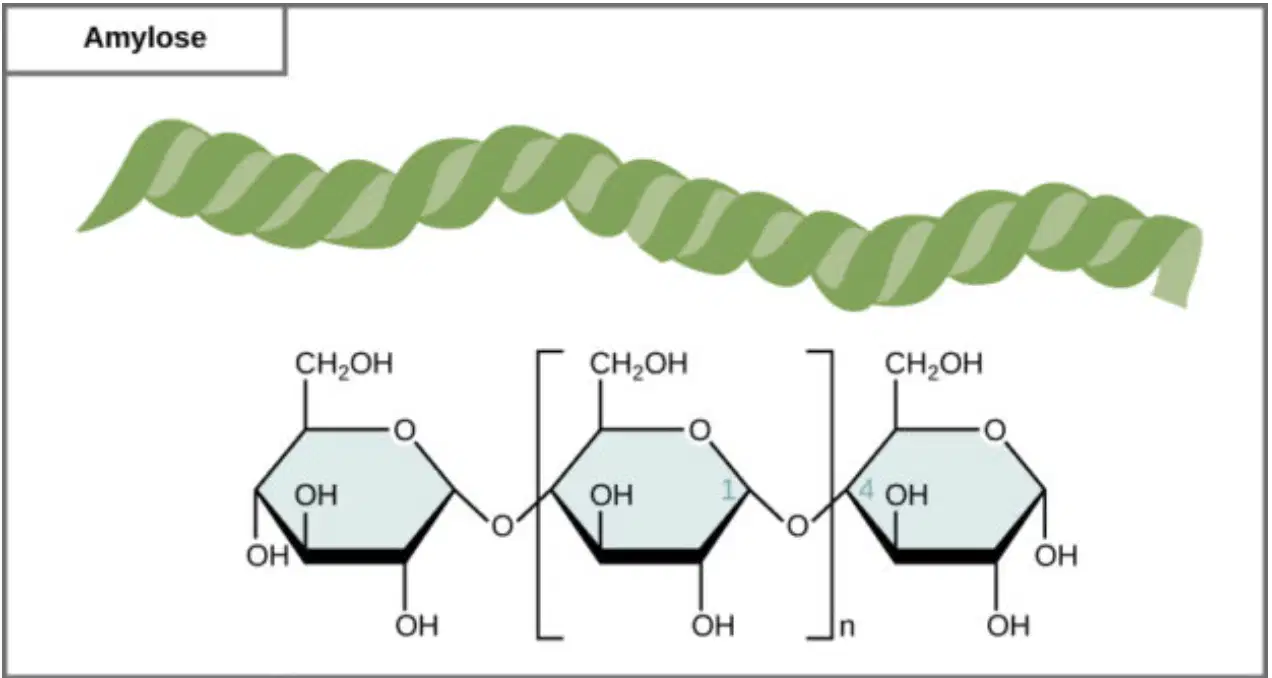
The molecular formula for glucose is C6H12O6. What would be the molecular formula for a molecule made by linking three glucose molecules together by dehydration reactions?
C6H10O5
C18H36O18
C18H32O16
C18H30O15
Which of the following provides the information necessary to stipulate a protein's 3-D shape?
peptide bonds between different amino acids
side chains of various amino acids
number of water molecules in the vicinity
sequence of amino acids in the polypeptide chain
What is the major structural difference between starch and glycogen?
the types of monosaccharide subunits in the molecules
the type of glycosidic linkages in the molecules
the amount and types of branching that occurs in the molecules
whether glucose is in the α or β form
Which of the following categories includes all others in the list?
starch
carbohydrate
polysaccharide
disaccharide
Which of the following is true of unsaturated fats?
They have double bonds in their fatty acid chains.
They generally solidify at room temperature.
They are more common in animals than in plants.
They contain more hydrogen than do saturated fats having the same number of carbon atoms.


If the differently shaded portions of this molecule represent different polypeptide chains, then this figure is representative of:
an amino acid
the primary structure of a protein
the secondary structure of a protein
the quaternary structure of a protein

The diagram shown is of a biomolecule. Biomolecules can be identified by their components and structure. What information provided by the diagram indicates that his biomolecule is a protein?
The shape of the molecule allowing the side chain group on top
The amount of carbon relative to the amount of hydrogen
The presence of amine, carboxyl, and side chain groups
The double-bonded carbon and oxygen in the carboxyl group

the structure pictured on the bottom of the image would be classified as a(n) ___________. it is not yet a protein because it hasn't been twisted/folded into a 3D shape at this point.
polypeptide chain
polysaccharide
nucleotide
starch molecule

which level of protein structure is depicted here? (hint: use the 1/2 sheet diagram cutout in your notes if you get stuck)
primary
secondary
tertiary
quaternary

The diagram shows the general structure of an amino acid. Which type of molecule is formed from amino acids?
lipids
proteins
carbohydrates
nucleic acids
Two amino acids will bond together as the result of _______.
Dehydration synthesis
Hydrolysis
pHolysis
Rehydration synthesis
The tremendous variation and unique properties of proteins are most likely a result of
interactions between R groups of the amino acids
hydrogen bonds lining amino acids
the sequence of amino acids in the primary structure of the protein
peptide bonds lining amino and carboxyl groups
The process by which protein conformation is lost or broken down is
dehydration synthesis
translation
denaturation
hydrolysis
What determines the primary structure of a protein?
DNA
RNA
polypeptide
carbohydrate
Proteins are found to have two different types of secondary structures viz. α-helix and β-pIeated sheet structure, α-helix structure of protein is stabilised by
Peptide bonds
van der Waals forces
Hydrogen bonds
Dipole-dipole interactions
What polysaccharides are animals unable to break and why?
Cellulose due to alpha glyosidic linkages
Cellulose due to beta glyosidic linkages
Starch due to alpha glyosidic linkages
Starch due to beta glyosidic linkages
The building blocks of starches (carbohydrates) are
Simple sugars (glucose)
Fatty acids
Nucleotides
Amino acids
Sucrose is a disaccharide. Sucrose is made when 1 glucose molecule bonds with 1 fructose molecule. Select all the statements that are true.
Glucose is a monosaccharide therefore it is the monomer for carbohydrates
Sucrose is the monomer for carbohydrates because monomer means many molecules together
Glucose is an example of a monosaccharide
Sucrose is a polymer because it is made up of many monomers.
Carbs consists of carbon, hydrogen, and oxygen in a __________ ratio
1:1:1
1:2:1
2:1:2
3:1:3

This illustration provided here shows the components and structure of a biomolecule. What information shown in the diagram provides the best evidence that his biomolecule is a nucleic acid?
The numbers of hydrogen, carbon, and oxygen are in a 1:2:1 ratio
The presence of a phosphate, sugar, and nitrogenous base
The number of hydrogen ions relative to the amount of carbon
The presence of amine, carboxyl, and side chain groups

A sugar, a phosphate group, and a nitrogen base form the building blocks of which organic compound?
carbohydrates
lipids
nucleic acids
proteins
Nucleic acids are compounds made of subunits called
proteins
nucleotides
lipids
carbohydrates

What is the term for the reaction organisms use to assemble monomers into polymers?
dehydration
dissocation
hydrolysis
denaturation
Visualize the structural formula of each of the following hydrocarbons. Which hydrocarbon has a double bond in its carbon skeleton?
C2H2
C3H8
C2H4
C2H6
Glycogen and Starch are polysaccharides used for energy storage. Which one is found in plants?
Glycogen
Starch
Glycogen and Starch are polysaccharides used for energy storage. Which one is found in animals?
Glycogen
Starch
All of the following contain amino acids except:
Cholesterol
Hemoglobin
Enzymes
Antibodies

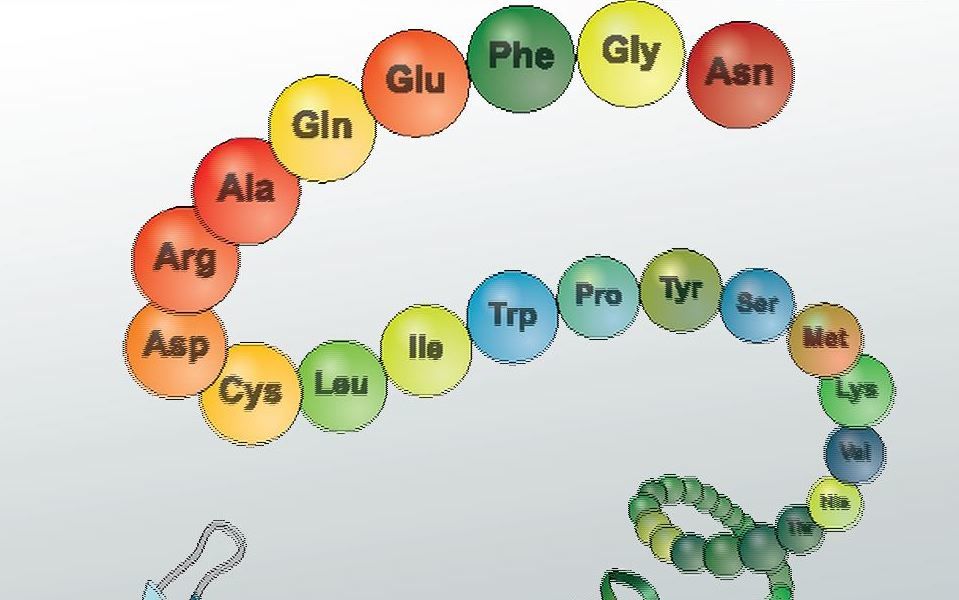
The tertiary structure of a protein is the
order in which amino acids are joined in a polypeptide chain
organization of a polypeptide chain into an alpha-helix or beta-pleated sheet
overall protein structure resulting from the aggregation of two or more polypeptide subunits
unique three-dimensional shape of one fully folded polypeptide
Which of the following comprises about 50% of the dry mass of most cells?
salts and minerals
proteins
fats
carbohydrates
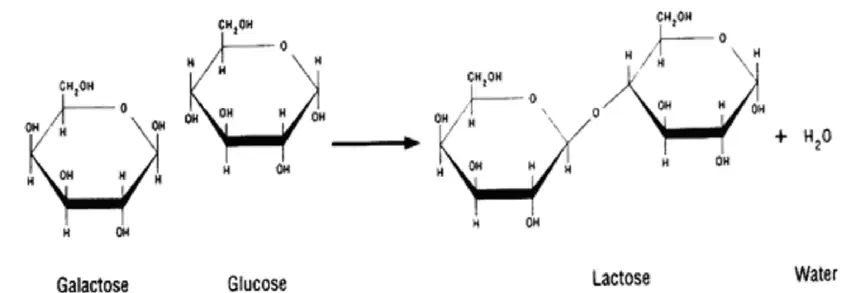
Lactose, a sugar in milk, is composed of one glucose molecule joined to one galactose molecule by a glycosidic linkage. How would Lactose be classified?
a hexose sugar
a polysaccharide
a disaccharide
a monosaccharide
Which of the following is NOT a polymer?
cellulose
protein
glucose
starch
DNA
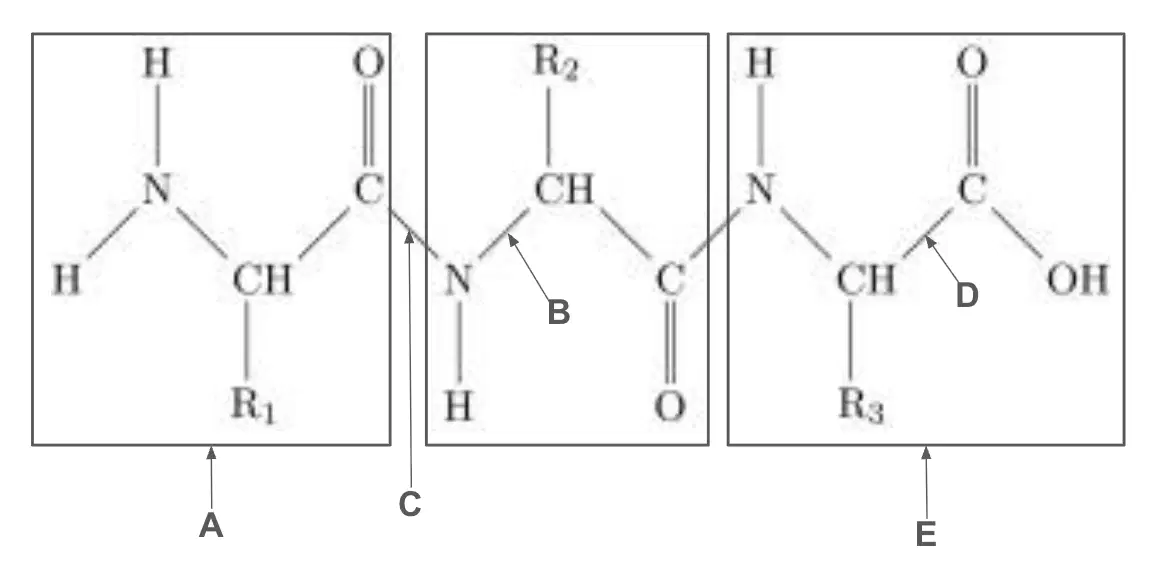
Which bond is the peptide bond?
A
B
C
D
E
Which amino acid is at the amino end (N-terminus) of the molecule?
A
B
C
D
E
Which amino acid is at the carboxyl end (C-terminus) of the molecule?
A
B
C
D
E
Which represents a covalent bond between two carbon atoms?
A
B
C
D
E
Which of the following is the major component of cell membranes?
chitin
steriods
waxes
phospholipids
Which of the following compounds is most likely to mimic the effects of a hormone?
a compound with the same molecular mass as the hormone
a compound with the same 3-dimensional shape as part of the hormone
a compound with the same number of hydrogen and nitrogen atoms as the hormone
a compound with the same number of carbon atoms as the hormone
Biology is best described as the study of
the physical laws of the universe.
the living world.
geological formations.
atomic structure.
Which choice below represents the correct classification scheme of taxonomy?
kingdom → phylum → domain → class → order → family → genus → species
domain → kingdom → phylum → class → order → family → genus → species
domain → kingdom → phylum → class → family → order → species → genus
phylum → domain → kingdom → order → class → genus → family → species
The lowest level of biological organization that can perform all activities required for life is a/an
Organelle—for example, a chloroplast.
Tissue—for example, nervous tissue.
Organism—for example, a fungus, dog, human, or maple tree.
Cell—for example, a skin cell.
What are the two domains of prokaryotic organisms?
Bacteria and Archaea
Bacteria and Monera
Eukarya and Bacteria
Archaea and Eukarya
Which compounds contain only carbon and hydrogen atoms, making them very hydrophobic?
sucrose
ethanol
hydrocarbons
fatty acids
Peptide bonds are found in polymers of which class of biological macromolecules?
proteins
carbohydrates
lipids
nucleic acids
What is the pH of urine with [H+]=1×10⁻⁵ mol/L ?
0.00001
0.5
10
5
What is the term used for a change in a protein's three-dimensional shape when exposed to adverse environmental conditions?
condensation
renaturation
stabilization
denaturation
Thalidomide and L-dopa are examples of pharmaceutical drugs that occur as enantiomers, or molecules that
are mirror images of one another.
have identical three-dimensional shapes.
differ in the location of their double bonds.
lack an asymmetric carbon.
Many mammals control their body temperature by sweating. Which property of water is most directly responsible for the ability of sweat to lower body temperature?
water's change in density when it freezes
water's high surface tension
water's ability to dissolve molecules in the air
the absorption of heat by the breaking of hydrogen bonds during vaporization

