
Font size
 Worksheets
Energy Changes in Chemical Reactions
Total questions: 70
Worksheet time: 2hrs 32mins

Eggs being cooked in a skillet is an example of an ____________ reaction because the eggs absorb heat (energy).
endothermic
exothermic

Toothpaste breaks down acids in your mouth which releases energy. This is an example of an ____________ reaction.
endothermic
exothermic

When rust forms on nails, new bonds are formed and energy is released. This is an example of an _____________ reaction.
endothermic
exothermic

One of the products of combustion is heat. This means it is an example of an ____________ reaction.
endothermic
exothermic

During photosynthesis, plants absorb energy (heat) from the sun to break down the bonds in water and carbon dioxide. This process is an example of an _____________ reaction.
endothermic
exothermic

Lighting a match produces heat (energy) as the match stick burns. This is an example of an ____________ reaction.
endothermic
exothermic
Which of the following is true about the formation of bonds between molecules?
Energy is given off when bonds are formed between molecules.
Energy is absorbed by the molecule when bonds are formed.
Energy is neither given off nor absorbed when bonds are formed.


What type of reaction is this?
Exothermic
Endothermic
Energy Producing
No way to tell

The graph above is from which type of reaction?
Endothermic reaction
Exothermic reaction
If the energy required to break the bonds is greater than the energy released by making new bonds the reaction is _______.
exothermic
endothermic

If the energy required to break the bonds is less than the energy given out by making new bonds the reaction is
Exothermic
Endothermic

Baking pizza in the oven is an example of an _______ reaction.
endothermic
exothermic
If a chemical reaction is EXOTHERMIC, a thermometer in the beaker with the reaction would show ________ in temperature.
no change
an increase
a decrease
Calcium chloride (CaCl2) reacts with water, and the temperature changes from 18°C to 39°C.
Which statement is correct?
The reaction is a physical change.
The reaction is dangerous.
The reaction is exothermic.
The reaction is endothermic.
During an exothermic reaction, the heat energy _________ as chemical bonds __________ is greater.
released, form
absorbed, break
released, break
absorbed, form
During an endothermic reaction, the heat energy ________ as chemical bonds _______ is greater.
released, form
absorbed, break
released, break
absorbed, form
What tool would you use to detect an endothermic or exothermic reaction?
triple beam balance
ruler
thermometer
graduated cylinder

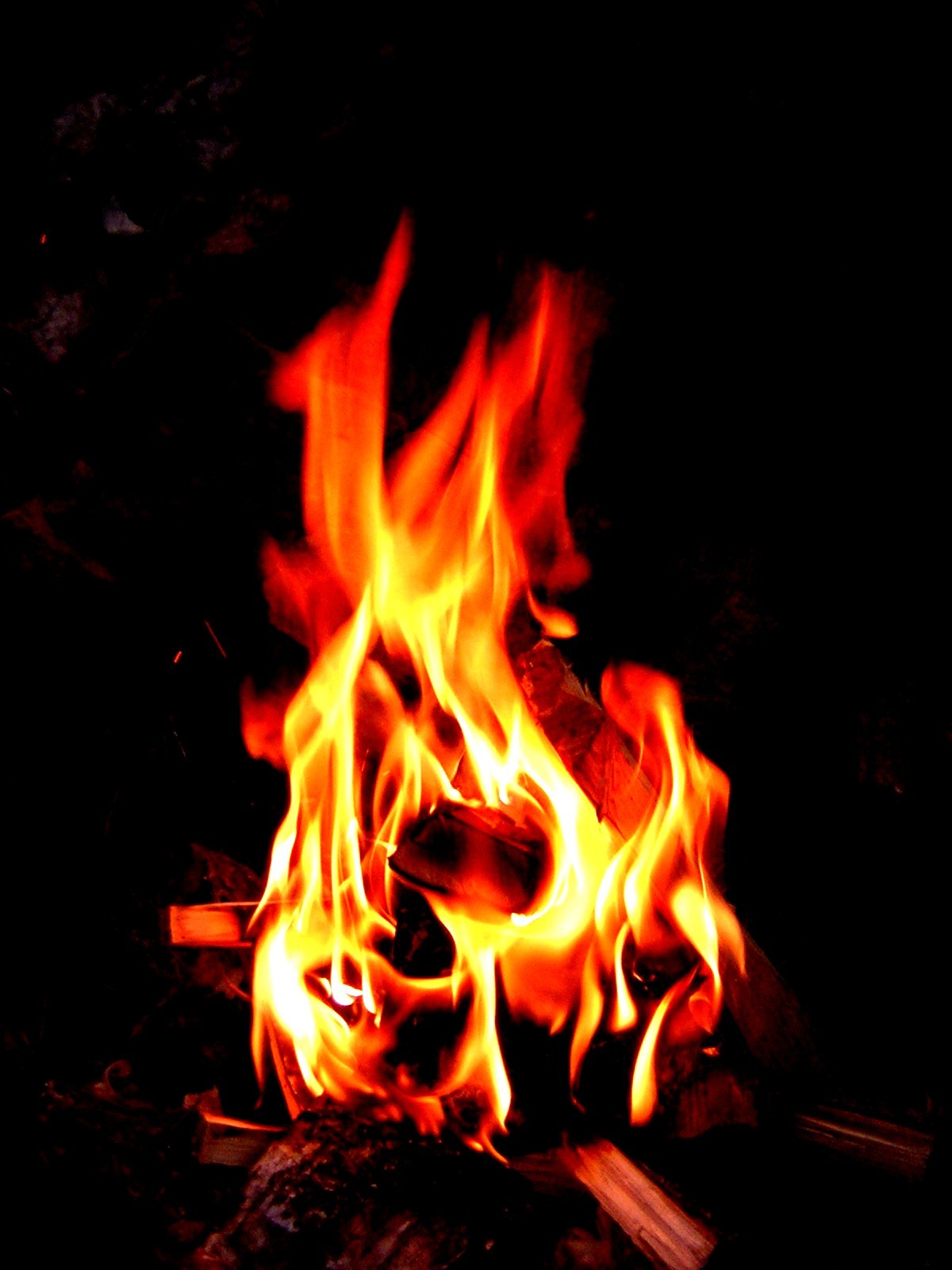
What type of reaction does this picture represent?
endothermic
exothermic

What type of reaction does this picture represent?
endothermic
exothermic
What will have a greater mass? The reactants before a chemical reaction, or the products after the reaction is complete?
They both have the same mass.
The product always has more mass than the reactant
The reactant will have more mass than the product
They both will loose mass after the reaction
In a chemical reaction, the atoms in the reactants are the same atoms that form the products.
True
False
Forming a chemical bond __________
absorbs energy from the surroundings
releases energy into the surroundings
creates energy that did not previously exist
uses up energy that then no longer exists
Endothermic reactions ______.
release more energy than they absorb
absorb more energy than they release
release and absorb exactly the same amount of energy
can either release more energy than they absorb or absorb more energy than
they release, depending on the reaction
A chemical bond __________energy when it breaks.
increases
decreases
absorbs
releases
Energy is _________ when bonds form.
released
absorbed
destroyed
created
Energy is _________ when bonds break.
absorbed
created
destoryed
released
Energy is needed to break bonds in chemical reactions.
True
False
A chemical reaction in which more energy is absorbed than is released is endothermic
True
False
A change in _____ is a sign of energy being used in a chemical reaction.
temperature (hot or cold)
texture
color
smell/odor
If you have a cold compress used by an athlete, what is the energy doing?
being absored
being released
nothing happens
it is being destroyed
A type of chemical reaction, called combustion, takes place between propane and oxygen in the burners. what allows objects to rise during this chemical reaction?
chemical reaction releases energy in the form of heat
chemical reaction absorbs energy
chemical reaction destroys the energy
nothing takes place, the object will stay put

The horses are attached to the turbine. The turbine spins when the candles are burning, which makes the horses go around. Why does the turbine spin only when the candles are lit?
The burning of the candles is a chemical reaction that absorbs heat. The heat cools the air, making it rise and spin the turbine.
The burning of the candles is a physical reaction that releases heat. The heat warms the air, pushing the air down and spin the turbine.
The burning of the candles is a chemical reaction that releases heat. The heat warms the air, making it rise and spin the turbine.
there is no chemical reaction taking place at this time.
Which of these evidences of a chemical reaction did we observe in the experiment last week (choose 2)?
fizzing / bubbling
a change of temperature
color change
formation of a solid precipitate

What kind of reaction is shown by this graph?
Endothermic
Exothermic

What is happening with the energy in the reaction shown in the graph?
Heat energy is going down, but chemical energy is going up
Heat energy is going up, but chemical energy is going down
Heat energy and chemical energy are both going down
Heat energy and chemical energy are both going up
A rock breaks into smaller pieces when it is struck with a hammer.
Rust forms on a hammer that has been left outside to long.
A cup of water turns pink when a few drops of red food coloring are added.
A solid is formed when heat is removed from a sample of water.
a new substance has formed
a solid dissolved in a liquid
interaction between 2 gases
a change in the state of matter
In an endothermic reaction, heat is ...
taken in
given out
6. Which of these processes is always exothermic?
A. evaporation
B. burning
C. insulation
D. melting
Which type of reaction absorbs more energy to break bonds than it releases?
Combustion reaction
Exothermic reaction
Endothermic reaction
Decomposition reaction
What happens to energy during an endothermic reaction?
It is released to the surroundings
It is absorbed from the surroundings
It is conserved within the products
It remains unchanged
Which of the following does the law of conservation of energy state?
Energy can be created but not destroyed
Energy is created and destroyed in reactions
Energy is not created or destroyed, only transferred
Energy cannot be stored in chemical bonds
In a cold pack, what happens to energy during the chemical reaction?
It is released to the surroundings
It is absorbed from the surroundings
It is created by the reaction
It is destroyed by the reaction
What factor increases the reaction rate by causing more frequent collisions between particles?
Decreased concentration
Increased concentration
Lower pressure
Smaller surface area
What is the effect of increasing reactant concentration on the reaction rate?
The reaction rate increases
The reaction rate decreases
The reaction rate remains the same
The reaction rate stops
In photosynthesis, what energy source do plants primarily use?
A) Chemical energy from the soil
B) Mechanical energy
C) Sunlight
D) Thermal energy from the air
In an exothermic reaction, why is thermal energy released?
A) The reactants have higher energy than the products
B) The products require more energy to form
C) Energy is stored in the reactants only
D) The reaction occurs at a very high temperature
Cutting, melting, bending, or crushing are examples of what kind of change?
What kind of change is the formation of rust?
Which of the following can occur when a chemical reaction takes place? Choose the THREE statements that apply.
Which condition(s) can affect the rate of a chemical reaction?

How do you know baking a cake is a chemical reaction?
It tastes yummy.
A new substance is formed.
You mixed it together.
It has ingredients.

In EXOTHERMIC reactions, energy is _____ from the reaction to the surroundings.
Absorbed
Released
Eliminated
Evaporated

In ENDOTHERMIC reactions, energy is _____ by the reaction system from the surroundings.
Absorbed
Released
Eliminated
Obliterated

What usually happens to TEMPERATURE in an ENDOthermic reaction?
Increases
Decreases
Stays the same

Temperature usually _____ in EXOthermic reactions.
Stays the same
Increases
Decreases

Photosynthesis is an _____ reaction.
EXOthermic
ENDOthermic

Cooking and baking are _____ reactions.
EXOthermic
ENDOthermic

Fireworks are an _____ reaction.
EXOthermic
ENDOthermic

Which of the following is a sign that a chemical reaction has occurred?
Color change
Emits an odor
Produces a gas
All of the above
Chemical bonds __________ energy when it breaks. (Reactants)
absorbs
releases
Chemical bonds __________ energy when new bonds are formed. (Products)
release
absorb
_____ reactions usually feel hot!
endothermic
exothermic

