
 Worksheets
Chem Sem I Exam 2526
Total questions: 114
Worksheet time: 3hrs 4mins

What is the volume of liquid in this graduated cylinder?
57 mL
40.3 mL
43.0 mL
43 mL
57.0 mL

What is the volume of the liquid in the picture
35.0 mL
45 mL
35 mL
45.0 mL

What is the volume of the rock in the picture?
30.0 cm3
40.0 cm3
40 cm3
10.0 cm3
30 cm3

What is the measured volume shown in this graduated cylinder?
5.69 mL
5.7 mL
5.40 mL
5.44 mL
5.5 mL

What is the volume measurement shown in the 100 mL graduated cylinder?
21.3 mL
21.03 mL
18.7 mL
18.07 mL

What is the volume measurement shown in the buret?
20.5 mL
21.5 mL
20.49 mL
21.51 mL
Mark all that apply.
In the following measurement, which digits are certain (measured)?
7.38 g
7
3
8
all the decimal places to the right of the 8
g
Mark all that apply.
In the following measurement, which digits are uncertain (estimated)?
7.38 g
7
3
8
all the digits to the right of the 8
g
Mark all that apply.
In the following measurement, which digits are completely unknown?
7.38 g
7
3
8
all the decimal places to the right of the 8
Match the following instruments with their typical units
cm
meter stick
g
electronic balance
mL
graduated cylinder
ºC
thermometer
Match the following dimension with their typical units
cm
length
g
mass
mL
volume
ºC
temperature

What is the length of the blue rectangle?
(number only)
(Do NOT include units.)
1.4 cm
1 cm
1.40 cm
1.400 cm

What is the length of the blue rectangle?
4.00 cm
4 cm
4.0 cm

What is the length of the black rectangle?
2.9 cm
2.09 cm
2.87 cm
3.18 cm cm
3.1 cm
What is the length of the black rectangle measured to the correct precision?
2.9 cm
3 cm
2.87 cm
2.875 cm
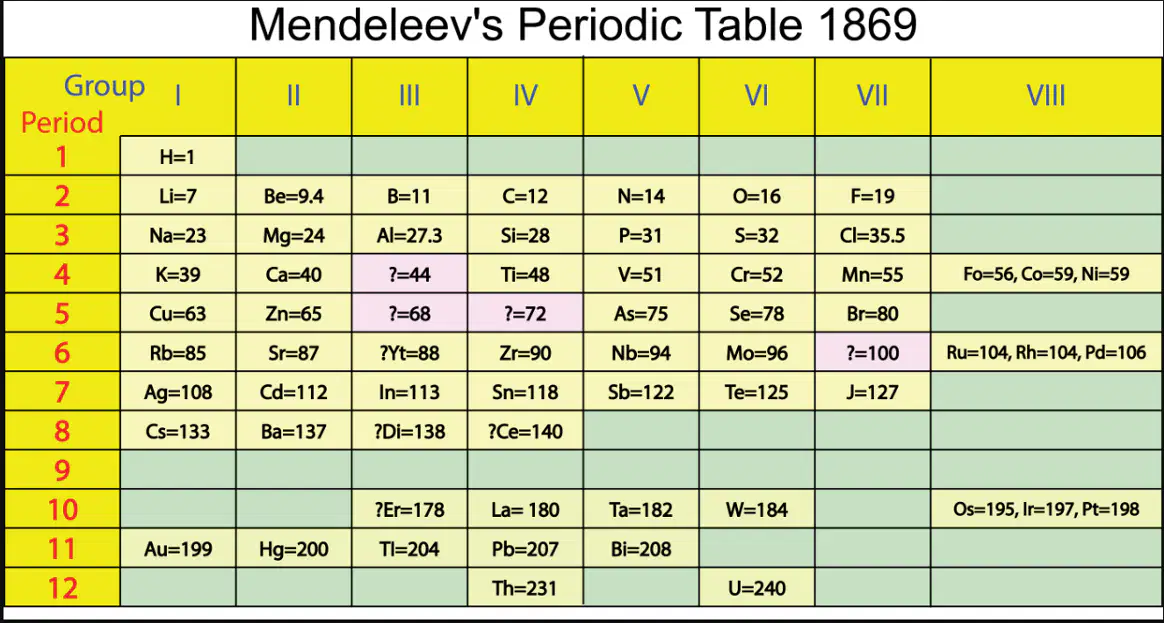
Mendeleev arranged his Periodic Table in numerical order by __________.

The modern Periodic Table is arranged in numerical order by __________.
soft,
low density,
low melting point
good conductor
valence electrons: 1
reactivity: very high
alkali metals
soft,
low density,
low melting point
good conductor
valence electrons: 2
reactivity: very high
alkaline earth metals
hard,
high density,
high melting point
good conductor
valence electrons: varies
transition metals
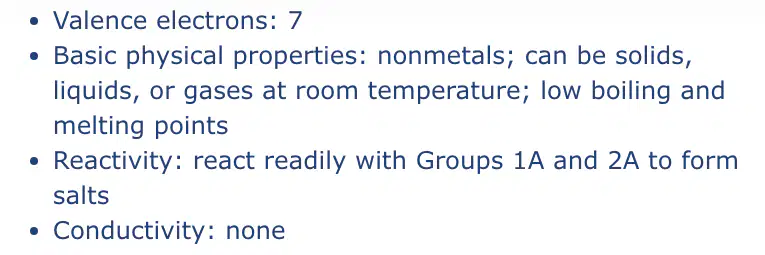
can be solid, liquid, or gas;
conductivity: none;
Readily reacts with Groups 1A & 2A
halogens
odorless, colorless, nonflammable,
gases;
conductivity: none
little to no reactivity
noble gases
forms compounds that are always soluble in water
alkali metals
soft,
low density,
low melting point
good conductor
valence electrons: 2
reactivity: very high
alkaline earth metals
forms colorful compounds
transition metals
colorful elements
halogens
only found in the element form
noble gases
forms compounds that are always soluble in water
alkali metals
highly radioacitve
actinides
tends to forms more than one ion
transition metals
All diatomic, can be solid, liquid, or gas
halogens
monatomic gases
noble gases
Group 1A
alkali metals
Group 2A
alkaline earth metals
Groups 3-12
transition metals
Group 7A
halogens
Group 8A
noble gases
Match the following valence electrons with the correct group.
1 val e–
alkali metals
2 val e–
alkaline earth metals
various but usually 2 val e–
transition metals
7 val e–
halogens
8 val e–
noble gases
Match the following valence electrons with the correct group.
1 val e–
Group 1A
2 val e–
Group 2A
3 val e–
Group 3A
4 val e–
Group 4A
5 val e–
Group 5A
Match the following valence electrons with the correct group.
7 val e–
Group 7A
8 val e–
Group 8A
6 val e–
Group 6A
4 val e–
Group 4A
5 val e–
Group 5A
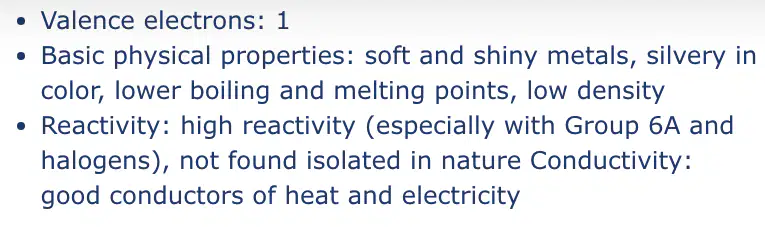
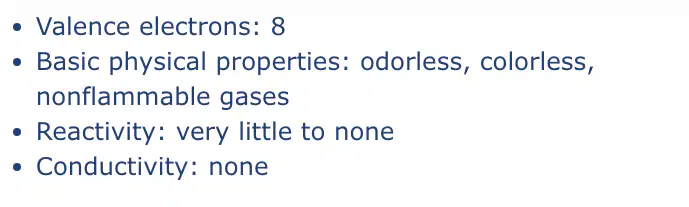
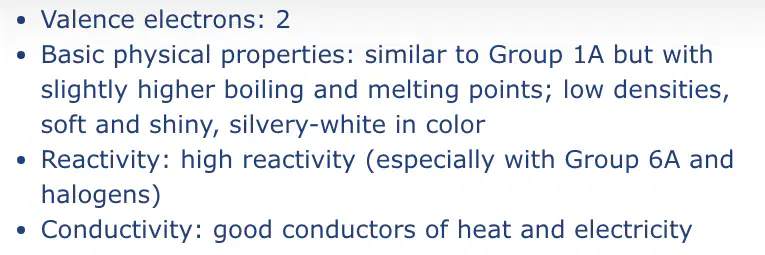
Categorize the following info about Groups of the Periodic Table
Group 1A
one(1) valence electron
alkali metals
Group 2A
two(2) valence electrons
alkaline earth metals
Group 7A
seven(7) valence electrons
halogens
Group 8A
eight(8) valence electrons
noble gases
Match the following

Noble Gasses

Halogens

Transition Metals

Alkali Metals

Alkaline Earth Metals
Categorize the following info about Groups of the Periodic Table
Group 1A
one(1) valence electron
Group 2A
two(2) valence electrons
Group 7A
seven(7) valence electrons
Group 8A
eight(8) valence electrons
Li
Be
F
Ne
Match the atom with the row on the periodic table it is on.
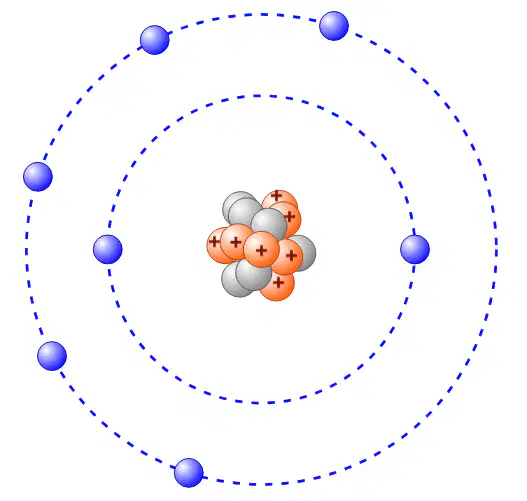
Period 2

Period 3

Period 1

Period 4
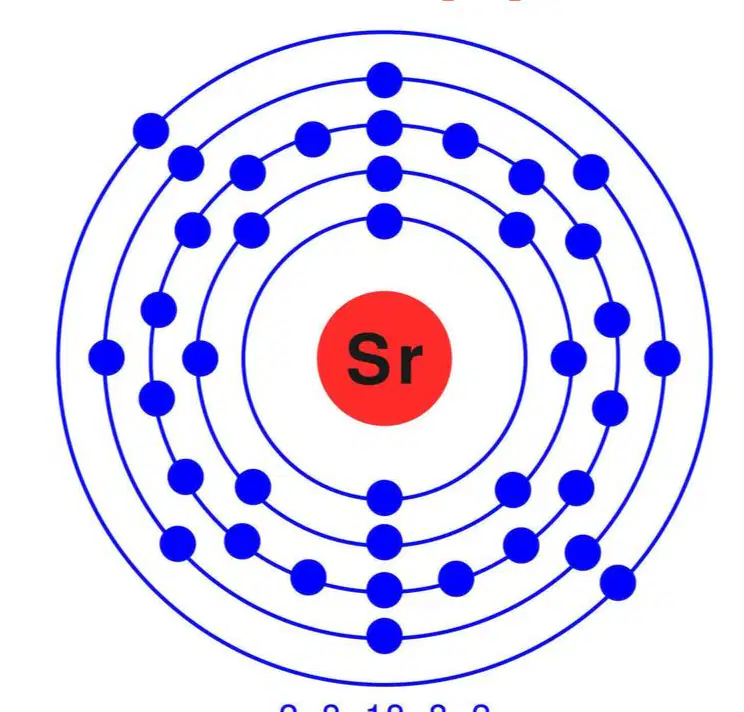
Period 5
Which one would be bigger the atom of chlorine (Cl), or the anion (negative ion) of chlorine(Cl-)?
the atom
the anion
neither they are both the same size
Which one would be bigger the atom of magnesium (Mg), or the cation (positive ion) of magnesium (Mg2+)?
the atom
the cation
neither they are both the same size
Atomic radius of an element generally increases
as you go down a group on the table
as you go up a group on the table
from left to right across the table
from right to left across the table
from helium to oganessium
Ionization Energy of an element generally increases
as you go down a group on the table
as you go up a group on the table
from left to right across the table
from right to left across the table
from helium to oganessium
Electronegativity of an element generally increases
as you go down a group on the table
as you go up a group on the table
from left to right across the table
from right to left across the table
from helium to oganessium
Electron affinity of an element generally increases
as you go down a group on the table
as you go up a group on the table
from left to right across the table
from right to left across the table
from helium to oganessium
Select the two groups that contain the the most reactive elements.
According to Coulomb's Law, the further the charges are from each other
the stronger the force
the weaker the force
force is independent of the separation of charge
According to Coulomb's Law, the larger the magnitude of the charge
the stronger the force
the weaker the force
force is independent of the size of the charge
Electronegativity is defined as:
the ability of an atom to attract electrons in a chemical bond
the total number of protons in an atom
the energy required to remove an electron from an atom
the mass of an atom compared to hydrogen
Electron affinity is defined as:
The amount of energy released when an atom gains an electron.
The amount of energy required to remove an electron from an atom.
The tendency of an atom to attract electrons in a bond.
The number of electrons in the outermost shell of an atom.
Ionization Energy is defined as:
The energy required to remove an electron from a gaseous atom.
The energy released when an electron is added to a neutral atom.
The energy needed to split a molecule into its atoms.
The energy required to form a chemical bond.
Which arrow shows the direction with an increasing likelihood of an atom losing an electron?
Which arrow shows the direction with an increasing likelihood of an atom gaining an electron?
Which arrow shows the direction with an increasing attraction to electrons?
Which part of the periodic table contains elements that have the greatest ability to attract (shared) electrons?
Categorize the following
d
discovery of the electron
disprove the billiard ball model
produced the plum pudding model
JJ Thomson
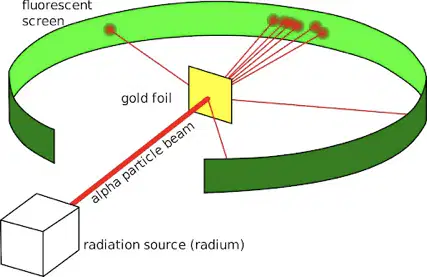
Rutherford
Discovery of the nucleus
disproved the plum pudding model
produced the nuclear model
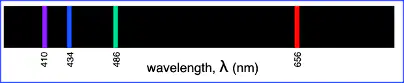
Explained by the Bohr Model
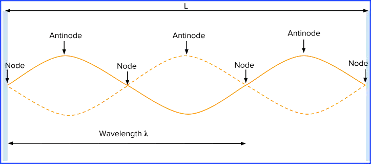
How De Broglie explained the energy levels of his atom
Categorize these properties of subatomic particles.
-1 charge
negatively charged
0 amu
1/1836th mass of proton
e−
+1 charge
positively charged
p+
determines the element
0 charge
neutral
n
in the nucleus
1 amu
determine the mass
= mass number
not in the nucleus
Match the Model of the Atom with the scientist credited with its discover.

De Broglie, Heisenberg, Schrödinger,

J.J. Thomson

Neils Bohr

John Dalton
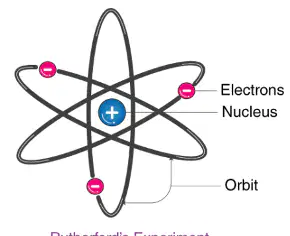
Ernest Rutherford
Match the Model of the Atom with its name

Electron Cloud model
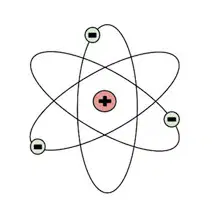
Rutherford's Nuclear Model
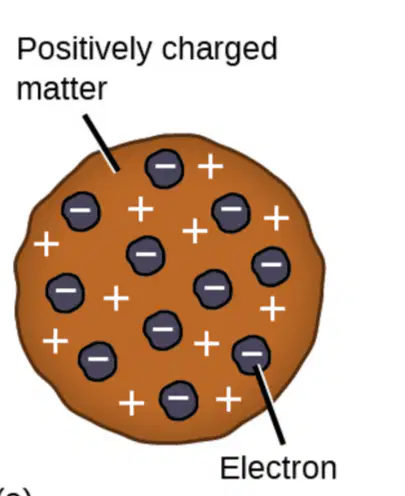
Thomson's Plum Pudding model
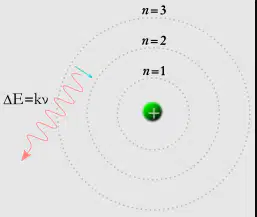
Bohr's Model
Dalton's Billiard ball model
The random movement of particles suspended in a fluid is known as
Einsteinian motion
Ciliar movement
Bohrian motion
Brownian motion
Categorize the Atomic Theory Postulates
Atoms are indivisible
Atoms of the same element are identical in properties and mass
Atoms can be broken apart
Atoms of the same element can have different masses
All matter is composed of atoms
Atoms of different elements have different properties.
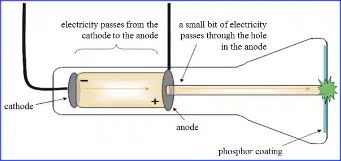
Categorize the Results of Cathode Ray Tube Experiment.
cathode rays were deflected away from the negative charge plate
the cathode rays spun the paddle wheel
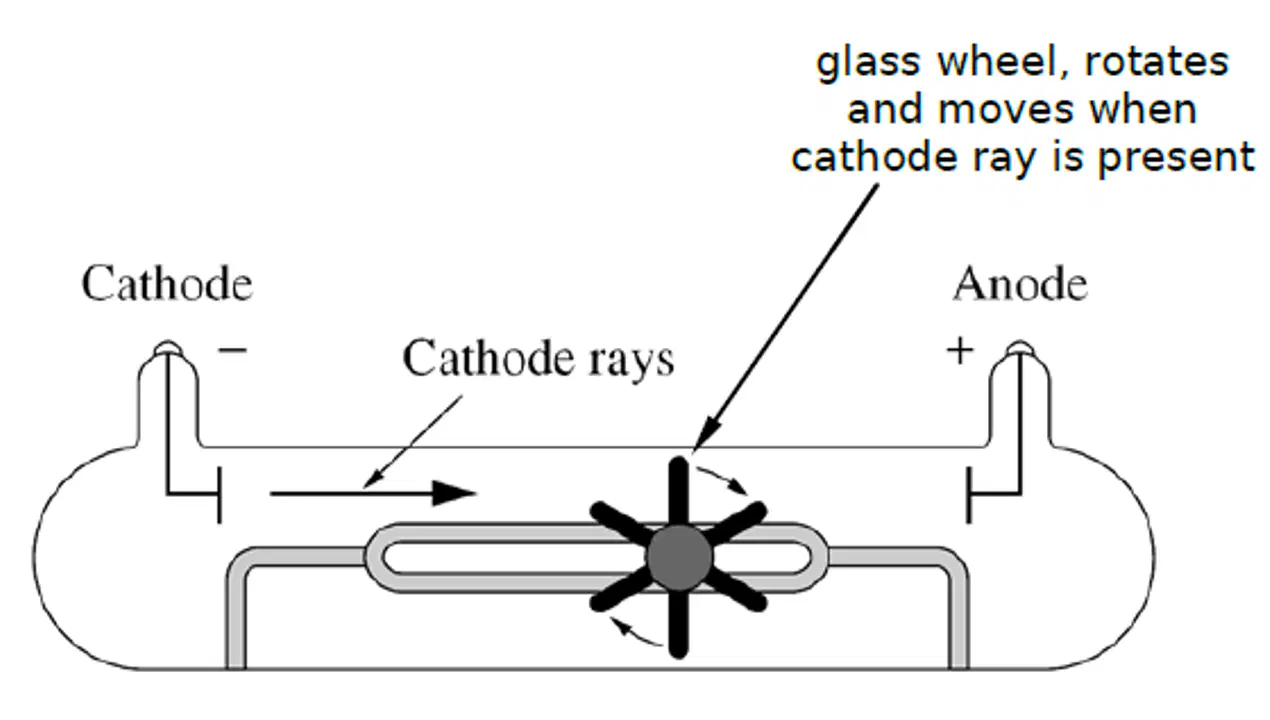
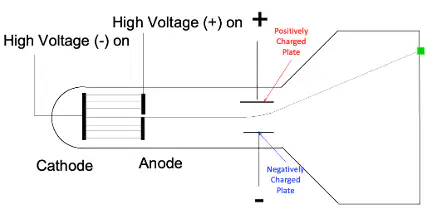
cathode rays were produced no matter what material was used to make the cathode

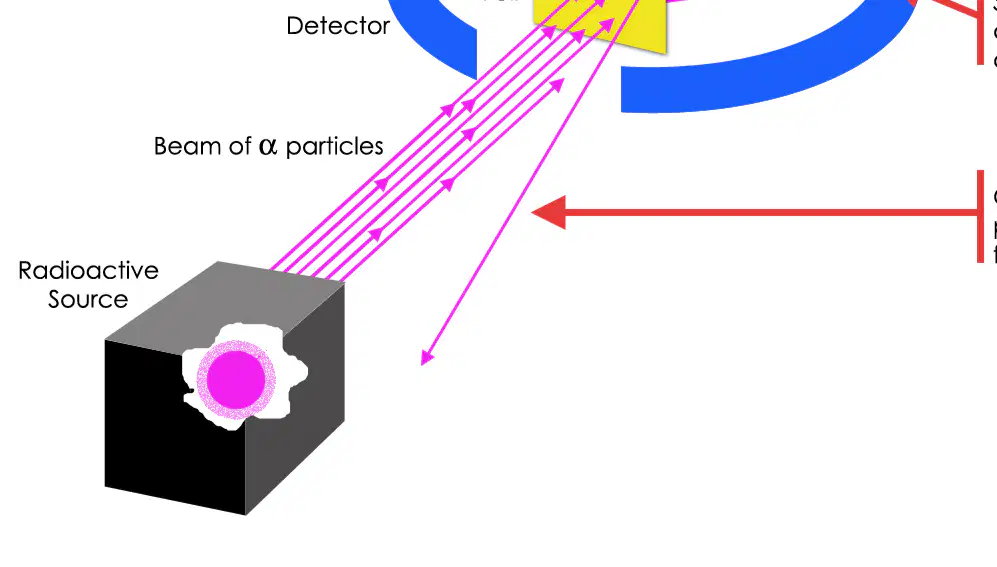
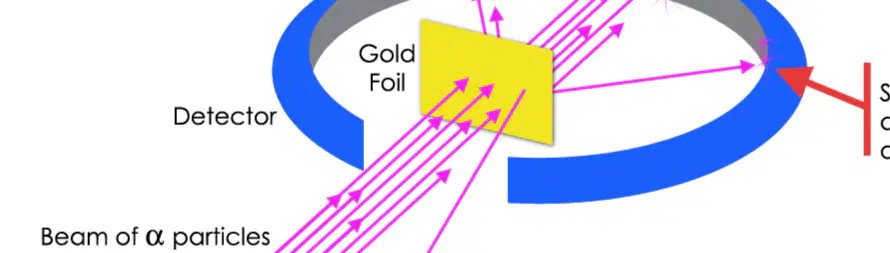
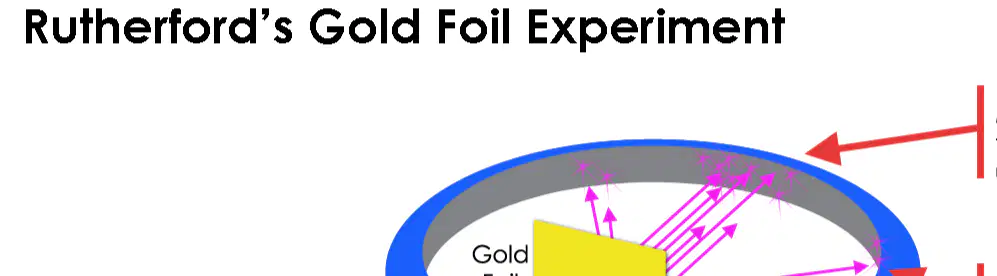
What was inferred from the following observations of the gold foil experiment?
most of the 𝛂 particles went strait most of the 𝛂 particles had little or no deflection
some of the 𝛂 particles slightly deflected
some 𝛂 particles bounced back
Categorize the properties of the following
neutral
positive charge
less electrons than protons
negative charge
number of electrons equals the number of protons
more electrons than protons
S2−
Fe
Fe2+
e− = p+
e−< p+
e−> p+
Which best describes the electron in the Electron Cloud Model?
electrons orbit the nucleus like planets orbit the sun
electrons orbit the nucleus on a fixed path but in a wave like fashion
electrons orbit the nucleus in a wave pattern that can best be described as a 3 dimension space that has a high probability of containing an electron
According to Quantum Mechanics, electrons behave like
orbiting particles
standing waves
propagating waves
stationary particles

What is the unknown element?
beryllium
copper
manganese
strontium
titanium

Quantum model
planetary/nuclear model
plum pudding model
Bohr model
De Broglie model
Which statement best describes Rutherford's Model of the atom?
atoms consist of a large region of positive charge with electrons embedded in it
atoms are mostly empty space with a tiny, dense region in the center
atoms are sold balls, like those used in a game of pool
electrons orbit the nucleus only in specific concentric energy levels
Which statement best describes Dalton's Model of the atom?
atoms consist of a large region of positive charge with electrons embedded in it
atoms are mostly empty space with a tiny, dense region in the center
atoms are sold balls, like those used in a game of pool
electrons orbit the nucleus only in specific concentric energy levels
Which statement best describes Thomson's Model of the atom after he discovered the electron?
atoms consist of a large region of positive charge with electrons embedded in it
atoms are mostly empty space with a tiny, dense region in the center
atoms are sold balls, like those used in a game of pool
electrons orbit the nucleus only in specific concentric energy levels
Which statement best describes Bohr's Model of the atom after he hypothesized that the electrons traveled in specific pathways around the atom?
atoms consist of a large region of positive charge with electrons embedded in it
atoms are mostly empty space with a tiny, dense region in the center
atoms are sold balls, like those used in a game of pool
electrons orbit the nucleus only in specific concentric energy levels
Which statement best describes the mathematical relationship between wavelength and frequency for any given kind of light?
As wavelength increases, frequency decreases
As wavelength increases, frequency increases
Frequency is NOT related to wavelength
It is impossible to know both the frequency and wavelength of a wave at the same time
What constant relates the frequency of a photon with its wavelength?
Planck's Constant, h
speed of light, c
Einstein's constant, E
electromagnetic spectrum constant, e
What constant relates the energy of a photon with its frequency?
Planck's Constant, h
speed of light, c
Einstein's constant, E
electromagnetic spectrum constant, e
Which statement best describes the mathematical relationship between frequency and energy for any given kind of light?
As frequency increases, energy decreases
As frequency increases, energy increases
Frequency is NOT related to energy
While energy increases or decreases, frequency remains constant
Which statement best describes the mathematical relationship between energy and wavelength for any given kind of light?
As energy increases, wavelength decreases
As energy increases, wavelength, energy increases
Wavelength is NOT related to energy only frequency
While energy increases or decreases, wavelength remains constant
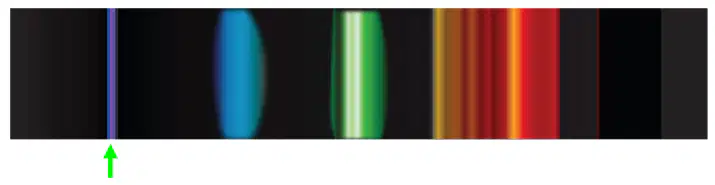
The violet line (green arrow) on the left has the shortest wavelength of the line shown, therefore it also has the ___________ and the ______________.
Pick two answers.
Lowest energy
Highest energy
Lowest frequency
Highest frequency
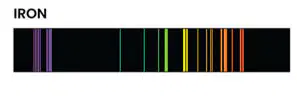
An emission spectrum for an element is shown. What can be concluded about the kind of light being emitted by atoms of that element?
it emits all kinds of light with many energy quanta
Only one kind of light, which is pinkish-orange is emitted
Only light with specific quanta of energy is emitted
There is not enough information to answer the question
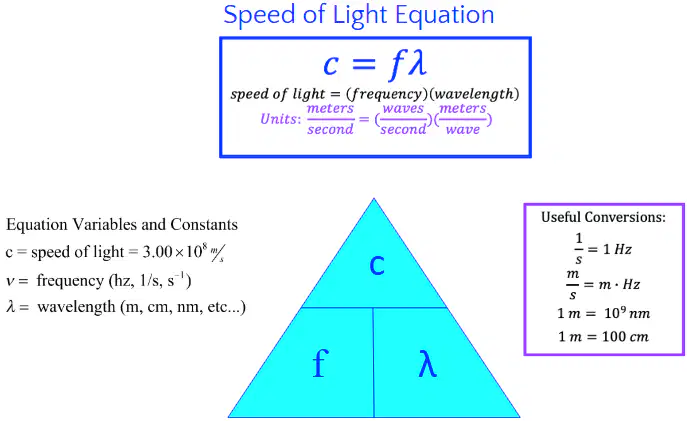
What is the wavelength (in meters) of the electromagnetic radiation that has a frequency of 5.60 × 10¹⁷ Hz?
5.36 × 10⁻¹⁰ m
1.87 × 10⁹ m
1.68× 1026 m
1.18 × 10-51 m
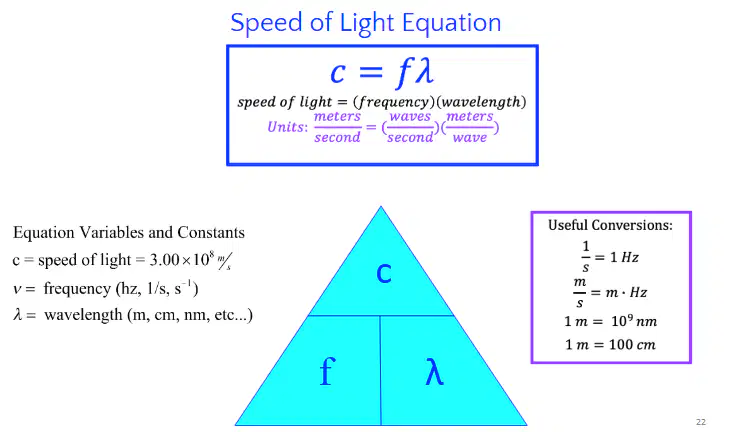
What is the frequency of electromagnetic radiation that has a wavelength of
6.25 × 10⁻¹⁴ m?
4.80 × 10²¹ Hz
1.87 × 10⁻⁵ Hz
2.08 × 10⁻²² Hz
4.94 × 10²¹ Hz
3.39 × 10⁻⁴ Hz

What part of the wave?
wavelength
crest
trough
amplitude
frequency

Which experiment/phenomenon?
double slit experiment
Gold foil experiment
black-body radiation
photoelectric effect
Cathode ray tube experiment

What is this an example of? (The red dotted lines represent the original waves. The blue solid line is the resultant.)
interference
diffraction
black-body radiation
photoelectric effect
Line-spectrum of an element
Which of these have a dual wave-particle nature?
water
light
electrons
sound
Which wave has the higher frequency?


Which wave has the longer wavelength?

What is this an example of?
interference
diffraction
black-body radiation
photoelectric effect
Line-spectrum of an element

What element is the unknown gas?
xenon
helium
oxygen
neon
argon
A packet of energy is called a (a) .
A particle of light is called a (a) .
All light (electromagnetic radiation) is produced when an
electron at a lower energy level receives energy and moves to a higher energy level
electron at a higher energy level moves to a lower energy level giving off energy
electron at a higher energy level receives energy and moves to a lower energy level
electron at a lower energy level moves to a higher energy level giving off energy
Since elements all have a unique set of energy level values, what is true about the photons they produce?
All elements produce the same set of photons
All elements produce a unique set of photons
Photons are produced by lightbulbs and LEDs not atoms.
There is not enough information to answer the question
Which is true about the electron energy levels of different elements?
All elements have the exact same energy levels with the same energy values.
All elements have a unique set of energy level values
There are no electron energy levels in an atom only proton energy levels
There is not enough information to answer the question
An atom of Chlorine-37 has
37 protons, 37 neutrons and 37 electrons
17 protons, 37 neutrons and 17 electrons
17 protons, 20 neutrons and 37 electrons
17 protons, 20 neutrons and 17 electrons
Isotopes of the same element must have a different number of
neutrons
protons
both neutrons and protons
electrons
they have the same mass number
Lithium has an average atomic mass of 6.941 amu. A sample of lithium would probably contain more of which naturally occurring isotope?
Lithium-6
Lithium-7
There would be equal amounts of both isotopes.
Neither of these isotopes are present in Lithium only Lithium-6.941
Iron has an average atomic mass of 55.847 amu. Which naturally occurring isotope would most likely be the most abundant isotope in a sample of iron?
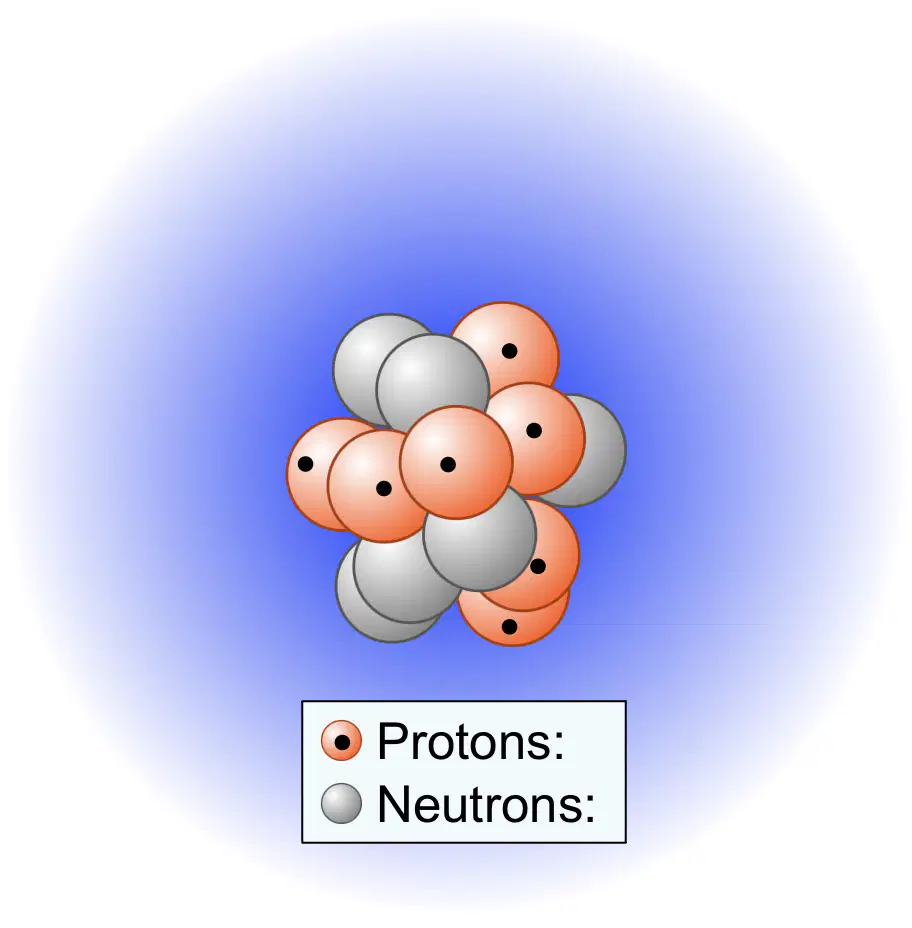
Write the hyphen notation of the nuclide of this isotope.
(a)
What unit is exactly 1/12th the mass of a carbon-12 nuclide?
(a)
The atomic mass unit (amu) is based on what isotope?
(a)

On the mass spec of tungsten shown, what is the MOST abundant isotope?
(Write your answer in hyphen notation, element-A)
(a)

According to the mass spec of boron, which isotope is the most abundant?
boron-12
boron-10
boron-11
boron-9
all isotopes of boron are created equal
Match the following
Atoms of the same element with different numbers of nuetrons
isotopes
weighted average of the naturally occurring isotopes
atomic mass
mass of one specific nuclide(atom)
isotopic mass
relative amount of an isotope found in a natural sample of an element
percent abundance
which isotopes and the relative amounts of each
isotopic composition
Element X has 2 natural isotopes. One isotope has a mass of 35.00 amu and an abundance of 82.44%. The other isotope has a mass of 38.00 amu and an abundance of 17.56%. Calculate the average atomic mass for this one element.
Be sure to include UNITS. Report the CALCULATOR ANSWER.
(a)
Element W has 3 natural isotopes. The isotope has a mass of 25.99 amu and an abundance of 15.0%. The second isotope has a mass of 26.99 amu and an abundance of 65.0%. The third isotope has a mass of 27.99 amu and an abundance of 20.0%. Calculate the average atomic mass for this element.
Be sure to include UNITS. Report the CALCULATOR ANSWER.
(a)
According to the mass spec shown, how many naturally occurring isotopes does this element have?
(a)
Write the hyphen notation of the nuclide of this isotope.
(a)
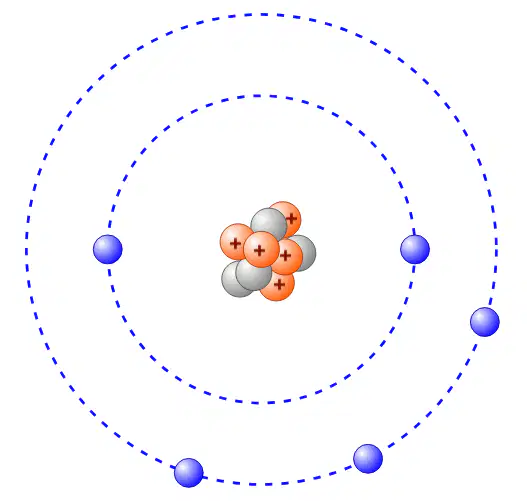
How many protons does this atom have?
4
5
3
2
9
How many electrons does this atom have?
4
5
3
2
9
How many Valence electrons does this atom have?
4
5
3
2
9
How many neutrons does this atom have?
4
5
3
2
9
What is the mass number of this atomic model?
4
5
3
2
9
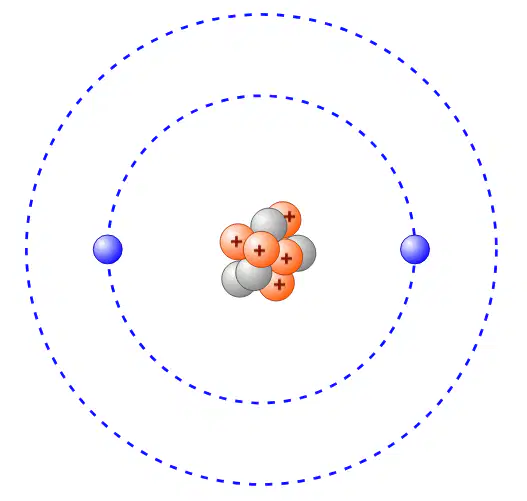
This is an atomic model for which element?
(a)
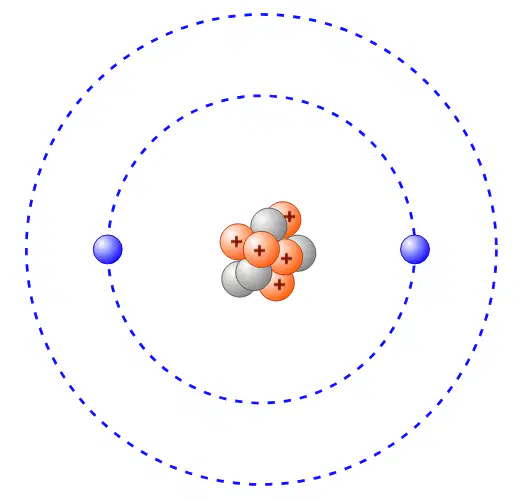
This is an atomic model of a
negative ion
positive ion
atom
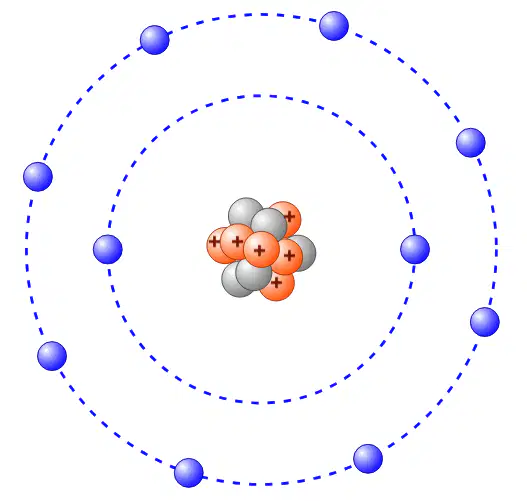
This is an atomic model of a
negative ion
positive ion
atom
What is the mass number of this atomic model?
6
5
8
11
10
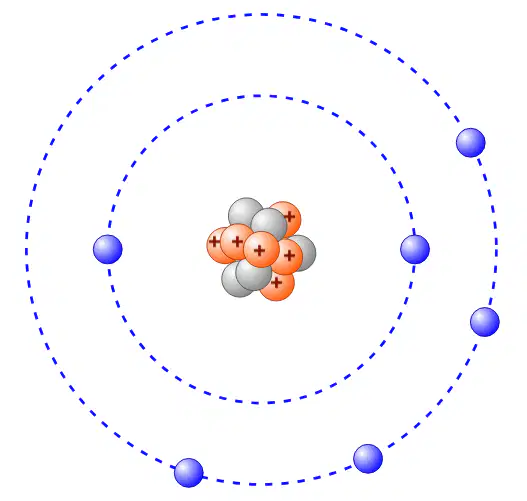
What element does this atomic model represent?
(a)
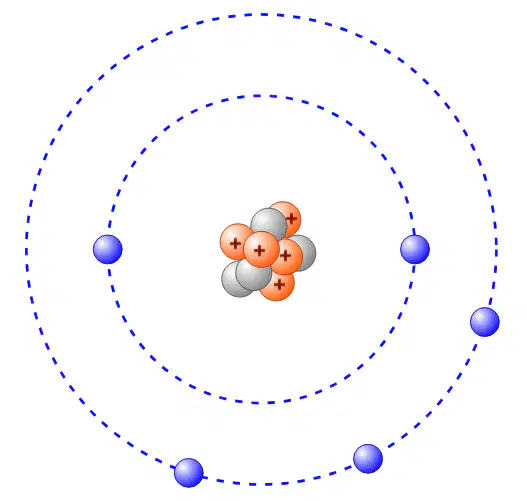
This is an atomic model of a(n)
atom
ion

