
 Worksheets
3.1 Total Review
Total questions: 140
Worksheet time: 3hrs 34mins
What is the process where animals live or die based on their adaptations to their environment.
Genetic Drift
Natural Selection
The Circle of Life
Mammoth
Which word describes the word "variation"?
Adaptations
Differences
Traits
Genetics

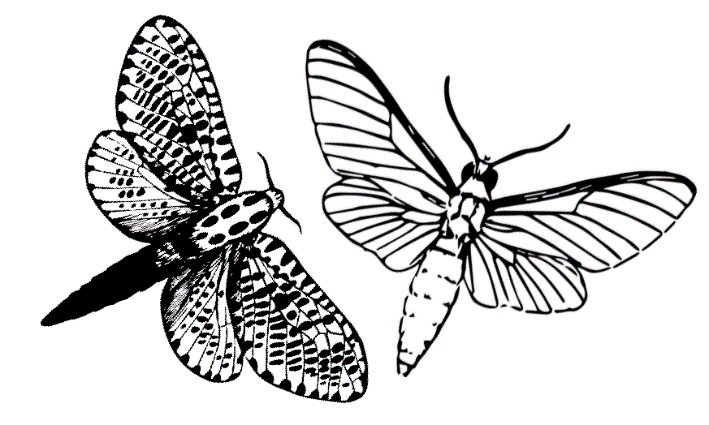
According to natural selection, light colored tree trunks would favor
light colored moths
dark colored moths
red colored moths
red and light colored moths
A fox with thicker fur than average would have a survival advantage over other foxes if:
There is more competition for food in the fox population.
The air temperature significantly decreases in winter.
A drought occurs, limiting the amount of water available.
A new disease appears that infects the foxes.
The phrase "Survival of the Fittest" would best describe...
Natural selection
Artificial selection
Selective breeding
None of the above

Speciation can occur as a result of geographic isolation because _________.
members of a species can no longer find mates
populations that live in different environments may be exposed to different selection pressures
exchange of genes during recombination
movement of genes within a population because of interbreeding
How does natural selection lead to evolution?
By individuals choosing to change their characteristics
Through random changes that happen without any reason
By beneficial adaptations becoming more common in a population over generations
By all members of a species evolving at the same rate
The father of evolution is
Jean Baptiste Lamarck
Charles Darwin
Gregor Mendel
Rbbert Hooke
Which natural selection step is described? A spider lays thousands of eggs.
overproduction
genetic variation
struggle to survive
successful reproduction
Which natural selection step is described? A shark eats the fish that has shorter fins and cannot swim as fast.
overproduction
genetic variation
struggle to survive
successful reproduction
Which natural selection step is described? Iguanas on the Galapagos Islands may look the same, but some have stronger jaws, some swim faster and others have longer claws.
overproduction
genetic variation
struggle to survive
successful reproduction
Choose all the causes of a species becoming extinct:
over hunting or over harvesting
deforestation
natural environmental changes
All of the plants compete for room in the canopy of the forest to get the most sunlight.
Overproduction
Variation
Struggle to Survive
Survival of the Fittest
Inheritance of Traits
Organisms produce more offspring than can survive
Overproduction
Variation
Struggle to Survive
Survival of the Fittest
Inheritance of Traits
Individuals born with better traits are more likely to "win" and survive.
Overproduction
Variation
Struggle to Survive
Survival of the Fittest
Inheritance of Traits
Offspring are genetically different and have slightly different traits.
Overproduction
Variation
Struggle to Survive
Survival of the Fittest
Inheritance of Traits
There is a competition for available resources.
Overproduction
Variation
Struggle to Survive
Survival of the Fittest
Inheritance of Traits
There are many kittens in a litter.
Overproduction
Variation
Struggle to Survive
Survival of the Fittest
Inheritance of Traits
All of the antelope are different. Some have longer legs and are faster than others.
Overproduction
Variation
Struggle to Survive
Survival of the Fittest
Inheritance of Traits

Select the best answer based on the image.
Gene Flow
Genetic Drift


What are any difference between organisms of the same species
Homologous Structure
Diversity
Fossil
Variation
Which moth is better adapted to an environment with light trees?

Look at the Image below. Which grasshoppers are going die faster in a green field? (a)

In this example, the variation is the (a) and the adaptation is the (b) . This is because of the selecting agent, the (c) . Therefore, the short neck giraffes will be (d) . On the other hand, the long neck giraffes will be (e)

camoflouge
The ability to blend in with your surroundings
antibiotics
A medicine that kills disease causing bacteria
variation
A difference among species that allows some to better survive
Darwin
The first person to recognize genetic variations
mutation
A change in an organisms DNA

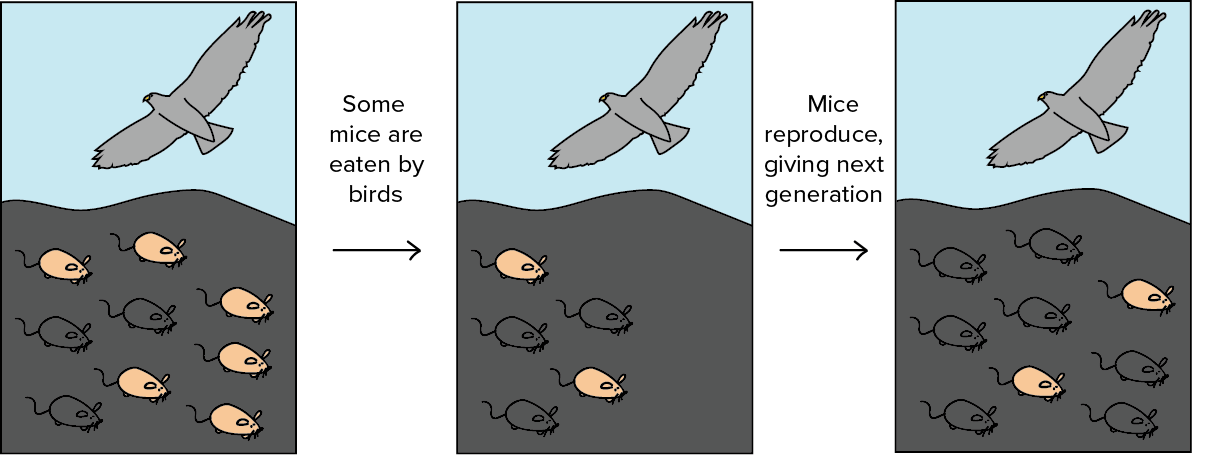
The (a) mice will survive over the (b) mice because they can camouflage. Over time, there will be a (c) black mice and (d) tan mice.
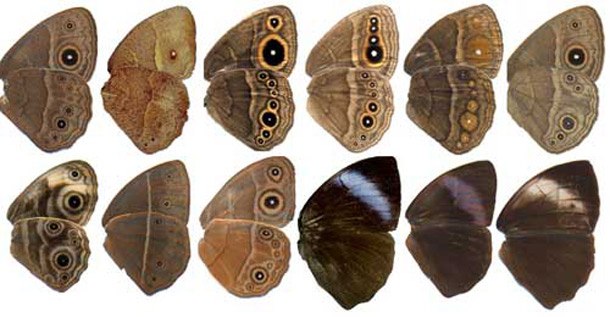
The differences between the wings of these moths, which are all the same species, is an example of (a)
Natural Selection
Variation
Homeostasis
Extinction
Match the following terms to their definitions:
Describes the differences in DNA among individuals within a species
Genetic Variation
The formation of new and distinct species through the course of evolution.
Speciation
The selective breeding of plants and animals to promote the occurrence of desirable traits in offspring
Artificial Selection
A change in the allele frequency of a population as a result of chance events rather than natural selection.
Genetic Drift
Random errors in gene replication that lead to a change in the sequence of nucleotides. These are the source of all genetic diversity and new alleles.
Mutations

If Easter eggs were living species of organisms, their different colors would be considered:
Adaptations
Variations
Different species
Extinct species
Males of the bighorn sheep species fight one another to show females who is the dominant male and are more likely to mate with females.
Natural Selection
Mutation
Genetic Drift
Non-Random Mating
Insects become resistant to pesticides very quickly, sometime in one generation. If an insect is resistant to the chemical, most of the offspring will also be resistant. Considering that insect generations can be a matter of weeks, insects in an area can become immune to a chemical within months.
Mutation
Natural Selection
Genetic Drift
Gene Flow
A chemical spill causes the offspring of ladybugs to have blue dots instead of black dots.
Natural Selection
Genetic Drift
Mutation
Gene Flow
In a habitat there are red bugs and green bugs. The birds prefer the taste of the red bugs, so soon there are many green bugs and few red bugs. The green bugs reproduce and make more green bugs and eventually there are no more red bugs
Genetic Drift
Natural Selection
Gene Flow
Mutation
Females a certain bird species are attracted to the mating calls of male species more than others
Genetic Drift
Mutation
Non-Random
Natural Selection
Which combination of characteristics in a population would provide the greatest potential for evolutionary change?
Small population, low mutations rates
Large population, low mutation rates
Small population, high mutation rates
Large population, high mutation rates

Bats are common in Texas, especially in rocky regions. Bats with longer hang claws have demonstrated higher fitness because of their ability to cling to rock while resting. This adaptation is becoming more frequent in the population. What mechanism of evolution is this?
Natural Selection
Non-random mating
Gene Flow
Genetic Drift

Organism

Population

Community

ecosystem

biosphere
This is one of the mechanisms of evolution; it is a continuous process in which organisms with traits that make them better-adapted to their environment are more likely to survive and reproduce than organisms without such adaptations
Directional selection
Microevolution
Gene flow / genetic drift
Natural selection

Humans have changed physically over millions of years. (a) is a change in a species over the span on many generations.
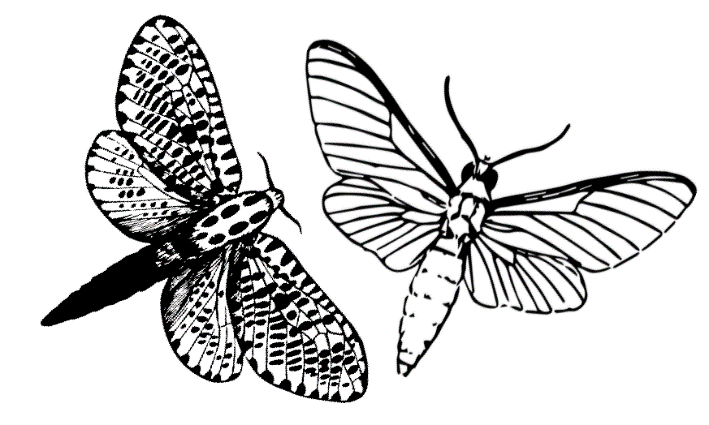
When the environment changes, a helpful physical trait that helps an organism survive can be called an (a)
Match the following scenarios to the cause of evolution it describes
light colored animals living in a dark habitat are easily observable and are preyed upon more quickly; over generations, their fur color becomes darker
natural selection
various breeds of horses were created by selective breeding
artificial selection
millions of years ago a brown bear's offspring had a defective gene which prevented it from creating fur pigmentation; now polar bears exist
mutation
a landslide kills off a large part of a plant population; the population's gene pool is greatly changed and future generations lack genetic diversity
genetic drift
Evolution works on (a) NOT on (b)
Which of the following statements about mutations is true?
All mutations are beneficial
Mutations occur in response to environmental changes
Mutations are random changes in the DNA sequence
Mutations are always harmful
What is the role of mutations in evolution?
They always harm the organism
They provide genetic variation for natural selection to act upon
They prevent speciation
They eliminate genetic diversity
Which of the following is an example of a mutation?
A bird learning to sing a new song
A change in the DNA sequence of an organism
A plant growing towards the light
A predator hunting its prey
Evolution can be described as changes in a (a) over (b) .

The rock pocket mouse lives in the black rocks of Arizona. Due to genetic mutations, the fur color of the mouse has evolved to a dark color. This mutation has increased the survival and reproduction of the species as they are able to hide better from predators.
This type of mechanism of evolution is called ________________.
Natural Selection
Genetic Drift
Gene Flow
Mutations are a change in what?
DNA
tRNA
protein
rRNA

Plants need light for photosynthesis. If a seedling grows quickly it can reach the sunlight more easily. Over time, the number of fast growing seedlings will (a) and the number of slow growing seedings will (b) .
Humans have changed physically over millions of years. (a) is a change in a species over the span on many generations.
What term describes the process by which organisms with traits best suited to their environment are more likely to survive and reproduce?
Mutation
Natural Selection
Gene Flow
Extinction
Adaptations can be:
camouflage
ability to survive cold weather
hunting skills
all of the above
Differences in traits are called:
natural selection
genetic variations
artificial selection
adaptations
A species could go extinct if:
food becomes more plentiful.
members of the species have adaptations to enhance survival.
the environment changes drastically and no one can adapt.
there is less competition for resources.

What is most likely to happen to moth populations in the picture shown?
Light moths--hunted easily, dark moths--population increase
Dark moths--hunted easily, dark moths--population increase
Light moths--hunted easily, light moths--population increase
Lights moths will change their color to match dark moths.
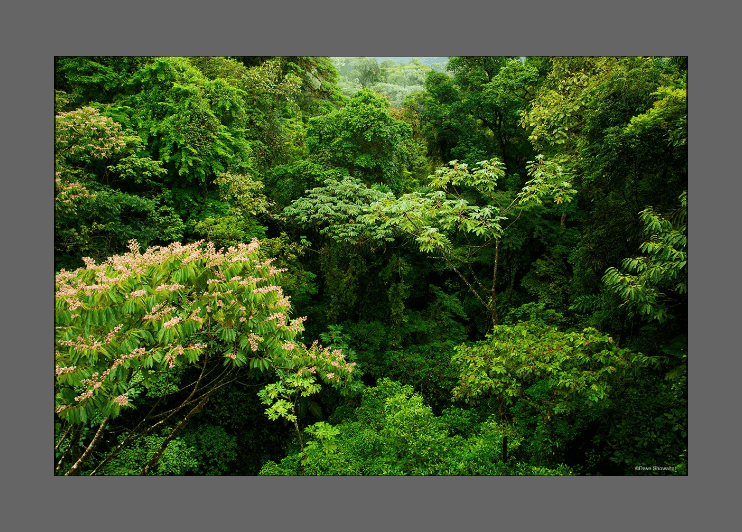
A yellow morph and green morph of an insect lives in the rainforest canopy. You would expect:
the green population to increase and the yellow to decrease
both populations should stay the same
both populations will increase
the green population to decrease and the yellow to increaseThis is a wrong answer

the movement of genes into or out of a population
Gene Flow
Random chance; small population
Genetic Drift
A sudden change in one or more characteristics due to a change in a gene
Mutation
Occurs due to physical difference as a result of a genetic difference
Non-Random Mating
The movement of organisms from one place to another
Migration
Which of the following represents migration?


Did Darwin or Lamarck think Giraffe's could stretch their necks and control it's height?
Lamarck
Darwin
Did Darwin or Lamarck think that a body builders muscles could be passed down to their baby?
Lamarck
Darwin
Are the finches different types of beaks that were developed over time an example of Darwin or Lamarck's theories?
Lamarck
Darwin
Said that organisms acquired traits throughout their lifetime and passed those traits to those offspring. Ex: giraffes grew longer necks to reach food and then that was passed to the next generation of giraffes
Jean Baptise Lamarck
Thomas Malthus
Charles Darwin
Aristotle
Does antibiotic resistance over time for bacteria support Darwin or Lamarck's theories?
Lamarck
Darwin

One of the first theories of evolution. Organisms can acquire traits over their lifetime.
Malthus
Hutton
Lyell
Lamarck
Wallace
It the Artic wolf's color changing fur based on its season an evolutionary trait or an acquaired trait? Which scientists theory does it support?
Lamarck
Darwin
Is a person who dyes their hair green in support of Darwin or Lamarck's theories? Were they born with it or did they do it themselves?
Lamarck
Darwin
What was Charles Darwin's main contribution to science?
He was the first person to think of the idea of evolution
He developed the modern theory of evolution
He refuted the modern theory of evolution
He was the first person to actually witness animals evolving
When is a trait most likely to be passed on to the next generation? Choose the best answer.
When it serves no purpose to the organism
When it prevents the organism from finding a mate
When it gives the organism an abundant supply of water
When it becomes an advantage to the organism's survival
In what major way did Darwin's ideas diverge from Lamarck's?
Lamarck thought changes to an individual animal during its lifetime would be passed on to offspring
Lamarck believed that environmental pressures drove evolution
Lamarck thought that the animals would not have had time to evolve in Earth's short history
Lamarck did not believe that species could change over time
Biodiversity means..
The variety of life in an ecosystem
How an ecosystem changes over time
Differences among humans
Diversity of a select few species in a deserted area
A certain area of the Indian ocean is expected to dry up and become a desert over thousands of years. What will happen to the sustainability of this ocean?
Sustainability would increase because the number of species would increase
Sustainability would remain the same
Sustainability would decrease because the number of species would decrease
Not enough information is given

When biodiversity increases
Sustainability decreases
Sustainability remains the same
Sustainability also increases
Sustainability becomes greater by 2

When biodiversity decreases
Sustainability also decreases
Sustainability remains the same
Sustainability increases
Sustainability is not impacted

Which picture shows more biodiversity?
Left one
Right one

Which picture has higher sustainability?
Left one
Right one

What % of energy travels from level to level?
100%
10%
5%
0%


Which of the following most likely supports the most sustainable ecosystem?
The habitat with the greatest number of predators
The habitat with the greatest variety of living things
The habitat with the warmest average temperature
The habitat with the greatest number of consumers
The greater a habitat’s biodiversity, the greater will be that habitat’s
sustainability over time
consumption of energy in the form of sunlight
temperature ranges across the seasons
distance to the nearest water source.

Which of the following would cause biodiversity to DECREASE?
Water
Forest Fires
Sunlight
Producers

When there is higher biodiversity...
more organisms are likely to die because they can't adapt to environmental changes.
there is more diversity and higher sustainability of life.
there is less diversity.
there is more diversity and lower sustainability of life

A small marine area has phytoplankton as its only producer. Should the marine biologist be concerned about this ecosystem?
No the fish do not need the phytoplankton. Since there are so many fish, there is high biodiversity.
Yes, this system has high biodiversity; however the fish can adapt and get food from another source.
Yes, this ecosystem has low biodiversity. Without a producer the herbivores will die out leaving no food.
Yes, the fish will overate to get all of the phytoplankton that is left, then they will die.

Which do you think has a higher species diversity biodiversity, a food chain or a food web?
Food Chain
Food Web

What has a higher biodiversity: a rainforest forest or a frozen tundra?
Rainforest
Frozen Tundra
They have a similar biodiversity.

Why is biodiversity in an ecosystem so important?
Because it can help humans where to determine good places to develop farm land.
Because places that have a healthy biodiversity are unaffected by major disturbances.
Because having a high biodiversity allows for fewer opportunities of competition for similar resources.
Because having a high biodiversity allows ecosystems to withstand disturbances (major changes).

Which of the following terms describes any major changes that may occur to an ecosystem?
Disturbance
Adaptations
Resiliency
Biodiversity

Which factor is most likely to cause the number of rabbits living in an area to increase?
less water
lack of shelter
fewer predators
limited food

Which one of the following is a Natural Disturbance?
Deforestation
Invasive Species
Fire
Population Growth
What does the root "bio" mean...
living
nonliving
toxic
variety
What does the root "diversity" mean...
living
nonliving
toxic
variety

How do biodiversity and stability work together?
The lower the biodiversity the greater the stability of an ecosystem.
The higher the biodiversity, the less stable the ecosystem
The higher the biodiversity, the greater the stability of the ecosystem.
Biodiversity has nothing to do with ecosystem stability.
This is one of the mechanisms of evolution; it is a continuous process in which organisms with traits that make them better-adapted to their environment are more likely to survive and reproduce than organisms without such adaptations
Directional selection
Microevolution
Gene flow / genetic drift
Natural selection
This is the process that ultimately creates new variations and changes in DNA; leads to the creation of new alleles
Mutation
Microevolution
Natural selection
Gene flow / genetic drift

Gene flow
natural selection
bottleneck effect
founder effect
A bee carrying pollen from one flower population to another flower population.
gene flow
natural selection
bottleneck effect
founder effect
Thanks to a better food source, giraffes with longer necks were able to survive to reproduce and so passed on the characteristic to the succeeding generation.
gene flow
natural selection
bottleneck effect
founder effect
Which of the following statements about gene flow is TRUE?
Gene flow is a result of individuals that breed in an old location
Gene flow is a result of migrating individuals that breed in a new location
Gene flow is not a result of migrating individuals that breed in a new location
None of the statements are true
Which of the following best
describes biodiversity
A. a diverse Biology class
B. variety of all life on earth
C. a variety of plants
D. a variety of animals
Species that are in danger of becoming extinct are called __________.
endangered
not lucky
extinct
in a jam
When a plant or animal becomes extinct, it is gone _______.
forever
until next week
for 5 years
to sleep

Evidence of an animal or plant that lived a long time ago on Earth is called a ________.
fossil
tiger
extinct
endangered
Which term is used to describe what happens when a species completely disappears?
ecosystem
endangered
extinction
rare
Which of the following activities is a major cause of oceanic species extinction?
Scuba diving
Overfishing
Whale watching
Surfing

Which fossil layer is the youngest in the picture above?
A
B
C
D
Which has not promoted preservation of species?
wildlife refuges
enforcement of game laws
limiting use of toxic pesticides
clearing more land for farming
Biodiversity
The variety of organisms in a given area
Niche
The role an organism plays in its environment
Keystone Species
Species that are very important to the functioning of an ecosystem.
Habitat
The location where an organism lives
Population
A group of individuals of the same species living in a particular place.
Match the following organism with an example
Grasses
Producer
Primary Consumer
Eats producers
Secondary Consumer
Eats herbivores
Decomposer
Fungi
Match the species interactions to their descriptions.
Two organisms fight for the same limited resources
Competition
One organism captures and feeds upon another organism
Predation
Both organisms benefit from one another
Mutualism
One organism benefits from another, while the other neither benefits nor is harmed
Commensalism
One organism benefits, while the other is harmed
Parasistism
herbivore
a consumer that feeds on plants only
carnivore
a consumer that feeds on animals only
omnivore
a consumer that feeds on plants and animals
producer
an organism that can make its own food through photosynthesis
consumer
an organism that gains energy by feeding on other organisms
A ______________ species is on its way to becoming endangered or extinct.
threatened
cuddly
sleeping
fossil
How does deforestation directly affect biodiversity?
By increasing the amount of land available for agriculture
By reducing habitat for many species
By increasing carbon dioxide absorption
By promoting the growth of new species
What is the effect of overfishing on marine biodiversity?
It increases the number of fish species
It has no significant impact
It leads to a decrease in fish populations and affects the marine food web
It improves the health of coral reefs
What is a key goal of species conservation efforts?
To ensure that all species have the same genetic makeup
To increase the number of invasive species in ecosystems
To maintain and restore habitats and protect species from extinction
To decrease biodiversity for easier management of species

A serious threat to biodiversity is
habitat destruction
maintenance of food chains
competition within a species
a stable population size

All of the following are threats to biodiversity except...
overfishing
polluting the groundwater
commercial farming
creating national parks
How does the introduction of invasive species threaten biodiversity?
By promoting genetic diversity
By competing with native species for resources
By increasing the number of predators
By improving the quality of the soil

