
 Worksheets
APES Midterm Review #1
Total questions: 79
Worksheet time: 1hrs 1mins
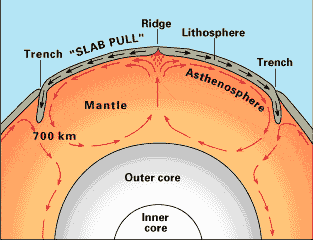
What is the source of energy that drives plate movement?
the subducton of the sea floor
the different densities of the oceanic and crustal plates
convection currents in the asthenosphere
the friction force between the plates that move past each other

Salinity refers to

What are the 2 types of aquatic biomes?
rivers and streams
lakes and oceans
marine and fresh water
marine and oceanic
This is NOT a part of the phosphorus cycle.
Phosphate is incorporated into sedimentary rocks
Phosphate bound to soil
Atmospheric phosphate
Phosphate is absorbed from the soil by plants

What converts nitrogen gas into a usable form for plants and animals?
bacteria
rain
fungi
car exhaust
Organisms require nitrogen to make which of the following?
glucose and starch
lipids and nucleic acids
proteins and nucleic acids
carbohydrates and proteins

___% of energy is passed from one organism to another.
1
10
100
1000

Organisms that have to eat other organisms are called
producers
autotrophs
consumers
prey


What is permafrost?
ground that remains frozen for at least two years in a row
A type of soil found in cold climates
a type of rock found in cold climates
a permanent layer of frost covering plants in the arctic circle
What characteristic of specialist species makes them more likely to become extinct than generalist species?
They have a narrow range of tolerance and specific habitat and food needs
They can adapt to a wide range of habitats
They are highly competitive and invasive
They are easily disturbed by invasive species
What is an invasive species?
An organism that is new to an environment that has positive effects on the environment.
An organism that is native to an environment that has negative effects on the environment.
An organism that is new to an environment that has negative effects on the environment.
An organism that is native to an environment that has positive effects on the environment.
Why do the populations of invasive species grow so quickly?
Invasive Species are native to an area.
Invasive species are prey to many animals.
Invasive species have no natural predators.
Invasive species keep the ecosystems in equilibrium.
Ecosystem service that allows the earth to sustain basic life
Provisioning
Regulation
Cultural
Supporting
Natural gas pumped for electricity production is
Provisioning
Regulation
Cultural
Supporting
Plants used to remove oil from the gulf spill is
Provisioning
Regulation
Cultural
Supporting
Based on the theory of island biogeography, which of the following is the most likely reason that an island in the ocean that is 5 kilometers from a continent would have a higher number of species than one that is 15 kilometers from a continent?
There are more species that have the ability to travel 5 kilometers than can travel 15 kilometers.
Islands that are closer to continents always have a wider range of habitats than more distant islands do.
There are smaller populations of each species on islands that are at greater distances from continents.
Islands that are closer to continents always have more ecological niches than more distant islands do.

Which community has higher species evenness?
Community A
Community B

Which is the best description of the two communities shown?
Community 1 has a higher evenness but lower richness than Community 2.
Community 1 has a higher evenness and equal richness to Community 2.
Community 2 has a higher evenness and higher richness than Community 1.
Community 2 has a higher evenness but lower richness than Community 1.
How does habitat fragmentation reduce genetic diversity in species?
Habitat fragmentation makes nonnative species introduction possible.
Habitat fragmentation opens migration routes.
Habitat fragmentation isolates a large population into smaller groups.
Habitat fragementation encourages open gene flow.
Besides the risk of vehicular collisions, how else do roads harm wildlife?
by limiting ability to find mates
by limiting ability to find food
by dividing wildlife populations
all of these answers are correct


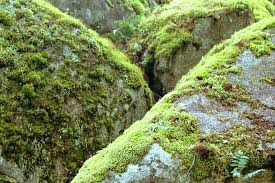
Why are some sharks considered a keystone species?
Because they are a top predator
They scare off smaller fish that may overgraze an area of sea grass
They are tertiary consumers
They are cartilaginous
Select all description/s of an ecological niche from the following options.
A fox sleeps in a burrow
A bear helps clear lichen off rocks with it's feet when fishing in a stream
A monkey swings off branches to reach fruit
Two different species of bird exist in the same air space without interacting
Birds eat seeds, then disperse them further away
A life form that is very sensitive to environmental changes in its ecosystem. They can give us early-warning messages that a habitat is suffering.
Indicator Species
Flagship Species
Predators
Ecosystem Engineers
What is a disadvantage of using indicator species as a method of determining levels of pollution
Requires specialist equipment
Time consuming
Difficult to do
Does not tell us how much pollution there is
what is an adaptation?
a change in behavior or physical aspect of an organism in order to be better suited to survive in a particular environment.
a change that an organism quickly develps to survive
a unique characteristic that makes an organsism more dominant
a shift in an organisms behavior


An unknown species employs a K-selected reproductive strategy. Which of the traits listed in the figure would accurately describe this species?
A
B
C
D
E
What are the characteristics of a R-selected species?
Low parental investment
Small clutch size
Shorter lifespan
All of the above

Predator population lags behind prey population because:
Increase in predators leads to decrease in prey
Increase in predators leads to increase in prey
Increase in predators leads to decrease in producers

Type 2 curve shows us
deaths at the end
the graph going down
constant death at all stages
death at the beginning

Tracks organisms that tend to live long lives (low death rate and high survivorship rate); toward the end of their life expectancies, however, there is a dramatic increase in the death rate.
Type I
Type II
Type III
Type IV

This graph represents a _____ growth curve
Logistic
Exponential
When the exponential growth hits the ecosystems _________ it levels off and changes to logistic growth.
Carrying capacity
substantiated curve
dependent factors

Which type of population is illustrated by this population pyramid?
Fast growing
Slow growing
Stationary (not growing or shrinking)
Negative growth (shrinking)

Which type of population is illustrated by this population pyramid?
Fast growing
Slow growing
Stationary (not growing or shrinking)
Negative growth (shrinking)

Which type of population is illustrated by this population pyramid?
Fast growing
Slow growing
Stationary (not growing or shrinking)
Negative growth (shrinking)
These types of limiting factors operate strongly when the number of organisms per unit area is higher.
density dependent limiting factors
density independent limiting factors
human impacts
exponential growth
These types of limiting factors affect all populations regardless of population size and density.
density dependent limiting factors
density independent limiting factors
human impacts
exponential growth
Human population growth in 2020 was 0.98 %. If this growth were to remain constant in what year will the human population double?
2051
2091
2109
9120

Which describes stage 2 of the demographic transition model?
High CBR
Low CBR
Declining CDR
Rapid growth
Low TFR

Which of the following describes stage 3 of a demographic transition model?
TFR Drop
TFR stabilizes
Low IMR
Stable CDR
Slowing growth rate
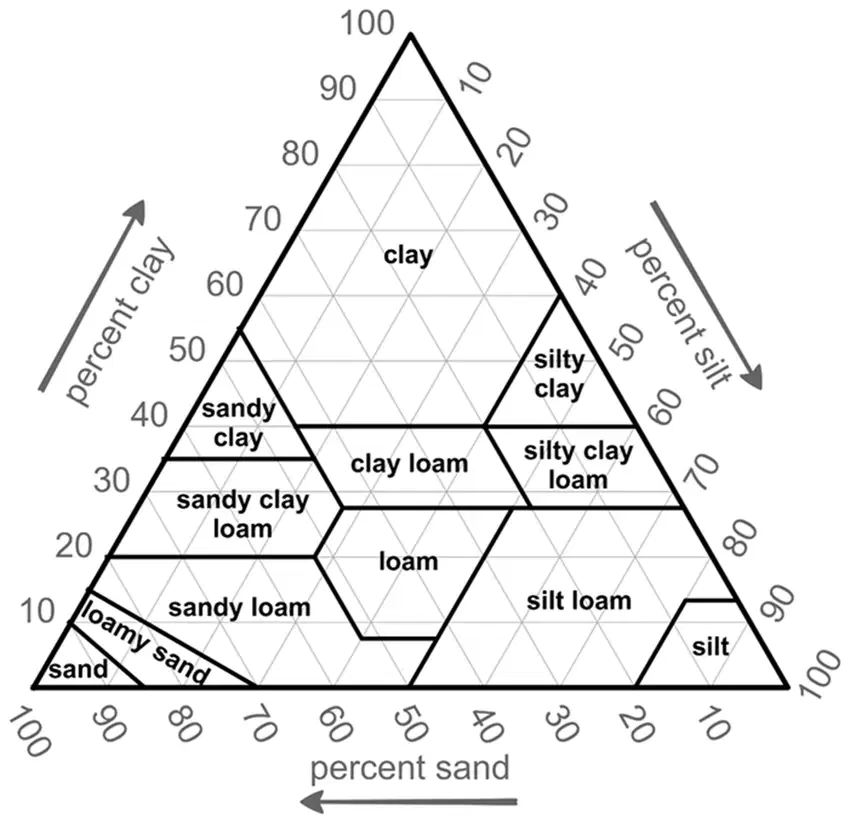
Which soil has 40% sand, 30% silt, and 30% clay?
Loam
Sandy Clay Loam
Clay Loam
Clay
What type of soil contains 40% sand, 50% silt, and 10% clay?
Clay
Sandy Loam
Silt Loam
Clay Loam
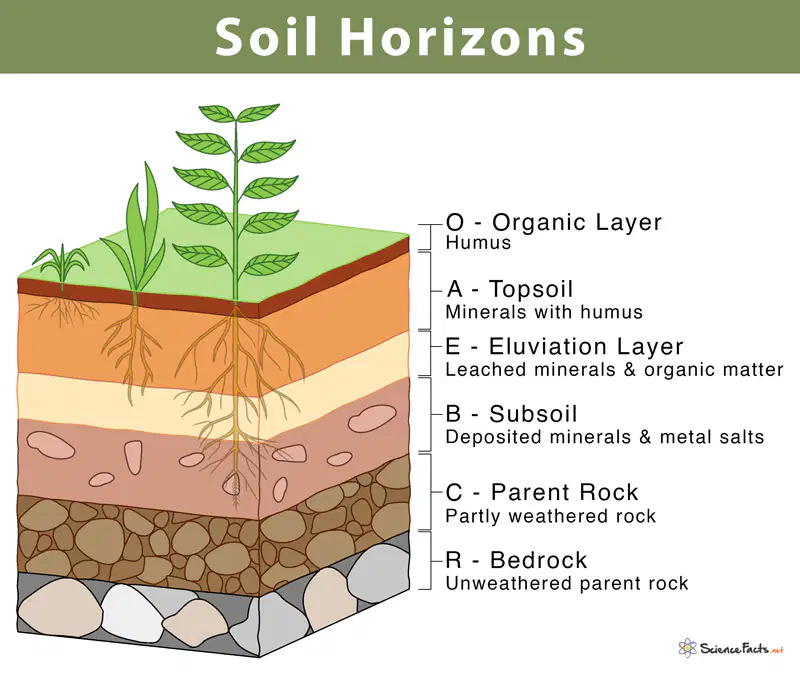
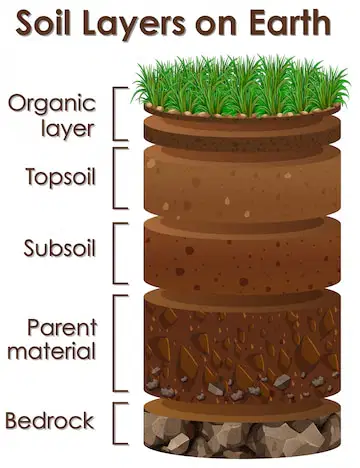
Which of the horizons in the soil profile shown represents a layer with LOTS of organic matter & sand, silt, clay.

An illustration of how a convection current creates a wind, called a land breeze, is provided.Which of the following best explains what creates this convection current?
The rotation of Earth makes the air above it rotate, but not the same over land and water.
Because of its mass, Earth’s gravity creates a high pressure area over both the land and water.
Salt in the ocean makes it more dense than the land, so its gravity pulls more on the air above it.
During the evening, the land cools off more quickly than the water, so the air is different temperatures.
How much of our atmosphere is oxygen?
1%
5%
21%
50%
78%
Which BEST explains why air temperatures near mountaintops are often much colder than air temperatures near sea level?
Large amounts of snowfall decrease the temperature.
Air near mountaintops is less dense.
Strong winds near mountaintops decrease temperatures
The lack of vegetation at sea level allows the ground to absorb more heat.
What is the primary cause of global wind patterns?
Uneven heating of the Earth's surface by the sun.
The gravitational pull of the moon
The movement of tectonic plates
Which type of wind blows from west to east?
Trade winds
Monsoons
Westerlies
What is the main factor that causes the Coriolis effect?
ocean currents
atmospheric pressure
rotation of the Earth
The day of the year with the most daylight hours is the
spring equinox
fall equinox
summer solstice
winter solstice
When daylight hours are almost equal to night time hours, it is called
equinox
solstice

As the angle of light decreased (when you started to angle the flashlight closer to the paper) what can be inferred about the temperature?
As the angle decreased, the temperature would stay the same.
As the angle decreased, the temperature would increase.
As the angle decreased, the temperature would decrease.

This diagram depicts a natural phenomena known as ____ which occurs in locations where large mountain ranges block weather patterns in the atmosphere. This blockage creates desert-like conditions on the opposite side of the range.
The Green House Effect
Desertification
The Rainshadow Effect
The Lake Effect
What is the definition of the tragedy of the commons?
When humans overuse a natural resource
When the short-term, positive effects go to the individual, while the long-term, negative effects are spread out to the group
When humans act selfishly, thinking of their own self-interest
When plants and animals compete for space, resources, and/or food
Which of the following is an example of a solution to the tragedy of the commons?
Improving literacy among urban populations
Raising tax rates for large corporations
Inventing stronger antibiotics
Passing a law to set limits for fishermen
Within the carbon cycle, anything that absorbs more carbon from the atmosphere than it releases.
carbon sink
carbon source
Within the carbon cycle, anything that releases more carbon into the atmosphere than it absorbs.
carbon sink
carbon source
Select all that apply.
Which of the following are carbon sinks.
soil and rocks
fossil fuels
forests
oceans

During ENSO, El Nino is
The warming of the Pacific Ocean
The warming of the Atlantic Ocean
The cooling of the Pacific Ocean
The cooling of the Atlantic Ocean
During El Nino Events, the peruvian anchovy industry is
negatively impacted (Fisheries Crash)
Positively Impacted (Fisheries thrive)

This diagram represents what condition in the Pacific Ocean
El Nino Conditions
La Nina Conditions
Normal Conditions
Upwelling can cause
warmer water conditions
decrease in biodiversity
increased nutrients and productivity in surface waters
Decreased productivity in surface waters
The reason we have seasons on our planet is because...
we are closer to the sun during the winter and further during the winter.
the tilt of Earth's axis allows for more direct sunlight in the summer and less direct sunlight in the winter.
seasonal wind patterns carry warmer winds during the summer and colder winds during the winter.
the Earth's orbit becomes more like an oval to give us different seasons.

Study the diagram. What season for the Northern Hemisphere does the diagram represent?
Winter
Spring/Fall
Summer

El Niño ___________________ the trade winds causing the warm pool to move ___________.
weakens or reverses; west
intensifies; east
weakens or reverses; east
intensifies; east

