wayground logo

Free Printable Worksheets

Font size

S
M
L
XL
Worksheets

Forensics Fall Mid-Term 2025

Total questions: 93

Worksheet time: 49mins
Name
Class
Date
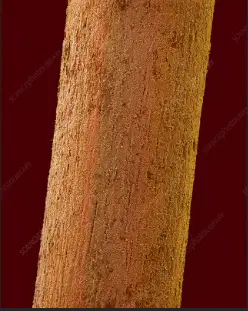
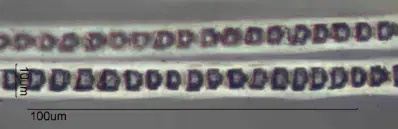
1.
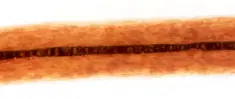
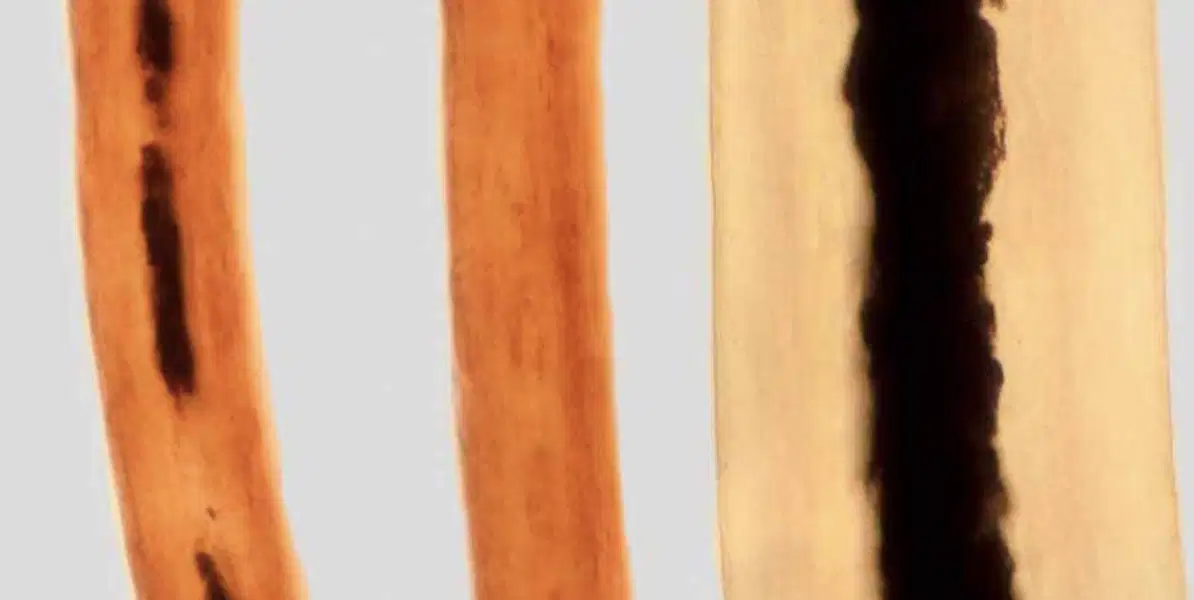
This hair is from what animal?
a)
horse
b)
wooly mammoth
c)
mink
d)

human

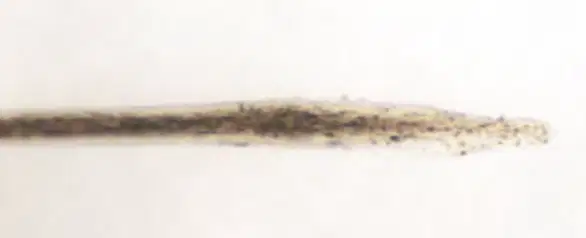
2.
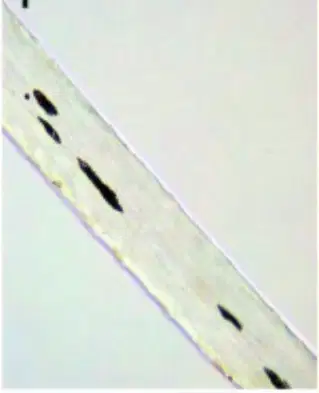
What are the dark specks in the hair shaft?
a)
medulla specs
b)
pigment granules
c)
dust on microscope slide
3.
Which animal has a spade root shape?
a)
dog
b)
cat
c)
human
d)
sheep
4.
Can animal hairs have split ends?
a)
Yes, animal hairs typically have split ends.
b)
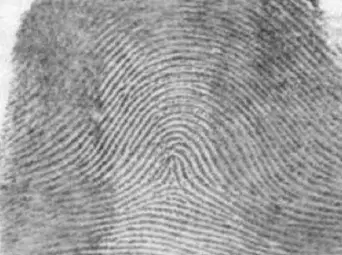
Yes, animal hairs can have split ends, however, it is more common in human hair.
c)
Yes, about 67% of animal hair collected, is found to have split ends.
d)
No, it is impossible since only human hairs can have split ends.
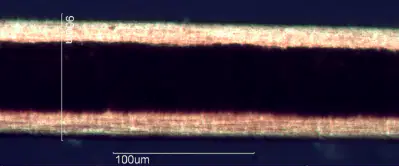
5.
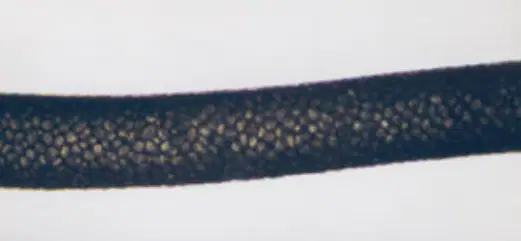
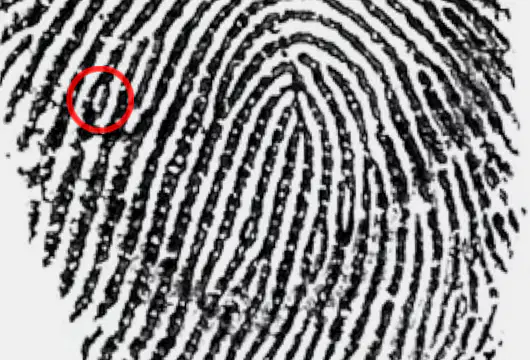
7) What animal did this hair come from?
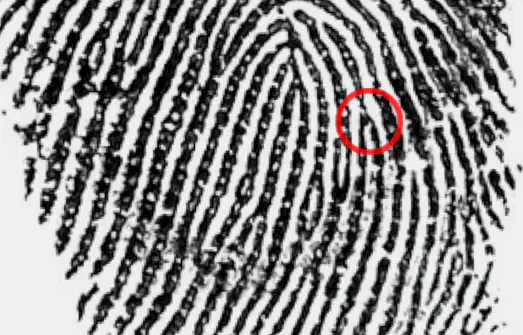
a)
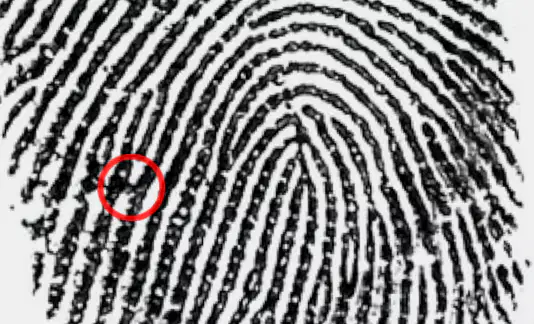
mink
b)
horse
c)
cat
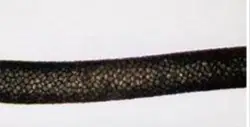
6.
9) What animal did this hair come from?
a)
deer
b)
dog
c)
mouse
7.
Which of the following is NOT one of the three layers in the hair shaft?
a)
Dermis
b)
Cortex
c)
Medulla
d)
Cuticle
8.
True or False: Hair follicles can be blood tested & even show the blood type.
a)
True
b)
False
9.
Which substances can hair indicate the presence of?
a)
Drugs
b)
Proteins
c)
Toxins
d)
Vitamins
e)
Metals
10.
Which of the following is the function of the sebaceous gland?
a)
Blood vessels to supply nutrients to feed the hair to grow
b)
Helps secrete oil that helps keep hair conditioned
c)
Helps hair stand upright
d)
Makes the hair strong and flexible
11.
True or False: The hair shaft can NOT provide/ determine a timeline for a person's exposure to toxins.
a)
True
b)
False
12.
Which of the following is a medulla pattern that is one unbroken line of color?
a)
Lattice
b)
Fragmented
c)
Interrupted
d)
Continuous
13.
True or False. The broad characteristics of hairs from different races can be compared.
a)
True
b)
False
14.
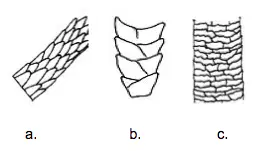
Identify the cuticle pattern labeled C shown below
a)
Imbricate
b)
Coronal
c)
Spinous
d)
Cracked
15.
This assessment of the follicle is performed first because it is cost effective and quick
a)
DNA Analysis Assessment
b)
Follicular Tag Assessment
c)
Blood Protein Testing Assessment
d)
Microscopic Assessment
16.
15) Identify the medulla pattern.
a)
Continuous
b)
Uniserial
c)
Fragmented
17.
Which part(s) of a hair can be analyzed for DNA?
a)
follicle
b)
cuticle
c)
medulla
d)
cortex
18.
The hair follicle is dormant or resting and hairs easily lost during the _______ stage.
a)
catagen
b)
telogen
c)
anagen
d)
imagen
19.
Which stage of hair growth does the hair turn grey/ grows & changes?
a)
catagen stage
b)
telogen stage
c)
anagen stage
d)
imagen stage
20.
The period of active growth is called ____.
a)
catagen stage
b)
telogen stage
c)
anagen stage
d)
imagen stage
21.
Which of the following describe a function(s) of hair on mammals:
a)
Regulate body temperature
b)
Reduces friction
c)
Protect against sunlight
d)
All of the above
22.
The hair shaft is composed of the protein ______.
a)
Cellulose
b)
Polymer
c)
Keratin
d)
None of the above
23.
______________ investigation can indicate fine detail in hair structure.
a)
Fluorescence
b)
Macroscopic
c)
Microscopic
d)
Electron
24.
Which if the following choices represents the correct order of life stages for hair growth?
a)
imagen, catagen, telogen
b)
anagen, telogen, catagen
c)
catagen, anagen, telogen
d)
anagen, catagen, telogen
25.
True or False: Pigmentation in animal hair is denser towards the cuticle & in humans, it is denser towards the medulla.
a)
True
b)
False
26.

What was a significant change in the processing of cotton that occurred in the early 18th century?

a)
a. The introduction of hand processing techniques
b)

b. The invention of the first automated processing machine

c)
c. The discovery of cotton seeds
d)
d. The use of cotton in clothing
27.

How many silkworms are approximately needed to produce 1 pound of silk?

a)
A) 500
b)
B) 1,000
c)
C) 2,500
d)

D) 5

28.

What is the primary substance extracted from sheep's fleece during wool processing?

a)
a. Lanolin
b)
b. Wool grease
c)
c. Detergent
d)
d. Polyester
29.

How did the Romans influence wool production in England?

a)
a. They invented new cleaning methods
b)
b. They introduced sheep to the region
c)
c. They brought wool production techniques
d)
d. They created automated looms
30.

How much cashmere does an average cashmere goat produce in a year?

a)
a. 200 grams
b)
b. 500 grams
c)
c. 1 kilogram
d)
d. 3 kilograms
31.

What is the primary source material used to create viscose fiber?

a)
Synthetic polymers
b)

Natural cellulose

c)
Petroleum products
d)
Animal fibers
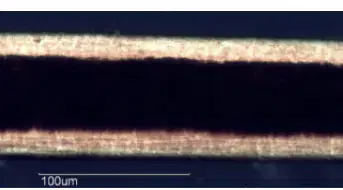
32.

Which of the following is NOT a common use of viscose fiber?
a)
Apparel
b)
Non-woven fabrics
c)
Construction materials
d)
Protective clothing
33.
22. Which if the following choices represents the correct order of life stages for hair growth?
a)
a. telogen, anagen, catagen
b)
b. anagen, catagen, telogen
c)
c. anagen, telogen, catagen
d)
d. catagen, anagen, telogen
34.
30) Name the correct animal and medulla pattern.
a)
a. Deer, continuous
b)
b. Horse, Lattice
c)
c. Deer, Lattice
d)
d. Horse, Continuous
35.
31) Name the correct animal and medulla pattern.
a)
a. Deer, continuous
b)
b. Seal, absent
c)
c. Deer, lattice
d)
d. Dog, continuous
36.
33) Which of the following choices correctly identify the cuticle pattern for each animal hair shown below?
a)
(a) spinous (b) coronal (c) imbricate
b)
(a) imbricate. (b) spinous. (c) coronal
c)
(a) coronal. (b). imbricate. (c) spinous
d)
(a) imbricate. (b). coronal. (c). spinous
37.
38) Identify the following human medulla types going from left to right.
a)
a. absent, continuous, segmented
b)
b. segmented, absent, continuous
c)
c. fragmented, absent, continuous
d)
d. fragmented, segmented, continuous
38.

Hair color, hair length, & if it is curly or straight is

a)

Microscopic

b)

Macroscopic

39.
The protein that makes up hair is called _____
a)
ninhydrin
b)
pigments 
c)
medulla
d)
keratin
40.

The outside layer of a hair (compared to orange layer on a pencil) is the ___

a)
medulla
b)
cortex
c)
cuticle
d)
keratin
41.

Hair cuticle, medulla pattern, & pigment granules

a)

Microscopic

b)

Macroscopic

42.

Who typically has a wider medulla (the Medullary Index is > 1/3)

a)

Animal

b)

Plants

c)

Humans

43.

Which of the following is the function of the sebaceous gland?

a)

Blood vessels to supply nutrients to feed the hair to grow

b)

Makes the hair strong and flexible

c)

Helps secrete oil that helps keep hair conditioned

44.

Which part(s) of a hair can be analyzed for DNA?

a)

Hair shaft

b)

cuticle

c)

medulla

d)

follicle

45.
15. What cuticle pattern does human hair have?
a)
a. Coronal
b)
b. Imbricate
c)
c. Spinous
46.
1. Which statement is FALSE?
a)
a.There is evidence that the Bertillon System was used in ancient Egypt, India, and China.
b)
b.The Bertillon System was used in the United States and Europe before fingerprinting replaced it
c)
c.The Bertillon System is no longer used today by law enforcement
d)
d. In the Bertillon System, sets of measurements were taken of each criminal, and thought to be unique
47.
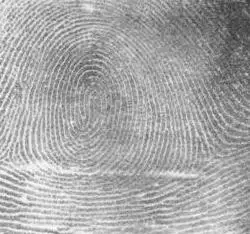
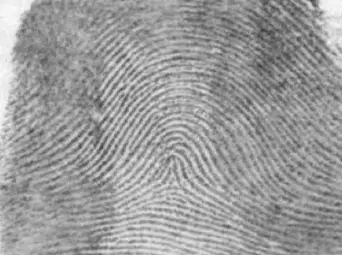
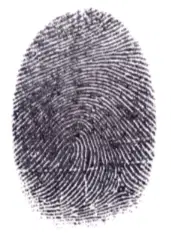
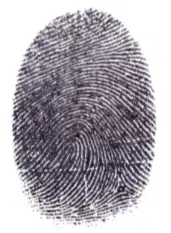
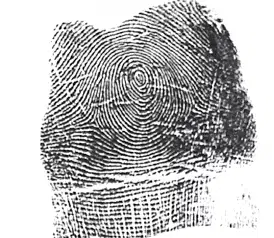
2. Classify this fingerprint from a suspect's LEFT hand!
a)
b. Tented Arch
b)
a. Plain Arch
c)
c. Radial Loop
d)
d. Ulnar Loop
e)
e. Plain Whorl
48.
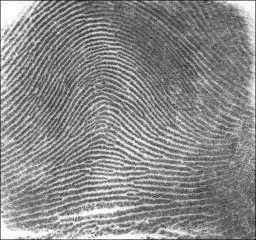
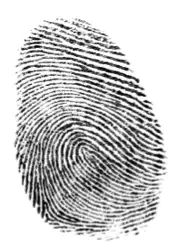
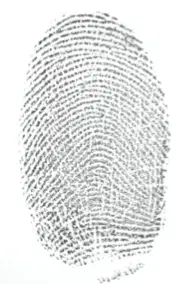
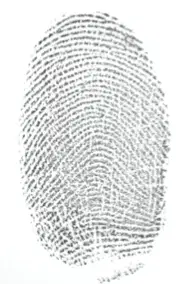
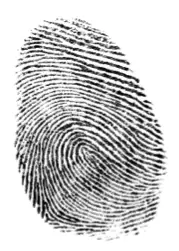
3. Classify this fingerprint from a suspect's LEFT hand!
a)
e. Plain Whorl
b)
a. Plain Arch
c)
b. Tented Arch
d)
c. Radial Loop
e)
d. Ulnar Loop
49.
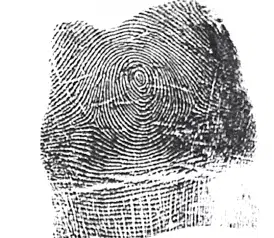
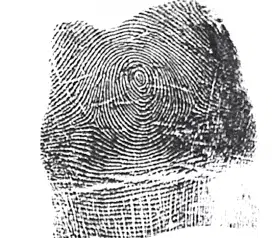
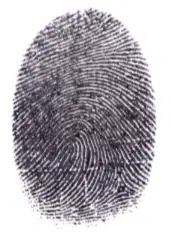
4. Classify this fingerprint from a suspect's LEFT hand!
a)
a. Plain Arch
b)
b. Tented Arch
c)
c. Radial Loop
d)
d. Ulnar Loop
e)
e. Plain Whorl
50.
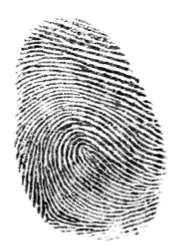
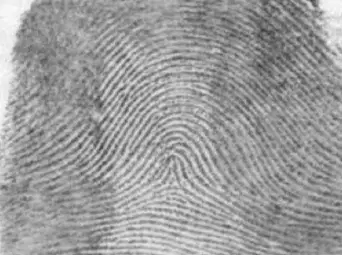
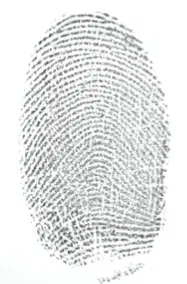
5. Classify this fingerprint from a suspect's LEFT hand!
a)
c. Radial Loop
b)
a. Plain Arch
c)
b. Tented Arch
d)
d. Ulnar Loop
e)
e. Plain Whorl
51.
6. How many deltas do all loop fingerprints have?
a)
a. loops have zero deltas
b)
b. loops have one delta
c)
c. loops have two deltas
d)
d. loops have three deltas
52.
7. Which of the following wrote a book all about fingerprints?
a)
a. Alphonse Bertillon
b)
b. Will West
c)
c. Francis Galton
d)
d. James Andrews
53.
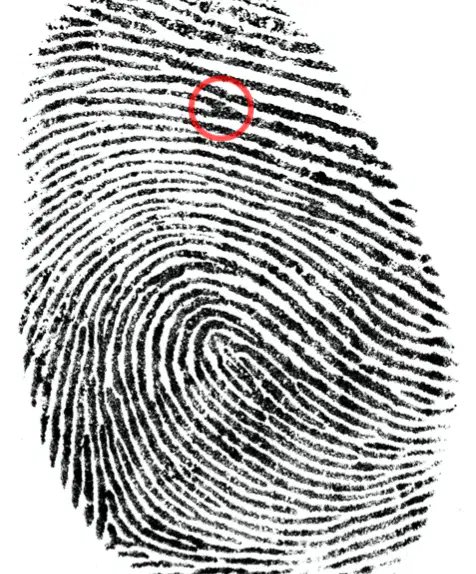
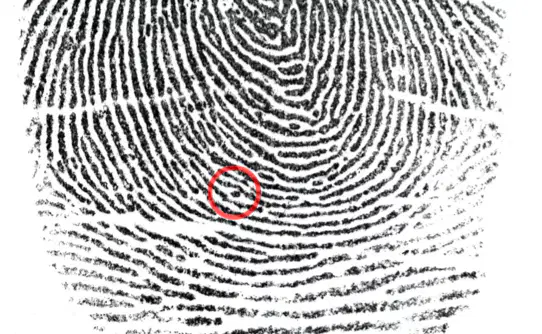
8. What type of minutiae points is this?
a)
d. bifurcation / fork
b)
a. hook / spur
c)
b. island / dot
d)
c. ridge ending
e)
e. short ridge
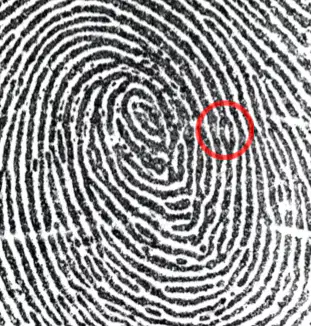
54.
9. What type of minutiae points is this?
a)
b. island / dot
b)
a. hook / spur
c)
c. ridge ending
d)
d. bifurcation / fork
e)
e. short ridge
55.
10. What type of minutiae points is this?
a)
f. lake
b)
a. hook / spur
c)
b. island / dot
d)
c. ridge ending
e)
d. bifurcation / fork
56.
1. Which of these is TRUE about fingerprints?
a)
a.Latent fingerprints are matched by computer, not by a human
b)
b. A latent print must have at least 20 matching minutiae points to the suspect's print to be considered a match
c)
c. There have been very few studies to validate the use of forensic fingerprint evidence
d)
d. All experts agree that fingerprint evidence is 100% reliable
57.
2. Which of these is TRUE about altering fingerprints?
a)
a. Criminals should just wear gloves and spare the pain of altering their prints
b)
b. To permanently alter a fingerprint, you must cut off just the epidermis
c)
c. Altering fingerprints is something that criminals only did in the past - criminals no longer to this today
d)
d. Criminals who alter their prints are still identified by palm prints or facial recognition
58.
3. Which of these bodies is MOST likely to have useful fingerprints for identification?
a)
a. A body found in Texas in the summer, appears to be 10 days since death.
b)
b. A body found in Texas in the winter, appears to be 100 days since death.
c)
c. A body found in Texas in a lake, appears to be 10 days since death.
d)
d. A body found in Texas in a lake, appears to be 100 days since death
59.
4. What happens to the skin after death?
a)
a. The epidermis is the first layer to decompose
b)
b. The fatty layer under the skin decomposes, leaving the skin loose
c)
c. The fatty layer under the skin shrinks, pulling the skin tighter against the body
d)
d. The dermis layer swells, causing fingerprints to be distorted and un-usable
60.
5. Which statement is FALSE?
a)
a. Fingerprints can reveal if a person has recently handled drugs
b)
b. Besides solving crime, fingerprints have no practical use for most people
c)
c. It is possible to fool a fingerprint scanner
d)
d. New technology is allowing investigators to get even more information about a suspect from a latent fingerprint
61.
6. Which of these animals has fingerprints similar to humans?
a)
a. cats
b)
b. koala
c)
c. kangaroo
d)
d. dogs
62.
7. Who is Alphonse Bertillon?
a)
a. The man who believed every person had a different set of body measurements
b)
b. The first man to be put in jail based on fingerprint evidence
c)
c. The man who wrote a book all about fingerprints
d)
d. The man who was wrongfully convicted of murder based on bad fingerprint evidence
63.
8. Who is Francis Galton?
a)
a. The man who believed every person had a different set of body measurements
b)
b. The first man to be put in jail based on fingerprint evidence
c)
c. The man who wrote a book all about fingerprints
d)
d. The man who was wrongfully convicted of murder based on bad fingerprint evidence
64.
9. Consider what you know about fingerprints. The type and location of minutiae points on a fingerprint is what type of evidence?
a)
a. Class evidence
b)
b. Individual evidence
c)
c. Common evidence
d)
d. Subjective evidence
65.
10. Which statement is TRUE?
a)
a. You have had your fingerprints since before you were born
b)
b. Your fingerprints continue to develop and change until you reach adulthood
c)
c. Individuals who do rough work with their hands often smooth away their fingerprints
d)
d. Only identical twins have the same fingerprints
66.
11. Which of these is FALSE?
a)
a. Loops come in on one side, go up in the middle, and out on the other side
b)
b. All Loops have one delta
c)
c. To classify a loop, you need to know if it is from the right or left hand
d)
d. Loops are the most common type of fingerprint
67.
12.Which of these is TRUE?
a)
a. All Whorls come in on one side, go up in the middle, and out on the other side
b)
b. All Whorls have one delta
c)
c. To classify a Whorl, you need to know if it is from the right or left hand
d)
d. A person may have a Whorl pattern on more than one finger
68.
13. Which of these prints is a Tented Arch? (they are all from the RIGHT hand)
a)
e. Option 5
b)
a. Option 1
c)
b. Option 2
d)
c. Option 3
e)
d. Option 4
69.
14.Which of these prints is a Ulnar Loop? (they are all from the RIGHT hand)
a)
a. Option 1
b)
b. Option 2
c)
c. Option 3
d)
d. Option 4
e)
e. Option 5
70.
15. Which of these prints is a Plain Whorl? (they are all from the RIGHT hand)
a)
d. Option 4
b)
a. Option 1
c)
b. Option 2
d)
c. Option 3
e)
e. Option 5
71.
16. What type of minutiae points is this?
a)
f. lake
b)
a. hook / spur
c)
b. island / dot
d)
c. ridge ending
e)
d. bifurcation / fork
72.
17. What type of minutiae points is this?
a)
d. bifurcation / fork
b)
a. hook / spur
c)
b. island / dot
d)
c. ridge ending
e)
e. short ridge
73.
18. What type of minutiae points is this?
a)
g. crossover
b)
a. hook / spur
c)
b. island / dot
d)
c. ridge ending
e)
d. bifurcation / fork
74.
19. What type of minutiae points is this?
a)
h. delta
b)
a. hook / spur
c)
b. island / dot
d)
c. ridge ending
e)
d. bifurcation / fork
75.
20. You want to search for latent prints on a glass window. What type of fingerprint processing will you use?
a)
a. Ninhydrin
b)
b. Super glue / Cyanoacrylate
c)
c. Amido Black
d)
d. Black or Magnetic Fingerprint Powder
76.
21. You want to search for latent prints on a paper ransom note. What type of fingerprint processing will you use?
a)
a. Ninhydrin
b)
b. Super glue / Cyanoacrylate
c)
c. Amido Black
d)
d. Black or Magnetic Fingerprint Powder
77.
22. You want to search for latent prints on a styrofoam cup. What type of fingerprint processing will you use?
a)
a. Ninhydrin
b)
b. Super glue / Cyanoacrylate
c)
c. Amido Black
d)
d. Black or Magnetic Fingerprint Powder
78.
23. Superglue adheres (sticks) to what part of a fingering?
a)
a. proteins
b)
b. drug residue
c)
c. moisture (sweat)
d)
d. oils
79.
24. Amido Black is a chemical used for developing latent prints in...
a)
a. any 3D substance, like gum or chocolate
b)
b. in blood
c)
c. in ink
d)
d. in soil / dirt
80.
25. Which of these is TRUE?
a)
a. IAFIS will find the ONE print that exactly matches a crime scene print
b)
b. IAFIS is run and maintained by the FBI
c)
c. The fingerprints stored in IAFIS are classified, state and local investigators do not have access to it
d)
d. Because there are SO many fingerprints in IAFIS, is sometimes takes days to get results from a search
81.
Which 2 fibers are known as NATURAL fibers
a)
Rayon/ Viscose
b)
Cotton
c)
Acrylic
d)
Polyester
e)
Wool
82.
Which fiber is made of plastics?
a)
Polyester
b)
Wool
c)
Bamboo
d)
Cashmere
83.
Which fiber completely dissolves in bleach?
a)
Bamboo
b)
Cotton
c)
Acrylic
d)
Wool
84.
Which synthetic fiber is known as "fake wool"?
a)
Silk
b)
Nylon
c)
Acrylic
d)
Rayon
85.
True or False: Synthetic fibers are often very absorbent & have a high water retention.
a)
True
b)
False
86.
Fibers are ________ evidence
a)
Individual
b)
Class
c)
Group
d)
Concrete
87.
True or False: Evidence should always be bagged separately to avoid cross- transferring of fibers.
a)
True
b)
False
88.
Looking at a fiber under the microscope is an example of what kind of test?
a)
Subjective/ Qualitative (opinon)
b)
Objective/ Quanitative (numbers)
89.
Which of these is a non-destructive test preformed by forensic analysts?
a)
Flame test
b)
Chemical reaction test
c)
Fluorescent test
d)
Chemical composition test
90.

8. You see a faint fingerprint made in blood. What will you use to make the print more clear?

a)

Ninhydrin

b)

Amido black

c)

Fingerprint powder

d)

Superglue

91.

10. Which part of the fingerprint does Superglue stick to?

a)

sweat/ moisture

b)

proteins

c)

oils

d)

skin cells

92.

Whorls have how many deltas?

a)

0

b)

1

c)

2

d)

sometimes 2

93.

Flax plants are used to make which fiber?

a)

Cotton

b)

Linen

c)

Wool

d)

Nylon