
 Worksheets
The Chain of Infection_Hand Hygiene
Total questions: 94
Worksheet time: 47mins
Which statement best describes the chain of infection shown in the diagram?
Infection spreads when only reservoirs are present
Infection spreads when all links stay connected
Infection spreads when transmission routes are eliminated
Infection spreads when hosts are never susceptible
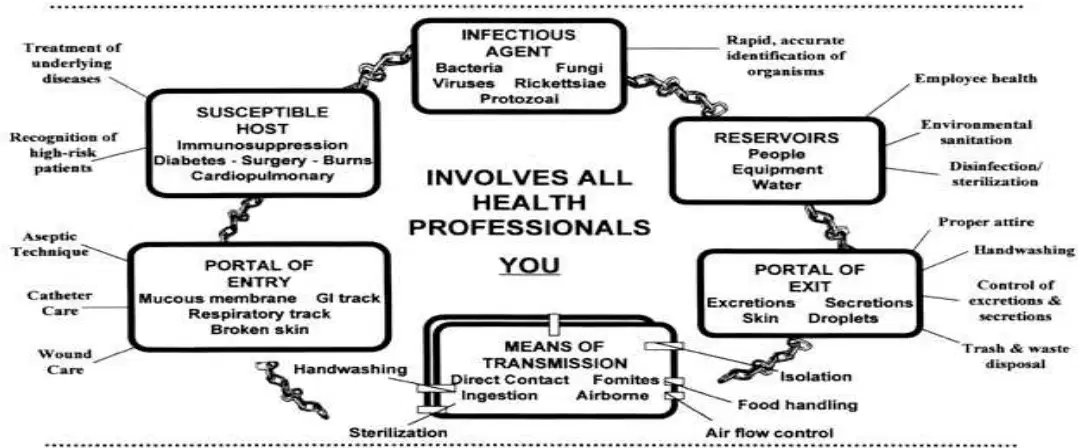
Which link would hand hygiene most directly interrupt in the chain?
Infectious agent identification
Means of transmission between contacts
Portal of entry through broken skin
Reservoirs such as equipment
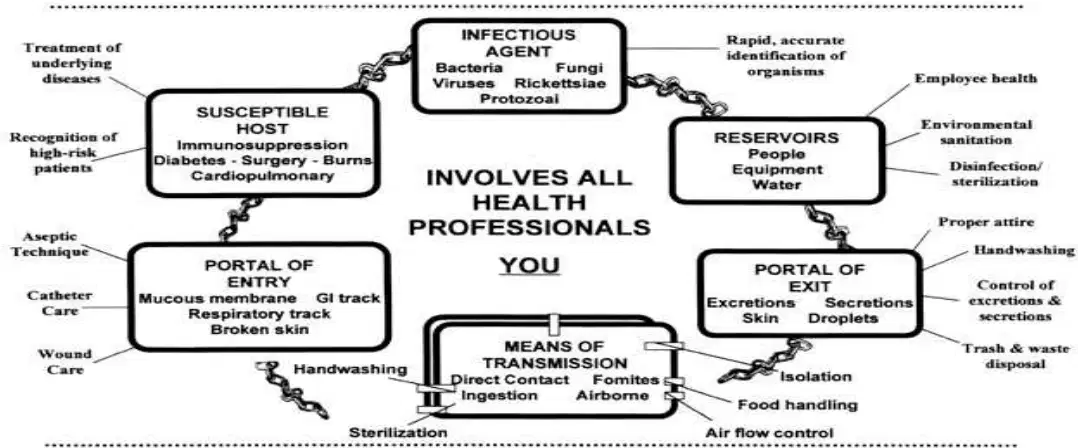
A patient with immunosuppression is highlighted in the diagram. Which link does this represent?
Infectious agent classification
Reservoirs like water sources
Portal of exit for droplets
Susceptible host in the chain
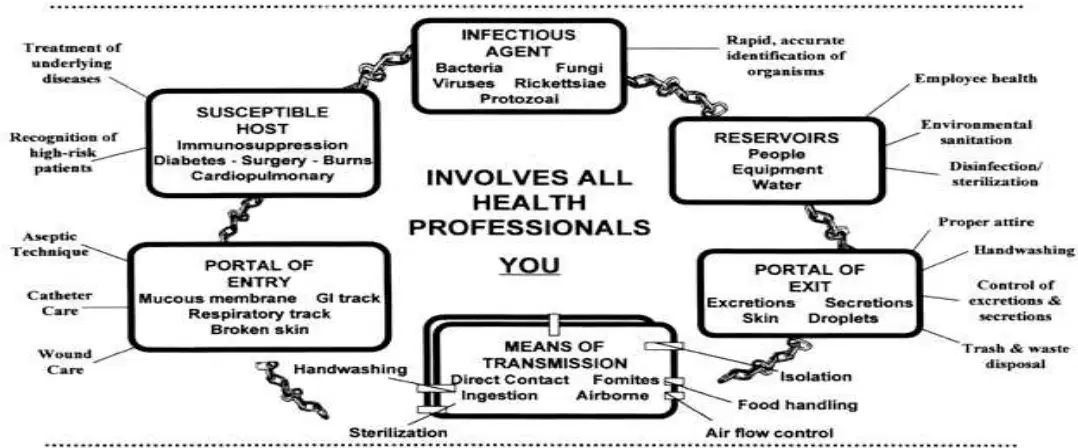
Which action aligns with breaking the portal of exit shown in the diagram?
Control of excretions and secretions
Rapid organism identification
Food handling precautions
Treatment of underlying diseases
Which category correctly describes organisms like E. coli and Pseudomonas aeruginosa?
Fungi causing opportunistic disease
Bacteria causing diverse infections
Protozoa causing intestinal illness
Viruses causing hepatitis infections
Hepatitis B and C are primarily classified under which type of infectious agent?
Viruses requiring host cells
Bacteria with cell walls
Protozoa with motile forms
Fungi with hyphae structures
Candida albicans best fits which causative agent category?
Fungus capable of opportunism
Protozoan single-celled parasite
Virus dependent on host replication
Bacterium with peptidoglycan
Mycoplasma pneumoniae is distinctive among bacteria because it lacks which typical feature?
Flagella for active motility
Rigid peptidoglycan cell wall
Nucleus enclosed by membrane
Mitochondria for energy production
Which source-reservoir pairing is most accurate for malaria transmission?
Human reservoir via blood transfusion
Animal reservoir via mosquitoes
Environmental reservoir via surfaces
Inanimate reservoir via equipment
A needle contaminated with pathogens represents which reservoir type?
Animal reservoir in vectors
Viral reservoir in host cells
Human reservoir in bloodstream
Inanimate reservoir in equipment
A patient with high hepatitis B viral load donates blood. What reservoir category does this donor represent?
Human reservoir for pathogens
Animal reservoir for disease
Inanimate reservoir for microbes
Environmental reservoir for spores
Which reasoning best explains why viruses like hepatitis B need a host to replicate?
They lack metabolic machinery
They possess complete ribosomes
They contain independent mitochondria
They perform autonomous protein synthesis
Which portal of exit is most associated with drainage from a wound or cut in the skin?
Urinary tract structures
Respiratory tract pathways
Blood circulatory system
Skin or tissue surfaces
Which portal of exit includes needle puncture sites and mucous membrane surfaces?
Gastrointestinal tract areas
Urinary tract openings
Respiratory tract routes
Blood as a reservoir
Which activity releases pathogens through the respiratory tract portal of exit?
Bleeding from open skin
Vomiting or salivation episodes
Laughing or sneezing events
Defecation or colostomy care
Which portal of exit is correctly matched with urethral meatus?
Gastrointestinal tract outlet
Skin or tissue drainage
Urinary tract exit point
Respiratory tract opening
Which is a correct example of gastrointestinal tract portals of exit?
Urethral secretions
Faeces and colostomies
Coughing and breathing
Needle puncture sites
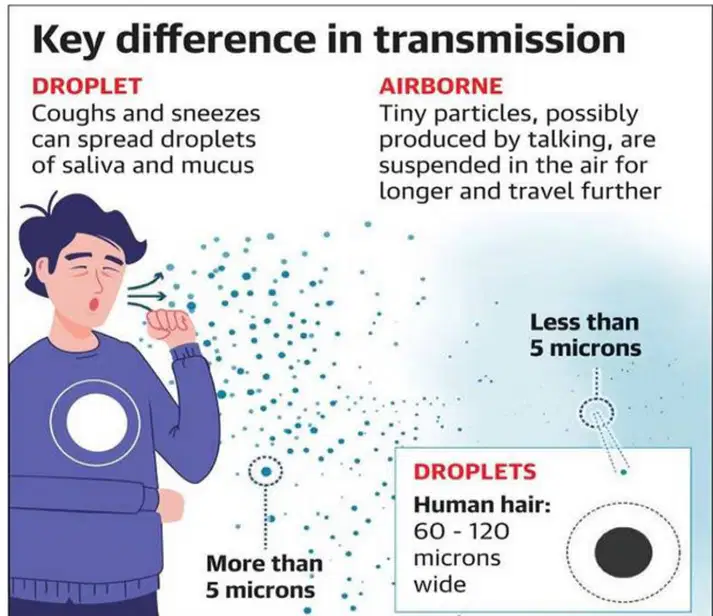
Airborne transmission primarily involves which particle characteristic?
More than five microns
Contact with fomites
Less than five microns
Liquid droplets only
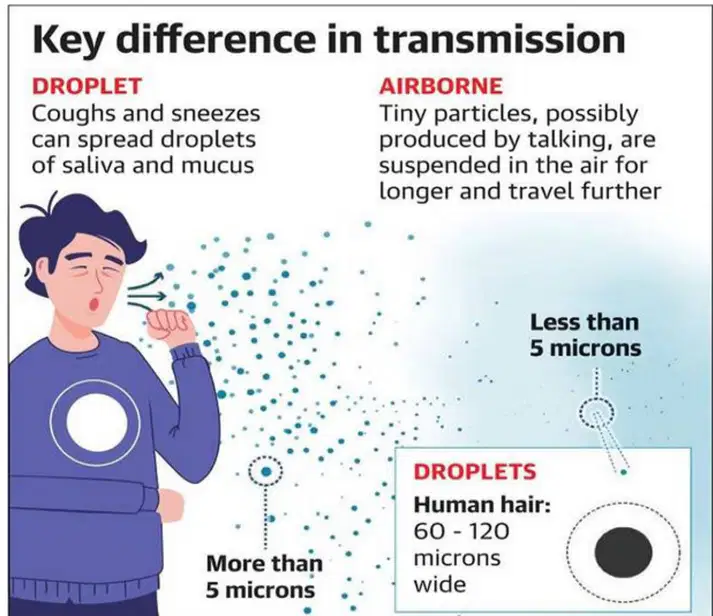
Droplet transmission typically involves particles of what relative size?
Nanometer-sized aerosols
Less than five microns
More than five microns
Invisible vapor particles
Which statement best distinguishes airborne from droplet spread?
Airborne travels farther
Droplet remains suspended
Droplet travels farther
Airborne settles quickly
Which intervention most directly interrupts respiratory tract exit leading to droplet spread?
Sterilizing blood products
Applying urethral catheters
Using mosquito repellents
Wearing a surgical mask
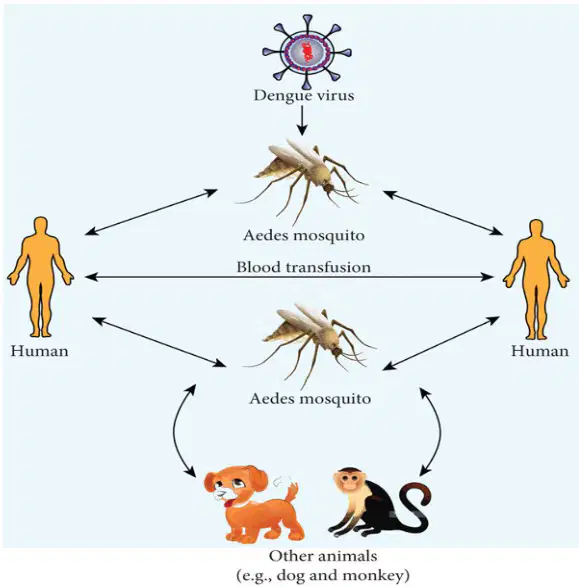
Vector-borne transmission most commonly occurs through which mechanism?
Drainage from skin wounds
Coughing or sneezing actions
Stings or bites by vectors
Ingestion of faecal matter
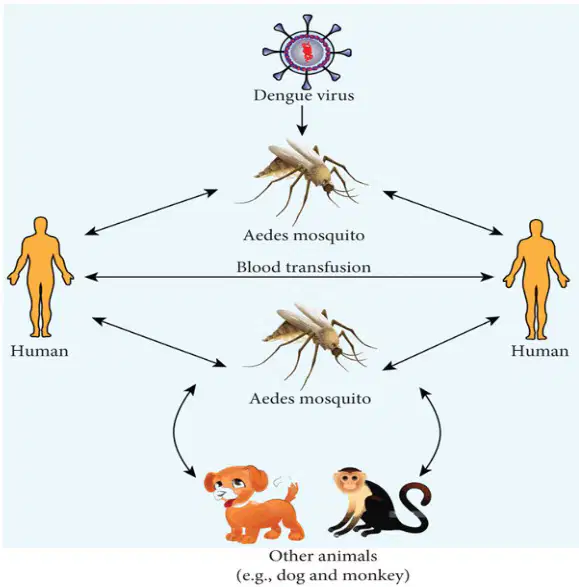
In a dengue outbreak, what role does the Aedes mosquito play in transmission?
Sterile mechanical carrier
Gastrointestinal reservoir
Biological disease vector
Respiratory droplet source
A patient with an open wound and active bleeding presents a transmission risk primarily via which portal of exit?
Blood from broken skin
Airborne droplet nuclei
Saliva or vomitus
Urethral meatus secretions
Which scenario best represents direct contact transmission in a clinical setting?
Using a commode chair without disinfecting
Shaking hands with a patient with open lesions
Sharing a stethoscope between multiple patients
Breathing near a coughing patient across the room
Which example is MOST consistent with indirect contact transmission?
Hugging a febrile patient during triage
Contaminated wheelchair transferring organisms
Assisting with wound care gloveless
Standing within one meter of sneezing
Which is a recognized portal of entry for microorganisms?
Evaporation through intact skin
Inhalation via respiratory tract
Excretion through urinary tract
Diffusion through bone tissue
A newborn acquires infection via maternal circulation before birth. Which portal of entry explains this?
Transplacental entry to fetus
Inoculation through dermis
Ingestion through oral cavity
Inhalation during delivery
A nurse touches a patient’s blood, then adjusts another patient’s IV without hand hygiene. What transmission route is most likely?
Airborne droplet spread
Indirect contact via fomites
Direct contact person-to-person
Vector-borne inoculation
Which action best interrupts indirect contact transmission in shared equipment areas?
Increasing visitor restrictions
Opening windows for ventilation
Disinfecting commode chairs between uses
Routine masking for all staff
Which factor most directly reduces a person’s ability to combat microorganisms?
Routine physical activity three times weekly
Short-term exposure to cold weather
Adequate sleep and hydration
Presence of condition altering immune function
A patient with chronic disease and poor hygiene is best described as:
A temporarily immune host
A susceptible host
A highly resistant host
A non-susceptible host
Which situation reflects impaired host resistance?
Weakened immune system due to age extremes
Immunization up to date for all vaccines
Balanced diet with vitamins and minerals
Daily hand hygiene with alcohol rub
Which practice aligns with Standard Precautions in nursing care?
Limited to sterile procedures in operating rooms
Implemented after transmission-based isolation
Applied regardless of diagnosis or risk
Used only for patients with confirmed infections
A nurse cares for a patient of unknown infection status. What is the appropriate approach?
Rely on patient self-report to determine PPE
Apply airborne isolation for every patient
Use Standard Precautions for all care activities
Delay precautions until lab results arrive
Which combination increases host vulnerability the most?
Good hygiene and regular exercise
Chronic disease and lack of vaccination
Stress reduction and adequate sleep
Balanced nutrition and routine vaccination
Which statement best defines asepsis in clinical practice?
Elimination of visible soil from surfaces
Complete absence of microorganisms from a site
Use of antibiotics to suppress infection
Reduction of pathogenic load to safe levels
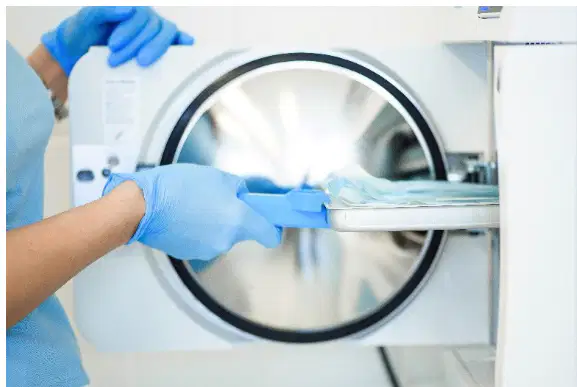
Which procedure directly contributes to maintaining asepsis?
Using nonsterile gloves for surgery
Routine handwashing before patient contact
Sharing equipment between isolation rooms
Storing instruments without wrapping
Medical asepsis is primarily aimed at which outcome?
Completely eliminating all microorganisms
Eradicating spores from surgical tools
Reducing transmission risk between patients
Maintaining an operating room sterile field
Which example best illustrates surgical asepsis?
Using alcohol gel between ward rounds
Creating and maintaining a sterile field
Cleaning floors with detergent solution
Wearing cloth masks in outpatient clinic
Which statement accurately contrasts medical and surgical asepsis?
Medical reduces microbes; surgical aims sterility
Medical ensures sterility; surgical cleans surfaces
Medical uses antibiotics; surgical uses detergents
Medical isolates patients; surgical promotes hand rubs
A nurse places a patient with an infection in a private room. This action most closely represents which principle of asepsis?
Physical isolation to limit spread
Sterile draping of instruments
Antibiotic prophylaxis administration
Terminal cleaning of an operating room
Why does medical asepsis not claim to destroy all microorganisms?
Pathogens are always antibiotic resistant
Its goal is risk reduction, not sterility
Sterilization damages patient skin
Cleaning agents only work on viruses
Which statement best defines surgical asepsis for skin surfaces?
Absence of all micro-organisms on skin
Absence of visible debris on skin
Reduction of micro-organisms on skin
Removal of organic matter from skin
In medical asepsis, equipment used for routine care is typically which type?
Unclean but covered tools
Reusable sterile instruments
All sterile equipment only
Clean or disinfected equipment
Which glove use aligns with medical asepsis in ward procedures?
Double-gloving routinely
Sterile gloves only
No gloves for minor care
Non-sterile and sterile gloves
Which gowning approach is consistent with surgical asepsis in the operating theatre?
Sterile gowns for all staff
Reusable cloth coats unsterile
Clean disposable gowns only
No gowns for minor tasks
Head covering requirements differ between asepsis levels. Which is correct?
Surgical asepsis needs cap
Medical asepsis always needs cap
Neither level needs cap
Only patients need caps
Which mask type corresponds to surgical asepsis during invasive surgery?
Surgical mask for sterile field
Respirator for every task
Paper mask for brief contact
Cloth mask for ward rounds
Handwashing protocol under surgical asepsis is best described as which?
Alcohol rub only
Surgical handwashing procedure
Routine medical handwash
No handwash under gloves
Which antiseptic combination is used for surgical skin preparation before incision?
Soap and water for cleansing
Chlorhexidine with water alone
Normal saline irrigation only
Chlorhexidine and iodine solution
For medical asepsis skin preparation in wards, which option is appropriate?
Normal saline or chlorhexidine
Povidone-iodine scrub only
Sterile water without antiseptic
Iodine with methylated spirit
Which clinical setting primarily requires surgical asepsis?
Operating theatre invasive procedures
Routine feeding of stable patients
Suctioning during ward care
Dressing minor non-sterile wounds
Which statement differentiates equipment sterility standards between levels?
Surgical asepsis uses all sterile equipment
Medical asepsis requires sterilization always
Both levels avoid disinfection methods
Neither level mandates glove use
A nurse preparing for suctioning in a ward should select which mask and gloves combination under medical asepsis?
Respirator with sterile surgical gloves
No mask with bare hands
Surgical mask with sterile double gloves
Paper mask with clean non-sterile gloves
Which category is part of infection control principles in Singapore?
Nutritional therapy plans
Financial subsidy schemes
Preventive measures framework
Genetic screening programs
What is the primary goal of immunization and vaccination programs?
Enhance clinical trial recruitment
Improve hospital bed turnover
Achieve herd immunity against diseases
Reduce antibiotic resistance
The National Childhood Immunization Schedule in Singapore covers approximately how many diseases?
Fourteen vaccine-preventable diseases
Ten vaccine-preventable diseases
Eight vaccine-preventable diseases
Twenty vaccine-preventable diseases
Which group is specifically targeted by adult vaccination programs in Singapore?
Newborns and toddlers
Elderly and healthcare workers
Pregnant women only
University students only
School-based vaccination programs in Singapore commonly include protection against which pathogen?
Human papillomavirus (HPV)
Varicella-zoster virus
Measles morbillivirus
Respiratory syncytial virus
Which agency leads routine inspections and public education campaigns for dengue vector control?
Health Promotion Board (HPB)
Singapore Food Agency (SFA)
National Environment Agency (NEA)
Ministry of Health (MOH)
Environmental sanitation measures primarily aim to reduce transmission by focusing on which actions?
Telemedicine consultations expansion
Genomic sequencing of pathogens
Regular disinfection and waste disposal
Antibiotic prescription audits
Food safety regulations in Singapore help prevent infection mainly through which approach?
Mass screening for food allergens
Safe handling and preparation standards
Universal pasteurization of all beverages
Mandatory probiotic supplementation
A neighborhood experiences rising dengue cases after heavy rains. Which immediate community-level strategy would most effectively interrupt transmission?
Eradicate mosquito breeding sites locally
Start mass tuberculosis screening
Mandate school HPV vaccinations
Increase hospital isolation rooms
Which action is required for notifiable diseases under Singapore’s Infectious Diseases Act?
Inform local police immediately
Report to MOH within 24 hours
Record in clinic log monthly
Notify hospital within one week
What was the primary function of TraceTogether and SafeEntry during COVID-19 in Singapore?
Tracking hospital bed occupancy rates
Providing telemedicine consultations to patients
Scheduling nationwide vaccination appointments
Automated contact tracing of close contacts
Which facility serves as Singapore’s central hub for infectious disease management and training?
Regional Public Health Operations Center
Primary Care Surveillance Institute
Singapore General Laboratory Network
National Centre for Infectious Diseases
Real-time outbreak monitoring in Singapore primarily uses which system?
Communicable Disease Surveillance System
Emergency Operations Messaging Platform
Integrated Vaccine Registry Database
National Hospital Incident Network
Which example best fits a disease-specific action plan outlined by MOH?
Measures for SARS including isolation and vaccination
Generic hand hygiene protocol for all clinics
Annual staff wellness screening program
Standard pharmacy stock replenishment rules
A key component of MOH national guidelines for healthcare settings includes which practice?
Daily vitamin supplementation for nurses
Routine cosmetic mask wearing by visitors
Mandatory annual leave for exposed staff
Use of appropriate personal protective equipment
A clinician confirms a tuberculosis case at 10:00 AM Monday. By regulation, when must reporting to MOH occur?
By 10:00 AM Tuesday
By end of the week Friday
Within seventy-two hours
After culture confirmation only
During an outbreak investigation, what is the most immediate benefit of digital contact tracing tools?
Rapid identification and isolation of close contacts
Development of new national clinical guidelines
Long-term evaluation of antibiotic stewardship
Accurate forecasting of seasonal influenza
Which statement best describes NCID’s role beyond patient care?
Issuing immigration permits and travel visas
Training healthcare workers and conducting research
Auditing private insurance claims
Managing national pharmaceutical procurement
Which statement best describes the primary purpose of medical handwashing?
To moisturize skin and prevent dryness
To reduce microorganisms and inhibit their growth
To remove visible dirt without rinsing
To cool the hands after glove removal
In the WHO 5 Moments for Hand Hygiene, which moment occurs before any aseptic task?
After touching patient surroundings
After body fluid exposure risk
Before patient contact
Before aseptic procedures or task
Which clinical situation requires hand hygiene after leaving the bedside but without touching the patient?
Touching bedside table and bed rails
Charting near the nurse station
Walking through corridor traffic
Standing at the doorway to observe
Choose the action that aligns with alcohol-based handrub use when hands are not visibly soiled.
Rinse hands under running water
Apply soap and scrub for 2 minutes
Use handrub covering all surfaces for 20–30 seconds
Wipe hands with dry paper towels only
Which step is essential in effective medical handwashing technique?
Avoid thumbs to prevent skin irritation
Interlace fingers to clean interdigital areas
Keep hands still while water runs
Rub palms only for ten seconds
Which option lists all WHO 5 Moments for Hand Hygiene correctly?
During patient contact; after aseptic task; before environment contact; after body fluid exposure; after glove removal
Before patient contact; before body fluid exposure; after aseptic task; after patient contact; during patient transport
Before patient contact; after aseptic task; before patient contact; after environment contact; before body fluid exposure
Before patient contact; before aseptic task; after patient contact; after patient environment contact; after body fluid exposure
A nurse removes a soiled dressing and notices blood on gloves. What is the correct sequence regarding hand hygiene and glove removal?
Remove gloves, perform hand hygiene immediately
Perform hand hygiene, then remove gloves
Remove gloves, finish charting, then hand hygiene
Hand hygiene only if blood contacts bare skin
Which rationale best explains why vigorous rubbing is emphasized during handwashing?
It speeds evaporation to dry hands faster
It spreads soap evenly without rinsing
It mechanically dislodges organisms from surfaces
It warms the skin to open pores
Which practice best reduces microbial reservoirs on hands during patient care?
Wearing multiple rings daily
Skipping lotion to avoid residue
Keeping nails short and clean
Using artificial acrylic nails
What should be done before starting any patient care activity regarding jewelry?
Remove all rings
Wear thin metal bands
Cover rings with gloves
Sanitize rings thoroughly
A nurse has a small broken skin area. What is the appropriate hand care action?
Use alcohol to cauterize wound
Apply perfume-based sanitizer
Leave uncovered to air dry
Cover with waterproof dressing
Frequent immersion in water causes dryness. What preventive measure is recommended?
Avoid moisturizers completely
Increase water exposure time
Use powder instead of cream
Apply good quality hand cream
When handling soiled dressings or blood, which barrier method is appropriate?
Rely on handwashing only
Wear disposable gloves
Use cotton reusable gloves
Avoid contact without protection
Which statement reflects a common misconception about glove use?
Gloves reduce risk for larger lesions
Gloves replace hand hygiene entirely
Gloves are single-use disposable items
Gloves complement proper hand cleaning
Which nail practice aligns with safe hand care standards?
Keep less than quarter-inch length
Maintain long polished fingernails
Use artificial extensions routinely
Wear nail jewelry during shifts
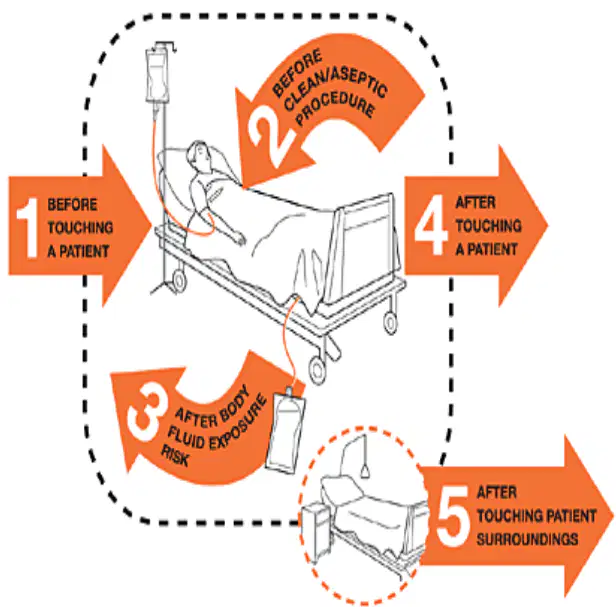
Which timing is emphasized for performing hand hygiene in clinical care?
Only after visible contamination
Before and after patient contact
Only before sterile procedures
After shift ends and before meals
Which factor most directly reduces time available for hand hygiene in clinical settings?
High workload and understaffing combined
Low workload with understaffing
Adequate workload and full staffing
High workload with adequate staffing
A nurse believes wearing gloves removes the need to clean hands. What is the best correction?
Glove use replaces protocol knowledge entirely
Gloves are superior to handwashing after care
Hand hygiene remains necessary with glove use
Gloves eliminate all contamination risks
Which obstacle is most associated with failing to recognize cross‑transmission risk?
Abundant time and adequate staffing
Excellent protocol knowledge and training
Lack of recognition or understanding of risk
Overuse of alcohol rubs without dryness
What individual perception can undermine hand hygiene priority during busy shifts?
Only managers are responsible for hand hygiene
Hand hygiene is unrelated to patient safety
Other tasks take priority over hand hygiene
Hand hygiene always supersedes other tasks
Skin irritation and dryness from products most likely lead to which outcome?
Improved adherence and technique consistency
Reduced compliance with hand hygiene steps
No change in frequency of hand cleaning
Immediate elimination of cross‑transmission

