
 Worksheets
Disinfection/ Sterilization & Handle/Dispose contaminated waste
Total questions: 76
Worksheet time: 38mins
Which statement best defines disinfection in healthcare settings?
Process killing only viruses on environmental surfaces
Process removing visible dirt without killing microorganisms
Process destroying pathogens except spores or inactivating them
Process destroying all microorganisms including spores
Which statement best defines sterilization?
Process intended to destroy all types of microorganisms
Process intended to reduce microbial load to safe levels
Process intended to inactivate only vegetative bacteria
Process intended to remove organic debris from surfaces
Which key difference separates sterilization from disinfection?
Sterilization targets spores; disinfection generally does not
Sterilization uses chemicals; disinfection uses heat
Sterilization is only for surfaces; disinfection for instruments
Sterilization is faster; disinfection takes longer
Concurrent disinfection is best described as:
Cleaning done after patient discharge or death
Immediate disinfection of an item or area possibly contaminated
Routine weekly deep cleaning of isolation rooms
Sterilization of surgical instruments before procedures
Terminal disinfection refers to:
Chemical disinfection of hands during patient care
Sterilization using steam under pressure
Normal cleaning procedures after transfer, discharge, or death
Immediate decontamination following a spill event
A blood spill occurs on a bedside table in an isolation room. Which action aligns with concurrent disinfection?
Schedule deep cleaning for end of shift
Immediately disinfect the contaminated surface
Autoclave the entire bedside table
Apply dry heat to the table for one hour
Which method specifically indicates steam sterilization?
Chemical vapours exposure in sealed cabinet
Autoclaving using saturated steam under pressure
Dry heat at moderate temperature for extended time
Thermal disinfection with hot water circulation
Which practice aims to achieve sterilization rather than disinfection?
Rinsing equipment in hot water at 60 degrees
Running instruments through an autoclave cycle
Spraying surfaces with chemical vapours only
Wiping surfaces with chemical disinfectant wipes
Which option lists two methods that accomplish disinfection but not necessarily sterilization?
Dry heat and autoclaving
Sterilization and terminal disinfection
Autoclaving and chemical vapours
Thermal disinfection and chemical disinfection
Which approach is most appropriate after a patient on isolation is transferred?
Perform terminal disinfection of the room
Perform concurrent disinfection during transport
Autoclave the bed frame on site
Skip cleaning because isolation has ended
Which statement about chemical vapours is accurate in infection control?
They are a method listed for disinfection and sterilization
They only achieve sterilization of spores reliably
They are synonymous with thermal disinfection methods
They replace the need for autoclaving entirely
An instrument must be rendered free of all microorganisms including spores. Which method is most suitable?
Autoclaving with steam under pressure
Chemical disinfection using surface wipes
Terminal disinfection after patient discharge
Thermal disinfection in hot water cycles
Which statement best distinguishes disinfection from sterilization in healthcare settings?
Sterilization only reduces viruses, not spores
Disinfection removes all microbes including spores
Sterilization removes most microbes excluding spores
Disinfection destroys most microbes excluding bacterial spores
A device contaminated with bacterial spores requires which process to ensure complete microbial destruction?
High-level disinfection excluding spores
Low-level disinfection with short contact time
Sterilization including viruses and spores
Cleaning only without chemical agents
Which factor most directly explains why blood residue can reduce a disinfectant’s performance?
Temperature lowers microbial contamination
Physical configuration eliminates crevices
Organic load interferes with disinfectant action
Exposure time increases evaporation rate
An endoscope has long narrow lumens. Which factor makes disinfection more challenging for this device?
Temperature and pH of the process
Extent of cleaning performed earlier
Physical configuration with crevices and lumens
Type and level of contamination present
Which combination best improves disinfection effectiveness on a moderately soiled instrument?
Higher concentration and adequate contact time
Lower concentration with reduced exposure time
Short contact time with low pH solution
Room temperature with minimal pre-cleaning
A clinic increases the contact time of a disinfectant from 3 to 10 minutes while keeping concentration constant. What outcome is most likely?
Complete sterilization including spores
Improved effectiveness against microorganisms
Unchanged effectiveness regardless of time
Reduced effectiveness due to longer exposure
Which scenario most appropriately requires sterilization rather than disinfection?
Blood pressure cuff with organic residue
Environmental surface in a waiting room
Reusable surgical instrument contacting sterile tissue
Noncritical surface with light bioburden
During process validation, which pair of variables should be controlled together to optimize disinfectant performance?
Auditory alarms and room lighting
Label color and storage shelf
Temperature and pH of the process
Brand name and container size
Which agent is most appropriate for preoperative skin antisepsis on intact skin?
Sodium hypochlorite tablets for spills
Phenolic detergent for floors and walls
Glutaraldehyde immersion for instruments
Chlorhexidine solution for skin cleansing
A flexible endoscope requires high-level disinfection. Which chemical is commonly used for this purpose?
Phenolic surface cleaner
Glutaraldehyde immersion solution
Sodium hypochlorite spray
Chlorhexidine hand wash
Which option best matches a skin antiseptic concentration for routine use?
Glutaraldehyde at one hundred percent
Sodium hypochlorite at full strength
Phenolic compounds at undiluted form
Alcohol at seventy percent strength
Which agent is recommended for environmental surfaces such as benches and noncritical areas?
Phenolic compounds for general use
Chlorhexidine surgical scrub
Iodine tincture for skin
Glutaraldehyde cold sterilant
Sodium dichloroisocyanurate (NaDCC) is used to prepare which disinfectant?
Chlorhexidine gluconate cleanser
Glutaraldehyde OPA bath
Phenolic detergent blend
Sodium hypochlorite chlorine solution
Which statement best describes the action of sodium hypochlorite on microbes?
Selective action limited to lipid viruses
Rapid kill with broad spectrum including spores
Effective only on vegetative bacteria and TB
Primarily cleans organic soil without killing
Phenolic disinfectants have which limitation that affects outbreak control?
High corrosion of stainless steel tools
Inactivated by hard water minerals
Limited or no efficacy against spores
Unsafe for any environmental surfaces
Which product name is associated with glutaraldehyde formulations for instruments?
Cidex OPA used for high-level disinfection
Hibiscrub used for hand cleansing
Iodine tincture used for skin painting
NaDCC tablets used for chlorine prep
Which pairing correctly aligns agent with typical target?
Hypochlorite for hand antisepsis
Chlorhexidine for skin antisepsis
Glutaraldehyde for floor disinfection
Phenolics for critical surgical tools
During a spill of blood on a countertop, which disinfectant is most suitable?
Sodium hypochlorite prepared from NaDCC
Chlorhexidine surgical scrub solution
Iodine tincture painting solution
Glutaraldehyde instrument bath
Which step best describes initial handling of reusable equipment after contamination in a clinical area?
Rinse briefly in cold tap water only
Immerse in warm water with detergent or enzyme cleaner
Spray with alcohol and air-dry immediately
Seal in a bag and store for later cleaning
When cleaning contaminated materials, which combination of PPE is most appropriate?
Gloves only without eye protection
Apron and mask without gloves
Protective gloves, apron, and goggles
Boot covers and hair net only
A nurse finds fresh blood on the floor. What is the correct priority action before starting the cleanup?
Dilute the spill with warm water and detergent
Put on protective gloves, apron, and goggles
Call maintenance to mop the area
Open nearby windows for ventilation
Which hospital item requires routine disinfection as an instrument rather than as a room surface?
Bedside cabinet laminate top
Stethoscope used for patient exams
Door handle to isolation room
Floor tiles near nursing station
Which technology is appropriate for whole-room decontamination after a high-risk pathogen case?
Ultraviolet light systems for room irradiation
Hand sanitizer spray on all surfaces
Boiling water in open buckets for steam
Detergent wipes applied to door handles
Which disinfectant approach is commonly used for room decontamination with mist or vapors in hospitals?
Chlorine gas cylinders in hallways
Isopropyl alcohol heated to fog
Hydrogen peroxide systems releasing mist
Ozone produced by portable fans
Which statement best defines a sterile field in clinical practice?
Outer wrapper used as protective cover
Inner surface of wrapper used as work area
Top of any nearby clean table used
Whole room kept free from all microbes
What is the primary purpose of establishing a sterile field before a procedure?
To organize supplies efficiently
To protect staff from sharp instruments
To provide a contamination-free work surface
To speed up instrument turnover
Which action should be taken when the shelf life of a sterile item has expired?
Do not use the item at all
Reprocess only after opening
Store in a warmer location
Use immediately with extra caution
Select the most accurate description of shelf life for sterile items.
Time between patient procedures in clinic
Time required to sterilize a wrapped pack
Time span sterile items are kept for use
Time instruments can remain wet safely
A nurse accidentally touches the non-sterile outer wrapper while setting up. What is the best immediate response to prevent contamination of the field?
Continue setup without changes
Replace the field and affected items
Add more sterile drapes over area
Spray area with disinfectant solution
Which handling practice most directly reduces patient infection risk when using dressing sets?
Store sets on open countertops
Keep sterile items dry and untouched
Open packs near sinks to save time
Double the number of gauze pads
When storing sterile items, which condition most likely leads to contamination and must be avoided?
Labeling with expiration dates
Low ambient noise levels
Water contact or prolonged exposure
Brief exposure to room air
You are preparing a sterile field with a wrapped dressing set. Which surface should become your work area?
Outer surface of the wrapper
Inner surface of the wrapper
Nearby disinfected tray top
Any clean paper towel
A blue-wrapped set on the shelf shows an expired date but intact packaging. What is the safest next step?
Remove from use and reprocess
Return to storage for later use
Quarantine until supervisor checks
Use if packaging seems clean
Which action most directly compromises sterility when managing a sterile field?
Wearing clean nonsterile gloves
Holding items below waist height
Using brightly colored drapes
Labeling packages after storage
A wrapped instrument set appears dry but was left near a sink overnight. What is the primary contamination risk?
Loss of temperature control
Moisture wicking through packaging
Label ink seeping into contents
Light exposure fading wrap color
Why should sterile items remain within the clinician’s range of vision?
Unseen contact may break sterility
Glare can cause eye strain
It improves ergonomic posture
It speeds up instrument turnover
Which practice best prevents dust-related contamination in storage areas?
Bright lighting with open shelving
Rotating staff assignments weekly
Daily temperature checks only
Closed cabinets with routine cleaning
A hospital skips FIFO and uses newly delivered sterile packs first. What risk increases most?
Older packs exceed shelf life
New packs lose tracking labels
Staff forget hand hygiene
Trays become heavier to lift
During setup, a sterile drape touches the table edge. What is the correct interpretation?
Edge becomes sterile with heat
Edge remains sterile when dry
Edge is more sterile than center
Edge is considered unsterile
Which scenario reflects excessive handling that can lead to contamination?
Scanning barcodes during intake
Repeatedly repositioning packaged sets
Documenting lot numbers once
Storing trays on labeled shelves
Which action best follows legal and hospital requirements when disposing infectious waste?
Store infectious waste on the ward until end of week
Incinerate all waste regardless of classification
Separate infectious waste and use designated bags
Place all waste in general trash without sorting
A nurse finishes an injection. What is the correct immediate step regarding the used needle?
Recap the needle using both hands for safety
Purposely bend the needle before disposal
Place the needle directly into a sharps container
Carry the needle to the sluice room in a tray
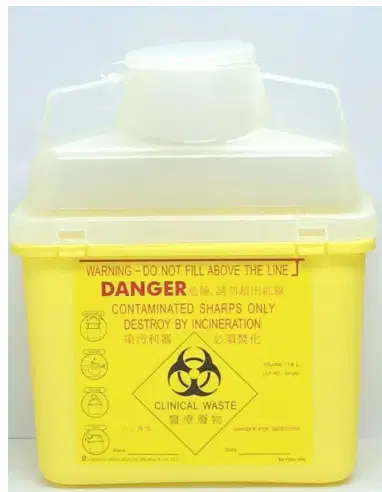
Which container is appropriate for disposable needles and scalpel blades?
Thin plastic bags with biohazard labels
Puncture-resistant sharps containers
Paper-lined clinical waste bins
Autoclave trays for later sterilization
Which practice reduces aerosolization when handling soiled linen?
Roll or fold linen gently and bag it
Flick or shake linen briskly before folding
Hang linen to air-dry before bagging
Press linen repeatedly to remove fluids
When preparing waste for disposal on a ward, what should be done first?
Mix infectious and non-infectious waste to save bags
Separate waste streams according to guidelines
Seal all bags before identifying contents
Place all items into biodegradable double-bags
Why is needle recapping prohibited in standard precautions?
It dulls needles making reuse difficult
It violates sterilization cycle timing
It increases risk of needlestick injury
It prevents proper labeling of sharps
Which statement aligns with proper handling of soiled linen?
Keep unbagged until the end of the shift
Shake vigorously to dislodge solid debris
Transfer between beds to check contamination
Handle as little as possible and bag promptly
A ward introduces new waste bags. Which criterion ensures compliance with ministry guidelines?
Design is puncture-resistant for sharps only
Bags correspond to approved waste categories
Handles are large enough for double-knotting
Color matches staff uniforms for visibility
Which sequence best describes safe linen management from bed to disposal?
Carry linen uncovered to laundry, sort and bag there
Shake linen to loosen debris, carry openly, bag later
Roll or fold linen, minimize handling, bag immediately
Fold linen, place on floor temporarily, bag after rounds
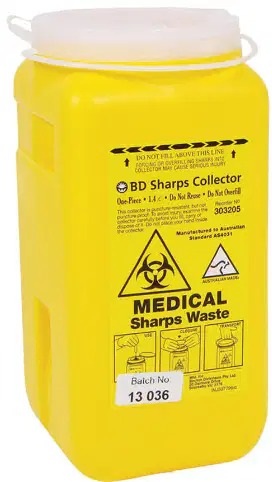
In a scenario where a scalpel blade is removed after a procedure, what is the safest disposal method?
Store in a labeled tray for end-of-day collection
Wrap in gauze, then throw in general waste bin
Place immediately into a puncture-resistant sharps container
Recap with a protective cap before trash
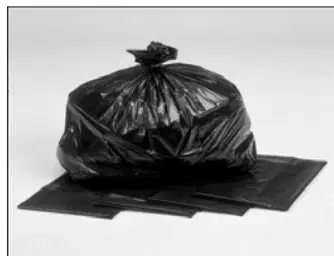
In the diagram showing bag color coding, which bag should be used for general waste such as paper towels and food scraps?
Yellow biohazard bag for infectious fluids
Red radioactive bag for nuclear materials
Clear recycling bag for clean plastics
Black general bag for non-infectious waste
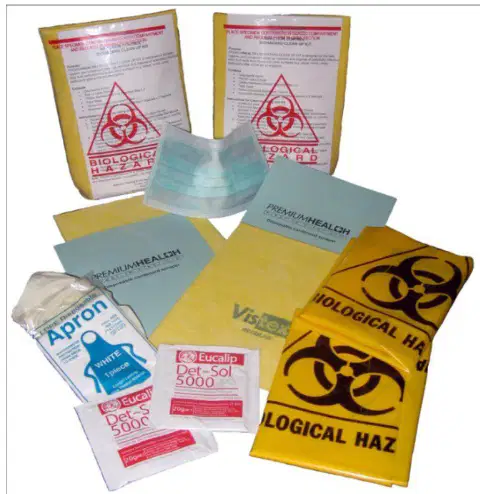
Which color is assigned to biohazard waste that includes blood and body fluids in the visual guide?
Yellow for biohazard materials
Blue for sharps disposal
Black for general refuse
Red for radiological materials

A lab disposes of materials used in thyroid treatment involving radioisotopes. According to the diagram, which bag color is appropriate?
Red bag for radioactive waste
Yellow bag for infectious fluids
Green bag for compostable items
Black bag for common refuse
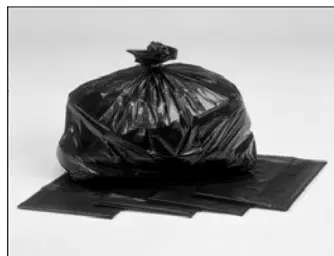
You find a soiled diaper without visible blood. Which disposal bag color aligns with the diagram’s guidance?
White because it is clinical linen
Red because diapers may contain radioisotopes
Black because it is general non-infectious waste
Yellow because all patient items are infectious
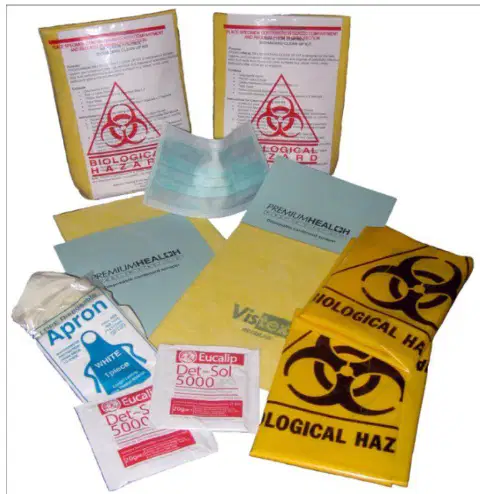
A spill tray contains blood-contaminated gauze pads from a dressing change. Which bag color should be chosen according to the visual guide?
Transparent for quick inspection
Red for nuclear medicine disposables
Yellow for biohazard blood waste
Black for routine ward trash
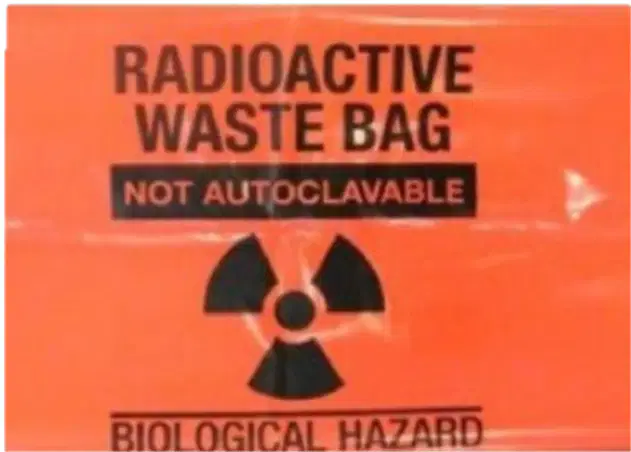
During a diagnostic imaging procedure using radioactive tracers, disposable gloves must be discarded. Which bag color is indicated in the diagram?
Red for radioactive tracer contamination
Purple for cytotoxic chemotherapy waste
Yellow for general infectious waste
Black for cafeteria waste
Which color bag is designated for cytotoxic waste related to cancer treatment drugs?
Red color bag for cytotoxic waste
Blue color bag for cytotoxic waste
Purple color bag for cytotoxic waste
Yellow color bag for cytotoxic waste
What is the primary purpose of disposing contaminated materials and infectious waste in healthcare settings?
To increase space inside the patient’s room
To prevent exposure of personnel to infectious material
To comply with local recycling incentives
To reduce supply costs for the ward
Improper disposal of cytotoxic waste most likely causes which adverse effect to staff?
Improved drug stability for storage
Reduced need for personal protective equipment
Increased vaccine effectiveness
Skin or eye irritations to staff
Which step best ensures safe handling of radioactive waste before final disposal?
Mix with regular clinical refuse
Transfer to Radiation Protection Service
Neutralize with household chemicals
Place in unshielded open bins
A bag containing equipment and empty vials from cytotoxic drugs should be discarded how?
In green bags for uranium waste
In purple bags labeled cytotoxic
In blue bags for recyclable items
In clear bags for general trash
What overarching goal does proper waste disposal achieve outside a patient’s room?
Prevention of environmental contamination
Contamination of surrounding environment
Increase of air exchange frequency
Enhancement of odor control only
Which category of radioactive waste requires shielded bins prior to central storage?
Solid waste with beta and gamma emitters
Recyclable plastics without radiation
Household aqueous cleaning solutions
Organic bulk solvents with alpha emitters
Which health outcome is least likely from improper cytotoxic waste disposal?
Dermatitis among personnel
Eye irritation during handling
Liver damage over time
Improved liver function in workers

