
 Worksheets
Spring 2026 Cumulative Quiz
Total questions: 135
Worksheet time: 2hrs 16mins

What state is highlighted?
(a)
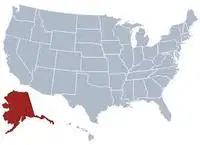
Which state is highlighted?
(a)
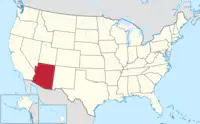
Which state is highlighted?
(a)
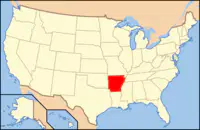
Which state is highlighted?
(a)
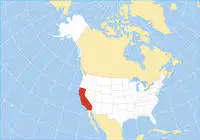
Which state is highlighted?
(a)
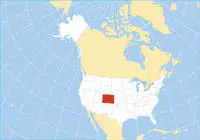
Which state is highlighted?
(a)
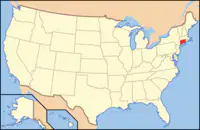
Which state is highlighted?
(a)
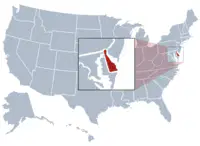
Which state is highlighted?
(a)
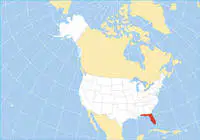
Which state is highlighted?
(a)
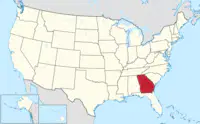
Which state is highlighted?
(a)
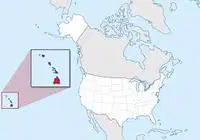
Which state is highlighted?
(a)
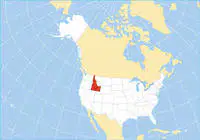
Which state is highlighted?
(a)
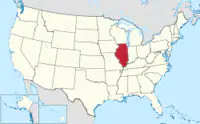
Which state is highlighted?
(a)
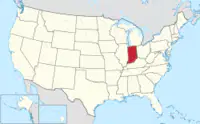
Which state is highlighted?
(a)
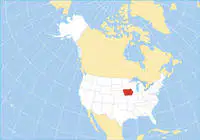
Which state is highlighted?
(a)
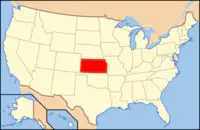
Which state is highlighted?
(a)
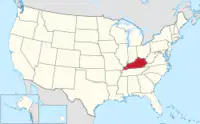
Which state is highlighted?
(a)
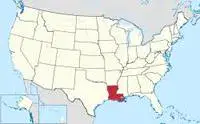
Which state is highlighted?
(a)
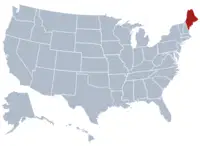
Which state is highlighted?
(a)
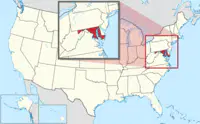
Which state is highlighted?
(a)
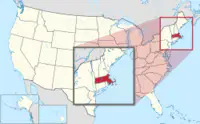
Which state is highlighted?
(a)
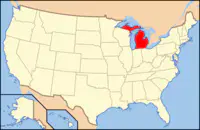
Which state is highlighted?
(a)
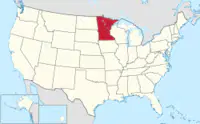
Which state is highlighted?
(a)
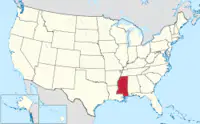
Which state is highlighted?
(a)
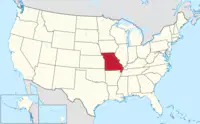
Which state is highlighted?
(a)
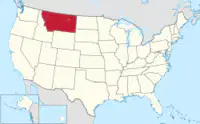
Which state is highlighted?
(a)
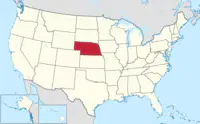
Which state is highlighted?
(a)
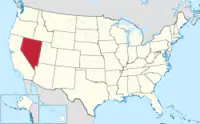
Which state is highlighted?
(a)
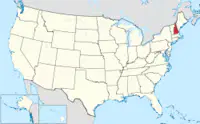
Which state is highlighted?
(a)
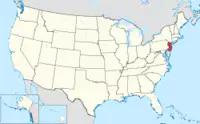
Which state is highlighted?
(a)
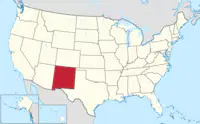
Which state is highlighted?
(a)
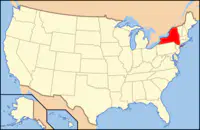
Which state is highlighted?
(a)
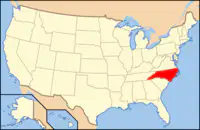
Which state is highlighted?
(a)
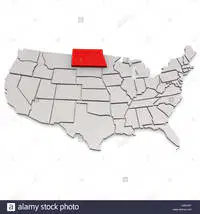
Which state is highlighted?
(a)
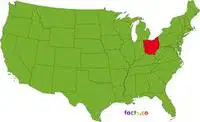
Which state is highlighted?
(a)
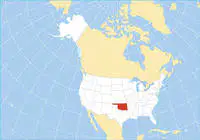
Which state is highlighted?
(a)
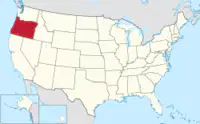
Which state is highlighted?
(a)
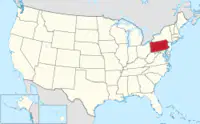
Which state is highlighted?
(a)
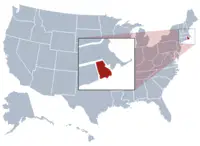
Which state is highlighted?
(a)
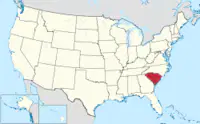
Which state is highlighted?
(a)
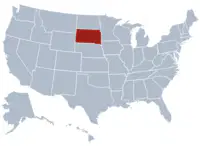
Which state is highlighted?
(a)
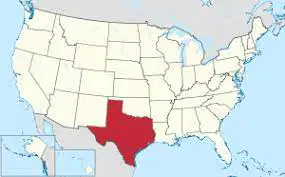
Which state is highlighted?
(a)
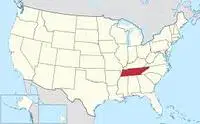
Which state is highlighted?
(a)
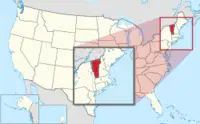
Which state is highlighted?
(a)
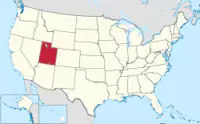
Which state is highlighted?
(a)
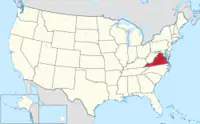
Which state is highlighted?
(a)
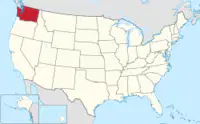
Which state is highlighted?
(a)
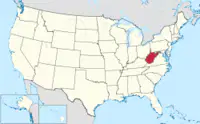
Which state is highlighted?
(a)
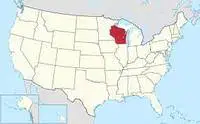
Which state is highlighted?
(a)
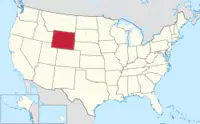
Which state is highlighted?
(a)
Place the following events in chronological order...
c. 3000 BC – First cities in Mesopotamia
c. 1200 BC – Collapse of the Bronze Age civilizations
476 AD – Fall of the Western Roman Empire
1492 AD – Columbus reaches the Americas
1945 AD – End of World War II
Place the following events in chronological order...
c. 2600 BC – Construction of the Great Pyramids of Giza
c. 500 BC – Development of democracy in Athens
622 AD – The Hijra (Muhammad’s migration from Mecca to Medina)
1215 AD – Signing of the Magna Carta
1969 AD – First human landing on the Moon
Place the events below in chronological order...
c. 3300 BCE – Invention of writing in Mesopotamia
221 BCE – Unification of China under the Qin Dynasty
313 CE – Edict of Milan
1450 CE – Gutenberg’s printing press
1789 CE – Beginning of the French Revolution
Place the events below in chronological order...
c. 2000 BCE – Indo-European migrations
753 BCE – Founding of Rome (traditional date)
632 CE – Death of Muhammad
1914 CE – Start of World War I
2001 CE – September 11 attacks
Place the following events in chronological order...
c. 1600 BCE – Shang Dynasty begins in China
509 BCE – Establishment of the Roman Republic
800 - Coronation of Charlemagne as Holy Roman Emperor
1347–1351– The Black Death in Europe
1991 - Collapse of the Soviet Union
Place the following events in chronological order...
c. 1754 BC – Code of Hammurabi
c. 1200 BC – Rise of the Olmec civilization
476 – Fall of the Western Roman Empire
1066 – Norman Conquest of England
1947 – Independence and partition of India
Place the following events in chronological order...
First cities form in Mesopotamia (c. 3500 BC)
The Great Pyramid of Giza is built (c. 2560 BC)
The Roman Republic is founded (509 BC)
The Roman Empire officially begins (27 BC)
The Western Roman Empire falls (AD 476)
Place the following events in chronological order...
Farming begins during the Neolithic Revolution (c. 10,000 BCE
Bronze tools become widespread (c. 3000 BCE
The Persian Empire rises under Cyrus the Great (550 BC)
The Roman Empire reaches its greatest size (AD 117)
Christianity becomes legal in the Roman Empire (AD 313)
When reading a time line which options should be read as a positive number? (Select all options that would be correct...)
BC
BCE
AD
CE
No letters before or after the date
When reading a time line which options should be read as a negative number? (Select all options that would be correct...)
BC
BCE
AD
CE
No letters before or after the date
True or False: BC stands for Before Christ.
True
False
True or False: AD stands for After Death.
True
False
True or False: There is a year zero between 1BC and 1AD.
True
False
Categorize the following in the correct location as it relates to reading a timeline.
BC
BCE
Viewed as negative number
CE
AD
Viewed as positive number
This term translates as "Old Stone Age" and represents the period when humans used stone tools and moved from place to place searching for food sources.
(a)
This term translates as "New Stone Age" and represents the period where humans used stone tools but were beginning to practice agriculture and the domestication of animals.
(a)
Place the following eras and ages in the correct chronological order...
Paleolithic Era
Mesolithic Era
Neolithic Era
Bronze Age
Iron Age
To place events in the order in which the happened is to place them in...
(a)
To place evens in the order in which they happened is to place them in...
The practice of taming or making animals for human use and benefit is a process known as...
(a)
The practice of taming or making animals for human use and benefit is a process known as...
Tools like arrowheads, harpoons, and saws made of stone used by early humans are referred to as...
(a)
Tools like arrowheads, harpoons, and saws made of stone used by early humans are referred to as...
microlith
The first civilizations in human history developed in a region called Mesopotamia, this region is located in the modern nation of...
(a)
Why were ziggurats usually built in the center of a Sumerian city?
To serve as religious temples and symbolize the city's connection to the divine.
Who was most likely allowed inside the upper levels of a ziggurat?
How did ziggurats reflect the beliefs of the people who built them in ancient Sumeria?
Ziggurats connected them to their gods, symbolizing the importance of religion in their lives.
The term for the step pyramids build in the center of Sumerian city-states where religious ceremonies were carried out was...
(a)
What purpose did cuneiform serve in ancient Mesopotamia?
Why is cuneiform considered one of the most important inventions in history?
What material did Mesopotamians most often write on when using cuneiform?
The written language associated with the ancient Sumerians, believed to be the oldest written language in the world is...
(a)
What does the term polytheism mean?
The term for a religion that has more than one god or deity is...
The term for a religion that has only one god or deity is...
Most ancient civilizations, including the Sumerians, practiced...
Why was division of labor important in early civilizations?
It allowed people to focus on specific jobs and skills other than farming.
Which of the following is an example of division of labor in ancient neolithic societies?
Some people farming while others became artisans or traders
How did division of labor help cities grow in early neolithic societies?
Division of labor led to increased efficiency and surplus production.
Division of labor became more common after which major change in human history?
The use of fire
The invention of writing
The development of agriculture
The rise of modern technology
The invention of the automobile
Place the social class on it's correct location on the hierarchy as it would relate to ancient Sumeria.
What does the term theocracy mean?
A government ruled by the people
A government ruled by the military
A government ruled by religious leaders
A government ruled by merchants
A government by the ruled by foreigners
Why is ancient Sumer considered a theocracy?
Government was led by religious leaders who acted on behalf of the gods.
A government where rule or laws comes from religion, or the government get's its right to rule from religion is known as a...
(a)
Which location would best represent the Arabian Peninsula?
Which location would best represent the Caspian Sea?
Which location would best represent the Bay of Bengal?
Which location would best represent the Mediterranean Sea?
Which location would best represent the Arabian Sea?
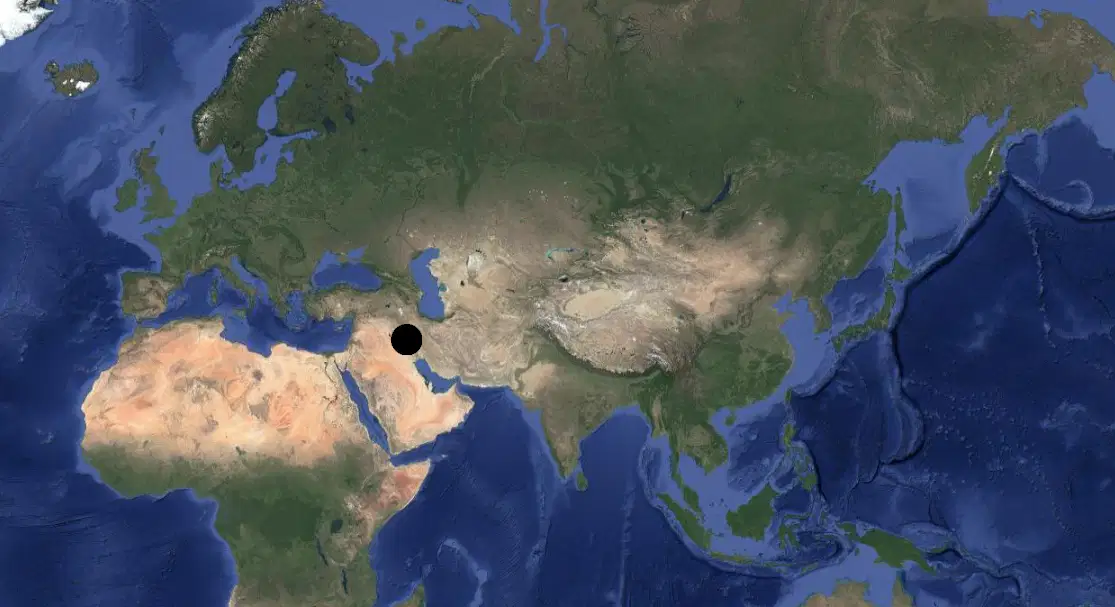
The black dot on the map represents the area known as ___________________, or "the land between the rivers".
Indus River Valley
Nile River Valley
Egyptian
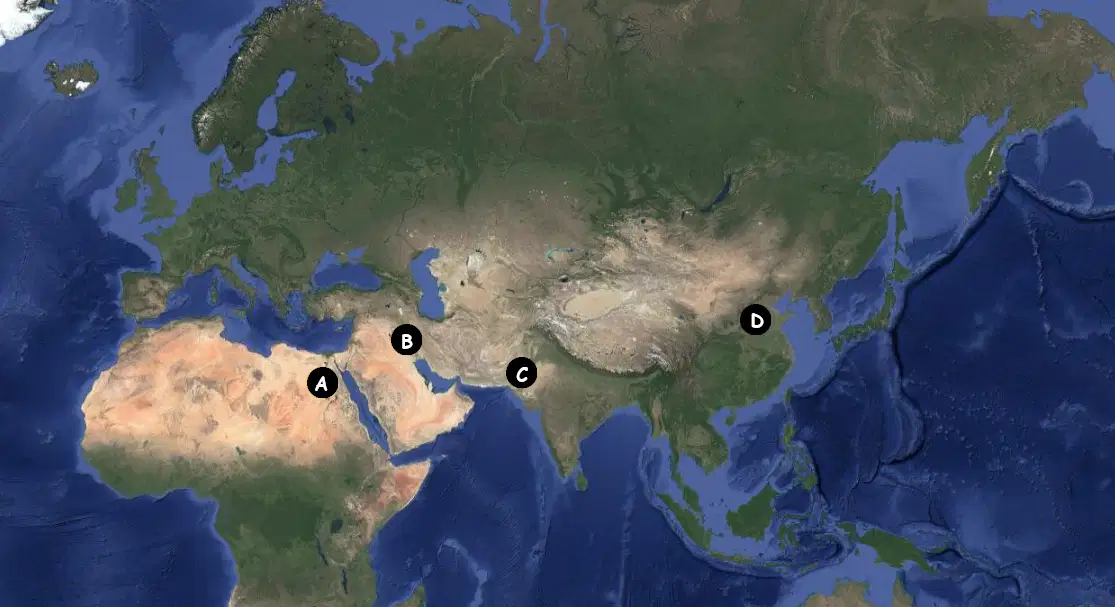
Location A would best represent which river(s)? (Select all that apply)
Indus
Tigris
Euphrates
Huang He
Location B would best represent which river(s)? (Select all that apply)
Indus
Tigris
Euphrates
Huang He
Location C would best represent which river(s)? (Select all that apply)
Indus
Tigris
Euphrates
Huang He
Location D would best represent which river(s)? (Select all that apply)
Indus
Tigris
Euphrates
Huang He
Which location would best represent the Red Sea?
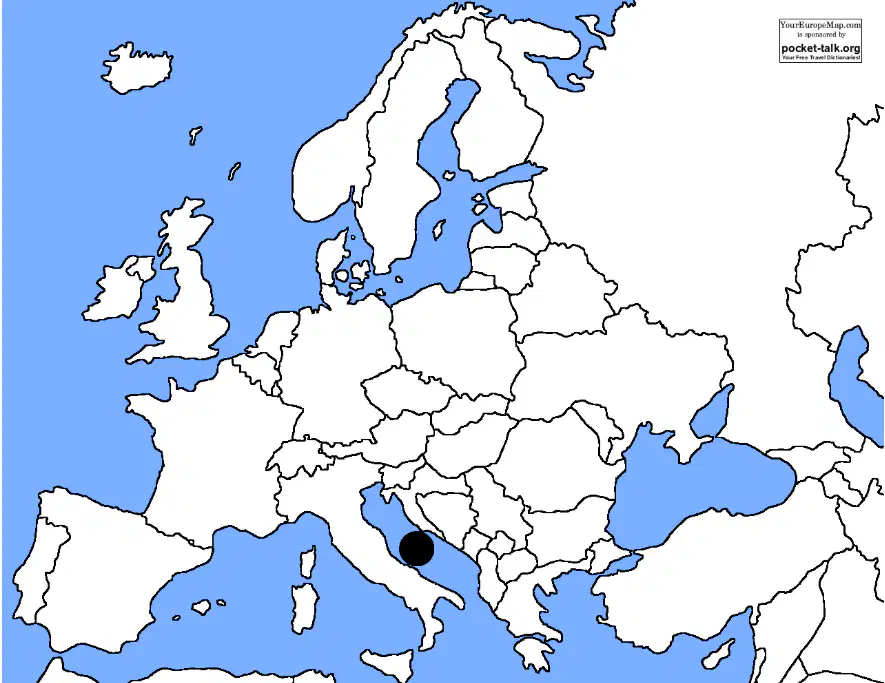
The body of water located where the black dot is on the map is known as the...
(a)

The body of water located where the black dot is on the map is known as the...
(a)
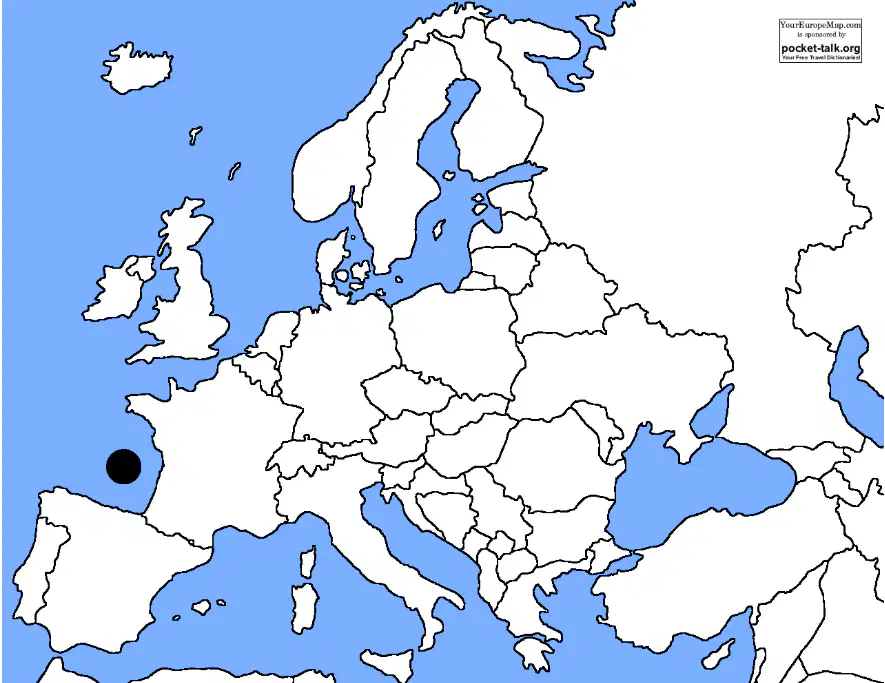
The body of water located where the black dot is on the map is known as the...
(a)
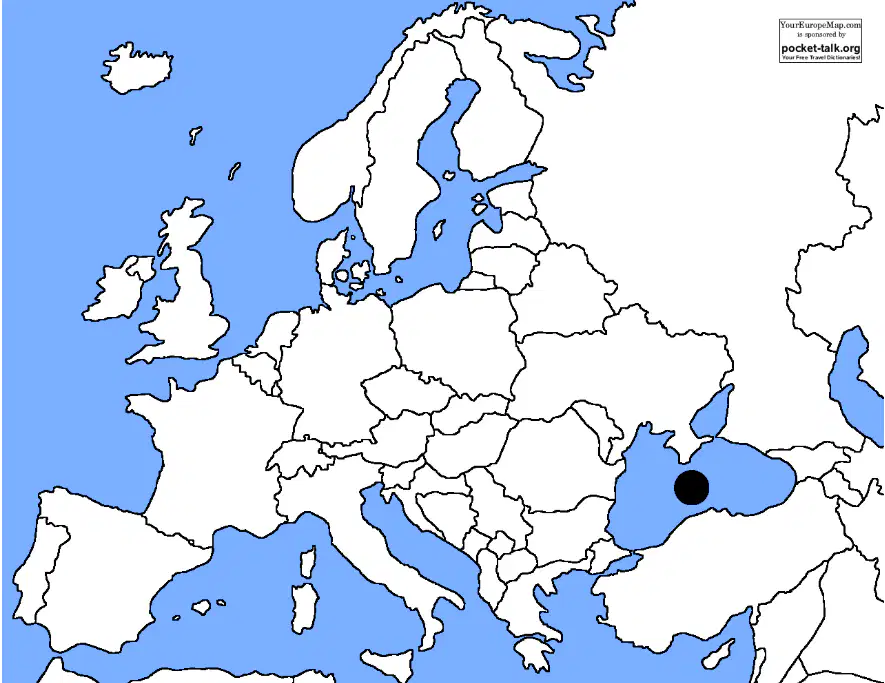
The body of water located where the black dot is on the map is known as the...
(a)
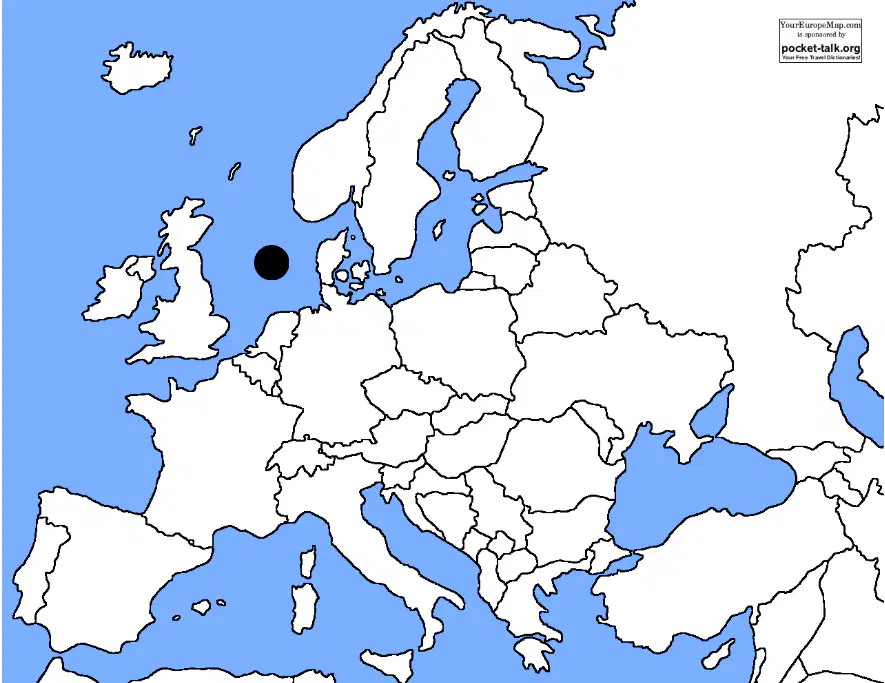
The body of water located where the black dot is on the map is known as the...
(a)

The country shaded in grey on the map is...
(a)
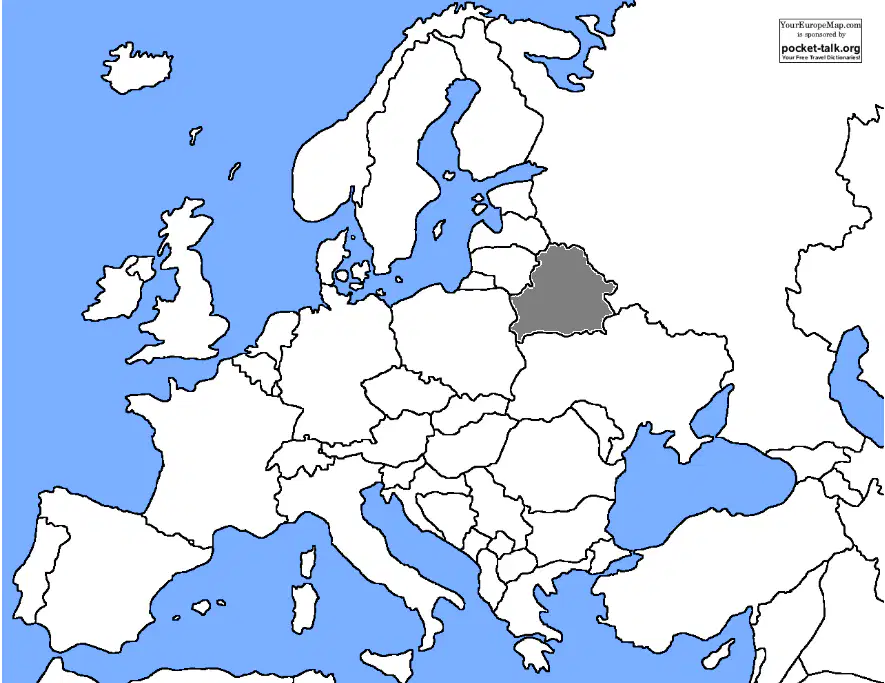
The country shaded in grey on the map is...
(a)
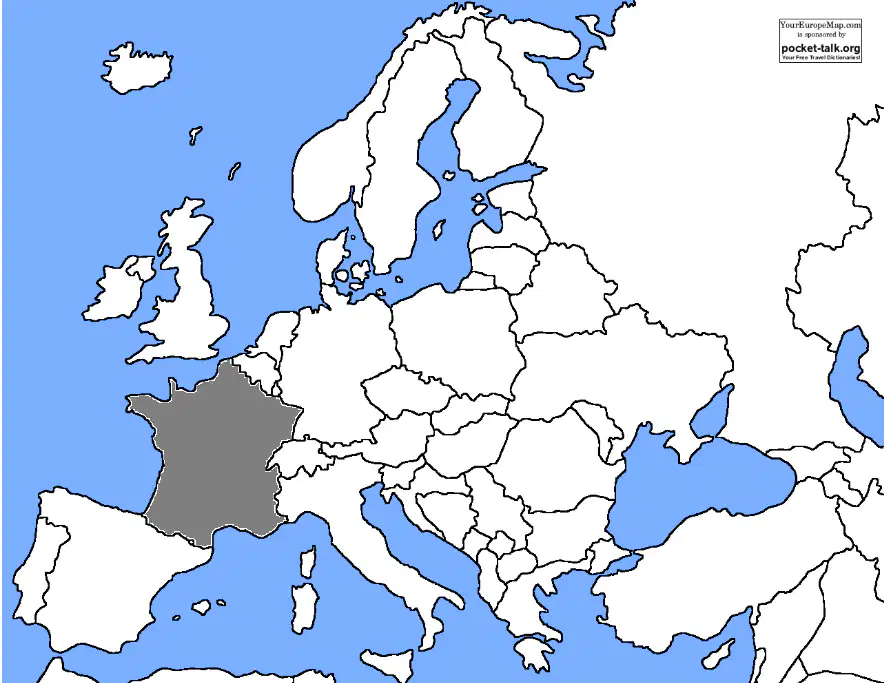
The country shaded in grey on the map is...
(a)
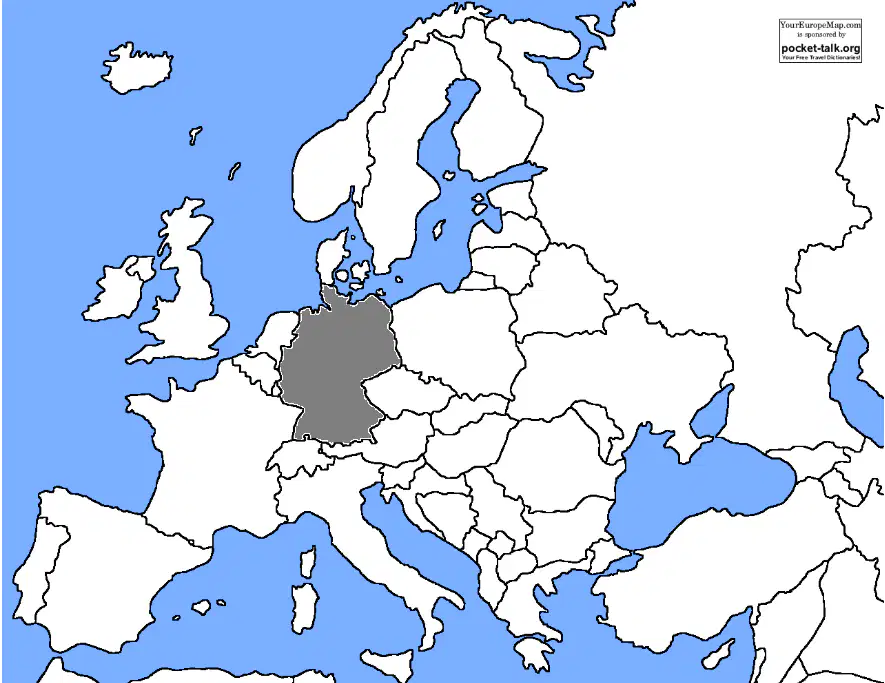
The country shaded in grey on the map is...
(a)

The country shaded in grey on the map is...
(a)
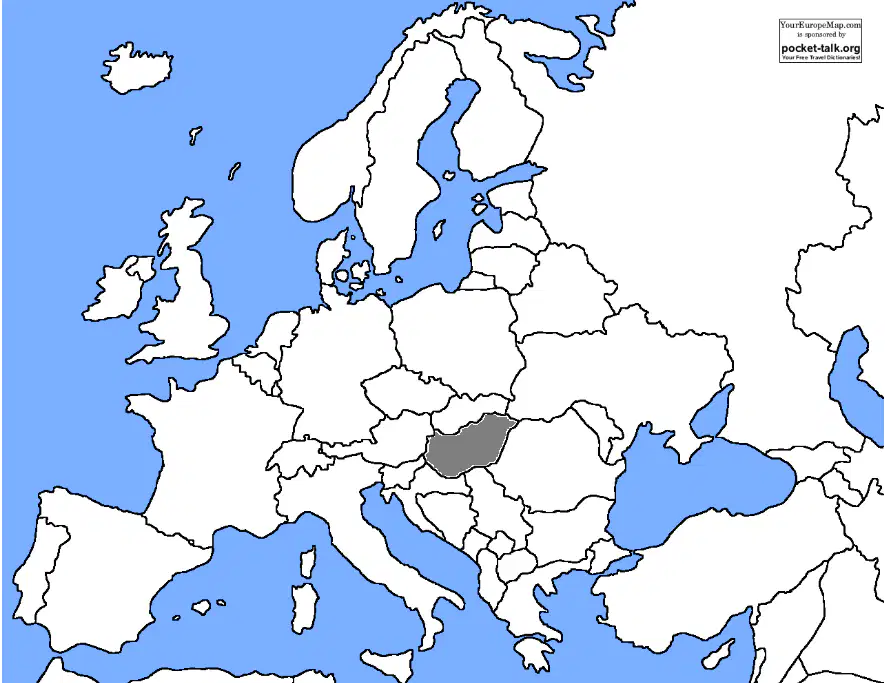
The country shaded in grey on the map is...
(a)
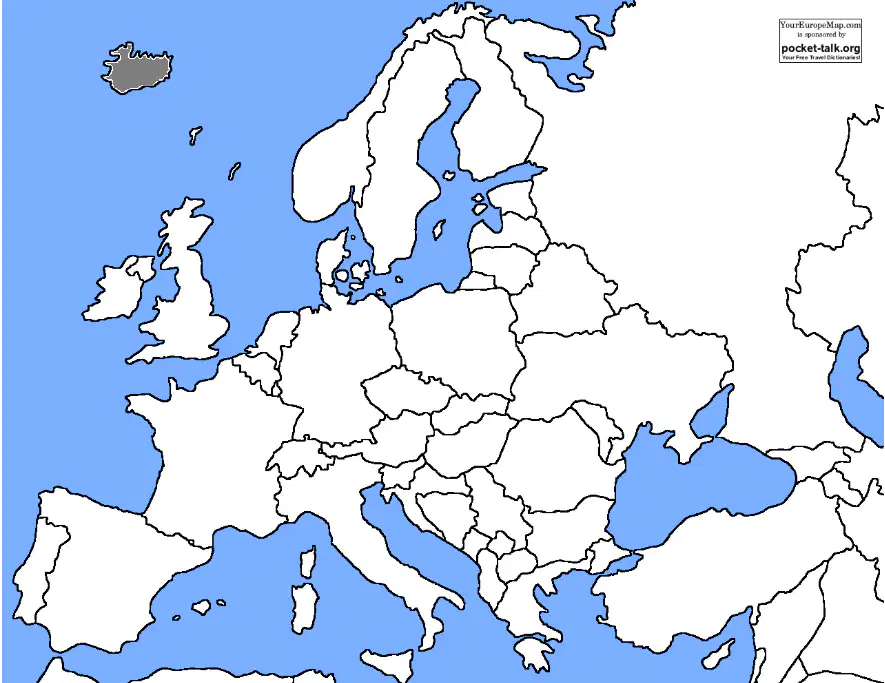
The country shaded in grey on the map is...
(a)
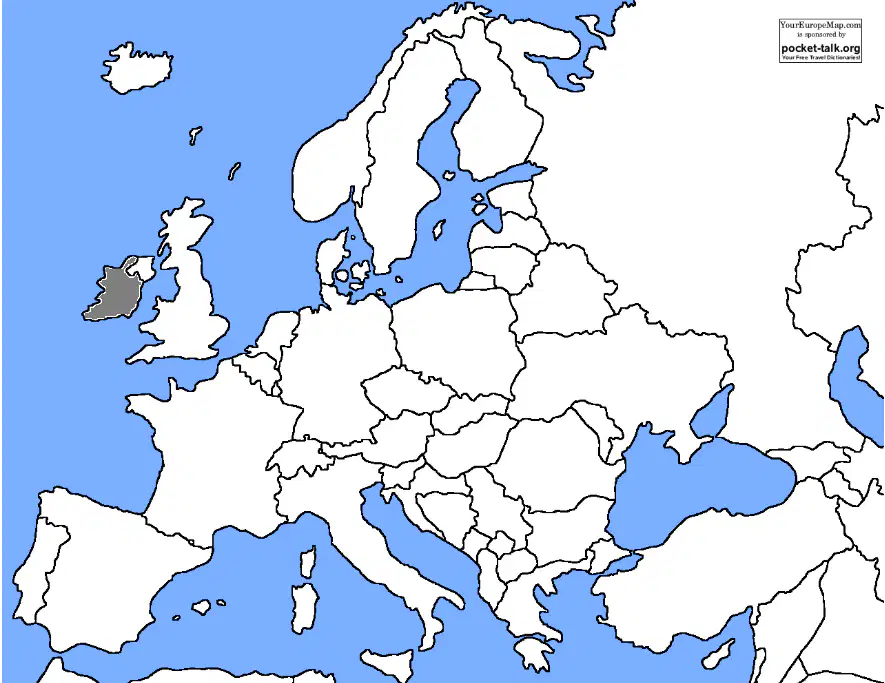
The country shaded in grey on the map is...
(a)
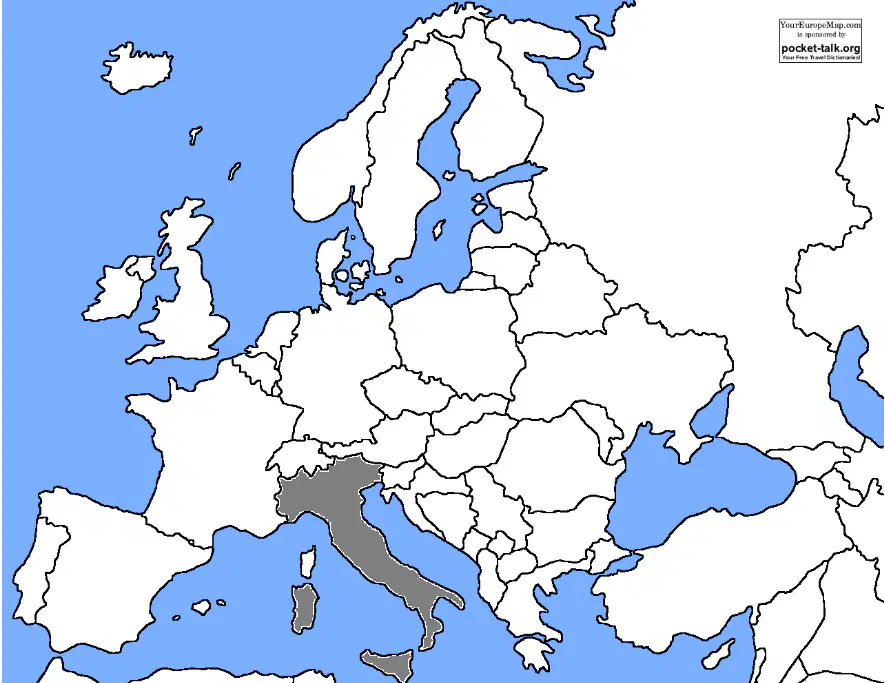
The country shaded in grey on the map is...
(a)
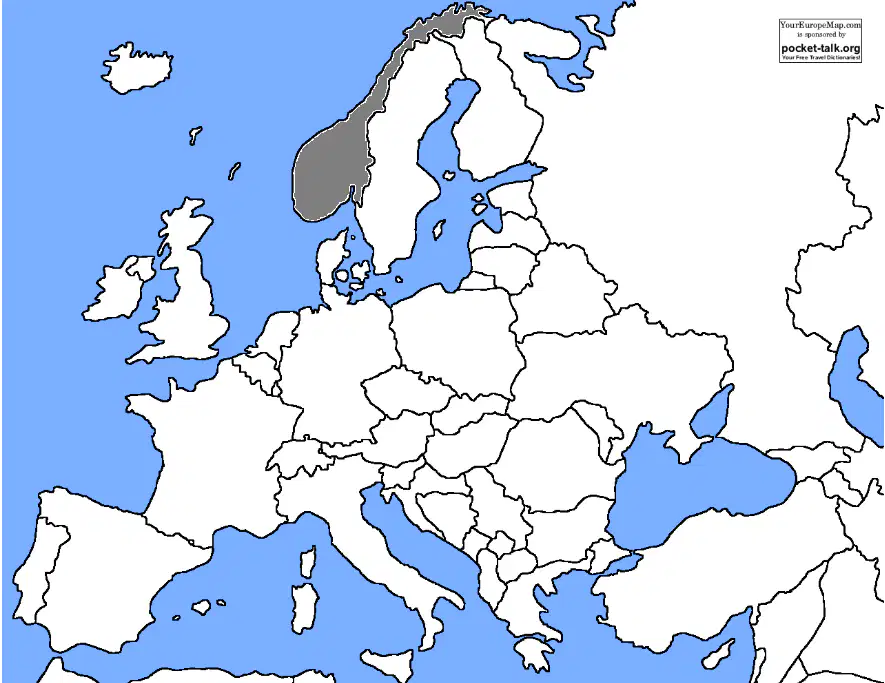
The country shaded in grey on the map is...
(a)
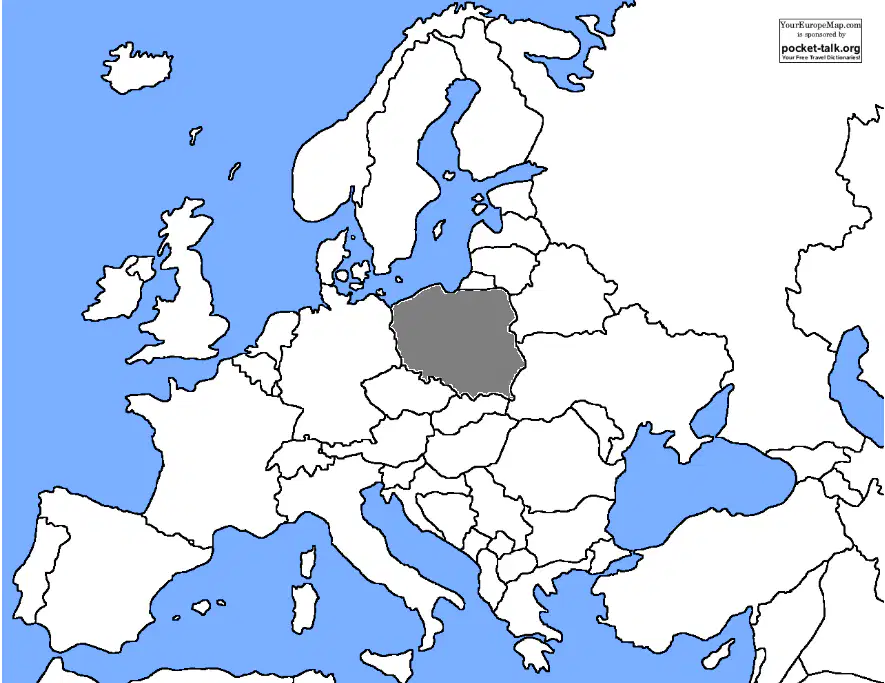
The country shaded in grey on the map is...
(a)
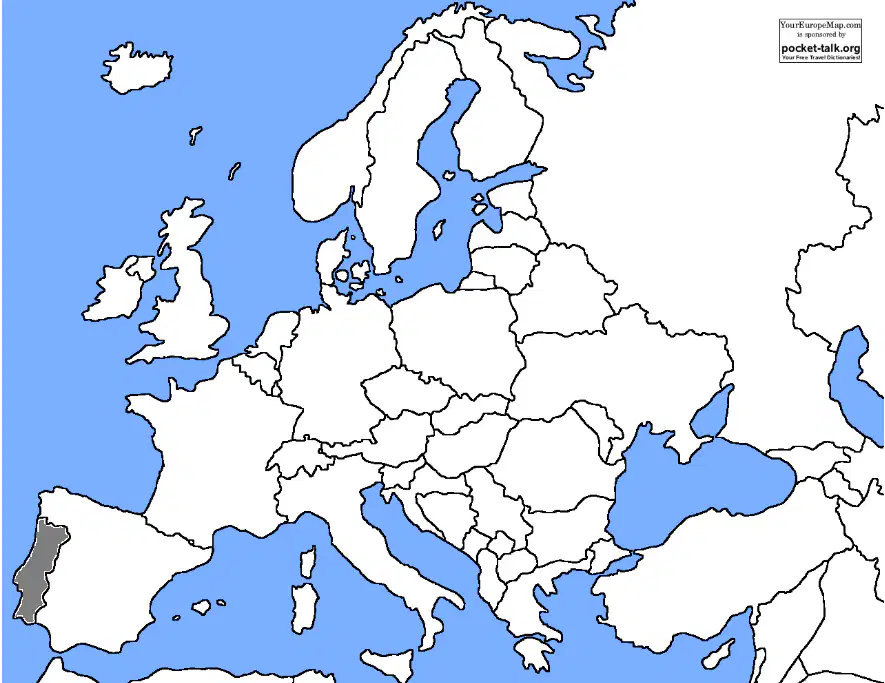
The country shaded in grey on the map is...
(a)
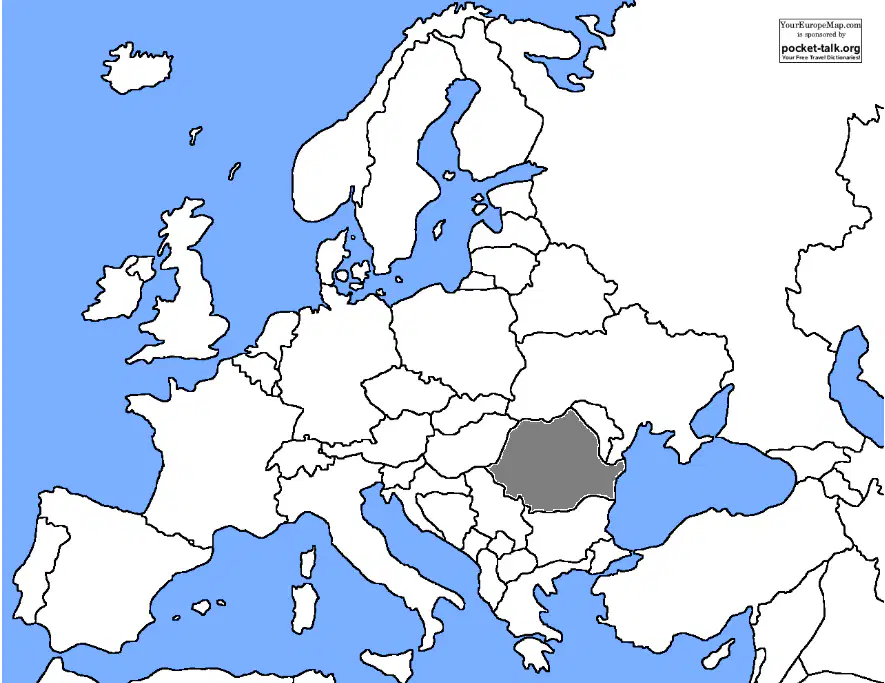
The country shaded in grey on the map is...
(a)
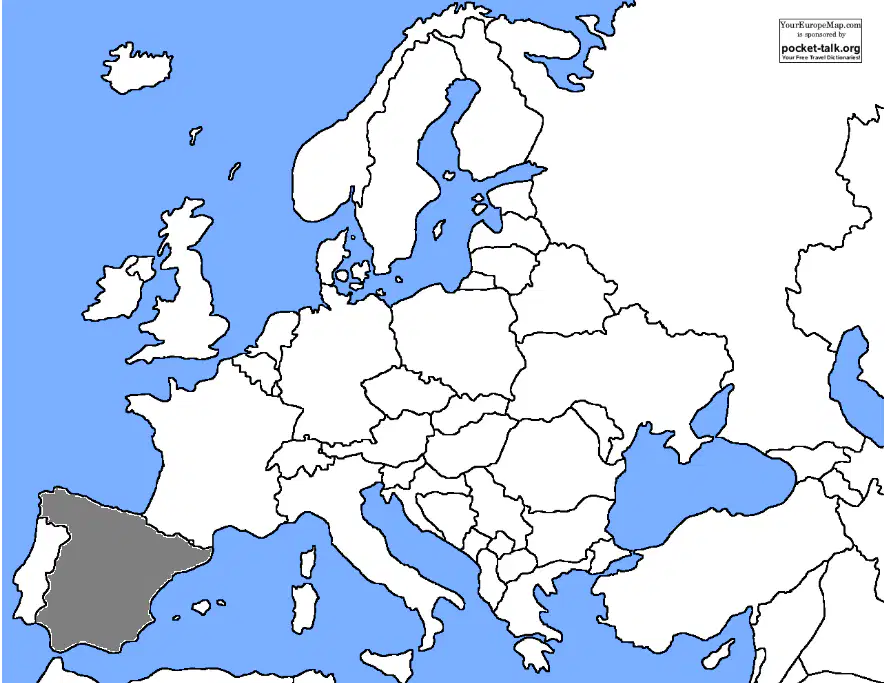
The country shaded in grey on the map is...
(a)
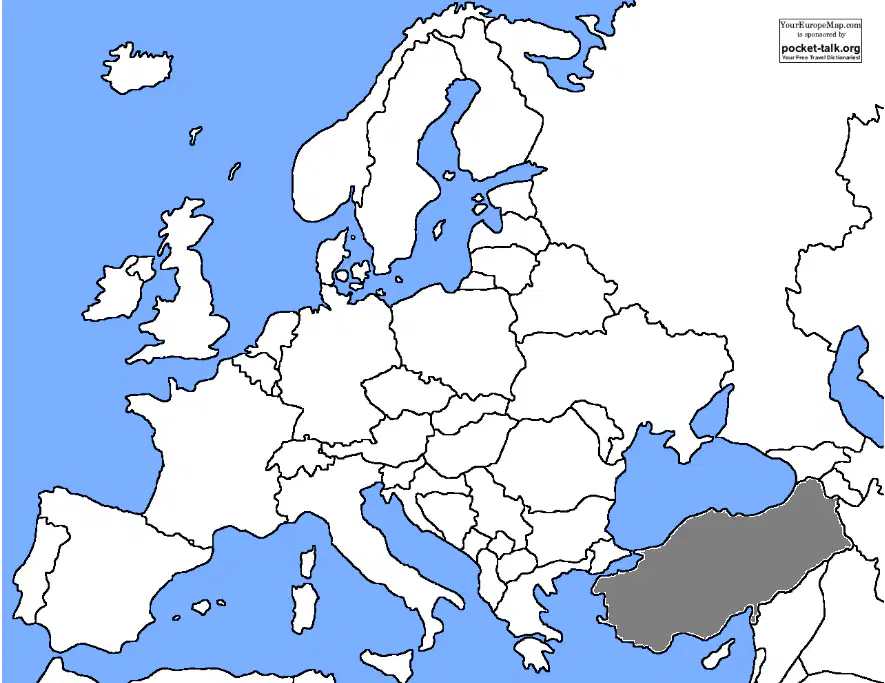
The country shaded in grey on the map is...
(a)
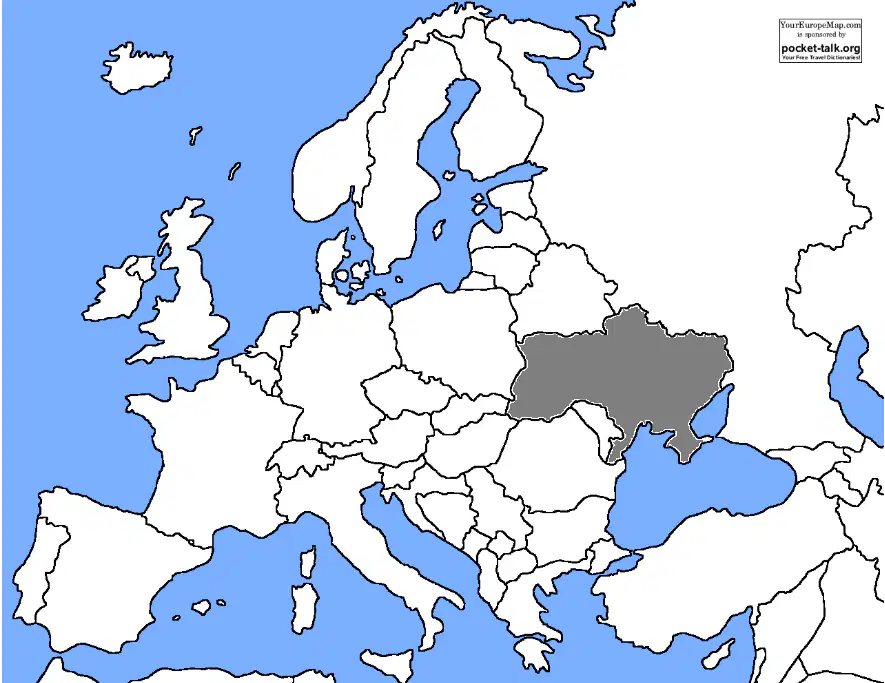
The country shaded in grey on the map is...
(a)
Which location would best represent the Adriatic Sea?
Which location would best represent the Baltic Sea?
Which location would best represent the Bay of Biscay?
Which location would best represent the Black Sea?
Which location would best represent the North Sea?
Which location would best represent Spain?
Which location would best represent France?
Which location would best represent the United Kingdom?
Which location would best represent Russia?

