
 Worksheets
Exam 4.1
Total questions: 147
Worksheet time: 1hrs 14mins
Which statement best distinguishes food quality from food safety in food production?
Quality focuses on sensory attributes and acceptability
Quality ensures products are free from biological hazards
Safety measures color and texture consistency in products
Safety prioritizes consumer satisfaction and shelf life
In a management system, why is food safety considered a non‑negotiable foundation of food quality?
High flavor can compensate for minor safety defects
Consumer acceptability always overrides hazard control
Unsafe food is unacceptable regardless of sensory quality
Safety concerns mainly affect labeling, not production
Which practice exemplifies Quality Control (QC) rather than Quality Assurance (QA)?
Training staff to follow preventive controls
Final product moisture testing to detect defects
Validating supplier compliance with specifications
Designing SOPs to prevent process deviations
Which example aligns with Quality Assurance in food manufacturing?
Developing SOPs and preventive process controls
Conducting end‑line sensory checks on batches
Measuring weight of finished products daily
Recording laboratory test results after packaging
Which role of management most directly enables effective quality systems?
Writing audit reports without follow‑up
Handling individual operator tasks daily
Performing routine bench‑level inspections
Establishing policies and allocating resources
What is the primary objective of a Quality Management System (QMS) in food industries?
Ensure consistent products meeting quality and safety
Maximize marketing reach and brand recognition
Increase production speed regardless of defects
Focus solely on reducing laboratory testing costs
Which statement best describes Good Manufacturing Practices (GMP) within quality control?
Final product grading to meet market preferences
Customer feedback systems for satisfaction tracking
Advanced hazard analysis for critical control points
Foundational operational conditions for consistent production
Good Hygiene Practices (GHP) primarily support food quality by doing what?
Reducing paperwork during external audits
Optimizing packaging graphics for recall notices
Improving flavor profiles via sensory training
Preventing contamination through sanitation programs
Which description accurately characterizes HACCP in food systems?
Standard limited to equipment calibration procedures
Science‑based preventive system identifying and controlling hazards
Reactive approach focusing on end‑product defect detection
Marketing framework to enhance consumer brand loyalty
ISO 22000 integrates which elements to create a comprehensive food safety and quality system?
ISO 9001 principles with HACCP and prerequisite programs
Supplier contracts with consumer surveys and branding
End‑line testing with sensory panels and grading
Financial audits with lean manufacturing and kaizen
Which system element most directly demonstrates traceability in food quality management?
Recall systems identifying affected products along the supply chain
Routine flavor evaluations at the end of production
Randomized equipment checks without documentation
Standalone consumer satisfaction surveys post‑sale
Which improvement cycle commonly underpins continuous improvement in quality systems?
Design–Test–Ship–Market
Hazard–Analyze–Control–Confirm
Plan–Do–Check–Act (PDCA) cycle
Record–Report–Review–Release
Which system primarily standardizes processes to ensure consistent product attributes across batches?
ISO 9001 focusing on supplier certification documentation
Good Hygiene Practices emphasizing personnel hygiene routines
Good Manufacturing Practices supporting process-based Quality Assurance
HACCP focusing on end-product testing and sampling
In a facility aiming to prevent cross-contamination during slicing and packaging, which approach should be implemented first as a foundation?
GHP as a prerequisite sanitation and hygiene program
ISO 22000 for enterprise-wide audit scheduling
HACCP with step-specific metal detection controls
QA inspection of finished product appearance
Which question aligns with typical board exam patterns for management system selection?
Which management system best ensures the most advanced equipment
Which management system best ensures the intended control objective
Which management system best ensures the fastest line changeover
Which management system best ensures the lowest ingredient cost
A grinder step must control metal contamination. Which is the most appropriate system focus?
GHP emphasizing hairnet and handwashing rules
GMP emphasizing packaging material specifications
ISO 9001 ensuring corporate document uniformity
HACCP using a Critical Control Point with detection
You are asked to improve long-term consistency, documentation, and continual improvement across departments. Which framework best fits this objective?
HACCP focusing on step-specific hazard analysis
GMP focusing on batch record sign-offs only
ISO 9001 or ISO 22000 quality management framework
GHP focusing on sanitation standard operating procedures
To distinguish systems, match each control focus with the best system choice. Which pairing is correct?
Overall consistency and improvement → GHP
Specific hazards at steps → HACCP
Process conditions and standardization → GHP
Hygiene and sanitation → GMP emphasis
Which primary purpose of food laws directly protects individuals by removing unsafe products from shelves and requiring accurate labels?
Standardization to enable fair trade price comparisons
International harmonization for export market access
Assurance of quality through HACCP hazard plans
Consumer protection with recalls and truthful labels
What is a key difference between a Food Act and its implementing regulations in a national legal system?
The Act covers labeling; regulations cover chemical residues
The Act sets principles; regulations provide detailed requirements
The Act enforces penalties; regulations only give guidance
The Act handles inspections; regulations issue business licenses
Which statement best describes HACCP’s role within food safety laws?
A recall hotline for notifying consumers of hazards
A labeling code defining nutrient content claims
A trade treaty harmonizing tariffs across regions
A preventive system identifying and controlling critical risks
Under the Philippine framework, which agency leads the food lifecycle oversight from farm to fork, including licensing and inspections?
Food and Drug Administration (FDA) Philippines
Department of Agriculture (DA) Philippines
World Health Organization (WHO) regional office
Bureau of Customs import compliance unit
During a public health emergency, which action reflects FDA Philippines’ enforcement capabilities?
Negotiating trade quotas with ASEAN member states
Approving international treaties on sanitary measures
Setting customs tariffs on imported agricultural goods
Mandating vendor hygiene protocols to prevent transmission
AO 153 s. 2004 in the Philippines primarily serves which function?
Authorizes genetically engineered crops for domestic farming
Defines import tariffs for processed food commodities
Establishes cGMP requirements aligning with international standards
Creates nutrient profiles for front-of-pack labeling logos
Which facility requirement under cGMP most directly minimizes cross-contamination during processing?
Marketing approval for nutrient health claims
Annual tax audits for export declarations
Plant layout with separate raw and finished areas
Installation of consumer feedback kiosks
What do Philippine food labeling regulations require to protect allergic consumers?
Mandatory serving-size based tax disclosures
Comprehensive ingredient lists and allergen warnings
Country-of-origin font size larger than brand name
Front-of-pack star ratings for overall healthiness
Product quality standards, such as acidity limits for canned fruits, are best characterized as which type of regulation?
Attribute-specific limits with testing protocols
Broad aspirational guidelines without enforcement
Voluntary industry pledges on marketing to children
Tariff schedules for cross-border shipments
What is the main purpose of Codex Alimentarius in the international context?
Harmonizing standards for hygiene, contaminants, and labeling
Negotiating bilateral trade quotas for member states
Licensing multinational brands for market entry
Setting global prices for agricultural commodities
Which benefit most directly supports exporters when adopting Codex standards?
Exemption from domestic inspections and audits
Access to multiple markets without separate certifications
Guaranteed subsidies from international development banks
Automatic tariff reductions on all processed foods
Within the EU system for novel foods, what is EFSA’s central function before market approval?
Monitoring company tax compliance for funding
Issuing country-of-origin certificates for exporters
Setting retail prices to prevent consumer exploitation
Conducting risk assessments to ensure product safety
Which scenario illustrates the challenge of balancing innovation and precaution in EU food regulation?
Seasonal labeling rules for holiday promotional packaging
Guidelines for restaurant tipping and service charges
Debates over GM crops requiring strict pre-market review
Rules on store opening hours for weekend food sales
For exporters to the EU, which compliance element most reduces risks of border rejections and costly delays?
Traceability systems such as HACCP-based controls
Voluntary participation in local food festivals
Celebrity endorsements on product marketing
Bulk discounts negotiated with logistics partners
Which statement best defines a food safety hazard in the context of food processing?
Any economic loss due to spoiled ingredients
Any marketing claim about food nutritional value
Any biological, chemical, or physical agent causing harm
Any factor that changes food flavor without harm
Good Hygiene Practices (GHPs) primarily aim to
Establish conditions to prevent common hazards
Replace the need for a HACCP plan
Control critical control points specifically
Focus only on final product testing
HACCP is best described as a
Reactive procedure for recalls only
Single test for detecting pathogens
Science-based and systematic approach
Set of voluntary marketing guidelines
Which is an example of a biological hazard relevant to food safety?
Pesticide residues in vegetables
Escherichia coli O157:H7 bacteria
Sanitizer residues from surfaces
Glass shards from broken lamps
Which common source most often introduces biological hazards such as Salmonella in foods?
Raw materials of animal origin
Metal contamination from packaging
Excess permitted food additives
Damaged equipment and worn parts
Which example fits a chemical hazard during food processing?
Metal fragments from a broken blade
Veterinary drug residues in meat
Feathers accidentally mixed into dough
Stones inadvertently mixed with beans
Which item is a typical physical hazard in food products?
Histamine from spoiled fish tissue
Mycotoxins produced by molds
Glass shards from containers
Sanitizer residues on equipment
Most biological hazards are minimized by which basic control?
Increased use of strong sanitizers
Removing all chemical additives
Adequate cooking and storage control
Extended vacuum packaging only
The purpose of hazard analysis in HACCP is mainly to
Decide which hazards require control
Rank suppliers by delivery speed
Design nutrition labels for packages
Determine only equipment depreciation
When should the hazard analysis be conducted for a process?
After on-site verification of the flow diagram
After final product microbiological testing
Only after a product recall occurs
Before developing GHP prerequisites
In hazard analysis, a hazard is considered significant when it is
Rare and minor in consequence
Popular in media discussions
Already eliminated by suppliers
Likely and severe without controls
Which step is NOT part of listing all potential hazards in HACCP Step 6?
Consider ingredients and environment factors
Describe hazards with their likely sources
Ignore consumer groups to avoid bias
Use process flow diagrams for each step
Evaluating significant hazards should include which factors?
Supplier profit margins and quotas
Seasonal marketing campaigns only
Likelihood, severity, history, and limits
Package design trends and colors
Which control action aligns with managing significant hazards?
Set clear safety targets and validate
Avoid documenting control measures
Delay validation until after market launch
Focus controls only on minor hazards
A hazard analysis worksheet typically includes
Hazard description, risk level, controls
Employee birthdays and hobbies
Only supplier addresses and emails
Advertising slogans and brand logos
Which evidence source is appropriate for hazard identification?
Social media likes and shares
Anecdotal assumptions from staff
Historical outbreaks and recalls data
Advertising claims by competitors
Which food–hazard pairing reflects known historical associations?
Dried herbs and mycotoxins risk
Fresh milk and plastic fragments
Ground beef and glass shards risk
Grains and stainless steel screws
Which statement about risk assessment in food safety is most accurate?
It measures shelf-life flavor changes only
It ignores uncertainty in data quality
It analyzes likelihood and severity of harm
It estimates marketing risk for sales drops
Which statement best describes the primary purpose of Sanitation Standard Operating Procedures (SSOPs) in a food facility?
Replace all cleaning with chemical sterilization
Ensure documented, validated sanitation procedures
Maximize production speed and throughput
Eliminate the need for employee training programs
Which activity is specifically part of pre-operational SSOPs?
Consumer complaint trend analysis
Monitoring pest traps during shifts
Thermal processing of low-acid foods
Equipment disassembly and reassembly after cleaning
Operational SSOPs most directly aim to achieve which outcome during production?
Maintain a clean hygienic environment
Eliminate all microbial hazards
Reduce energy consumption of equipment
Increase product shelf appeal
Which recordkeeping requirement is stated for SSOPs in food sector-specific programs?
Maintain documented records for at least six months
Store no records if corrective actions are done
Archive only digital logs without signatures
Keep records for two weeks then discard
Which personal hygiene practice is emphasized to reduce transmission of microorganisms by food handlers?
Avoiding gloves during wet tasks
Regular and proper handwashing
Sharing protective gear among staff
Wearing scented lotions daily
Which statement accurately distinguishes thermal from non-thermal processing?
Thermal uses UV light; non-thermal uses microwaves
Thermal uses heat; non-thermal avoids heat
Thermal preserves nutrients; non-thermal destroys nutrients
Thermal is only pre-harvest; non-thermal is post-harvest
Pressure-Assisted Thermal Processing (PATP) primarily inactivates pathogens by combining which two factors?
High pressure and heat
Low pH and freezing
Vacuum and dehydration
Irradiation and filtration
Which feature differentiates PATS from PATP?
Uses UV light pulses exclusively
Targets shelf-stable low-acid foods
Eliminates need for packaging
Operates below 40 °C always
Which advantage is associated with PATP compared with retorting or pasteurization?
Reduced processing time via adiabatic compression
Higher energy use due to long heating cycles
Greater nutrient loss in heat-sensitive foods
Lower pressure use under 50 MPa
Which non-thermal method reduces microbial loads using light on water, air, containers, and surfaces?
Microwave-assisted heating
Infrared roasting
Ultraviolet irradiation
Ohmic conduction
In Pulsed Electric Field (PEF) treatment, what cellular effect leads to microbial inactivation?
Complete DNA denaturation
Protein cross-linking in cytoplasm
Pore formation in outer membranes
Spore germination induction
Hurdle technology improves food safety by which strategy?
Eliminating packaging requirements entirely
Combining multiple milder preservation methods
Relying solely on chemical preservatives
Using one intense sterilization step only
Microwave-Assisted Thermal Sterilization (MATS) integrates which energy modes to sterilize food in polymeric packages?
Ultraviolet and infrared emission
PEF and ohmic resistance
Convection and microwave conduction
Freezing and vacuum drying
Which hazard pathway is correctly matched to a pest type or behavior?
Insects prevent physical contamination of packaging
Birds neutralize bacteria through nesting
Rodents reduce cross-contamination by grooming
Flies transfer contamination from dirty to clean areas
Which preventive measure directly targets pest entry points in a facility?
Limiting employee breaks by half
Switching to UV sanitation nightly
Self-closing doors and drain traps
Increasing cooking temperatures only
Which inspection step helps prevent pest-related issues with incoming materials?
Weigh pallets to detect hidden pests
Only review supplier invoices quarterly
Assume sealed packaging is pest-free
Check raw materials for signs of infestation
Which HACCP activity is used to identify Critical Control Points across a process?
Applying a CCP decision tree
Measuring consumer preferences
Conducting marketing surveys
Auditing financial statements
When documenting SSOPs, which requirement supports accountability and verification?
Sign and date by plant management
Outsource signatures to contractors
Use anonymous team initials only
Skip signatures if procedures are stable
Which question is first in a raw material CCP decision tree?
Do control charts show past deviations at this step?
Is there a significant hazard with the raw material?
Are monitoring devices calibrated for this hazard?
Will a later process step eliminate this hazard?
What is the primary purpose of using a CCP decision tree during processing steps?
Schedule preventive maintenance for equipment
Estimate production yields for each batch
Document supplier contact information accurately
Identify steps that are true Critical Control Points
Which condition would make a process step a CCP when using the process-step decision tree?
The step is designed to eliminate or reduce the hazard
The step uses automated sensors for readings
The step is located early in the production line
The step requires minimal operator involvement
Which question targets cross-contamination risk in the raw material decision tree?
Could contamination increase to unacceptable levels at this step?
Is there a significant hazard associated with the raw material?
Will you or the customer process the hazard out?
Is there a risk of cross-contamination to your facility or other products?
Monitoring in HACCP most closely corresponds to which principle?
Principle 2: Identifying hazards and risks
Principle 6: Establishing record-keeping systems
Principle 4: Monitoring CCPs against critical limits
Principle 1: Conducting a hazard analysis
Which statement best distinguishes in-line from off-line monitoring systems?
In-line is discontinuous; off-line is always continuous
In-line uses lab tests; off-line uses visual inspection
In-line measures during processing; off-line samples elsewhere
In-line requires manual entry; off-line requires automation
Why are in-line monitoring systems generally preferred for CCPs?
They guarantee zero measurement error in readings
They eliminate the need for verification activities
They provide immediate information for control decisions
They make corrective actions unnecessary for deviations
Which action aligns with corrective action requirements when a CCP deviates from its critical limit?
Take immediate action to regain control and manage affected product
Delay action until trend data confirm a persistent problem
Revise the HACCP team roster before any on-floor action
Notify suppliers but continue production without changes
Which pair correctly differentiates validation from verification for PRPs?
Validation shows a program can work; verification shows it is being followed
Validation audits daily records; verification designs the procedure
Validation is ongoing daily; verification is done only once
Validation confirms consistency; verification tests chemical efficacy
Which monitoring design best reduces the chance of missing a short-lived deviation at a CCP?
Use continuous in-line measurement with set alarms
Schedule weekly off-line sampling at random times
Rely on monthly inspection and testing reports
Collect grab samples after every finished batch
Which statement best describes why color is a key quality indicator in food products?
It replaces the need for flavor testing
It prevents microbial growth in storage
It drives initial acceptance before tasting
It guarantees higher nutritional content
Which color is commonly used to boost appetite and capture attention in food branding?
Black conveys natural freshness
Red enhances appetite and attention
Blue increases sweetness perception
Green signals spiciness and heat
Which strategic color association most appropriately positions premium or luxury food products?
Brown as traditional authenticity
Yellow as shelf-exposure focus
Blue as tropical beverage theme
Black as elegant and high-end
Which textural property is classified under mechanical characteristics as a reaction to applied stress?
Shape indicating product authenticity
Particle orientation as cellular
Hardness described as soft or firm
Oiliness measured as greasy feel
Which secondary cohesiveness term correctly matches the description 'short, mealy, pasty'?
Gumminess indicates short and pasty
Brittleness indicates tender chew
Viscosity indicates thin hardness
Elasticity indicates sticky tack
Which geometric textural characteristic focuses on structure and arrangement of particles within food?
Hardness descriptors
Particle size and shape examples
Moisture content categories
Adhesiveness descriptors
Which mouthfeel property is grouped under 'Other Characteristics' of texture?
Hardness described as firm
Particle shape described as fibrous
Brittleness described as crunchy
Moisture content described as wet

Which example best illustrates 'compression' as a mechanical textural parameter?
Force passes through to divide
Food squeezed to keep one piece
Material resists tearing when pulled
One part slides past another part
During initial visual evaluation, which physical attributes are assessed alongside color and surface properties?
Size, shape, and form
pH and water activity
Flavor and aroma
Nutritional composition
Which statement best explains why harder, chewier, thicker textures are perceived as more satisfying?
They reduce portion size visually
They increase sweetness perception
They contain less moisture content
They require more chewing effort
Which color association aligns with health and eco-friendly product positioning?
Green as natural and healthy
Orange as timing dependent
White as sterile if misused
Blue as rare in nature
Which property primarily signals product authenticity and consumer expectations during visual inspection?
Weight indicates moisture loss only
Shape indicates authenticity and faults
Viscosity indicates plastic behavior
Oiliness indicates brittleness
Which measurement practice helps manufacturers maintain uniform batches with consistent performance, especially in baking?
Precise weight and volume
Increased package opacity
Frequent color charting
Extended mouthfeel panels
Which relationship informs density as a quality indicator affecting texture and feel in the mouth?
pH and lipid oxidation
Particle size and aroma
Water activity and color
Mass and volume together
Which visual cue can cause rejection of a product before tasting due to strong influence on perception?
Storage temperature print
Color consistency shifts
Package net weight
Nutritional label fonts
Which statement best explains why monitoring pH is central to food safety management?
It replaces the need for temperature control measures
It only affects packaging durability and graphics
It directly controls pathogen survival thresholds
It primarily determines consumer flavor preferences alone
A product categorized as high-acid (pH ≤ 4.6) typically requires which processing approach?
Minimal processing due to pathogen inhibition
No processing because microbes cannot grow at all
Freezing because acidity increases freezing point
Ultra-high heat due to extreme spoilage risk
Which classification indicates a need for rigorous heat treatment or refrigeration?
Acidified foods with pH ≤ 4.6
Alkaline foods with pH > 7
Low-acid foods with pH > 4.6
High-acid foods with pH ≤ 4.6
Beyond safety, pH most directly influences which quality attributes?
Flavor, texture via protein coagulation, color
Shelf life through packaging thickness alone
Only aroma intensity and sweetness perception
Vitamin content regardless of processing
Which statement about moisture content in raw materials is accurate for quality assurance?
It replaces the need for microbiological testing
It is measured visually without instruments
It is only relevant for cooked finished goods
It is critical for storage stability and shelf life
Water activity management is necessary in frameworks like HACCP primarily because it:
Helps eliminate potential microbial risks
Ensures products remain translucent in color
Replaces temperature monitoring entirely
Improves packaging aesthetics and branding
Which food component is most vulnerable to lipid oxidation due to double bonds?
Proteins rich in sulfur-containing amino acids
Minerals with ionic lattices in salts
Starches with linear glucose chains
Unsaturated fatty acids in oils and fats
Why is lipid oxidation a major concern for food safety beyond rancid flavors?
It only creates off-odors without nutritional effects
Oxidation products can harm nutrients and interact with other molecules
It increases sweetness, masking microbial spoilage
It strengthens packaging materials against oxygen
Assessing microbiological quality focuses primarily on:
Measuring flavor volatiles to predict acceptance
Enhancing consumer color perception using lighting
Reducing or eliminating live microbes via preservation
Increasing water content to improve juiciness
What is the core aim of pathogen management within HACCP?
Remove or reduce dangerous germs to undetectable levels
Replace microbial tests with packaging assessments
Detect pathogens only after shelf life ends
Increase benign bacteria for probiotic benefits
Which irradiation approaches are cited for eradicating pathogens and minimizing spoilage?
Ultrasound and pulsed light without dosage limits
Lyophilization and vacuum sealing at low pressure
Pasteurization and blanching at 100–120°C
Radidication (0.1–8 kGy) and radurization (0.4–10 kGy)
When evaluating appearance instrumentally, which paired methods are used?
Calipers and mass balances for size and weight
Colorimeters/spectrophotometers with controlled lighting
Gas chromatographs with triangle tests for taste
pH meters and refractometers at room temperature
Which descriptor best matches the taste produced by glutamates found in aged cheese and broths?
Sweet and caramel-like
Bitter and astringent
Savory and mouth-filling
Sour and sharp
Which set lists positive aroma descriptors commonly associated with pleasant food smells?
Metallic, sulfurous, burnt
Medicinal, harsh, woody
Floral, fruity, green/vegetative
Rancid, musty, cardboard-like
What instrumented method can identify and quantify specific chemicals responsible for food aromas to support sensory panels?
High-speed centrifugation
Gas chromatography–mass spectrometry
Near-infrared reflectance
Atomic absorption spectroscopy
Mouthfeel primarily refers to which sensory dimension during eating?
Textural sensations while chewing
Temperature of storage
Visual color perception
Sound of crunch during cooking
Which change most commonly reduces aroma perception in older adults, potentially lowering food interest?
Reduced olfactory function
Increased saliva viscosity
Enhanced taste bud density
Improved olfactory receptors
Which flavor category is enhanced by sodium and minerals in preserved foods and seafood?
Sweetness
Sourness
Saltiness
Bitterness
Which environmental factor is defined by the ratio of air vapor pressure to saturation vapor pressure, often expressed using water activity?
Relative humidity
Oxygen partial pressure
Ambient temperature
Light intensity
Improper temperature control during storage and transport primarily increases which risk?
Improved sensory shelf life
Microbiological growth and hazards
Packaging delamination only
Enhanced nutrient stability
Light exposure can degrade foods mainly by affecting which components?
Cellulose fibers only
Proteins exclusively
Vitamins and bioactives
Water content only
Modified atmosphere and oxygen-control packaging are primarily used to limit which quality-degrading process?
Free radical oxidation reactions
Starch retrogradation in bread
Enzymatic softening of starch
Protein denaturation by heat
Quality shelf life is best defined as the time a product retains acceptable which attributes?
Hazard-free condition only
Sensory, nutritional, and functional
Legal compliance paperwork
Sterility and asepsis alone
A product can meet safety criteria yet fail quality expectations. What is still true if it fails safety requirements?
It has extended sensory shelf life
It still meets quality standards
It automatically violates quality standards
It remains acceptable for sale
Which factor is the principal source of food deterioration leading to off-odors and discoloration?
Mechanical abrasion only
Low oxygen packaging alone
Microbial spoilage processes
Enzymatic ripening alone
Higher pH tends to contribute to which taste quality commonly found in dark chocolate and coffee?
Saltiness enhancement
Sweetness perception
Sourness reduction
Bitterness perception
Which storage strategy directly addresses moisture migration by aiming to match product water activity with the environment?
Control relative humidity
Increase light intensity
Add oxygen to headspace
Raise storage temperature
Which packaging function most directly supports consumer understanding of both quality and safety requirements?
Thicker plastic sidewalls
Stackable container shape
Aesthetic label colors
Date marking and usage guidance
Which nonthermal technology was noted as a method to preserve food quality and safety across a 0–50°C range?
Vacuum frying
Thermal retorting
Oscillating magnetic field treatments
Ohmic heating
Which aroma characteristic would most likely signal spoilage or improper storage rather than freshness?
Rancid or musty odor
Sweet caramelized note
Pleasant herbal bouquet
Distinctive fruity fragrance
Which statement best distinguishes Quality Control from Quality Assurance in food manufacturing?
QC is product-focused and reactive to defects
QC is process-focused and preventive of risks
QA is product-focused and performed post-release
QA uses sampling only while QC uses HACCP
In a QC context, which timing aligns with typical activities?
During and after production processes
Only before raw materials arrive
After consumer complaints are closed
Only at product design stages
Which tool is primarily associated with Quality Assurance rather than Quality Control?
HACCP plans and SOPs
Metal detection checks
Sensory difference testing
Statistical sampling plans
What is the primary goal of In-Process Quality Control (IPQC)?
Verify supplier certifications annually
Perform final product audits after shipping
Detect and correct deviations in real time
Benchmark brand positioning in the market
Which example best illustrates IPQC in beverage manufacturing?
Auditing supplier farms biannually
Running consumer taste panels monthly
Adjusting Brix while mixing juice
Reviewing yearly allergen policy
What does staying within standardized parameters ensure for a unit operation?
Consumer panels prefer the flavor profile
Process remains in control within set ranges
Warehouse space allocation is optimized
Marketing claims stay legally compliant
Which statement about Regulatory Compliance under FSMA is accurate?
Facilities must create a written Food Safety Plan
Only chemical hazards require documentation
HACCP is optional for metal hazard control
Critical limits apply only to packaging steps
A key strategy for allergen control in production is:
Total segregation with dedicated tools
Periodic dilution with non-allergen batches
Eliminating allergen swabs to save time
Randomized scheduling without color codes
Which sanitation step sequence reflects best practice?
Scrape, first rinse, wash, final rinse, sanitize
Wash, sanitize, scrape, rinse, dry
Sanitize, wash, rinse, scrape, polish
Rinse, sanitize, wash, scrape, final rinse
Which pre-operational control helps reduce risks from incoming ingredients?
Random flavor adjustments during mixing
Extended marketing shelf-life testing
Raw material verification and supplier audits
Downstream consumer complaint analysis
What is the role of Certificates of Analysis (COAs) at receiving?
Instruction for retail merchandising displays
Legal proof the batch meets specified standards
Optional note of shipment arrival time
Record of consumer sensory preferences
Documentation and traceability enable which capability?
Targeted recalls within minutes using lot IDs
Eliminating need for sanitation between runs
Skipping incoming inspections for trusted suppliers
Replacing IPQC with final product checks only
Which sampling plan formula is correctly matched to its typical use?
n-plan: unknown supplier, higher confidence level
r-plan: initial identification for first shipment
p-plan: non-uniform high-risk source material
n-plan: uniform material, highly reliable supplier
For sampling plans, increasing r in r-plan primarily provides:
Higher confidence for non-uniform sources
Lower cost for highly uniform materials
Faster COA verification at receiving
Reduced need for IPQC parameter checks
In sensory difference testing, the Triangle test setup involves:
Three coded samples, identify the odd one
One reference only, rank intensities
Two coded samples, match to a reference
Four samples, perform paired comparisons
Compared to Duo-Trio, which attribute is higher for Triangle tests?
Ease for panelists with minimal training
Sensitivity to detect very small differences
Probability of guessing correctly at 50%
Applicability to strong lingering flavors
What statistical criterion is commonly used when interpreting sensory difference tests?
At least 80% panelist agreement rule
Confidence interval width under 0.20
p-value at or below 0.05 threshold
Mean score exceeding 7 on hedonic scale
Which corrective action system emphasizes identifying root causes and verifying effectiveness?
Supplier coupon penalties and fines
Random batch rework without documentation
CAPA with RCA and Fishbone diagram
Marketing-led flavor realignment sessions
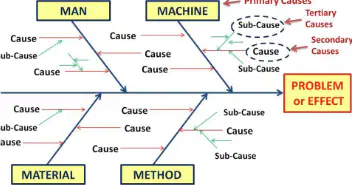
Which category in a fishbone diagram would best capture inaccurate sensor calibration affecting test results?
Environment and climate
Methods and SOPs
Measurement and data
Manpower and training
A visual inspection is rejected for detecting microbial levels. What is the most appropriate alternative?
Extended shelf-life trials
Sampling with laboratory testing
Sanitation crew walkthrough
Supplier quality questionnaire
Which statement best describes a closed-loop documentation system in quality assurance?
Auditors approve SOPs without evidence
CAPA records stored without follow-up actions
Each problem linked to root cause and verified fix
Issues logged for quarterly review only
During crisis management for a product hazard, what is the prioritized action?
Negotiate with suppliers for discounts
Freeze all future R&D spending
Remove affected product from supply chain
Increase marketing communications
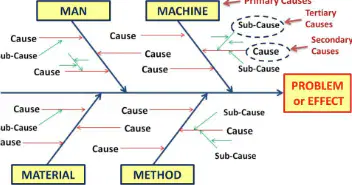
In a root cause analysis using an Ishikawa diagram, a broken conveyor motor would most appropriately be categorized under:
Machine failures or maintenance
Manpower supervision or human error
Material defects or packaging
Method errors in SOP steps
A CAPA initiative aims to prevent recurrence of a mixing error. Which plan aligns with CAPA?
Wait for next audit to propose changes
Retrain operators and update SOP with checklists
Document incident and close it
Replace all raw materials immediately

