
 Worksheets
6035 Communication PP2
Total questions: 67
Worksheet time: 34mins
Which statement best describes the purpose of the Data Protection Act in a workplace setting?
Ensures personal data is handled properly and transparently
Prevents employers from collecting any employee information
Sets building design standards for construction projects
Allows public access to all company financial records
What right is granted by the Freedom of Information Act?
Confidential sharing of customer data with partners
Automatic approval for pay increase requests
The right to delete all personal employment records
Access to recorded information held by public bodies
Which group of laws is MOST associated with promoting fair treatment at work?
Trade tariff legislation including import and export duties
Equal Opportunities legislation including Equality and Equal Pay Acts
Statutory tax legislation including PAYE and VAT Acts
Planning permission legislation including zoning and permits
A site supervisor keeps employee medical notes on an open desk. Which legislation is most relevant to this breach?
Data Protection Act duties on secure handling of data
Race Relations Act duties on fair recruitment
Freedom of Information rights to access records
Equal Pay Act duties on wage transparency
A tenant requests copies of fire inspection reports from the local council. Which law supports this request?
Equality Act preventing disability discrimination
Race Relations Act on discriminatory practices
Freedom of Information Act for public records access
Data Protection Act on processing personal data
Which outcome best explains why employers and employees must follow relevant legislation in building services?
It aids successful business operations and working relationships
It eliminates all disputes between staff and management
It guarantees projects finish under budget every time
It replaces the need for company policies and training
Which statement best distinguishes regulations from British Standards in plumbing?
Regulations are mandatory, British Standards provide guidance
Both are advisory and unenforceable for plumbers
Regulations provide guidance, British Standards are mandatory
Both are mandatory with criminal penalties for breaches
A plumber ignores the Water Supply (Water Fittings) Regulations. What is the most likely legal outcome?
Payment for a voluntary certification
Possible prosecution with fines or imprisonment
A warning letter from the BSI only
No action because they are guidance
What does BSI most accurately stand for in this context?
Bureau of Standards Industry
British Safety Inspection
Building Services International
British Standards Institute
Which best describes the role of British Standards in relation to regulations?
Create enforceable criminal penalties for noncompliance
Serve as the primary source for appliance installation
Replace statutory regulations for plumbing work
Set minimum standards showing compliance with regulations
When installing an appliance, which source takes precedence if there is a conflict?
Manufacturer’s instructions override British Standards
British Standards override manufacturer’s instructions
Gas Safe guidance overrides instructions and BS
Local custom overrides both instructions and BS
Which list contains ONLY examples of mandatory regulations relevant to plumbers?
Gas Safe Register logo, Water Guide book, BS kitemark
Kitemark scheme, Manufacturer leaflets, Trade magazines
British Standards, Water Supply Guide, Energy Rating Labels
Water Supply Regulations, Gas (Installation and Use) Regulations, Building Regulations
A product displays the BS Kitemark. What is the most appropriate interpretation for a plumber?
It exempts the installer from Water Fittings Regulations
It guarantees compliance with all statutory regulations by law
It indicates certification to a British Standard, not a legal requirement
It replaces the need to follow manufacturer instructions
You must plan a small plumbing job to ensure compliance. Which step most directly reduces risk of prosecution?
Check and follow the applicable statutory regulations
Rely solely on the BS Kitemark on components
Use past experience without consulting sources
Follow only a generic trade magazine guide
Which Building Regulations part addresses ventilation requirements in buildings?
Part G: Ventilation provisions
Part E: Ventilation provisions
Part F: Ventilation provisions
Part J: Ventilation provisions
Part G focuses on which topic within the Building Regulations?
Protection from impact hazards
Combustion and fuel storage
Sanitation and water efficiency
Fire safety in buildings
Which part deals with resistance to the passage of sound?
Part E: Sound transmission control
Part B: Sound transmission control
Part K: Sound transmission control
Part H: Sound transmission control
What is the primary focus of Part L in the Building Regulations?
Toxic substances management
Conservation of fuel and power
Protection from falling and impact
Drainage and waste disposal
Part B in the Building Regulations mainly covers what area?
Glazing safety issues
Electrical safety rules
Site moisture preparation
Fire safety requirements
Which part addresses combustion appliances and fuel storage systems?
Part K: Combustion appliances
Part J: Combustion appliances
Part H: Combustion appliances
Part D: Combustion appliances
In Part G, requirement G3 sets what limit for hot water?
Water must not exceed 80°C
Water must not exceed 60°C
Water must not exceed 70°C
Water must not exceed 100°C
Which pair correctly matches Part H with its scope?
Access to and use of buildings
Structure and joist drilling
Glazing and impact safety
Drainage and waste disposal
Part K is best described as covering which topic?
Sanitation and water efficiency
Site preparation and resistance to moisture
Resistance to passage of sound
Protection from falling, collision and impact
Within Part L classifications, L1a applies to which type of project?
Existing dwellings category
New dwellings category
New nondomestic category
Existing nondomestic category
Which classification covers existing buildings other than dwellings?
L2a: Existing nondomestic
L1b: Existing nondomestic
L1a: Existing nondomestic
L2b: Existing nondomestic
L2a is the classification used for which scenario?
New buildings other than dwellings
New buildings that are dwellings
Existing buildings that are dwellings
Existing buildings other than dwellings
Under Part P, when may a plumber replace a like-for-like electrical component without Part P qualification?
When the component is near a kitchen sink
When the component is in a bathroom zone
When the component is behind a boiler cover
When the component is outside any danger zone
Which location is defined as a danger zone requiring Part P qualification for electrical work?
Inside a bathroom or kitchen area
On a landing outside an airing cupboard
In a loft housing a compliant boiler
In an outhouse used for dry storage
A plumber plans to replace a shower pull-cord switch in a bathroom. What is the correct action under Part P?
Only notify building control afterward
Engage a Part P qualified person
Proceed without notification or qualification
Replace it if isolator is switched off
Which task is explicitly permitted under Part P without additional qualification?
Running a new ring final circuit
Installing a single fused spur
Adding a socket in a kitchen island
Extending a circuit in a bathroom
What is a key characteristic of BSI Approved Codes of Practice (ACOP)?
They apply only to BS EN standards
They guide compliance but are not legal documents
They are legally binding like regulations
They replace the need for qualifications
Which statement best describes the scope of Codes of Practice from BSI?
They cover both BS and BS EN standards
They cover only domestic plumbing rules
They focus exclusively on electrical testing
They exclude good practice recommendations
In the slide about manufacturers’ guidance, what is one stated consequence of not following the instructions?
Paint finish could fade
Noise levels might rise
Energy bills may increase
Warranty could be void
The slide states manufacturers’ instructions must be followed at all times, even if they contradict which of the following?
Warehouse inventory sheets
Sales brochures and adverts
Local customs and habits
Regulations and British Standards
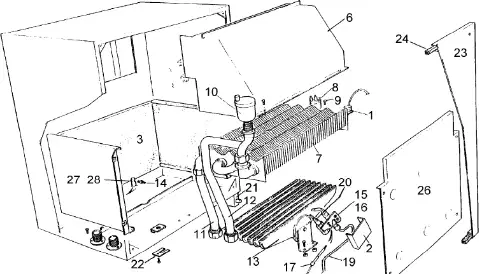
On the collage of manual pages, which type of diagram helps identify the location and order of components during assembly and servicing?
Exploded diagram
Wiring schematic
Flowchart diagram
Perspective sketch
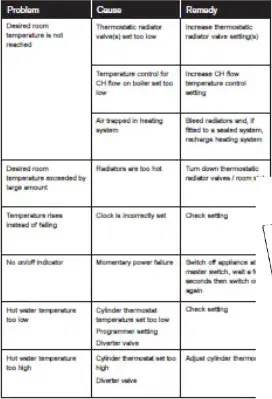
A fault-finding chart typically links a symptom to a cause and a remedy. In the manual collage, which table best serves this purpose?
The installation clearances
The spare parts list
The fault finding grid
The warranty statement
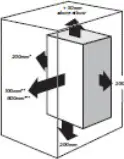
When positioning a boiler in an unventilated compartment, which manual element gives minimum clearances around the appliance?
Exploded parts view
Front cover photo
Customer care guide
Clearance diagram arrows
Which risk is specifically mentioned on the guidance slide if instructions are ignored during installation?
Paintwork might be scratched
Noise complaints could occur
Fuel economy may be poor
Installation could be dangerous
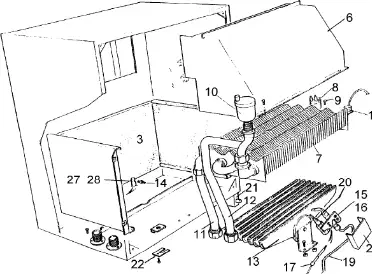
A technician replaces a component using only memory and later a leak occurs. Which manual resource would most likely have prevented this error?
Exploded diagram sequence
Marketing datasheet
Company press release
End-user warranty page
Which issue is addressed by the Water Regulations 1999 in relation to plumbing work?
Building heritage, energy modeling, carbon reporting
Scaffold tagging, lifting plans, weather monitoring
Tool calibration, site welfare, signage placement
Waste, misuse, contamination, erroneous measurement
What is the primary purpose of insulating pipework in vulnerable locations on a site?
To improve acoustic performance of plant rooms
To reduce labour time during routine maintenance
To comply with scaffold inspection requirements
To prevent freezing and bursting that wastes water
Building Regulations Part L require what action near a hot water cylinder?
Insulate all pipework within one metre of the cylinder
Provide secondary returns in every dwelling
Install pressure gauges on all primary circuits
Fit automated leak detection in all rooms
In heating system documentation, what does SAP primarily cover?
Boiler combustion air calculations
Controls on a central heating system
Water quality and inhibitor dosing
Pipe diameter selection for hot services
What role does CHeSS play in central heating work?
Licenses operatives for pressure vessel testing
Sets penalties for late materials deliveries
Mandates annual gas metering and billing reports
Ensures best practice through a system specification
Which organisation provides installation practice advice to gas installers alongside gas safety registration?
HHIC with CORGI or Gas Safe schemes
HSE with Building Control offices
RIBA with Chartered Institute of Builders
Water UK with Local Planning Authority
Timesheets completed weekly by employees are mainly used for which two purposes?
Ordering materials and booking plant hire
Calculating wages and informing future estimates
Scheduling inspections and logging toolbox talks
Recording design changes and client approvals
A job specification for an installation should include which information?
Description and the materials and appliances
Supplier discounts and rebate agreements
Site catering and parking arrangements
Worker holidays and payroll schedules
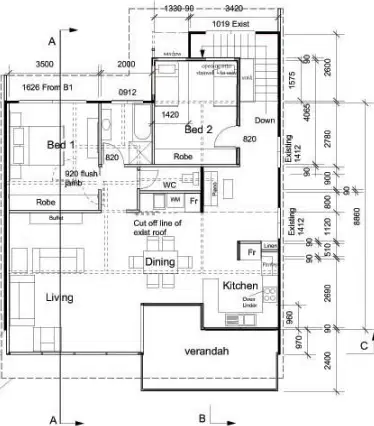
In the plan view shown, which best describes what a working drawing provides to a contractor?
A cost-only summary without technical details
Plans, elevations and details with specification
A rough concept image for stakeholder pitches
Only artistic sketches without dimensions
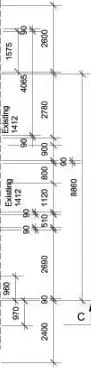
When interpreting the first-floor plan, which element is most likely conveyed by dimension strings around the perimeter?
Exact sizes and set-out positions of walls
Material delivery schedule for suppliers
Colour coding for trade responsibilities
Safety signage locations for site setup
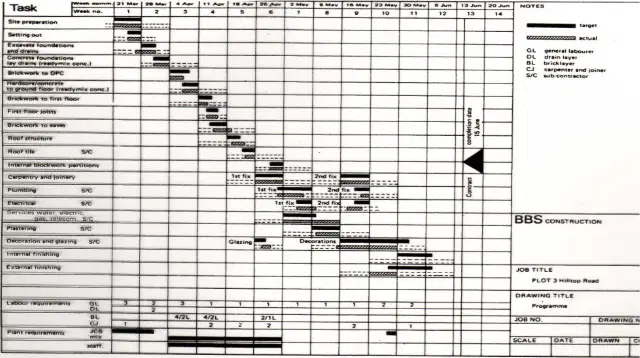
Which statement best distinguishes a work programme like the Gantt chart shown?
It records defects after project completion
It shows start and finish dates for trade activities
It replaces drawings by showing room dimensions
It lists only materials without sequencing
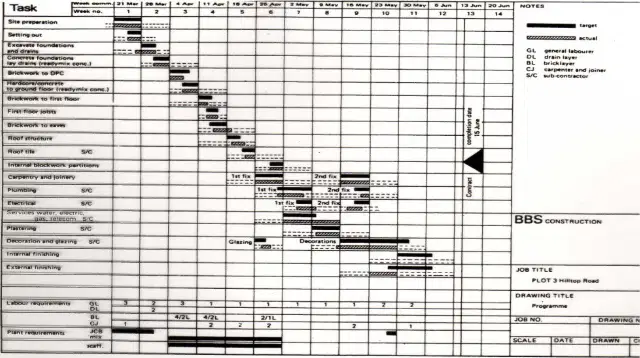
A site manager must sequence plumbers and plasterers. Based on a work programme, which approach is most appropriate?
Schedule plumbers to rough-in before plastering begins
Run both trades simultaneously in all rooms
Ignore trade order and let teams self-organize
Plaster walls first, then conceal pipes afterwards
Which pairing correctly matches the tool to its primary purpose on site?
Working drawing — defines geometry and technical details
Work programme — shows long-term asset depreciation
Work programme — replaces specifications entirely
Working drawing — allocates weekly labour resources
Which statement best describes a Health and Safety file under CDM?
A legal record compiled under CDM regulations
An informal checklist kept by employees
A voluntary guide maintained by supervisors
A marketing brochure for company services
What is the primary difference between a quotation and an estimate?
A quotation lists only labor hours
An estimate is a final invoice document
A quotation has a fixed price commitment
An estimate is always higher than quotes
Which item is typically checked and signed only if correct at delivery?
Customer care service report
Quotation confirming the contract
Invoice requesting final payment
Delivery note for materials received
Which policy focuses on preventing harmful effects on environment, resources, and wildlife?
Quality assurance policy for production
Environmental policy for impact reduction
Customer care policy for loyalty building
Health and safety file for CDM compliance
A contractor completes work and requests payment from the client. Which document should be issued?
Invoice requesting amount due
Delivery note listing quantities
Quotation with fixed prices
Estimate with flexible figures
A firm wants to build loyal customers by setting response times, reliability standards, and a complaints procedure. Which policy addresses this?
Environmental policy for resource use
Customer care policy for service standards
Financial policy for cash handling
Health and safety file for legal duty
A site receives materials, but quantities seem wrong. What is the correct next step?
Check the delivery note before signing
Approve the invoice immediately
Send a revised quotation document
File the health and safety record
What condition must be met for a customer to use statutory rights to cancel a contract?
Work has not started and within timeframe
Only if a defect is later discovered
Any reason after substantial completion
Only with the contractor’s permission
Which item is typically included in handover information at contract completion?
Internal staff shift schedules
Marketing plans for future sales
Supplier tender bid summaries
Manufacturer instructions for installed products
For large contracts, the handover may include which additional file?
A future expansion wish list
A company social media log
The health and safety file documentation
A generic training attendance sheet
Which practice best demonstrates professionalism during a customer handover meeting?
Arriving on time and prepared materials
Withholding manuals to save time
Discussing unrelated personal issues
Rushing to finish without questions
A client asks how to operate a new installation. What should the contractor do at handover?
Say learning is the client’s duty
Advise calling manufacturer later
Tell them to read online reviews
Show around and explain use settings
Which document proves compliance with industry standards for equipment commissioning?
Benchmark certificate for the system
Employee overtime approval form
Supplier promotional rebate note
Retail customer satisfaction card
A company policy requires punctuality. Which scenario meets timekeeping expectations for site handover?
Arriving five minutes early with agenda
Skipping the meeting to finish paperwork
Arriving thirty minutes late unannounced
Leaving an hour early without notice
A customer wants to cancel a signed contract after work has started. Which outcome aligns with statutory cancellation rights?
Rights may not apply once work starts
Cancellation requires a court judgment
Cancellation is always permitted anytime
Rights apply only after project finishes

