
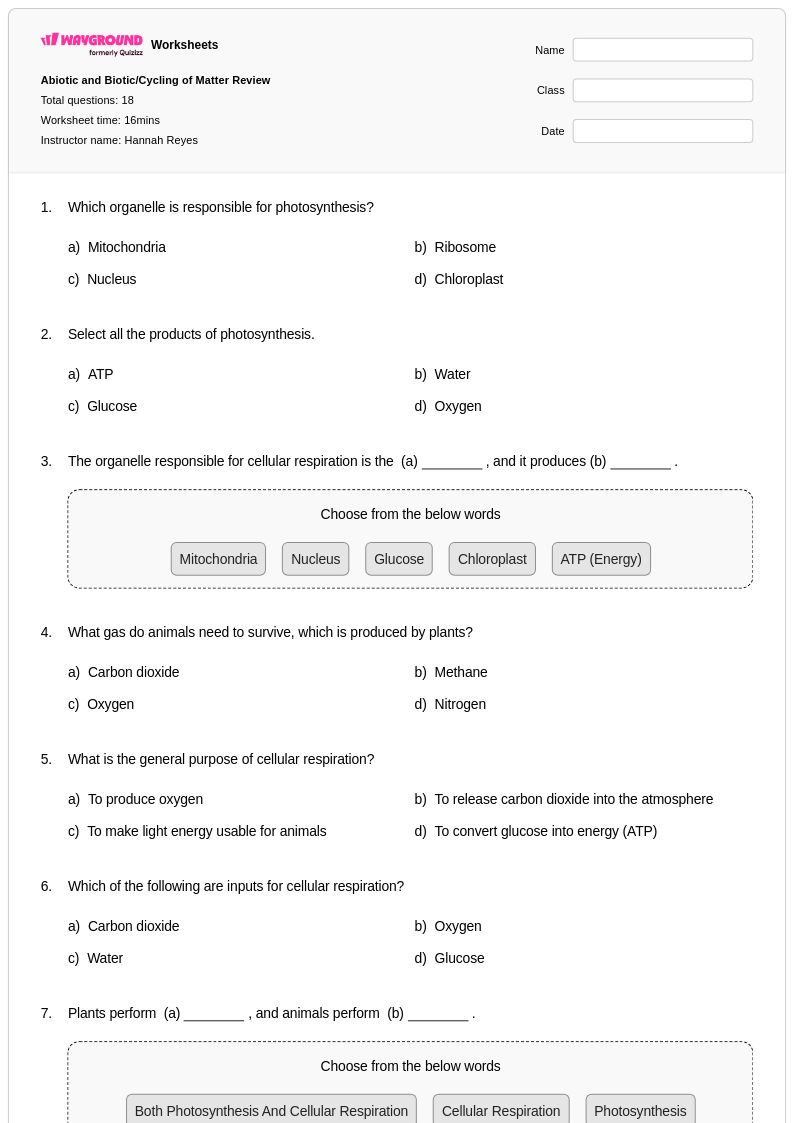
18 Q
7th
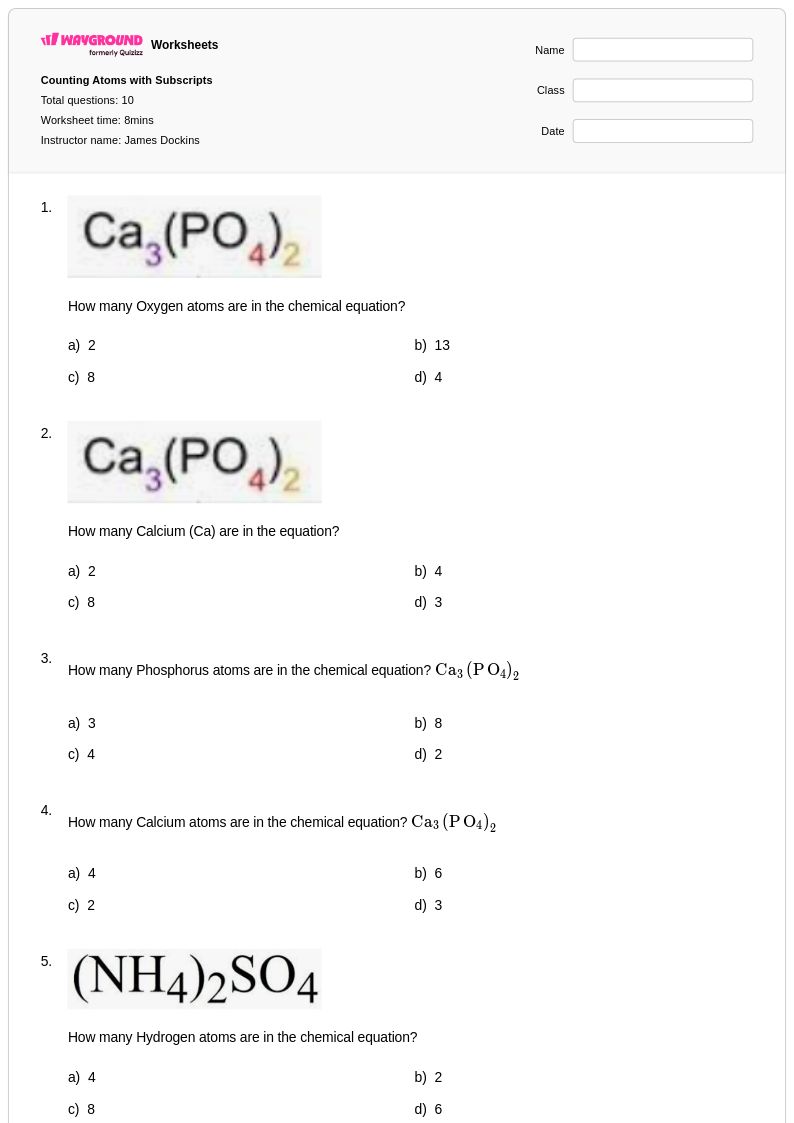
10 Q
7th
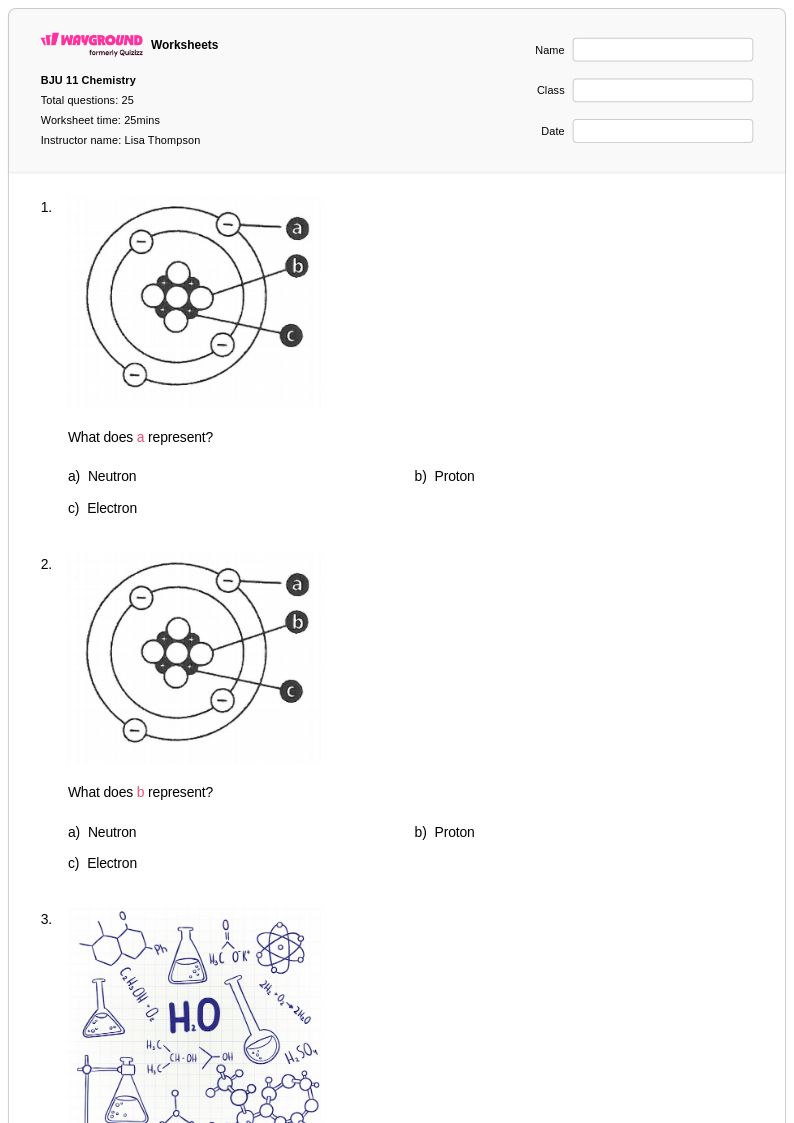
25 Q
6th - Uni
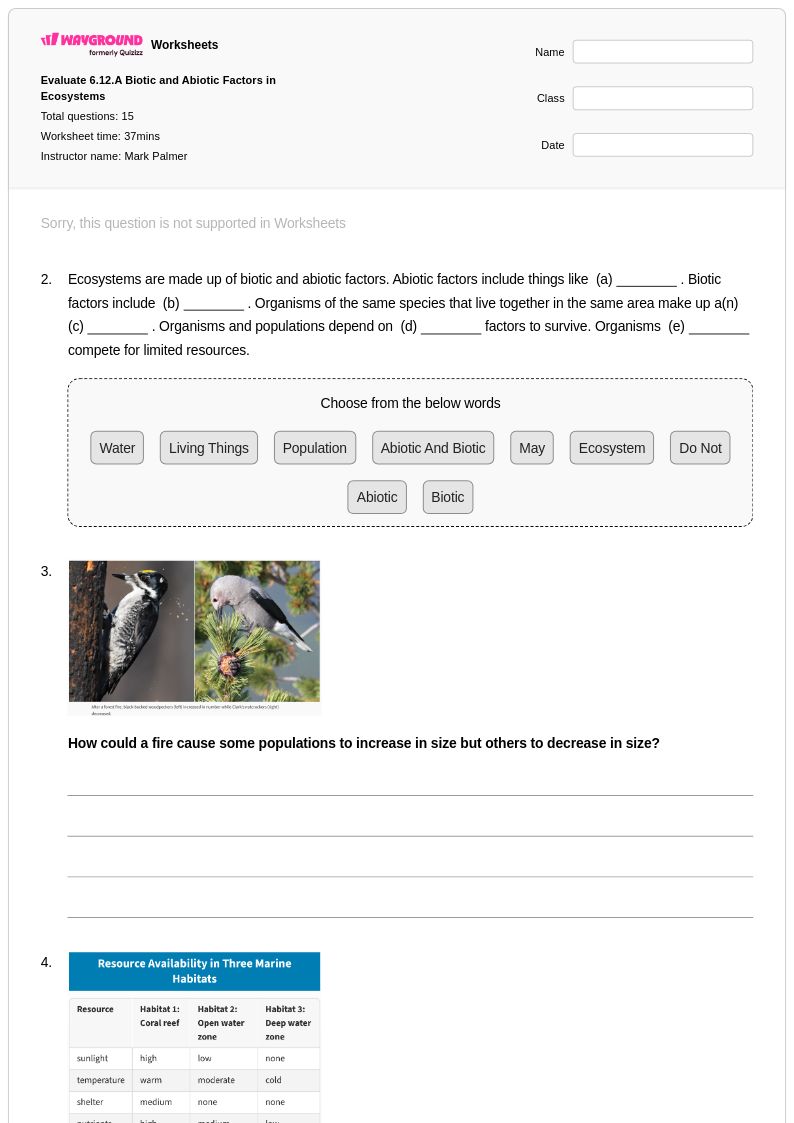
25 Q
6th - Uni
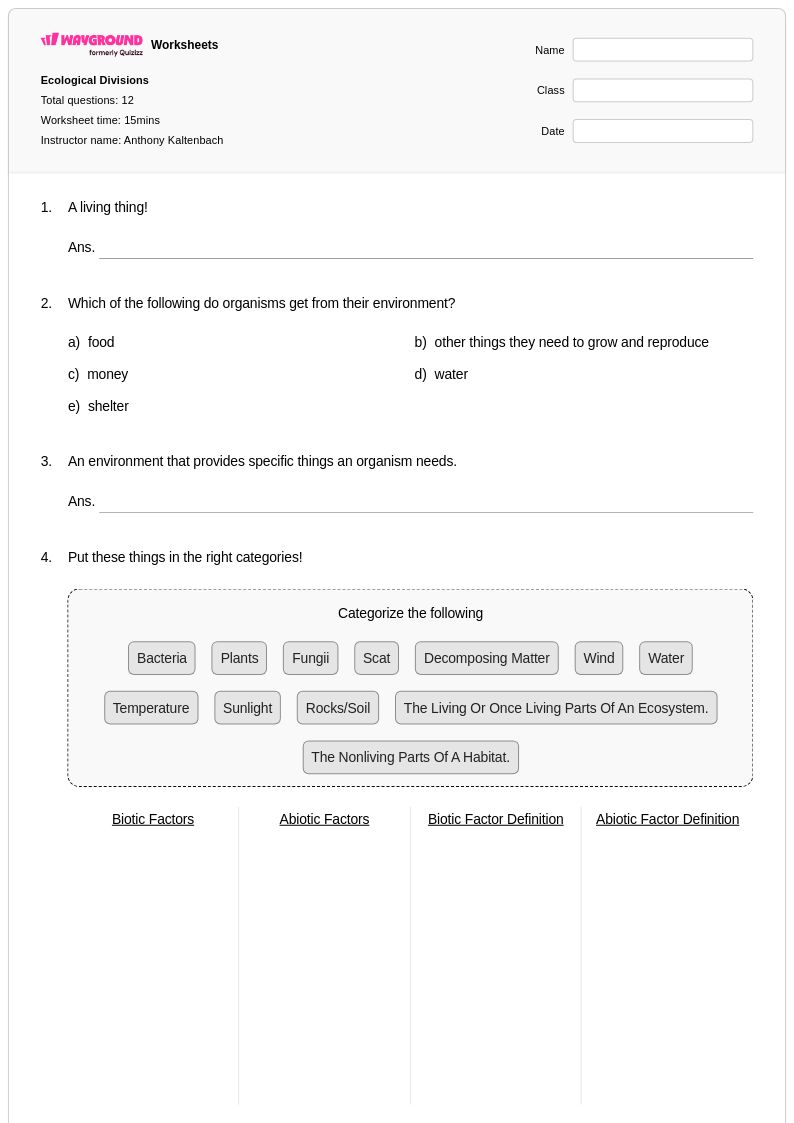
12 Q
7th
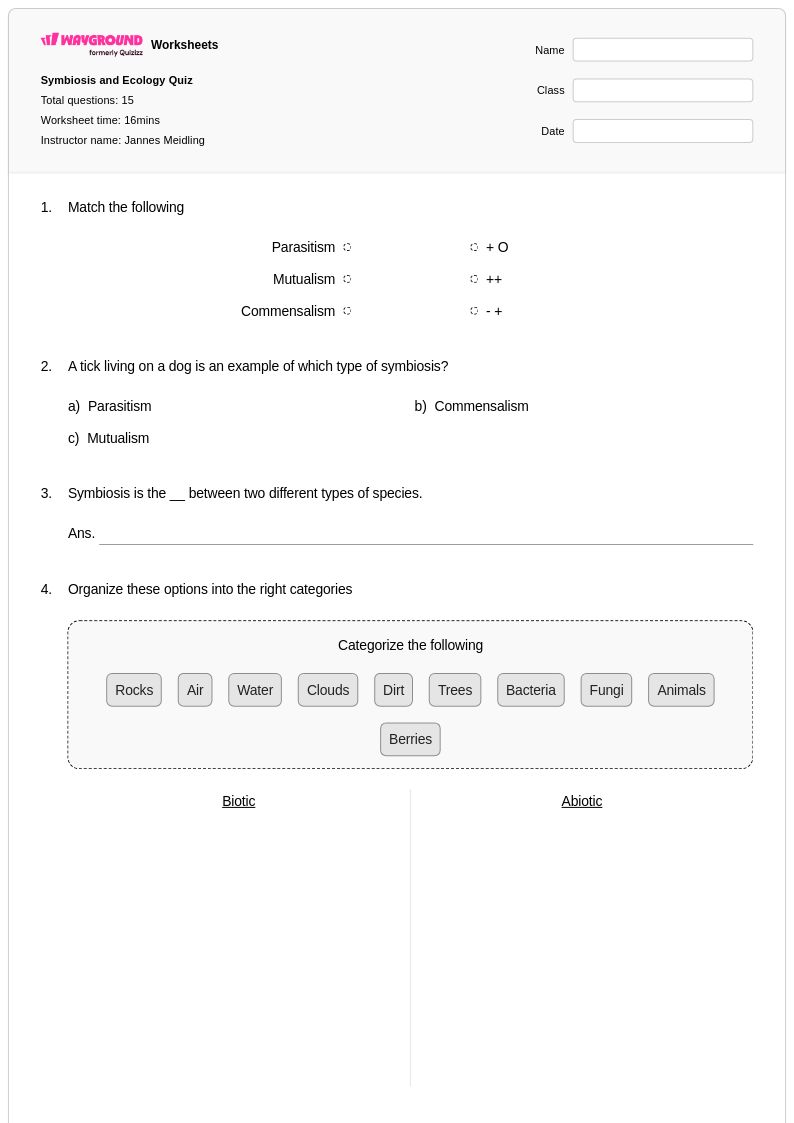
15 Q
7th
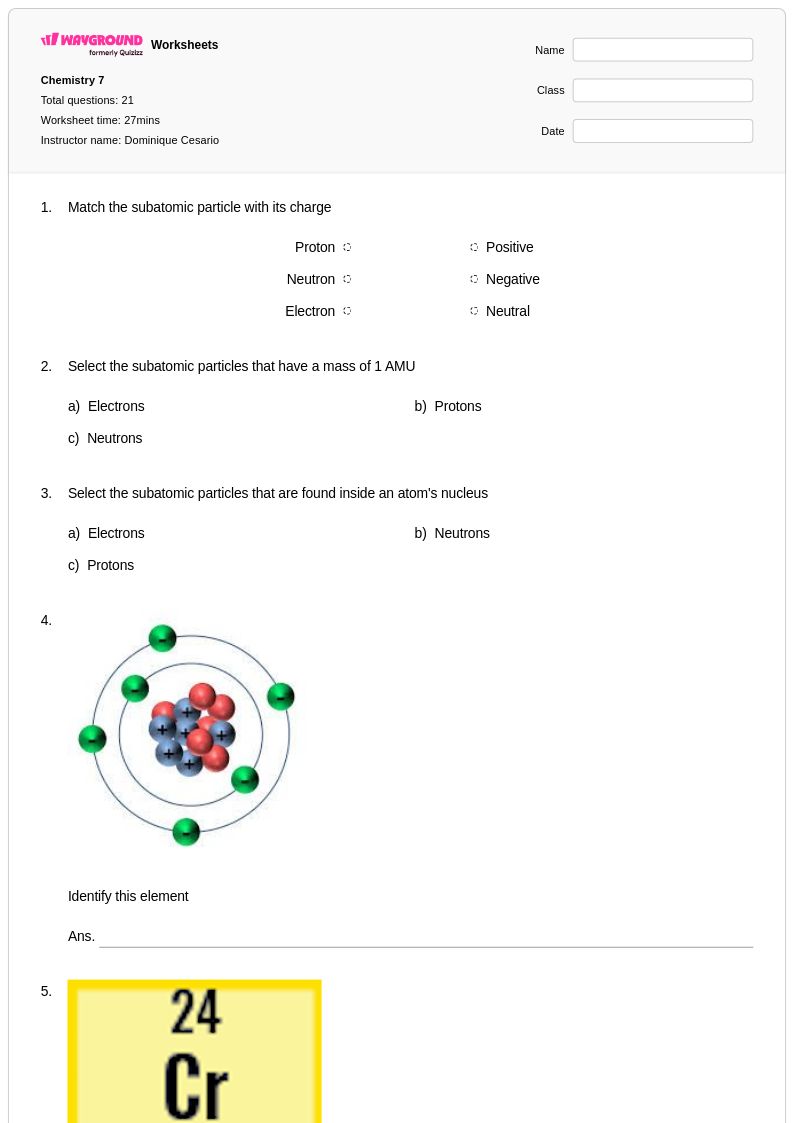
21 Q
6th - 8th
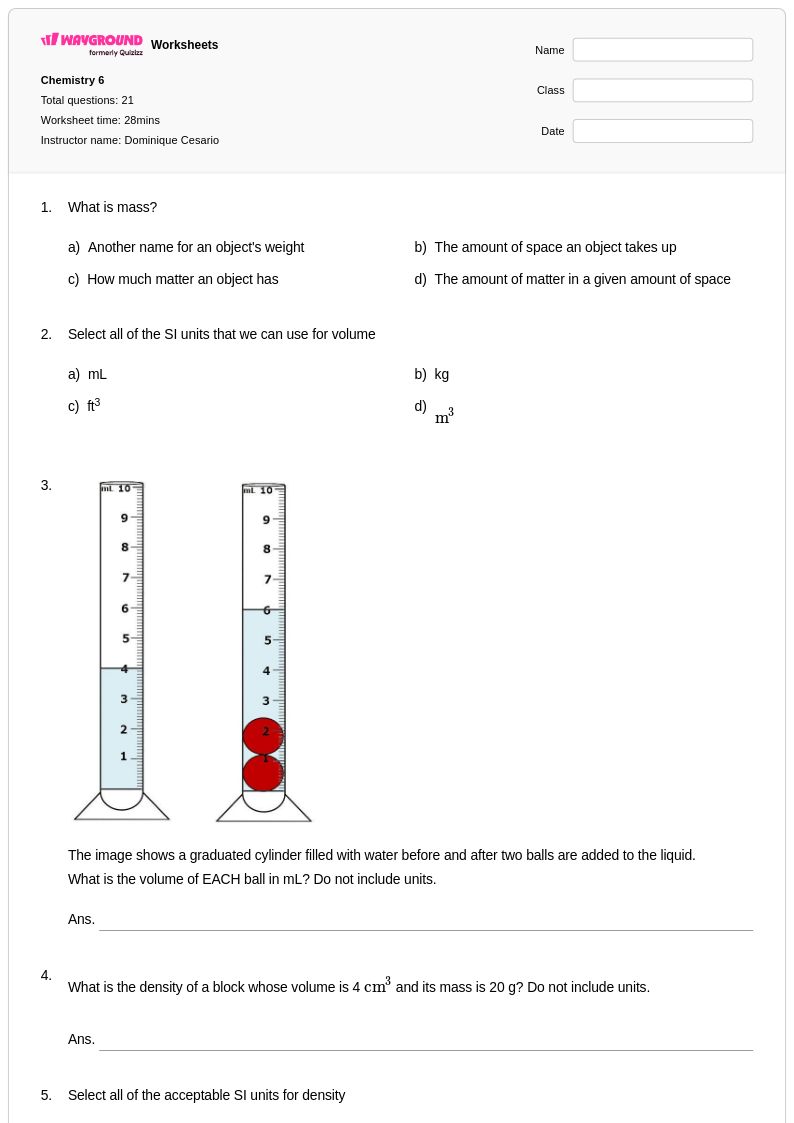
21 Q
6th - 8th
21 Q
6th - 8th
12 Q
7th
40 Q
7th - 8th
12 Q
7th
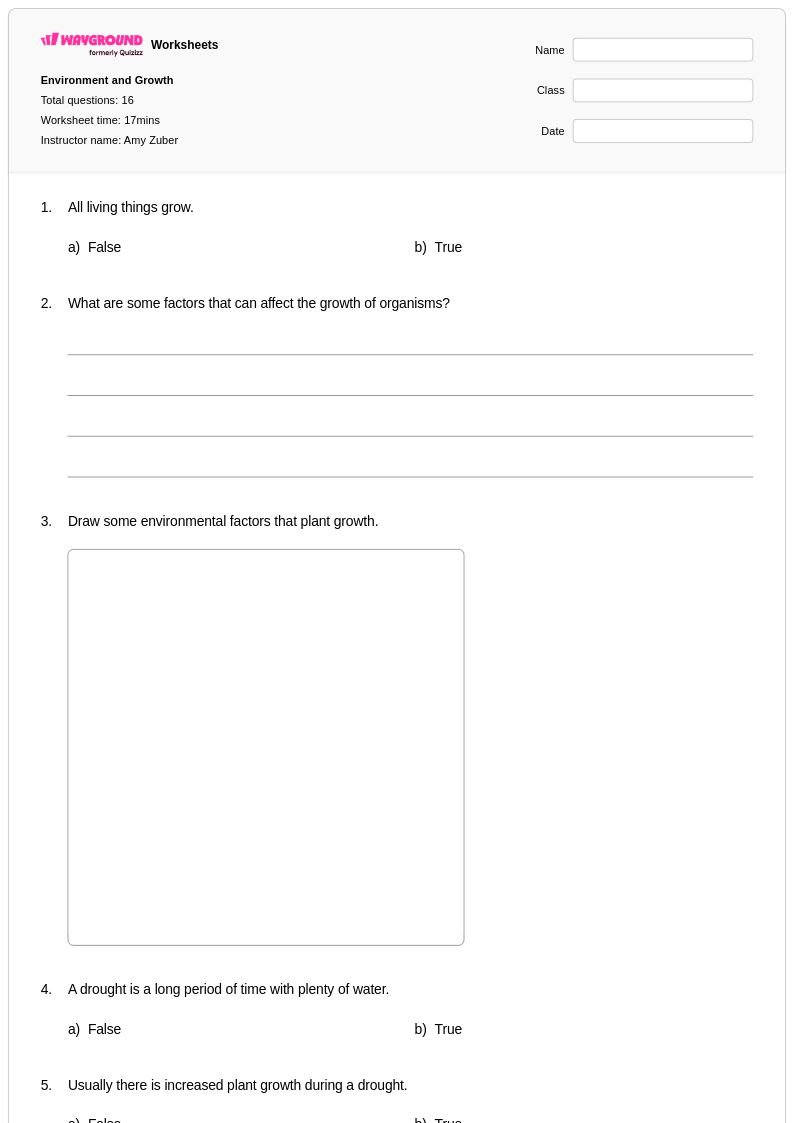
16 Q
7th
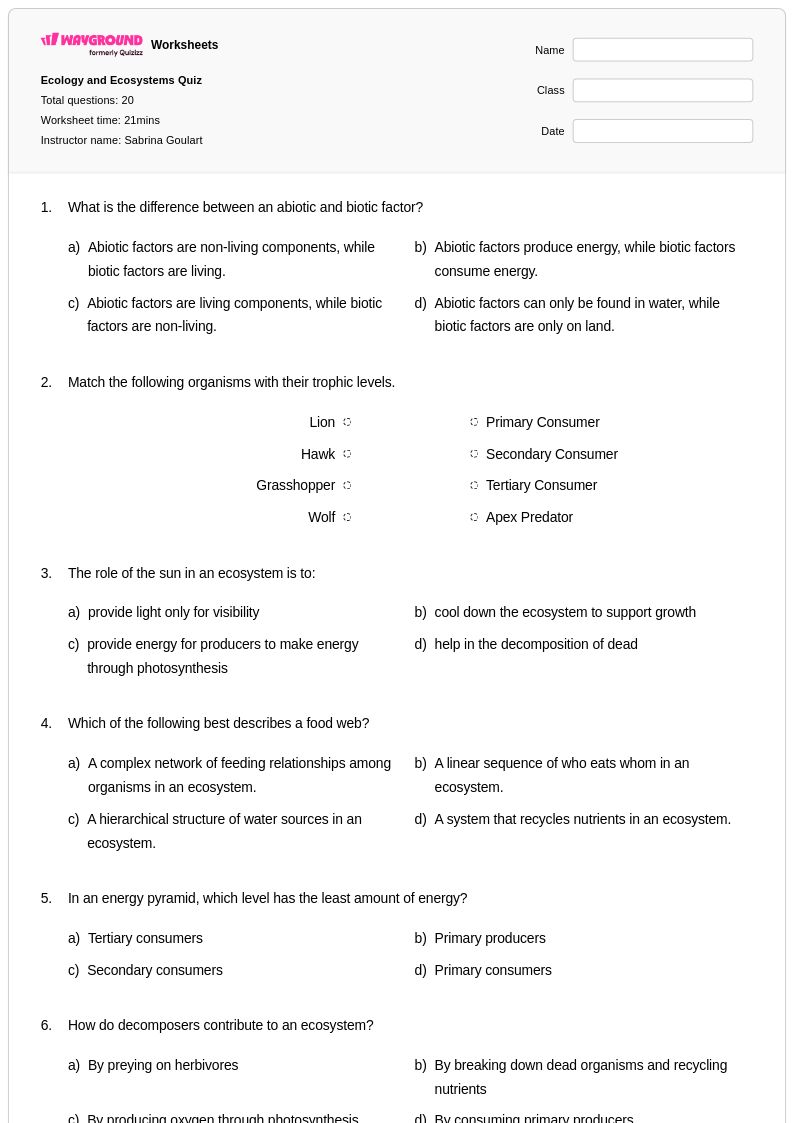
20 Q
7th
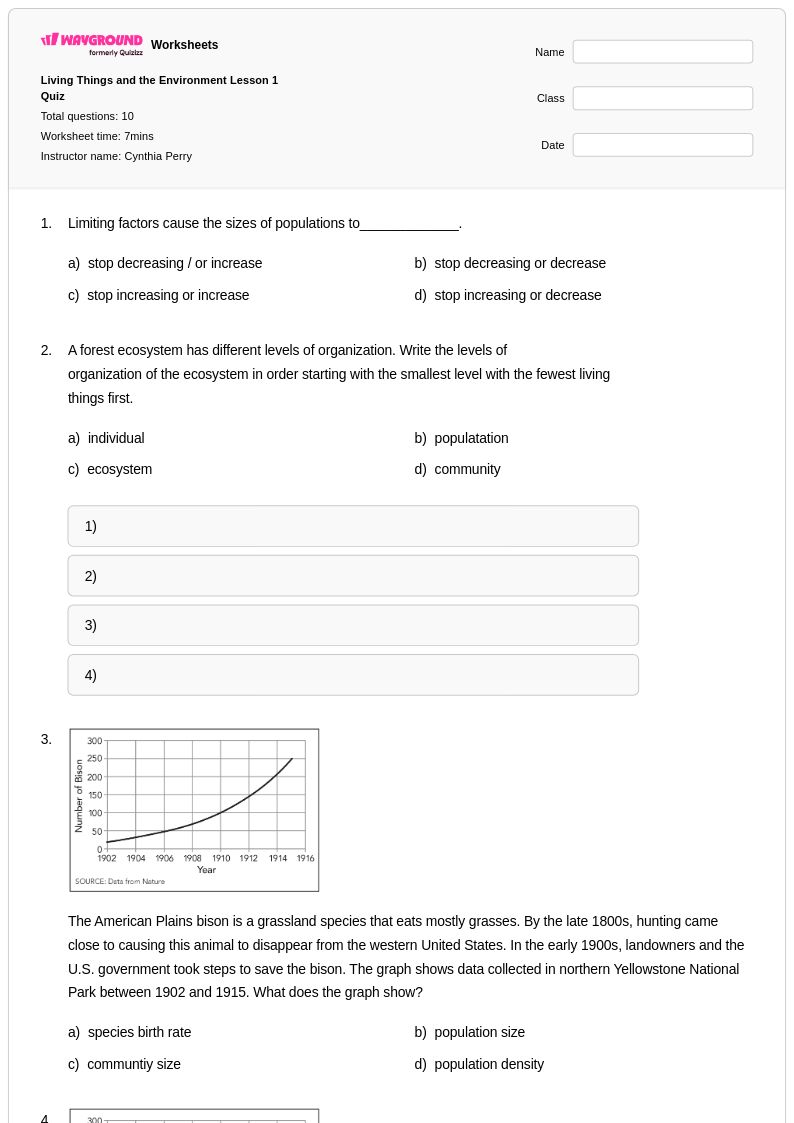
15 Q
7th
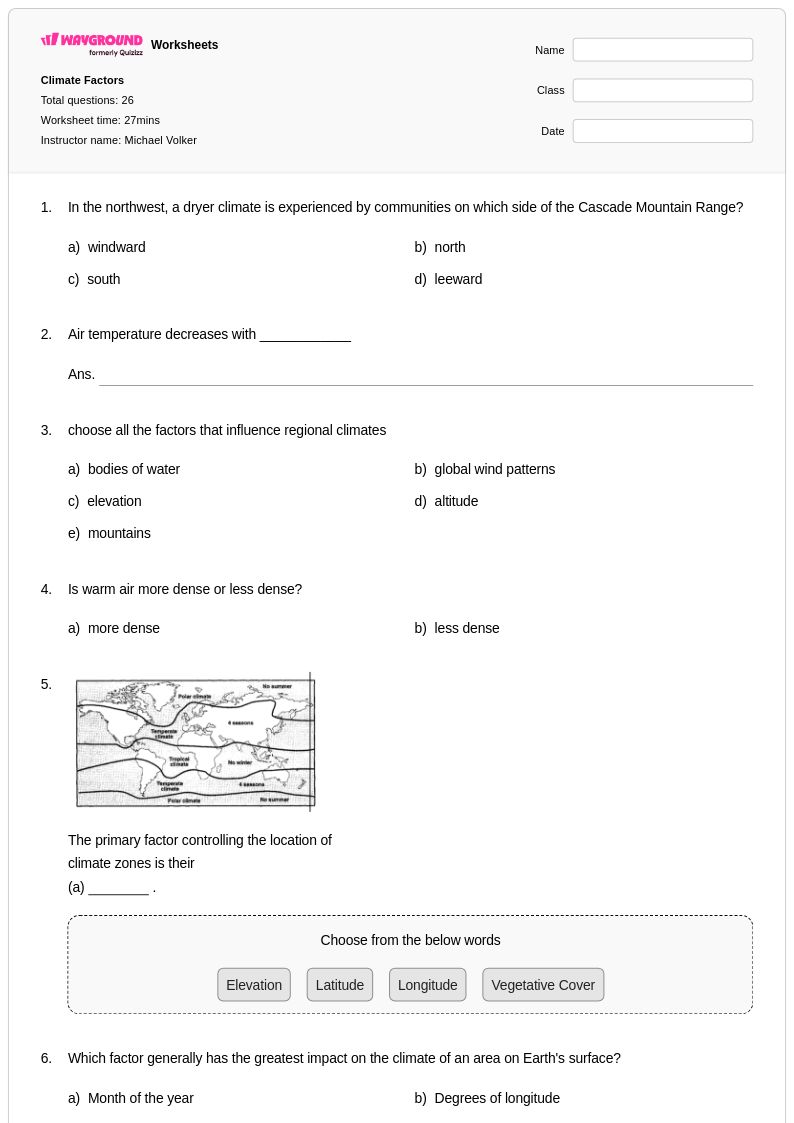
26 Q
6th - 8th
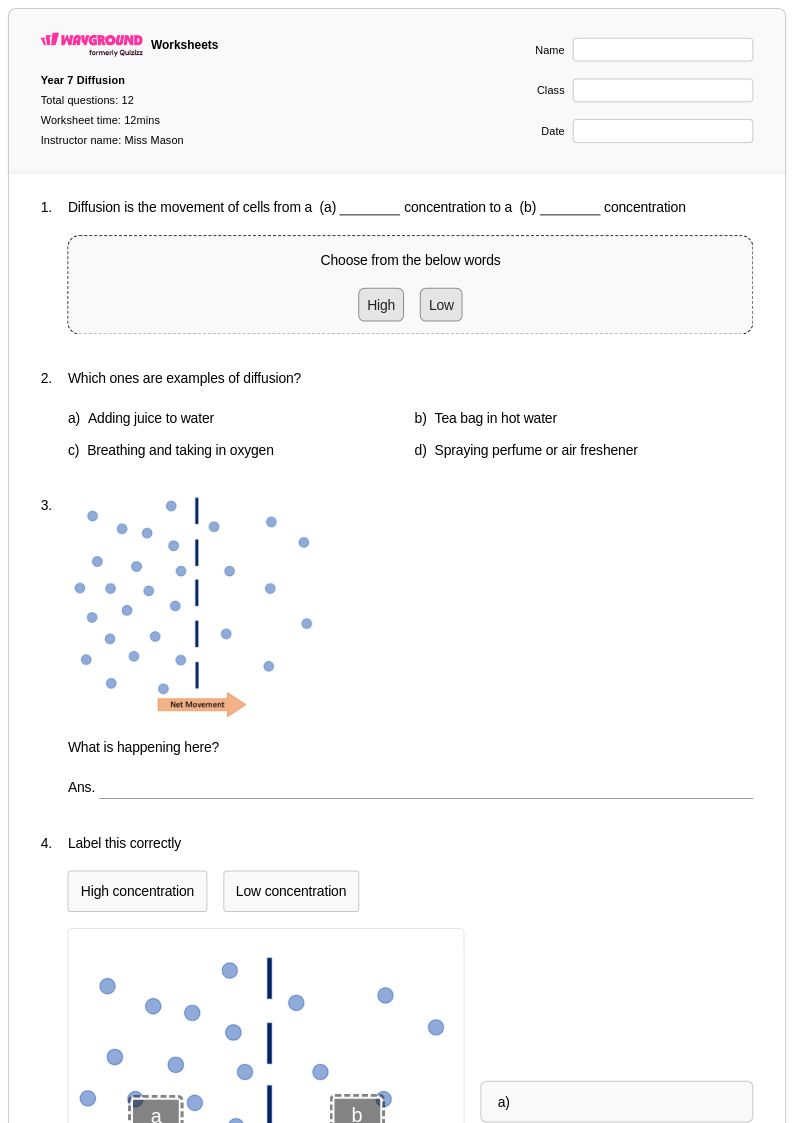
12 Q
6th - 8th
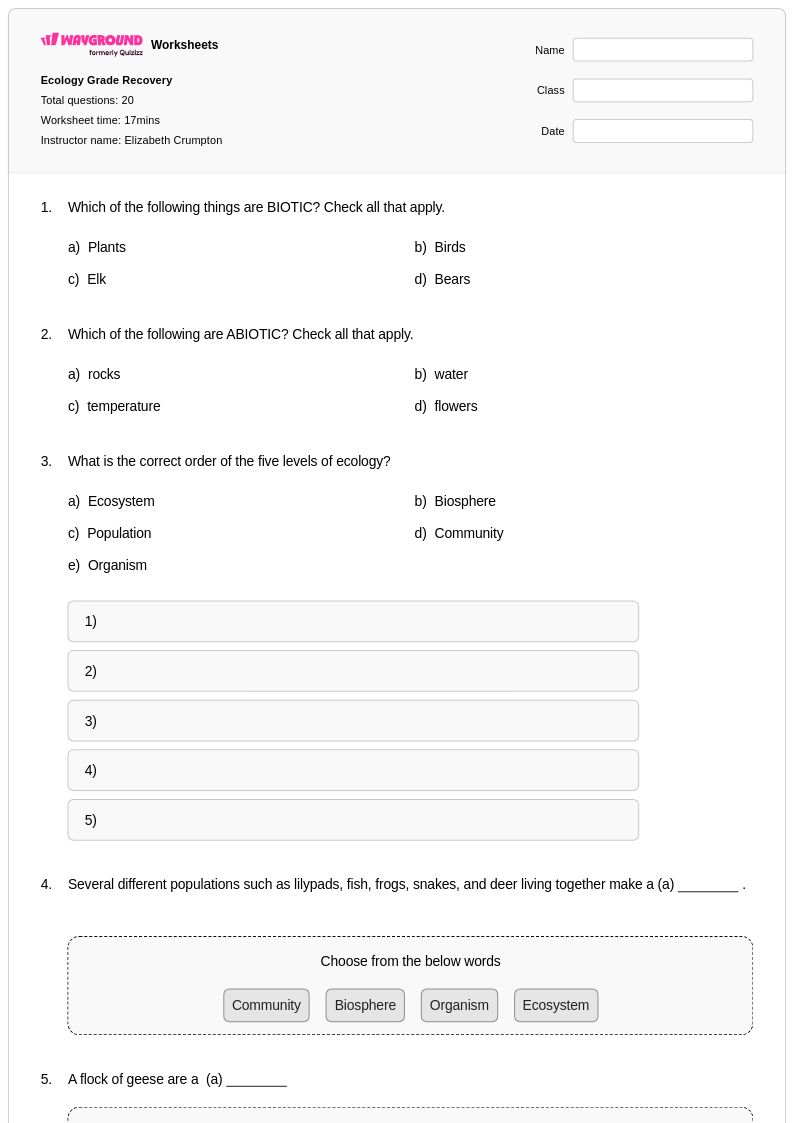
20 Q
7th
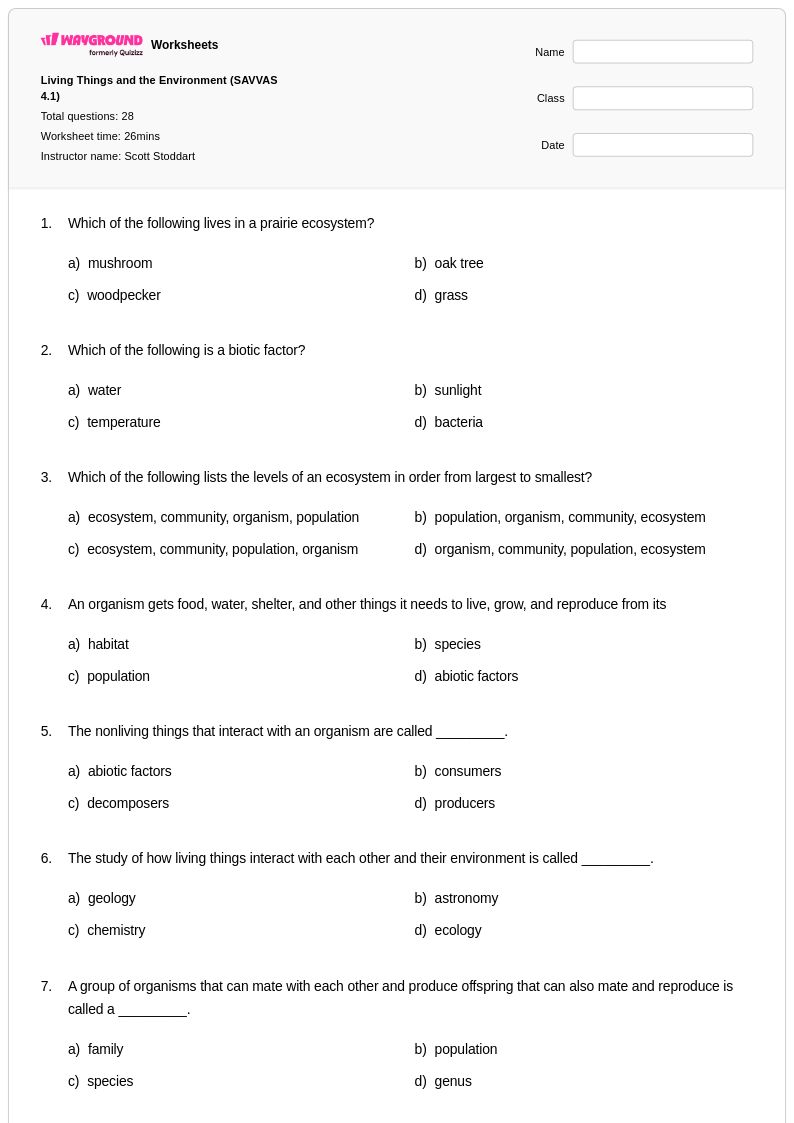
28 Q
6th - Uni
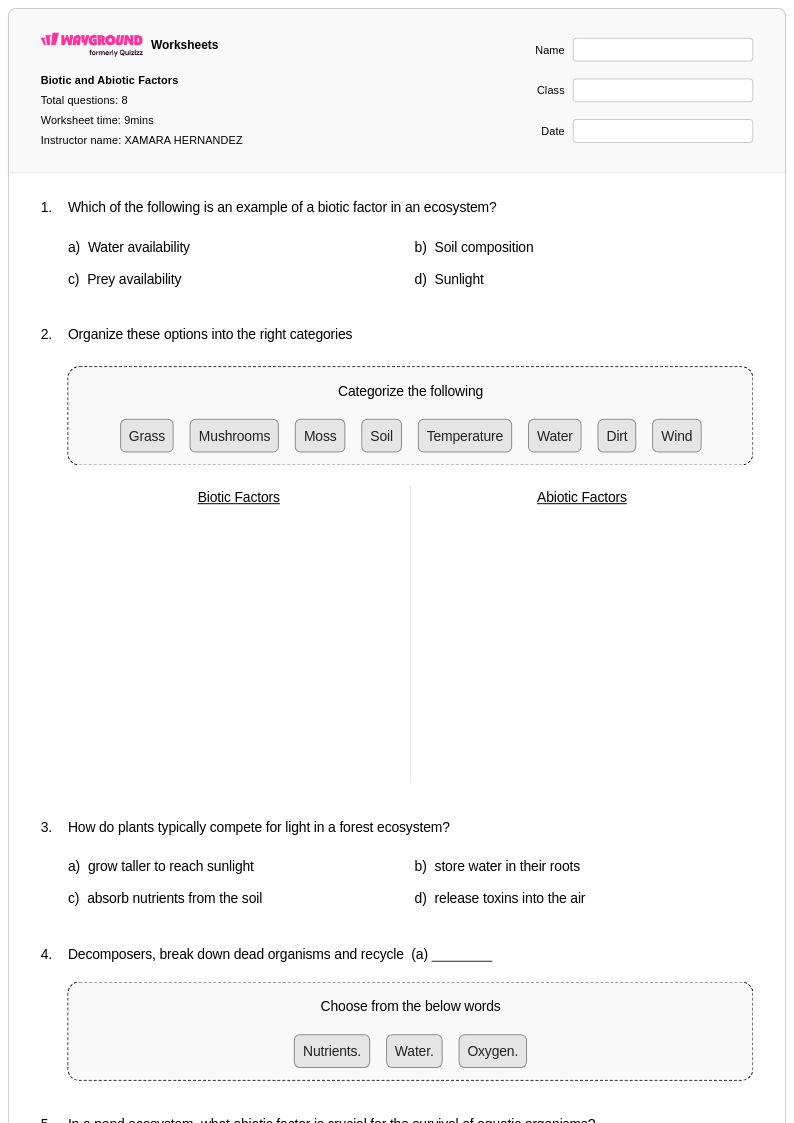
8 Q
7th
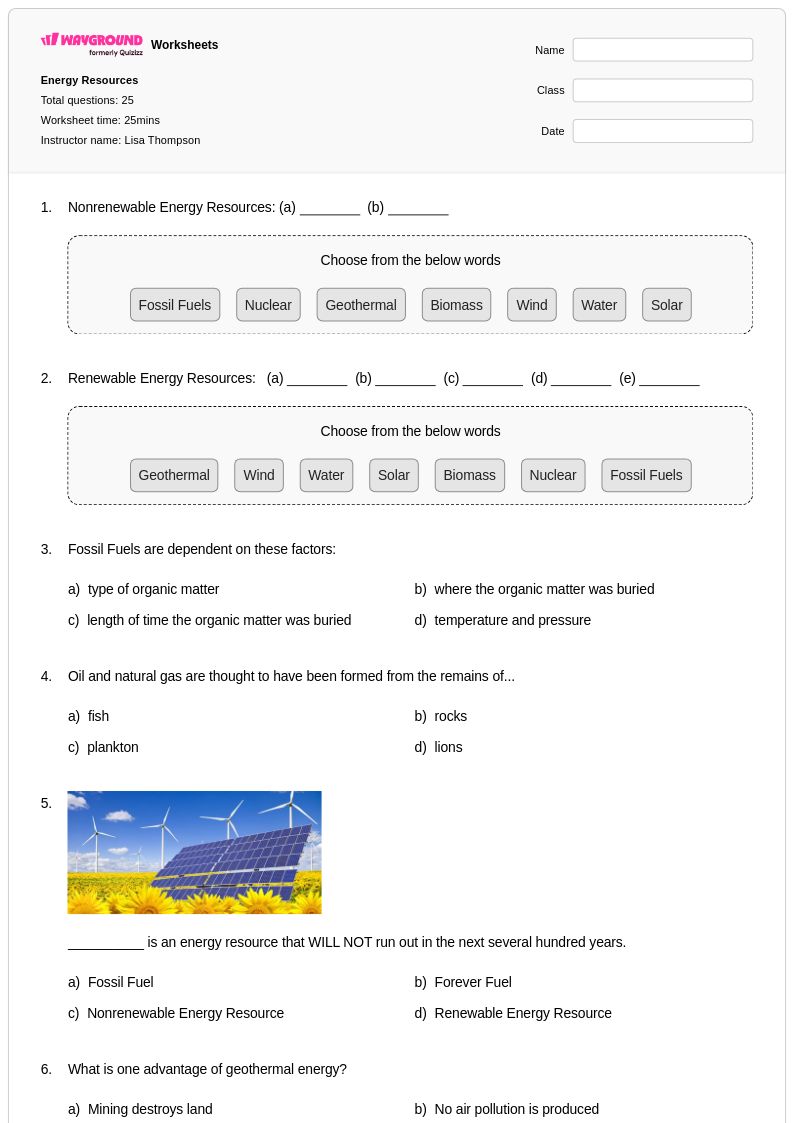
25 Q
6th - Uni
89 Q
7th
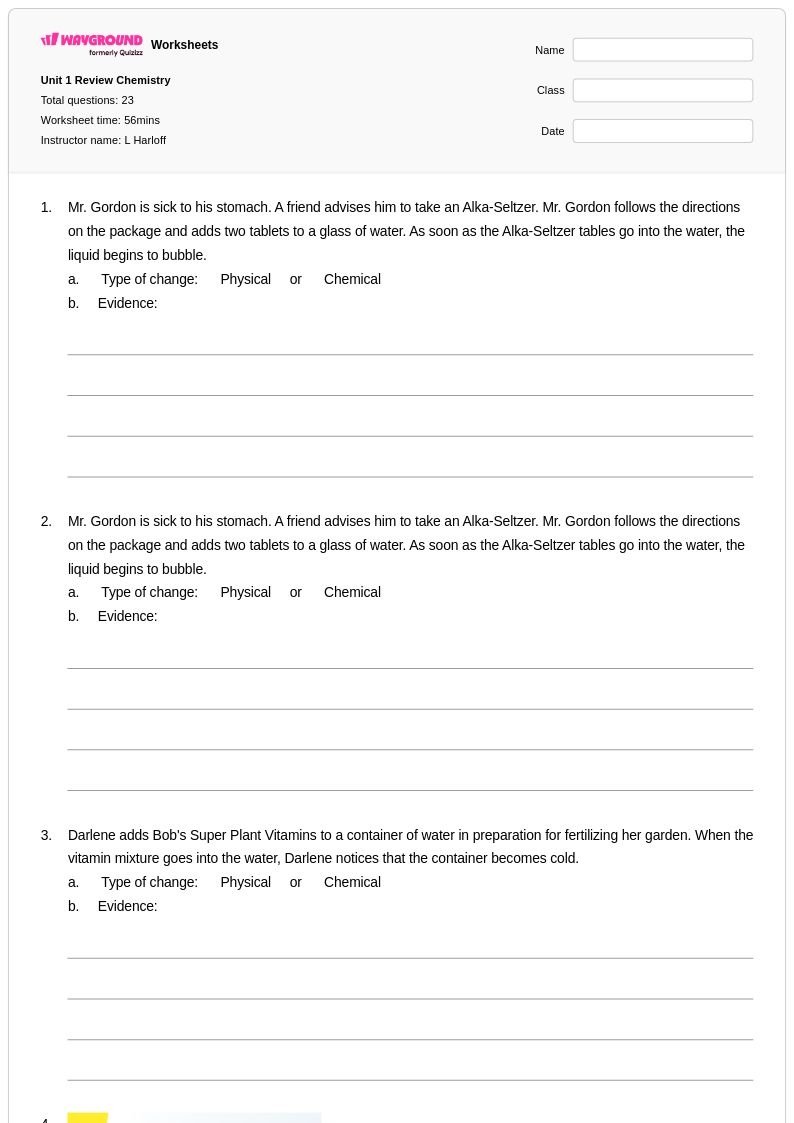
23 Q
6th - Uni
7 Q
7th
Explore Conversion Factors in Chemistry Worksheets by Grades
Explore Other Subject Worksheets for year 7
Explore printable Conversion Factors in Chemistry worksheets for Year 7
Conversion factors in chemistry represent a fundamental skill that Year 7 students must master to succeed in quantitative problem-solving and unit analysis. Wayground's comprehensive collection of conversion factor worksheets provides structured practice with dimensional analysis, unit conversions, and proportional reasoning essential for chemical calculations. These carefully designed printables strengthen students' ability to convert between different units of measurement, from basic metric conversions to more complex mole-to-mass relationships, while building confidence with the factor-label method that serves as the foundation for advanced chemistry concepts. Each worksheet includes detailed answer keys and step-by-step solutions that help students understand the logical progression of conversion problems, making these free resources invaluable for both classroom instruction and independent practice.
Wayground supports chemistry educators with millions of teacher-created resources specifically focused on conversion factors and dimensional analysis, all easily accessible through powerful search and filtering tools that align with state and national science standards. Teachers can customize existing worksheets or create entirely new practice problems tailored to their students' skill levels, ensuring appropriate differentiation for both remediation and enrichment activities. The platform's flexible format options allow educators to distribute materials as printable pdf worksheets for traditional paper-and-pencil practice or deploy them digitally for interactive learning experiences. This versatility enables seamless integration into lesson planning while providing the targeted skill practice necessary for students to develop proficiency with the mathematical foundations that underpin all quantitative chemistry work.