
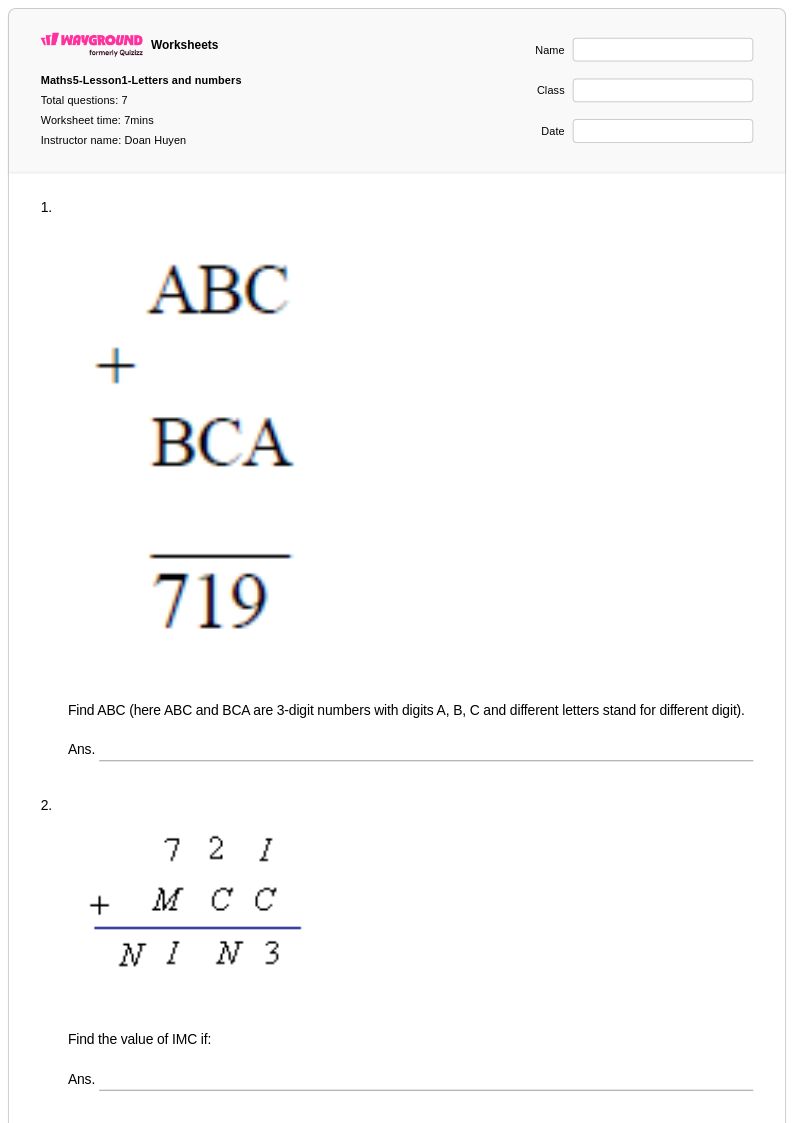
7 Q
4th - 5th
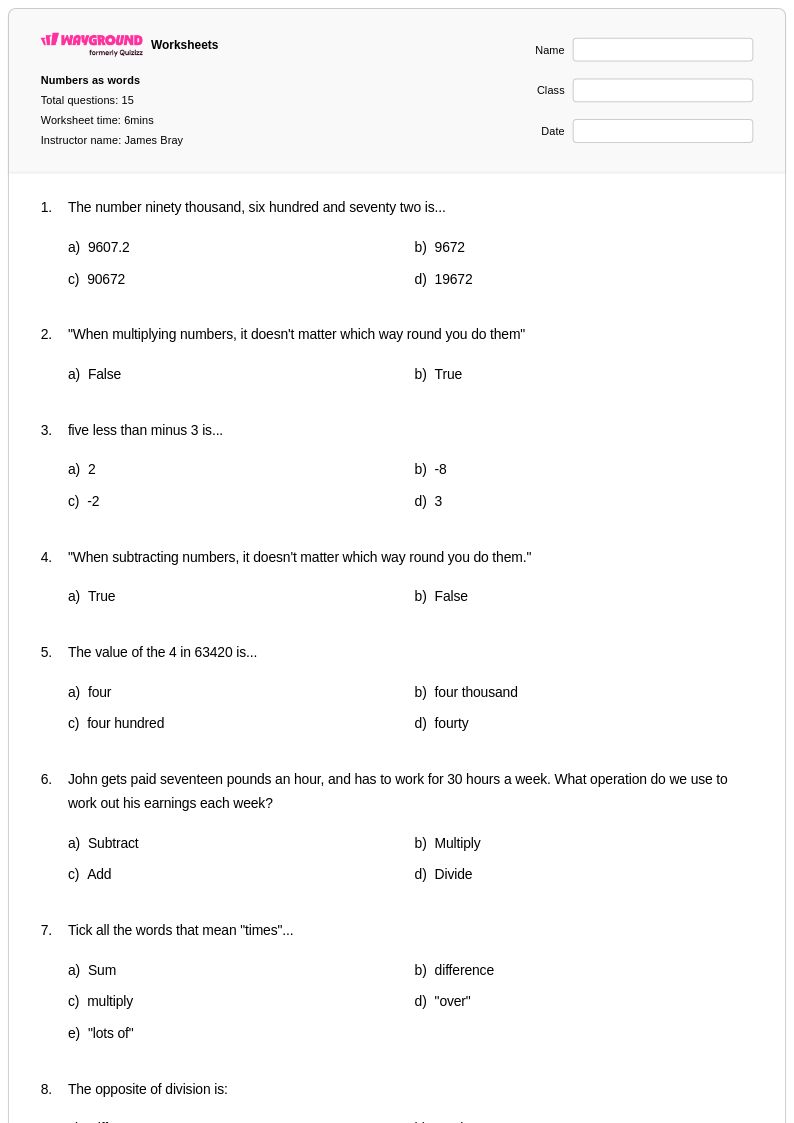
15 Q
3rd - 5th
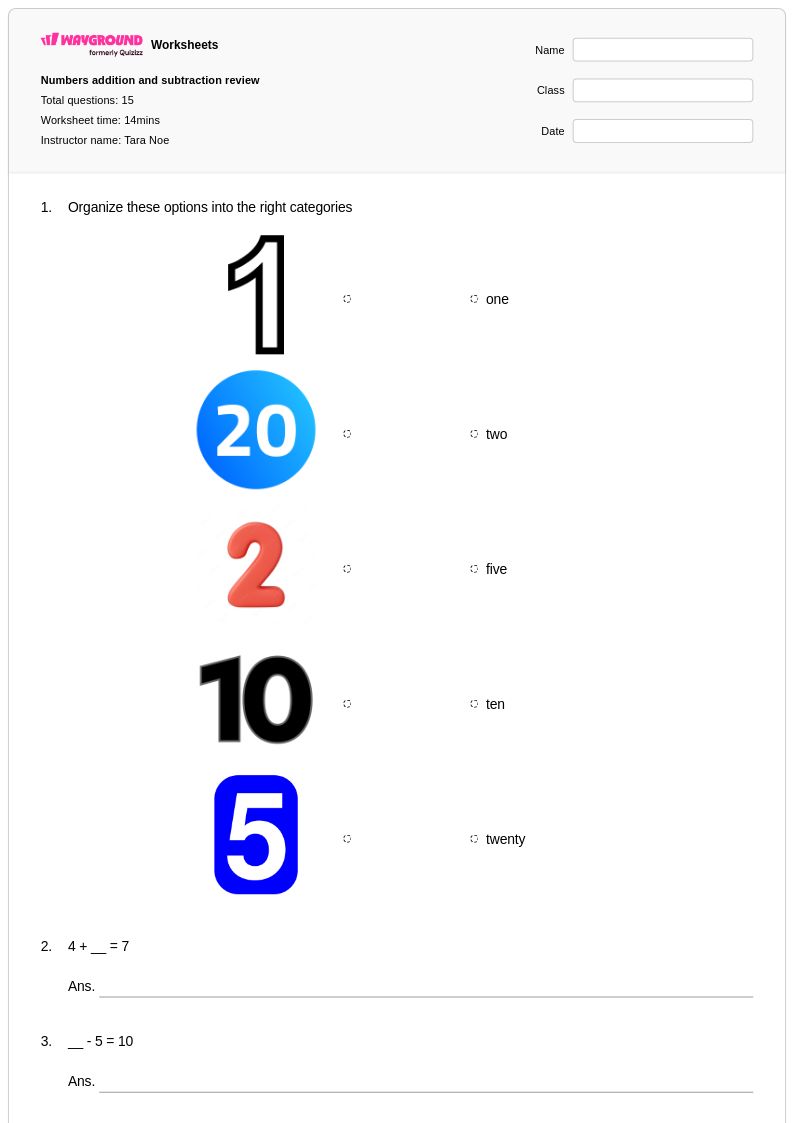
15 Q
1st - 5th
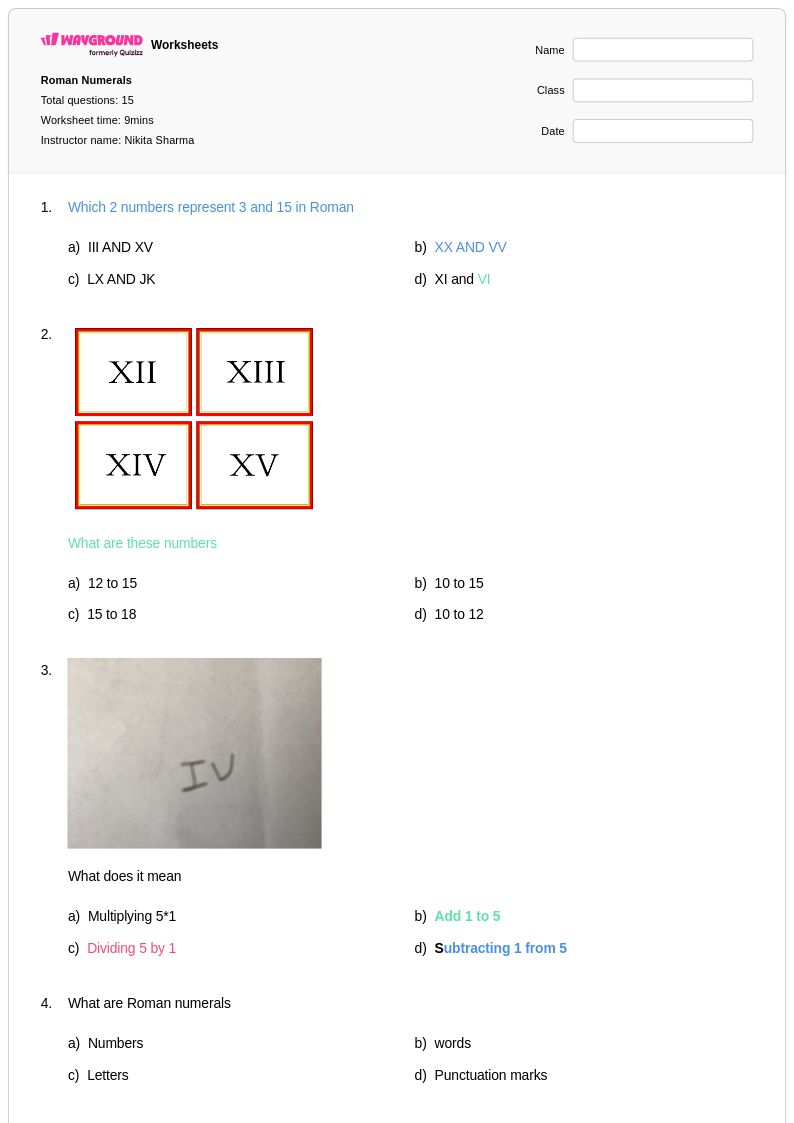
15 Q
4th
20 Q
1st - Uni
20 Q
2nd - Uni
13 Q
4th
12 Q
4th
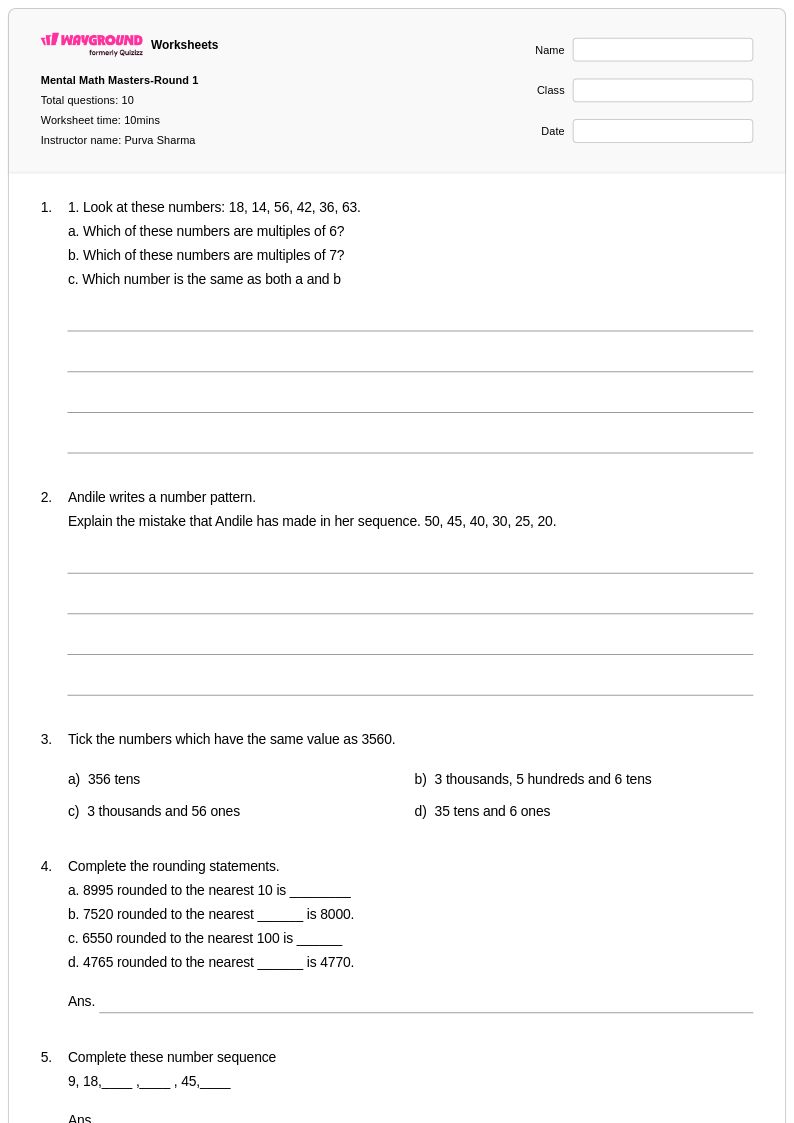
10 Q
4th
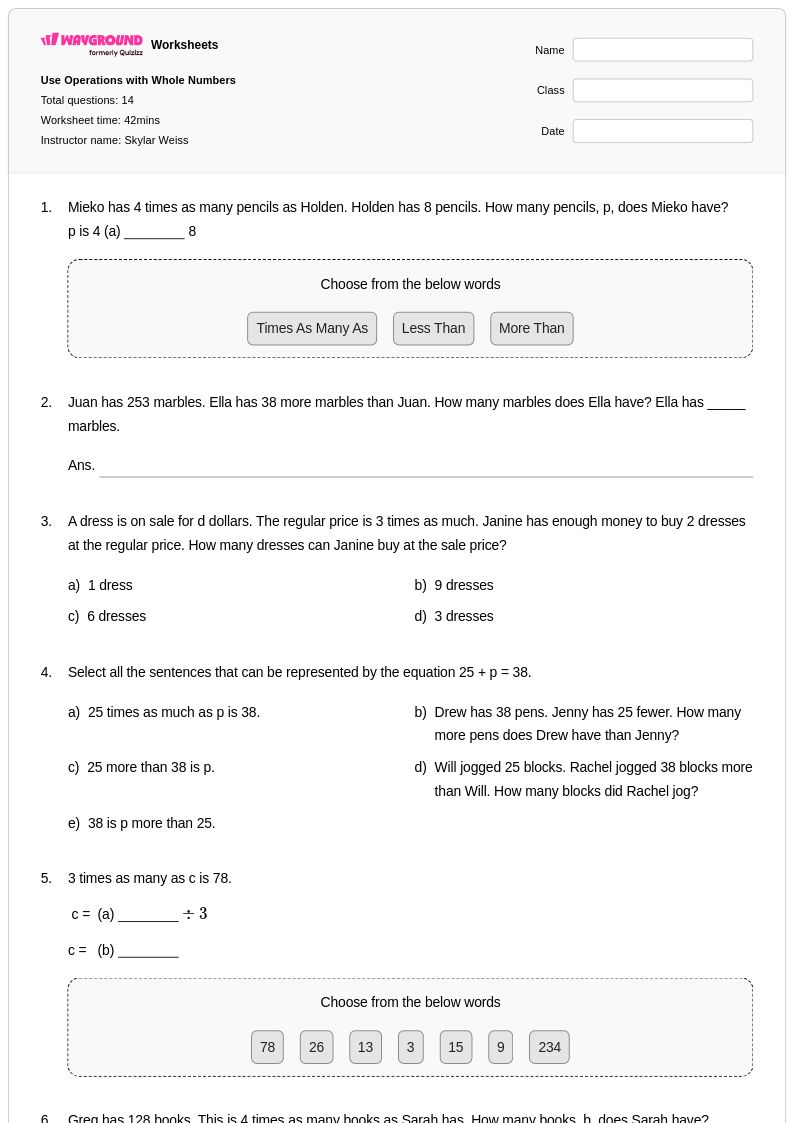
14 Q
4th
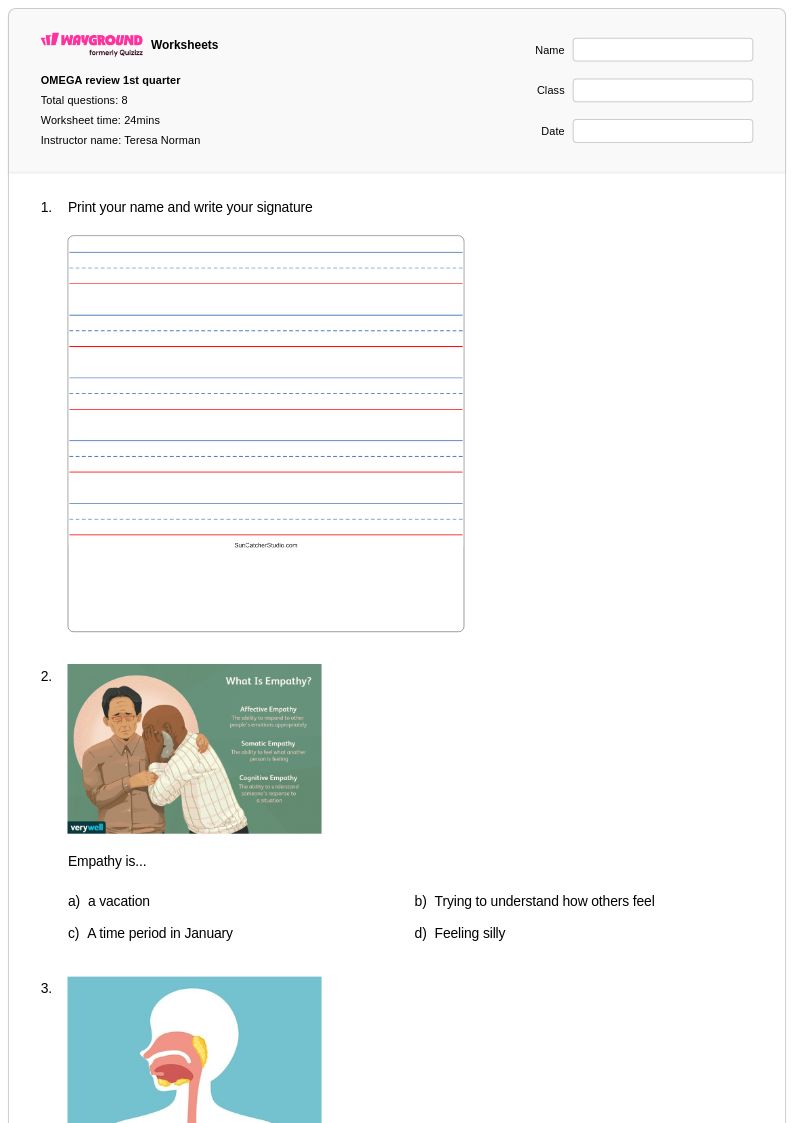
13 Q
3rd - 5th
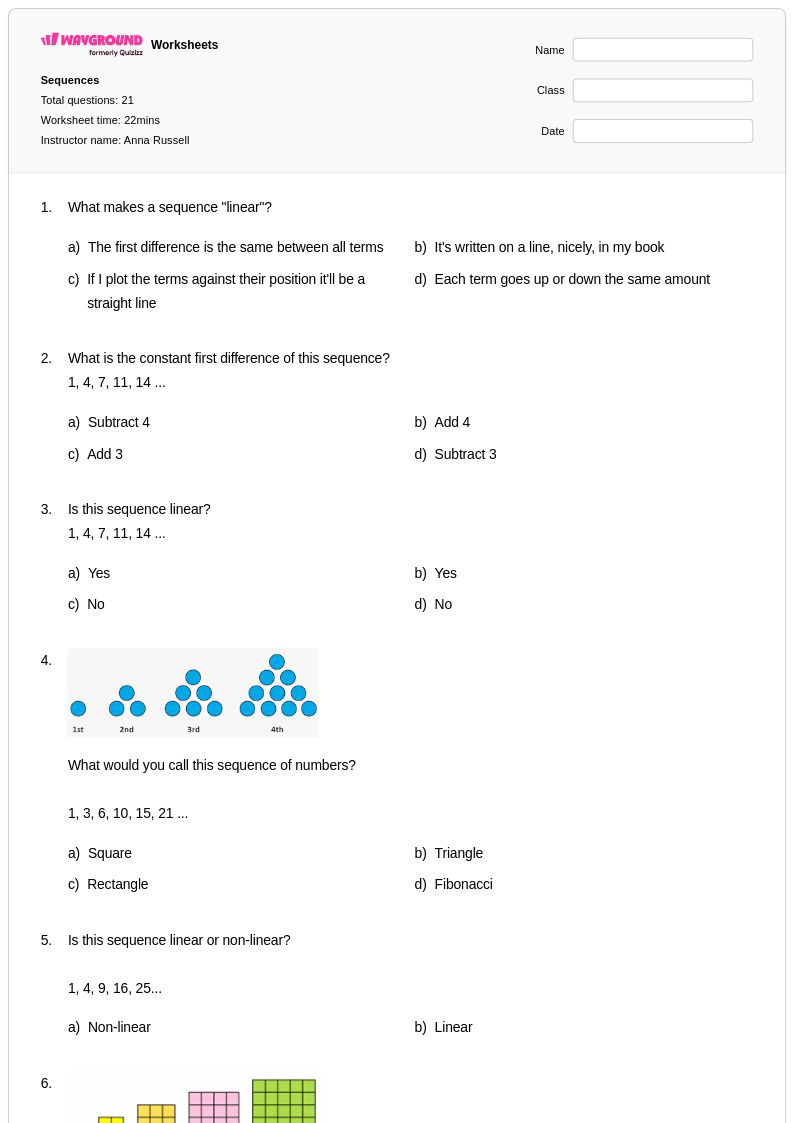
21 Q
4th - 7th
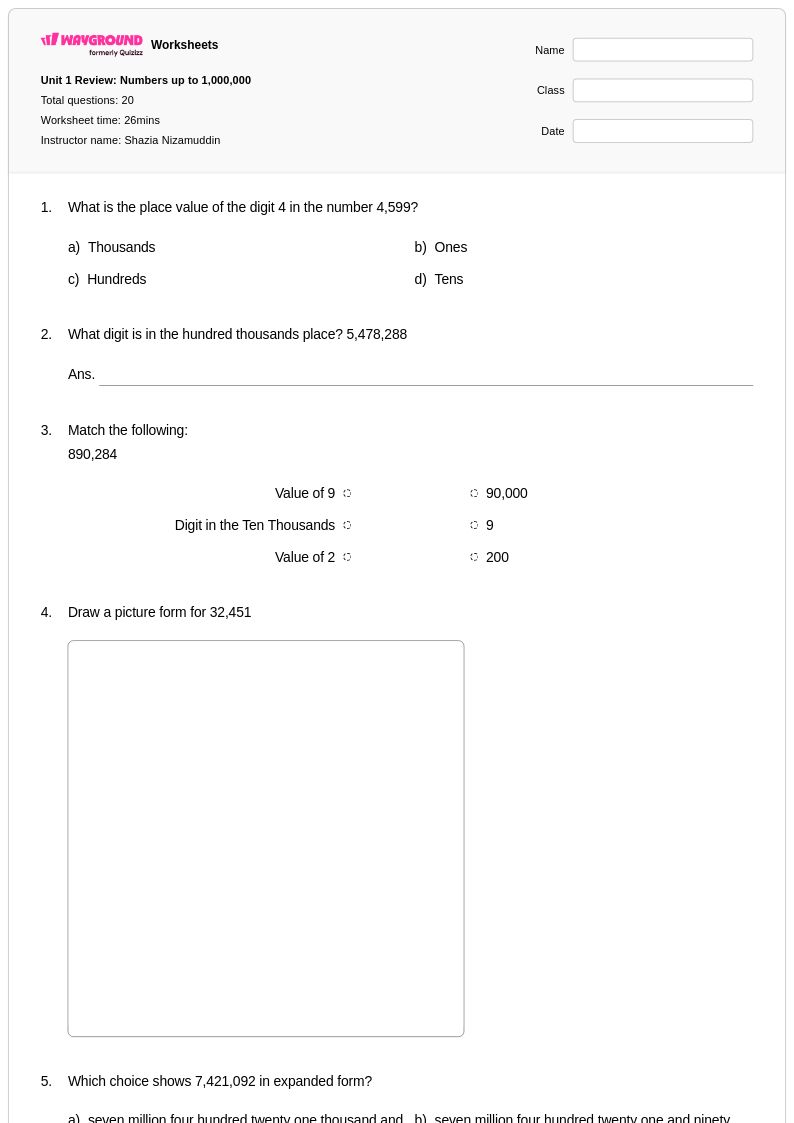
20 Q
4th
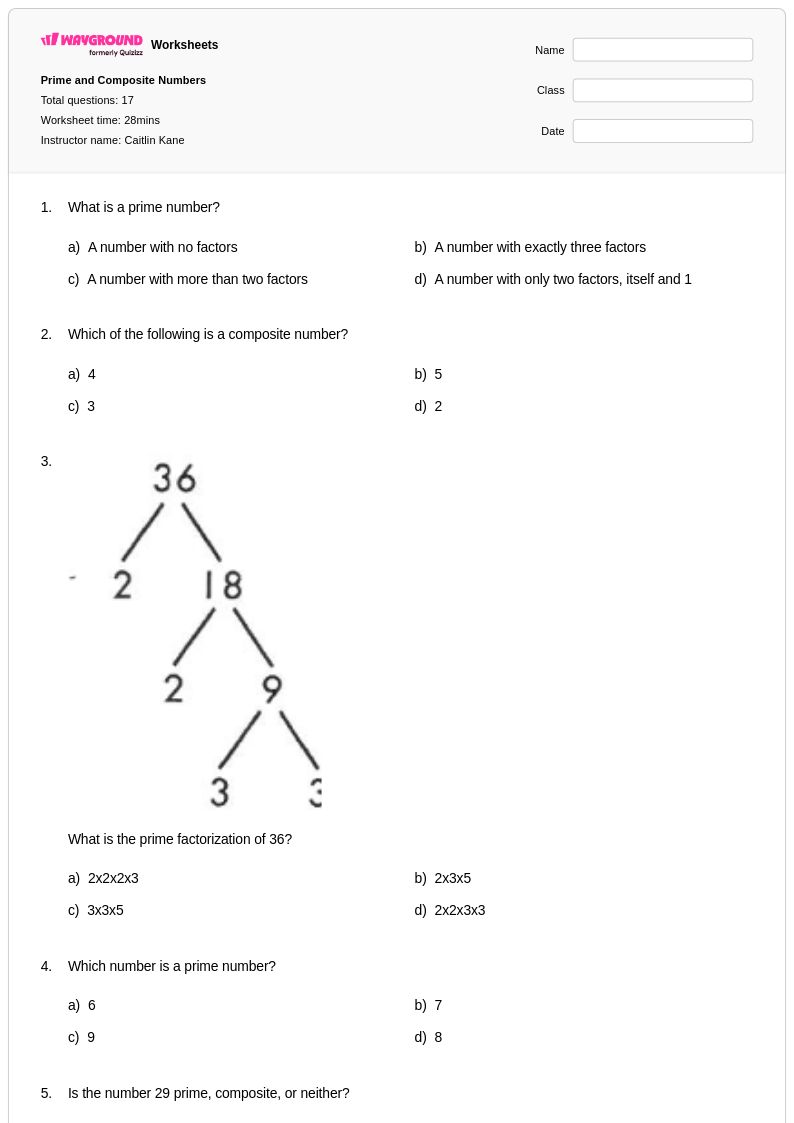
17 Q
4th
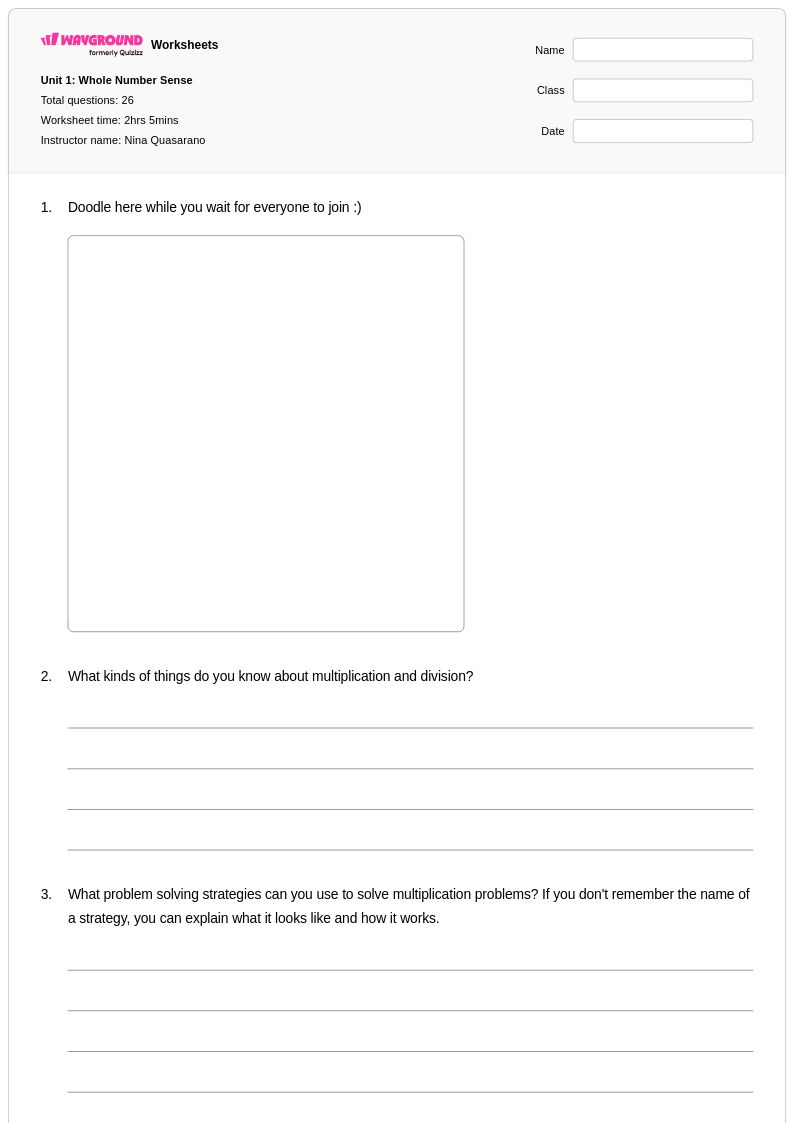
26 Q
4th
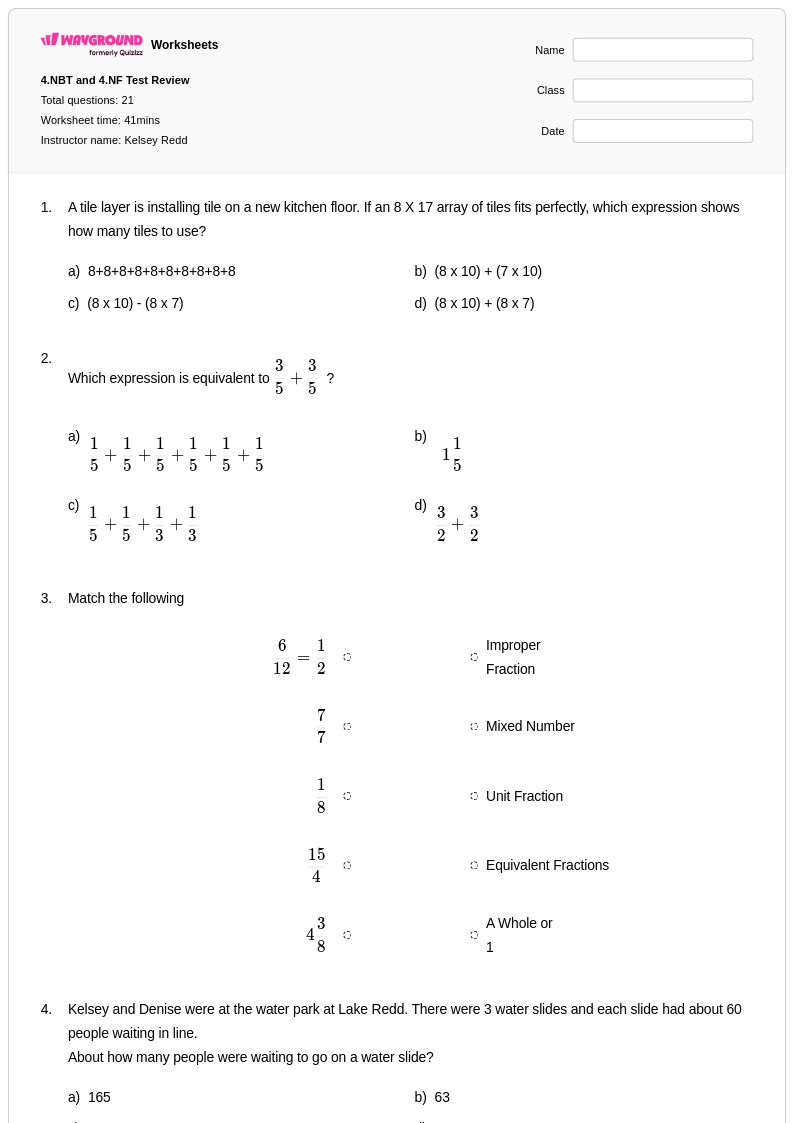
21 Q
4th
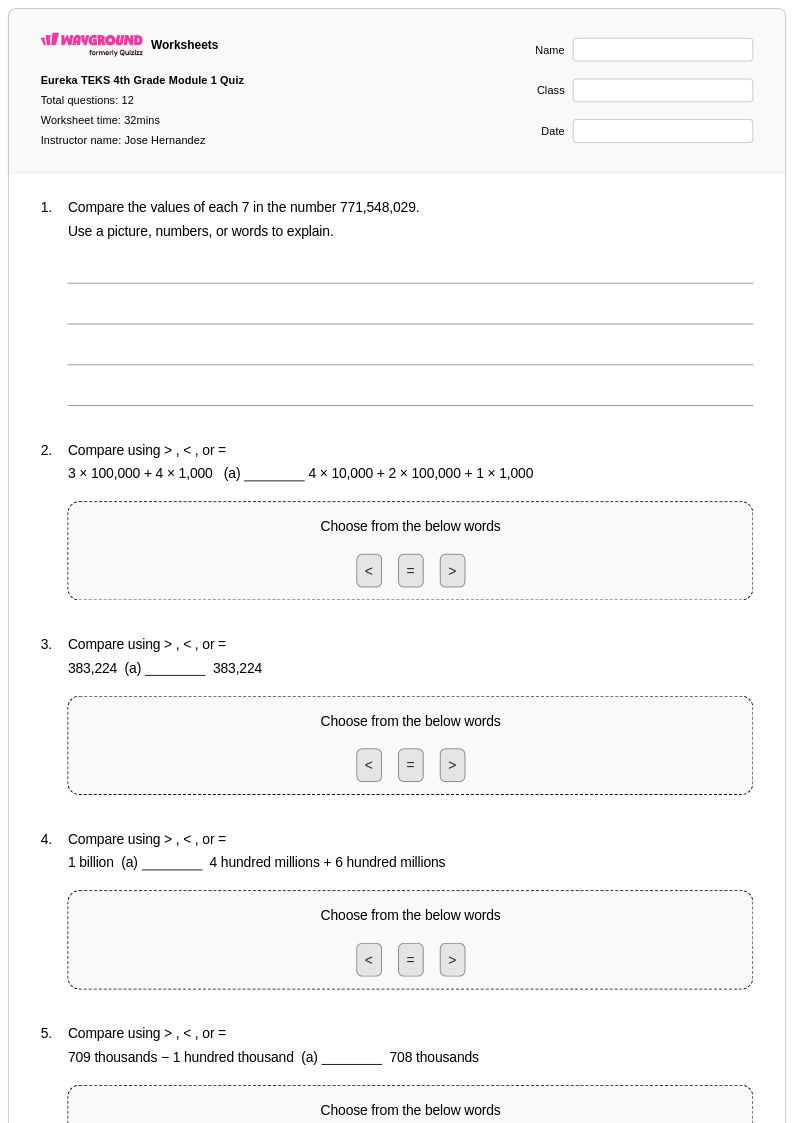
12 Q
4th
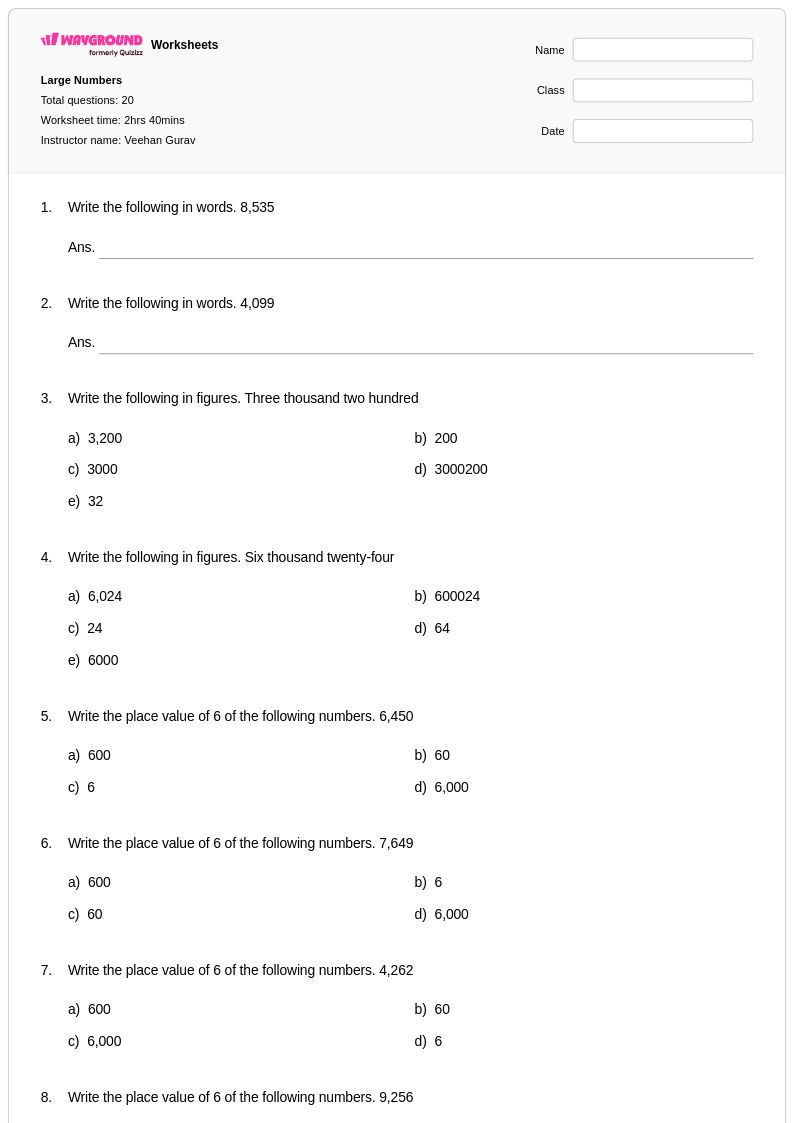
20 Q
4th
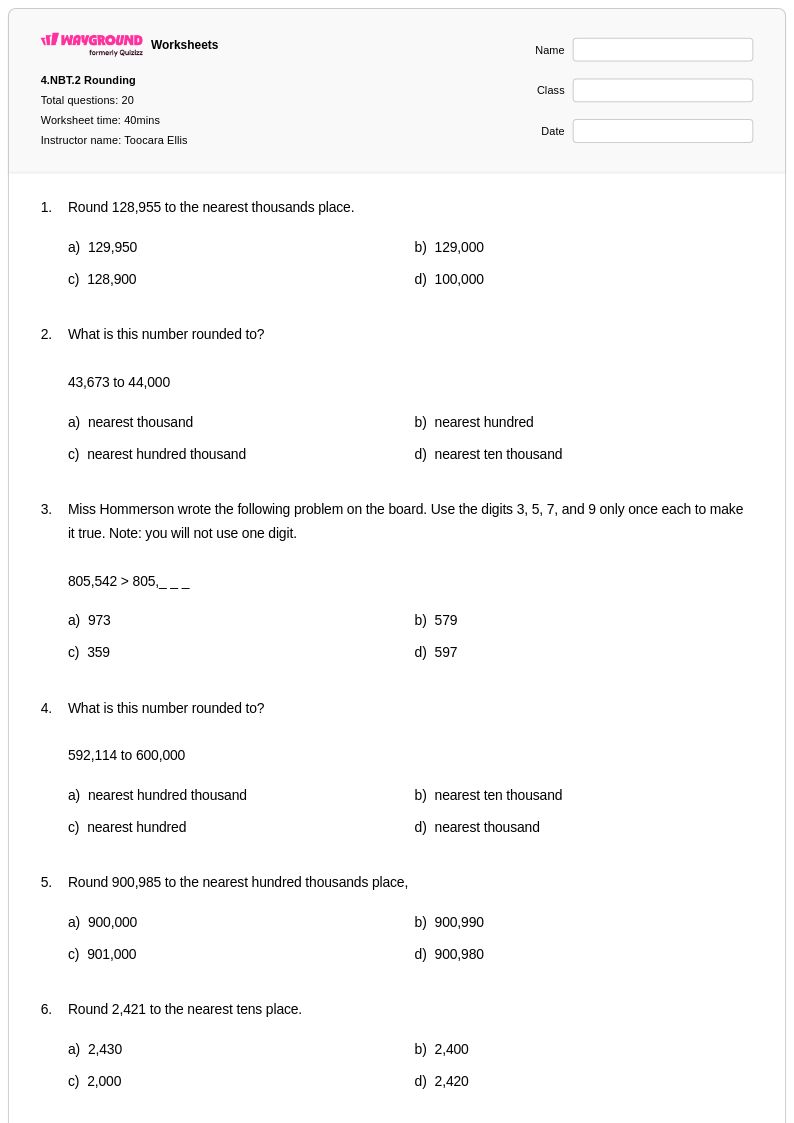
20 Q
4th
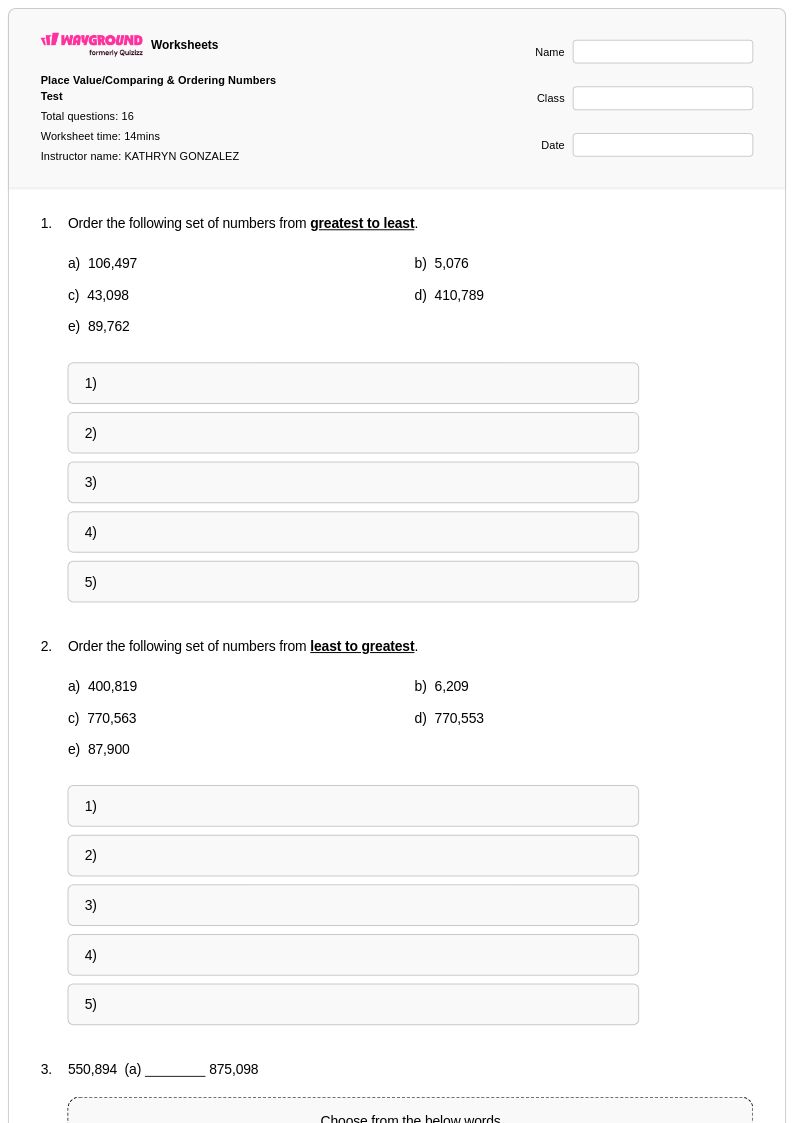
16 Q
4th
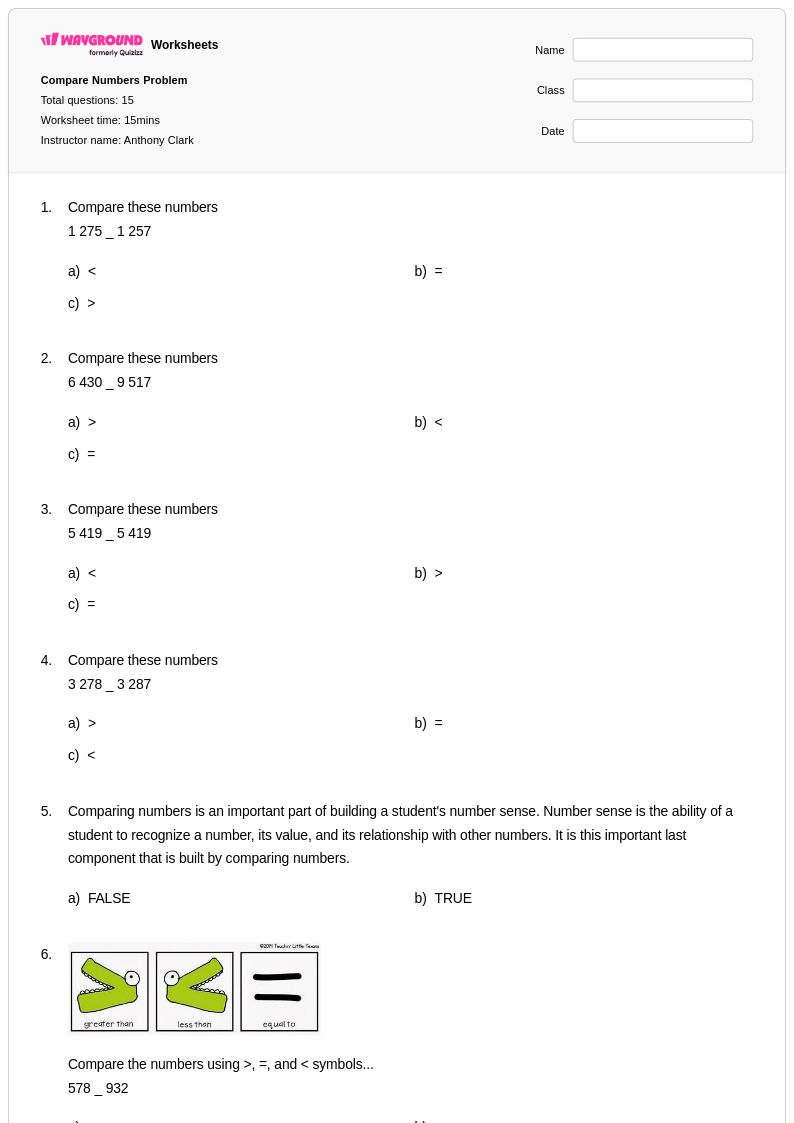
15 Q
4th - Uni
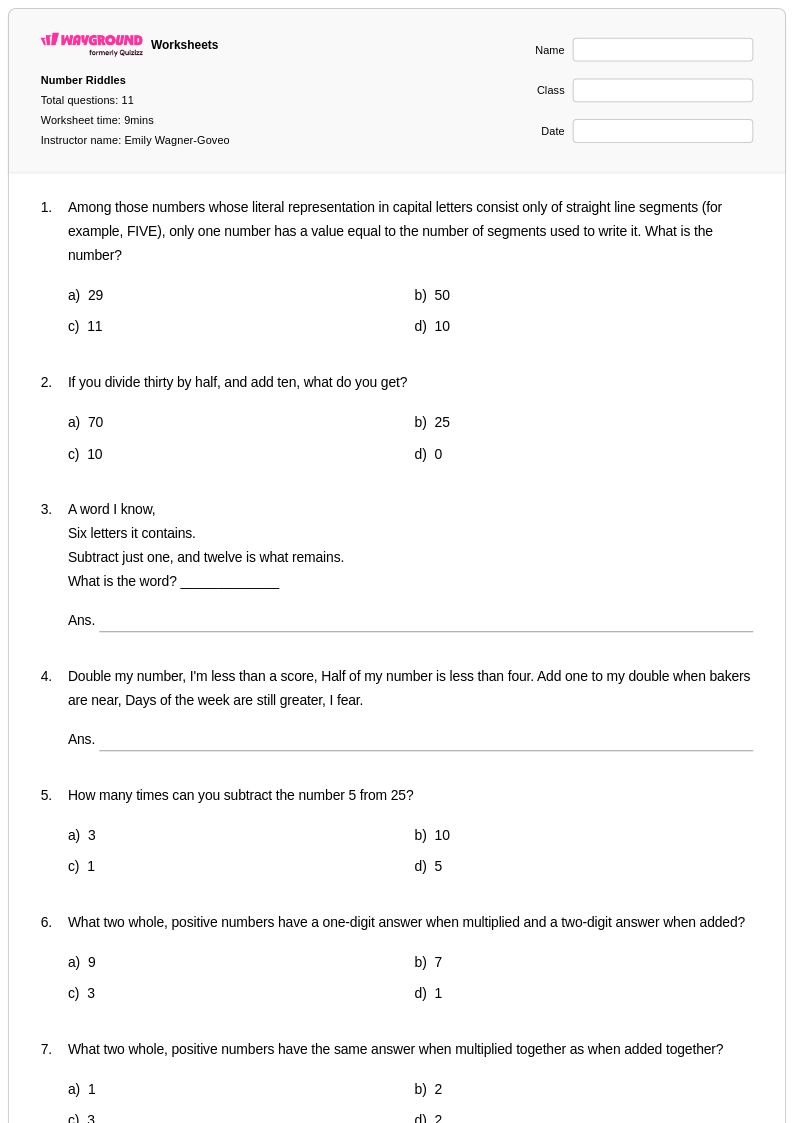
11 Q
4th - 9th
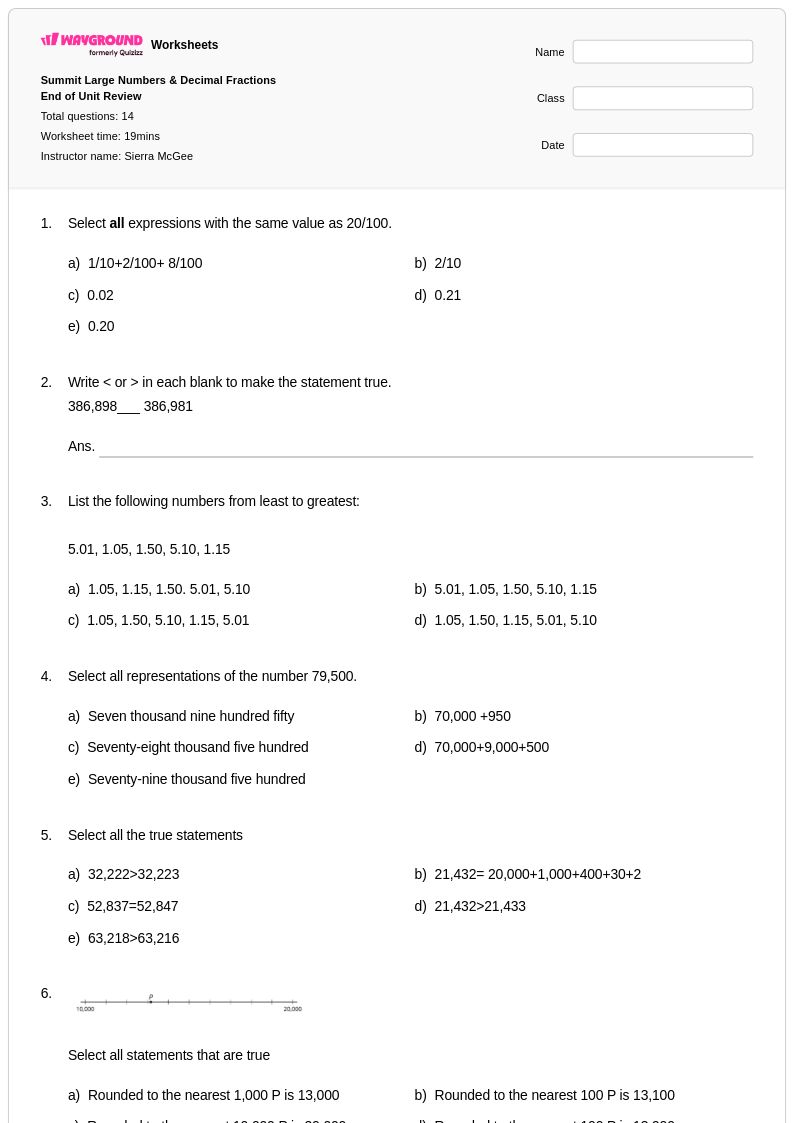
14 Q
4th
Explore Other Subject Worksheets for year 4
Explore printable Letters and Numbers worksheets for Year 4
Letters and Numbers worksheets for Year 4 represent a crucial bridge between early literacy and mathematical understanding, helping students master the symbolic relationships that form the foundation of algebraic thinking. These comprehensive practice materials from Wayground (formerly Quizizz) strengthen students' ability to recognize patterns, substitute numerical values for letter variables, and understand how letters can represent unknown quantities in mathematical expressions. The worksheets feature carefully structured practice problems that guide fourth graders through identifying letter-number combinations, solving simple equations with letter placeholders, and recognizing alphabetical and numerical sequences. Each printable resource includes a detailed answer key, making it easy for educators to assess student progress and provide immediate feedback on these essential pre-algebra concepts that prepare students for more complex mathematical reasoning.
Wayground (formerly Quizizz) empowers teachers with millions of educator-created Letters and Numbers resources specifically designed for Year 4 mathematics instruction, offering robust search and filtering capabilities that align with state and national standards for number sense development. The platform's differentiation tools allow teachers to customize worksheets based on individual student needs, whether providing additional scaffolding for struggling learners or offering enrichment activities for advanced students ready for more challenging symbolic manipulation tasks. These versatile materials are available in both digital and printable PDF formats, giving educators the flexibility to seamlessly integrate them into classroom instruction, homework assignments, or remediation sessions. The comprehensive collection supports strategic lesson planning by providing targeted skill practice that builds students' confidence with abstract mathematical concepts while maintaining engagement through varied problem types and progressive difficulty levels.
FAQs
How do I teach letters and numbers in Grade 4 math?
What exercises help fourth graders practice letters and numbers?
What mistakes do fourth graders make when working with letters as numbers?
How can I use a Grade 4 Letters and Numbers worksheet?
How do letters and numbers fit into the Grade 4 Common Core math progression?
How can I differentiate Letters and Numbers practice for fourth graders?
What grade do students begin using letters to represent numbers?