
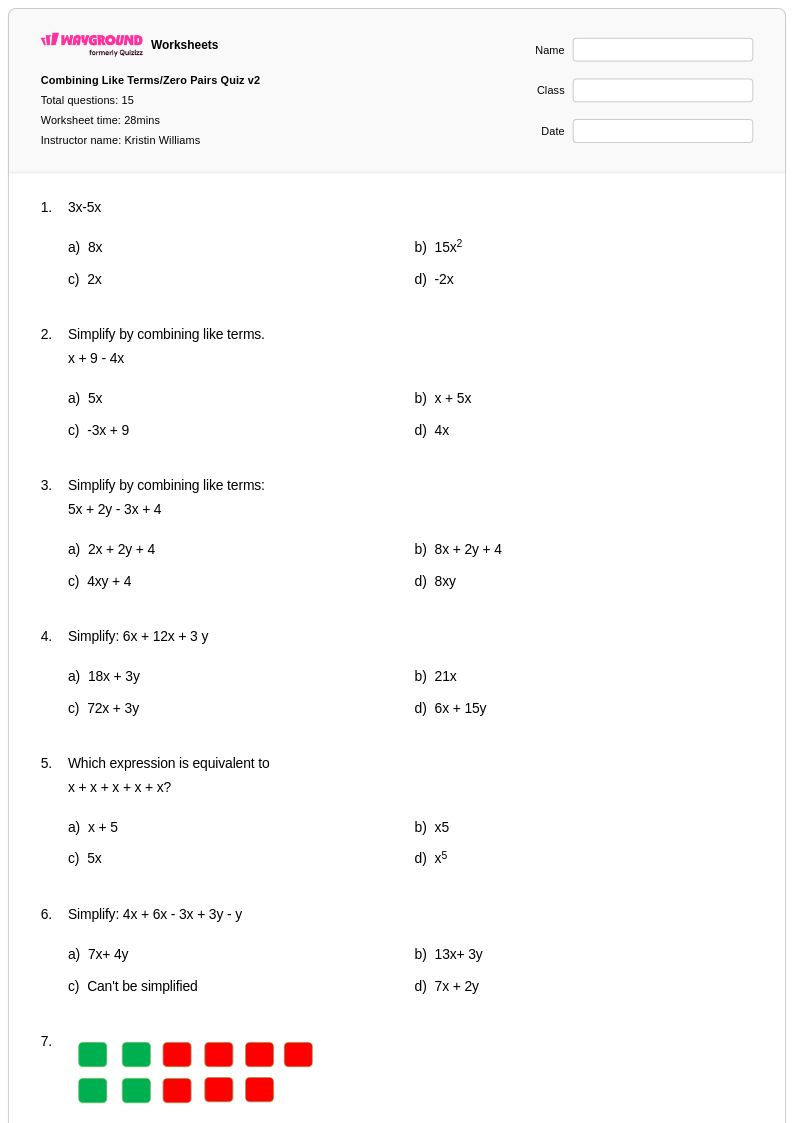
15 Q
1st - 5th
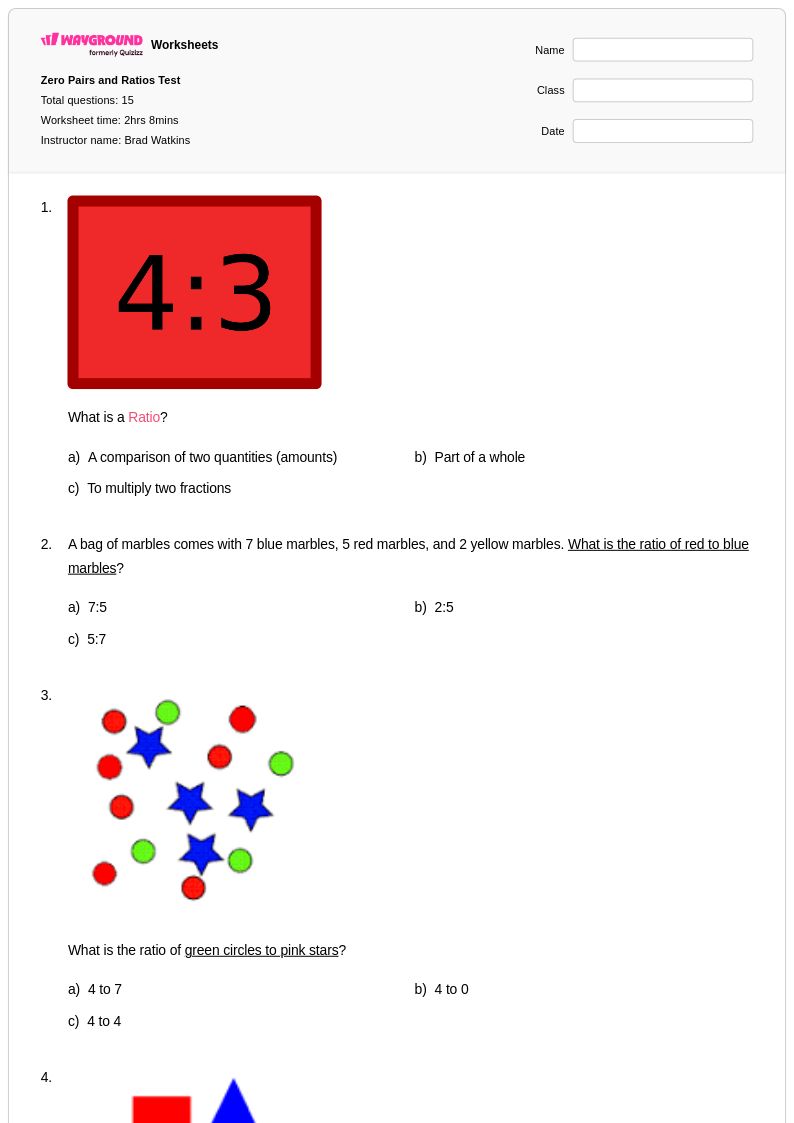
15 Q
1st - 5th
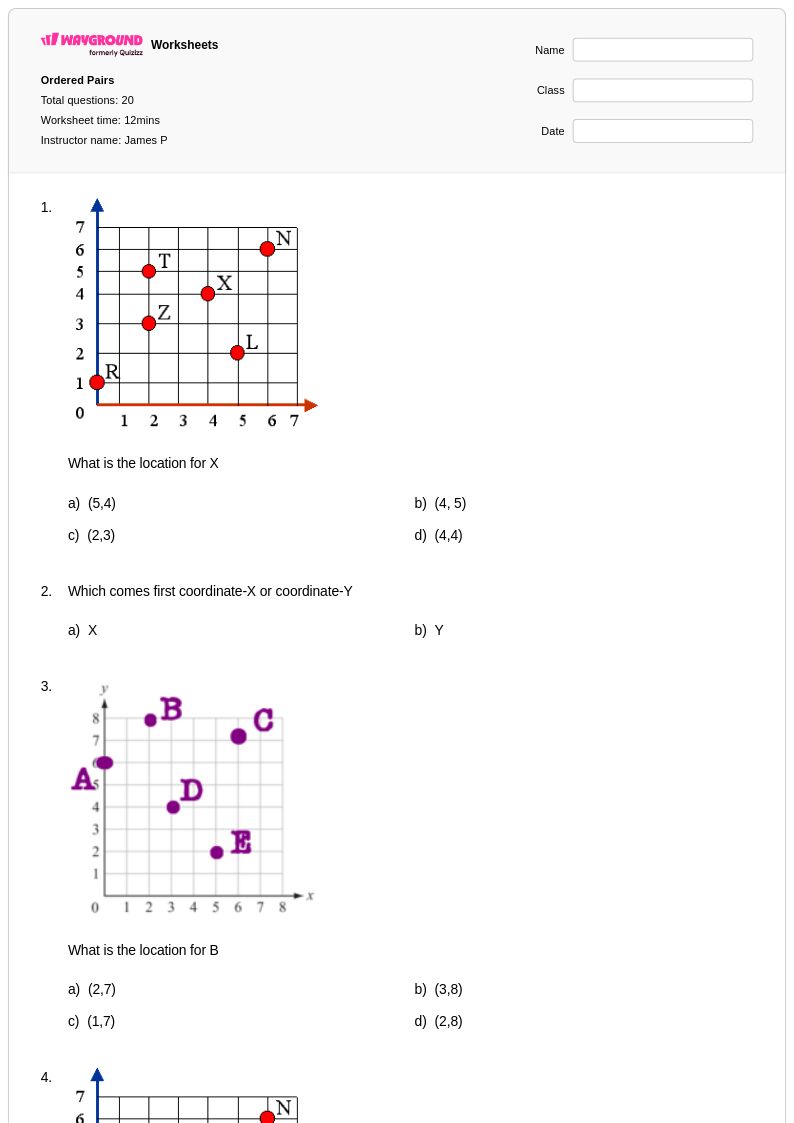
20 Q
3rd - 5th
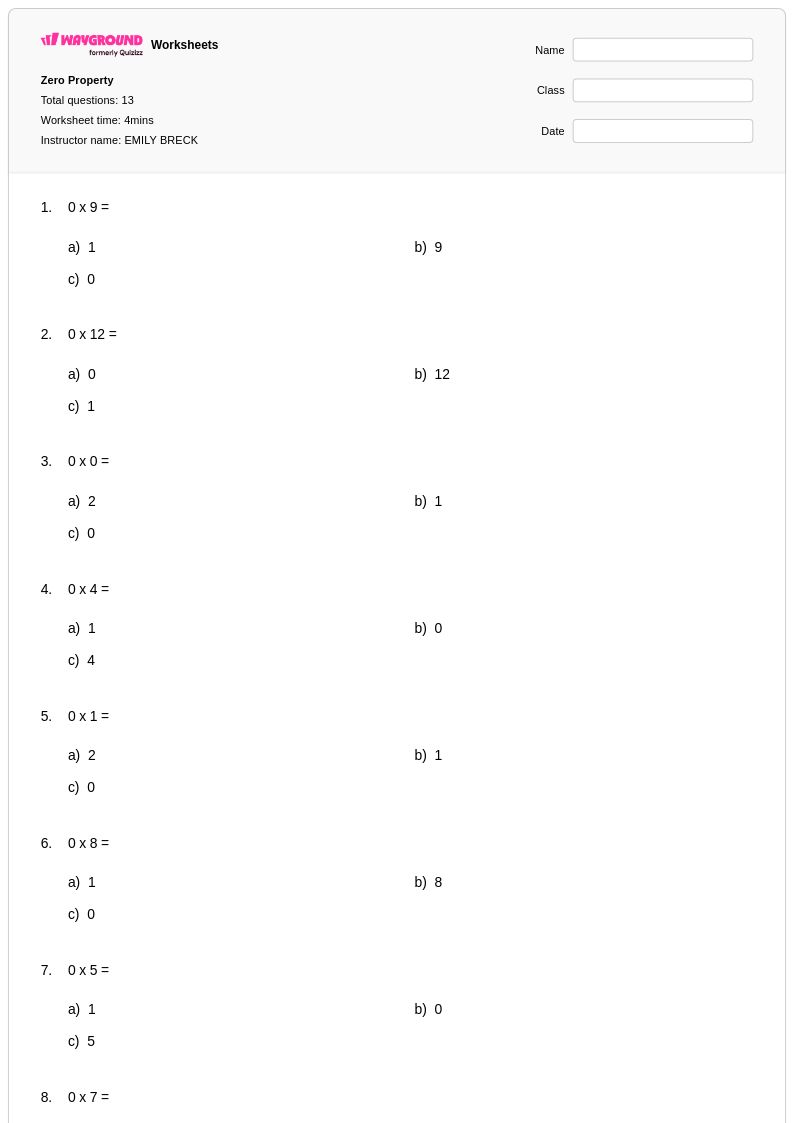
13 Q
2nd - 4th
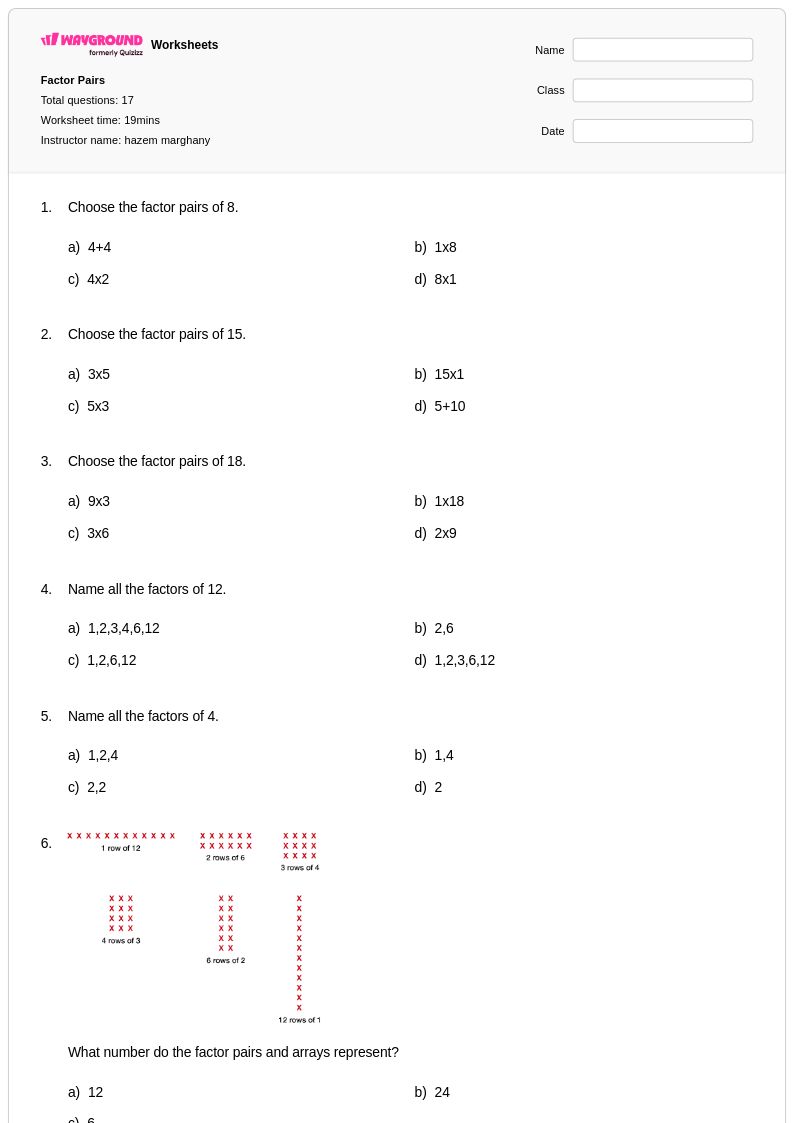
17 Q
4th
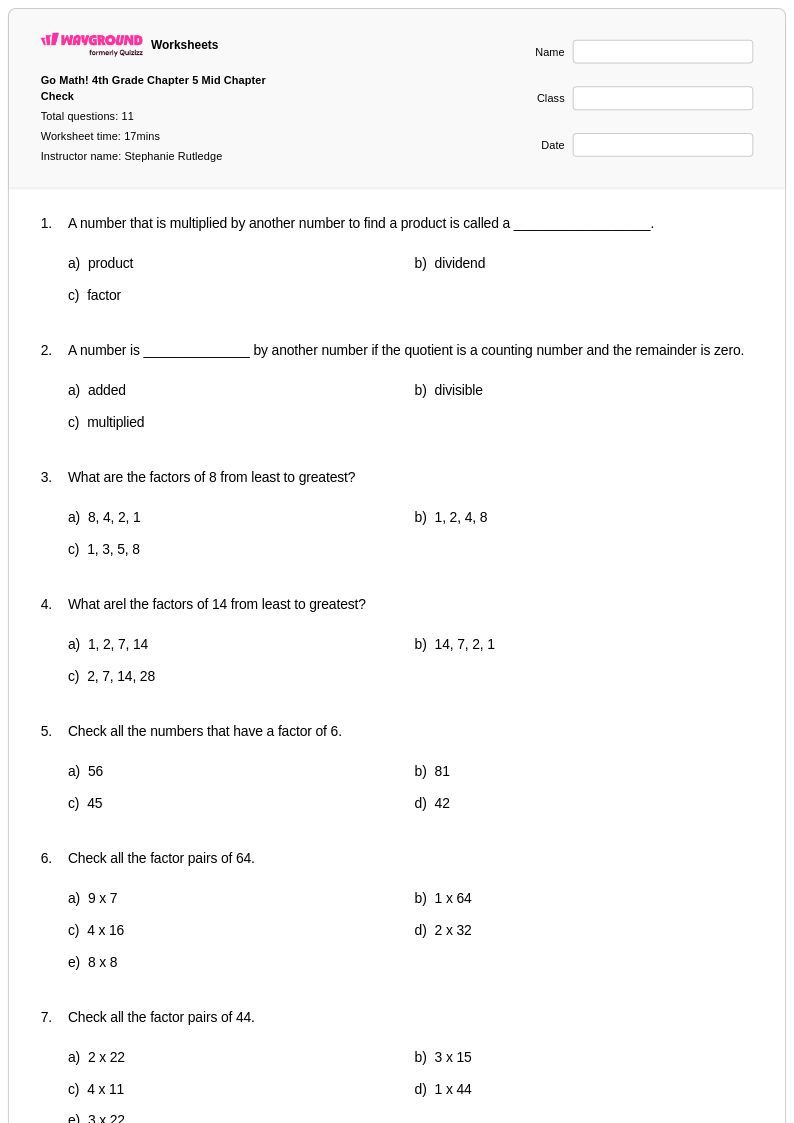
11 Q
4th
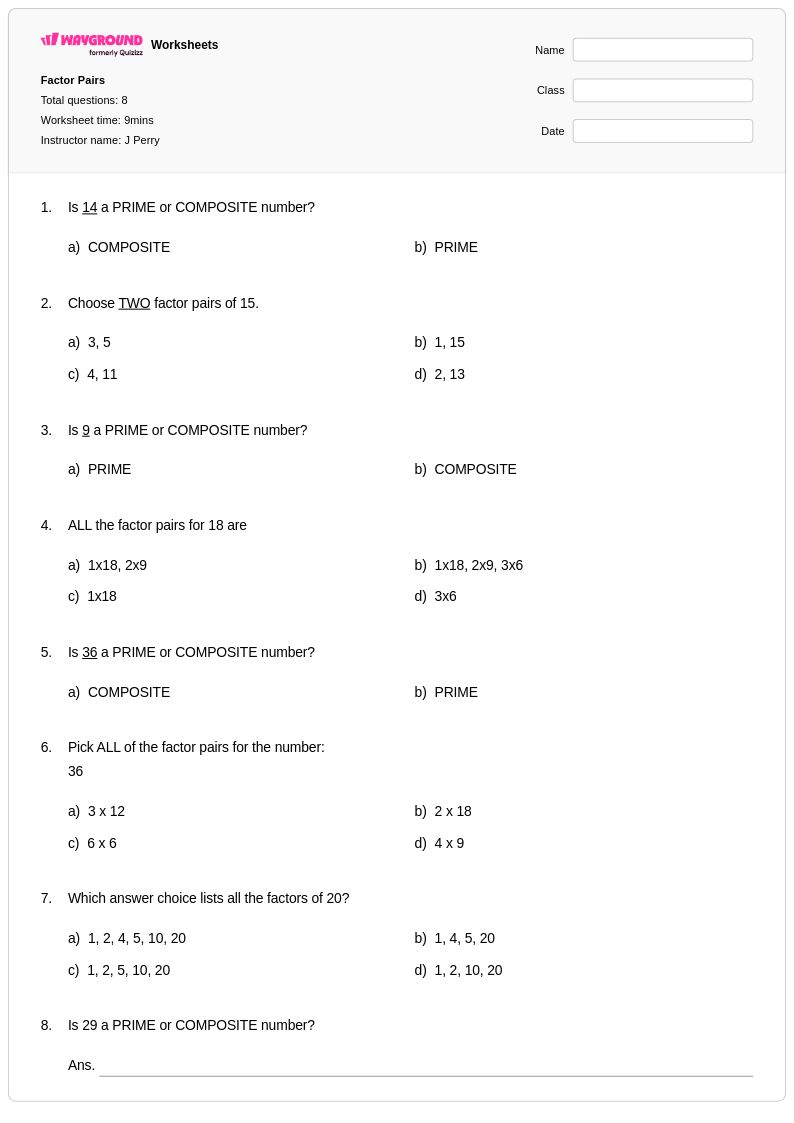
8 Q
4th
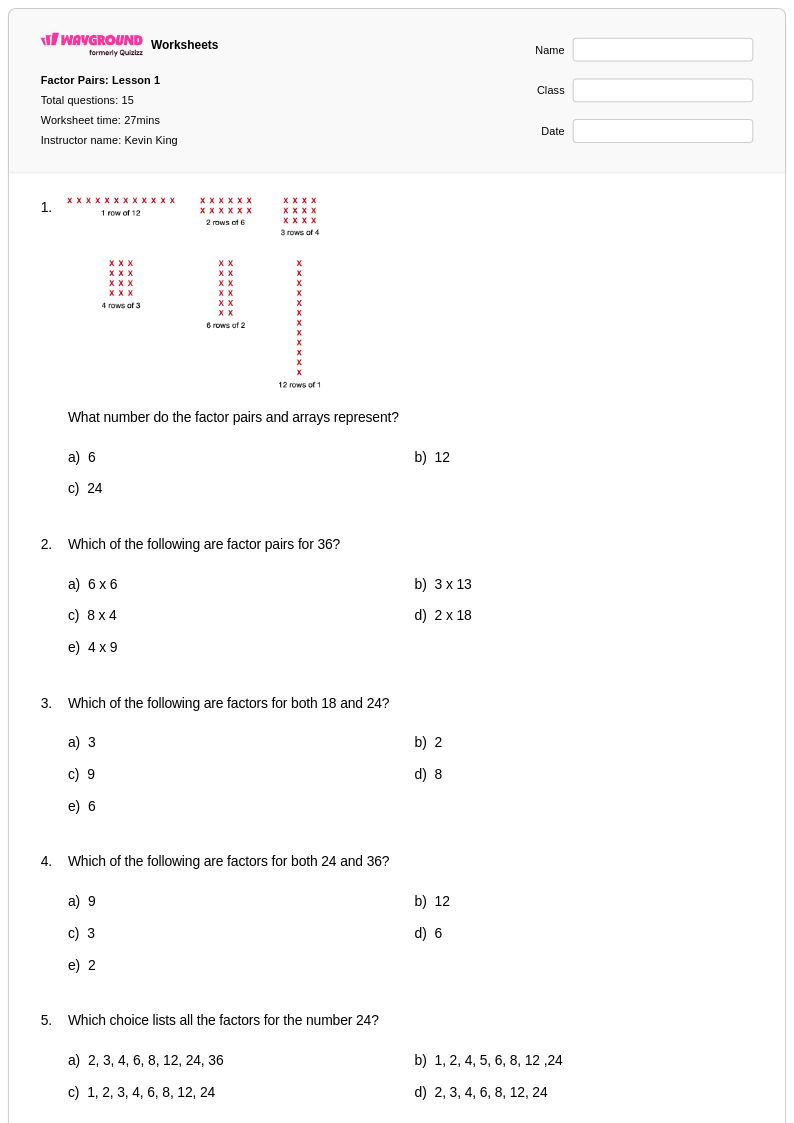
15 Q
4th
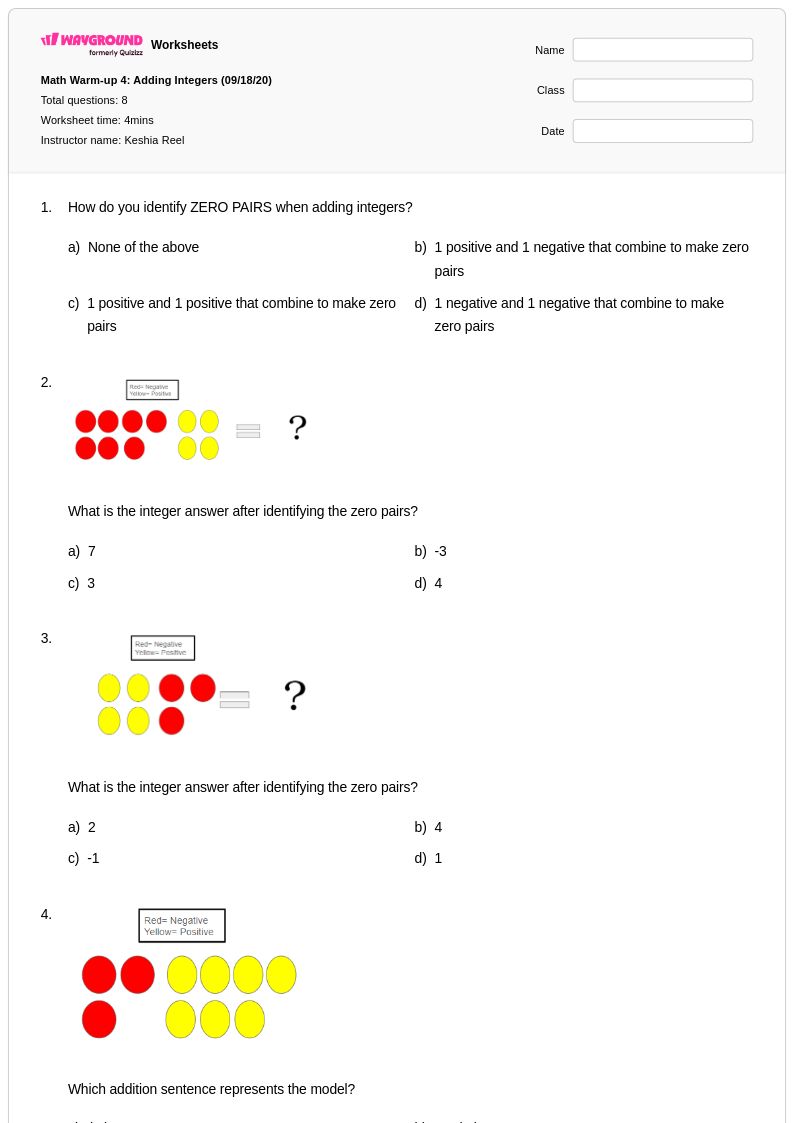
8 Q
3rd - 6th
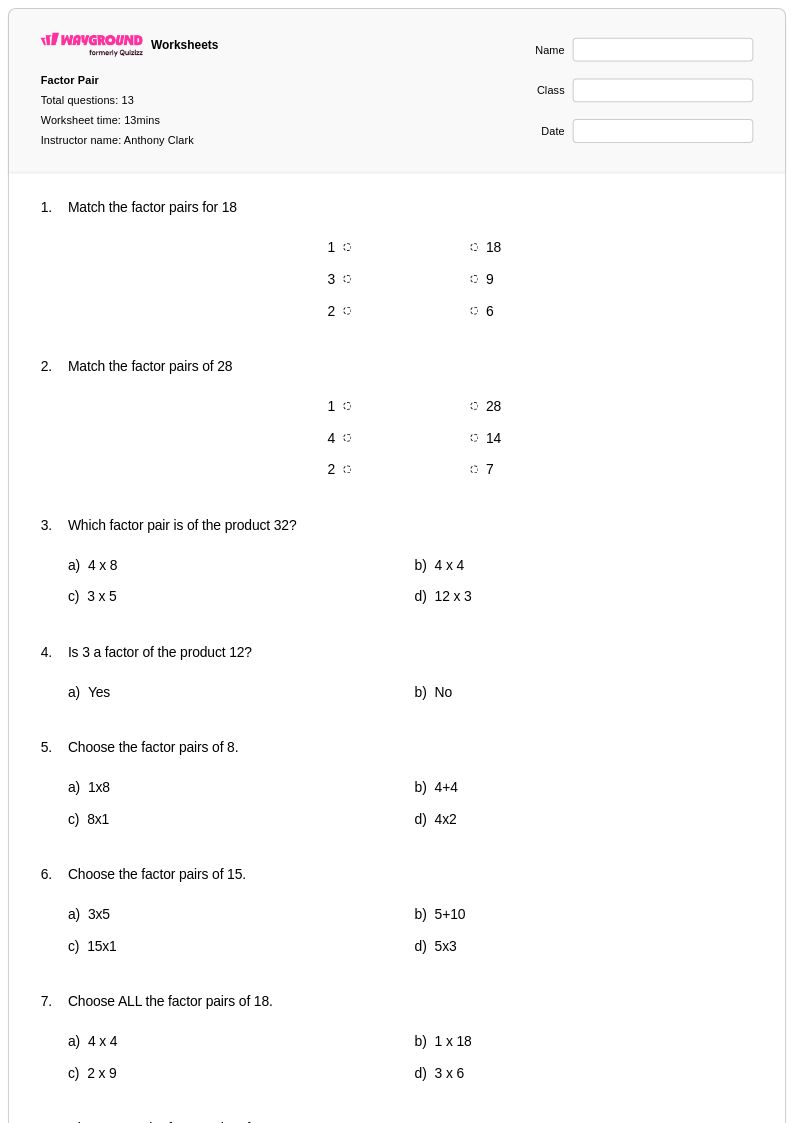
13 Q
4th - Uni
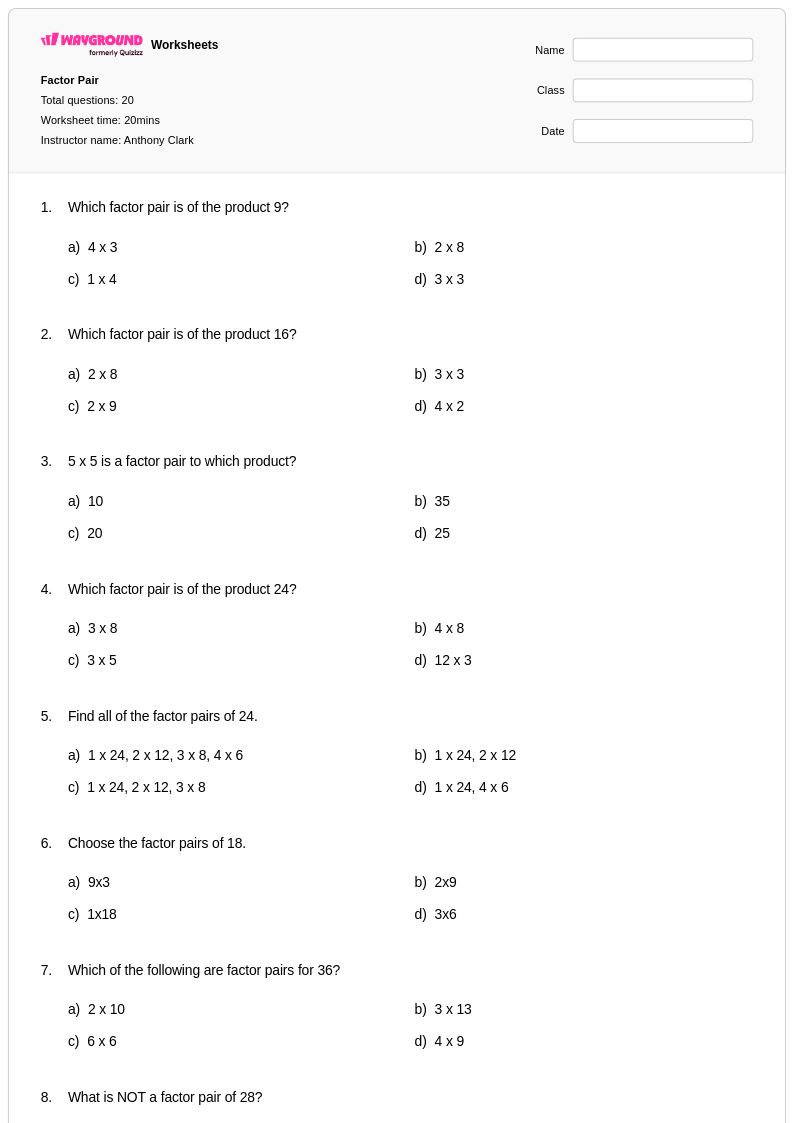
20 Q
4th - Uni
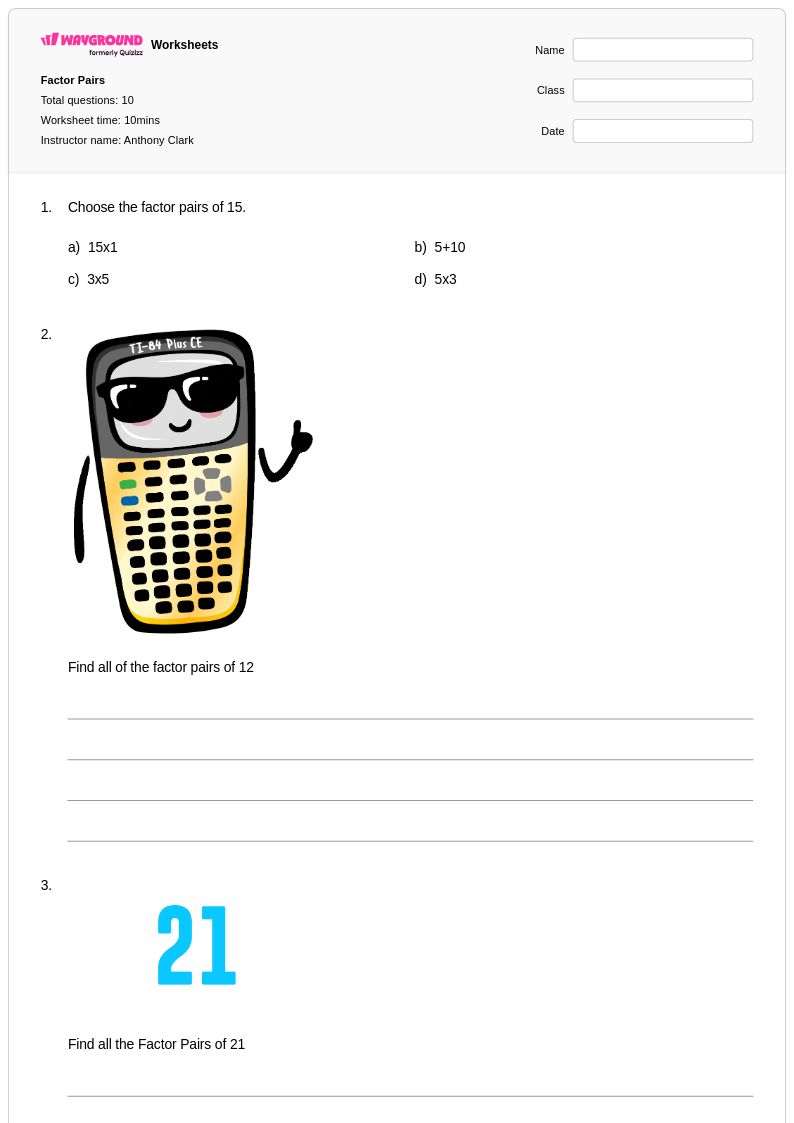
10 Q
4th - Uni
13 Q
4th - Uni
15 Q
4th - Uni
11 Q
3rd - 12th
14 Q
4th - Uni
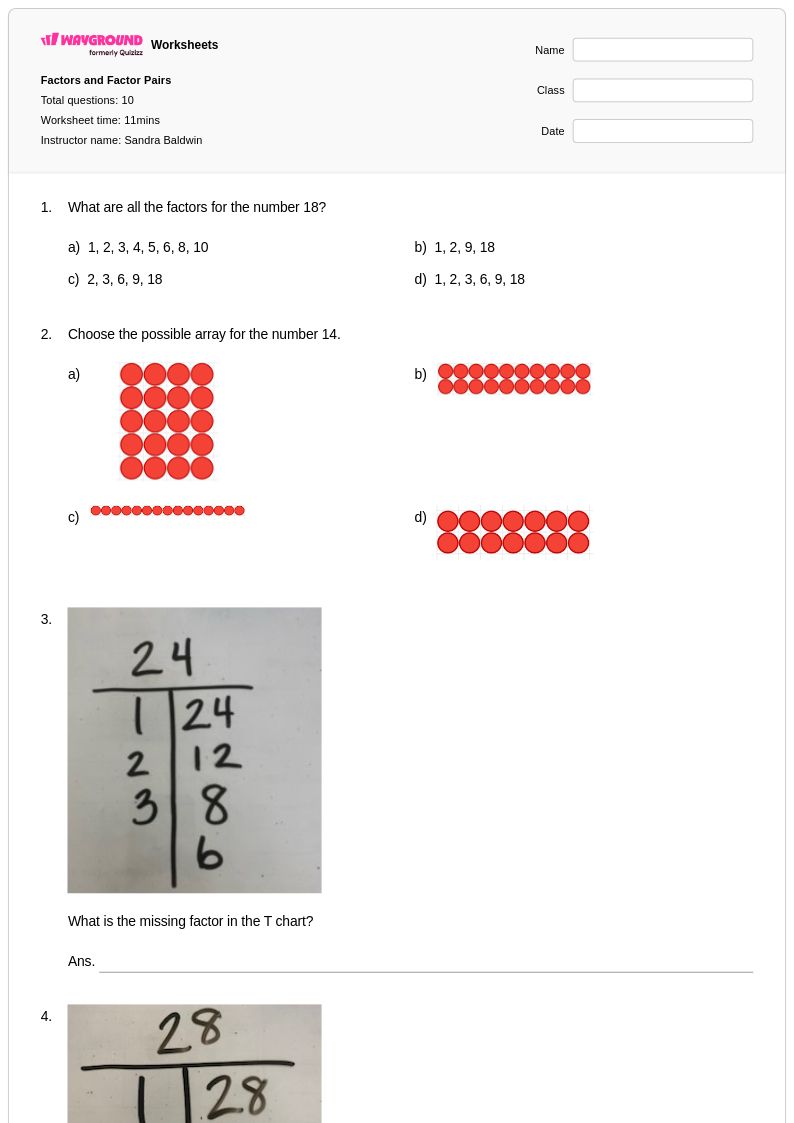
10 Q
4th

20 Q
4th
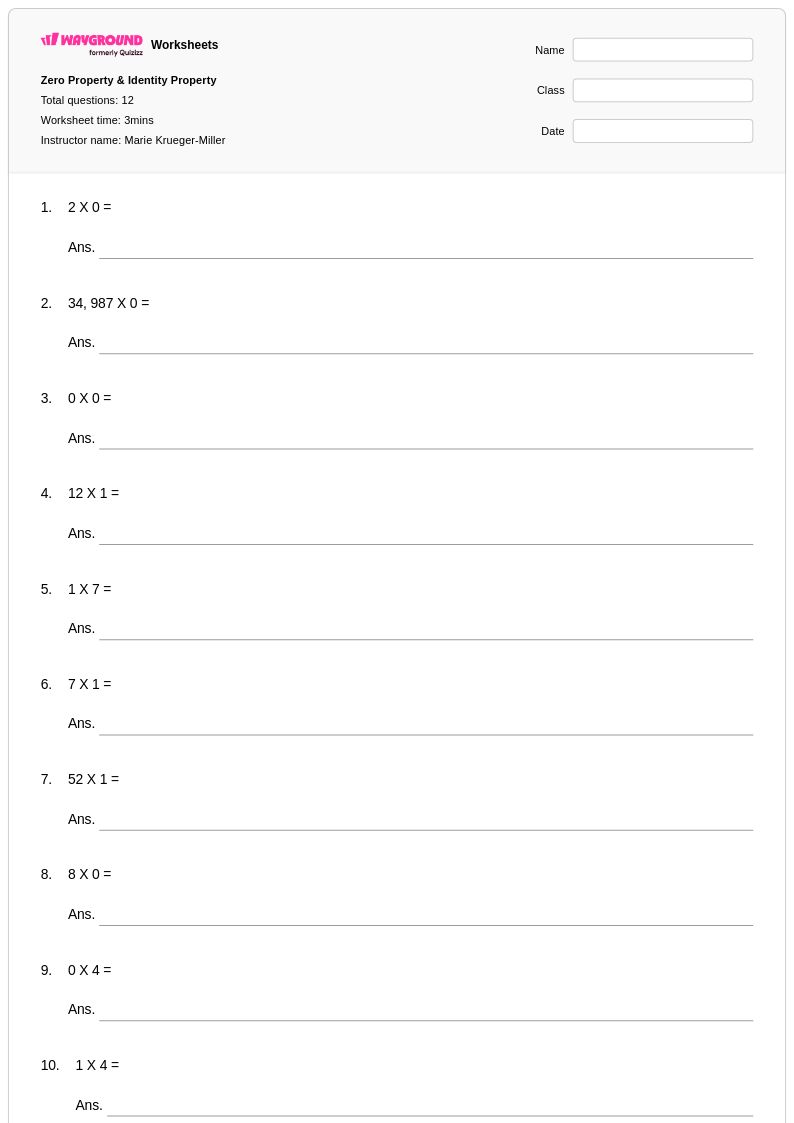
12 Q
2nd - 4th
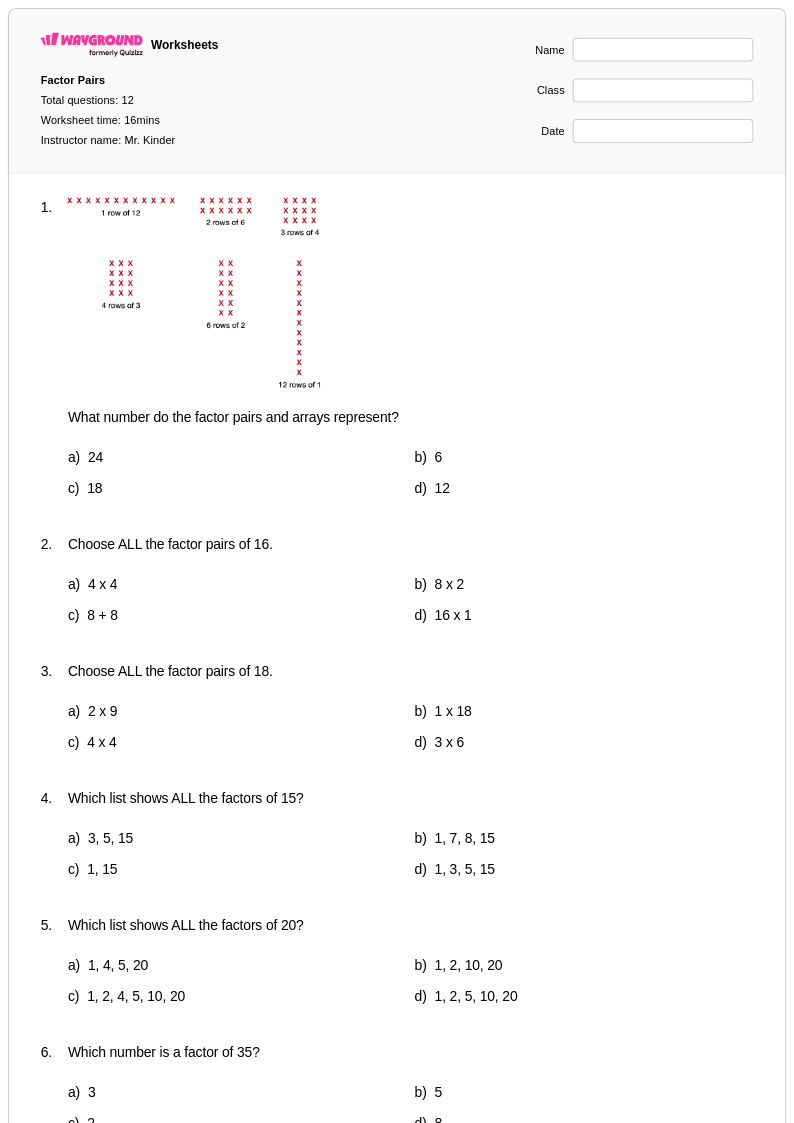
12 Q
4th
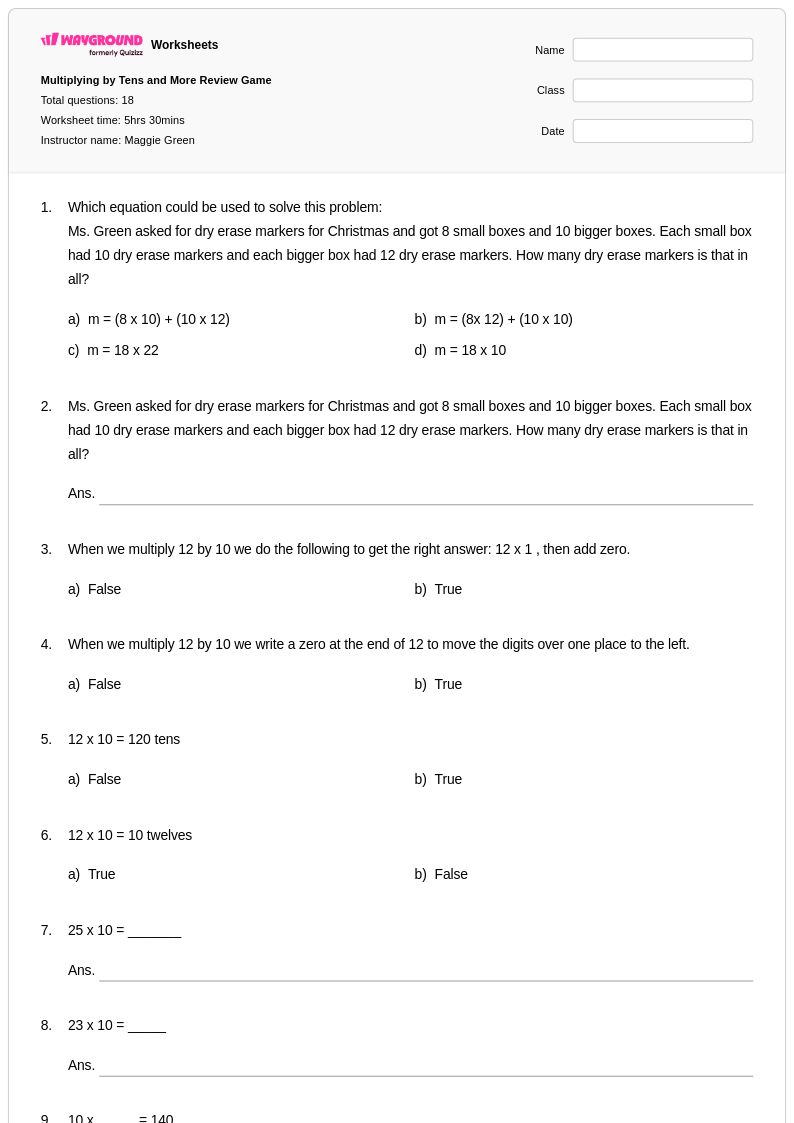
18 Q
4th
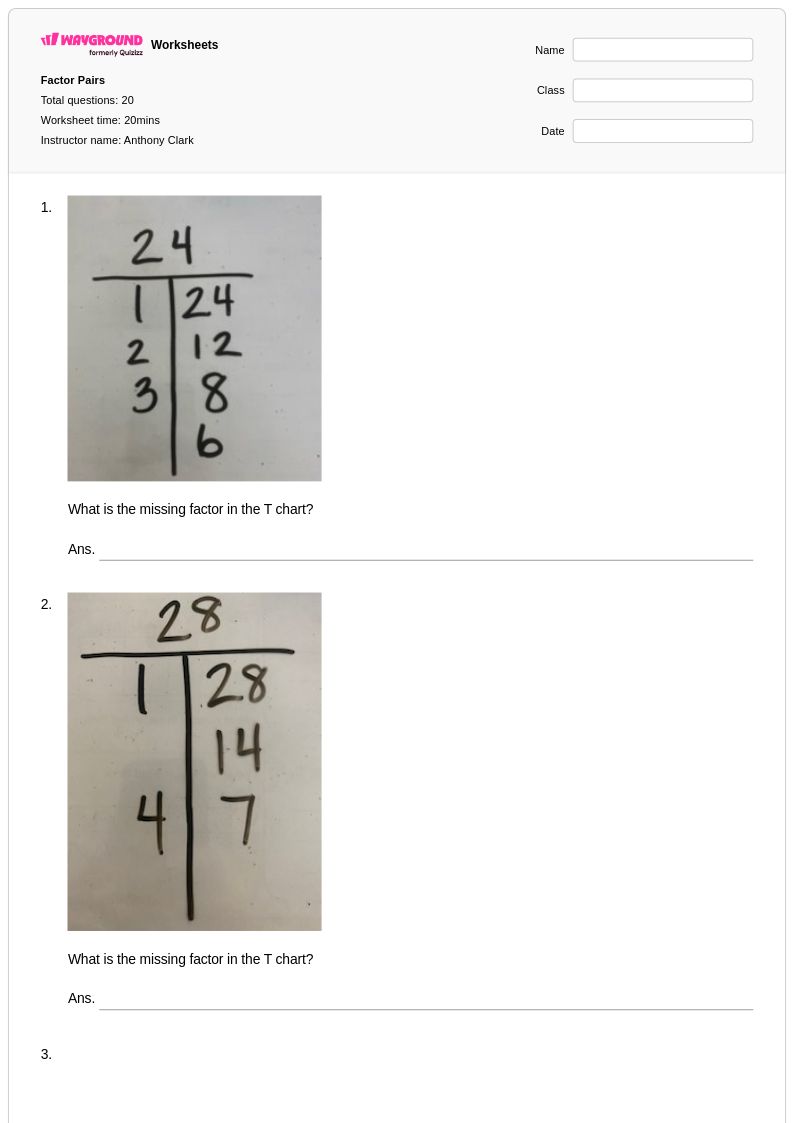
20 Q
4th - Uni
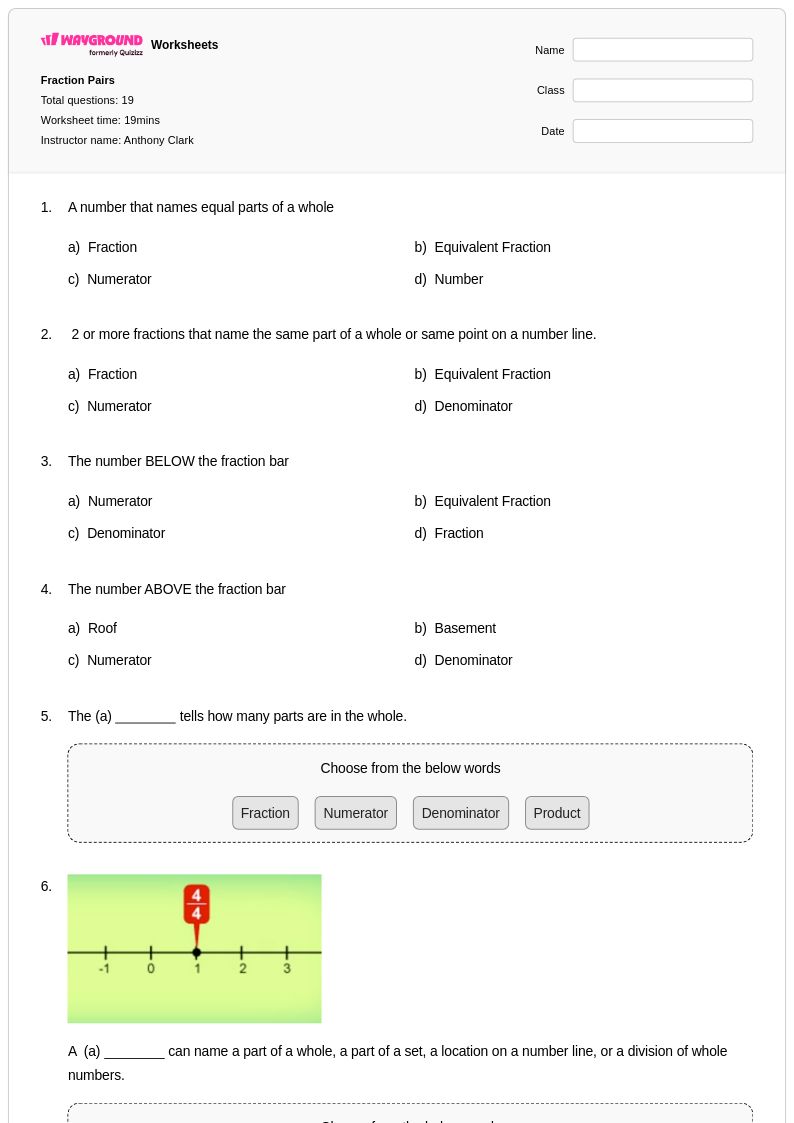
19 Q
4th - Uni

30 Q
3rd - 5th
Explore Other Subject Worksheets for year 4
Explore printable Zero Pairs worksheets for Year 4
Zero pairs worksheets for Year 4 students available through Wayground (formerly Quizizz) provide essential foundational practice for understanding positive and negative number relationships and the concept of additive inverses. These carefully designed printables help fourth-grade students visualize how opposite numbers combine to equal zero, strengthening their number sense and preparing them for more advanced algebraic thinking. Each worksheet collection includes comprehensive practice problems that guide students through identifying zero pairs using manipulatives, number lines, and visual models, while accompanying answer keys allow for immediate feedback and self-assessment. The free pdf resources systematically build students' understanding of how pairs like +3 and -3 or +5 and -5 cancel each other out, creating a solid mathematical foundation for future work with integers and equations.
Wayground's extensive library features millions of teacher-created zero pairs worksheets specifically aligned with Year 4 mathematics standards, offering educators powerful search and filtering capabilities to locate exactly the right resources for their classroom needs. Teachers can easily differentiate instruction by selecting from various difficulty levels and problem types, then customize worksheets to match their students' specific learning requirements and pacing. The platform's flexible format options, including both printable pdf versions and interactive digital activities, support diverse teaching approaches whether for whole-class instruction, small group work, or individual practice sessions. These robust tools enable educators to efficiently plan engaging lessons, provide targeted remediation for struggling learners, offer enrichment opportunities for advanced students, and ensure consistent skill practice that builds mathematical confidence and conceptual understanding.