
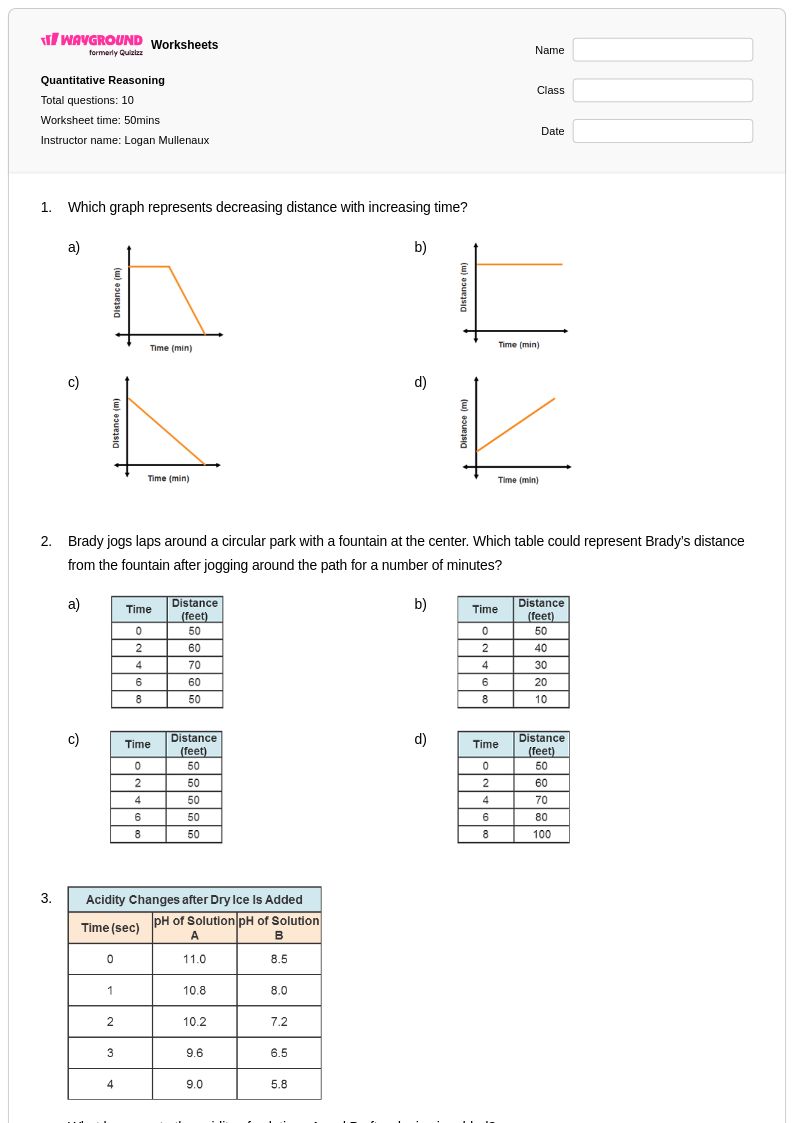
10Q
8th - 11th
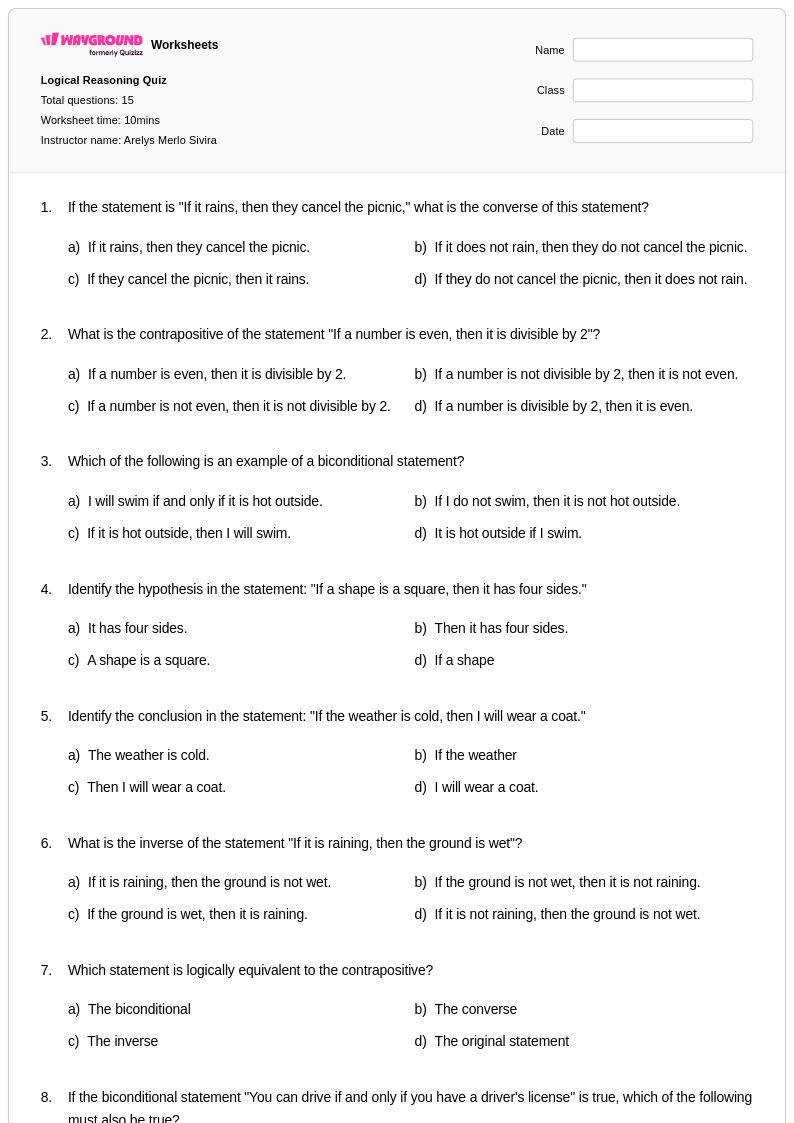
15Q
11th
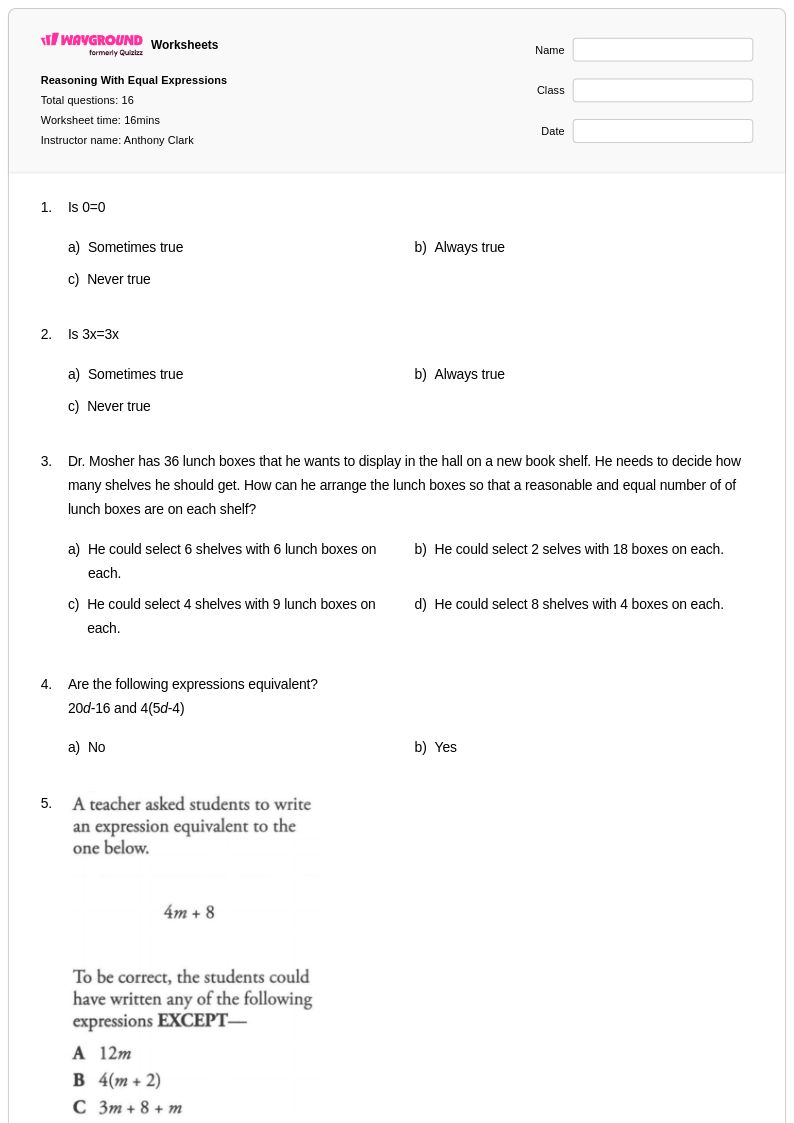
16Q
6th - Uni
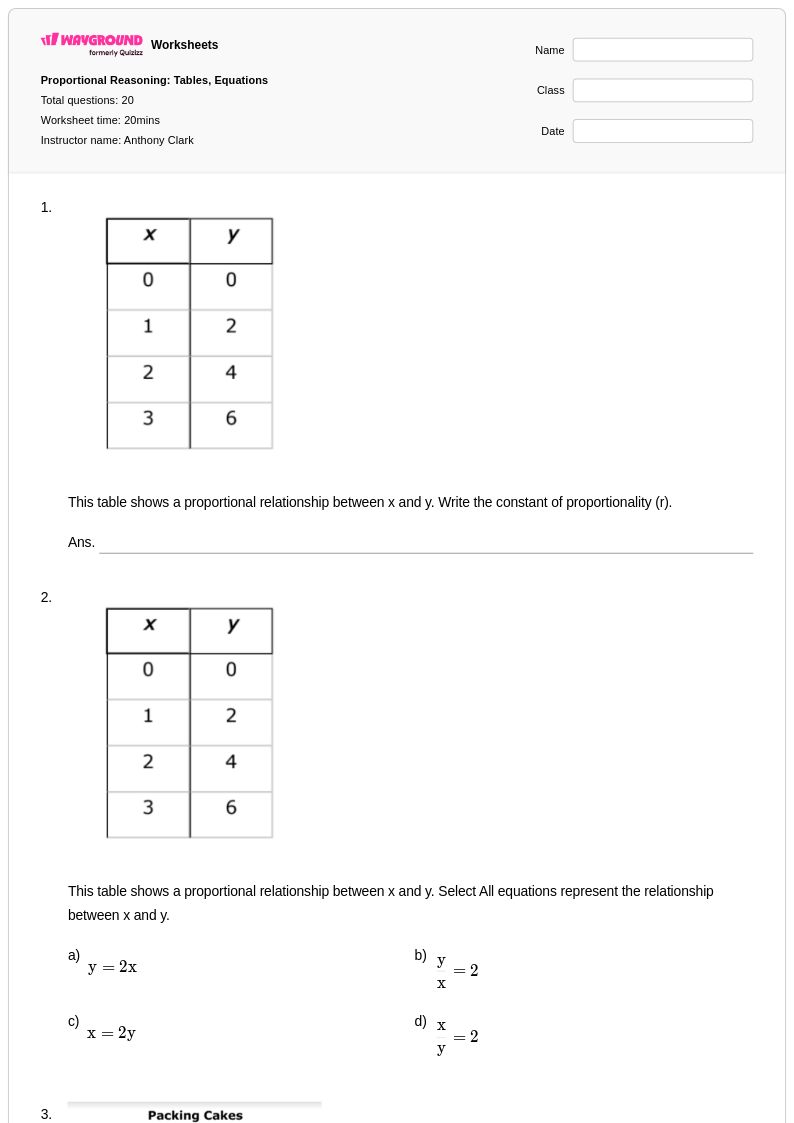
20Q
7th - Uni
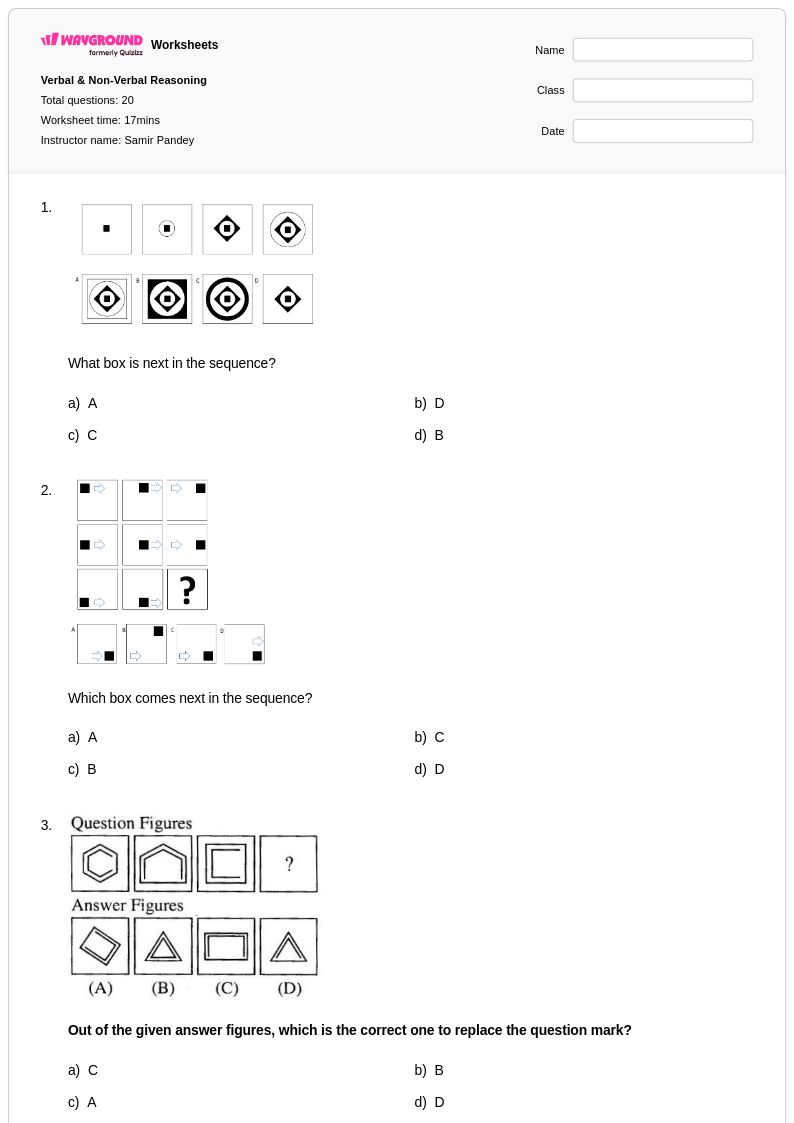
20Q
10th - Uni
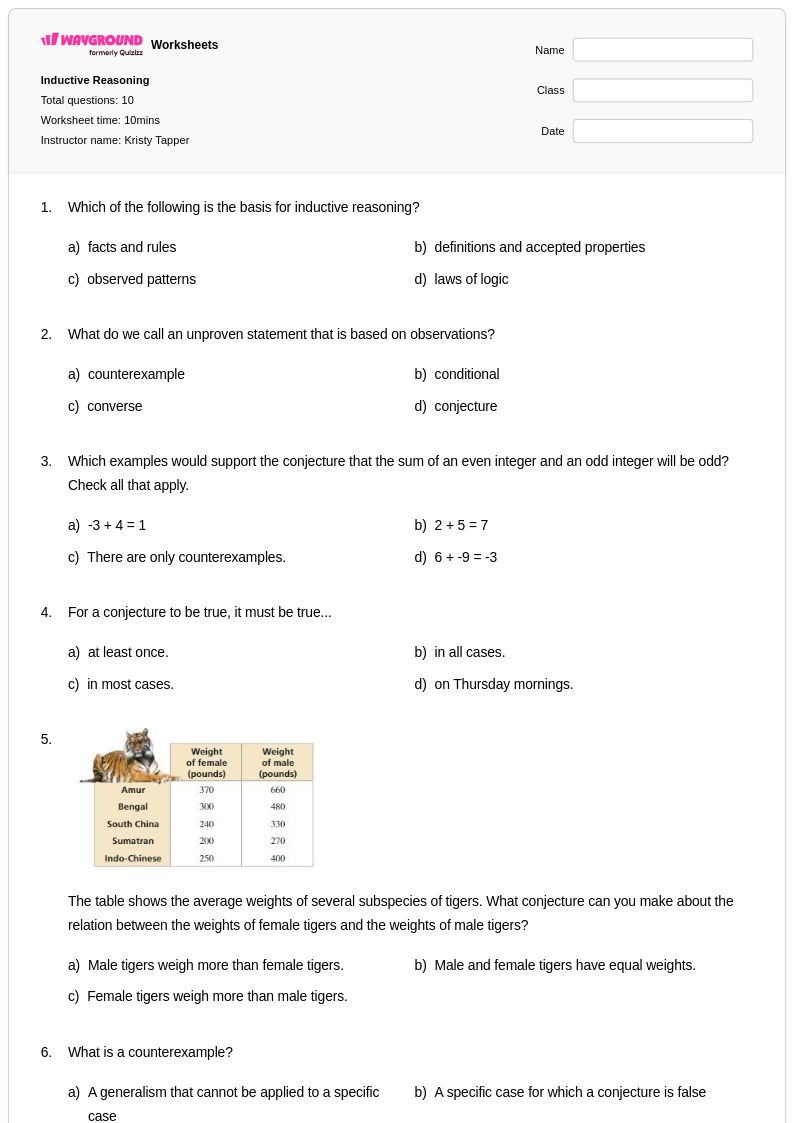
10Q
8th - 11th
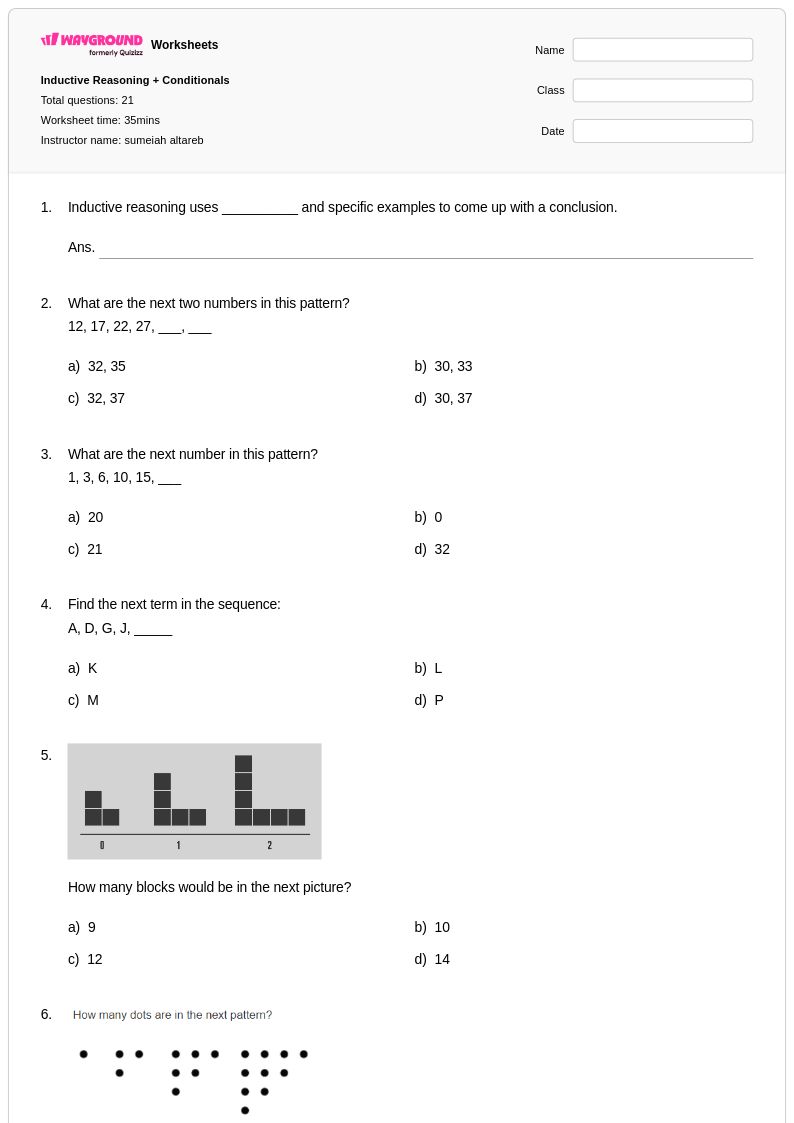
21Q
9th - 12th
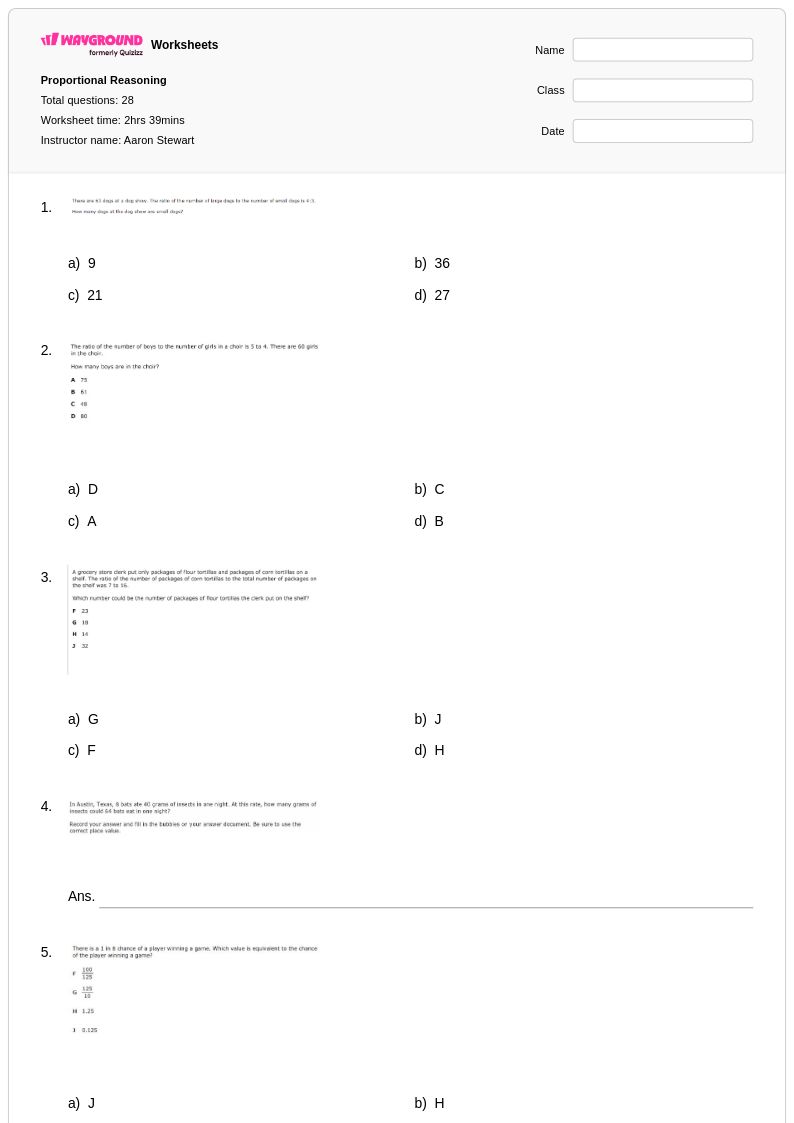
28Q
6th - Uni
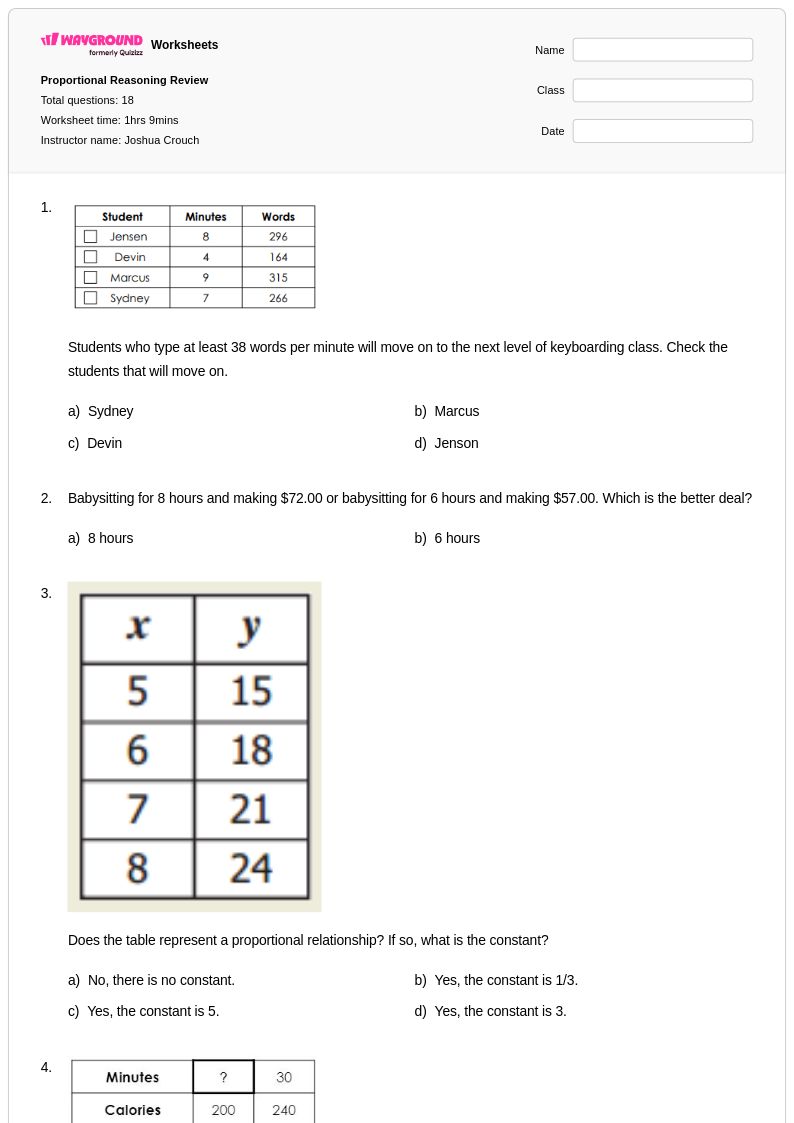
18Q
6th - Uni
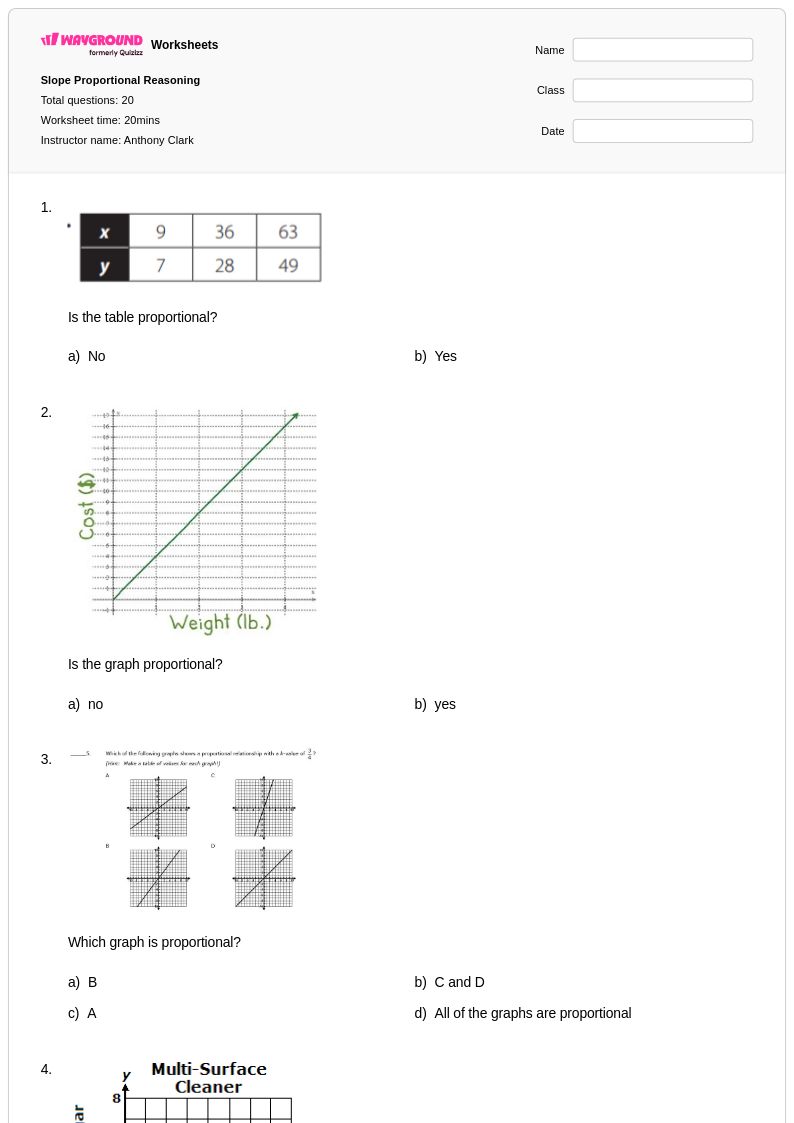
20Q
7th - Uni
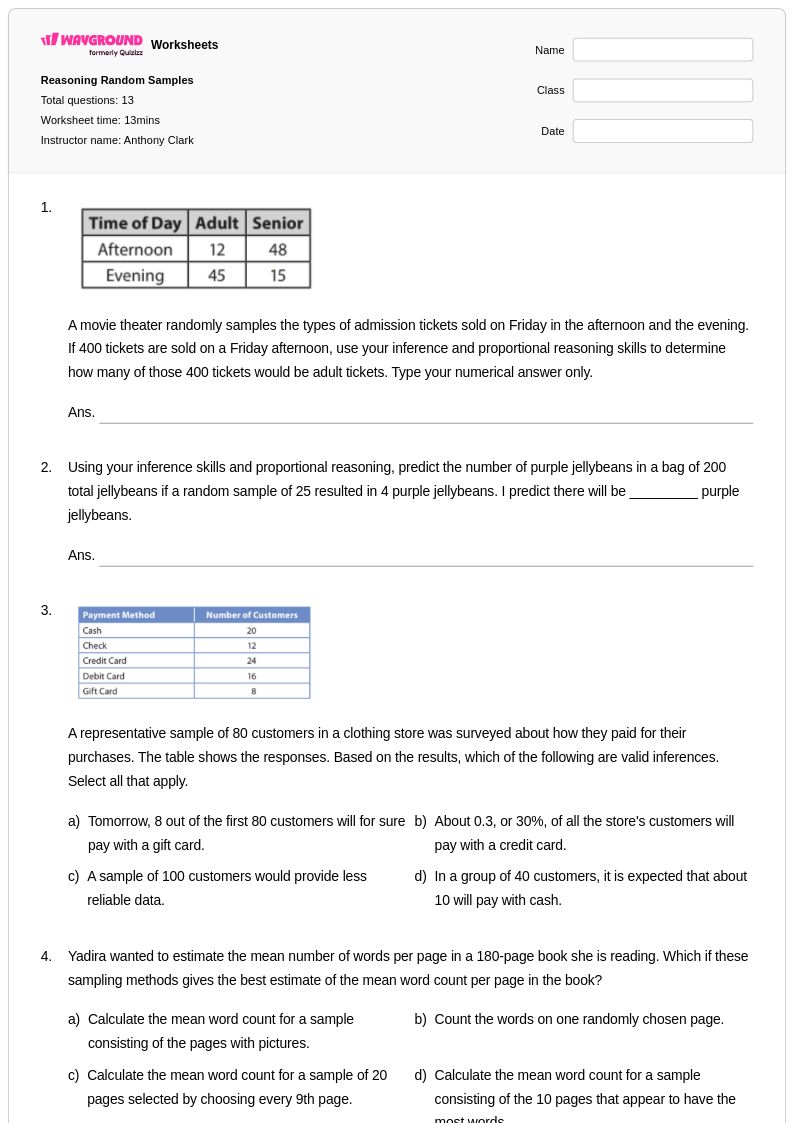
13Q
7th - Uni
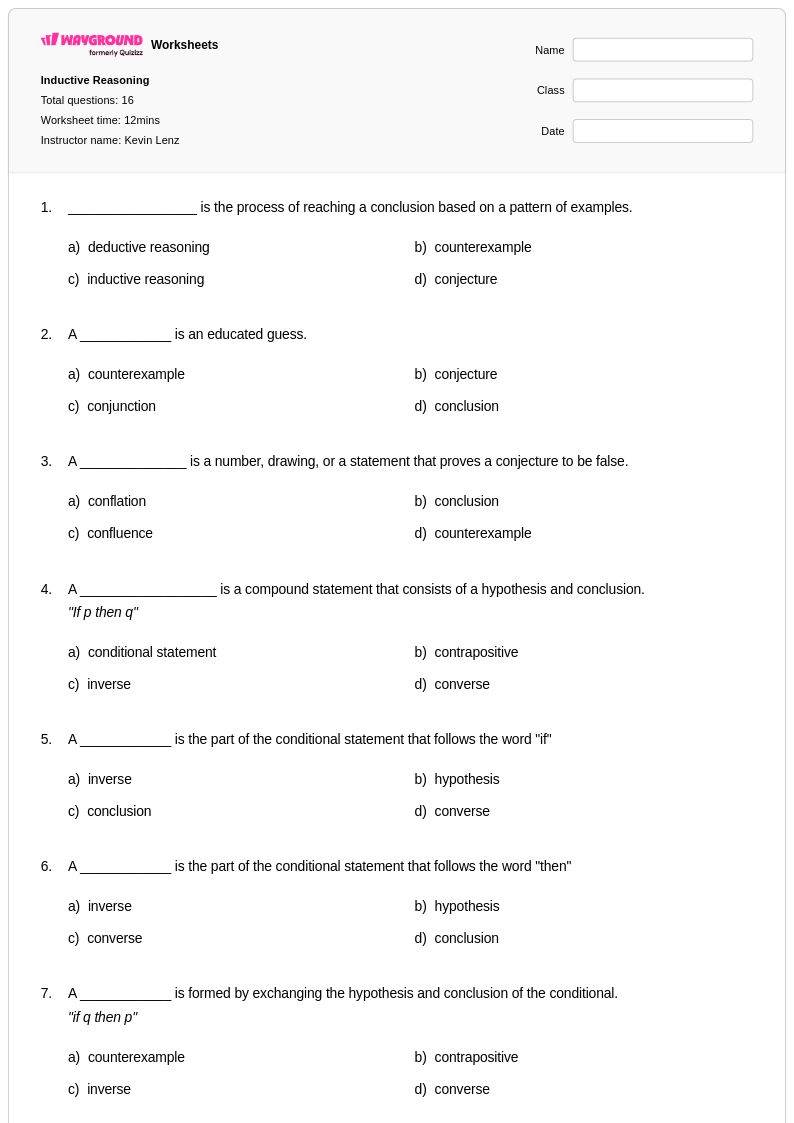
16Q
9th - 12th
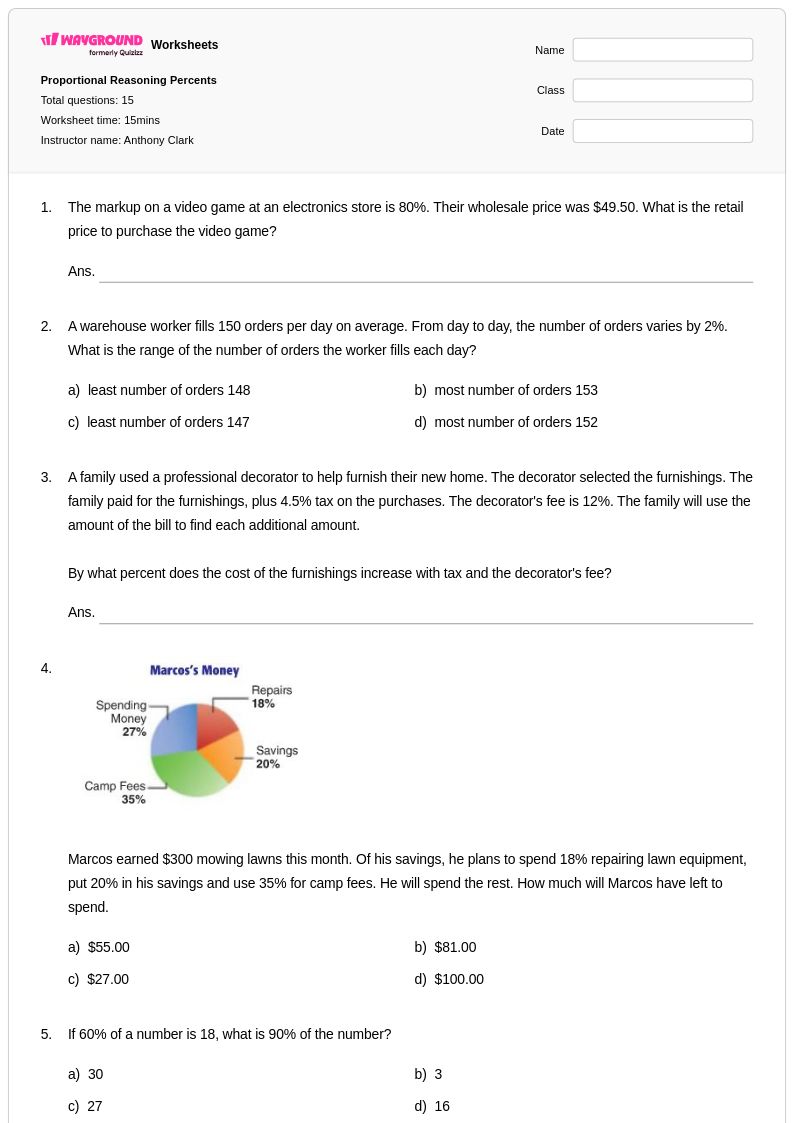
15Q
7th - Uni
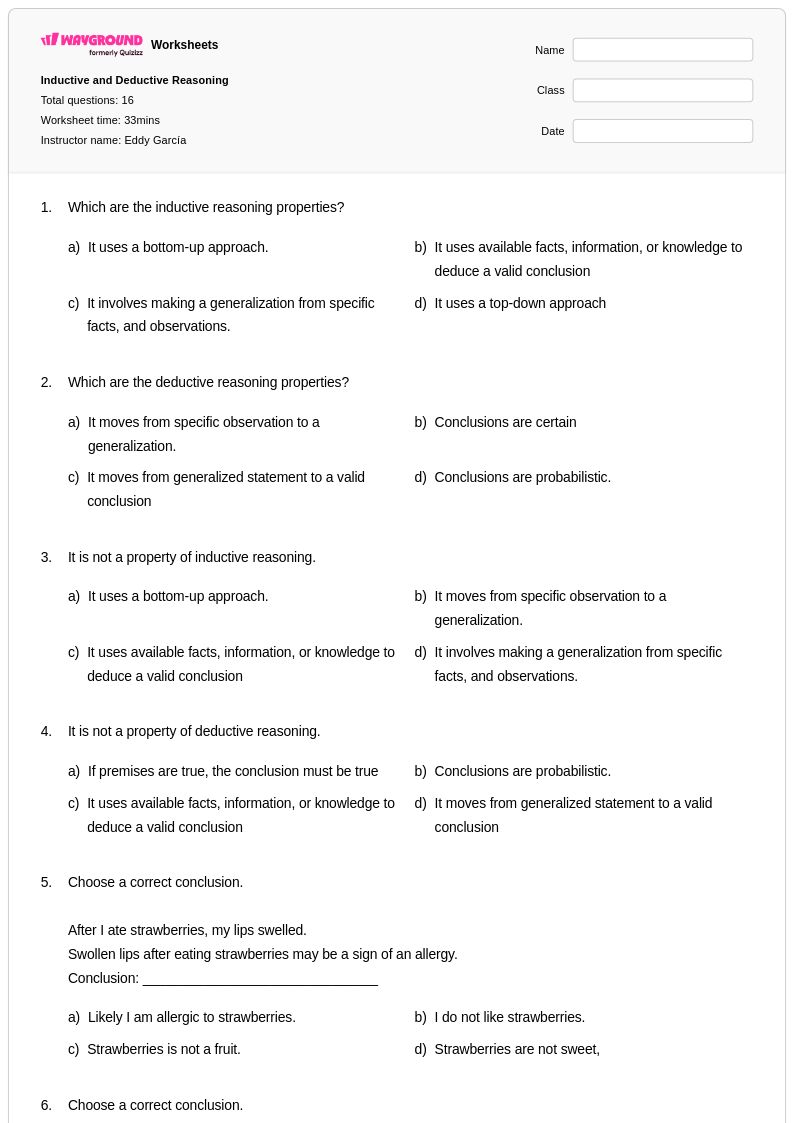
16Q
11th
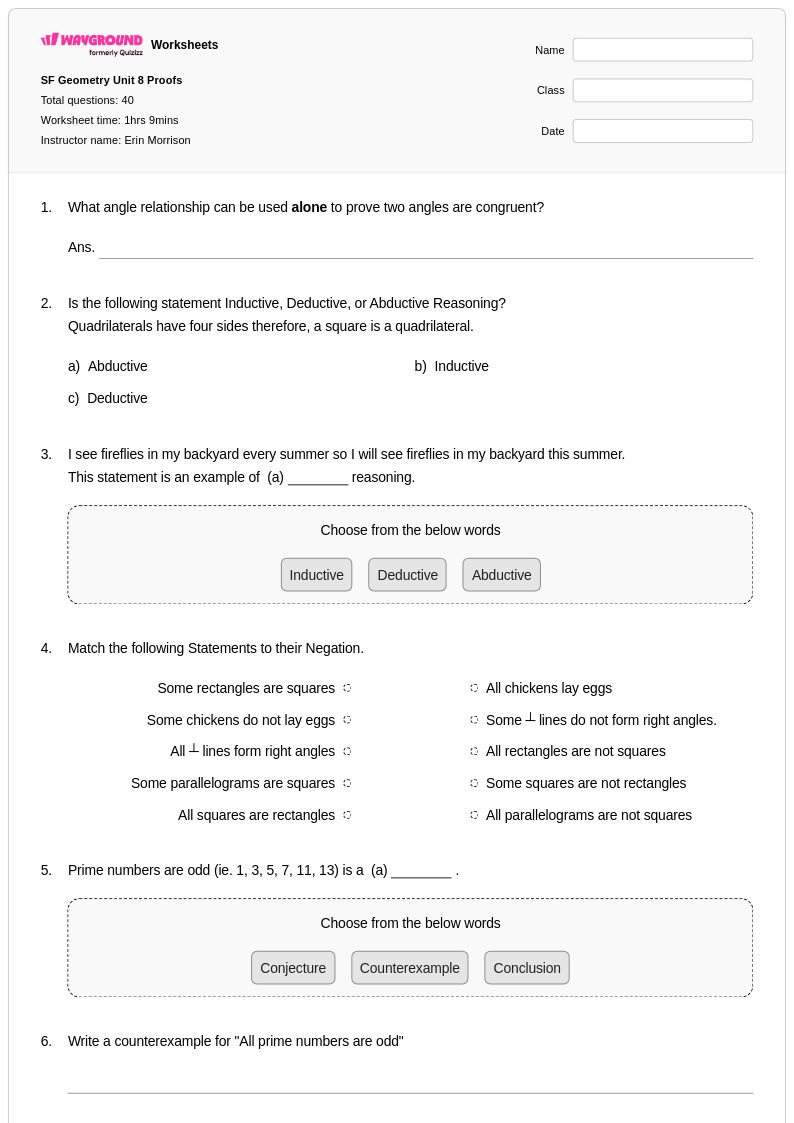
40Q
9th - 12th
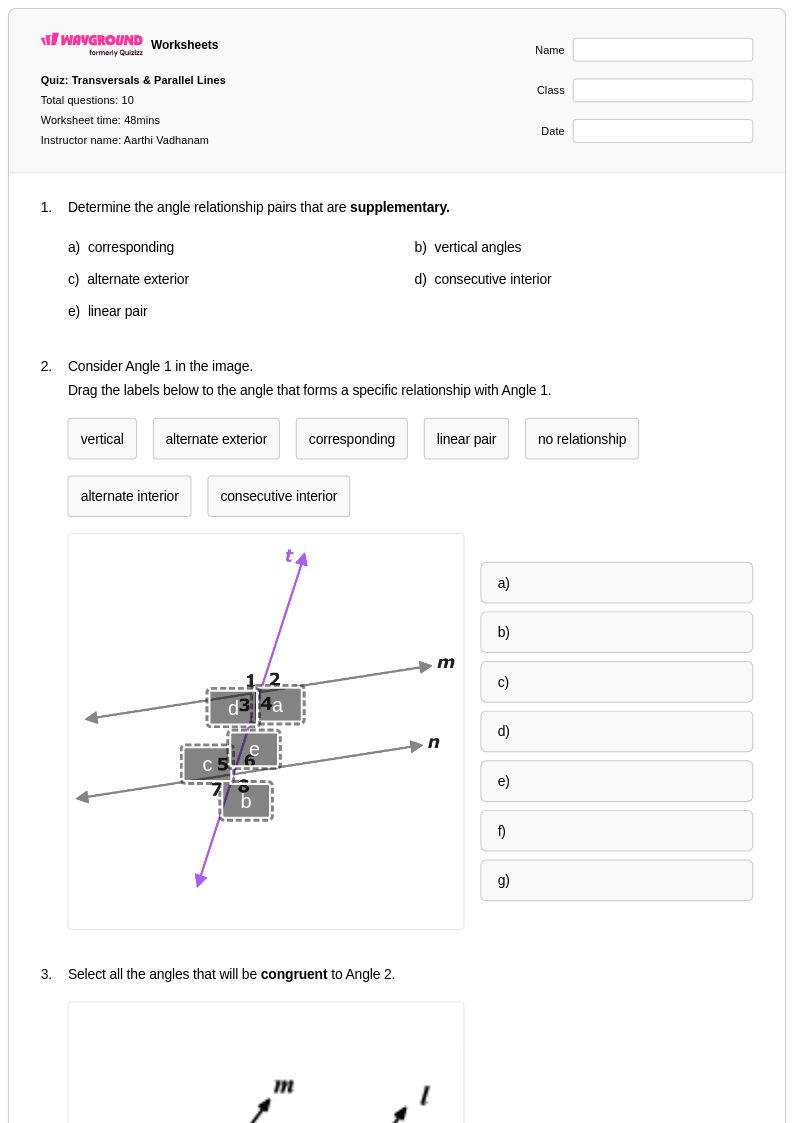
10Q
9th - 12th
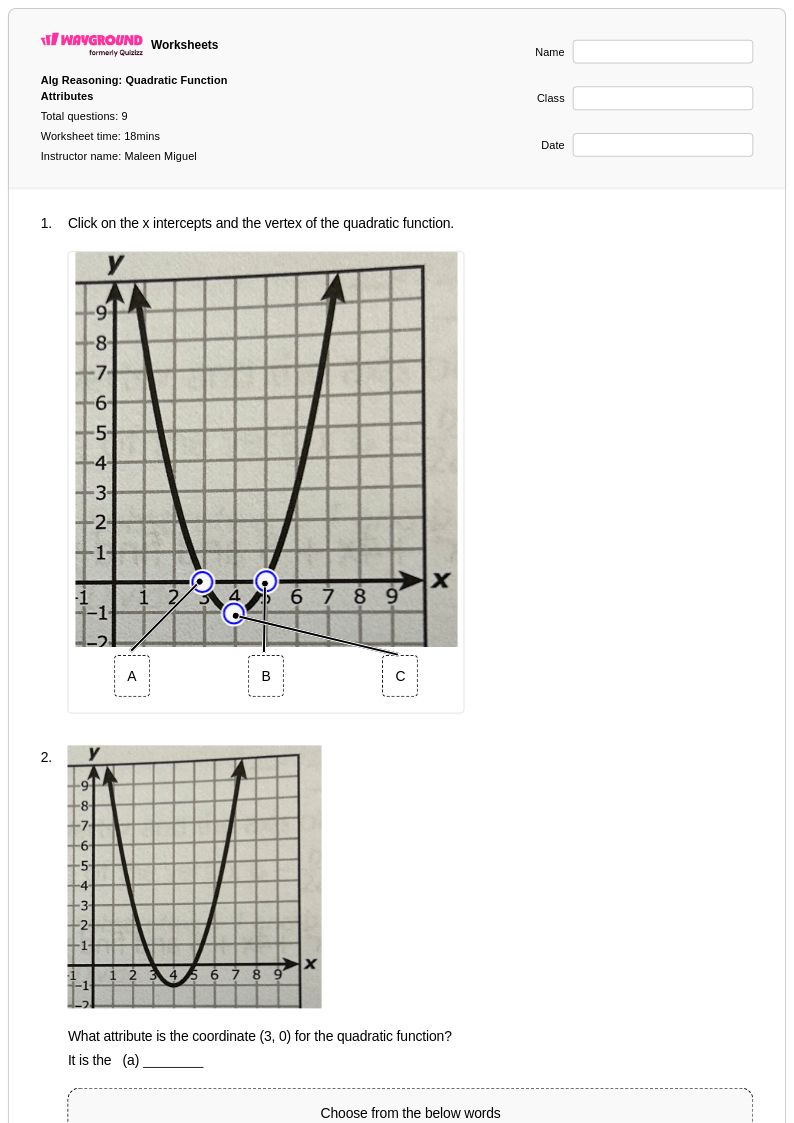
9Q
9th - 12th
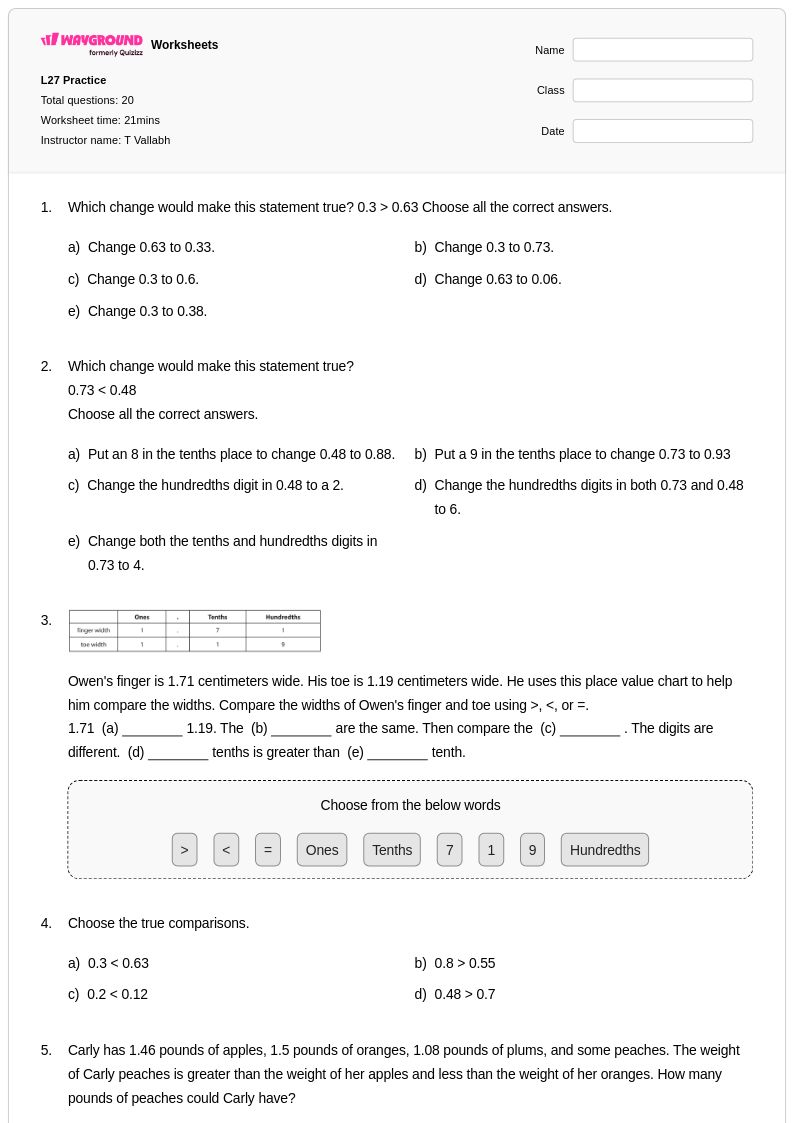
20Q
4th - Uni
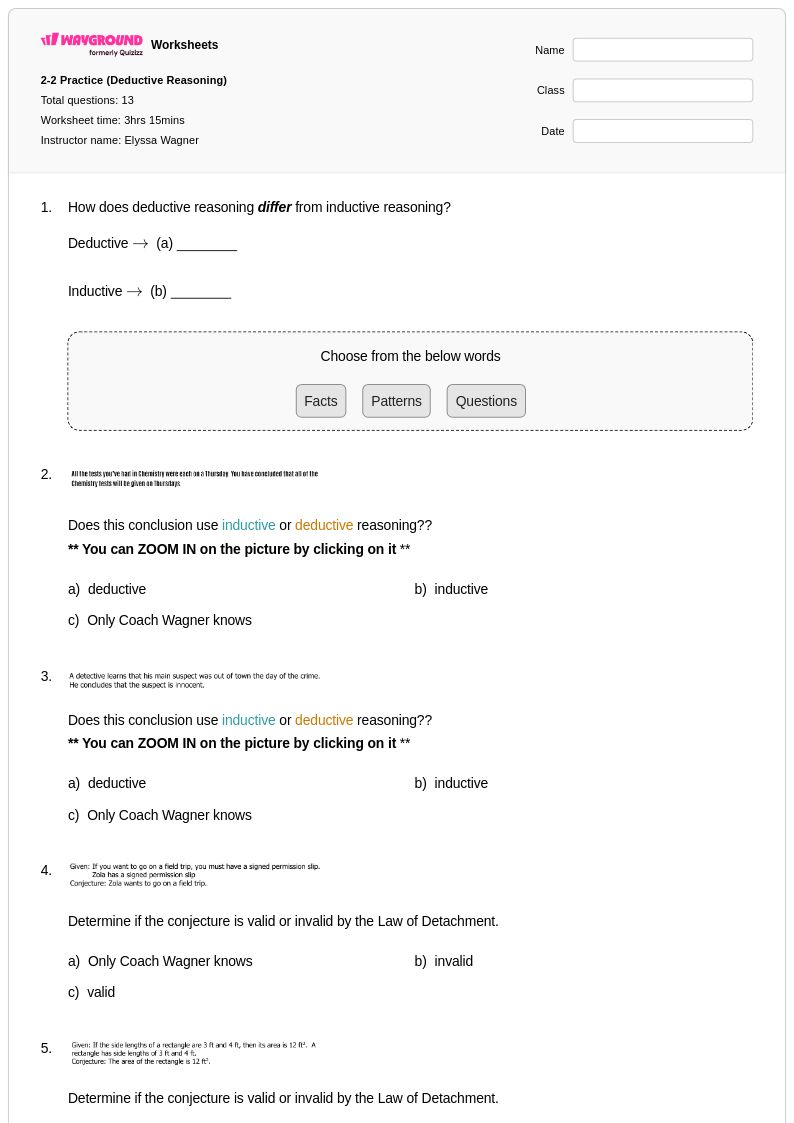
13Q
9th - 12th
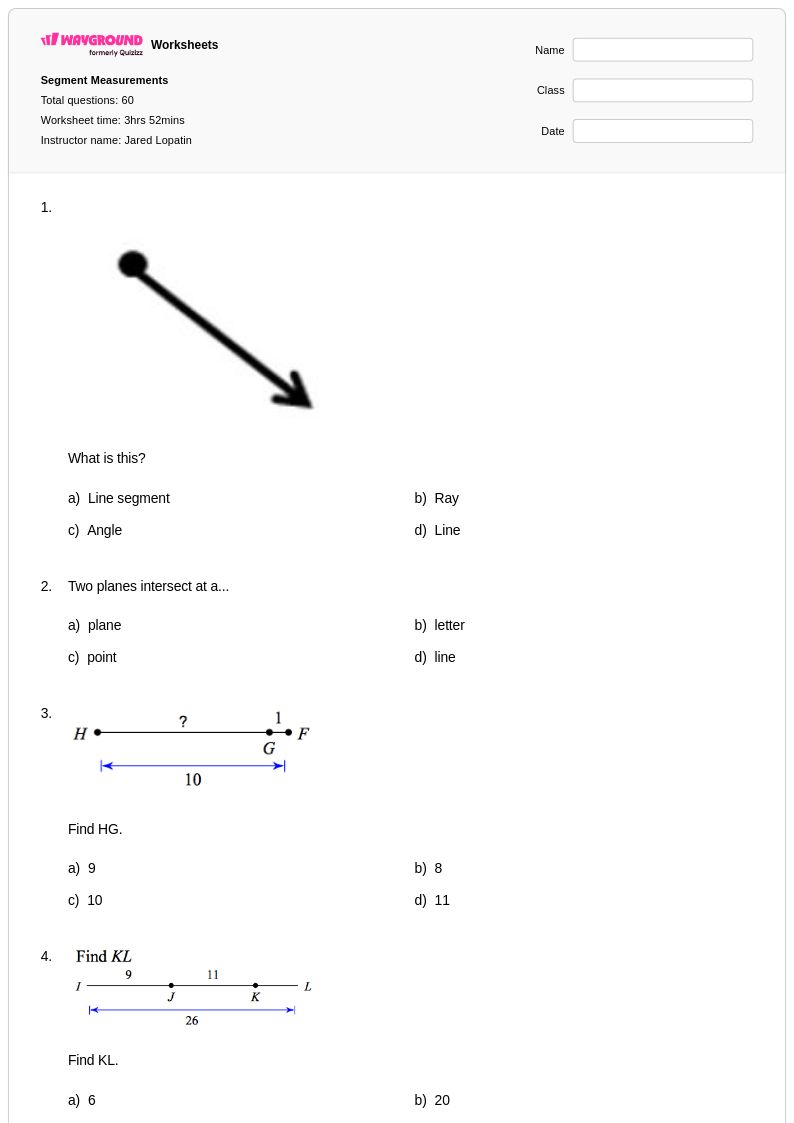
60Q
9th - 12th
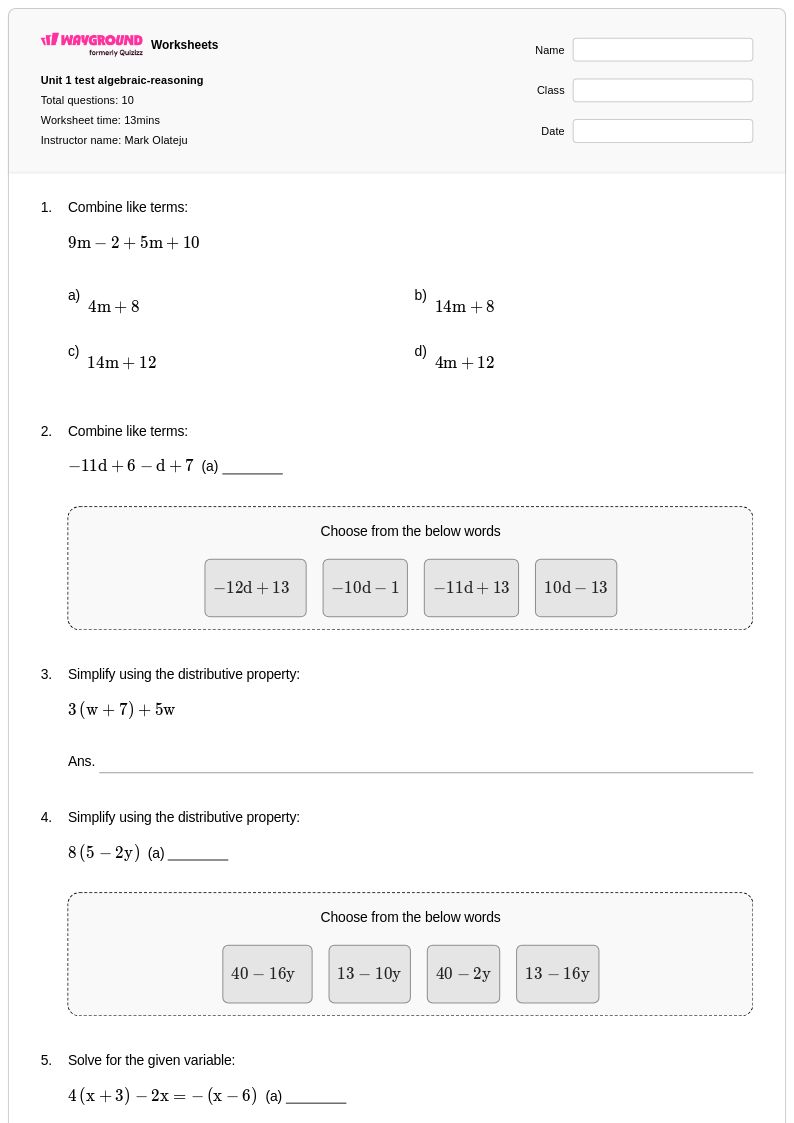
10Q
9th - 12th
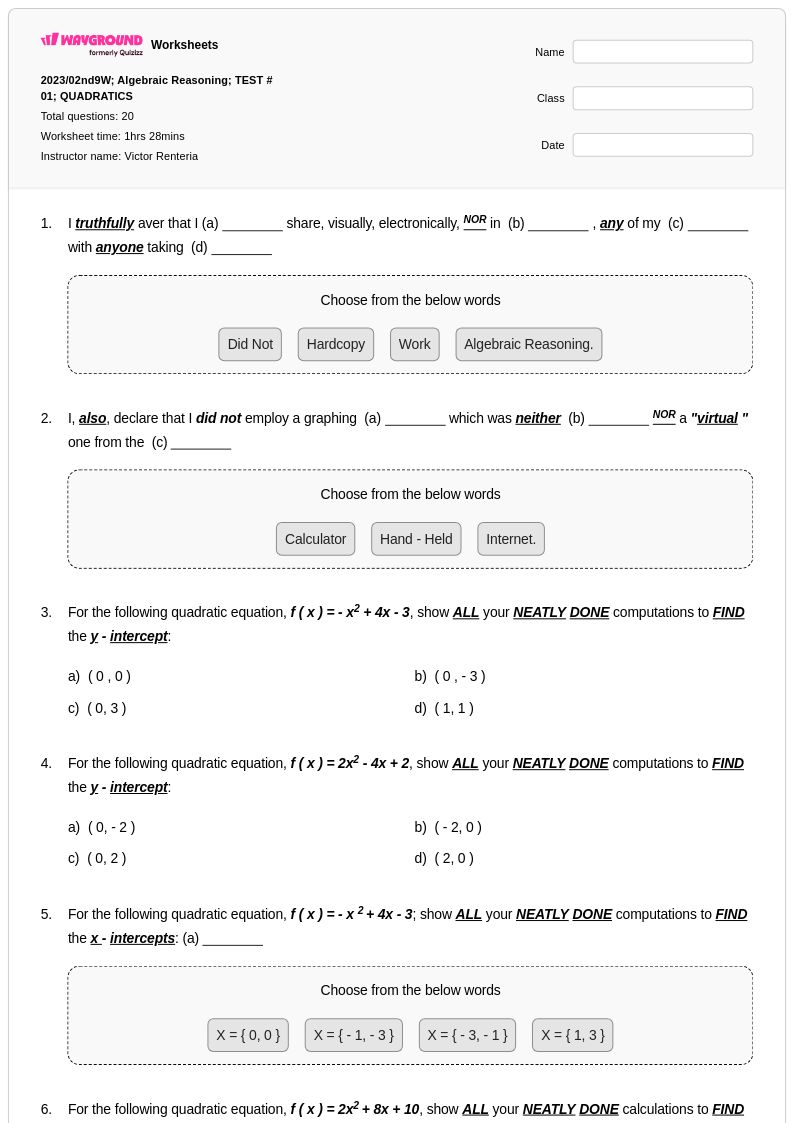
20Q
11th
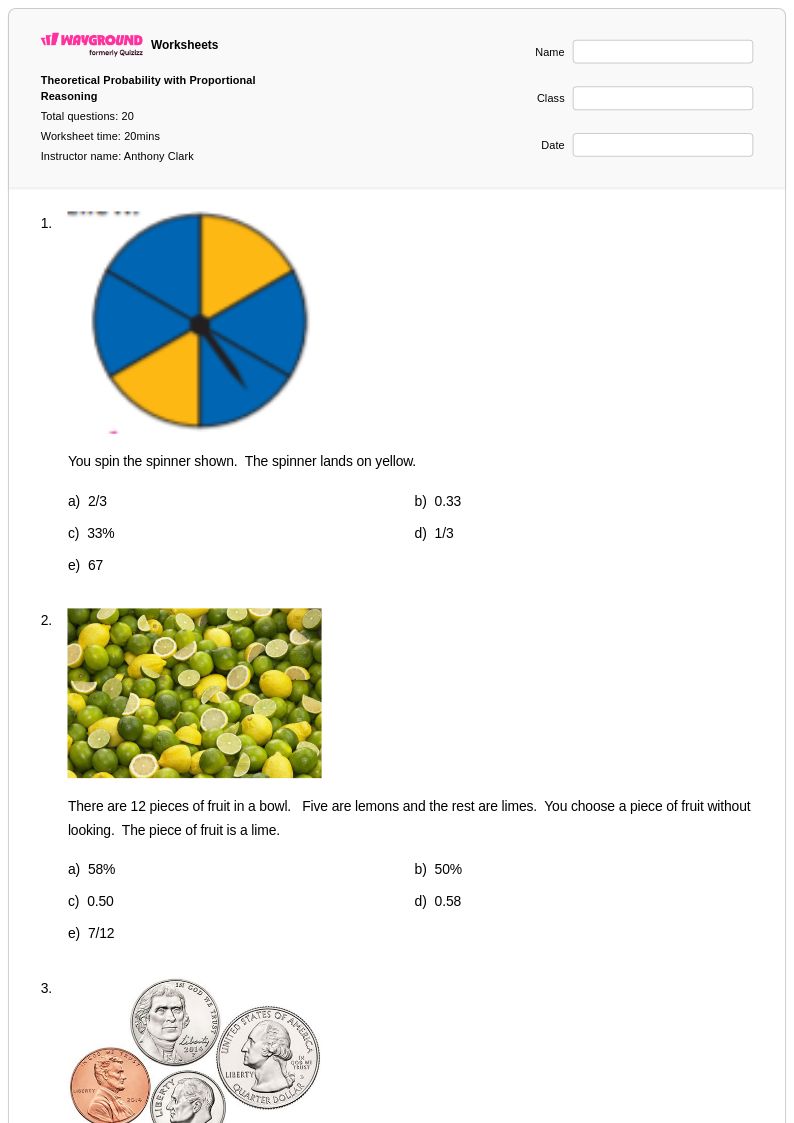
20Q
7th - Uni
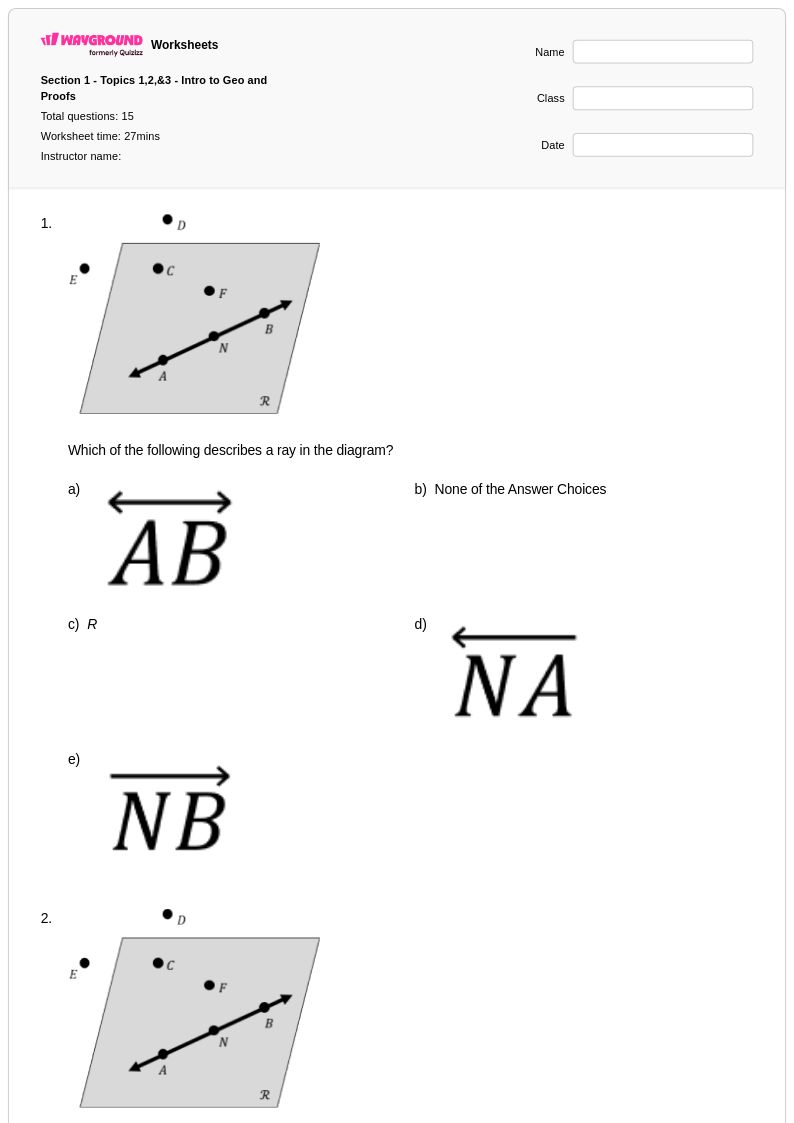
15Q
9th - 12th
Explorar Spatial Reasoning hojas de trabajo por grados
Explore otras hojas de trabajo de materias para year 11
Explore printable Spatial Reasoning worksheets for Year 11
Spatial reasoning worksheets for Year 11 students through Wayground (formerly Quizizz) provide comprehensive practice in visualizing, manipulating, and analyzing three-dimensional objects and their relationships in space. These expertly crafted materials strengthen critical mathematical thinking skills including mental rotation of geometric figures, cross-sectional analysis of solids, coordinate geometry in three dimensions, and the ability to interpret and create orthographic projections. Students develop proficiency in understanding how two-dimensional representations relate to three-dimensional objects, calculating volumes and surface areas of complex composite figures, and solving problems involving spatial transformations. Each worksheet comes with a detailed answer key and is available as a free printable pdf, ensuring students can practice these essential geometric concepts through varied problem sets that build from foundational spatial visualization to advanced analytical reasoning.
Wayground (formerly Quizizz) empowers educators with an extensive collection of millions of teacher-created spatial reasoning resources specifically designed for Year 11 mathematics instruction. The platform's robust search and filtering capabilities allow teachers to quickly locate worksheets aligned with curriculum standards, while built-in differentiation tools enable customization based on individual student needs and learning objectives. These materials are available in both printable pdf format and interactive digital versions, providing flexibility for diverse classroom environments and learning preferences. Teachers can efficiently plan lessons that address varying skill levels, implement targeted remediation for students struggling with spatial concepts, offer enrichment opportunities for advanced learners, and provide consistent skill practice that reinforces three-dimensional thinking capabilities essential for success in advanced mathematics and STEM fields.