
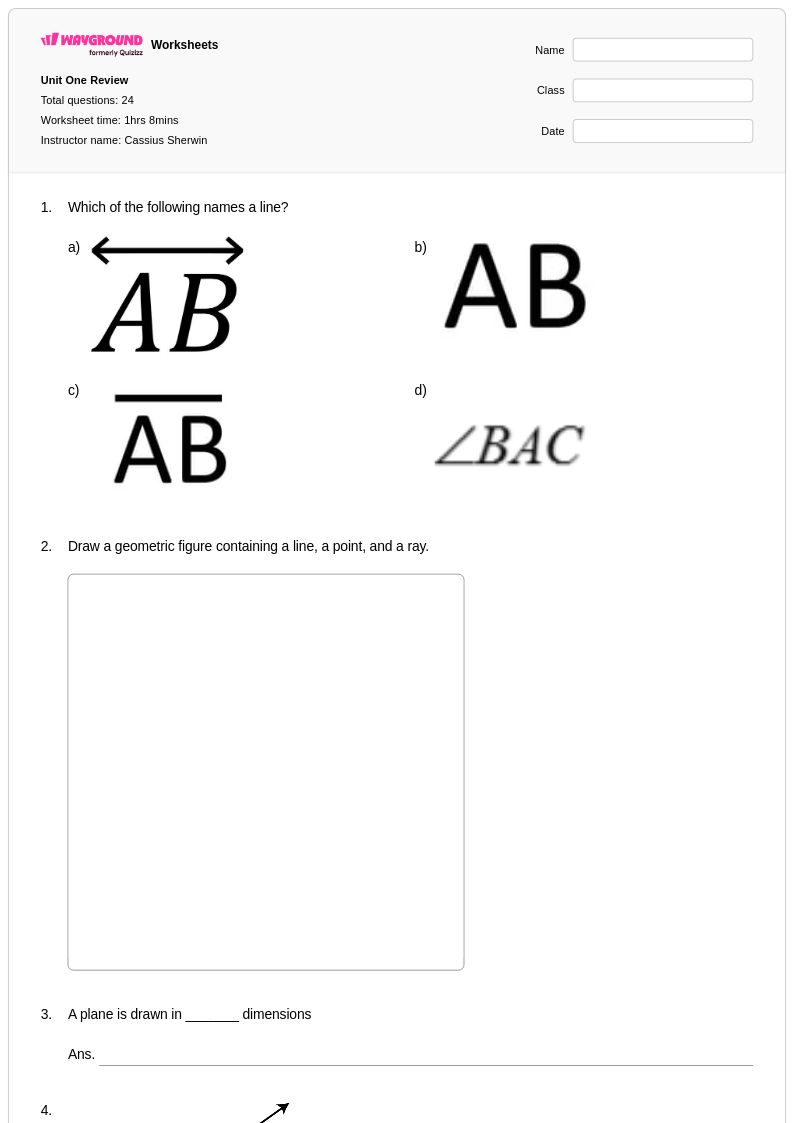
24 Q
10th
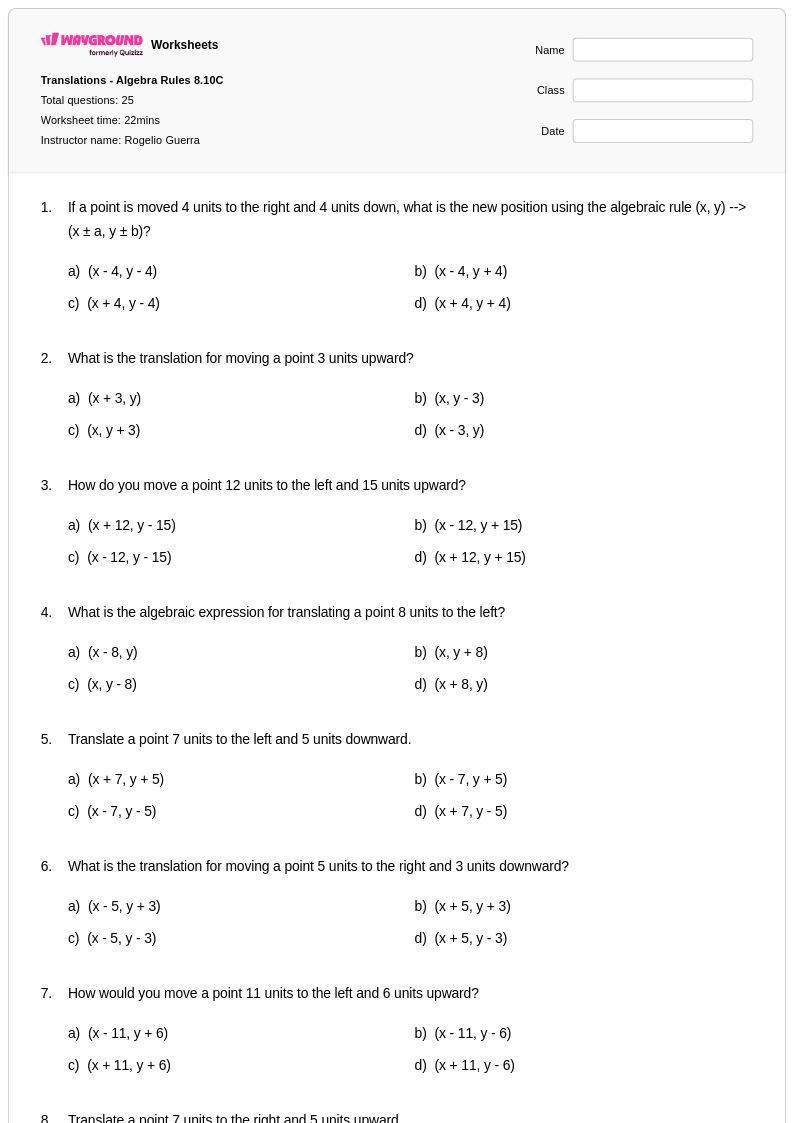
25 Q
8th
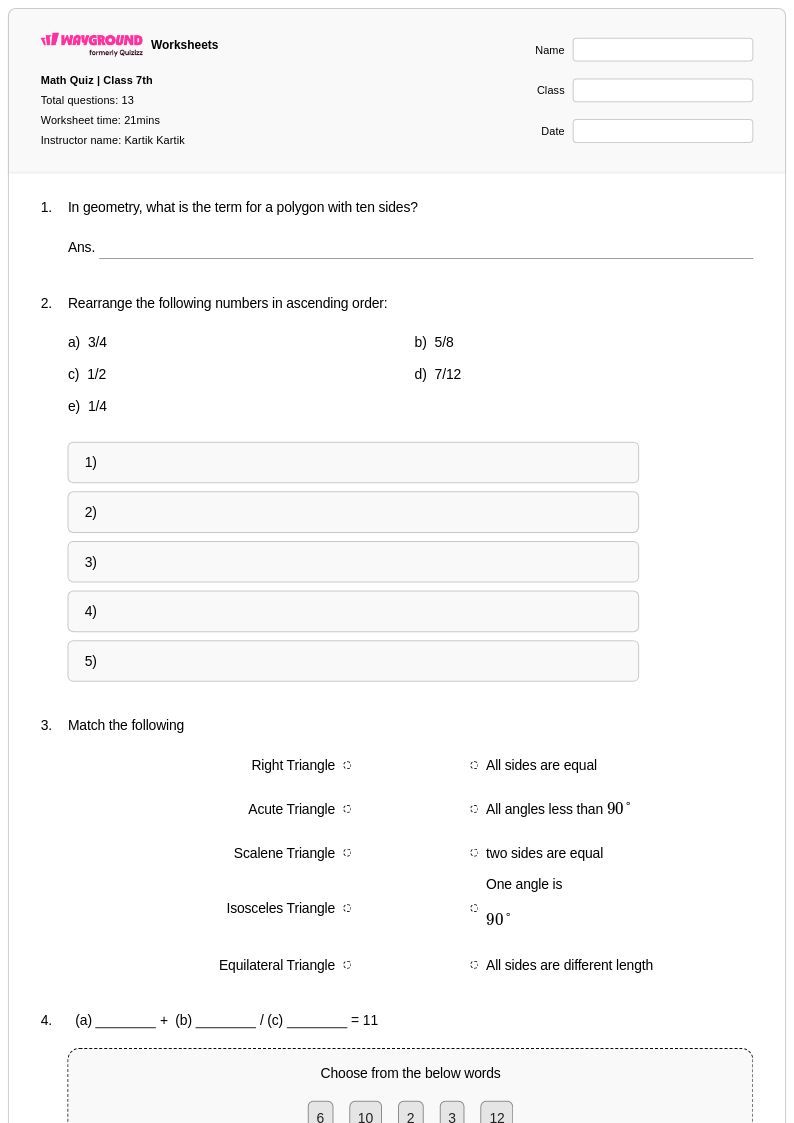
13 Q
7th
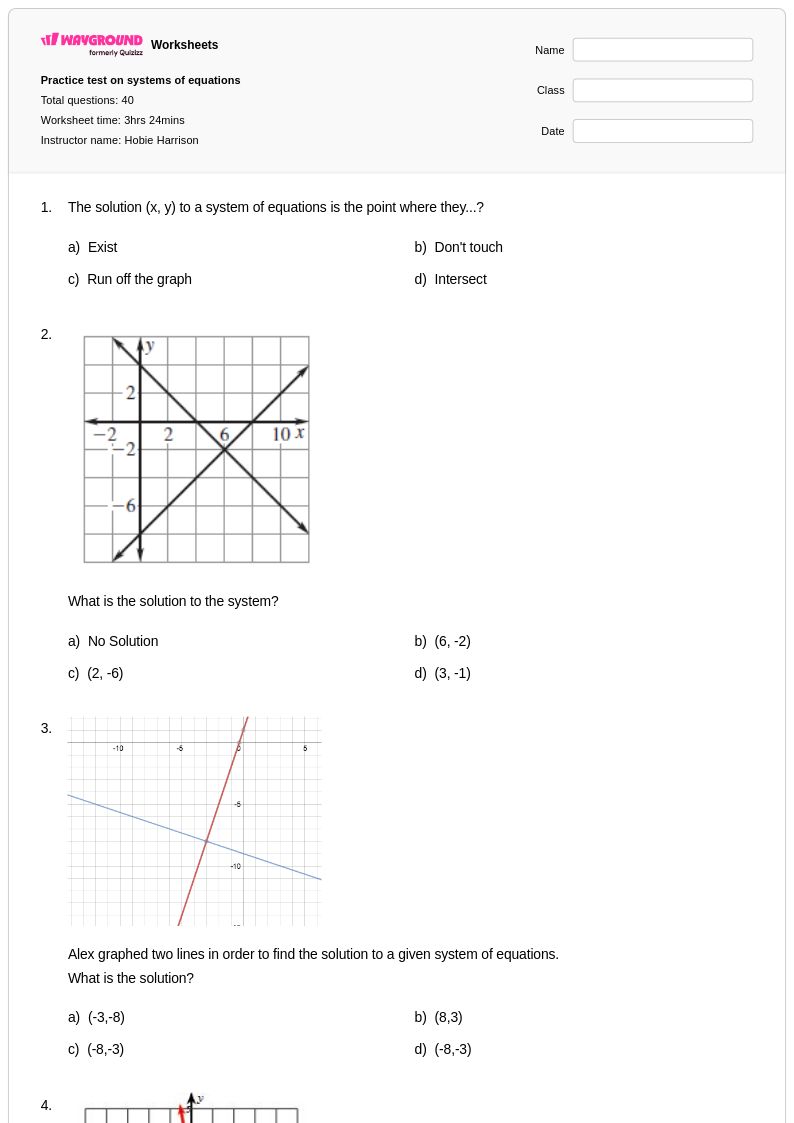
40 Q
8th
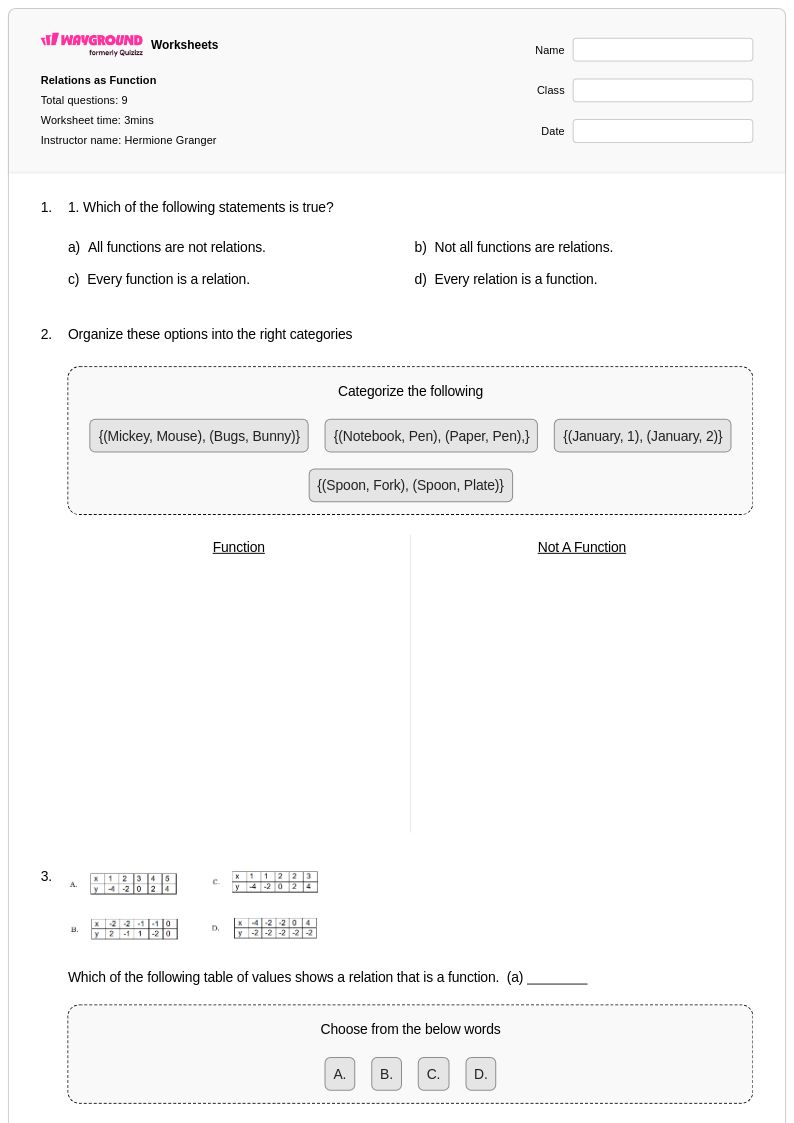
9 Q
8th
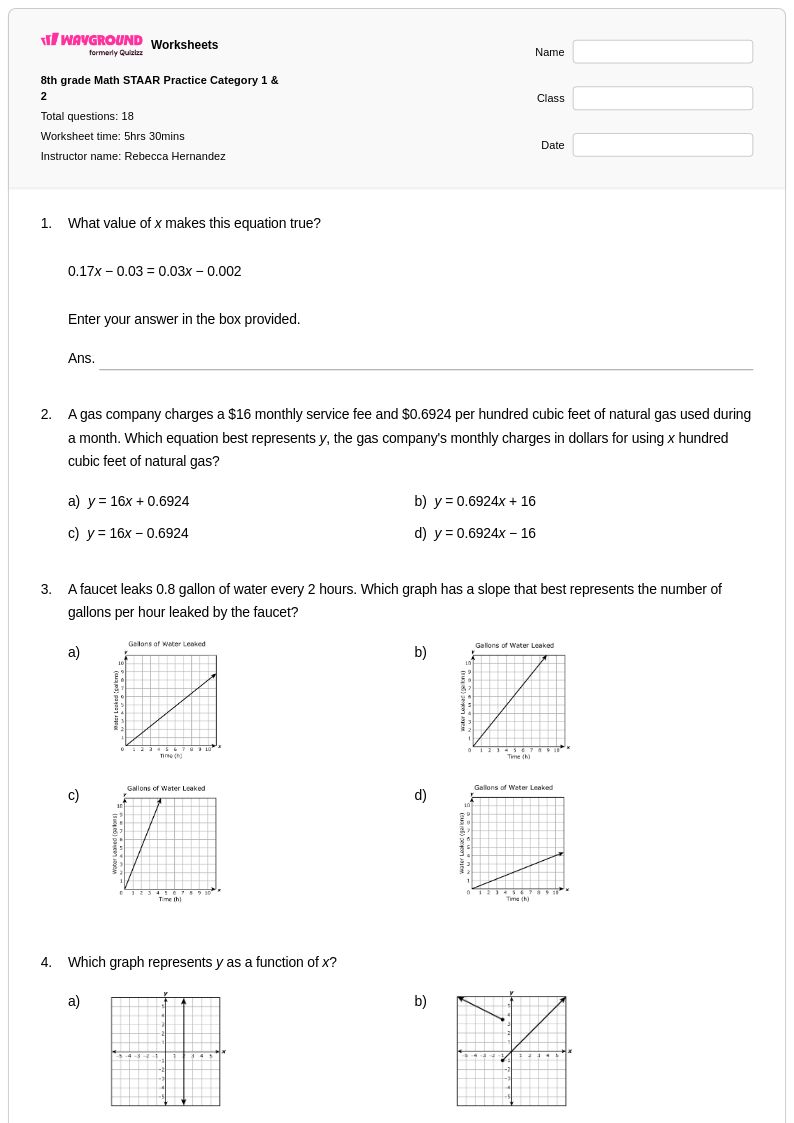
18 Q
8th
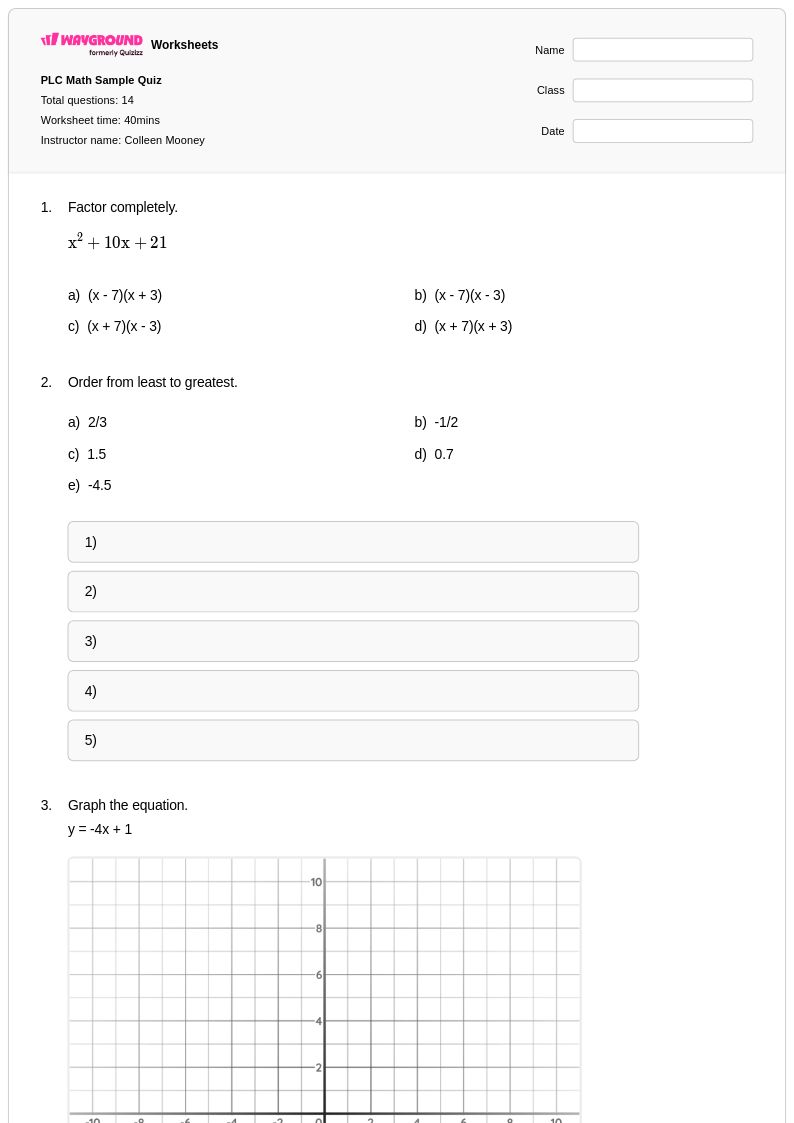
14 Q
9th
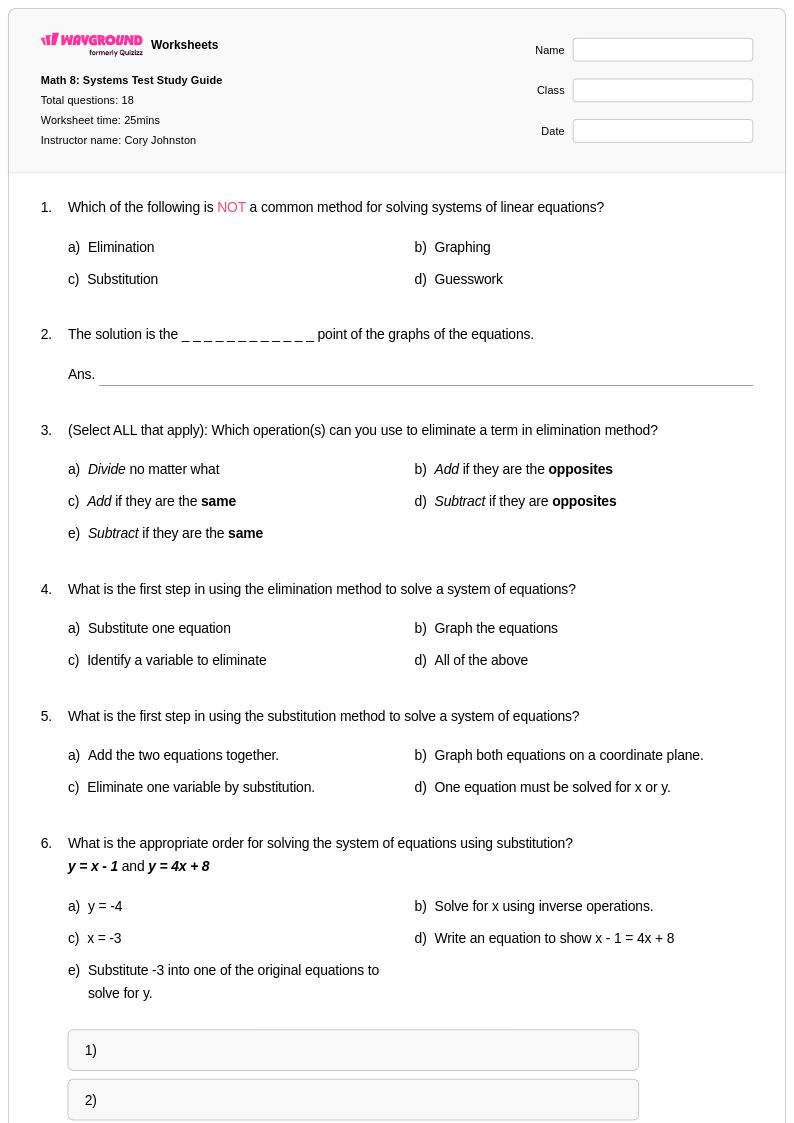
18 Q
8th
120 Q
9th - 10th
20 Q
6th
15 Q
7th

13 Q
5th
19 Q
6th - Uni
16 Q
5th
17 Q
2nd
151 Q
8th
20 Q
8th - Uni
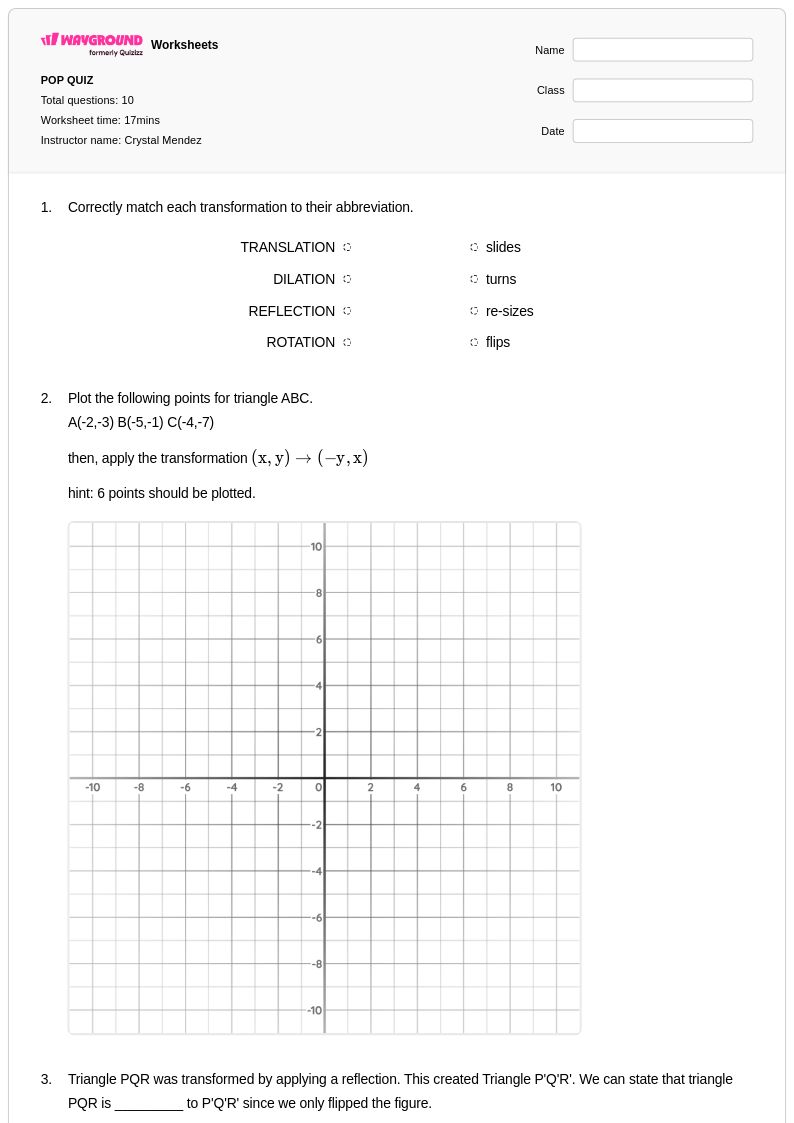
10 Q
10th
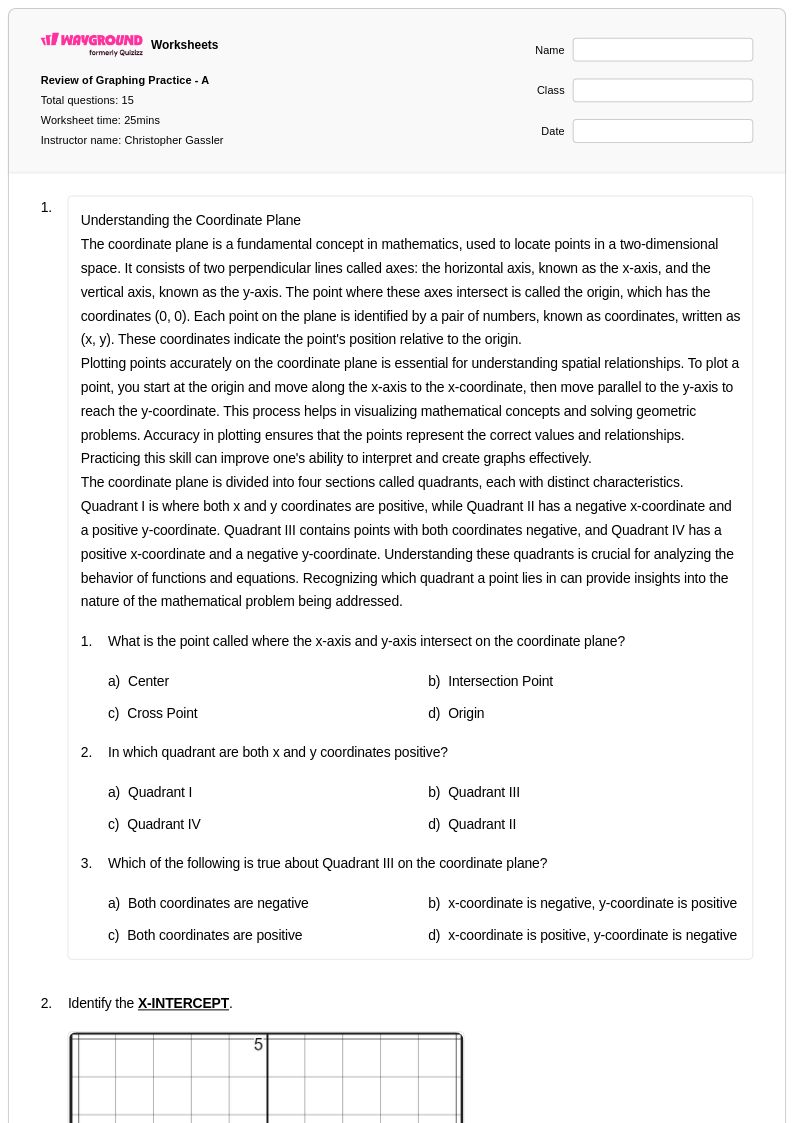
18 Q
9th
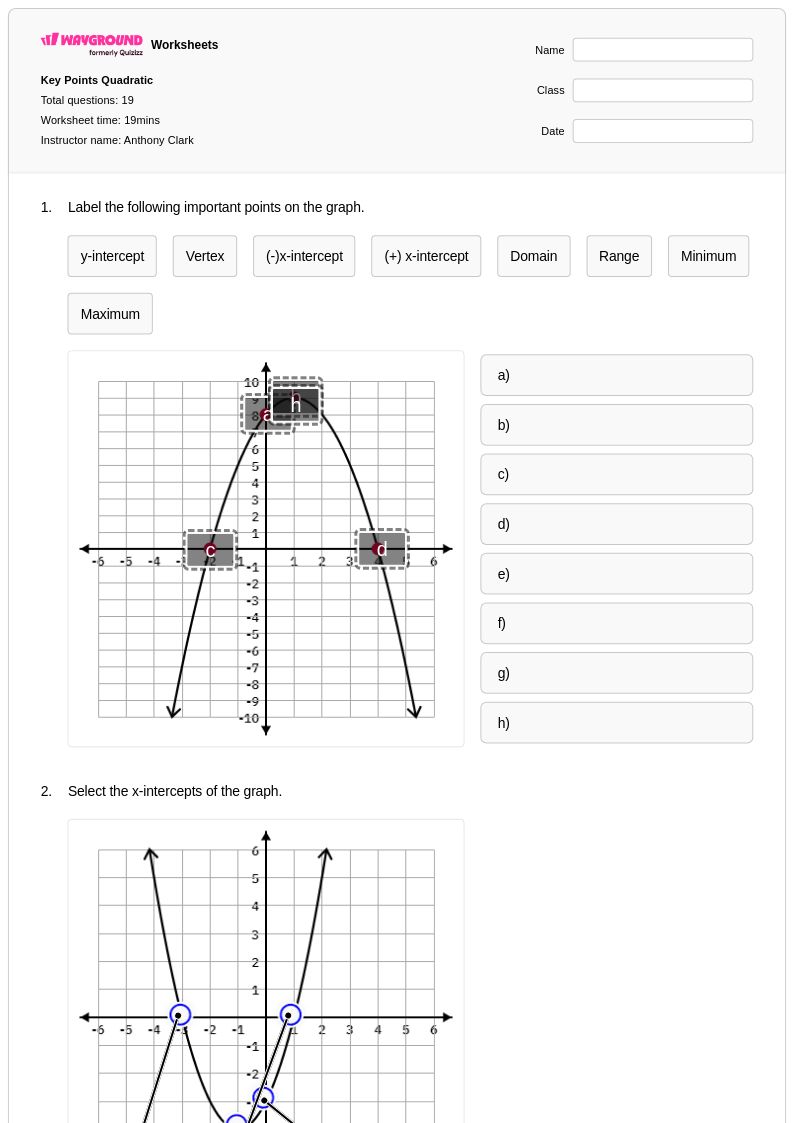
19 Q
9th - Uni
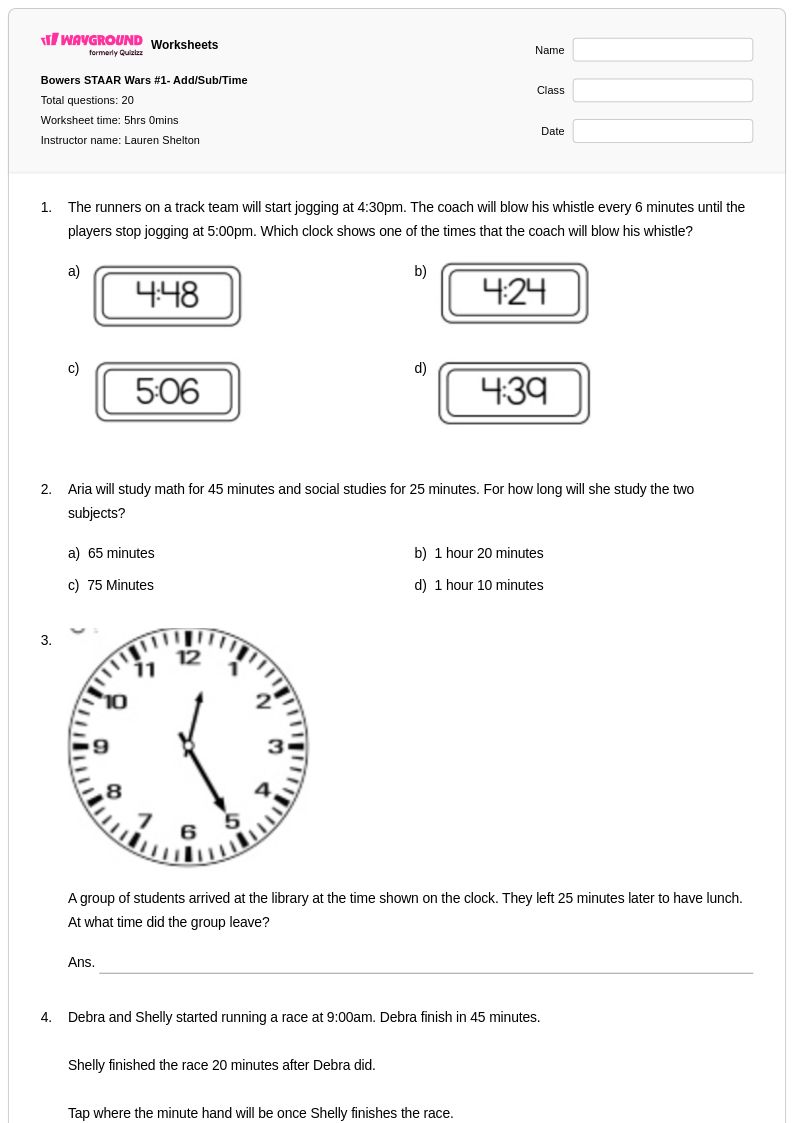
20 Q
3rd
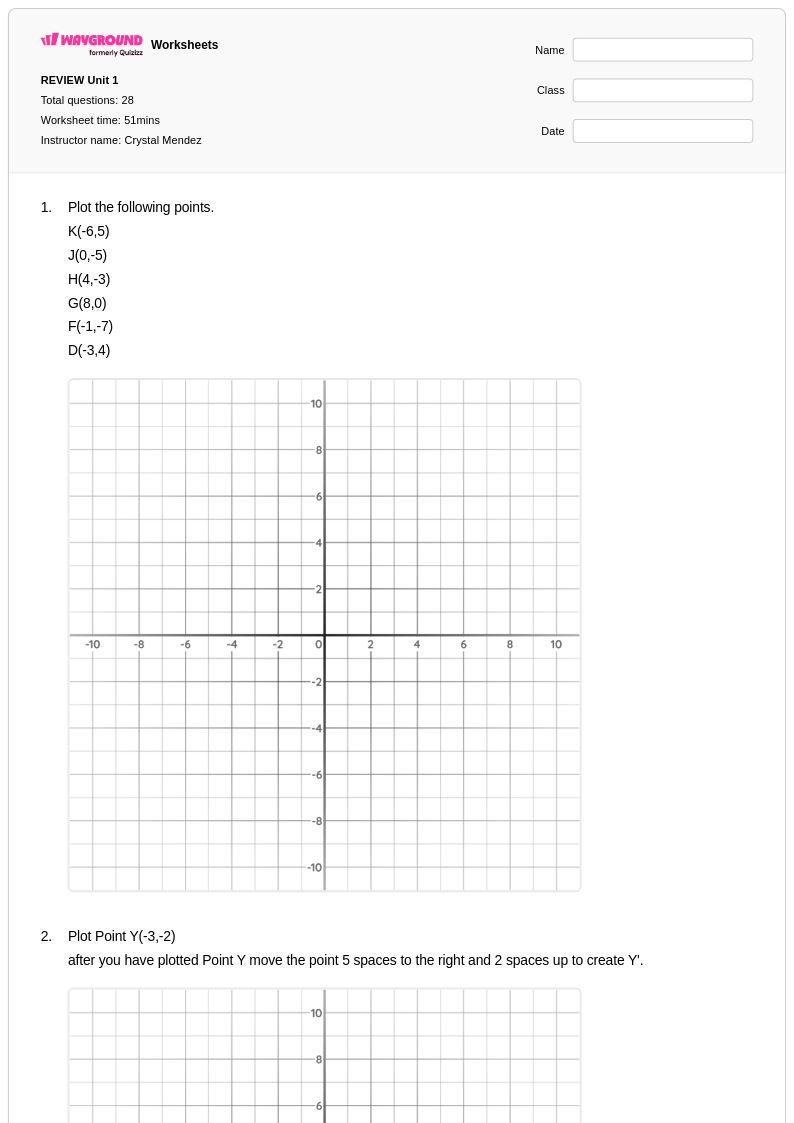
28 Q
10th
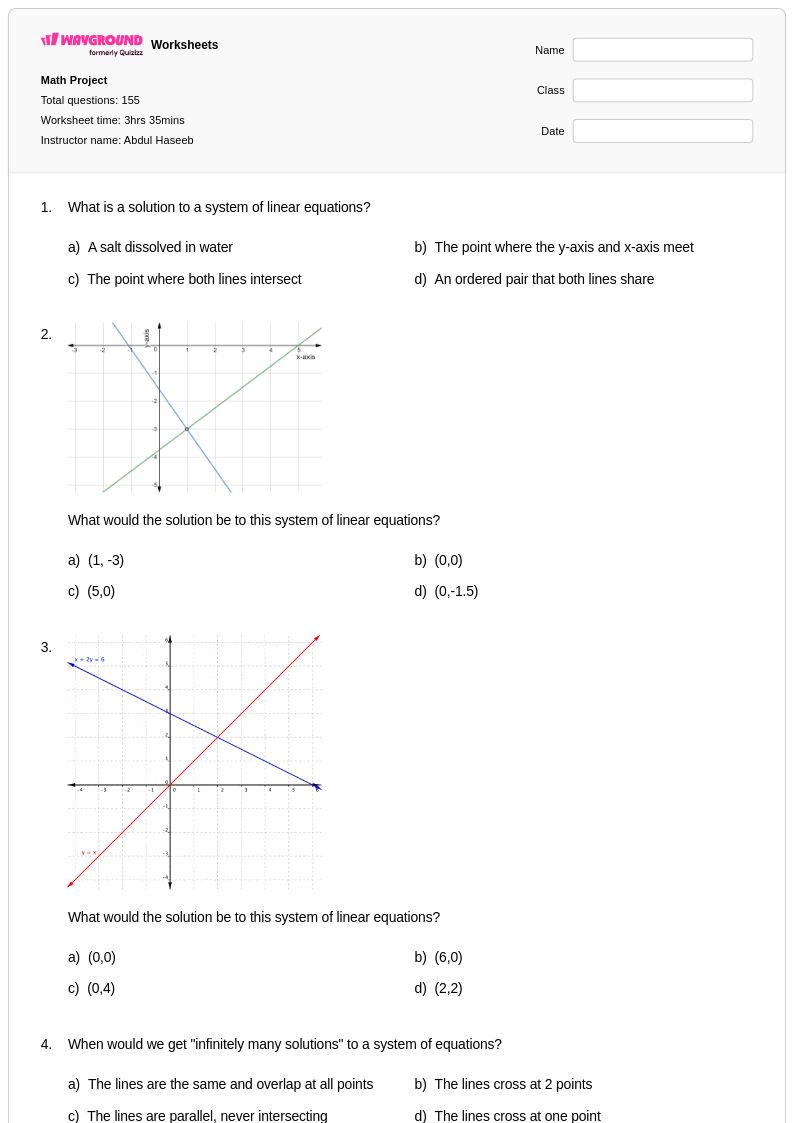
155 Q
7th
Explore Touch Point Math Worksheets by Grades
Explore Other Subject Worksheets for kindergarten
Explore printable Touch Point Math worksheets for Kindergarten
Touch Point Math worksheets for Kindergarten provide young learners with a concrete, visual approach to developing fundamental number sense skills through tactile learning methods. These carefully designed practice problems introduce students to counting strategies where they physically touch dots or marks on numbers to reinforce quantity recognition and basic addition concepts. The worksheets strengthen essential mathematical foundations including number recognition, one-to-one correspondence, and early computational skills by allowing children to use their sense of touch alongside visual cues. Teachers can access comprehensive collections of these printables in convenient pdf format, complete with answer keys that support both independent practice and guided instruction sessions, making these free resources invaluable for building confident mathematical thinking in early learners.
Wayground, formerly Quizizz, empowers educators with millions of teacher-created Touch Point Math resources specifically designed for Kindergarten instruction, featuring robust search and filtering capabilities that allow quick identification of materials aligned with specific learning objectives and educational standards. The platform's differentiation tools enable teachers to customize worksheets based on individual student needs, while flexible formatting options provide both printable pdf versions for traditional classroom use and digital alternatives for technology-integrated learning environments. These comprehensive collections support effective lesson planning by offering varied approaches to skill practice, targeted remediation for struggling learners, and enrichment opportunities for advanced students, ensuring that every Kindergarten student can access developmentally appropriate Touch Point Math instruction that builds lasting number sense competencies.