
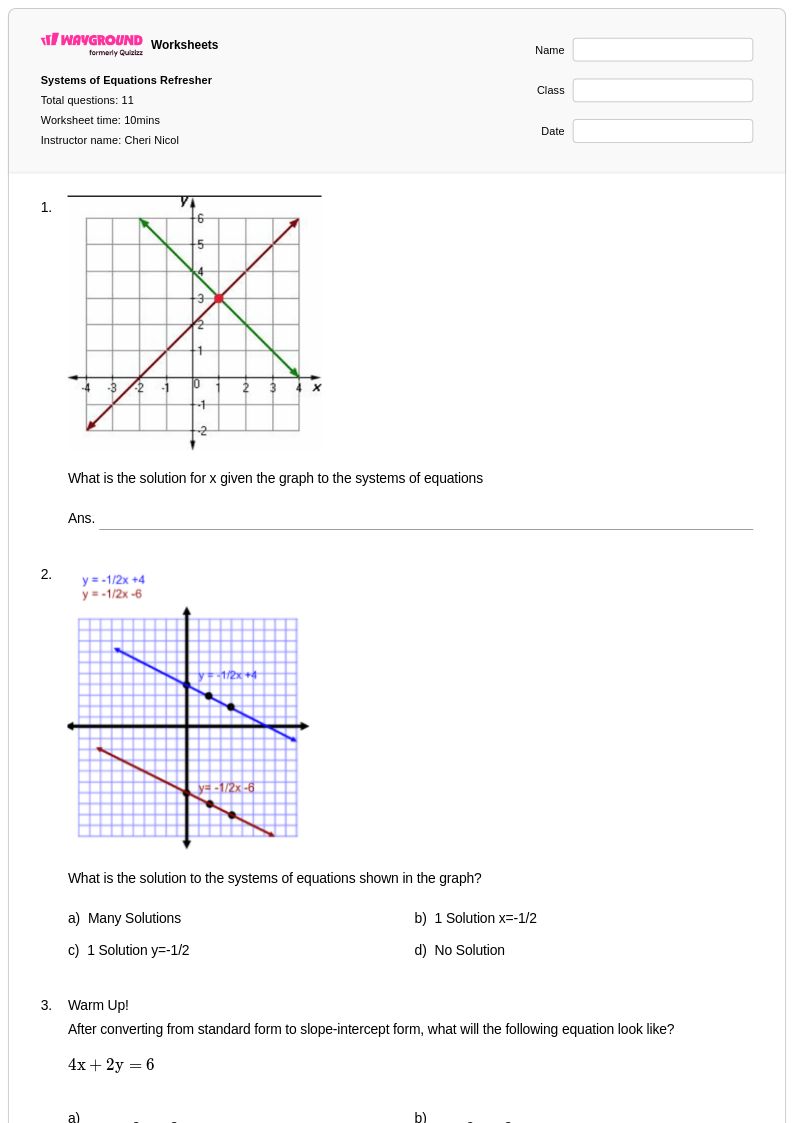
11 Q
8th
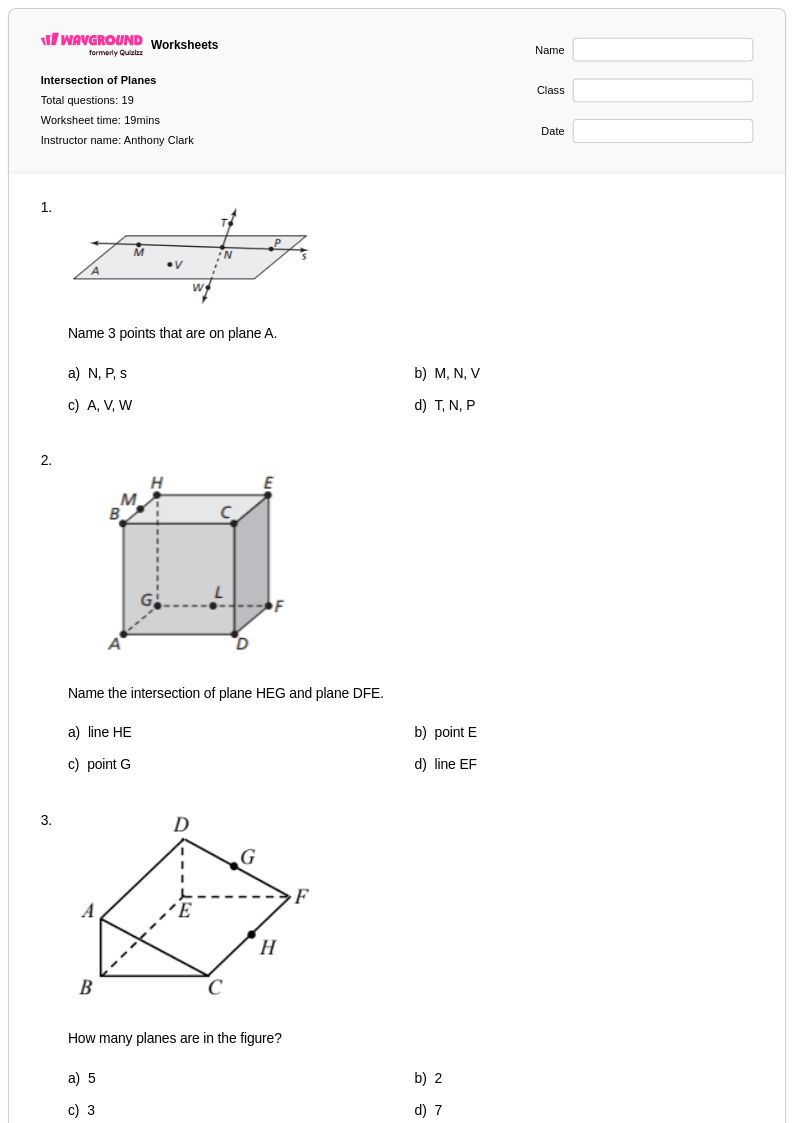
19 Q
10th - Uni
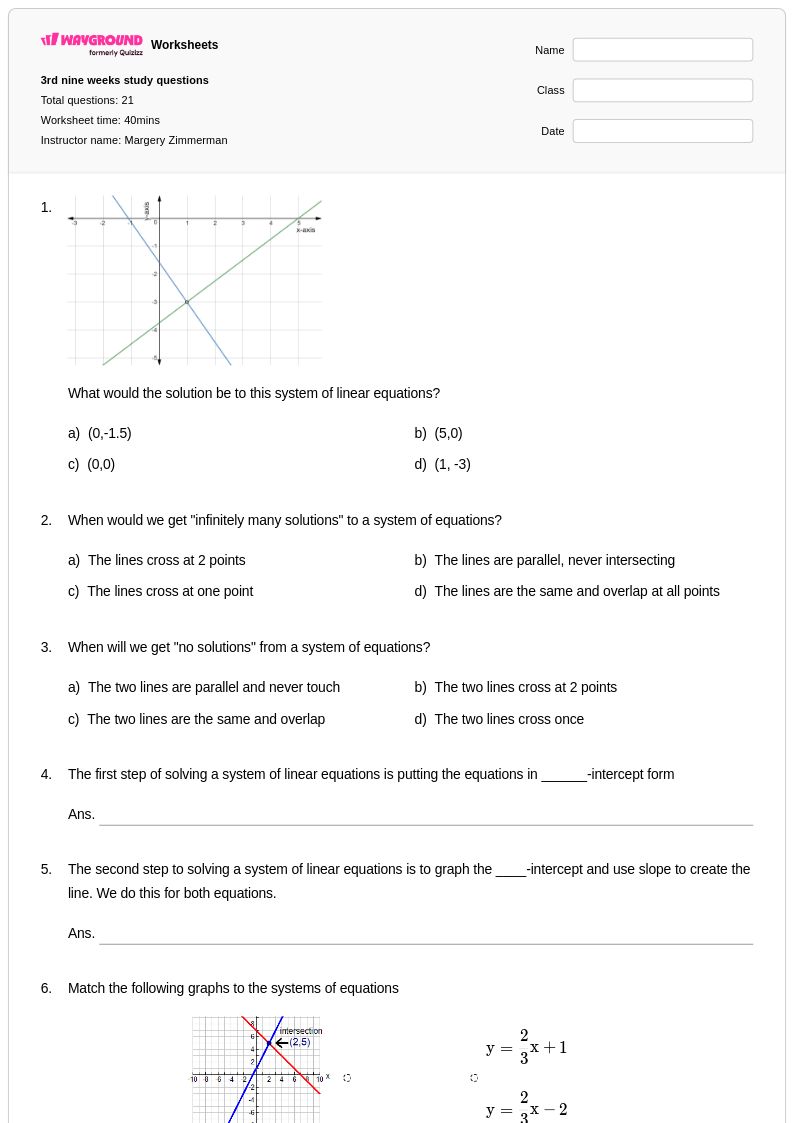
21 Q
8th
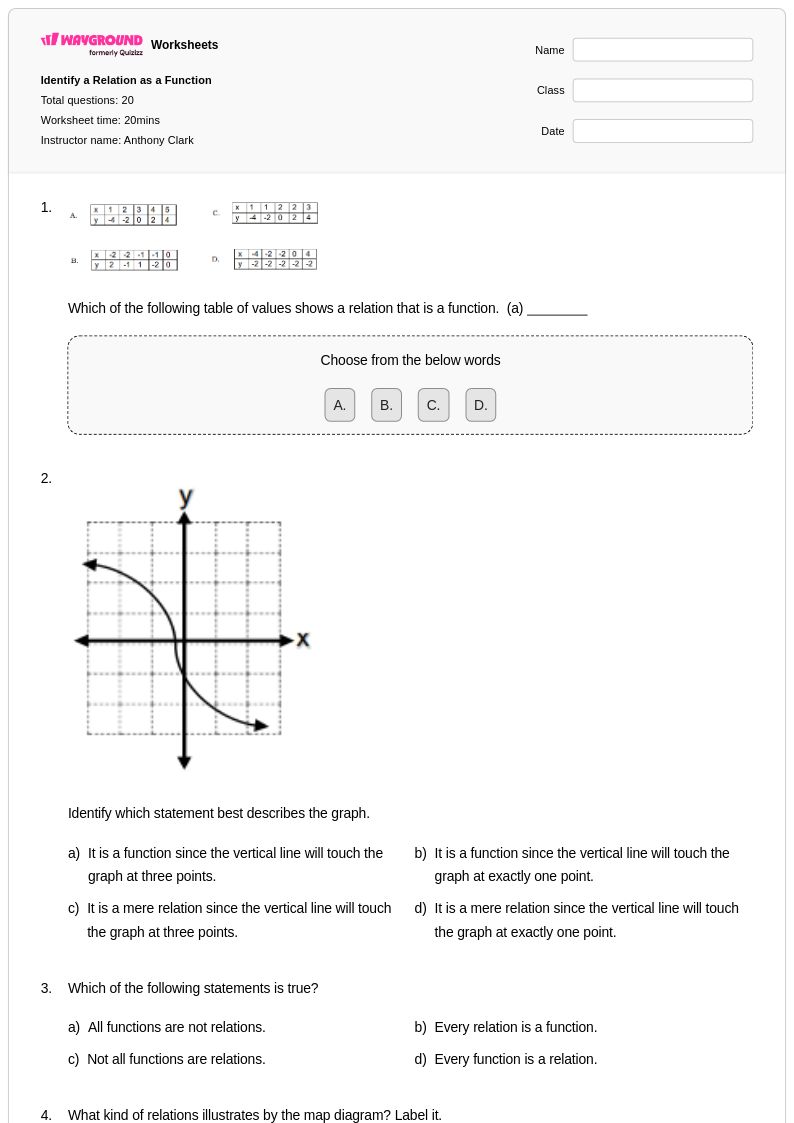
20 Q
8th - Uni
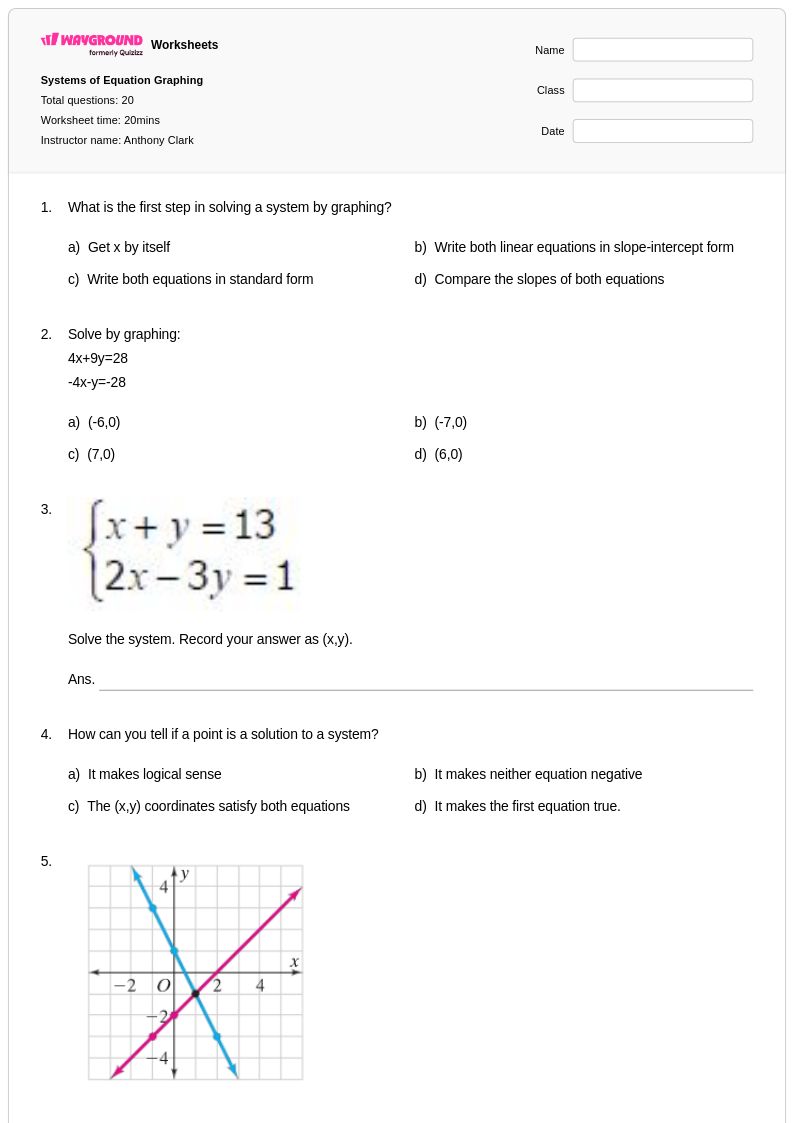
20 Q
9th - Uni
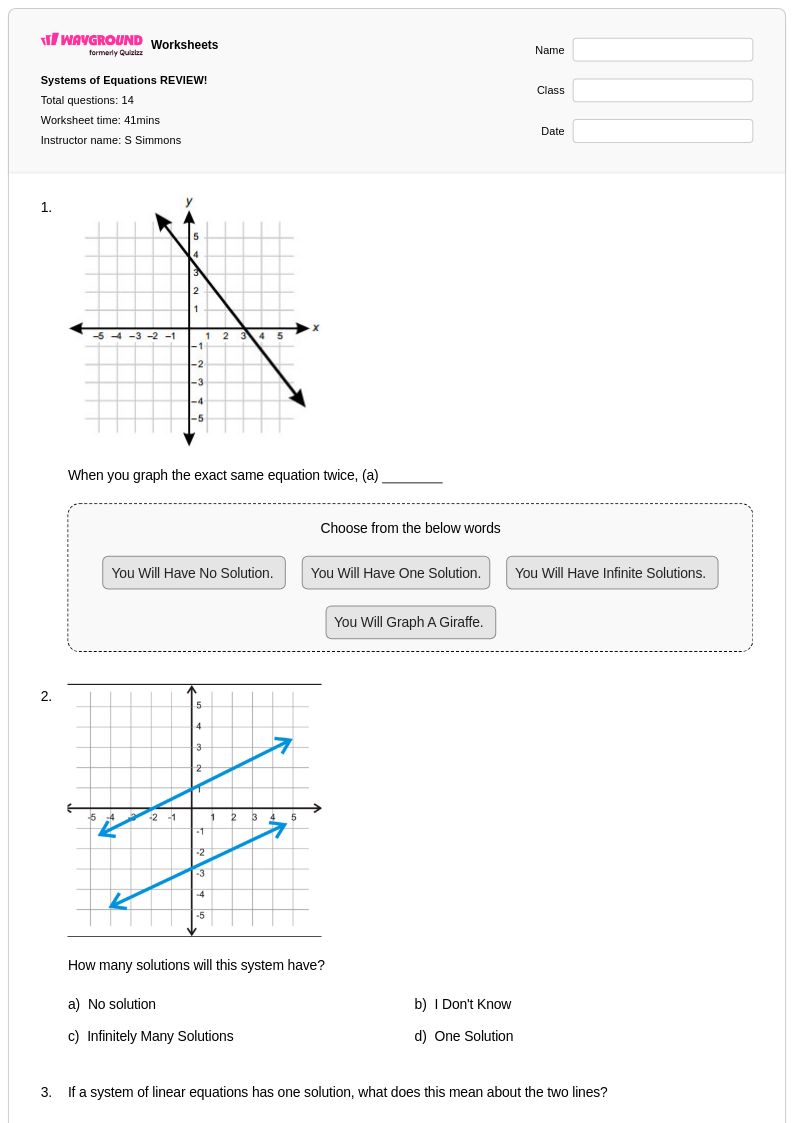
14 Q
8th
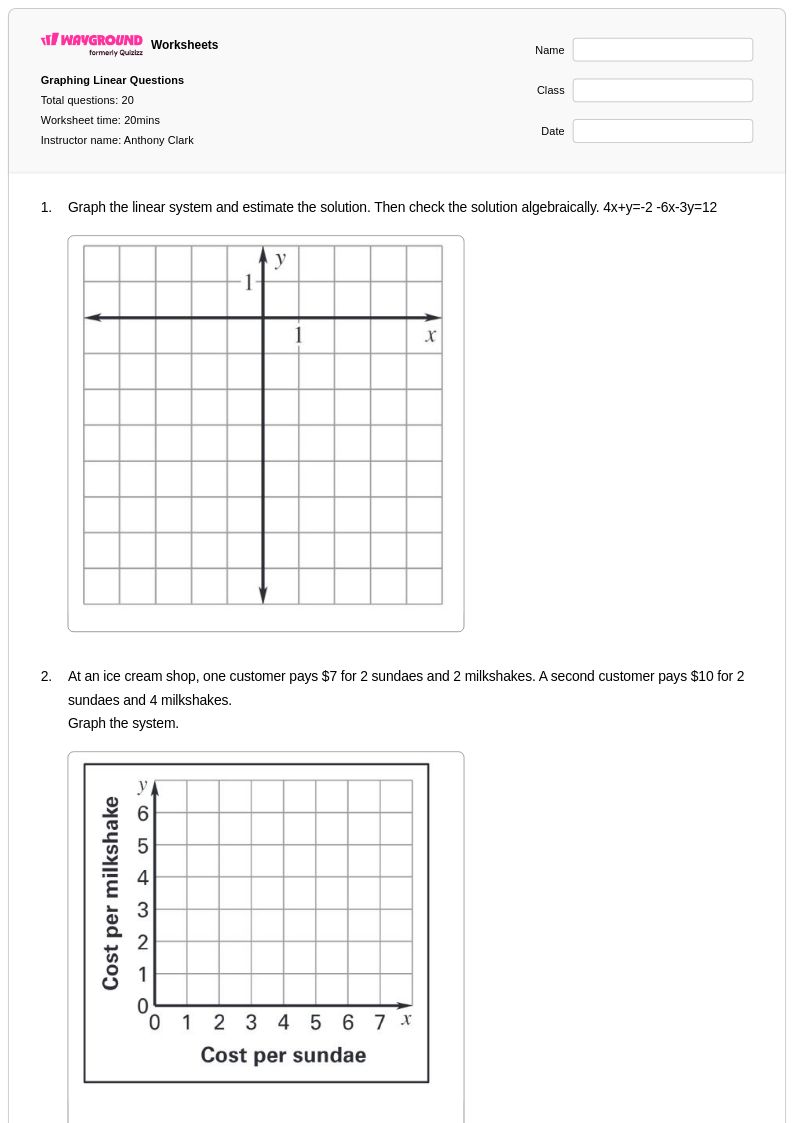
20 Q
9th - Uni
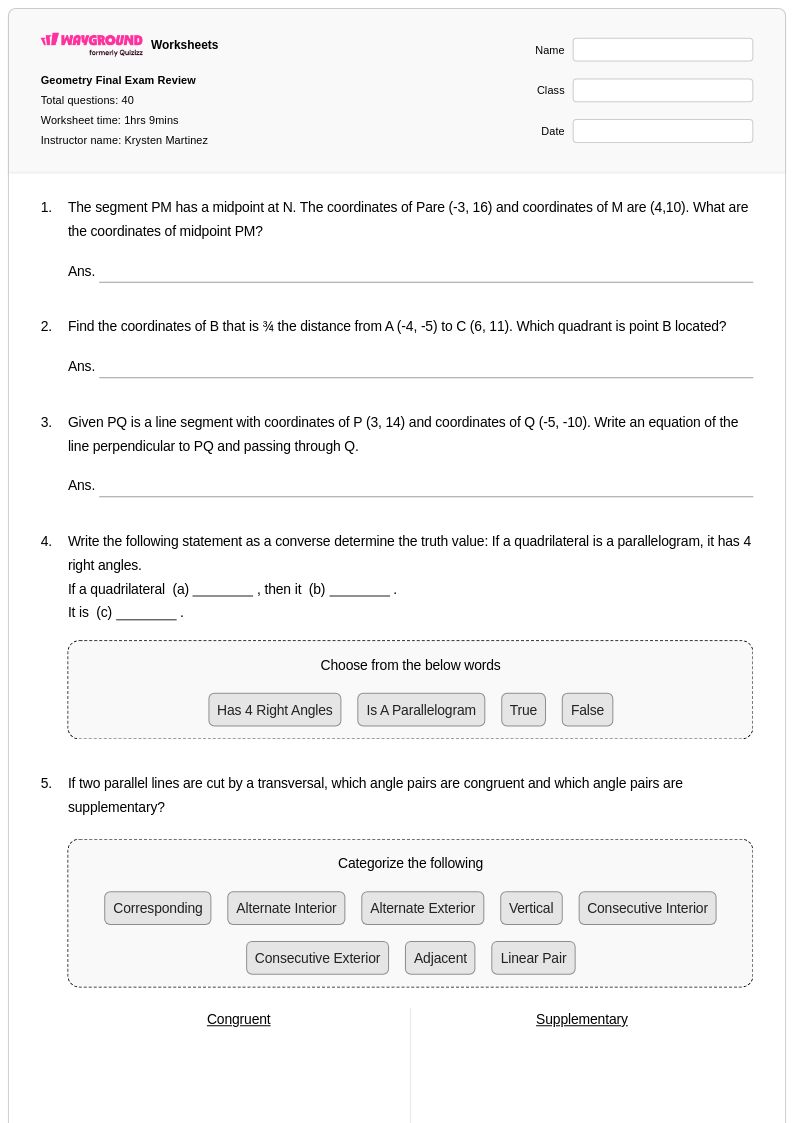
40 Q
10th
20 Q
10th - Uni
10 Q
10th - 12th
21 Q
6th
14 Q
6th - Uni
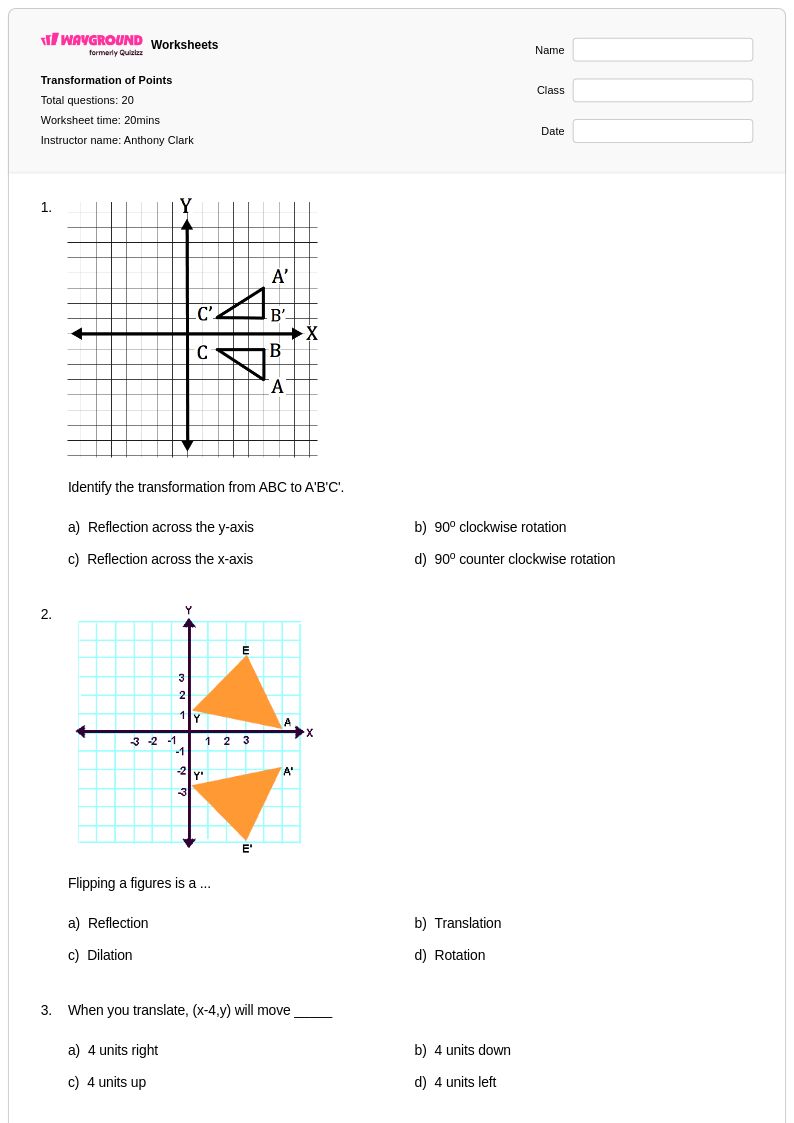
20 Q
8th - Uni
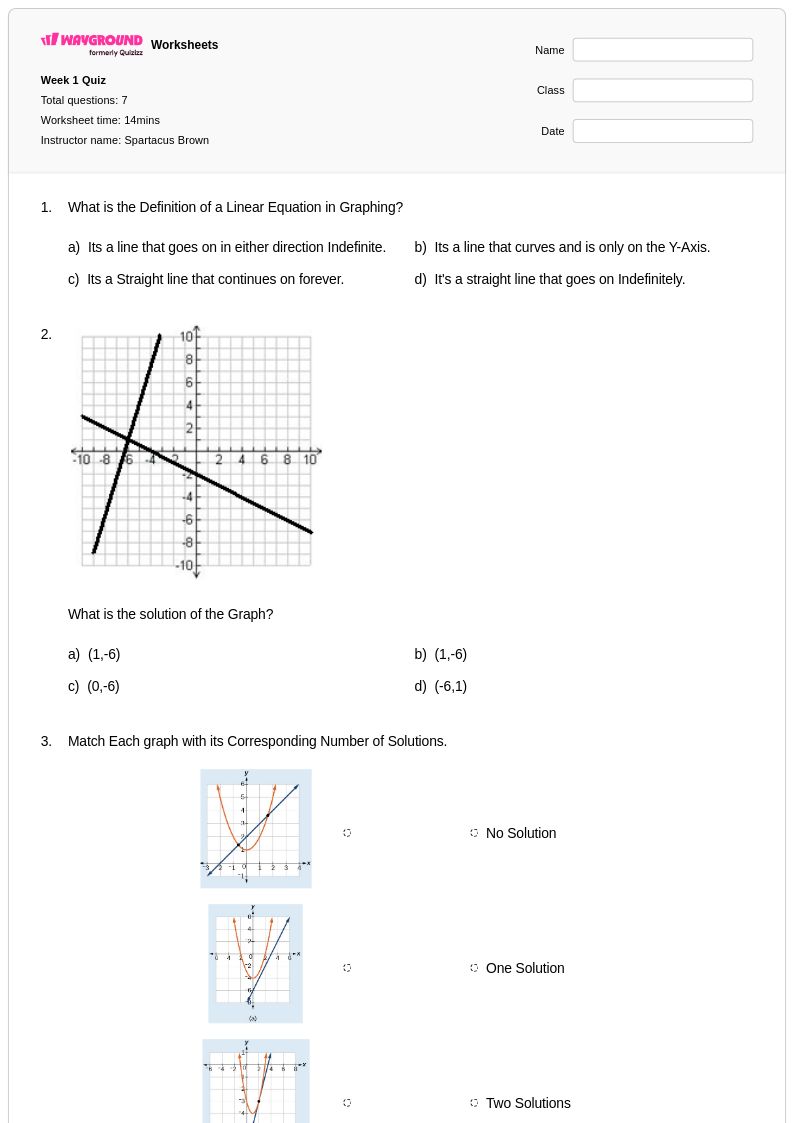
7 Q
11th
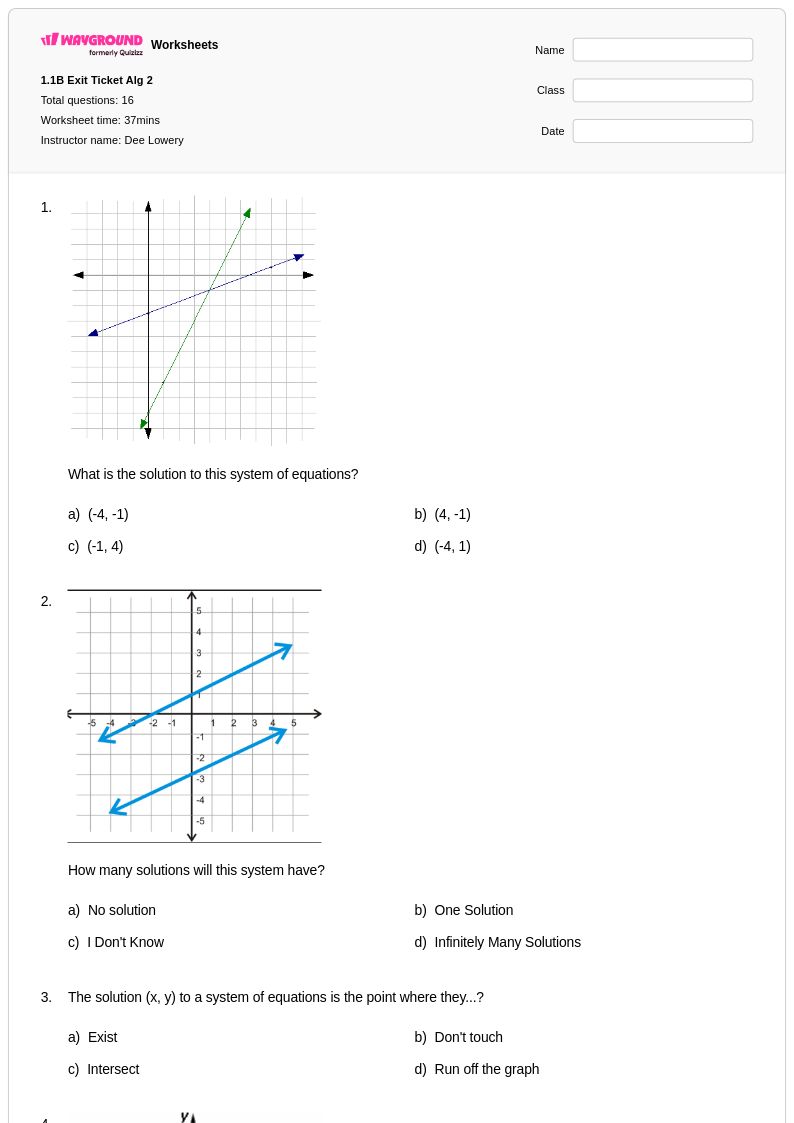
16 Q
10th
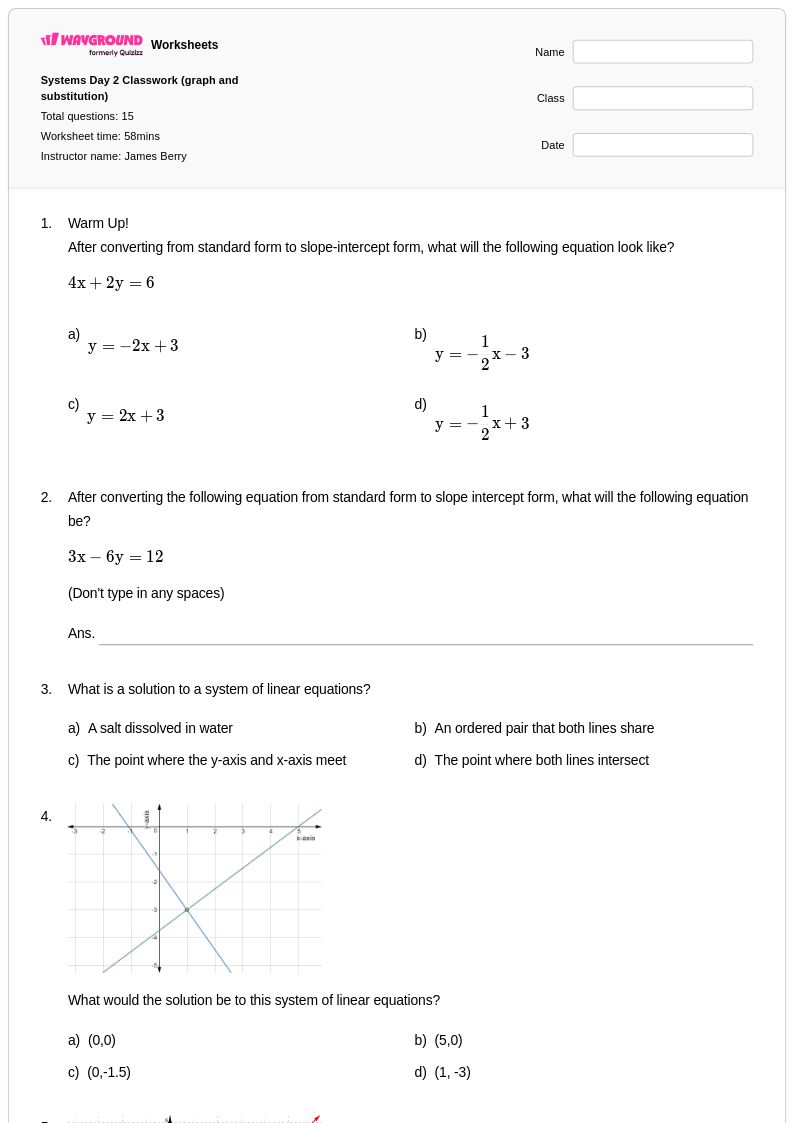
15 Q
9th
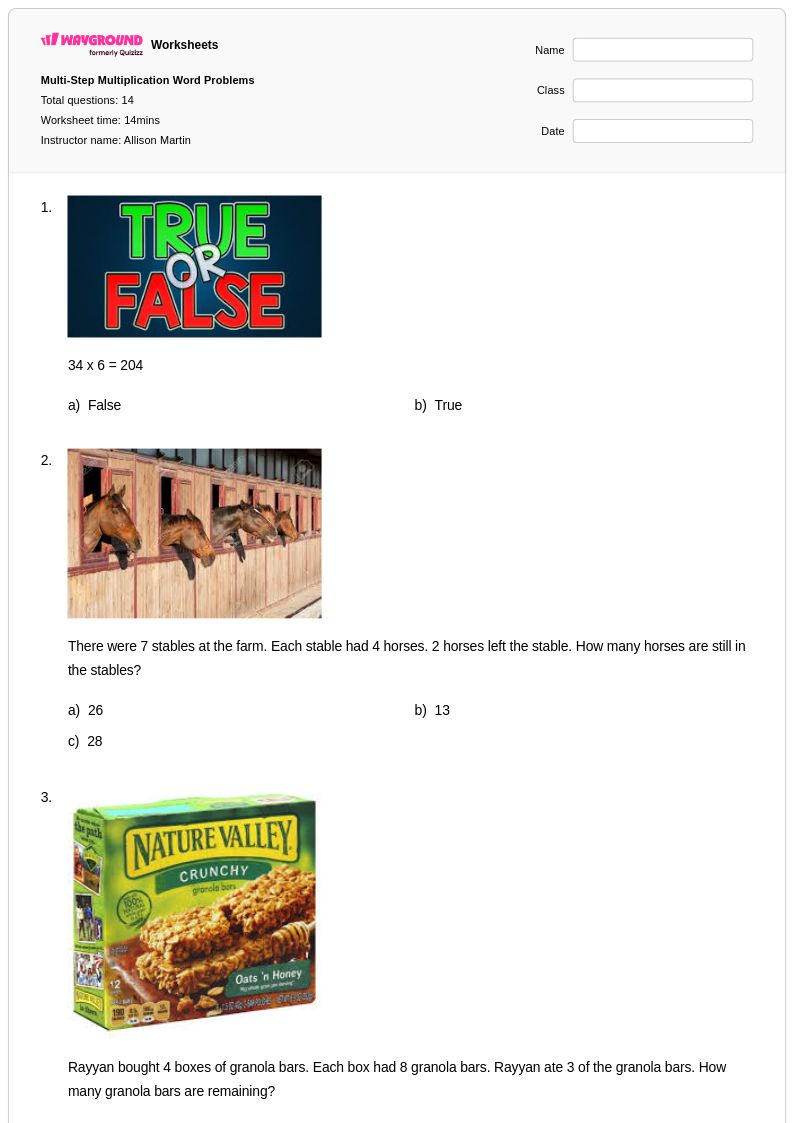
14 Q
4th
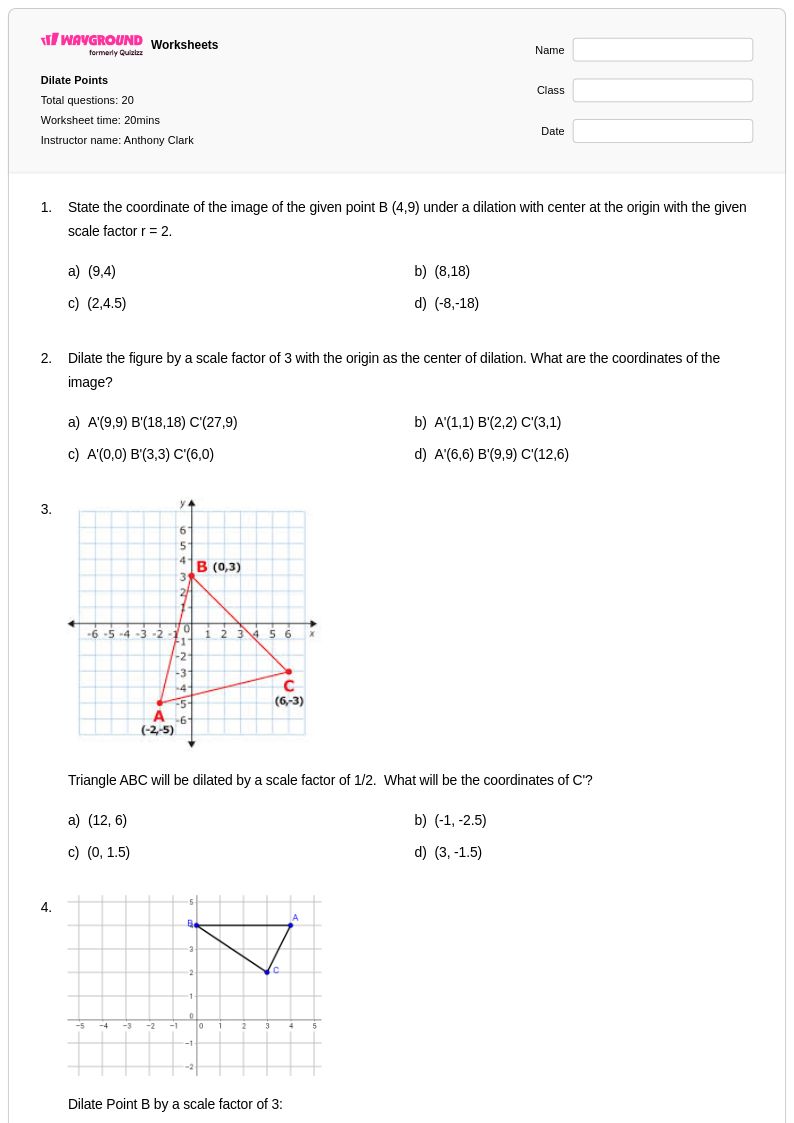
20 Q
10th - Uni
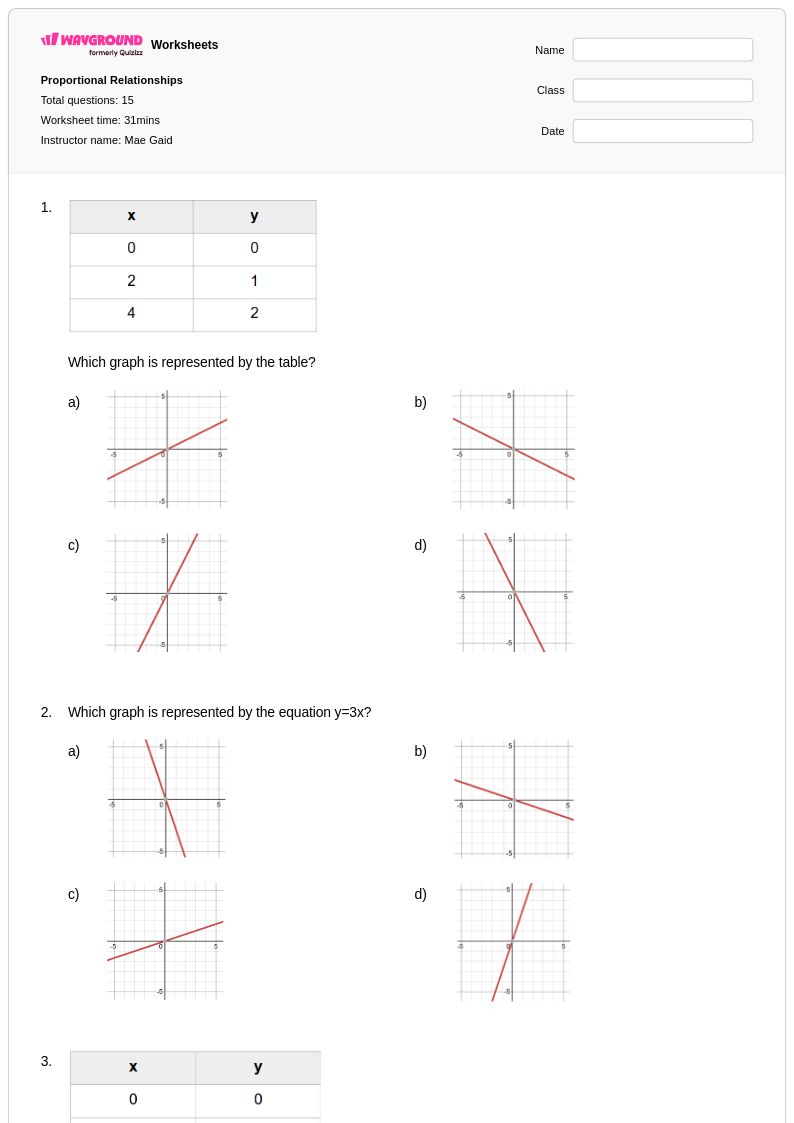
15 Q
7th
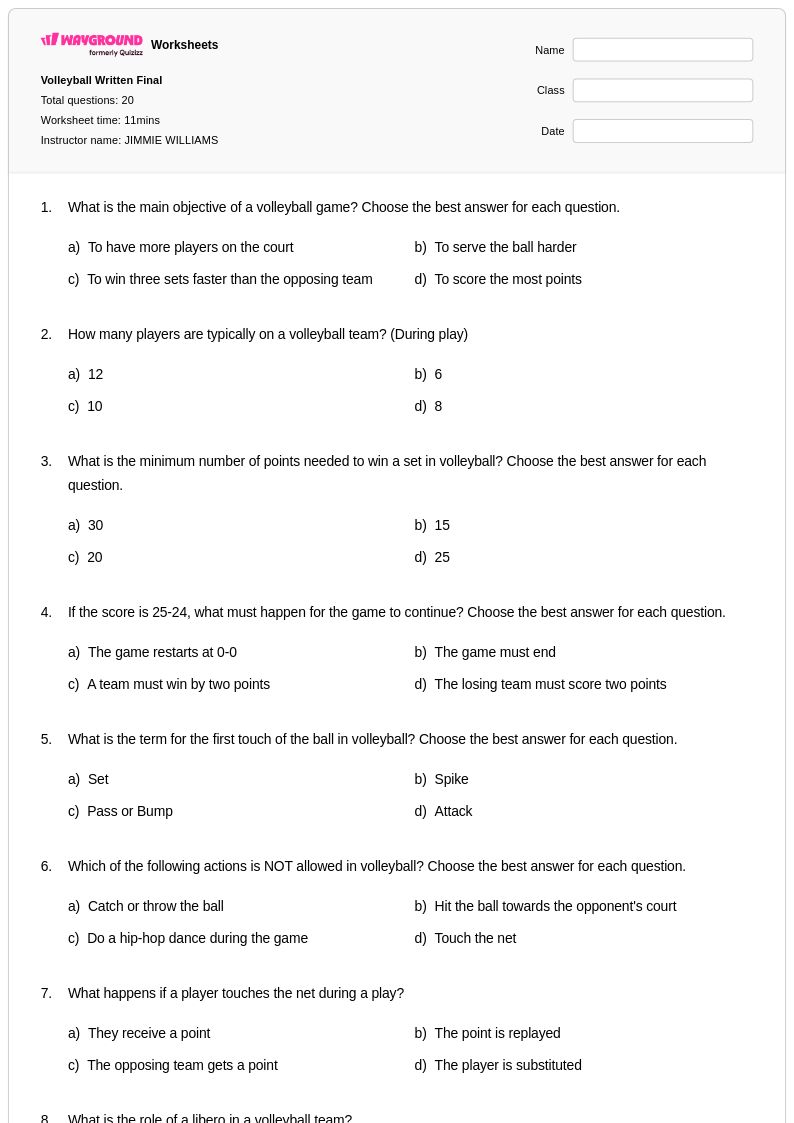
20 Q
6th - 8th
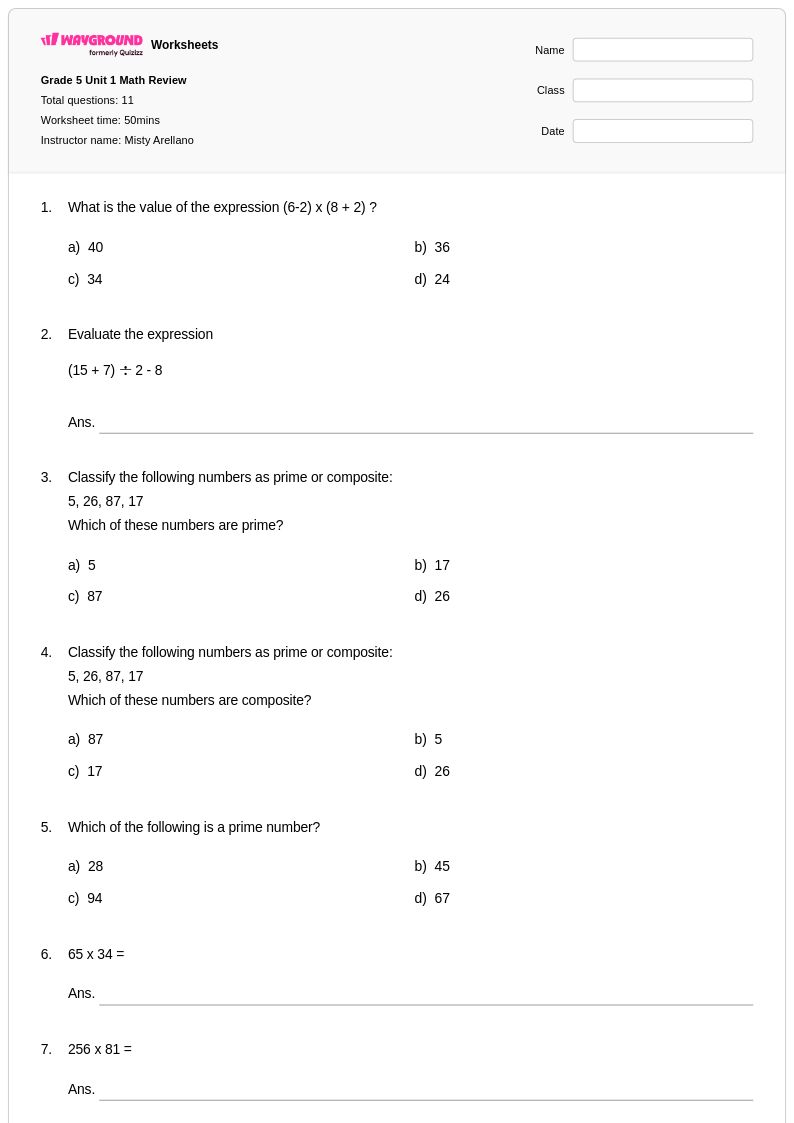
11 Q
5th
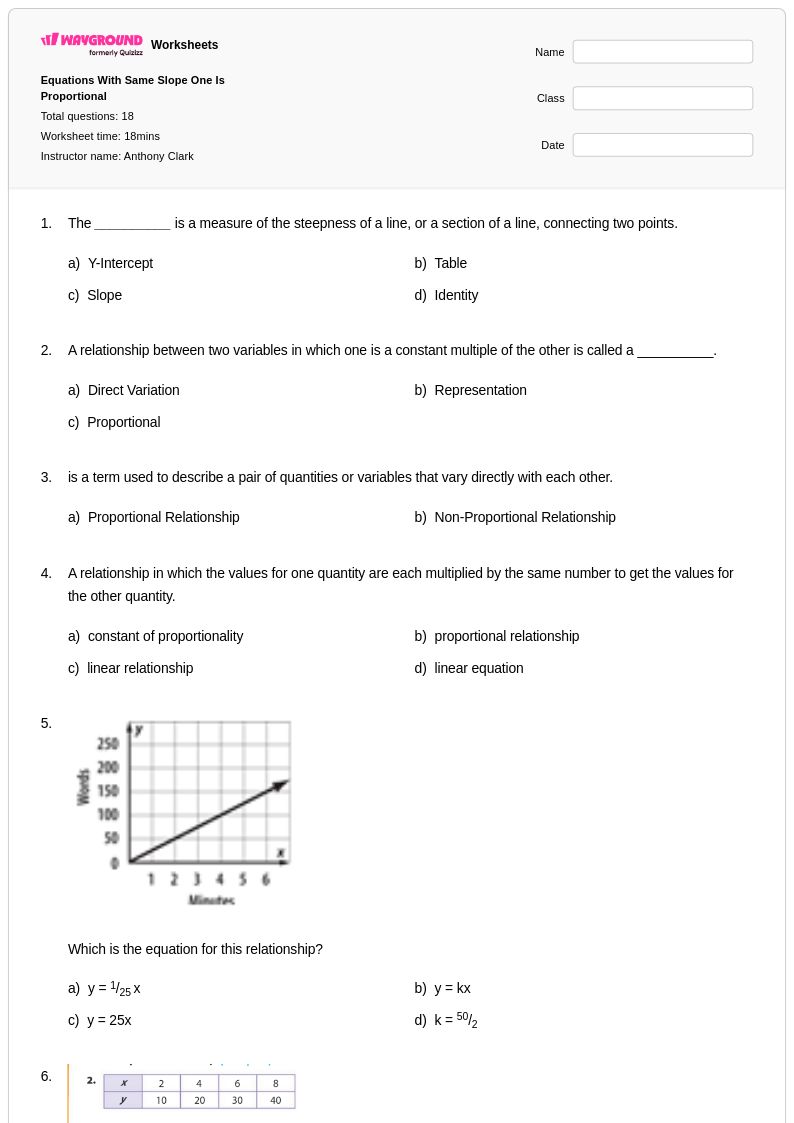
18 Q
8th - Uni
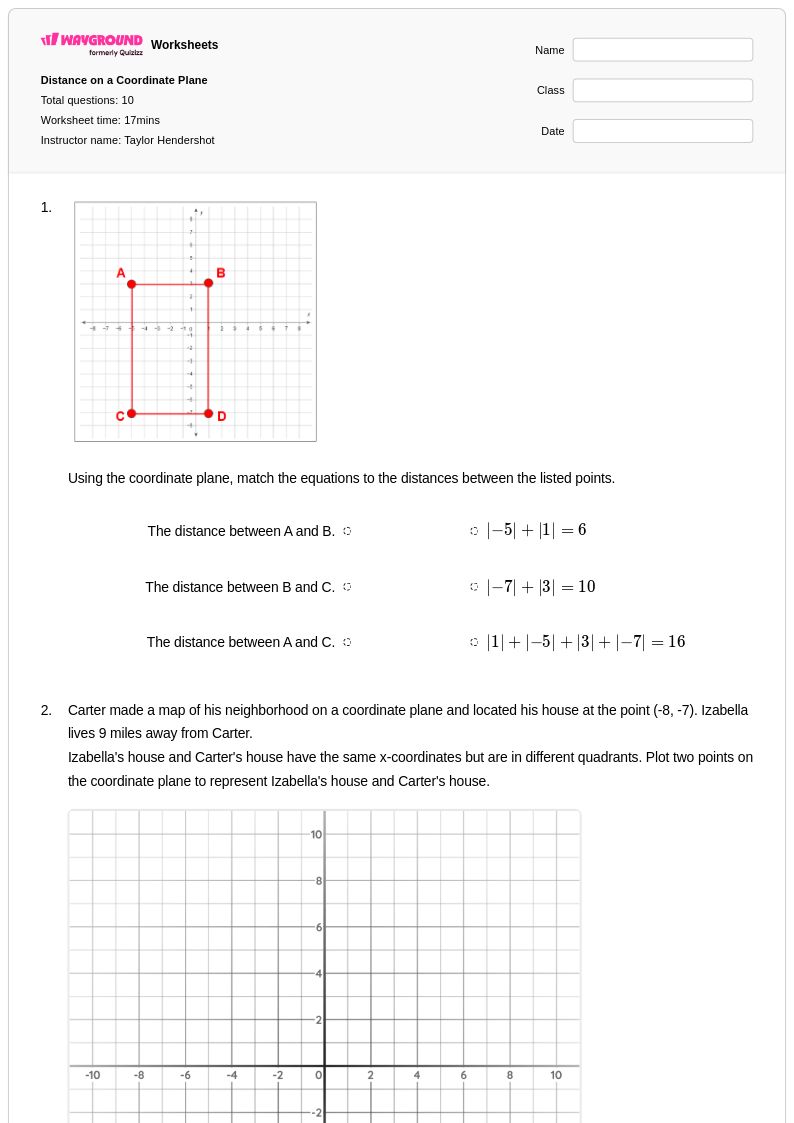
10 Q
6th
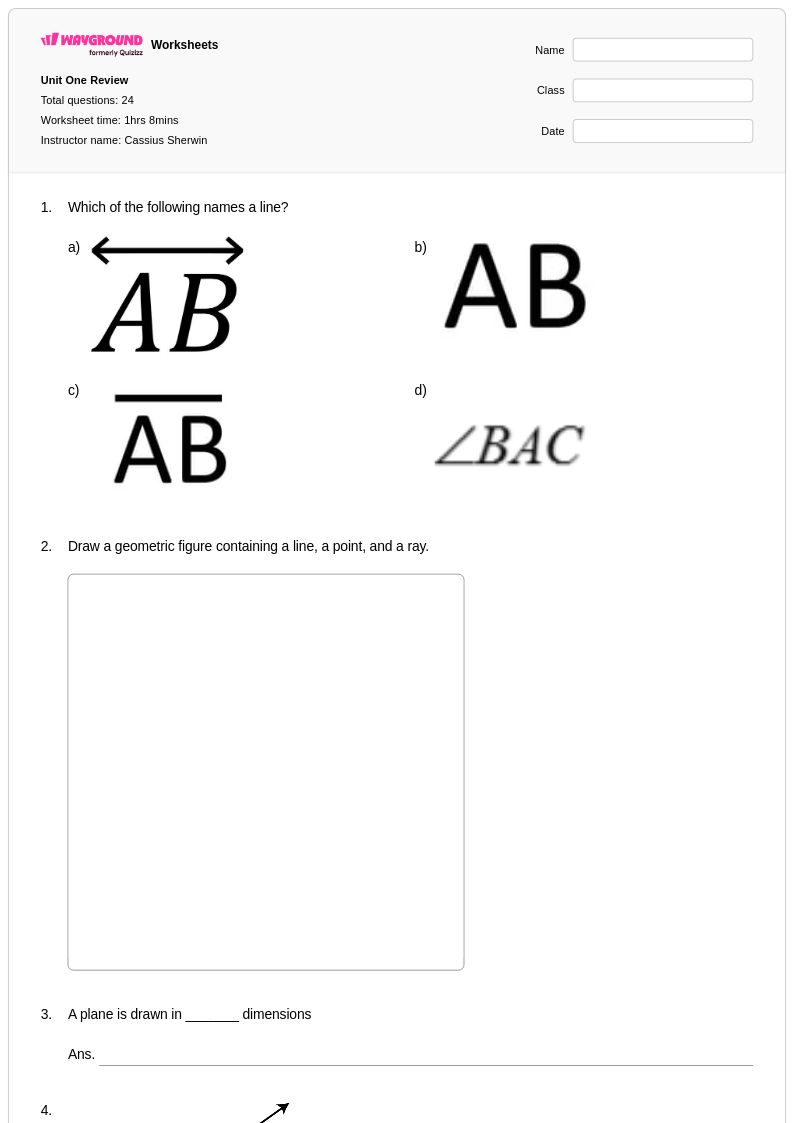
24 Q
10th
Explore Worksheets by Grade
Explore Worksheets by Subjects
Explore printable Touch Points worksheets
Touch Points worksheets available through Wayground (formerly Quizizz) provide students with a multisensory approach to developing fundamental counting and basic addition skills. This proven instructional strategy assigns specific finger positions or physical markers to numbers 1 through 9, enabling learners to visualize and physically connect with mathematical concepts through tactile engagement. These comprehensive practice problems strengthen number recognition, counting fluency, and early computation abilities by encouraging students to use designated touch points on numerals as counting aids. The collection includes free printables with complete answer keys in convenient pdf format, making it easy for educators to implement this kinesthetic learning method that particularly benefits visual and tactile learners who need concrete representations to master abstract number concepts.
Wayground (formerly Quizizz) empowers teachers with an extensive library of millions of educator-created Touch Points resources that can be seamlessly integrated into mathematics instruction. The platform's robust search and filtering capabilities allow teachers to quickly locate worksheets aligned with specific learning standards and differentiated for various skill levels, from introductory number recognition through more advanced single-digit addition practice. Teachers can customize these materials to meet individual student needs, whether for targeted remediation, skill reinforcement, or enrichment activities, with resources available in both printable pdf format for traditional classroom use and digital formats for interactive learning experiences. This flexibility supports comprehensive lesson planning by providing educators with ready-to-use materials that can be adapted for whole-group instruction, small-group intervention, or independent practice sessions.