Free Printable Anatomy Labeling Worksheets for Class 10
Class 10 anatomy labeling worksheets from Wayground help students master biological structures through interactive printables, practice problems, and comprehensive answer keys for effective learning.
Explore printable Anatomy Labeling worksheets for Class 10
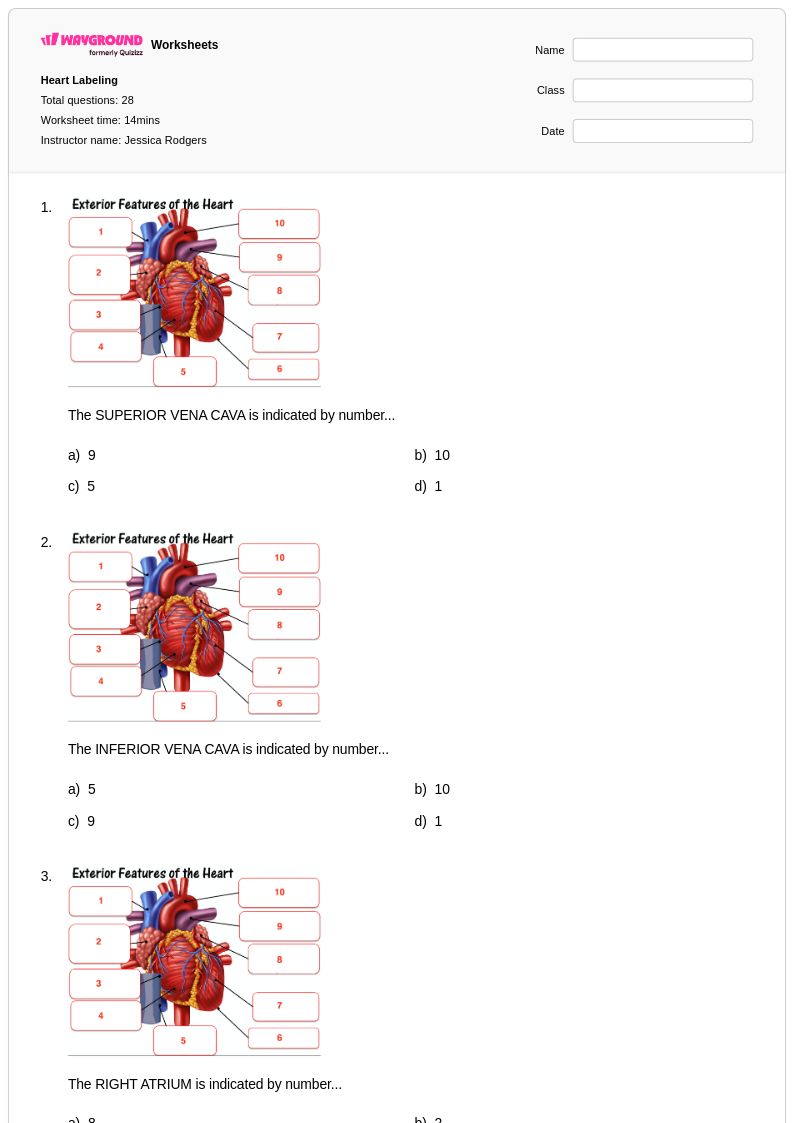
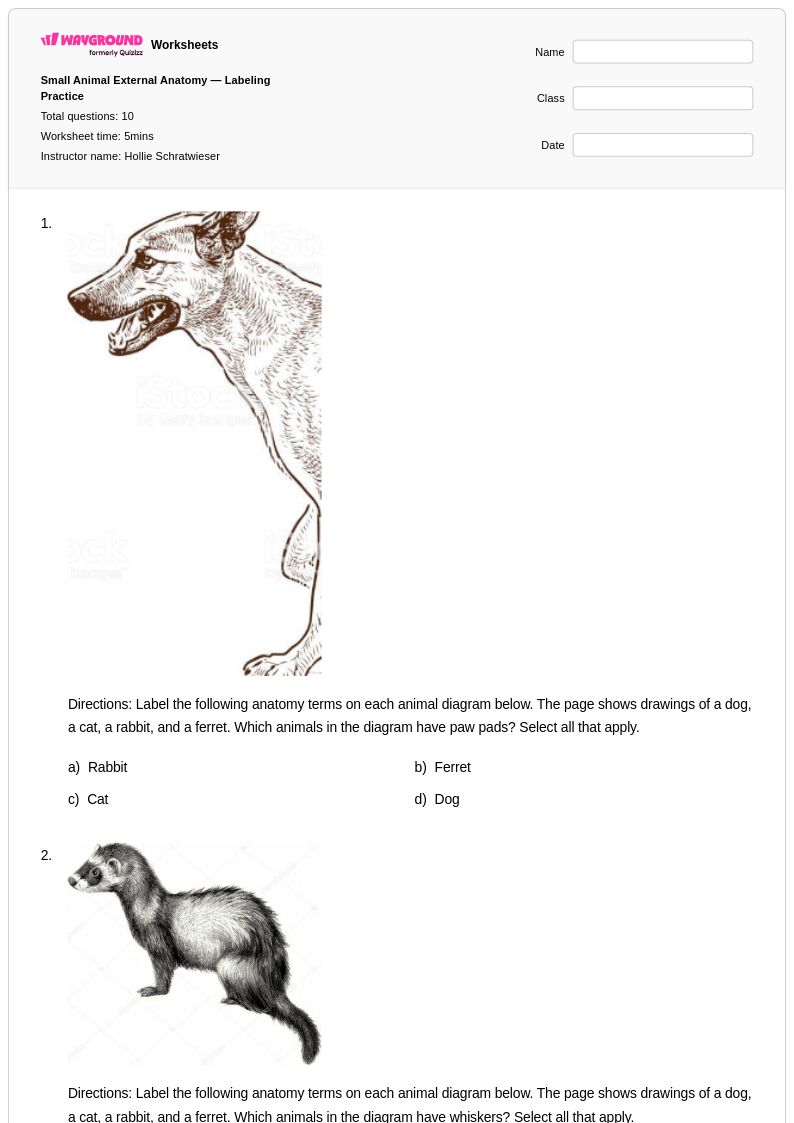
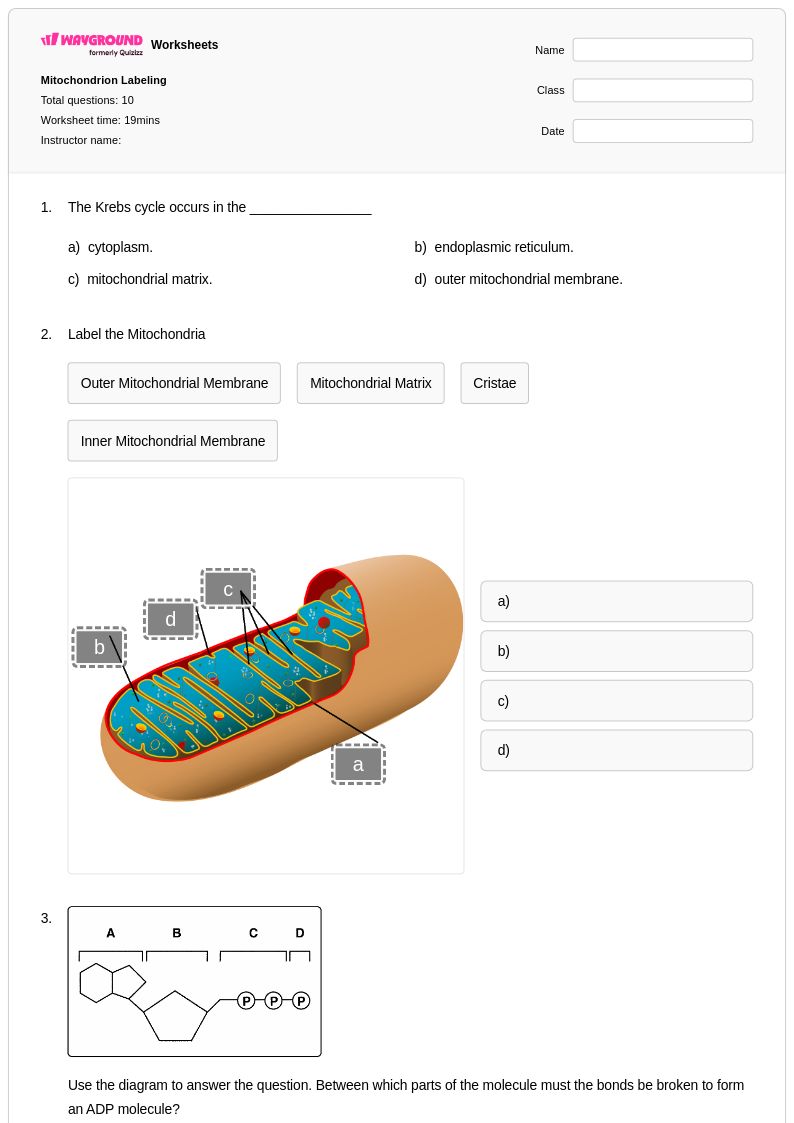
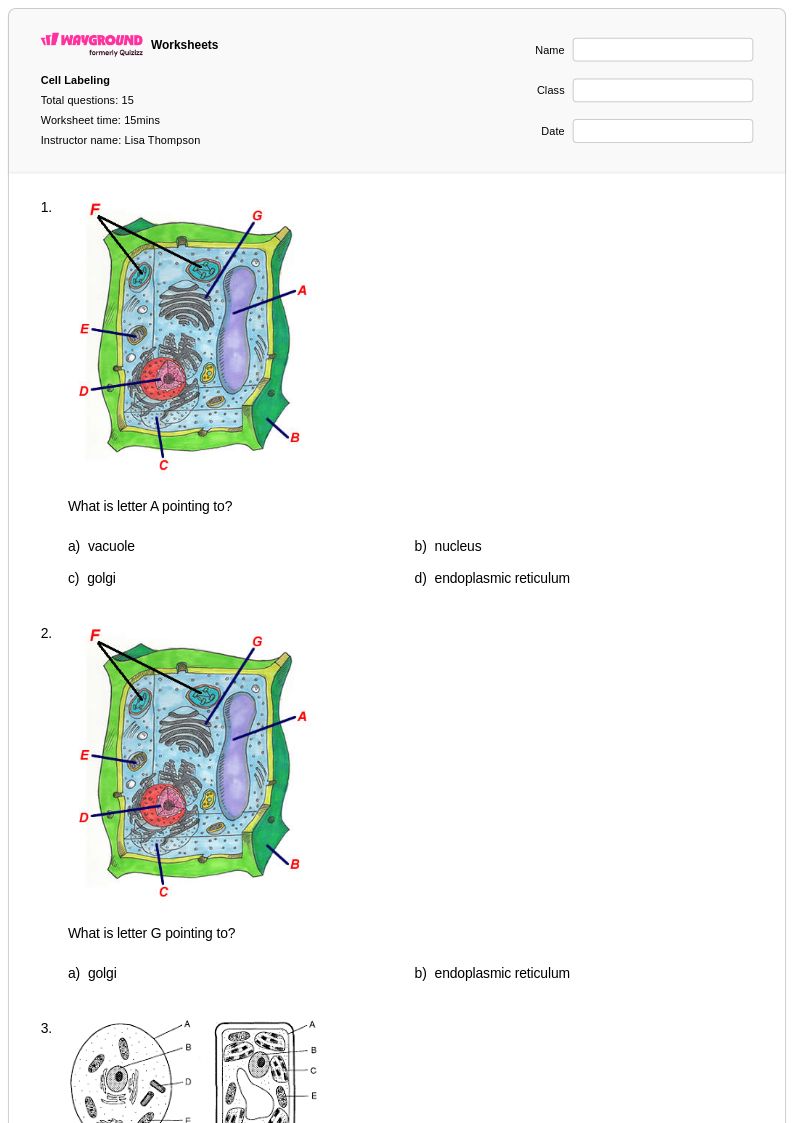
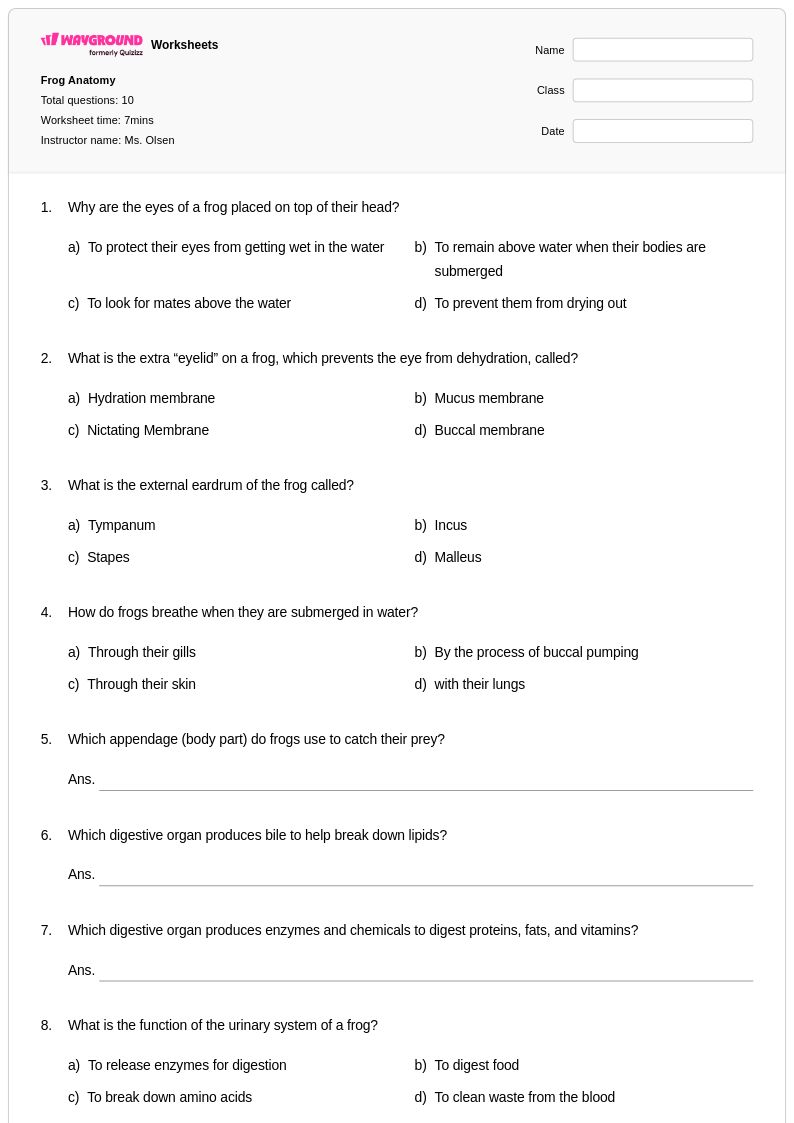
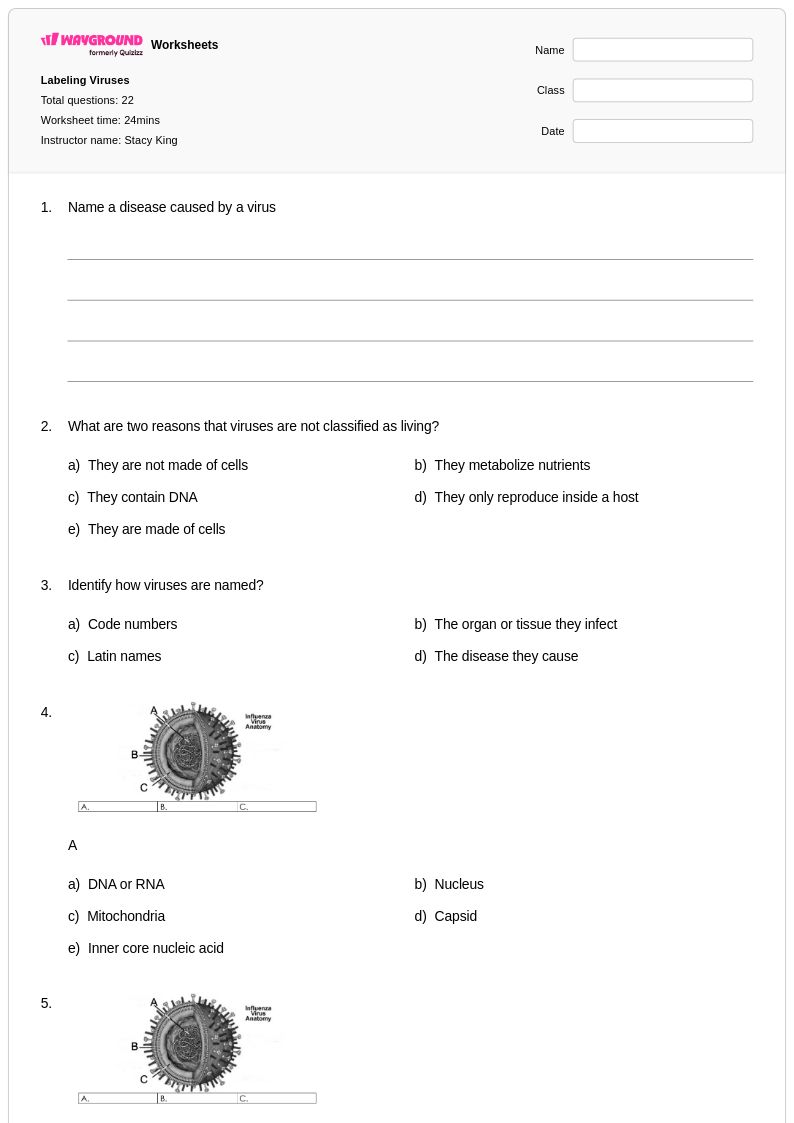
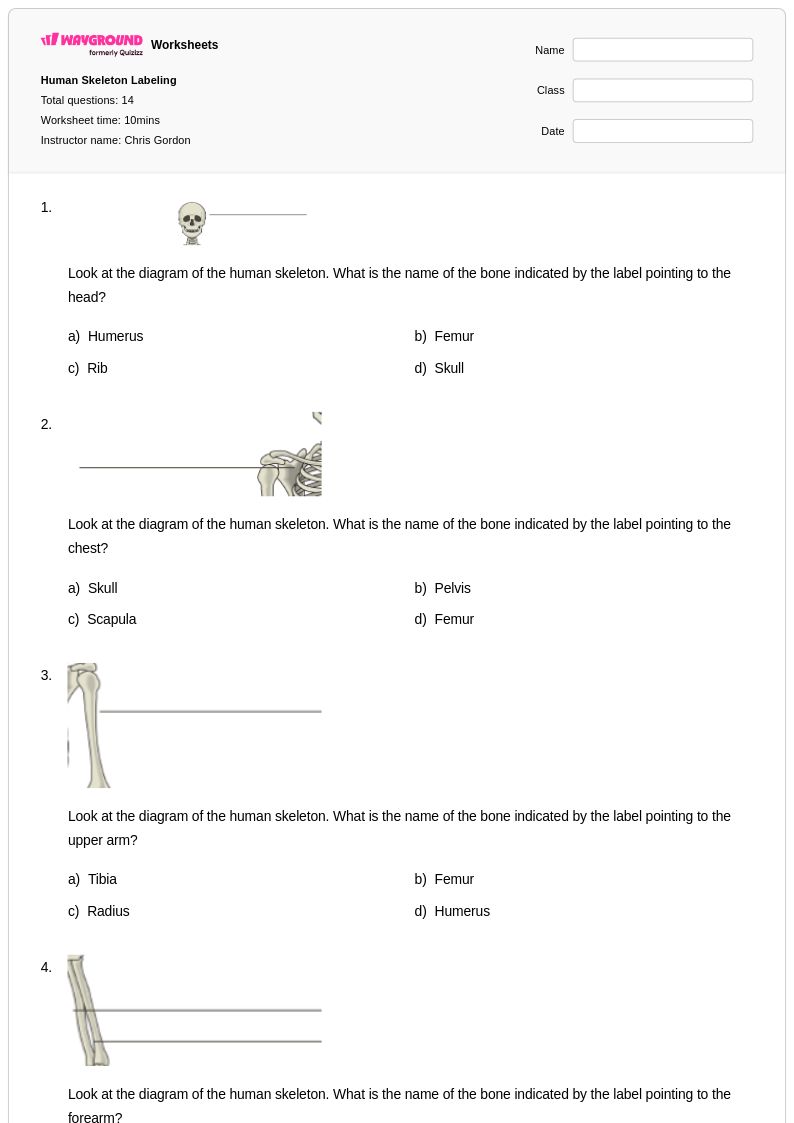
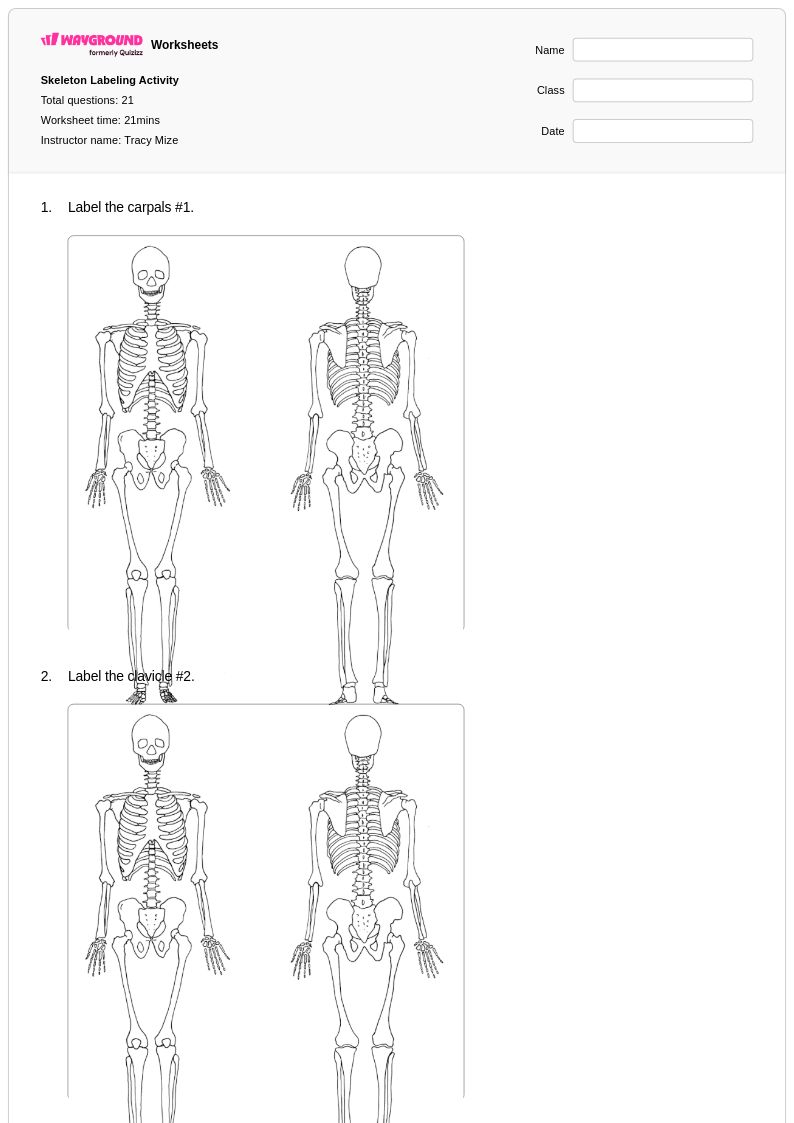
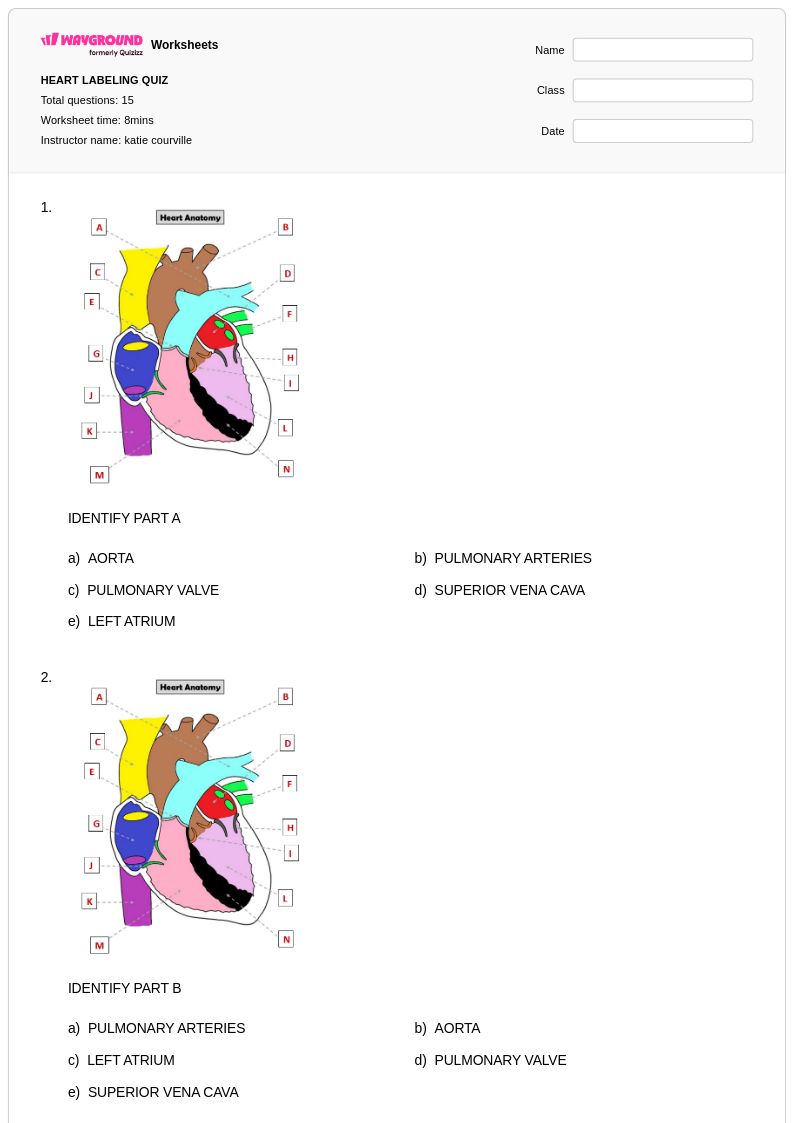
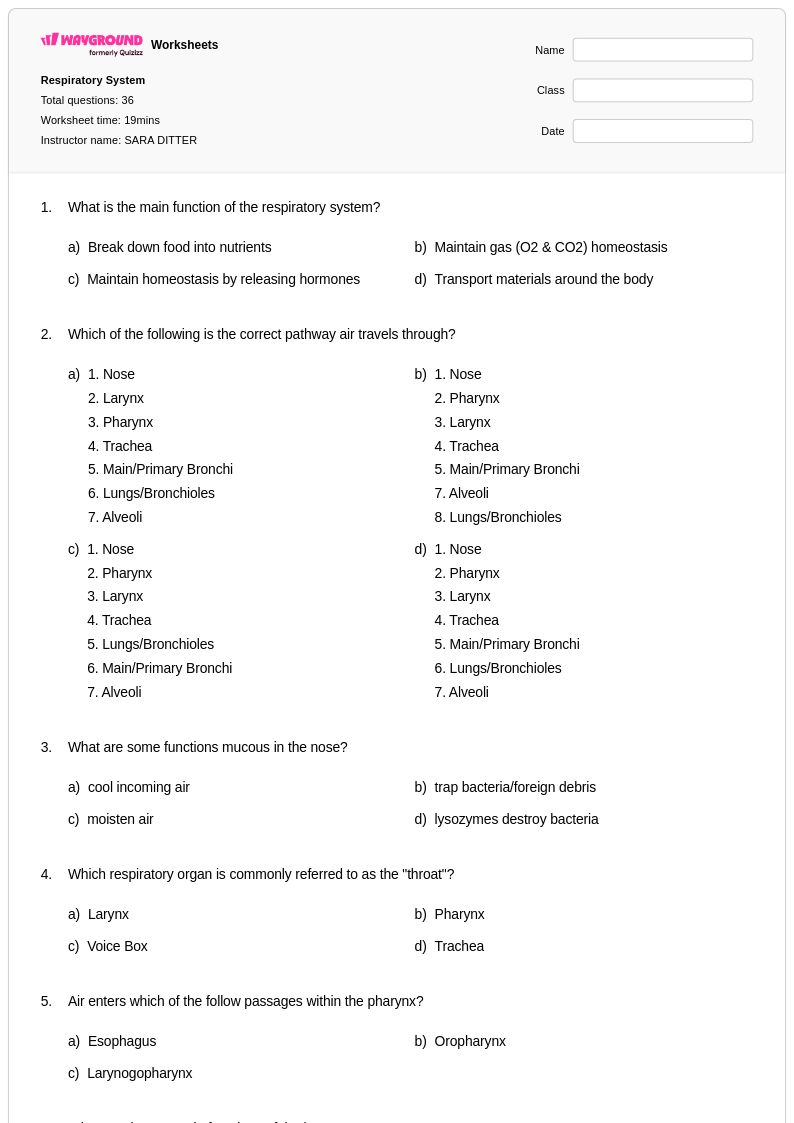
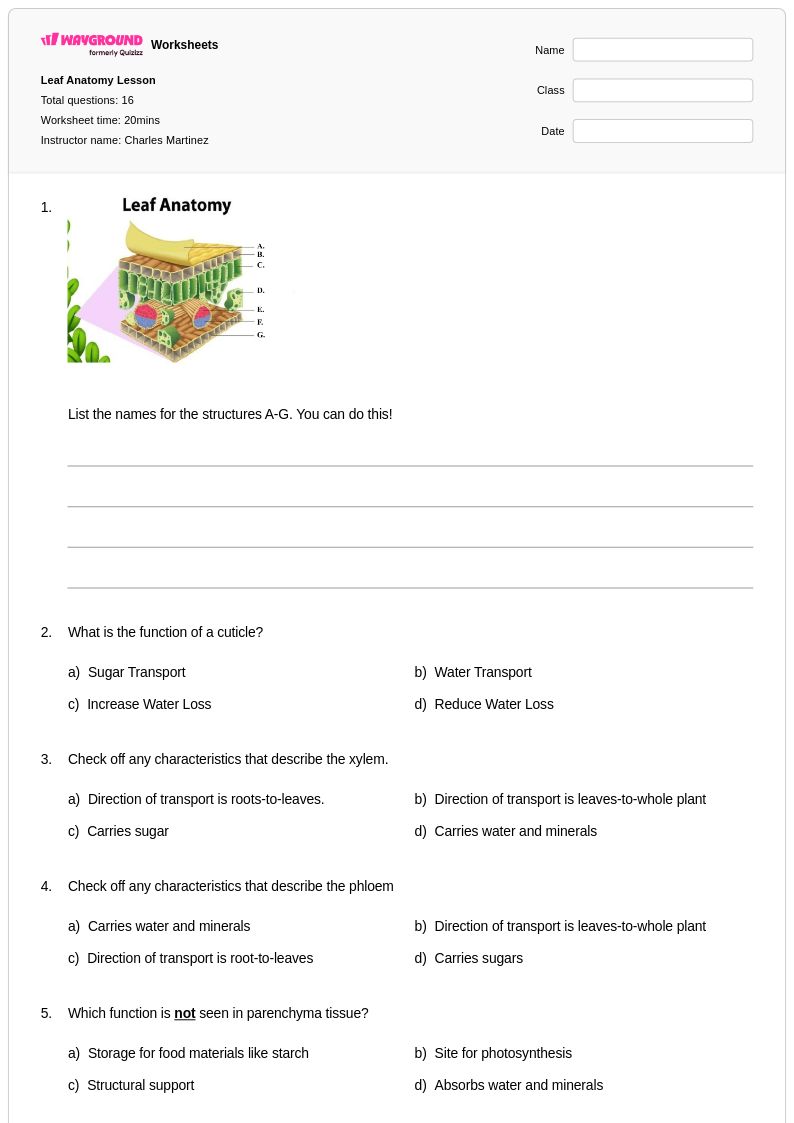
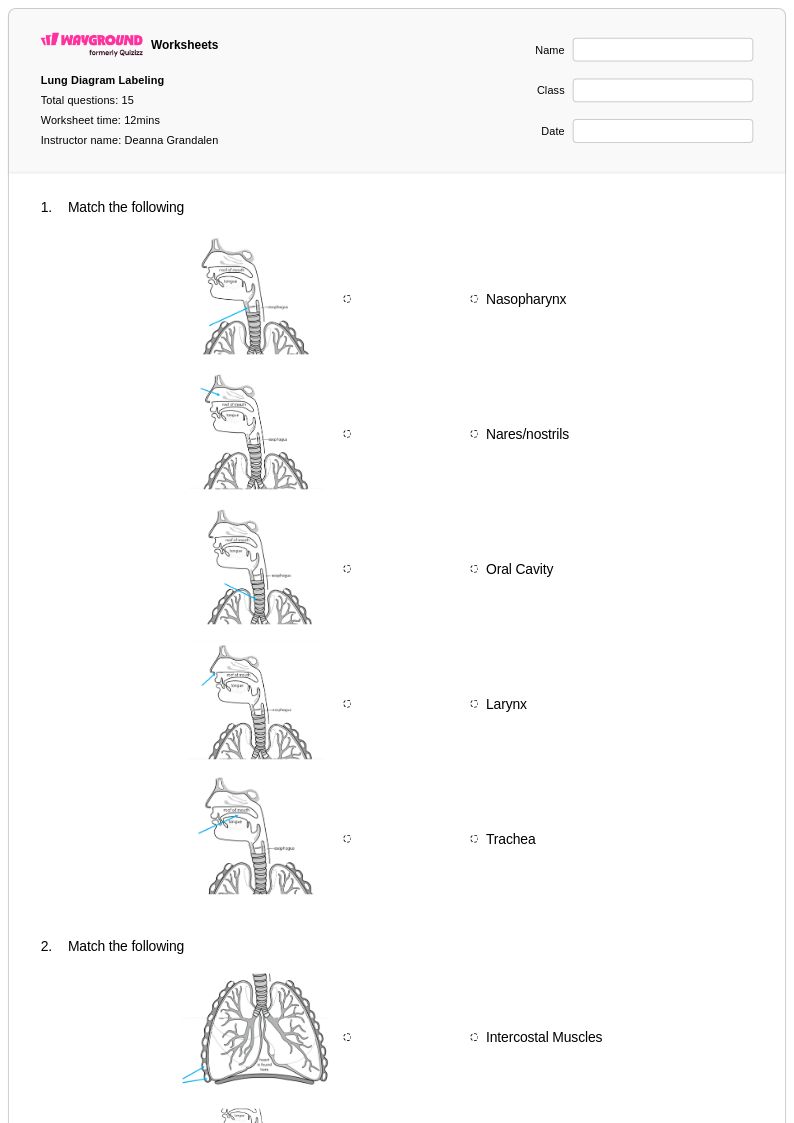
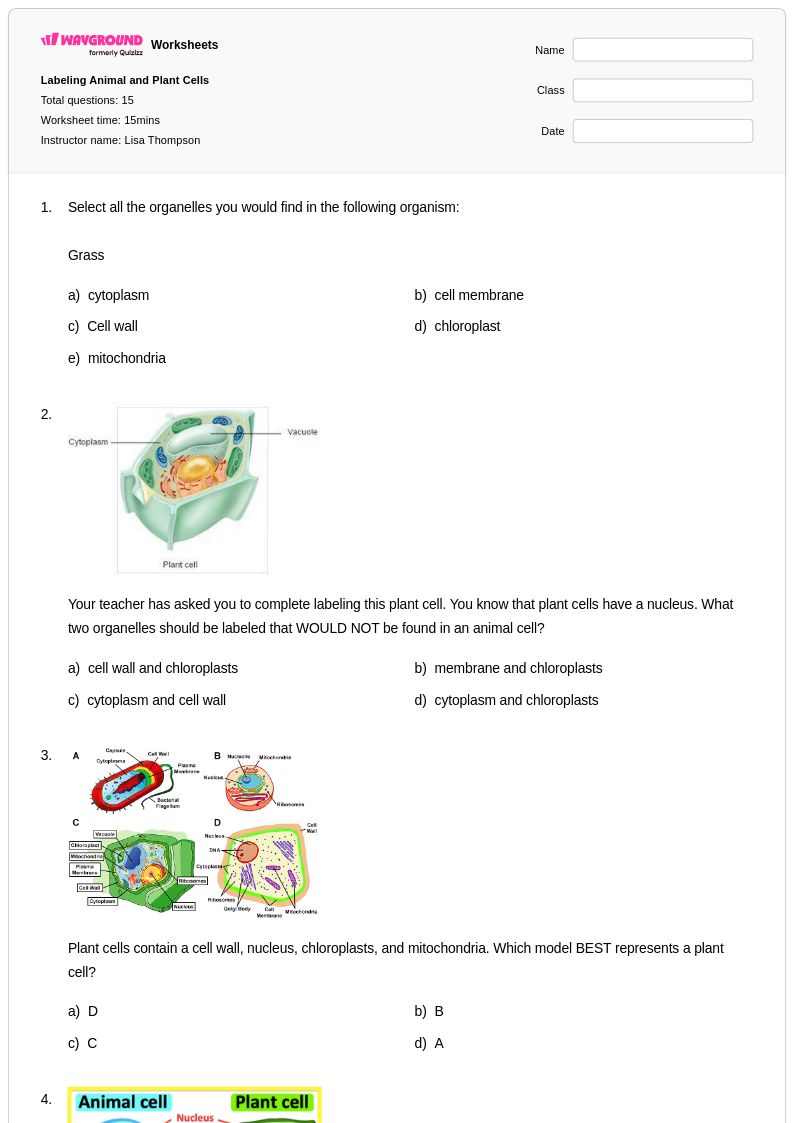
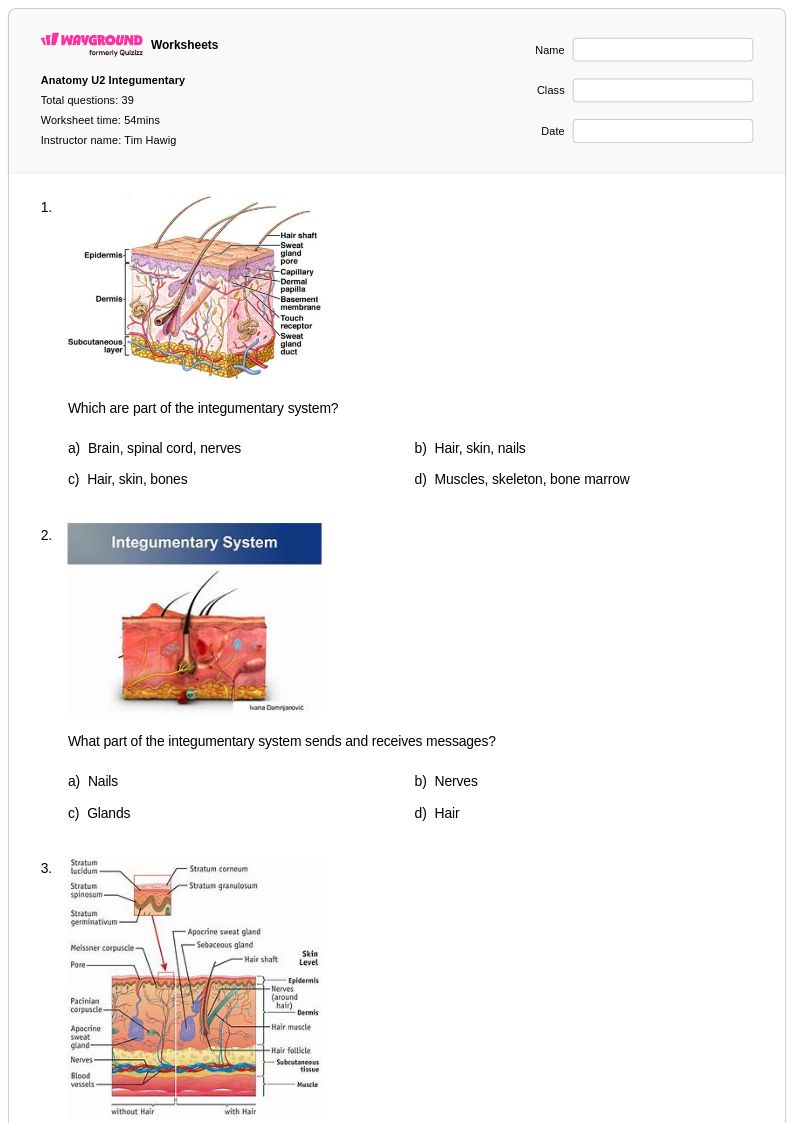
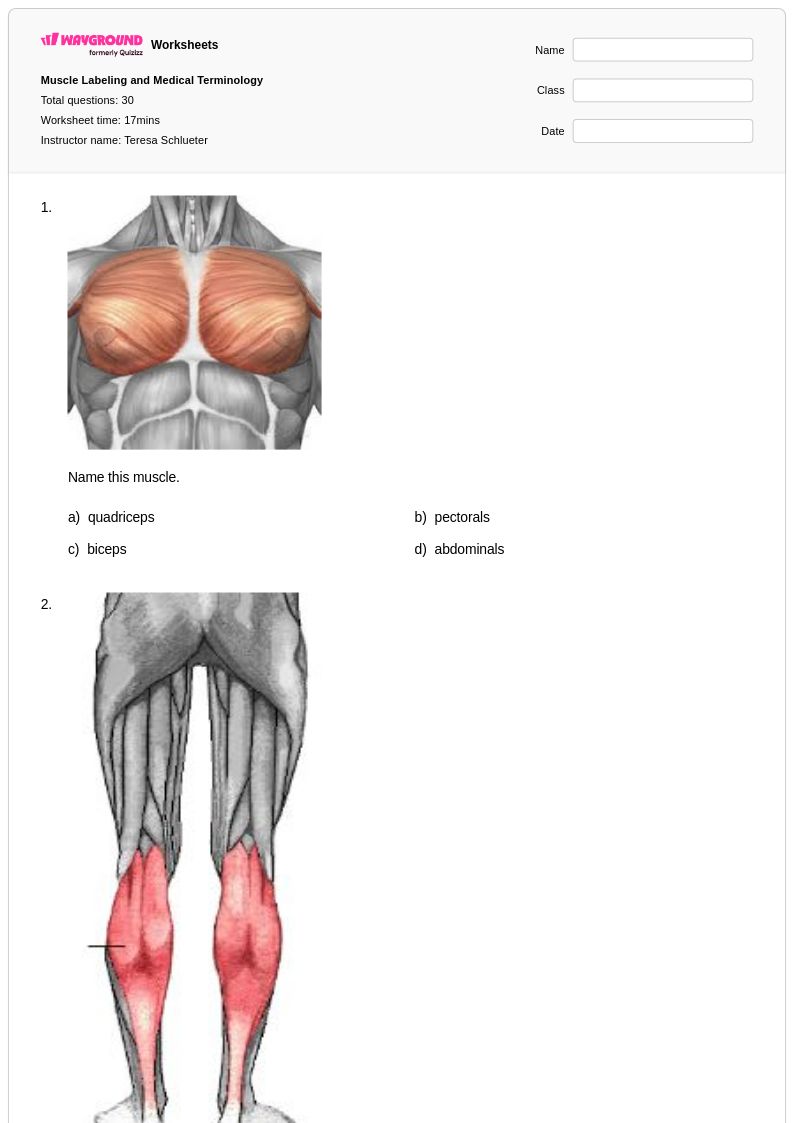
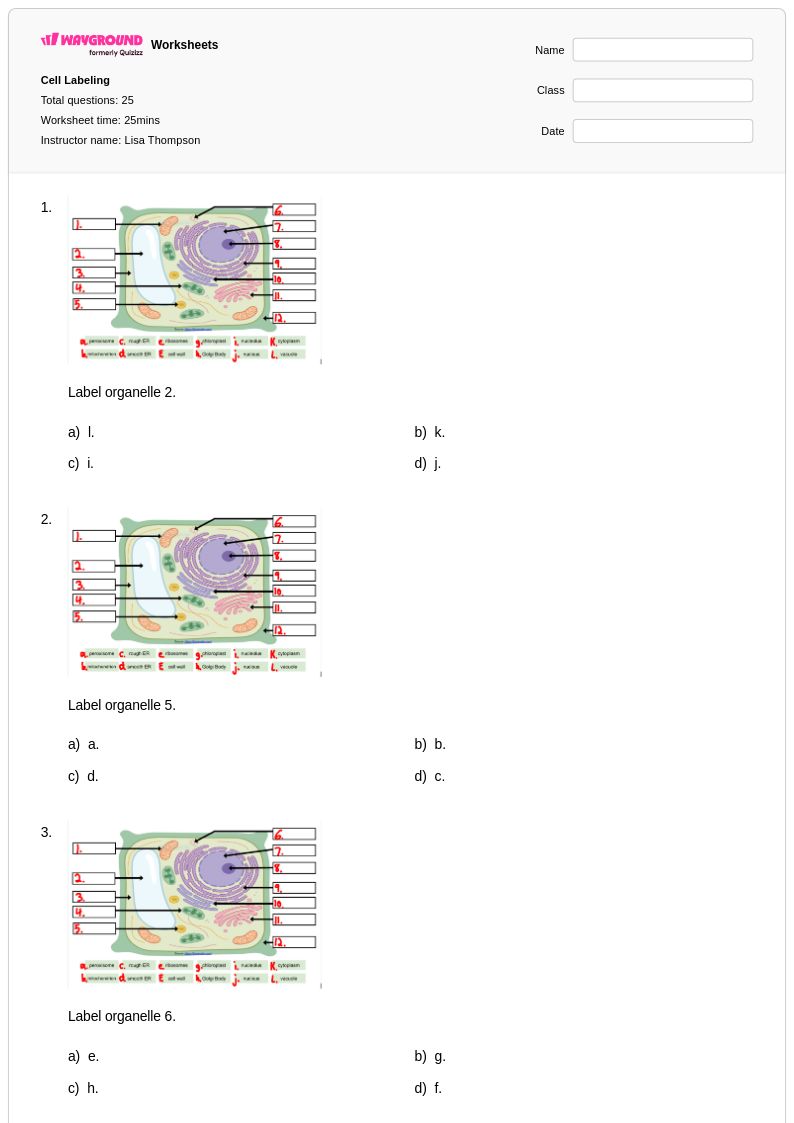
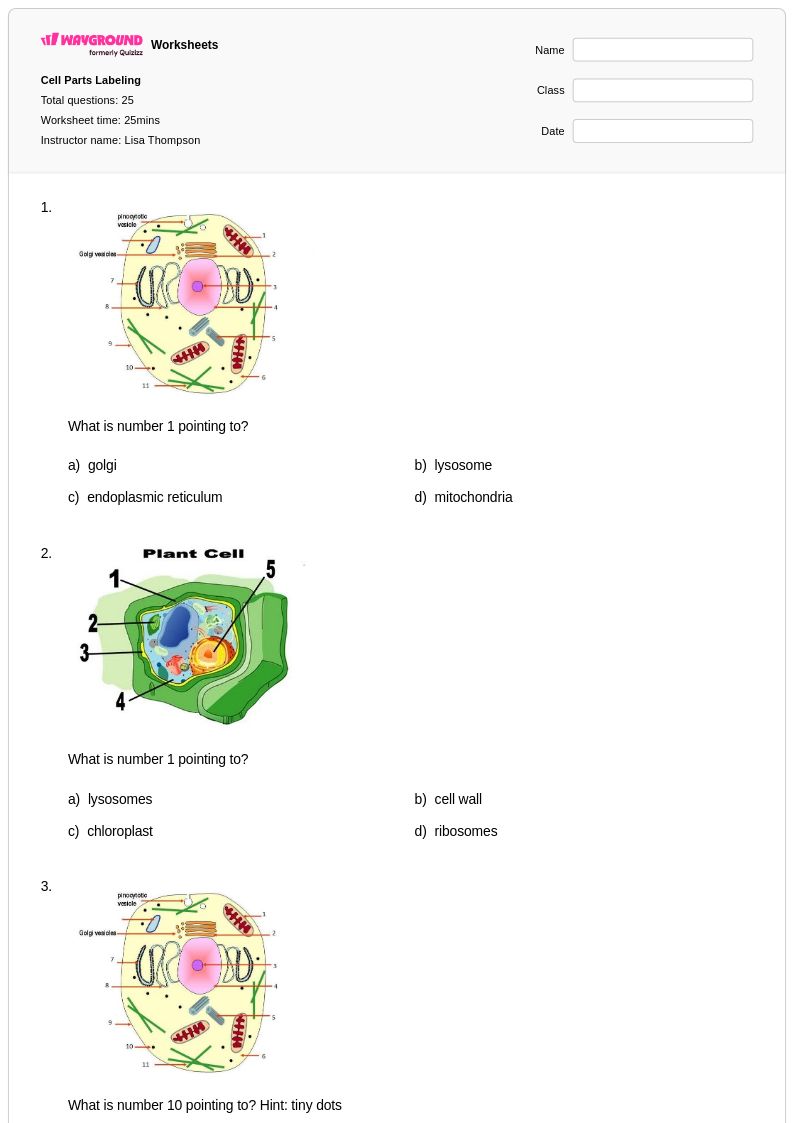
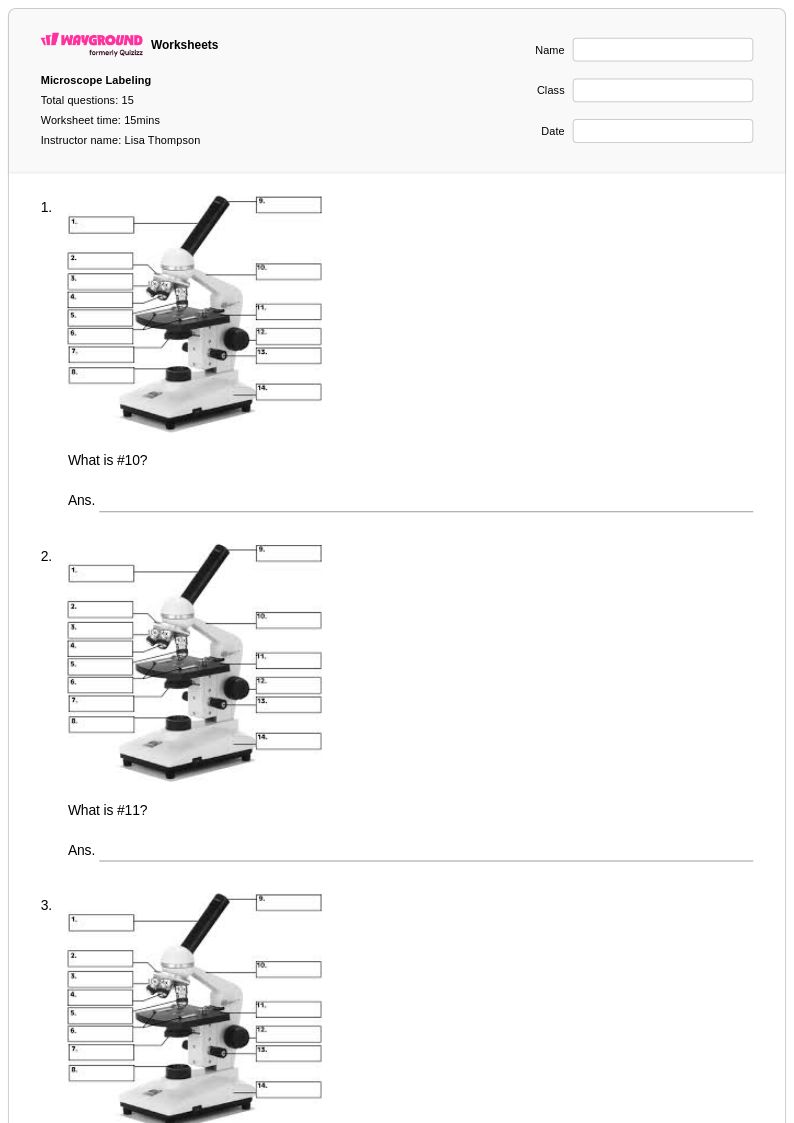
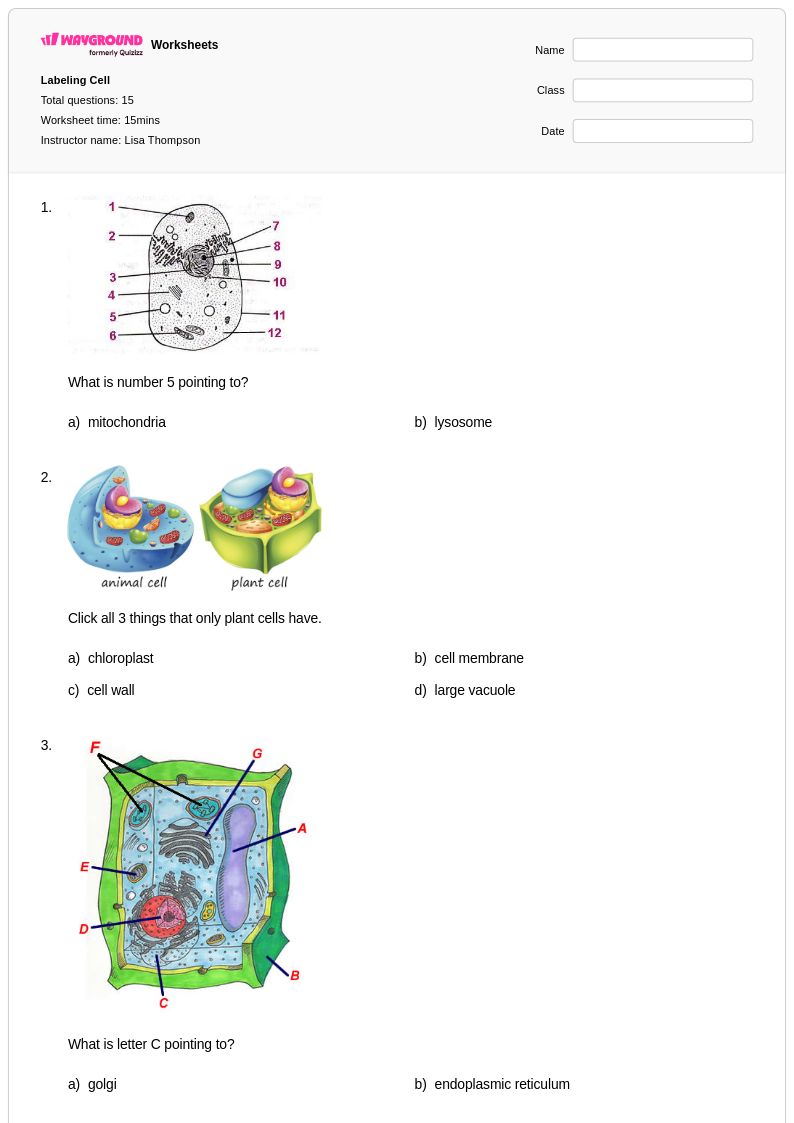
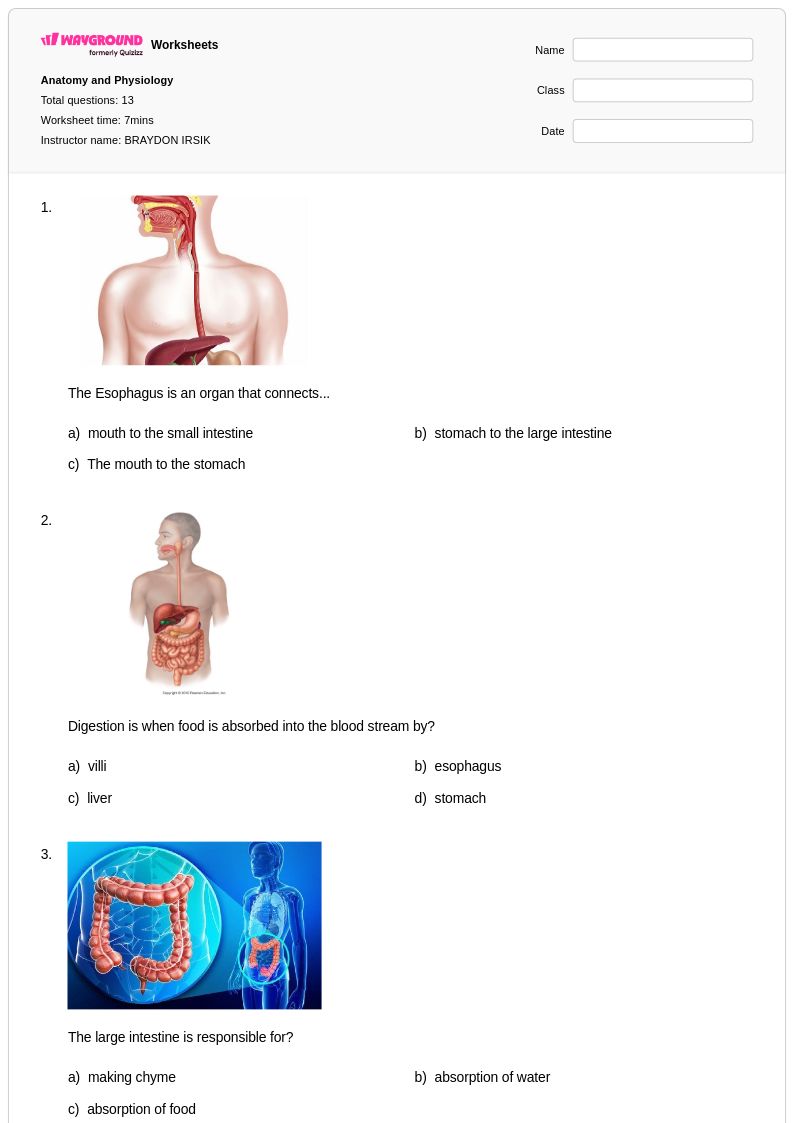
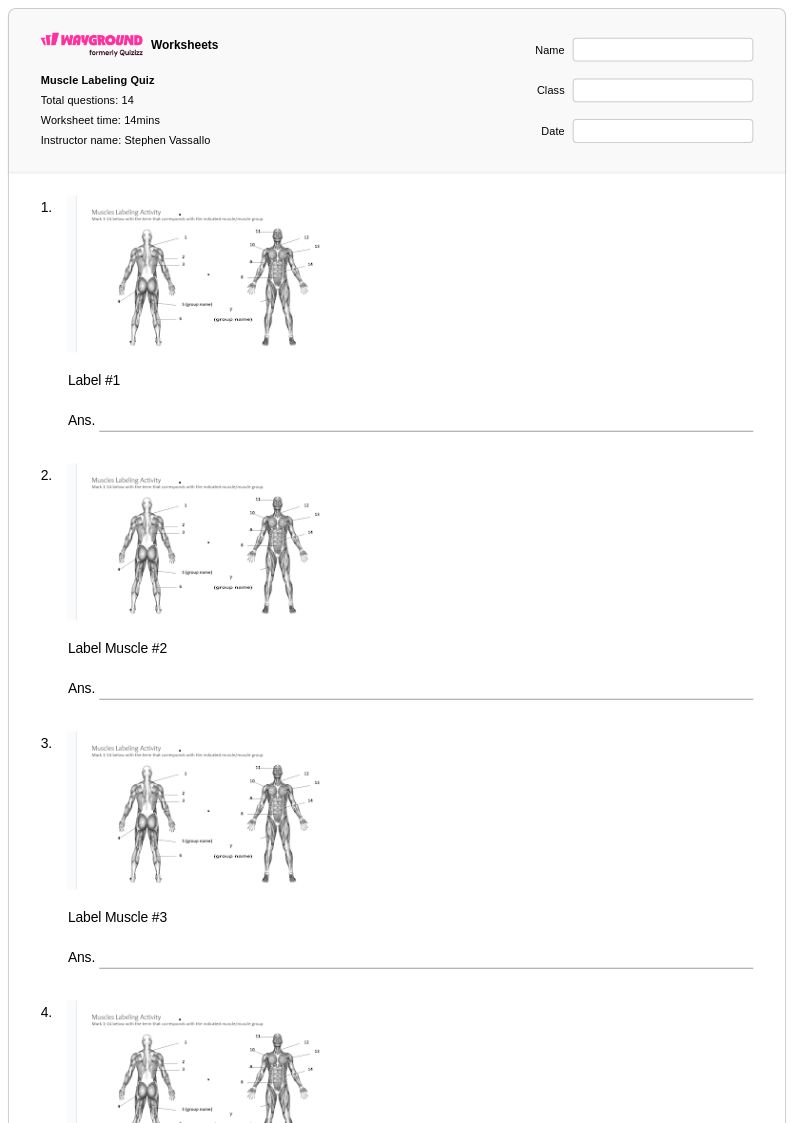
Anatomy labeling worksheets for Class 10 biology students available through Wayground (formerly Quizizz) provide comprehensive practice with human body systems and their intricate structures. These educational resources focus on developing students' ability to identify and correctly label major organs, tissues, bones, muscles, and other anatomical features across multiple body systems including circulatory, respiratory, digestive, nervous, and musculoskeletal systems. The worksheets strengthen visual learning skills, scientific vocabulary acquisition, and spatial understanding of how body systems interconnect and function together. Students benefit from varied practice problems that range from basic organ identification to complex system interactions, with many resources including detailed answer keys and available as free printable PDF downloads that support both classroom instruction and independent study.
Wayground (formerly Quizizz) empowers educators with access to millions of teacher-created anatomy labeling resources specifically designed for Class 10 biology instruction. The platform's robust search and filtering capabilities allow teachers to quickly locate worksheets aligned with specific curriculum standards and learning objectives, while built-in differentiation tools enable customization based on individual student needs and abilities. These comprehensive collections are available in both printable and digital formats, including high-quality PDF versions that maintain diagram clarity and labeling accuracy. Teachers can seamlessly integrate these resources into lesson planning for initial concept introduction, targeted remediation for struggling learners, enrichment activities for advanced students, and ongoing skill practice that reinforces anatomical knowledge throughout the school year.
FAQs
How do I teach anatomy labeling effectively in the classroom?
Effective anatomy labeling instruction begins with building students' familiarity with anatomical vocabulary before asking them to apply it visually. Introduce diagrams in stages, starting with major structures and progressively adding detail as students gain confidence. Pairing labeled reference diagrams with blank practice diagrams helps students transition from recognition to independent recall. Regular low-stakes labeling practice, such as quick warm-up activities, reinforces retention over time more effectively than single high-stakes assessments.
What exercises help students practice anatomy labeling?
Diagram-based labeling worksheets are among the most effective tools for anatomy practice because they require students to retrieve and apply vocabulary in a spatial context, not just recognize terms in isolation. Exercises that progress from word banks to blank labels push students toward deeper recall. Worksheets covering specific systems, such as the skeletal, muscular, or digestive systems, allow focused practice before students tackle full-body or multi-system diagrams. Repeated exposure across varied diagram styles helps solidify long-term retention of anatomical structures.
What mistakes do students commonly make when labeling anatomy diagrams?
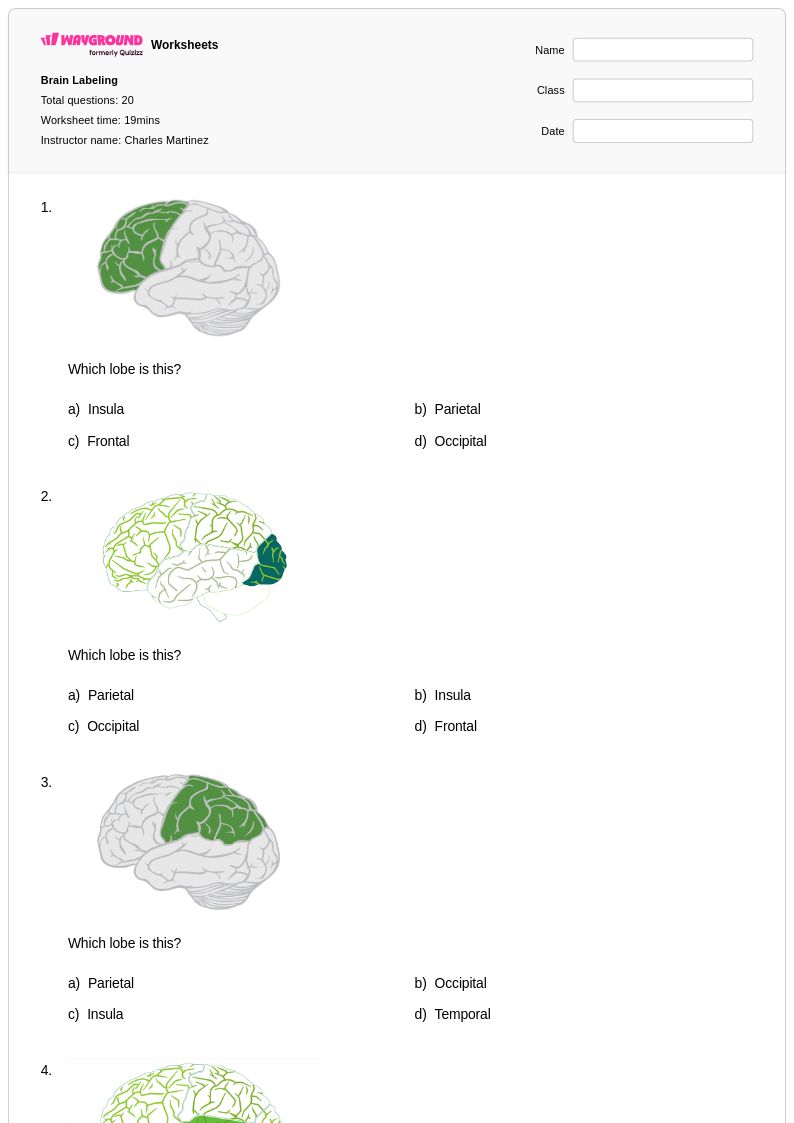
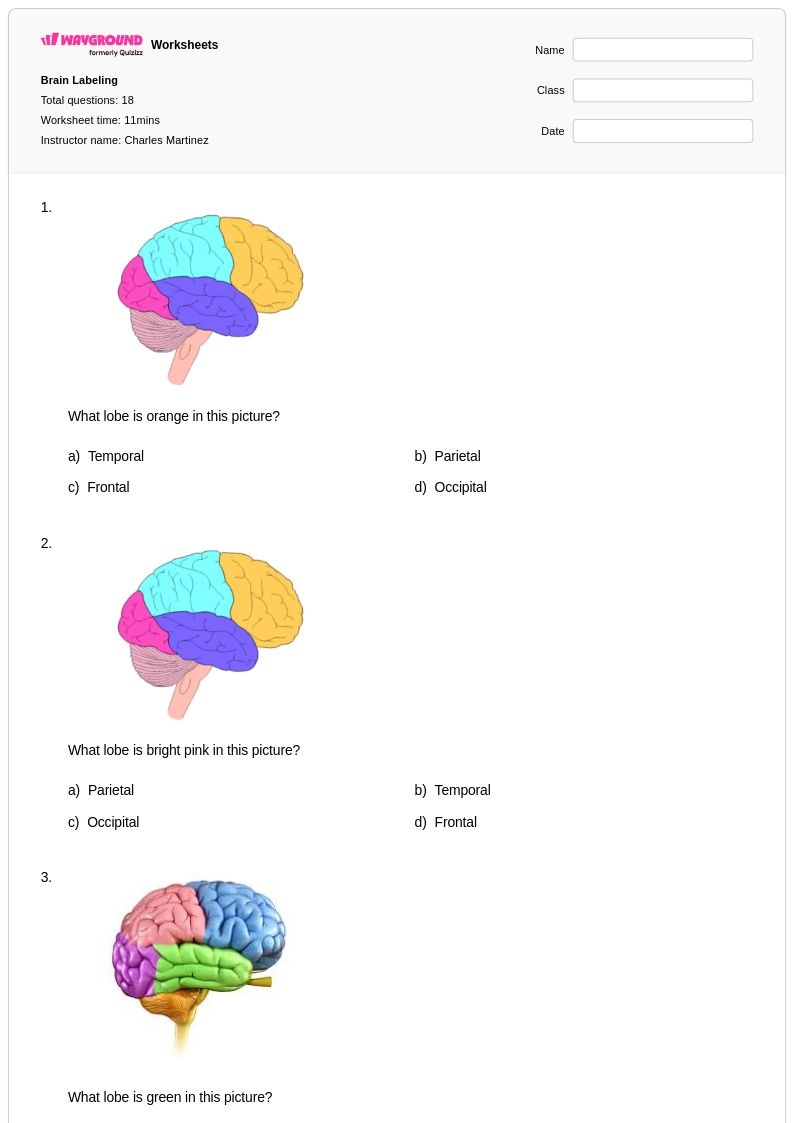
One of the most frequent errors is confusing structurally similar parts, such as arteries and veins, or the various lobes of the brain, because students memorize terms without anchoring them to function or location. Students also commonly mislabel structures that are close together on a diagram, particularly in dense regions like the cell membrane or the thoracic cavity. Another persistent mistake is spelling errors on anatomical terms, which can obscure whether a student actually understands the concept. Providing answer keys and encouraging self-checking after practice helps students catch and correct these patterns before assessments.
How can I differentiate anatomy labeling worksheets for students at different skill levels?
Differentiation for anatomy labeling can include providing word banks for students who need scaffolding, while advanced students work from blank diagrams without prompts. For students with learning differences or processing challenges, Wayground supports accommodations such as Read Aloud for question content, reduced answer choices to lower cognitive load, and extended time settings that can be applied per student without affecting the rest of the class. These accommodations are reusable across sessions, making it practical to support diverse learners consistently throughout a unit on anatomy.
How do I use Wayground's anatomy labeling worksheets in my class?
Wayground's anatomy labeling worksheets are available as printable PDFs for traditional classroom use and in digital formats for technology-integrated or remote learning environments. Teachers can also host worksheets directly as a quiz on Wayground, allowing for streamlined digital assignment and automatic scoring. Each worksheet includes an answer key, supporting both teacher-led instruction and independent student practice. The platform allows teachers to search and filter resources to find diagrams matched to the specific body systems or grade-level content they are teaching.
How do I use anatomy labeling worksheets to prepare students for exams?
Anatomy labeling worksheets are effective exam preparation tools because they simulate the diagram-identification tasks commonly found on biology and anatomy assessments. Using worksheets as formative checks after each body system unit helps teachers identify which structures students are consistently mislabeling before summative tests. Blank-diagram practice under timed conditions can also build the fluency students need for testing situations. Answer keys allow students to self-assess and prioritize review of specific structures where errors cluster.