
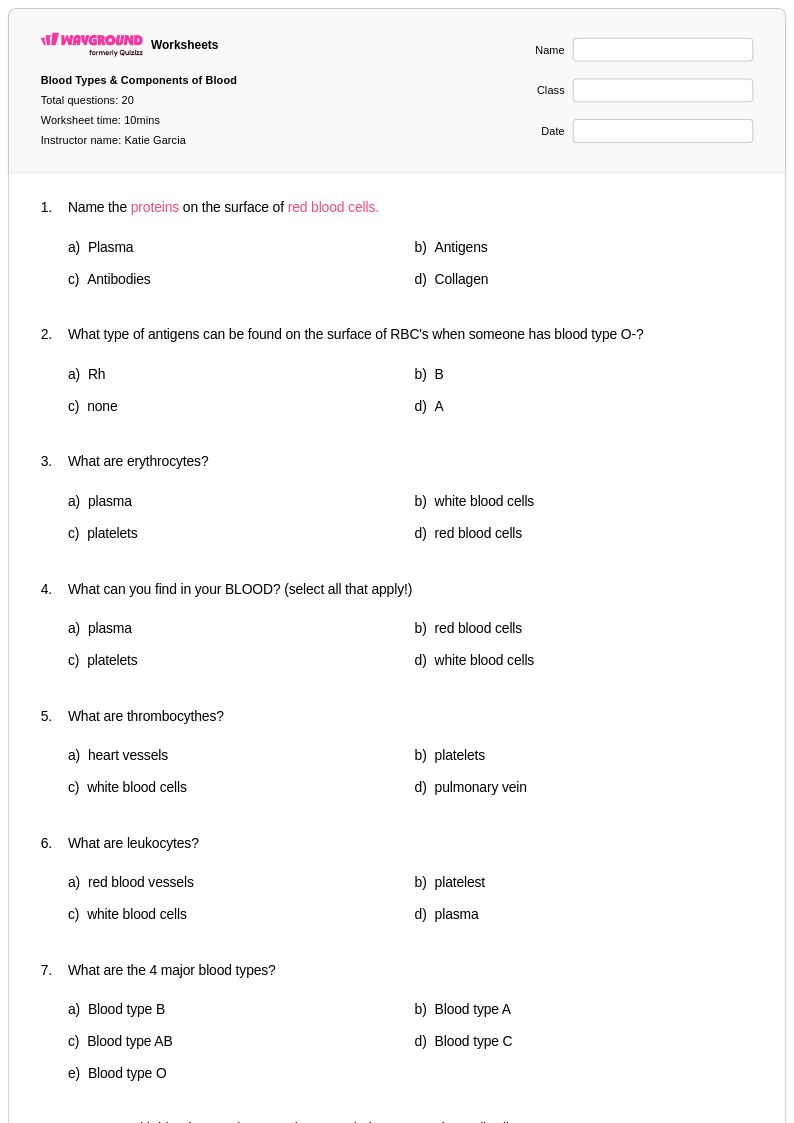
20 Q
9th - 12th
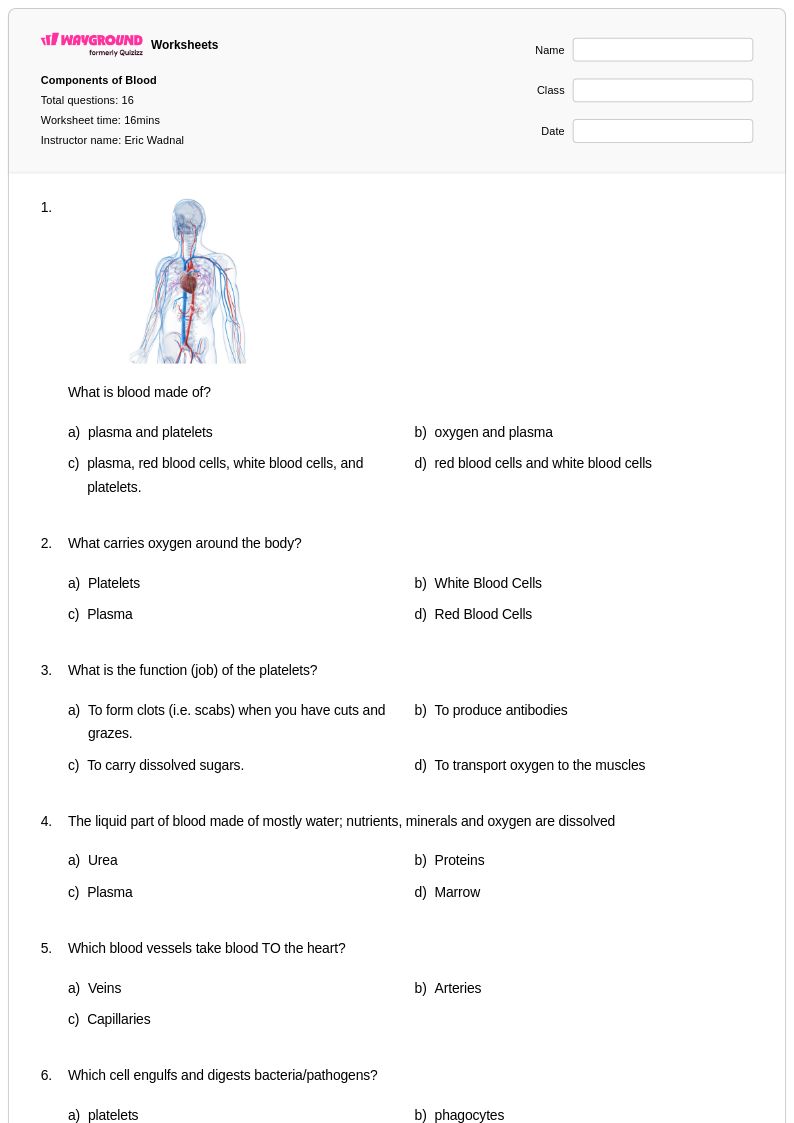
16 Q
9th - 12th
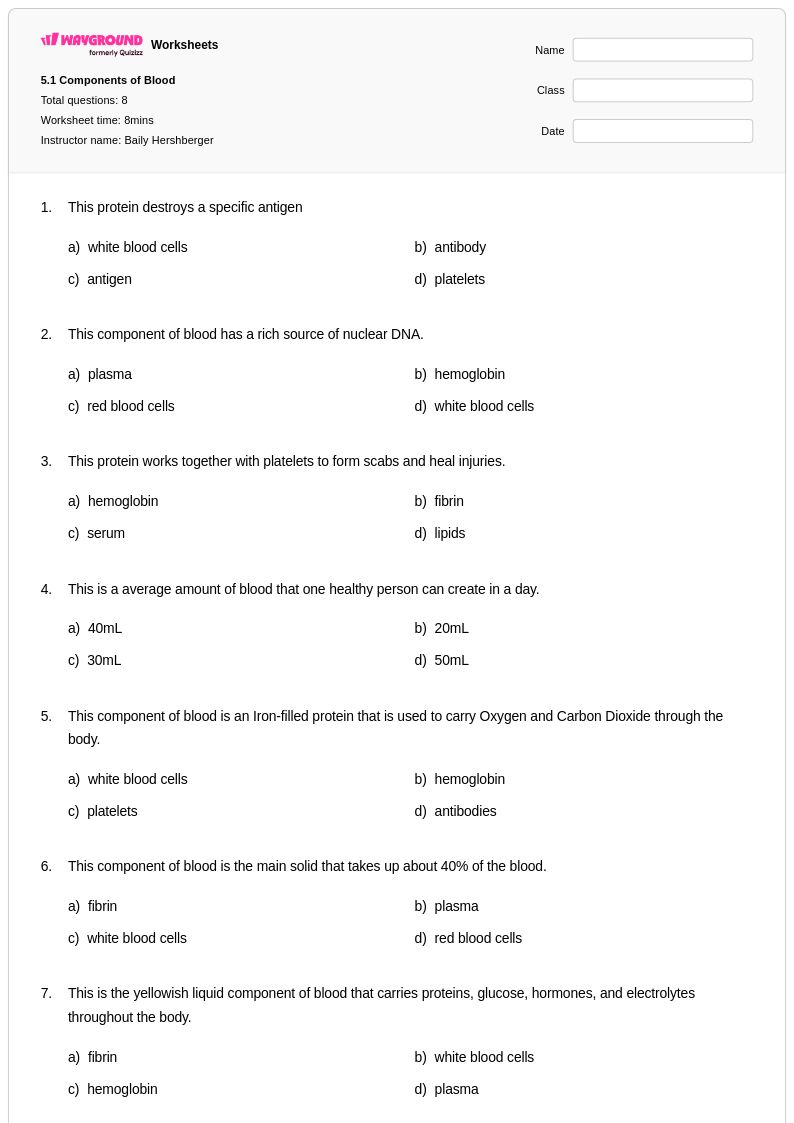
8 Q
10th - 12th
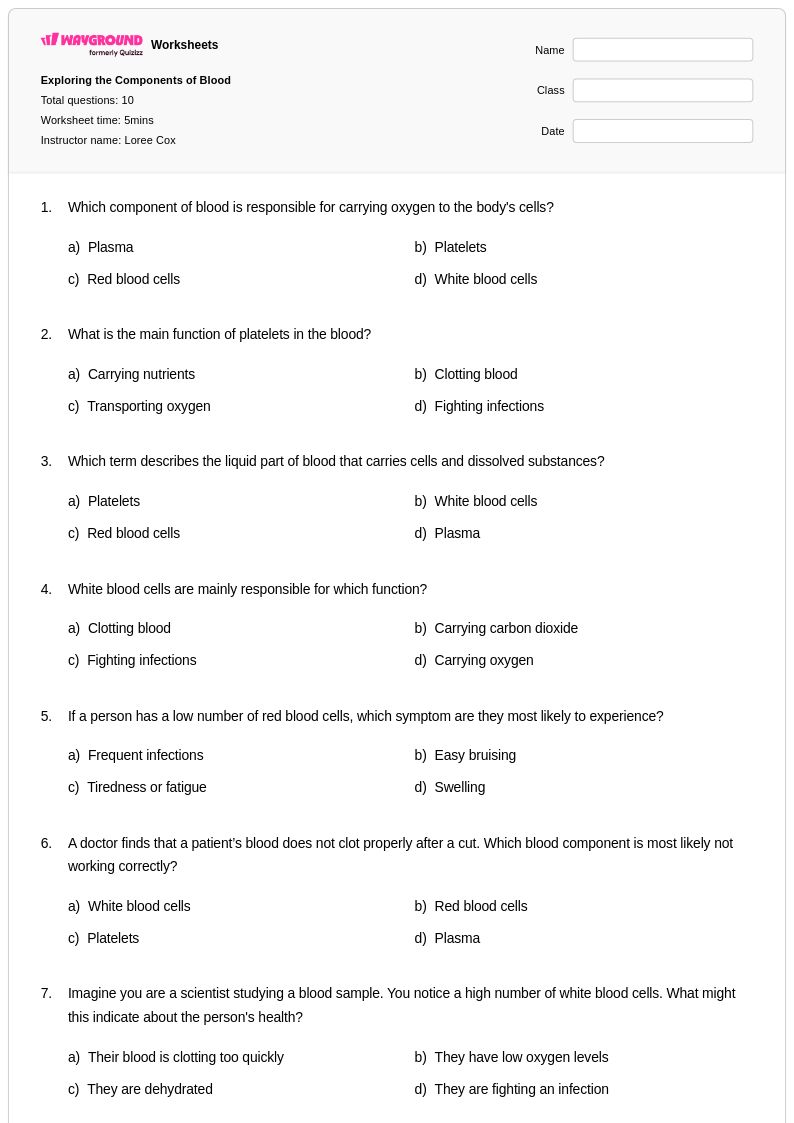
10 Q
6th - Uni
21 Q
9th - 12th
15 Q
9th - 12th
32 Q
10th - 12th
19 Q
10th - 12th
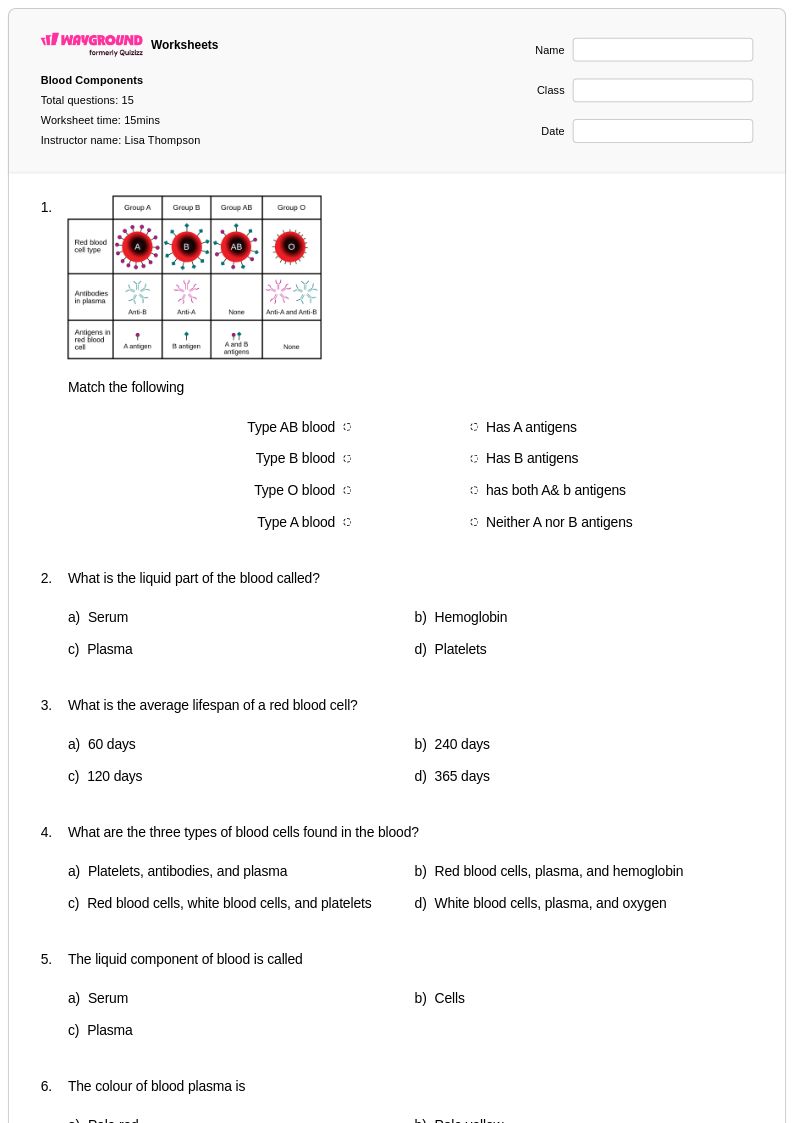
15 Q
9th - Uni
22 Q
9th - 12th
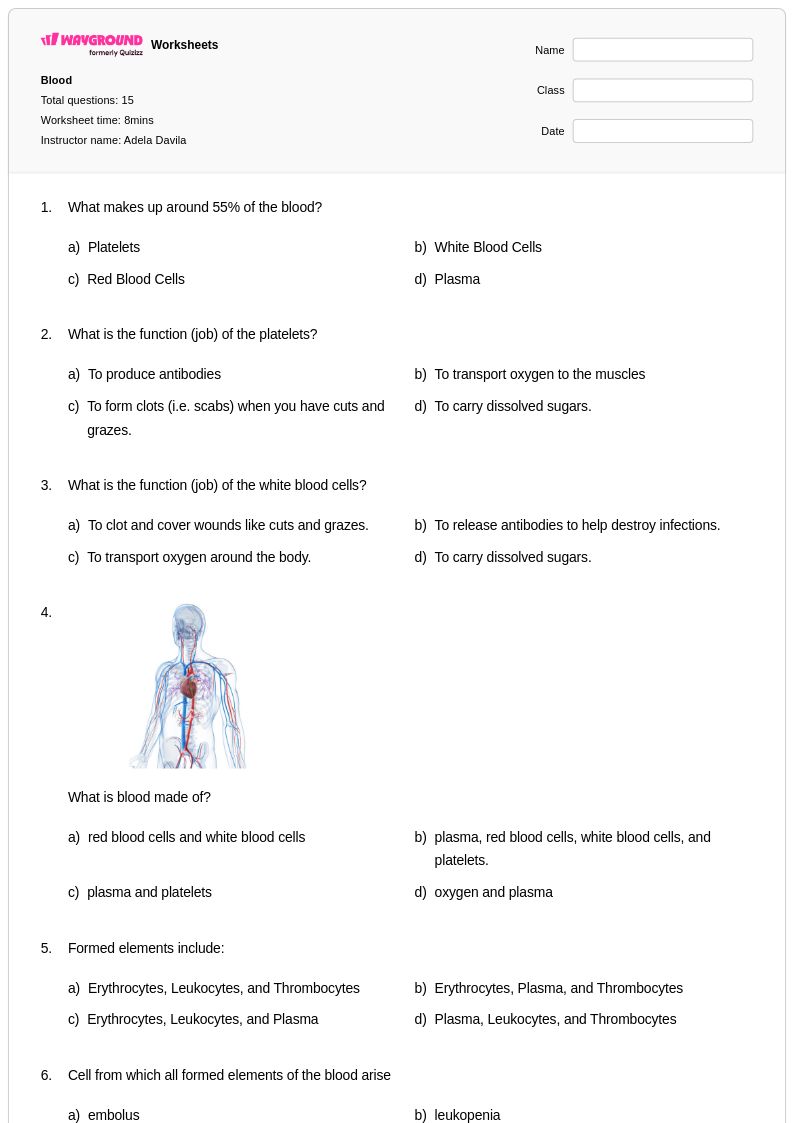
15 Q
9th - 12th
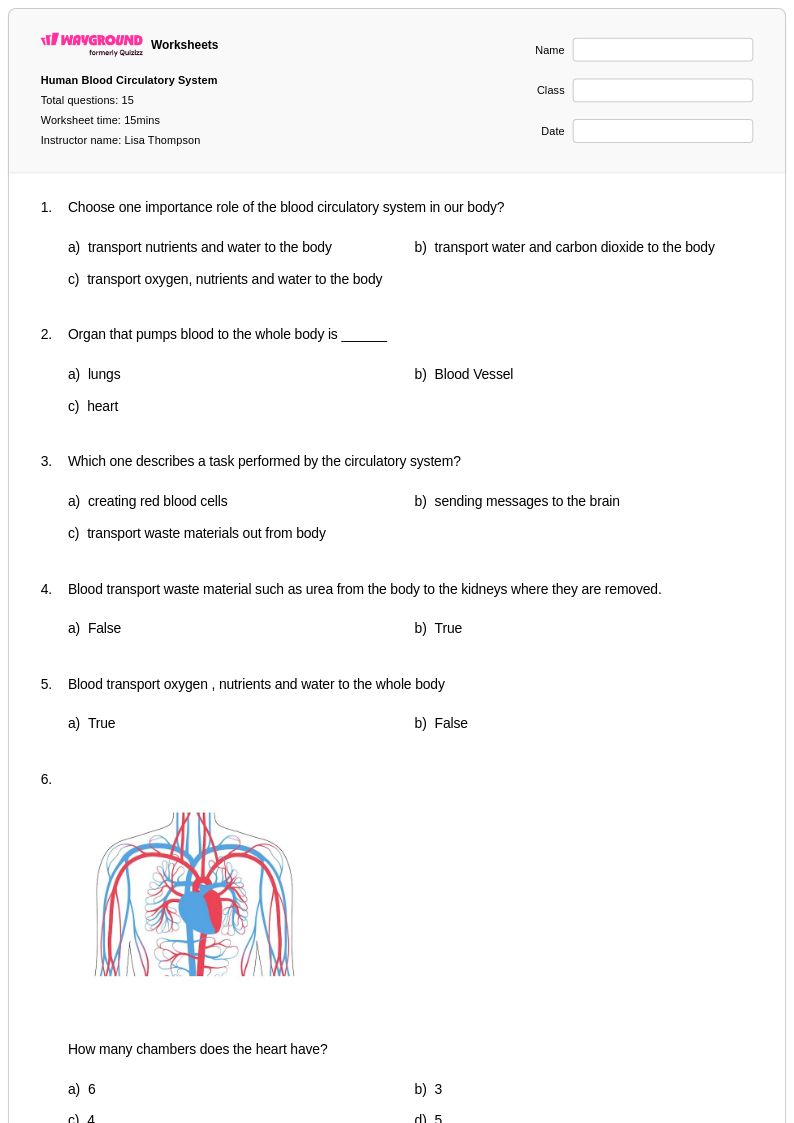
15 Q
5th - Uni
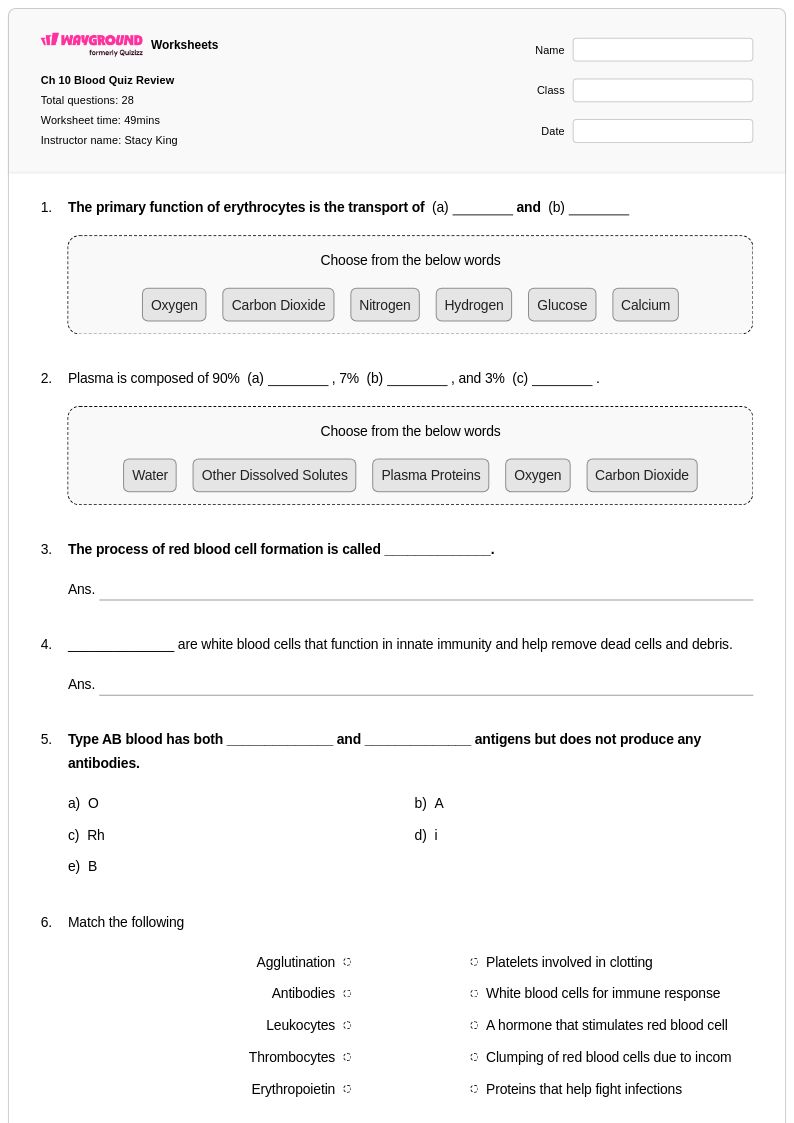
28 Q
9th - 12th
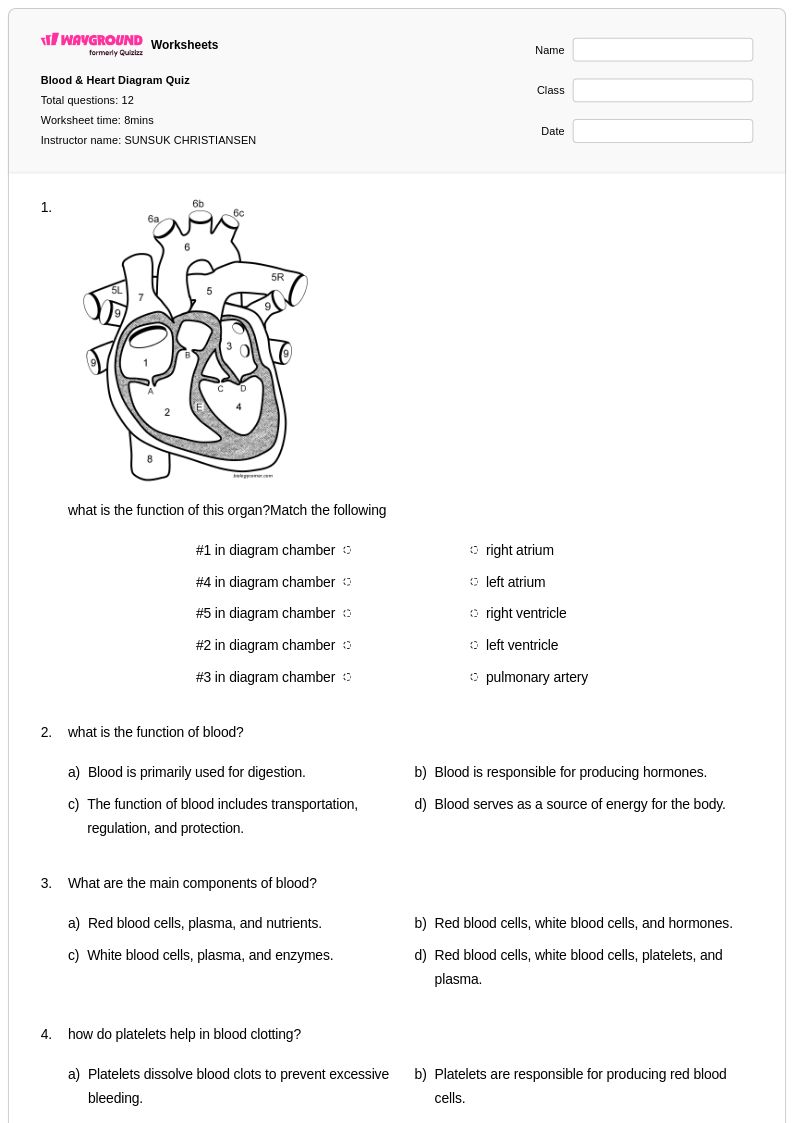
12 Q
9th - 12th
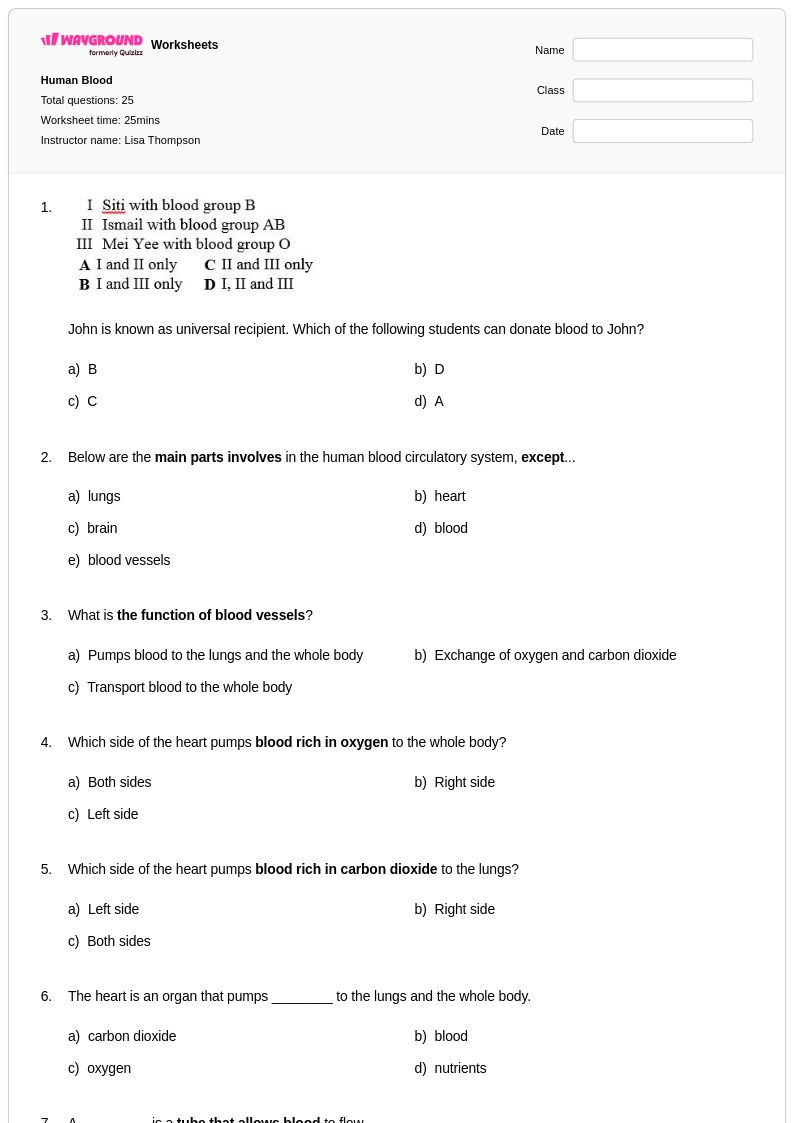
25 Q
3rd - Uni
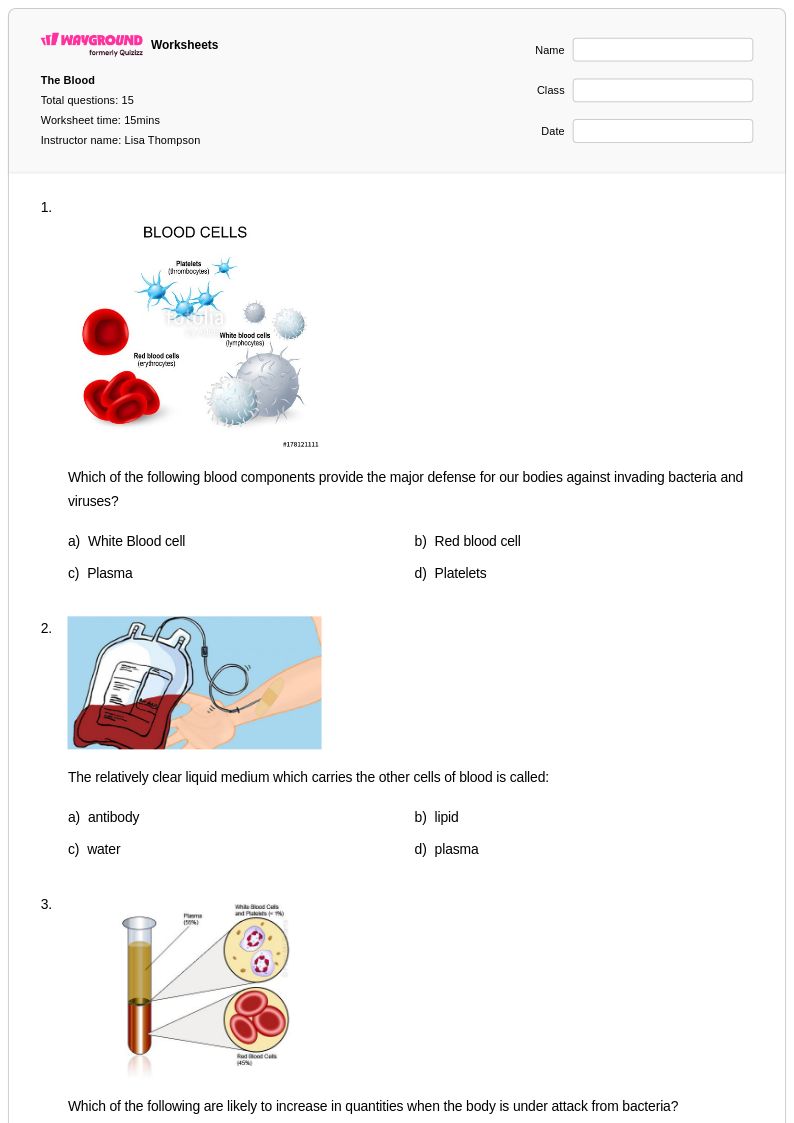
15 Q
8th - Uni
15 Q
9th - 12th
29 Q
9th - 12th
15 Q
9th - Uni
15 Q
5th - Uni
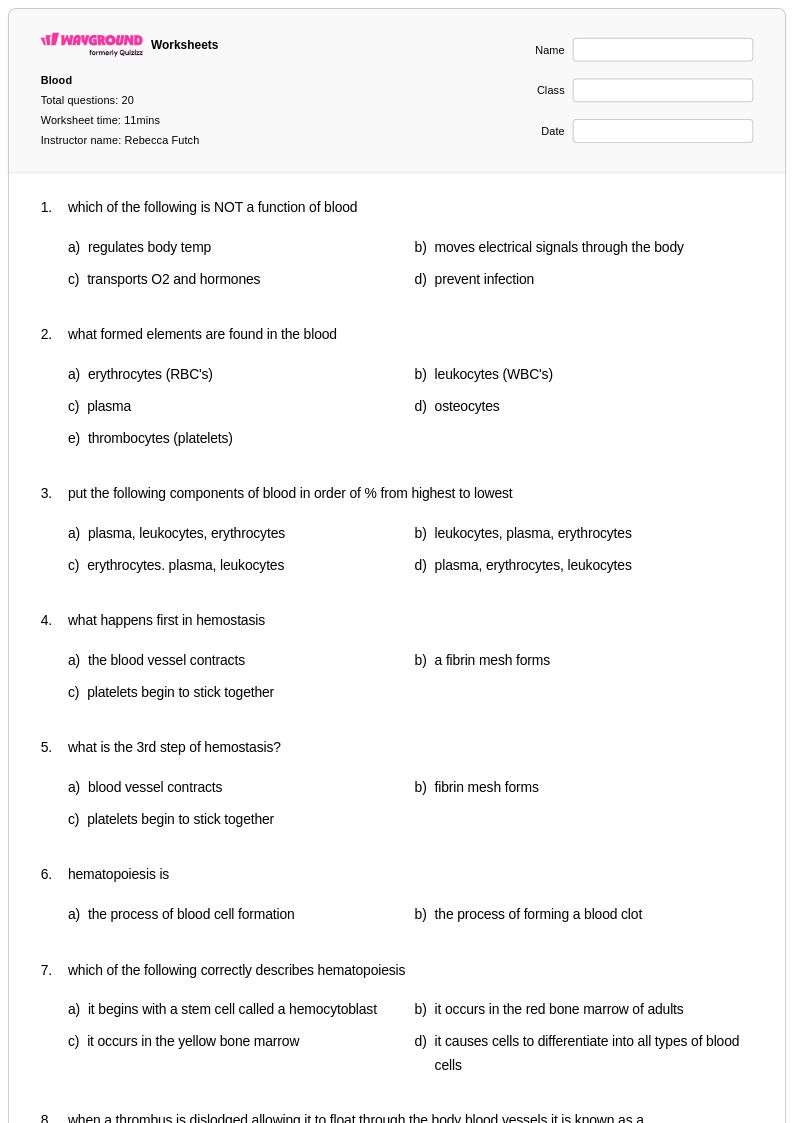
20 Q
9th - 12th
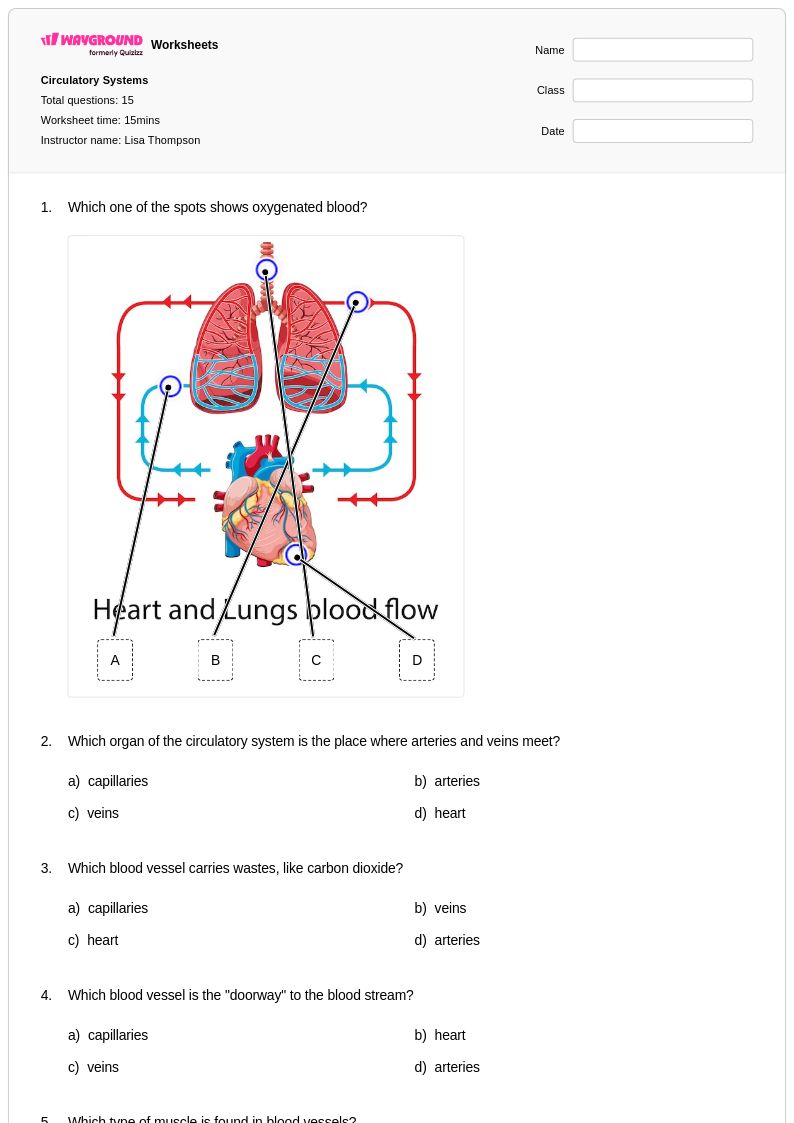
15 Q
7th - Uni
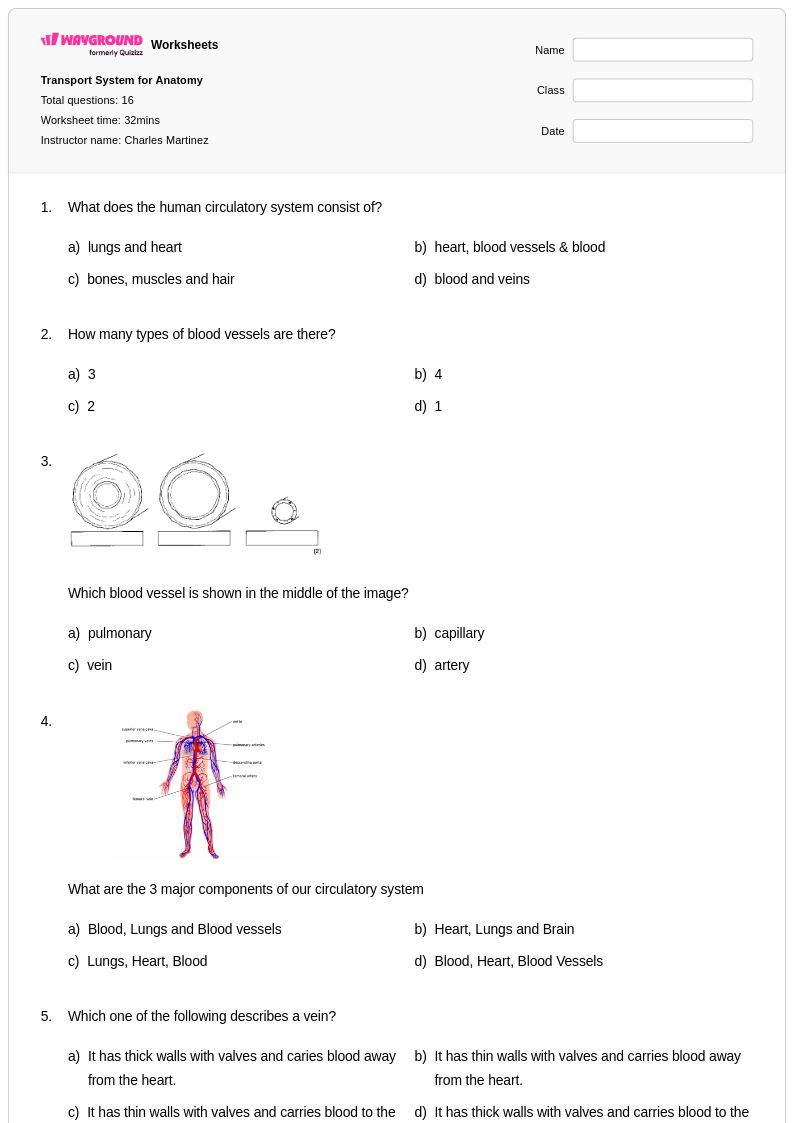
16 Q
10th - 11th
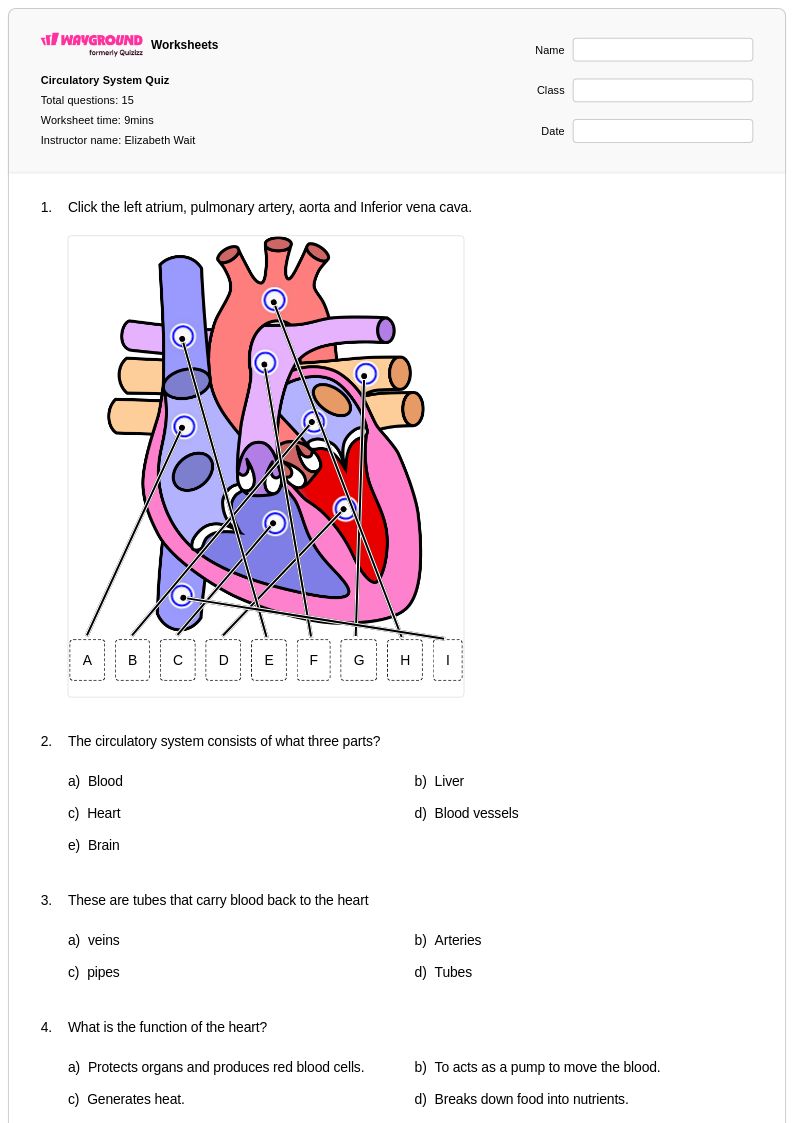
15 Q
9th - 12th
Explore Components of Blood Worksheets by Grades
Explore Other Subject Worksheets for class 10
Explore printable Components of Blood worksheets for Class 10
Components of blood worksheets available through Wayground (formerly Quizizz) provide Class 10 biology students with comprehensive practice materials that systematically explore the four primary constituents of human blood: red blood cells, white blood cells, platelets, and plasma. These educational resources strengthen critical scientific skills including microscopic identification of blood components, analysis of cellular functions, understanding of hematological disorders, and comprehension of blood's role in homeostasis and immune response. Students engage with detailed diagrams, data interpretation exercises, and comparative analysis problems that reinforce their understanding of erythrocytes' oxygen transport mechanisms, leukocytes' immune functions, thrombocytes' clotting processes, and plasma's complex protein composition. Each worksheet includes answer keys and is available as free printable pdf resources, ensuring students can practice independently while teachers maintain efficient assessment and feedback processes.
Wayground (formerly Quizizz) empowers educators with access to millions of teacher-created components of blood worksheets that support diverse classroom needs through robust search and filtering capabilities aligned with national and state biology standards. The platform's differentiation tools allow teachers to customize content complexity, modify question types, and adjust vocabulary levels to accommodate varying student abilities within Class 10 biology courses. These flexible resources are available in both printable and digital formats, including downloadable pdf versions, enabling seamless integration into traditional classroom instruction, remote learning environments, and hybrid educational models. Teachers utilize these comprehensive worksheet collections for targeted lesson planning, focused remediation of misconceptions about blood composition, enrichment activities for advanced learners, and systematic skill practice that builds students' proficiency in cellular biology concepts and laboratory observation techniques.
FAQs
How do I teach the components of blood to biology students?
What exercises help students practice identifying the components of blood?
What mistakes do students commonly make when learning about blood components?
How can I use components of blood worksheets in my classroom?
How do I differentiate instruction when teaching blood components to students with varying ability levels?
How does understanding blood components connect to broader biology standards?