
18 Q
2nd
10 Q
2nd
15 Q
2nd
11 Q
2nd - 4th
11 Q
2nd
21 Q
2nd
15 Q
2nd
17 Q
2nd
15 Q
2nd
10 Q
2nd
10 Q
2nd
20 Q
2nd - 3rd
11 Q
2nd
11 Q
1st - 2nd
10 Q
2nd
10 Q
2nd
17 Q
1st - 5th
11 Q
2nd
18 Q
2nd
10 Q
2nd
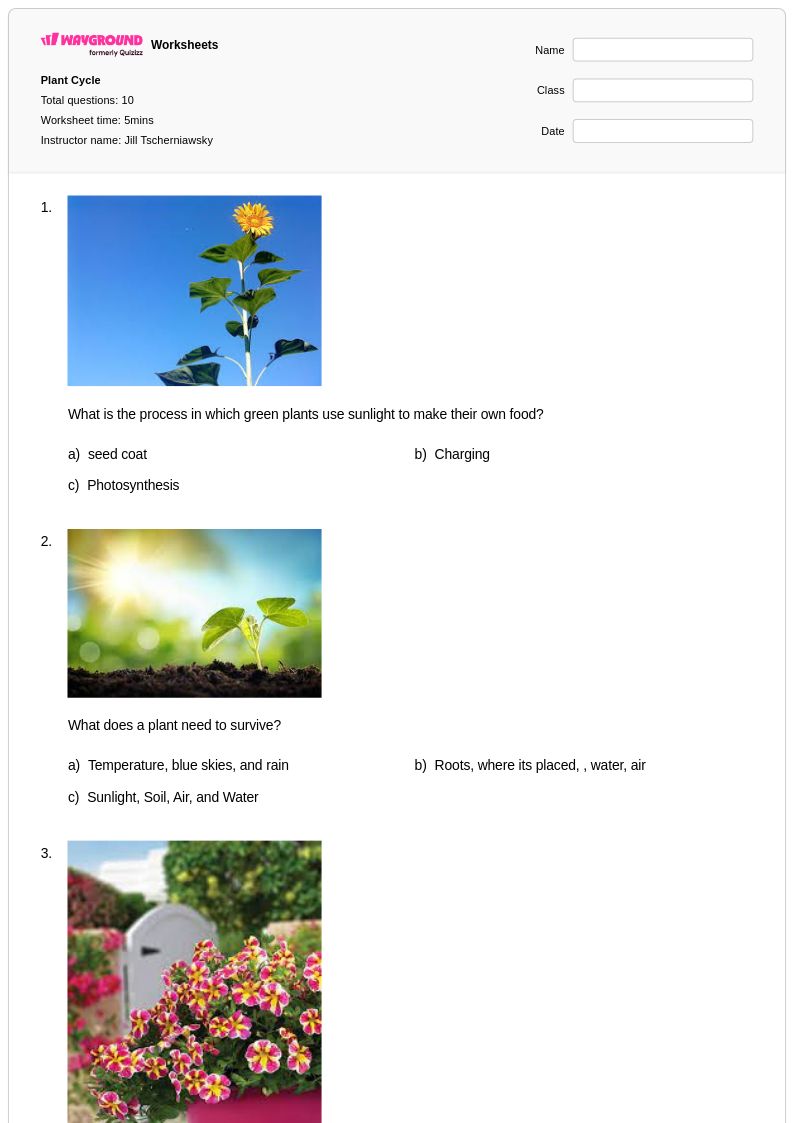
10 Q
2nd - 3rd
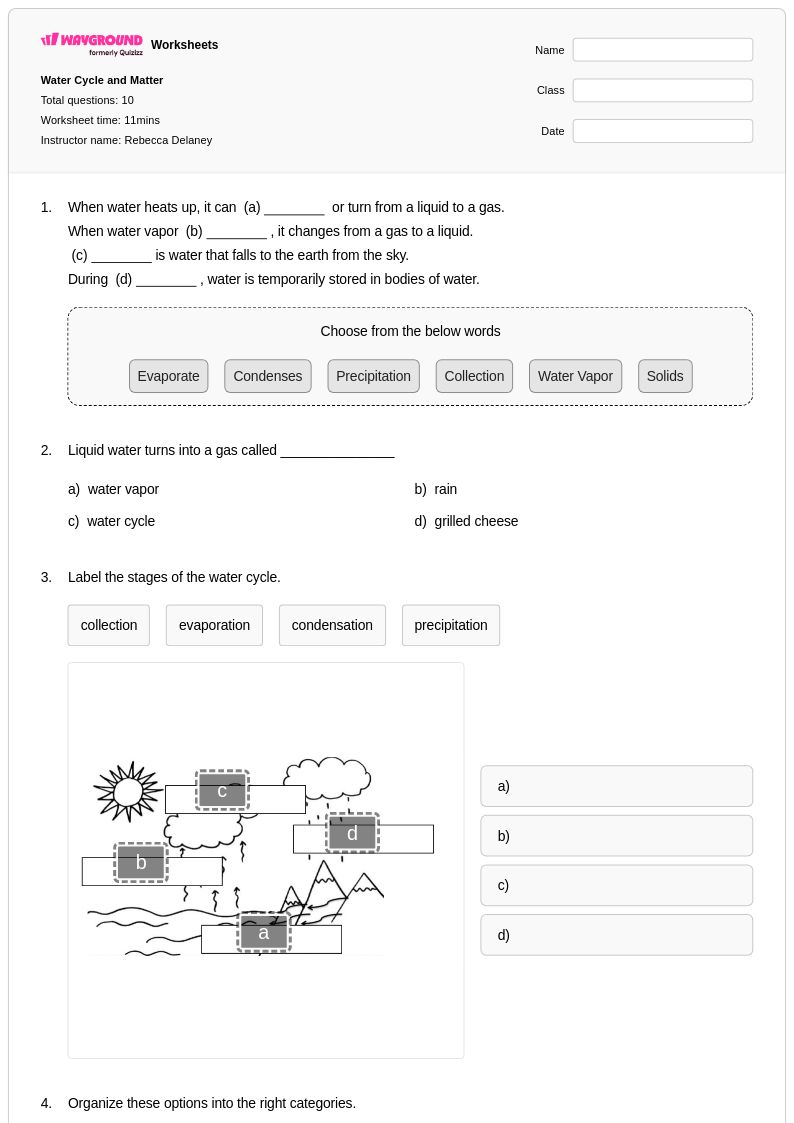
10 Q
2nd
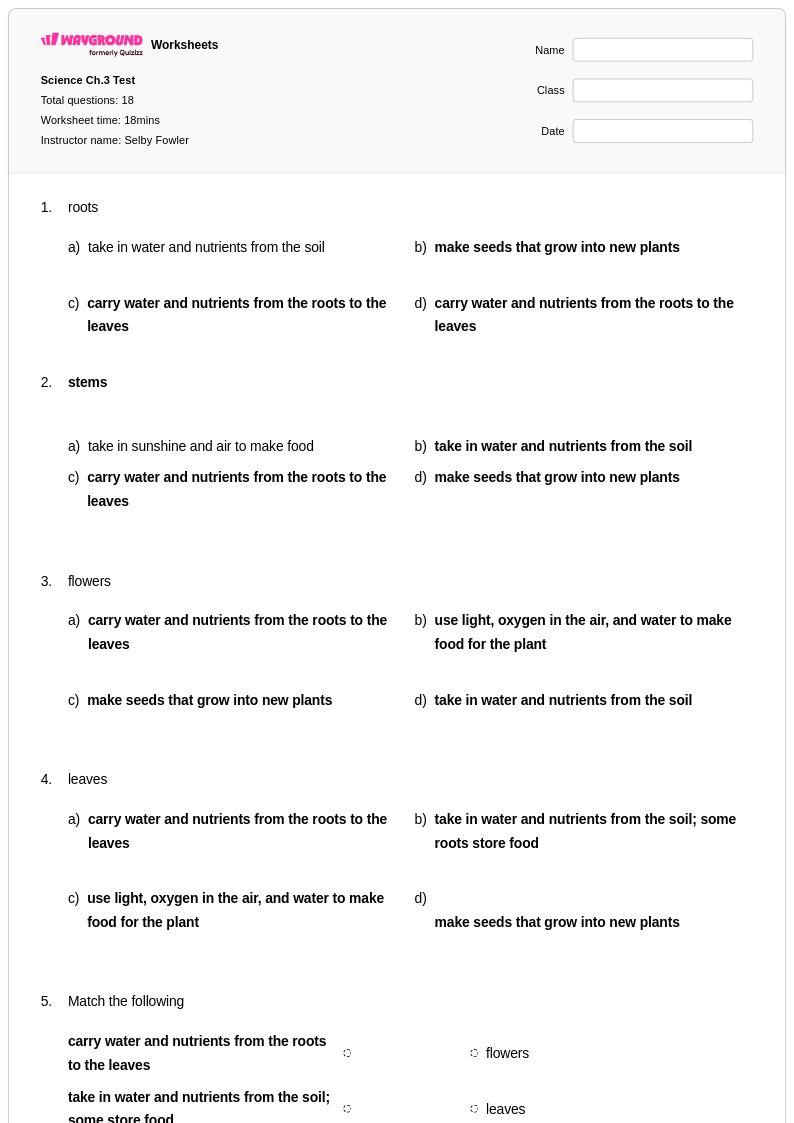
18 Q
2nd
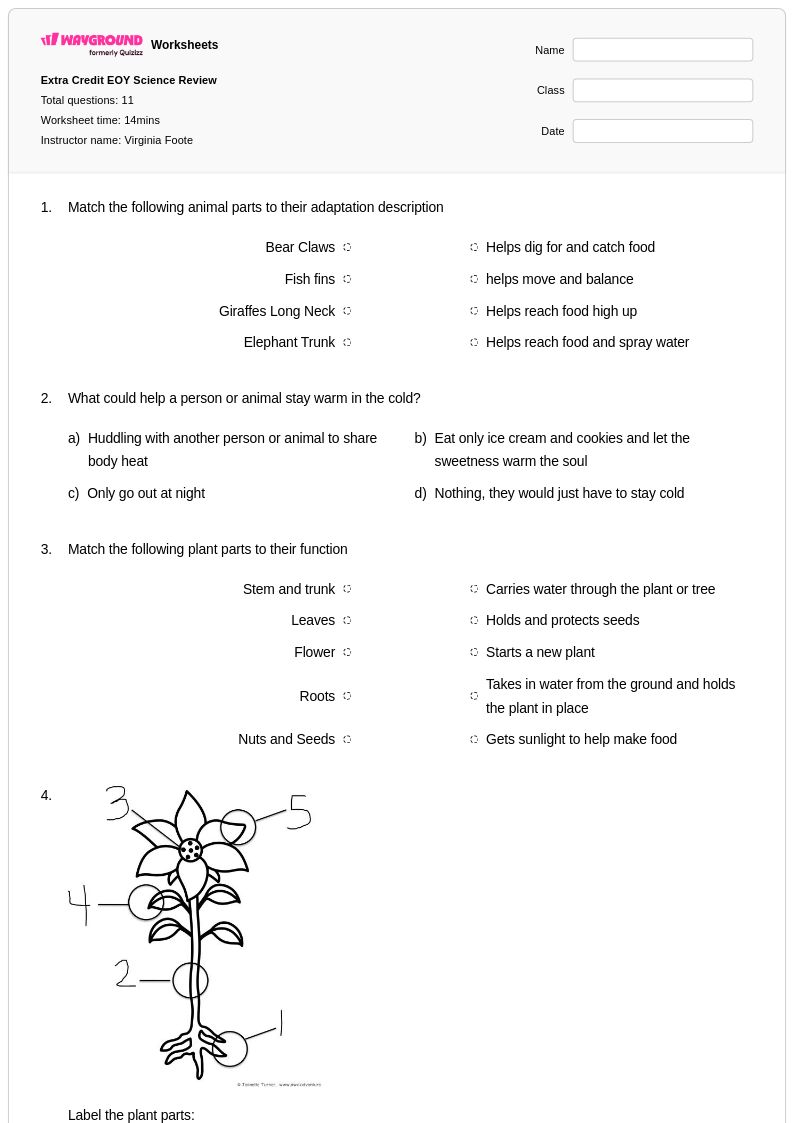
11 Q
2nd
Explore Other Subject Worksheets for class 2
Explore printable Life Cycle of Bees worksheets for Class 2
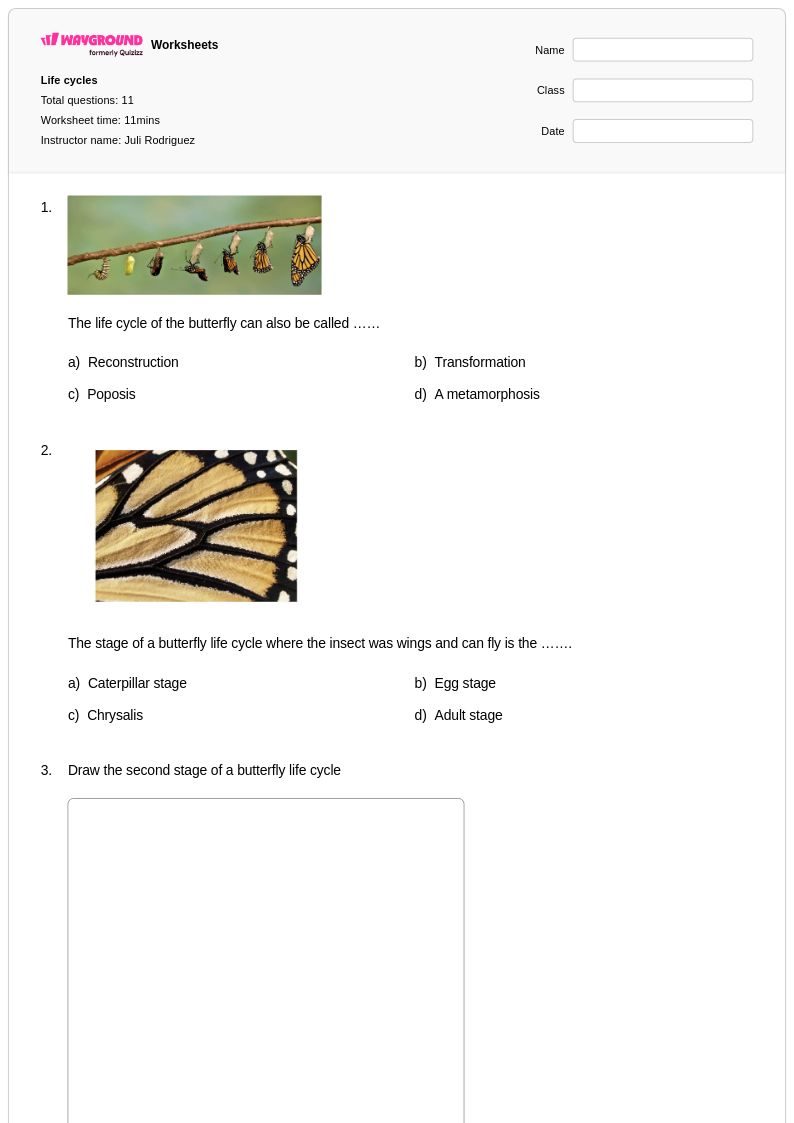
Life cycle of bees worksheets for Class 2 students available through Wayground offer young learners an engaging introduction to one of nature's most fascinating transformation processes. These educational resources help second graders develop critical science observation skills while exploring the four distinct stages of bee development: egg, larva, pupa, and adult bee. The worksheets strengthen students' ability to sequence biological events, identify key characteristics of each life cycle stage, and understand the important role bees play in pollination and ecosystem health. Teachers can access comprehensive materials including visual diagrams for labeling activities, sequencing exercises, and practice problems that reinforce vocabulary related to metamorphosis. Each worksheet collection includes detailed answer keys and is available as free printable pdf downloads, making classroom implementation seamless and cost-effective.
Wayground's extensive library contains millions of teacher-created life cycle of bees resources specifically designed to support Class 2 science instruction and accommodate diverse learning needs in elementary classrooms. The platform's robust search and filtering capabilities allow educators to quickly locate materials aligned with specific science standards while offering multiple differentiation options for varying skill levels. Teachers can customize existing worksheets or combine resources to create targeted lessons for remediation, enrichment, or regular skill practice sessions. The flexible format options include both printable worksheets for hands-on activities and digital versions that support interactive learning environments. This comprehensive approach enables educators to efficiently plan meaningful lessons that help students master fundamental concepts about insect life cycles while building essential scientific thinking skills through structured observation and analysis activities.