
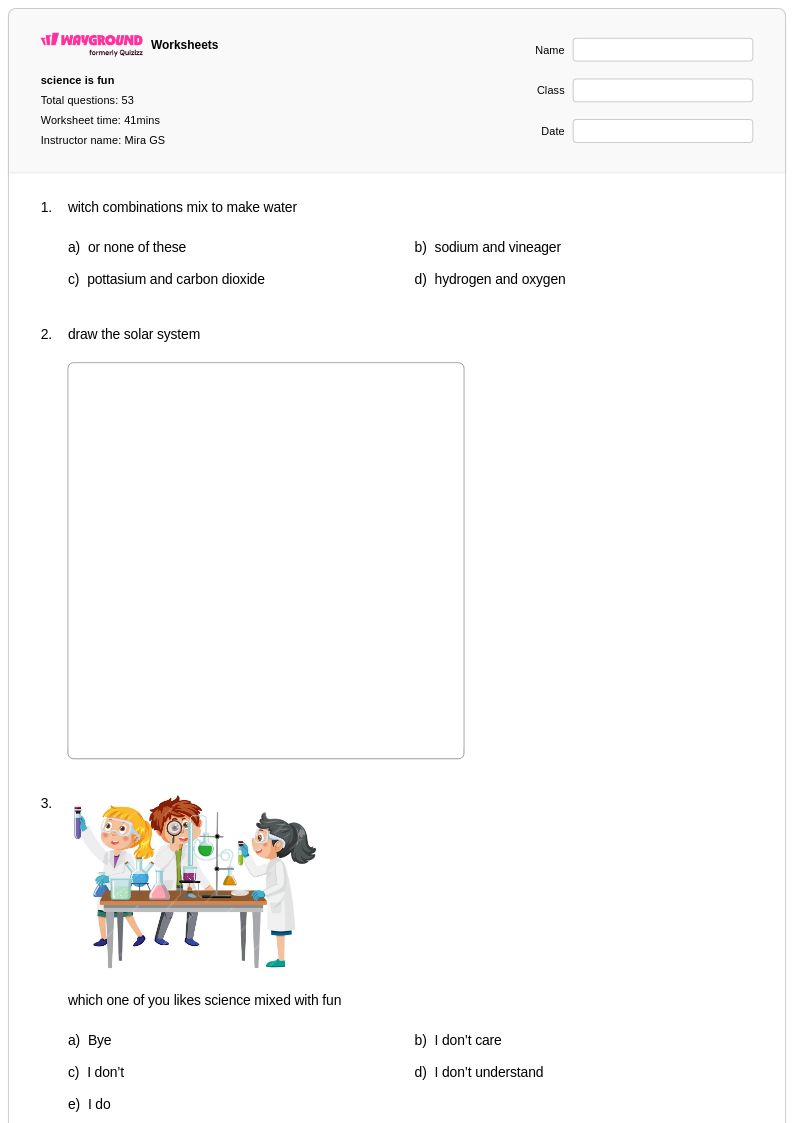
53 Q
6th - 8th
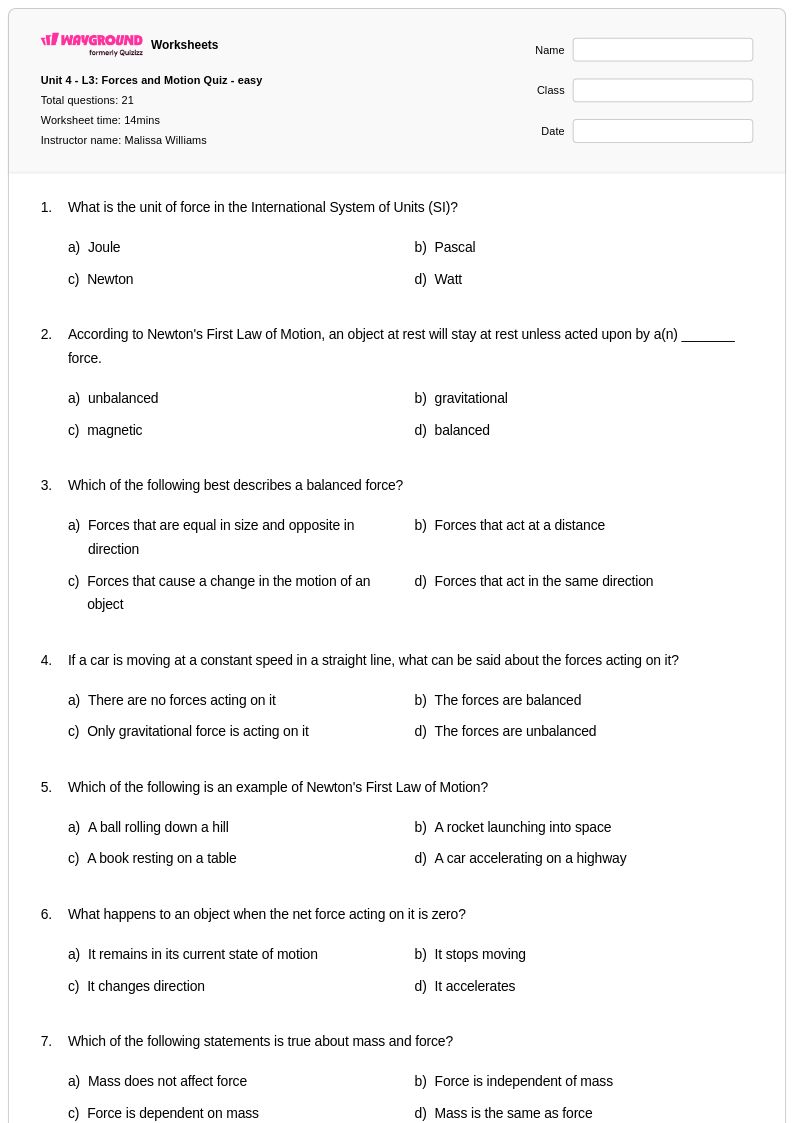
21 Q
7th
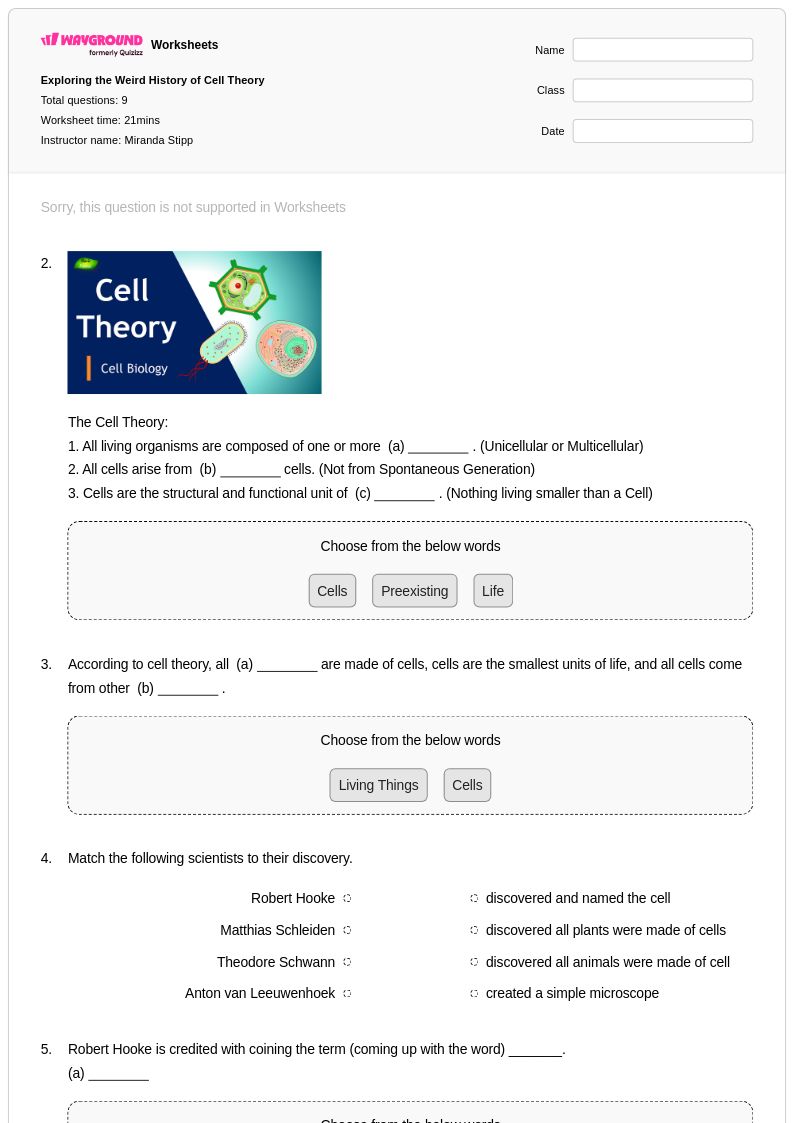
18 Q
6th - 8th
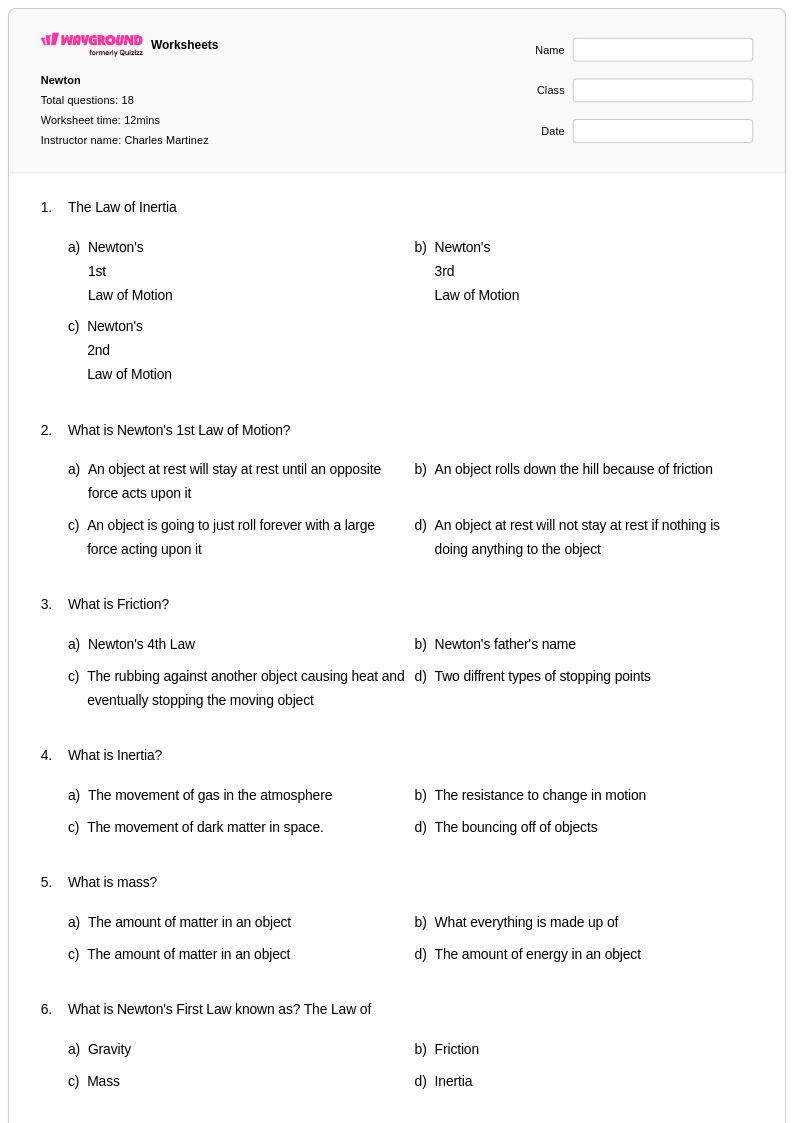
18 Q
7th
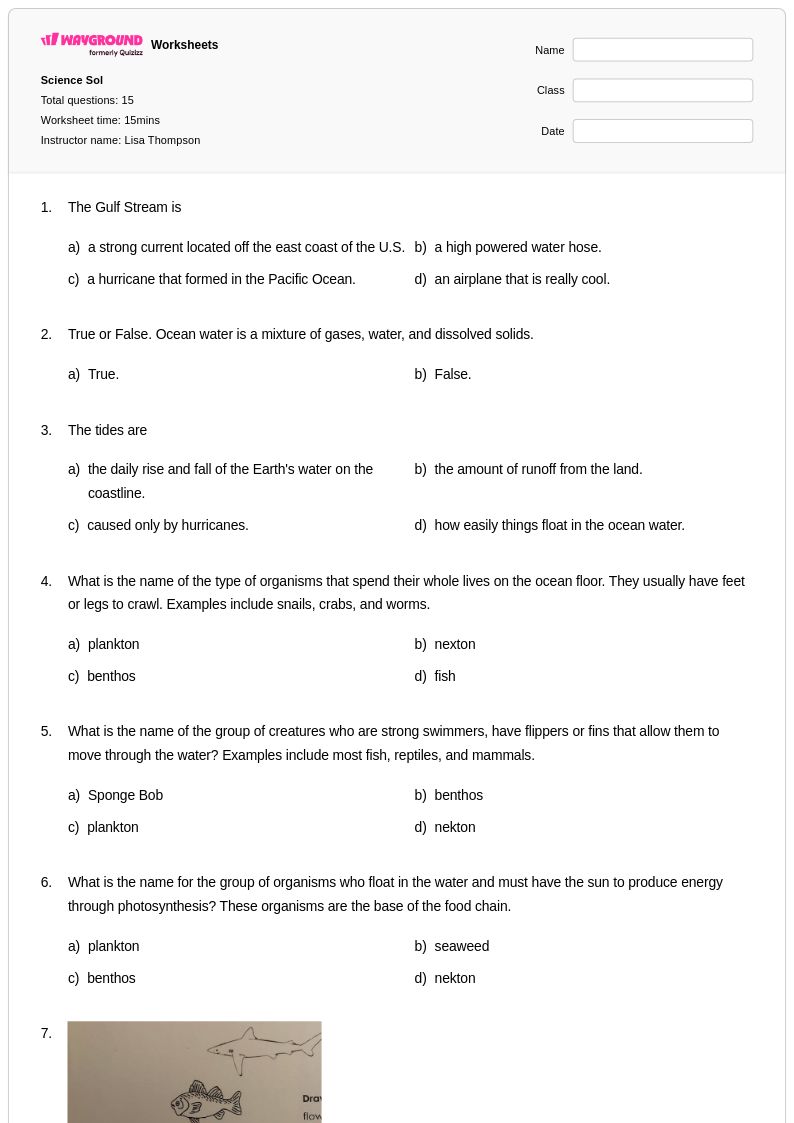
15 Q
4th - Uni
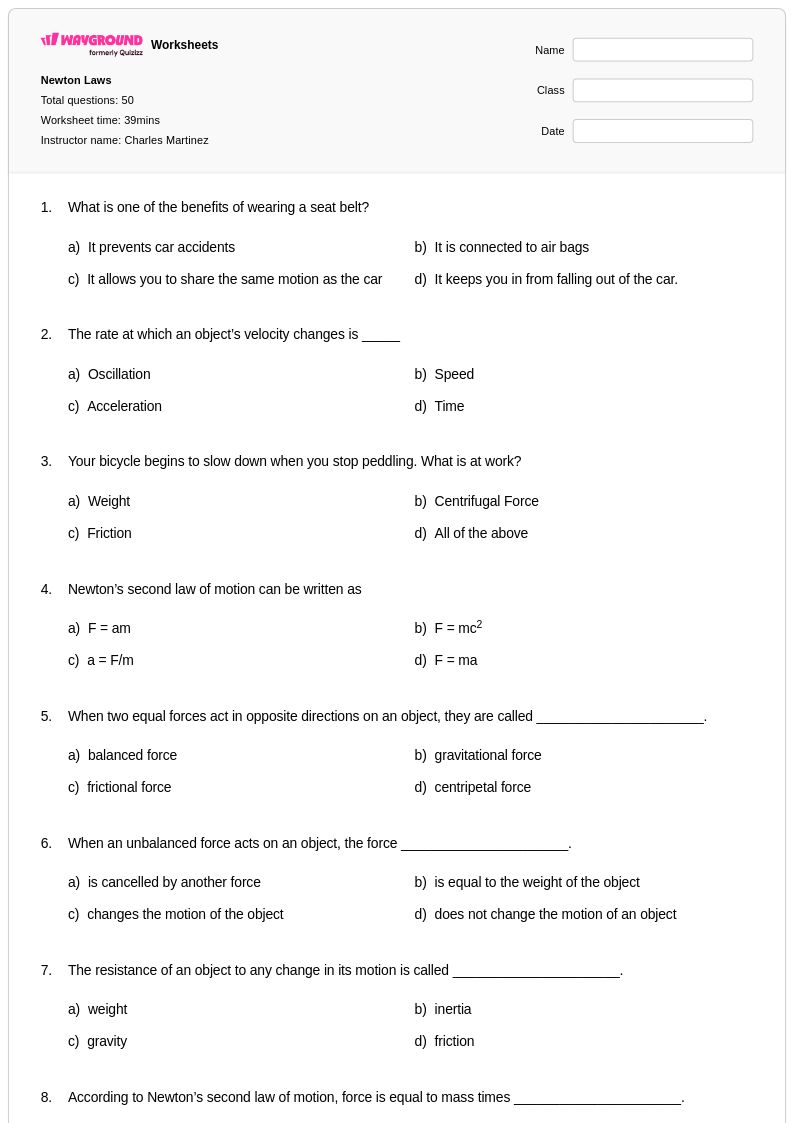
50 Q
6th - 12th
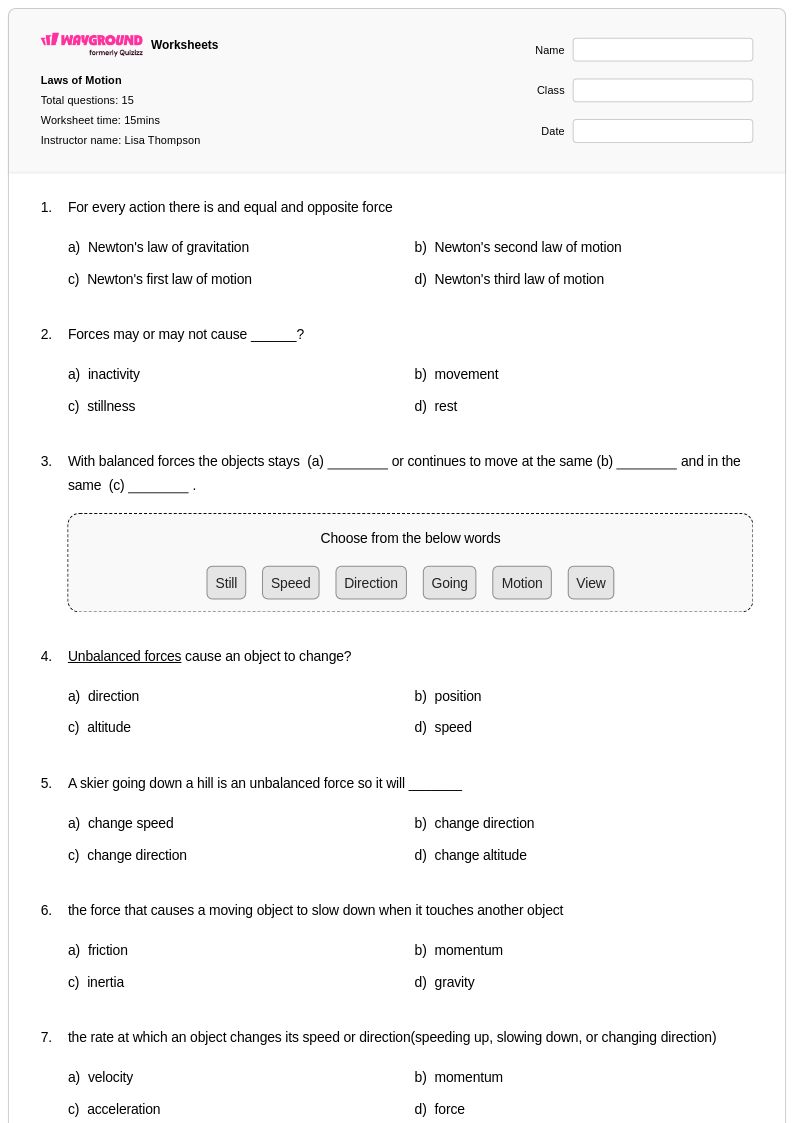
15 Q
6th - Uni
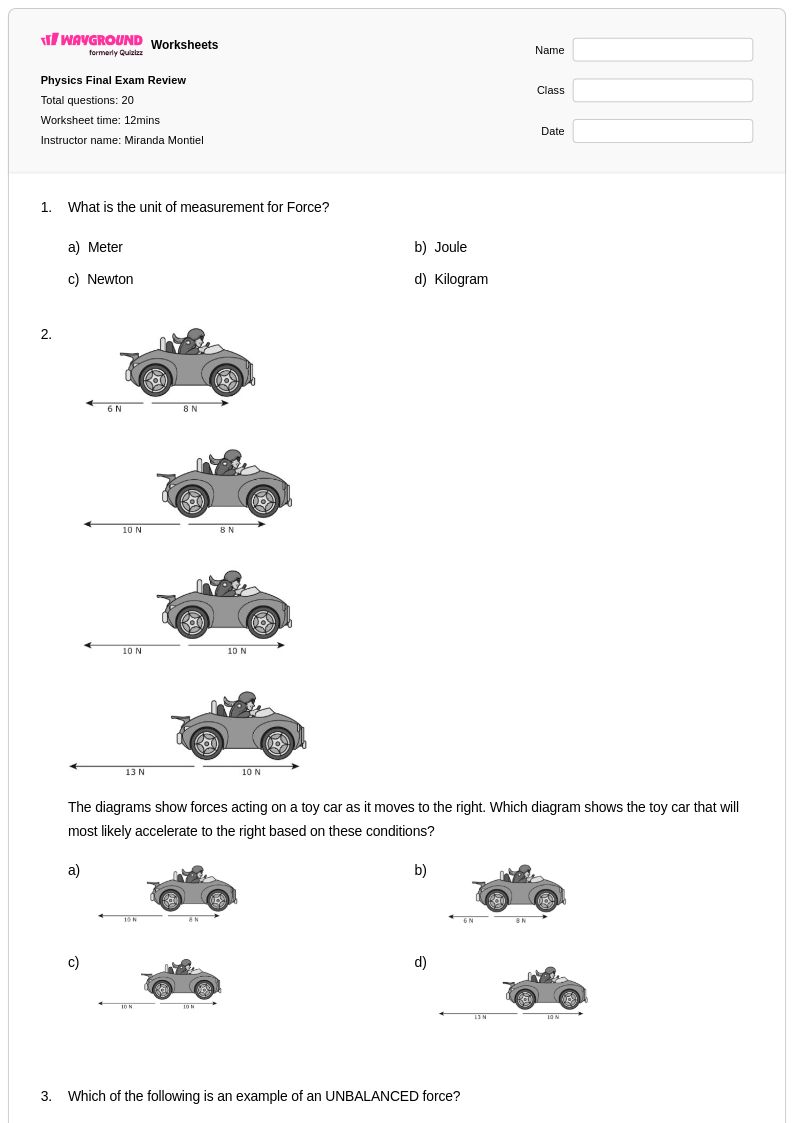
20 Q
7th - 8th
15 Q
3rd - Uni
17 Q
5th - 7th
9 Q
6th - 8th
15 Q
7th - Uni

15 Q
4th - Uni
15 Q
7th - 8th
21 Q
7th - 9th
15 Q
5th - Uni
15 Q
5th - Uni
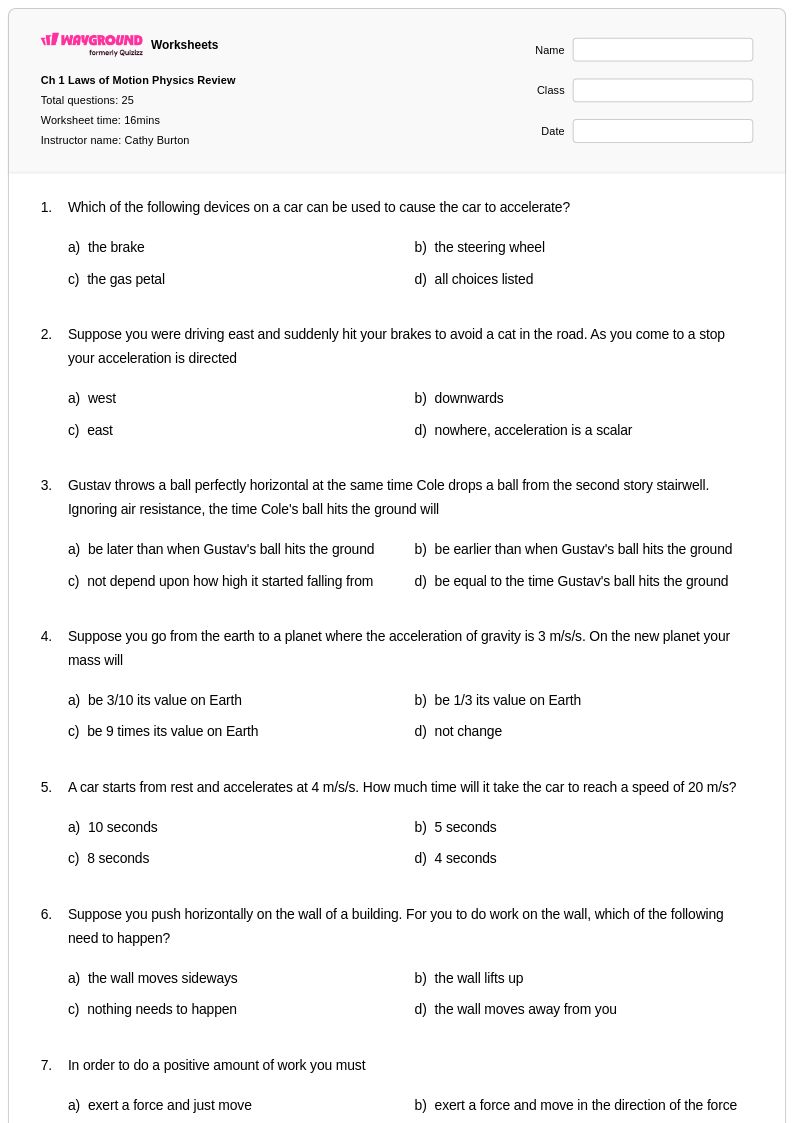
25 Q
7th - 9th
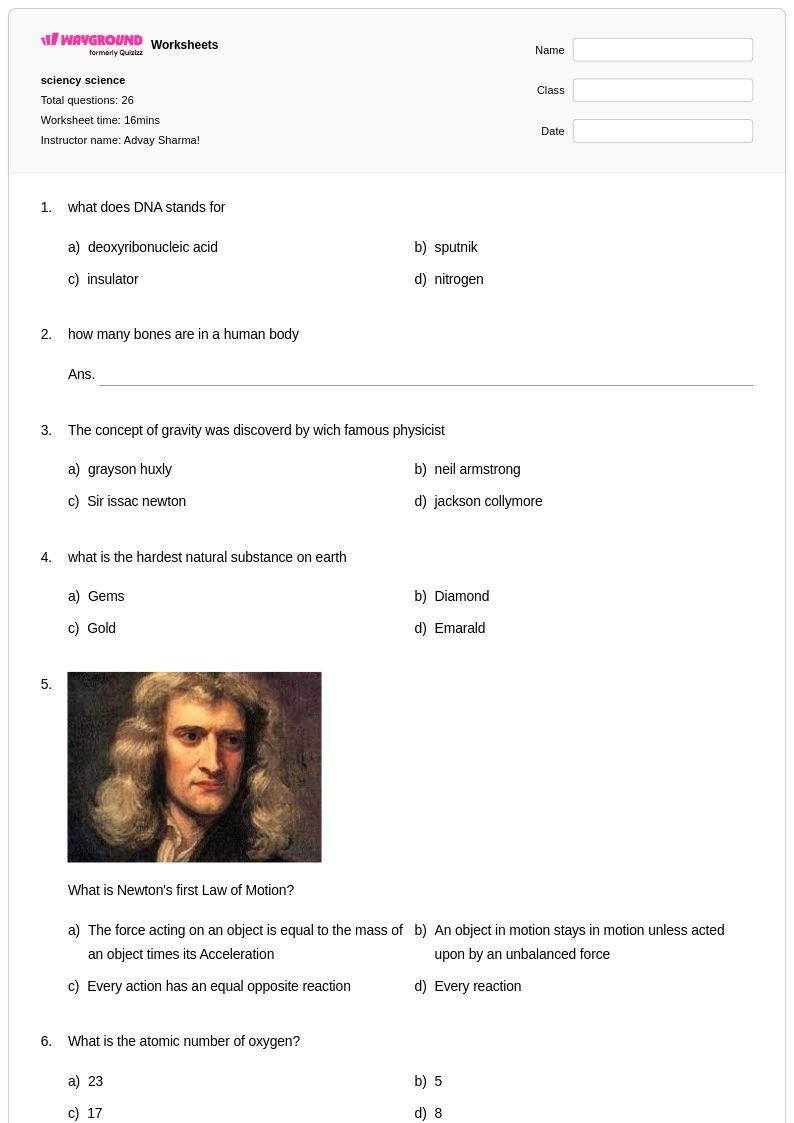
26 Q
7th
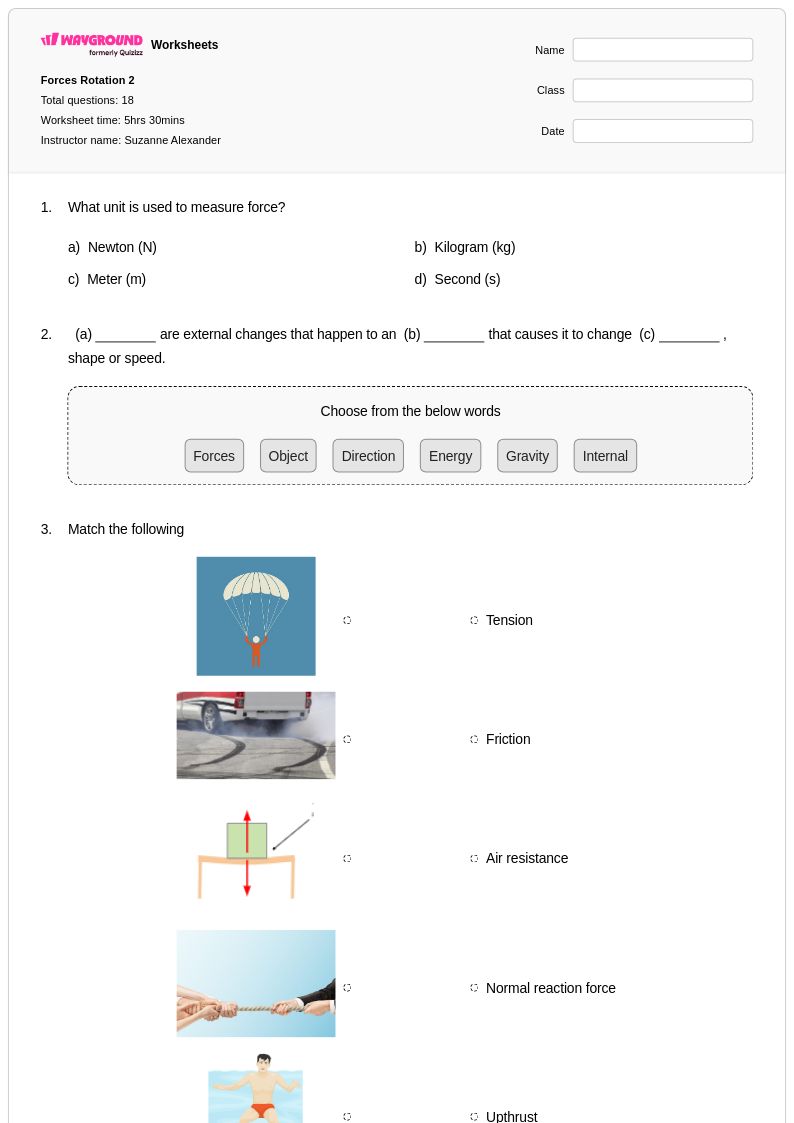
18 Q
7th
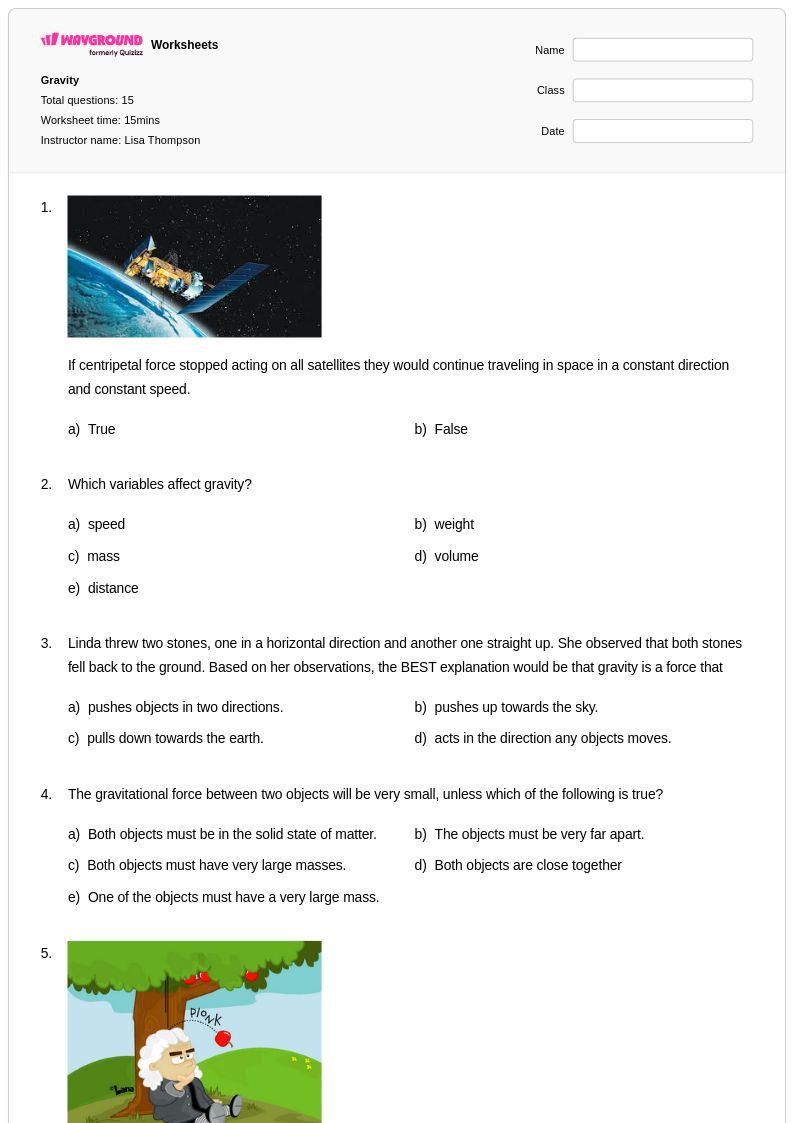
15 Q
6th - Uni
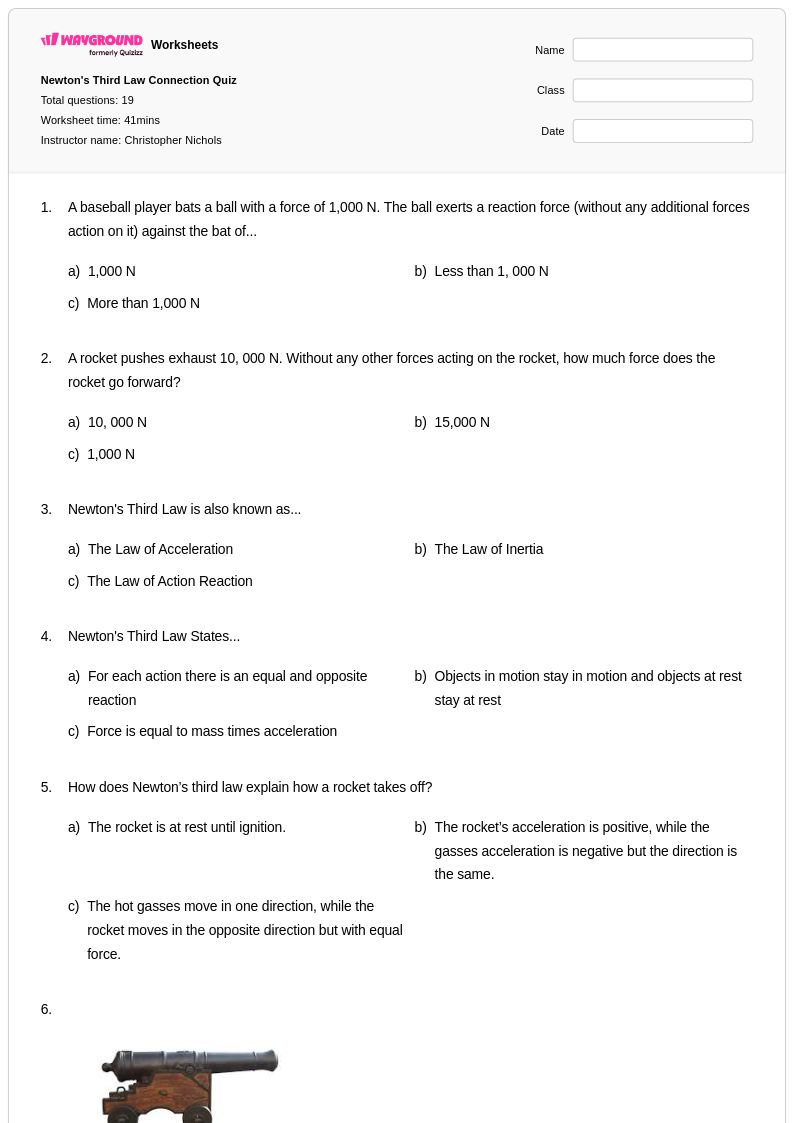
19 Q
7th
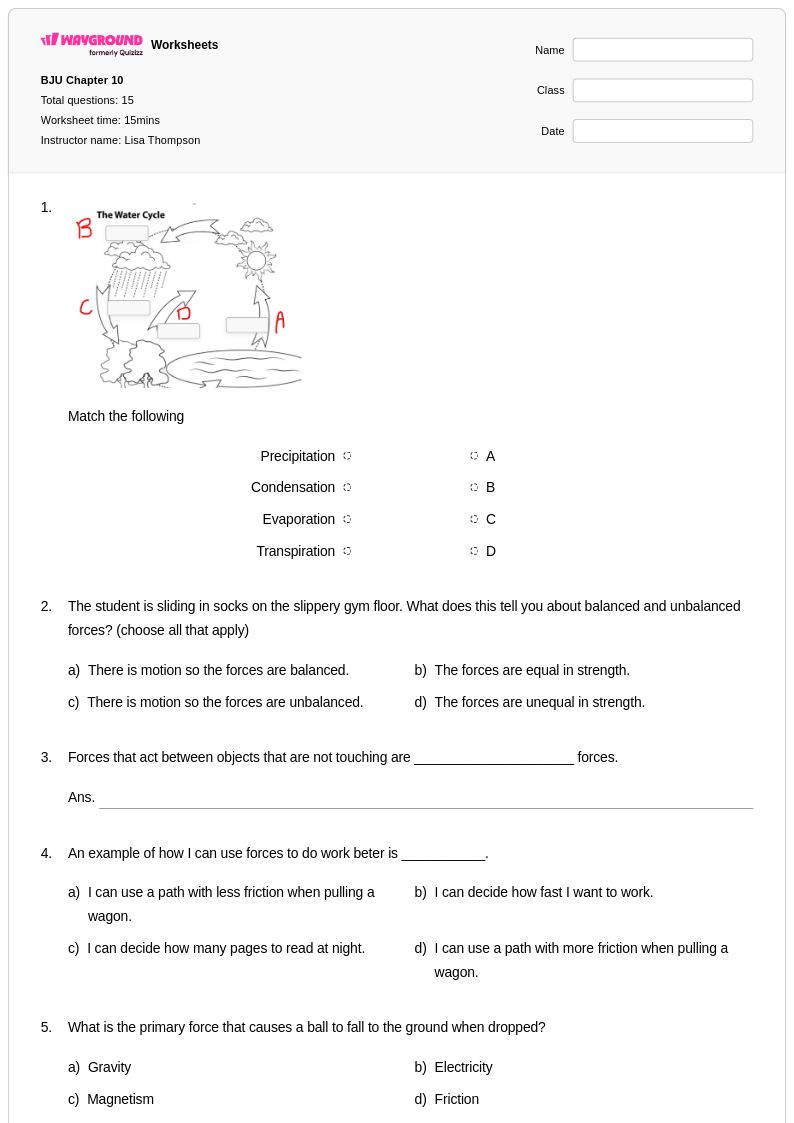
15 Q
3rd - Uni
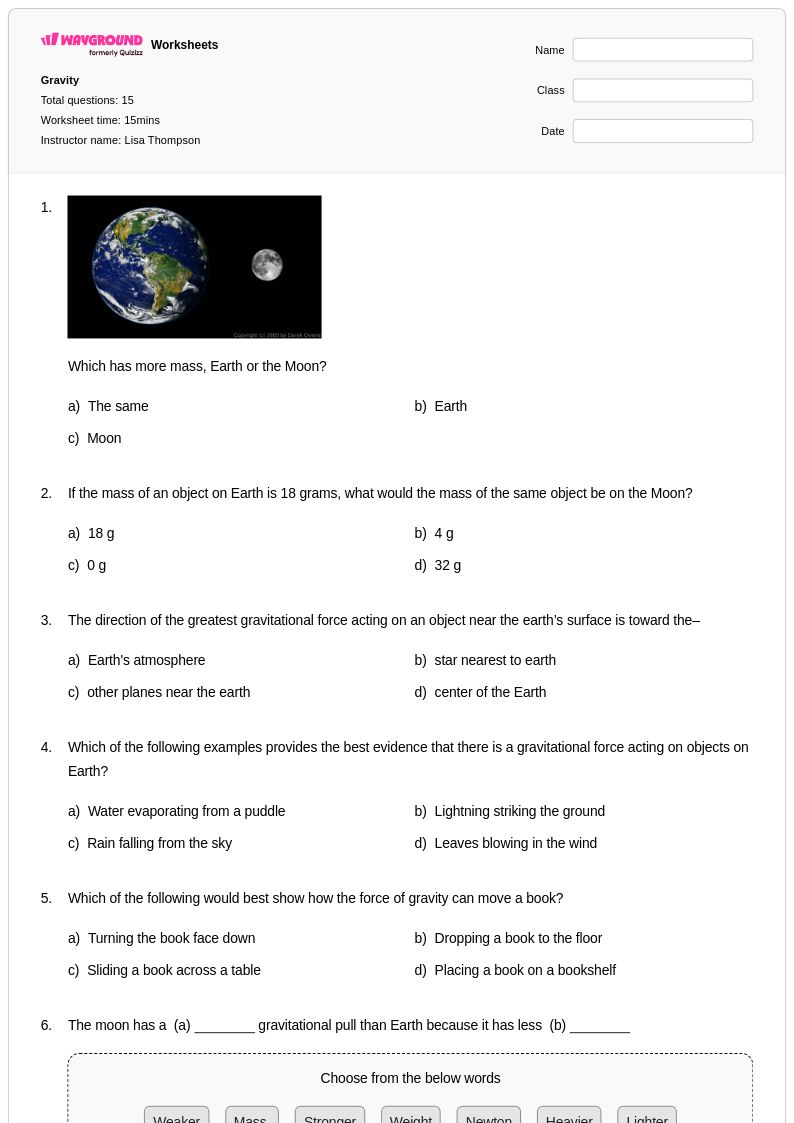
15 Q
5th - Uni
Explore Other Subject Worksheets for class 7
Explore printable Nekton worksheets for Class 7
Nekton worksheets for Class 7 students available through Wayground (formerly Quizizz) provide comprehensive exploration of these fascinating swimming organisms that actively navigate marine and freshwater environments. These educational resources strengthen students' understanding of how nekton differ from plankton and benthos through their powerful swimming abilities, examining species like fish, squid, marine mammals, and sea turtles. The worksheets develop critical thinking skills as students analyze nekton adaptations, feeding behaviors, and ecological roles within aquatic food webs. Each printable resource includes detailed practice problems that challenge students to classify organisms, interpret data about nekton migration patterns, and evaluate human impacts on these mobile aquatic communities. Free pdf materials feature comprehensive answer keys that support both independent study and classroom instruction, ensuring students can verify their understanding of nekton characteristics and ecological significance.
Wayground (formerly Quizizz) empowers educators with an extensive collection of teacher-created nekton resources drawn from millions of educational materials, offering robust search and filtering capabilities that align with science curriculum standards. Teachers can easily differentiate instruction by selecting worksheets that match individual student needs, from foundational organism classification to advanced ecosystem analysis. The platform's flexible customization tools allow educators to modify existing materials or combine multiple resources for comprehensive lesson planning. Available in both printable and digital pdf formats, these nekton worksheets seamlessly integrate into various teaching environments while supporting diverse learning objectives. This versatile resource library facilitates effective remediation for struggling learners, provides enrichment opportunities for advanced students, and delivers consistent skill practice that reinforces understanding of aquatic ecosystem dynamics and the critical role nekton play in marine and freshwater environments.
FAQs
How do I teach nekton to students in a marine biology unit?
What activities help students practice identifying and classifying nekton?
What misconceptions do students commonly have about nekton?
How do nekton worksheets connect to broader ocean ecology concepts?
How do I use Wayground's nekton worksheets in my classroom?