Free Printable Conservation of Charge Worksheets for Grade 10
Enhance Grade 10 physics understanding with free conservation of charge worksheets and printables from Wayground, featuring practice problems and answer keys to help students master electrical charge principles.
Explore printable Conservation of Charge worksheets for Grade 10
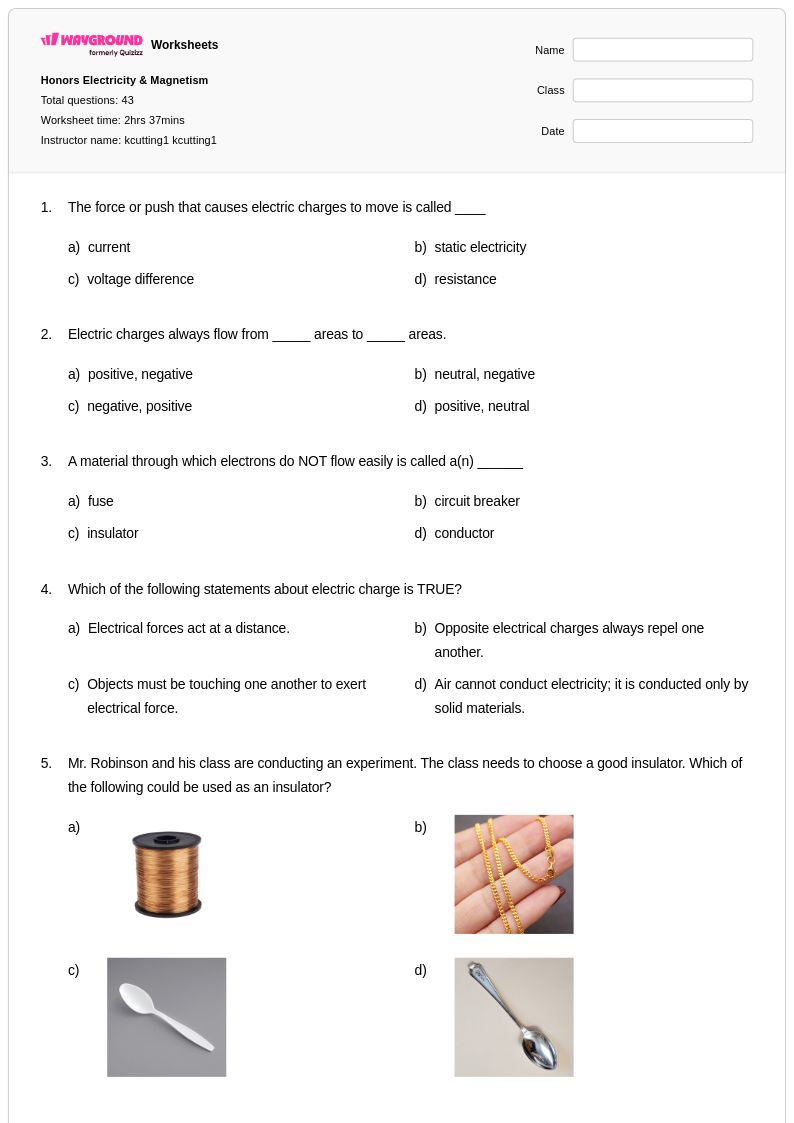
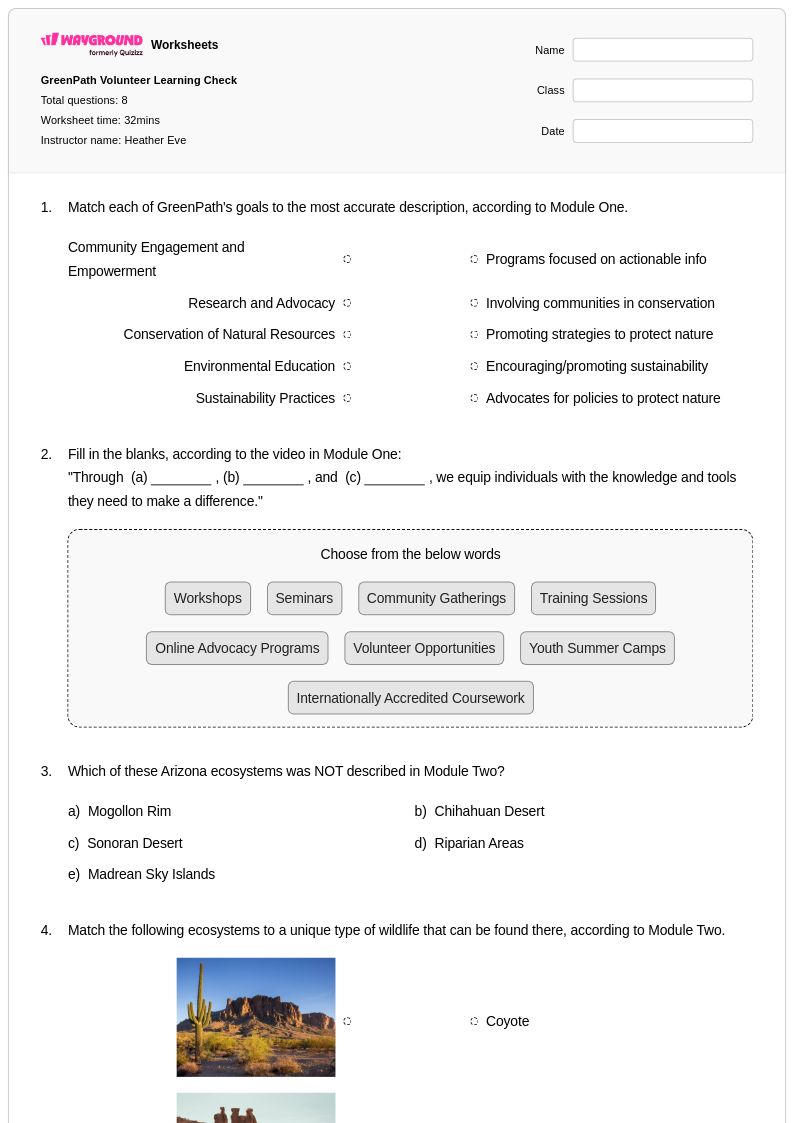
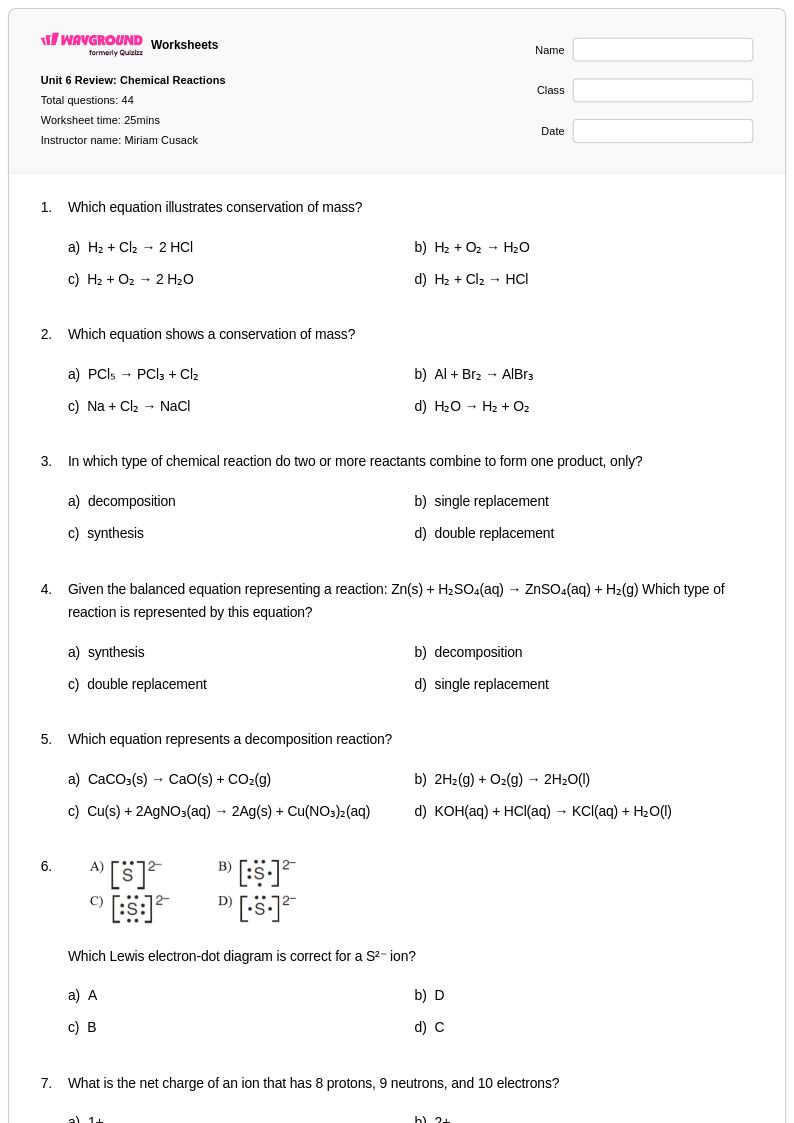
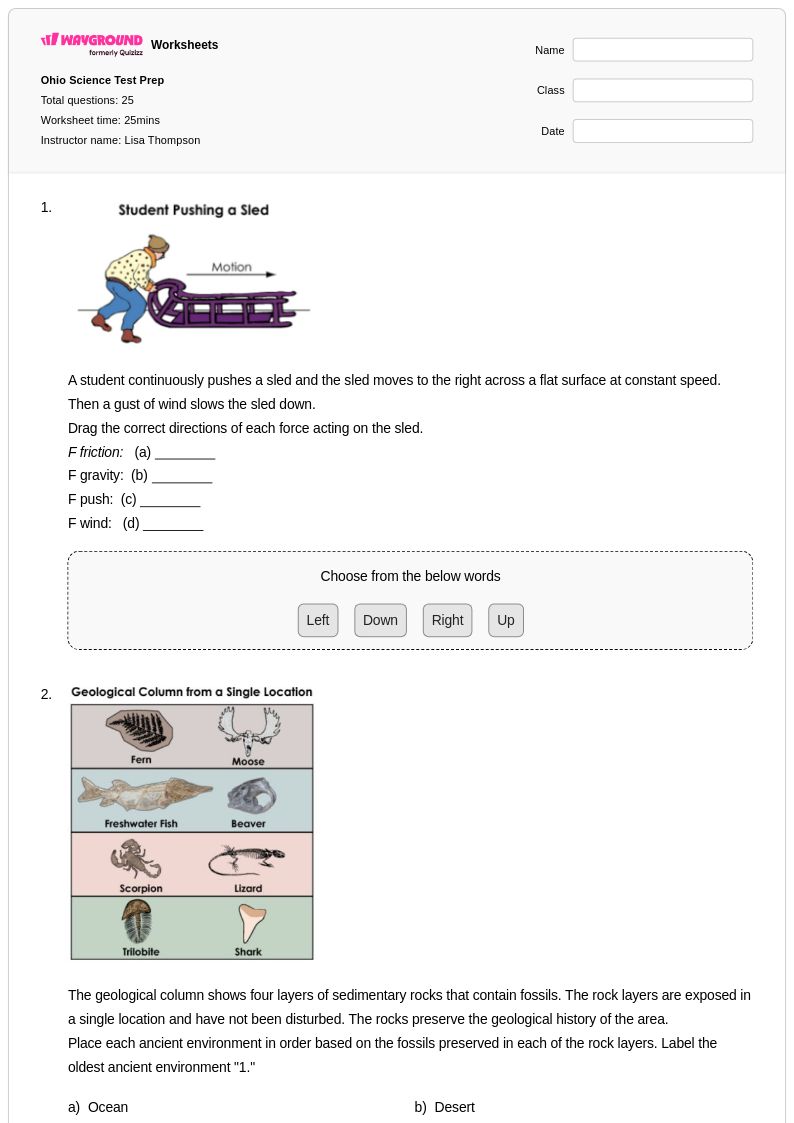
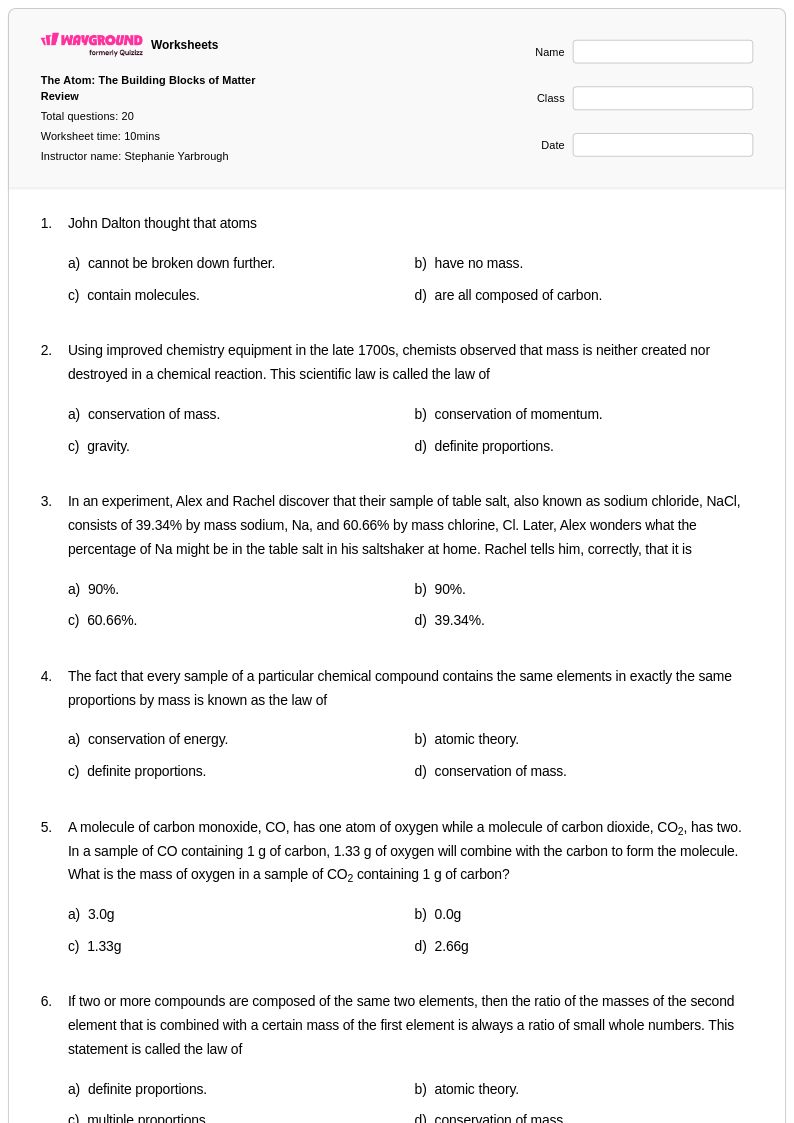
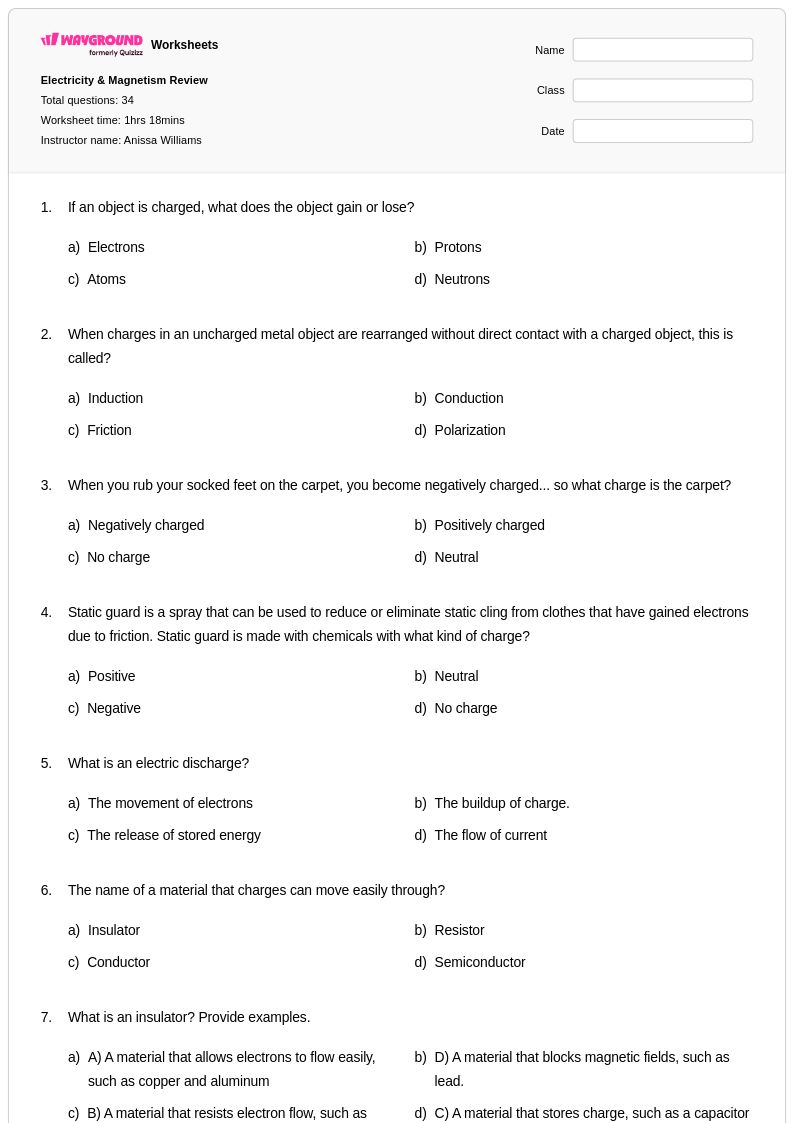
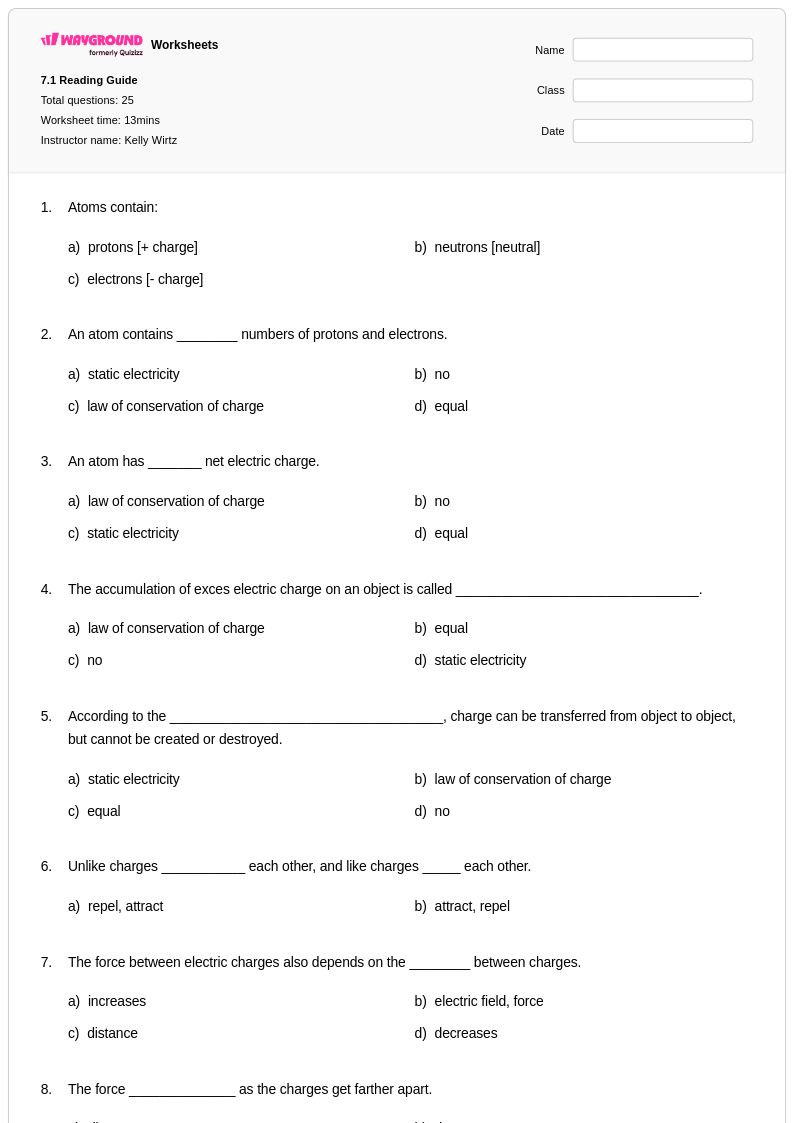
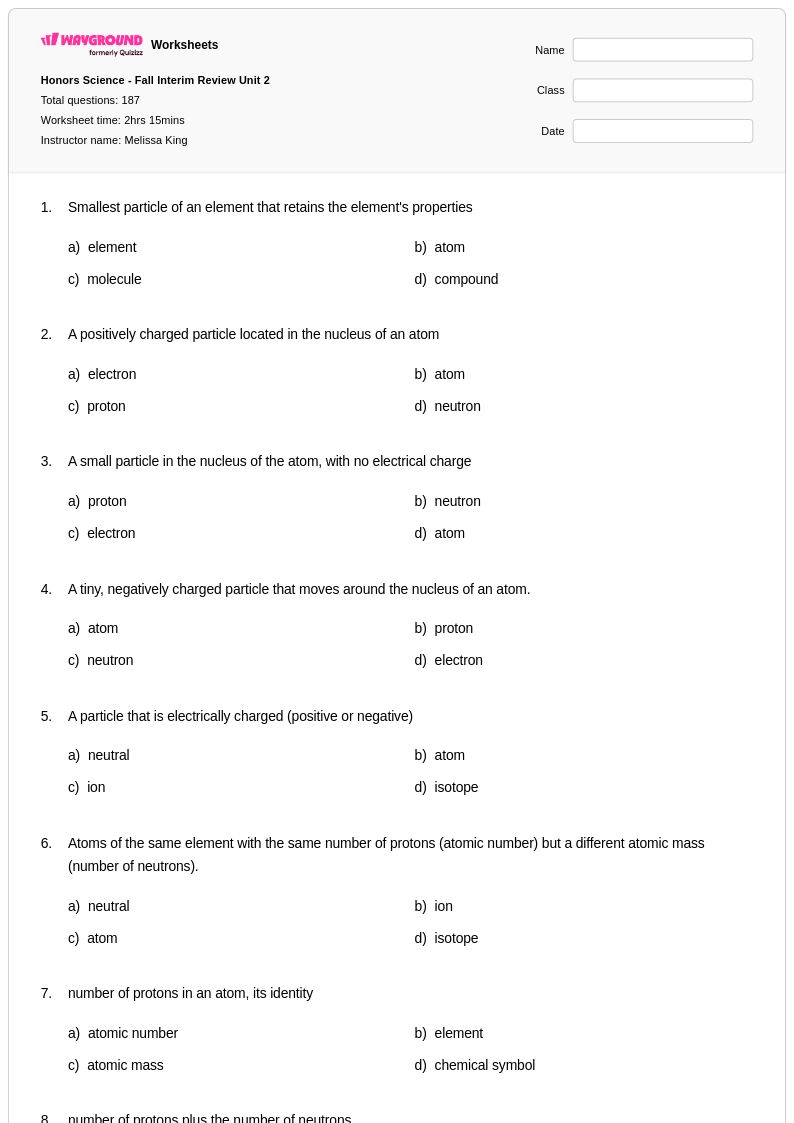
Grade 10 conservation of charge worksheets available through Wayground (formerly Quizizz) provide comprehensive practice with one of the fundamental principles governing electrical phenomena in physics. These carefully designed educational resources help students master the concept that electric charge cannot be created or destroyed, only transferred from one object to another, strengthening their understanding of electrostatic interactions, charge distribution, and electrical equilibrium. The collection includes practice problems that challenge students to apply conservation principles to various scenarios, from simple charge transfer experiments to complex electrostatic systems, with each worksheet featuring detailed answer keys that guide students through proper problem-solving methodologies. These free printable resources in pdf format enable students to work through progressively challenging exercises that build confidence in analyzing charge interactions and calculating net charge in isolated systems.
Wayground (formerly Quizizz) supports physics educators with millions of teacher-created worksheet resources specifically focused on conservation of charge concepts for Grade 10 students. The platform's robust search and filtering capabilities allow teachers to quickly locate materials that align with specific curriculum standards and match their students' current skill levels, while differentiation tools enable customization for diverse learning needs within the classroom. Teachers can access these resources in both printable pdf formats for traditional instruction and digital formats for technology-integrated lessons, facilitating seamless lesson planning and implementation. The extensive collection serves multiple pedagogical purposes, from initial concept introduction and guided practice to targeted remediation for struggling students and enrichment activities for advanced learners, ensuring that all students develop a solid foundation in this essential physics principle.
FAQs
How do I teach conservation of charge to physics students?
Start by grounding students in the principle that electric charge is neither created nor destroyed, only transferred between objects, so the total charge in an isolated system stays constant. Use concrete examples like rubbing a balloon against hair or touching a charged rod to a neutral conductor to illustrate charge transfer in action. From there, move students into quantitative problems where they track charge before and after interactions, reinforcing the algebraic relationship between initial and final charge distributions. Building from qualitative reasoning to calculation helps students internalize the law rather than just memorize it.
What types of practice problems help students understand conservation of charge?
Effective practice problems for conservation of charge include charge transfer scenarios, electrostatic induction problems, and multi-object systems where students must account for total charge before and after contact or separation. Quantitative problems that ask students to calculate the final charge on each object after two charged spheres touch are particularly useful because they require both conceptual understanding and arithmetic application. Problems involving grounding, where charge leaves a system entirely, also help students grapple with what counts as an isolated system versus an open one.
What mistakes do students commonly make when learning conservation of charge?
The most common misconception is that charge is created when objects are rubbed together rather than transferred from one surface to another. Students also frequently confuse charge conservation with charge neutralization, believing that equal and opposite charges cancel out and disappear rather than understanding that the net charge of the system remains unchanged. Another common error is failing to identify system boundaries correctly, which leads students to misapply the conservation law in problems where grounding or external contact is present.
How can I use conservation of charge worksheets to assess student understanding?
Conservation of charge worksheets work well as formative assessments when used after initial instruction, since they reveal whether students can apply the principle to novel transfer scenarios rather than just recall a definition. Look specifically for errors in multi-step charge distribution problems, as these expose whether students understand both the directionality of charge transfer and the requirement that total charge is conserved across the system. Reviewing common wrong answers as a class after a worksheet activity is an efficient way to address persistent misconceptions before summative assessment.
How do I use Wayground's conservation of charge worksheets in my classroom?
Wayground's conservation of charge worksheets are available as free printable PDFs for traditional classroom use and in digital formats for technology-integrated instruction, including the option to host them as a quiz directly on the Wayground platform. Each worksheet includes a complete answer key, so teachers can use them for independent practice, homework, or in-class problem sets without additional preparation. Digital delivery also allows teachers to apply built-in accommodations such as read aloud, extended time, or reduced answer choices for students who need additional support.