
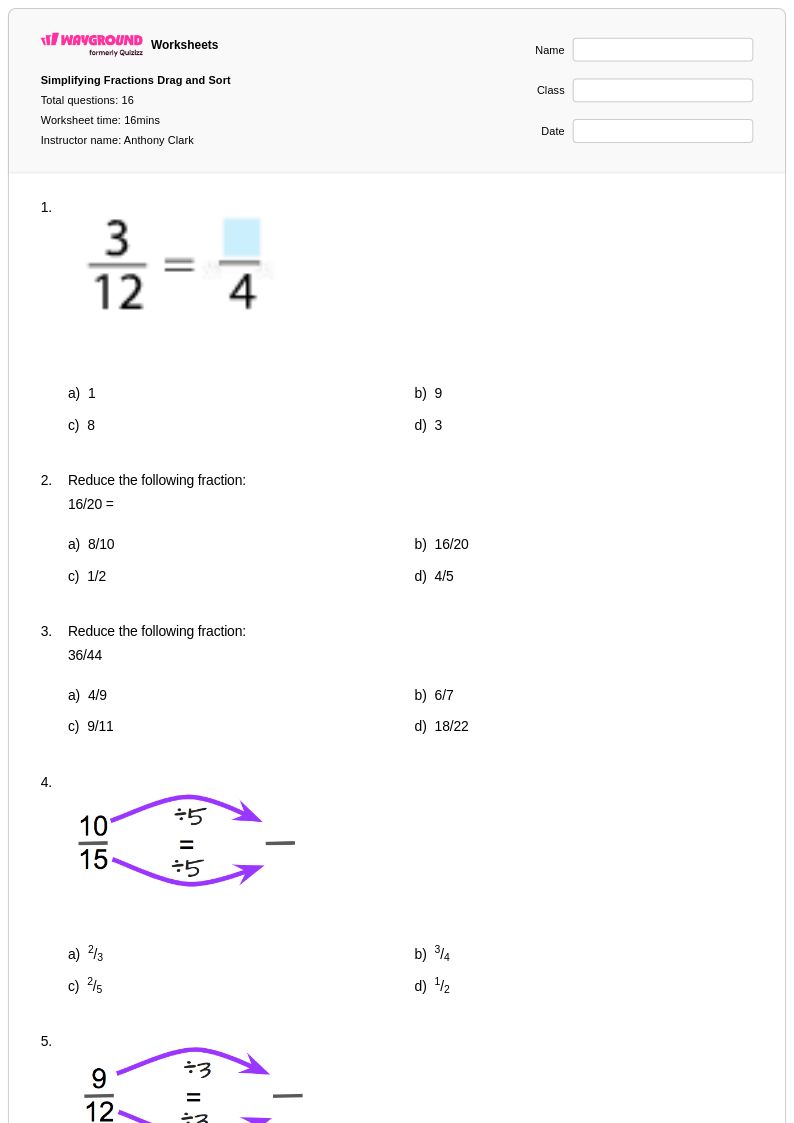
16 Q
5th - Uni
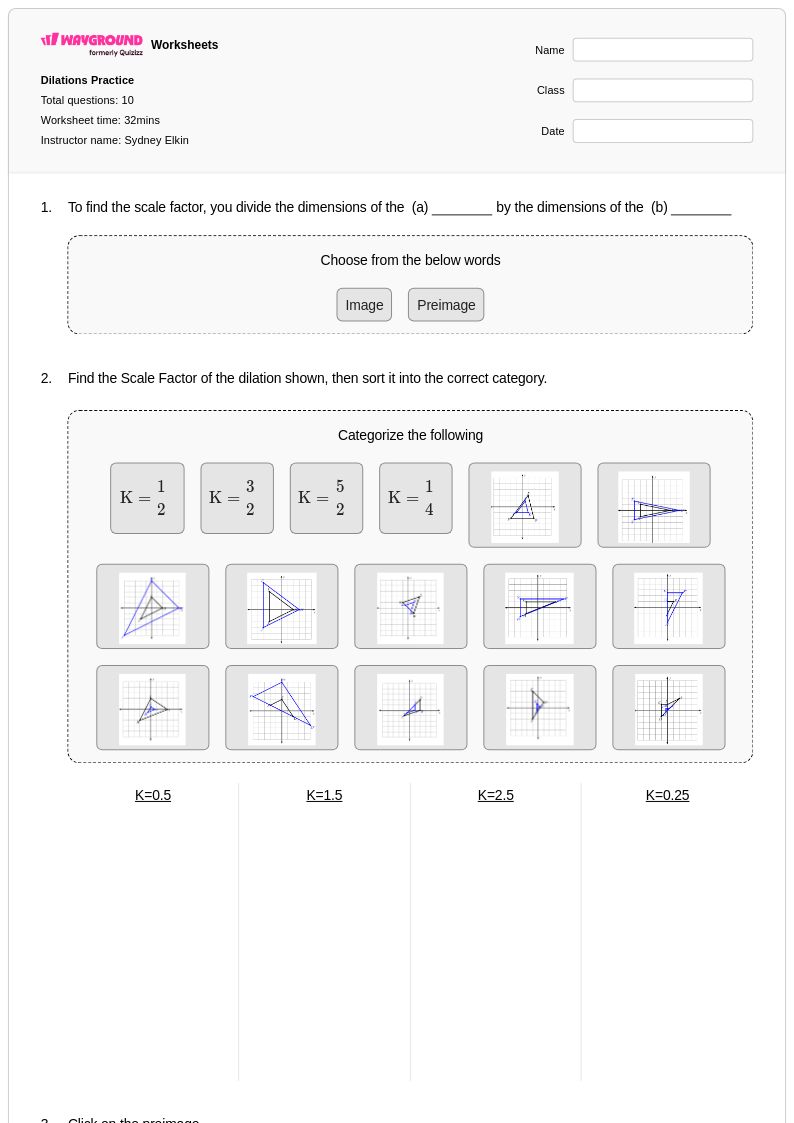
10 Q
10th
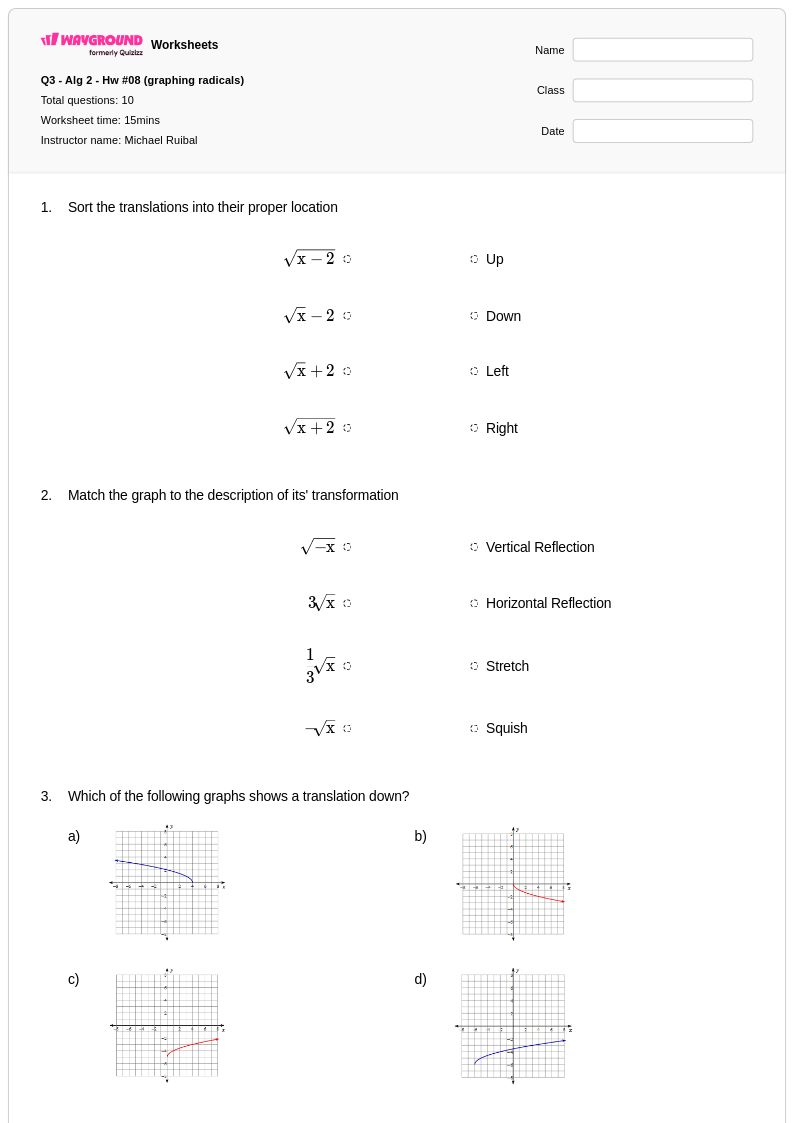
10 Q
9th - 12th
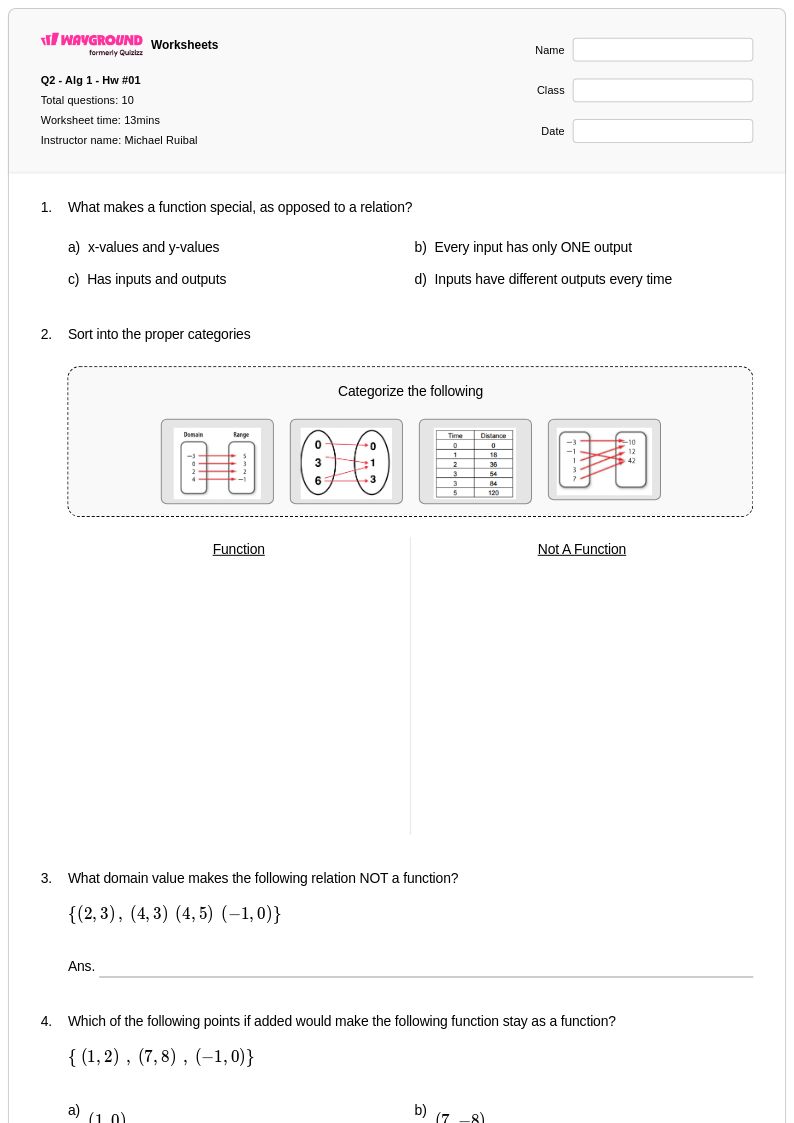
10 Q
9th - 12th
20 Q
9th - 12th
14 Q
9th - 12th
13 Q
9th - 12th
20 Q
3rd - Uni
11 Q
3rd - Uni
20 Q
5th - Uni
10 Q
9th - 12th
10 Q
6th - Uni
20 Q
6th - Uni
20 Q
3rd - Uni
14 Q
3rd - Uni
19 Q
10th
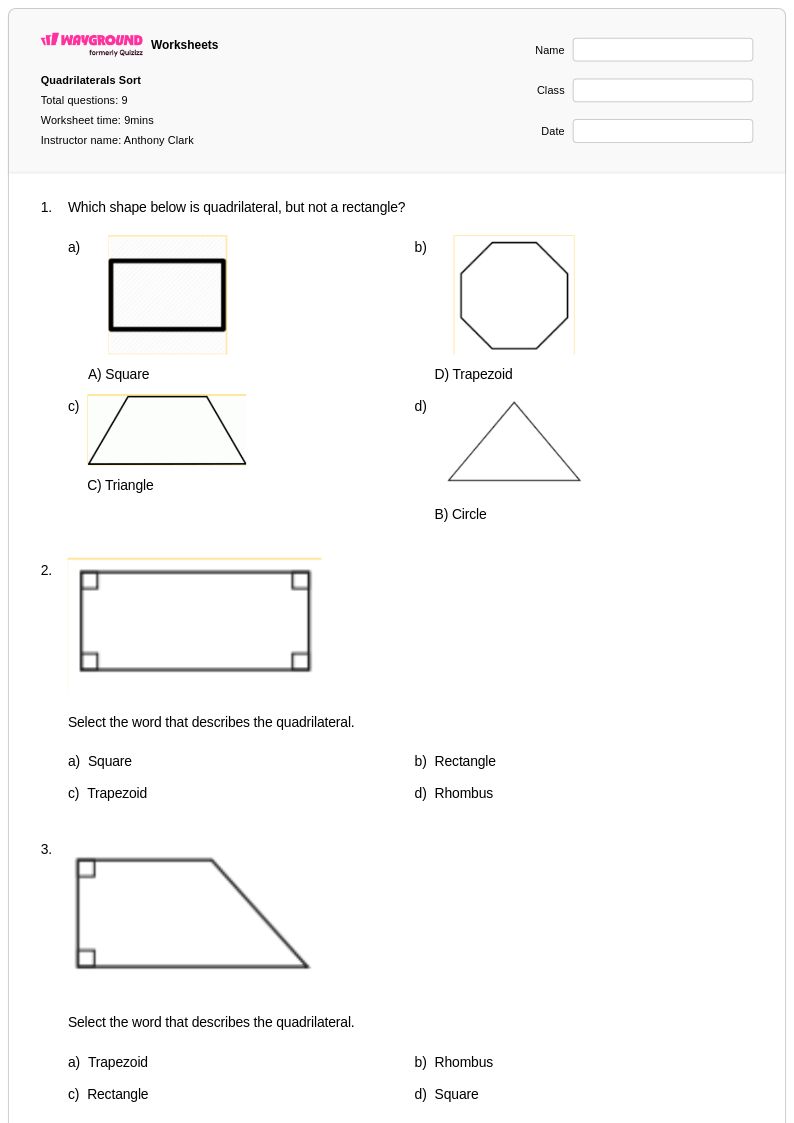
9 Q
3rd - Uni
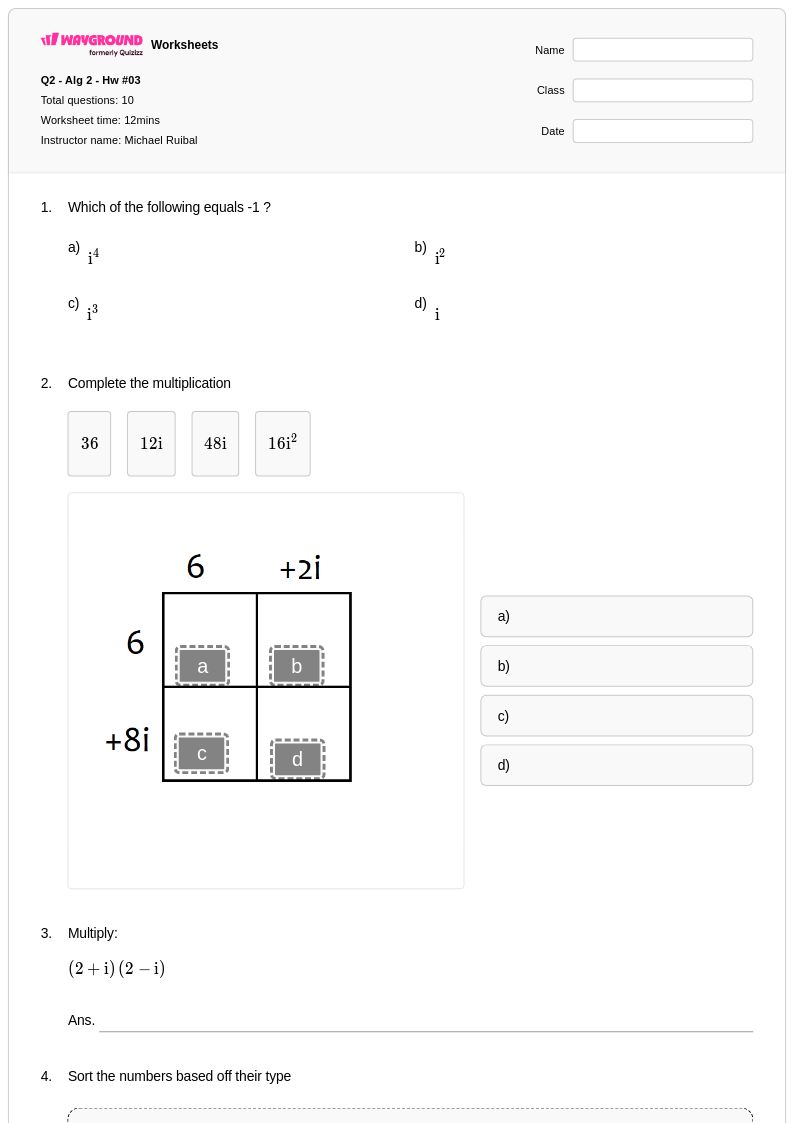
10 Q
9th - 12th
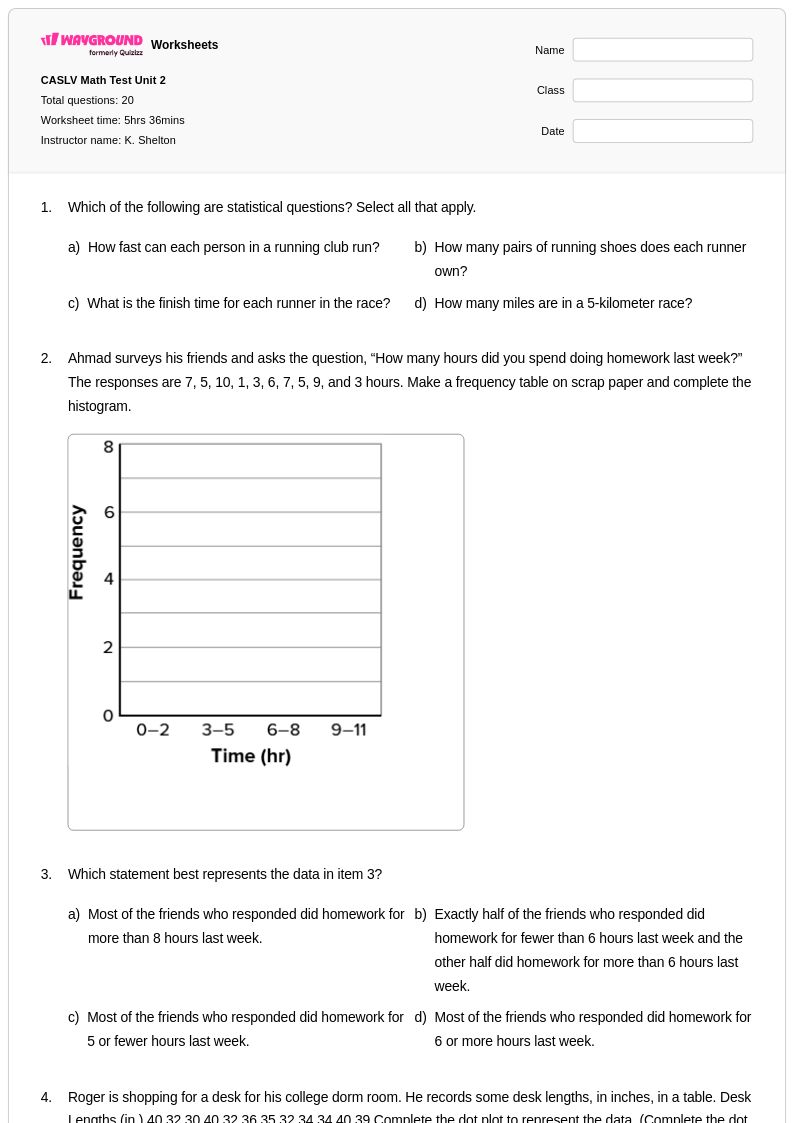
20 Q
6th - Uni
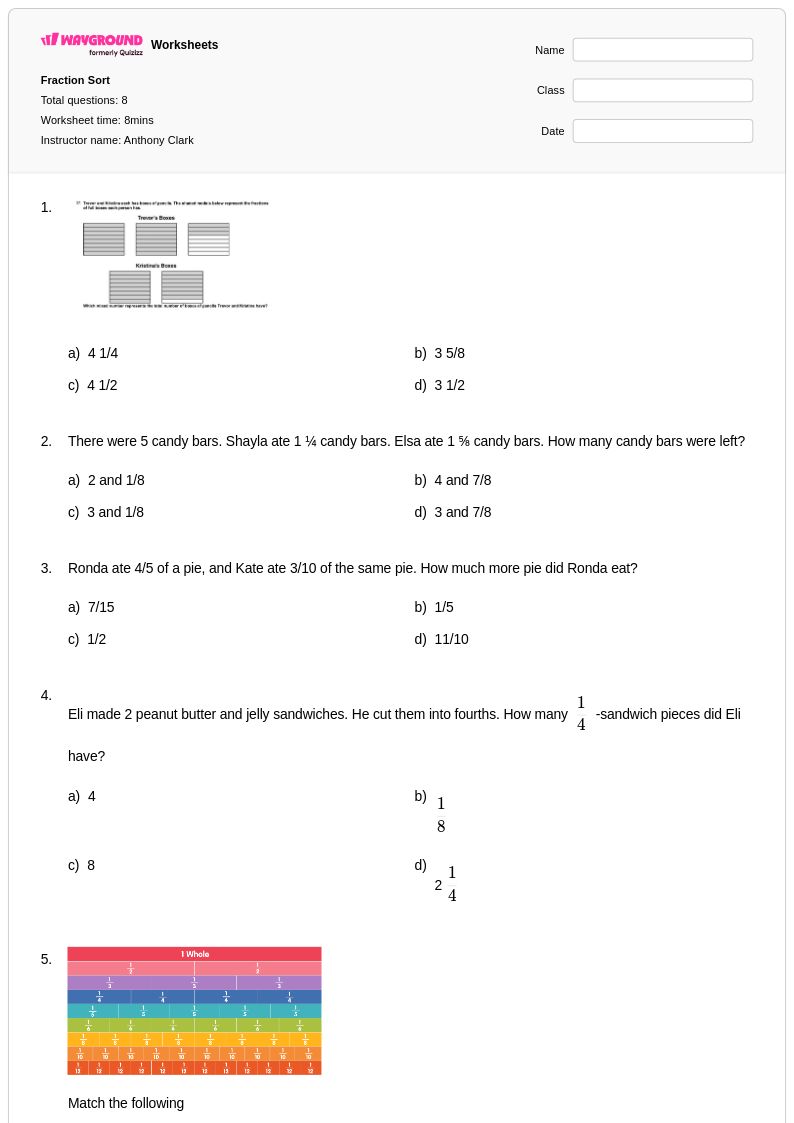
8 Q
5th - Uni
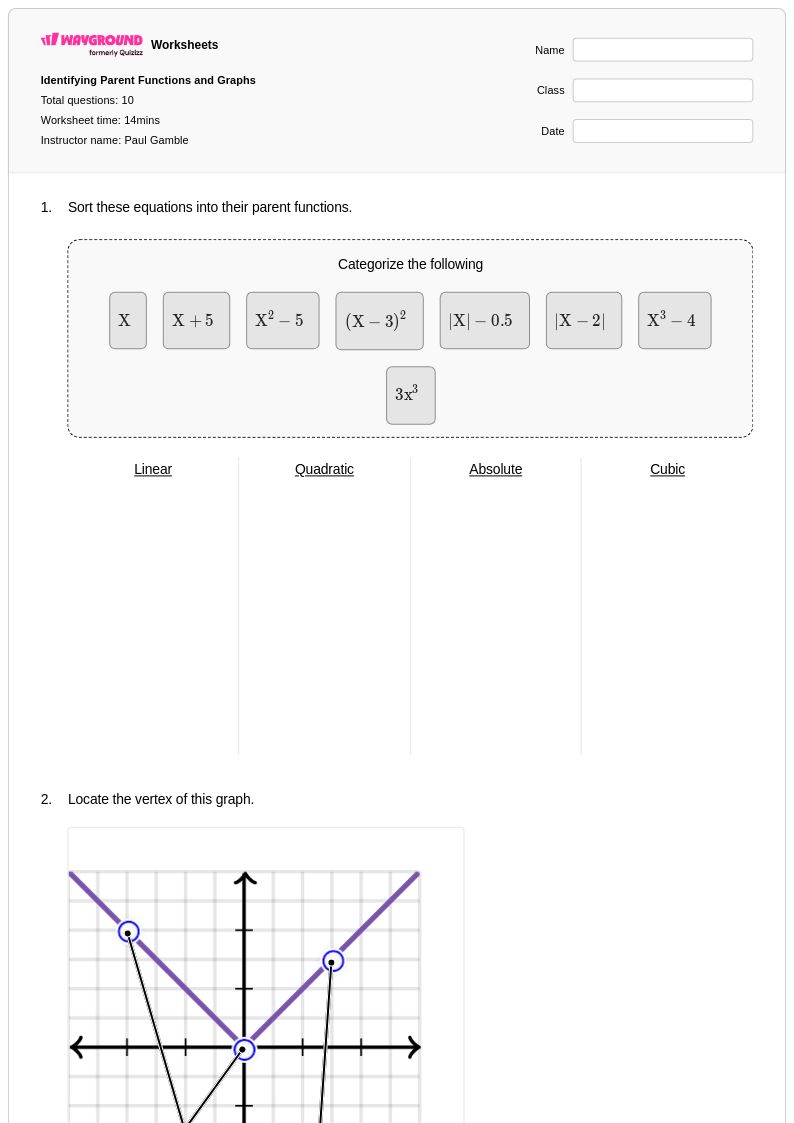
10 Q
9th - 12th
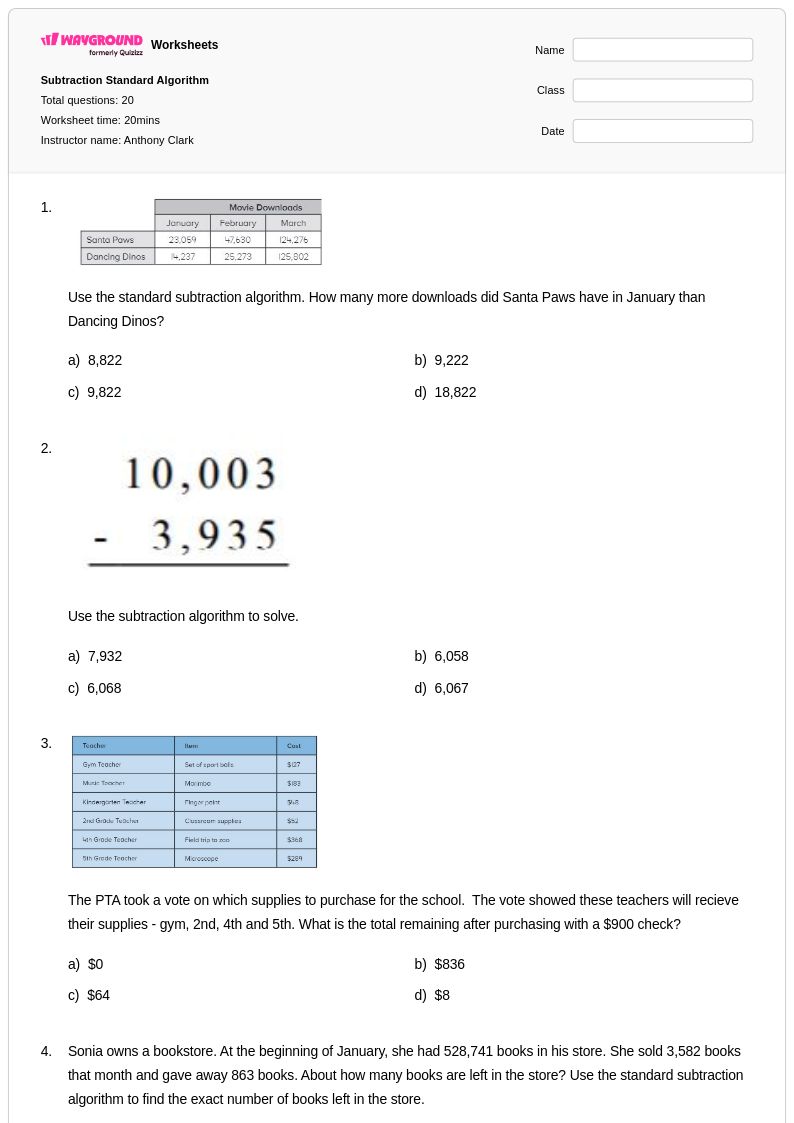
20 Q
4th - Uni
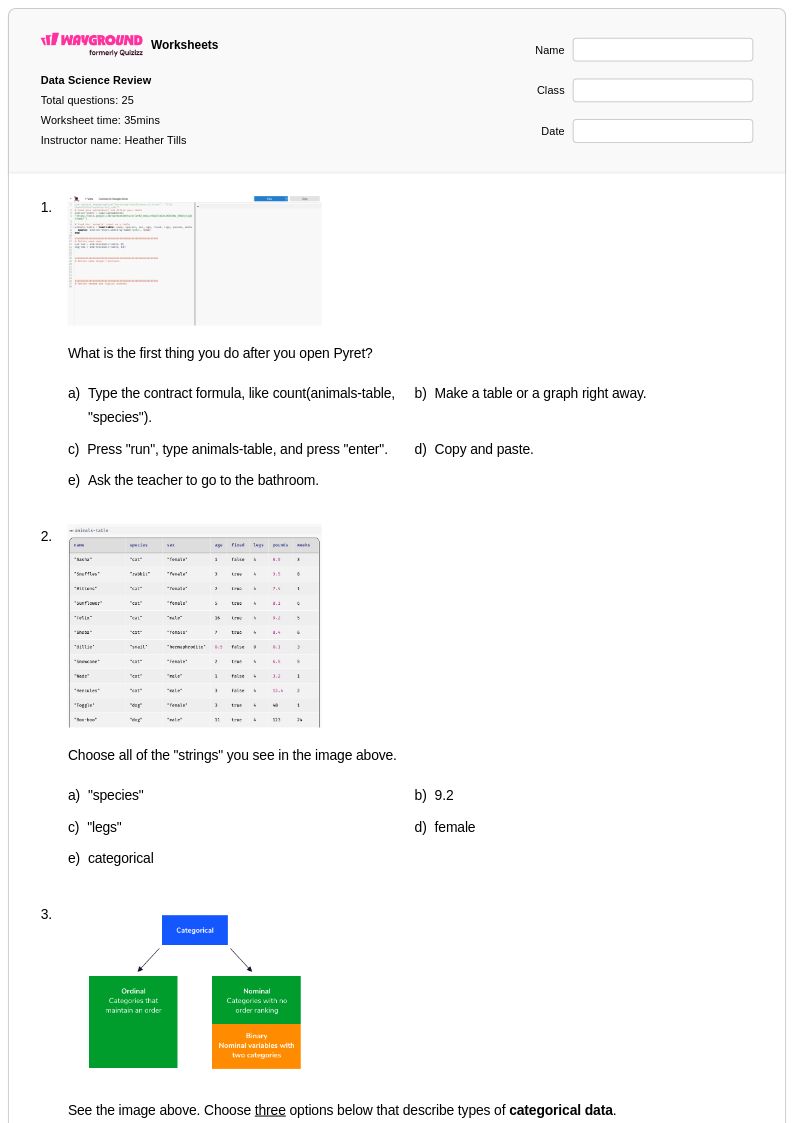
25 Q
9th - 12th
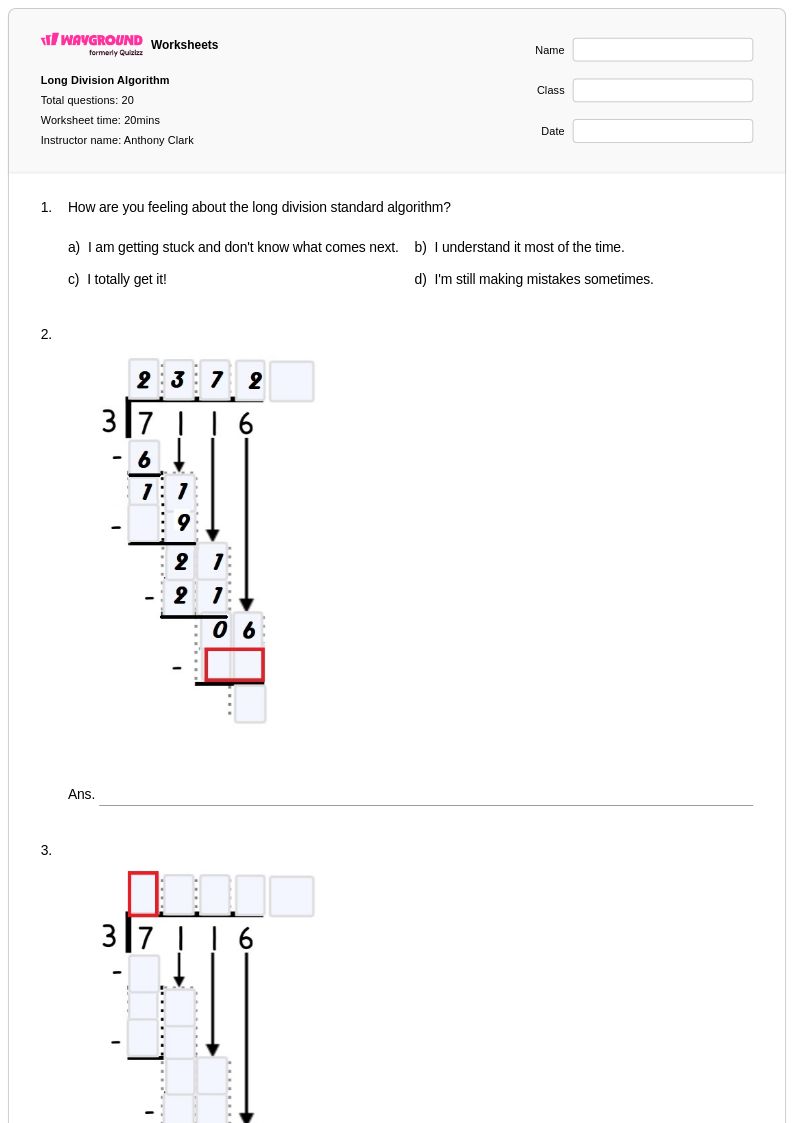
20 Q
6th - Uni
Explore Other Subject Worksheets for grade 10
Explore printable Insertion Sort Algorithm worksheets for Grade 10
Insertion Sort Algorithm worksheets for Grade 10 mathematics provide students with essential practice in understanding one of the fundamental sorting algorithms used in computer science and discrete mathematics. These comprehensive worksheets available through Wayground (formerly Quizizz) guide students through the step-by-step process of implementing insertion sort, helping them develop critical analytical thinking skills while mastering the mathematical logic behind algorithmic problem-solving. Each worksheet includes detailed practice problems that walk students through sorting arrays of varying complexity, complete with answer keys that demonstrate the complete sorting process at each iteration. These free printable resources strengthen students' understanding of mathematical sequences, logical reasoning, and systematic problem-solving approaches that are essential for advanced mathematical concepts and computational thinking.
Wayground (formerly Quizizz) empowers educators with millions of teacher-created resources specifically designed to support Grade 10 algebra instruction, including specialized collections focused on algorithmic thinking and sorting methodologies. The platform's robust search and filtering capabilities allow teachers to quickly locate insertion sort algorithm worksheets that align with specific curriculum standards and learning objectives, while differentiation tools enable customization for students at varying skill levels. These flexible resources are available in both printable PDF formats and interactive digital versions, making them ideal for classroom instruction, homework assignments, remediation sessions, and enrichment activities. Teachers can seamlessly integrate these materials into their lesson planning to provide targeted skill practice, assess student understanding of algorithmic processes, and bridge the gap between traditional algebra concepts and modern computational mathematics.
FAQs
Is insertion sort an appropriate topic for 10th-grade math?
How do these worksheets help students practice insertion sort?
What misconceptions should I look for when grading insertion sort problems?
How can I teach insertion sort in a math class context?
How can I assign and grade this worksheet?