
8 Q
7th
5 Q
7th
8 Q
7th
10 Q
7th
8 Q
7th
8 Q
7th
8 Q
7th
12 Q
7th
21 Q
7th
6 Q
7th
6 Q
7th
6 Q
7th
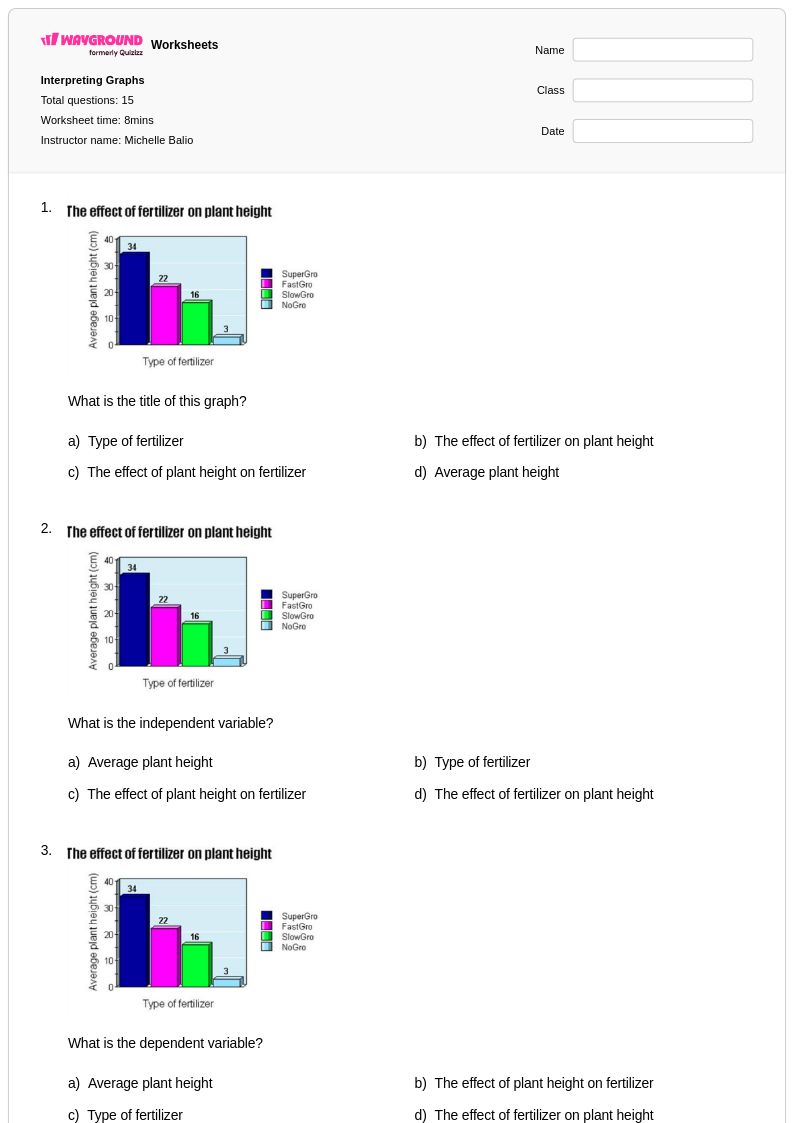
15 Q
7th - 9th
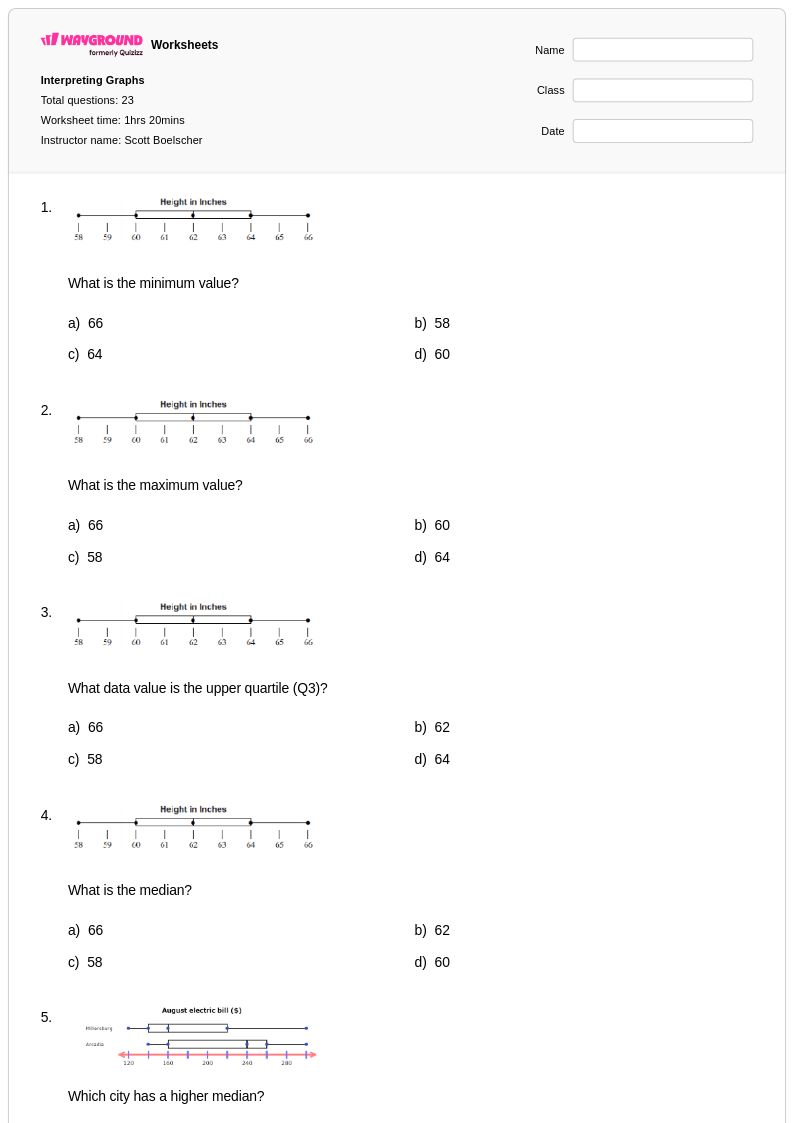
23 Q
7th
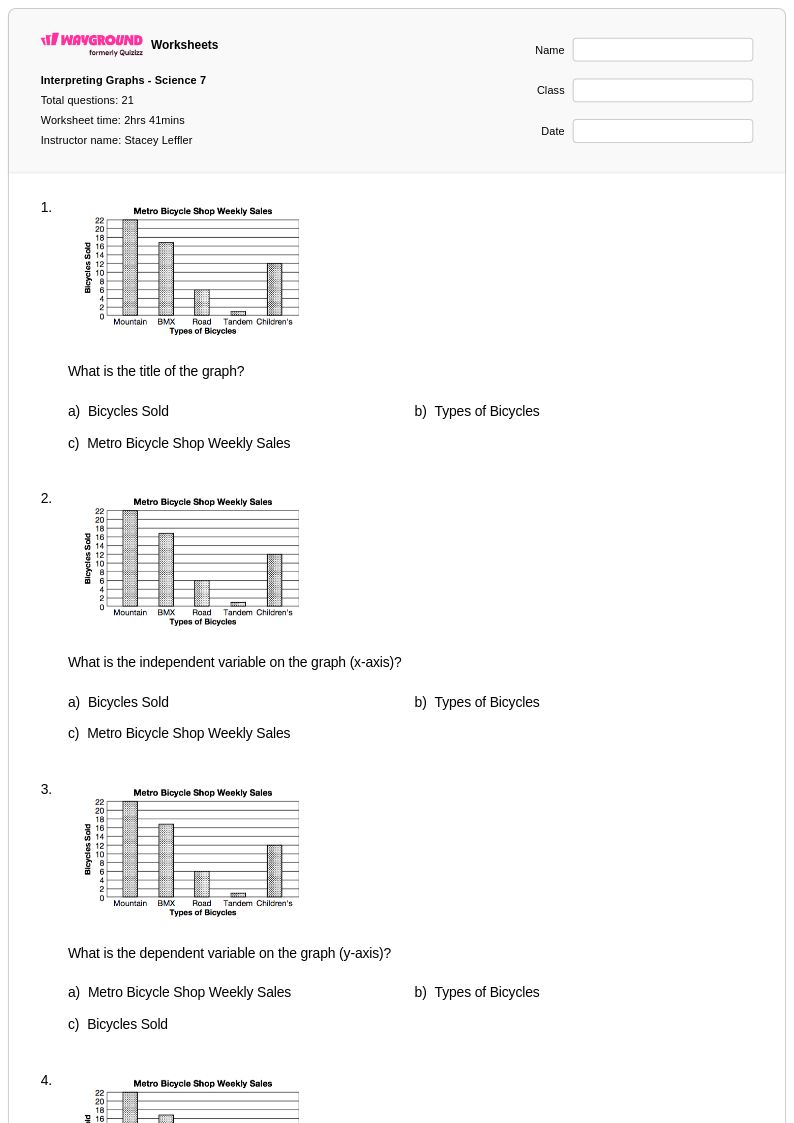
21 Q
7th
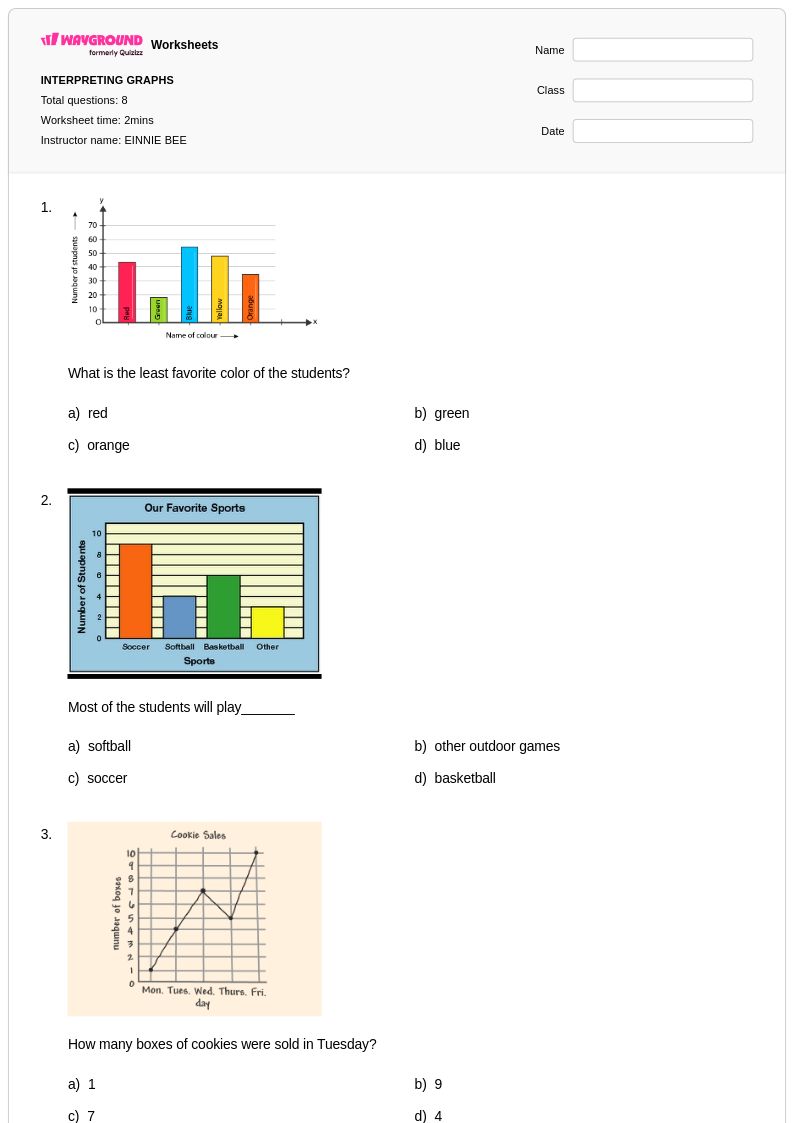
8 Q
7th
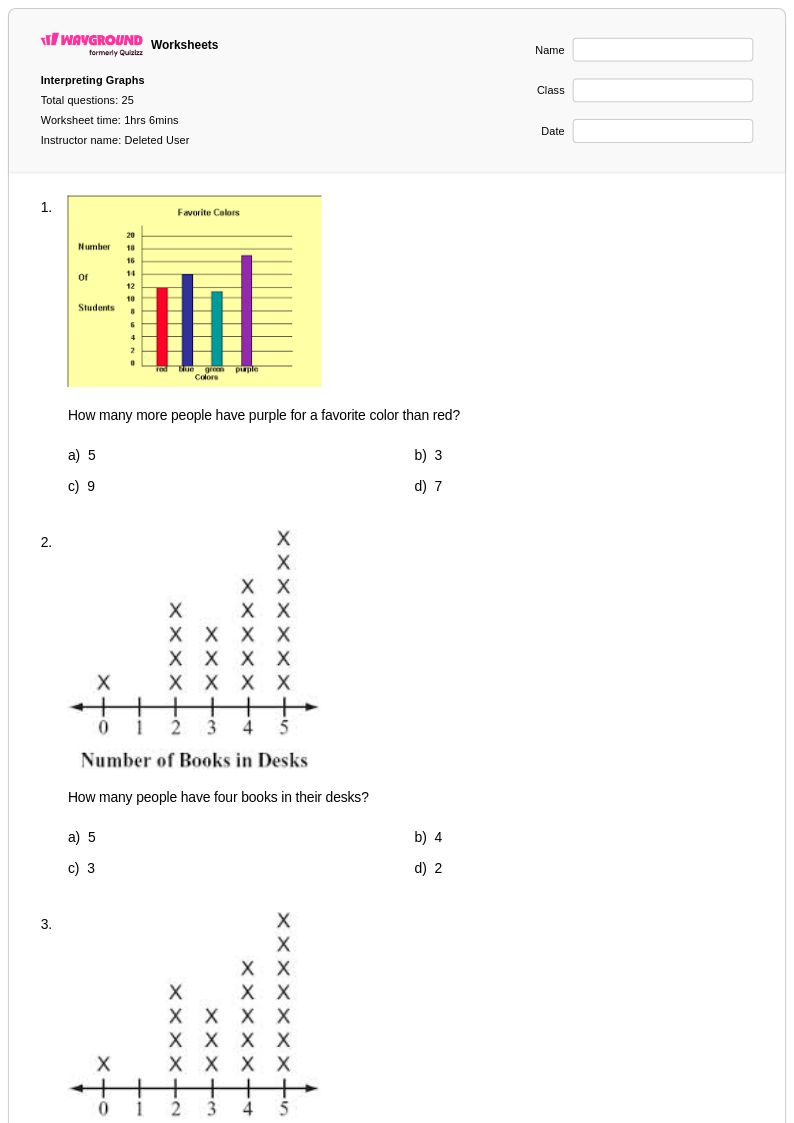
25 Q
6th - 7th
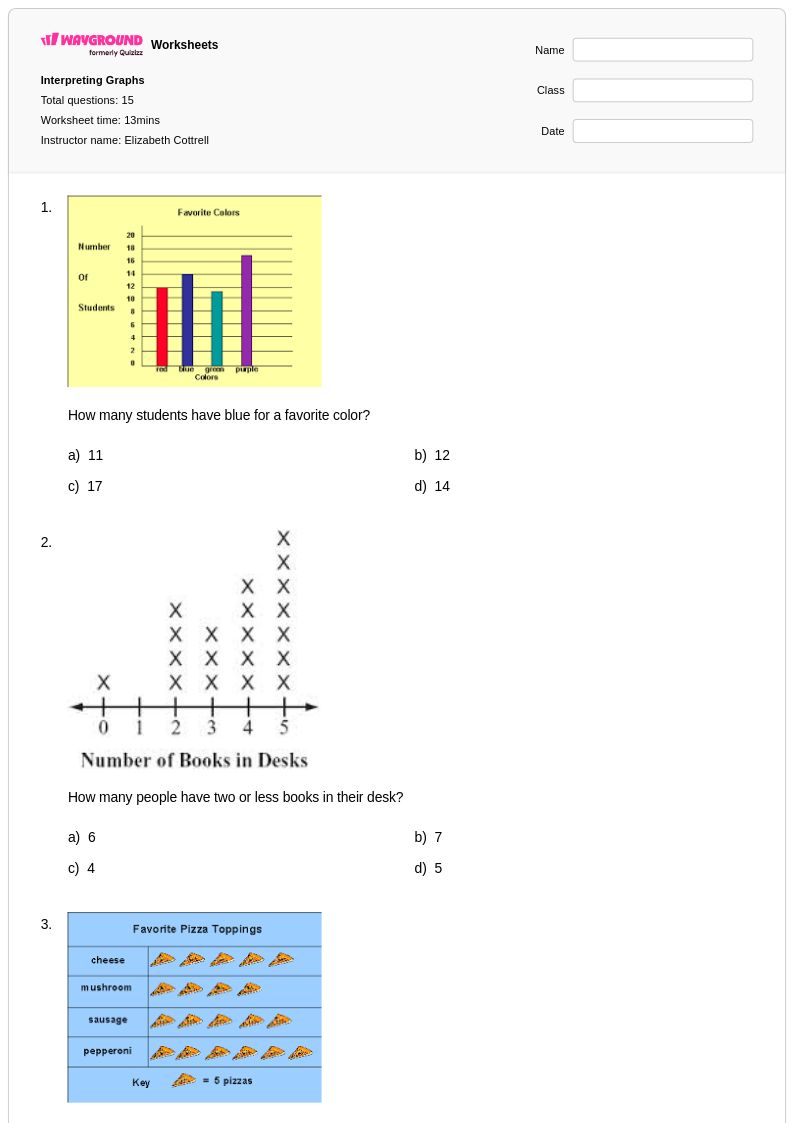
15 Q
7th - 8th
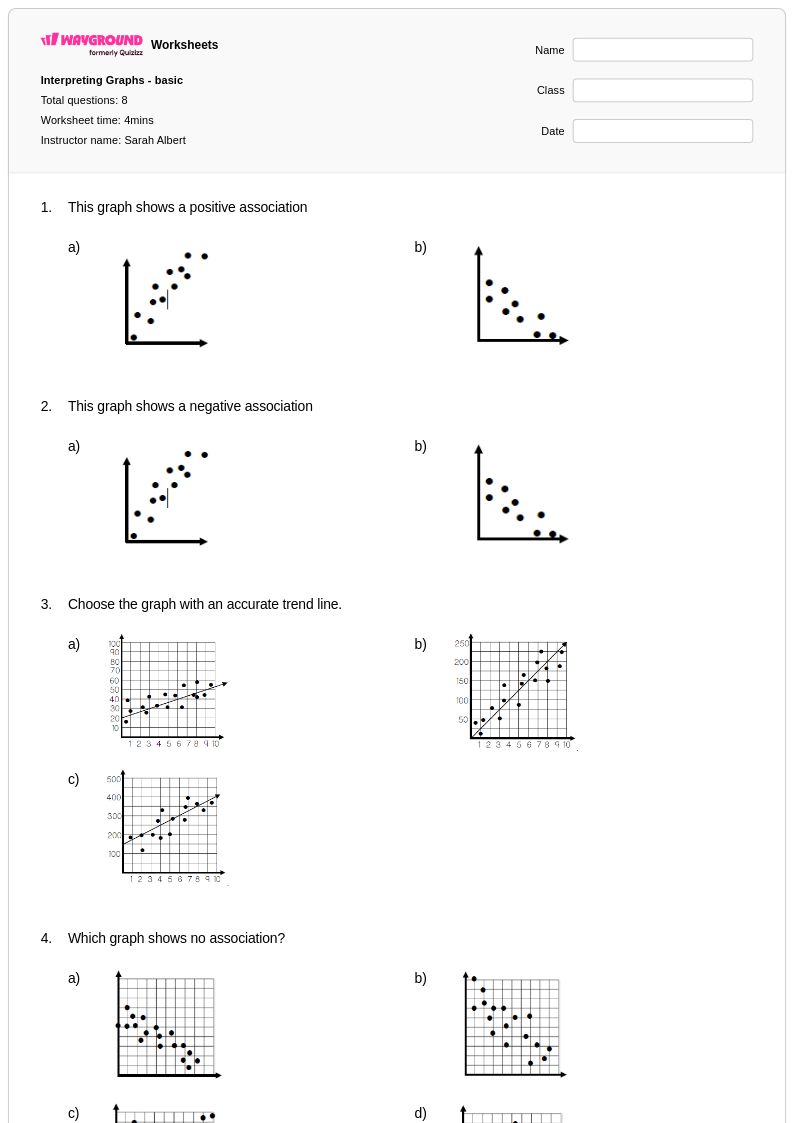
8 Q
7th - 9th
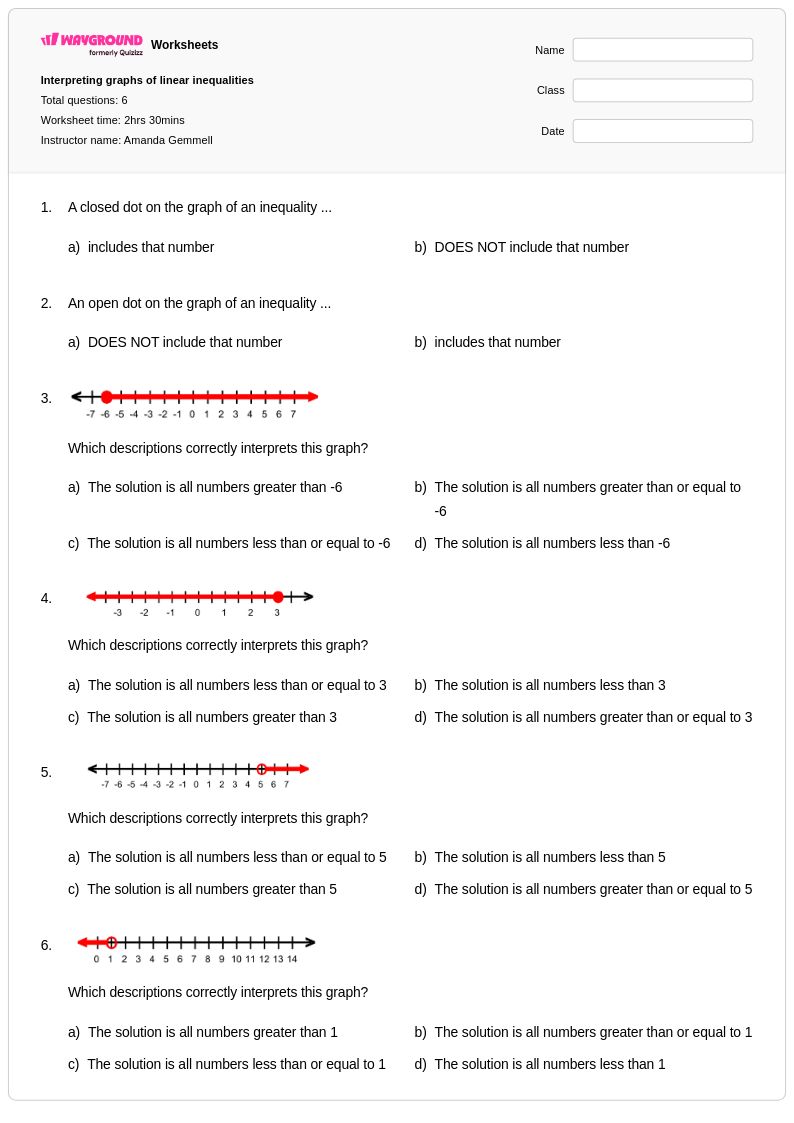
6 Q
7th
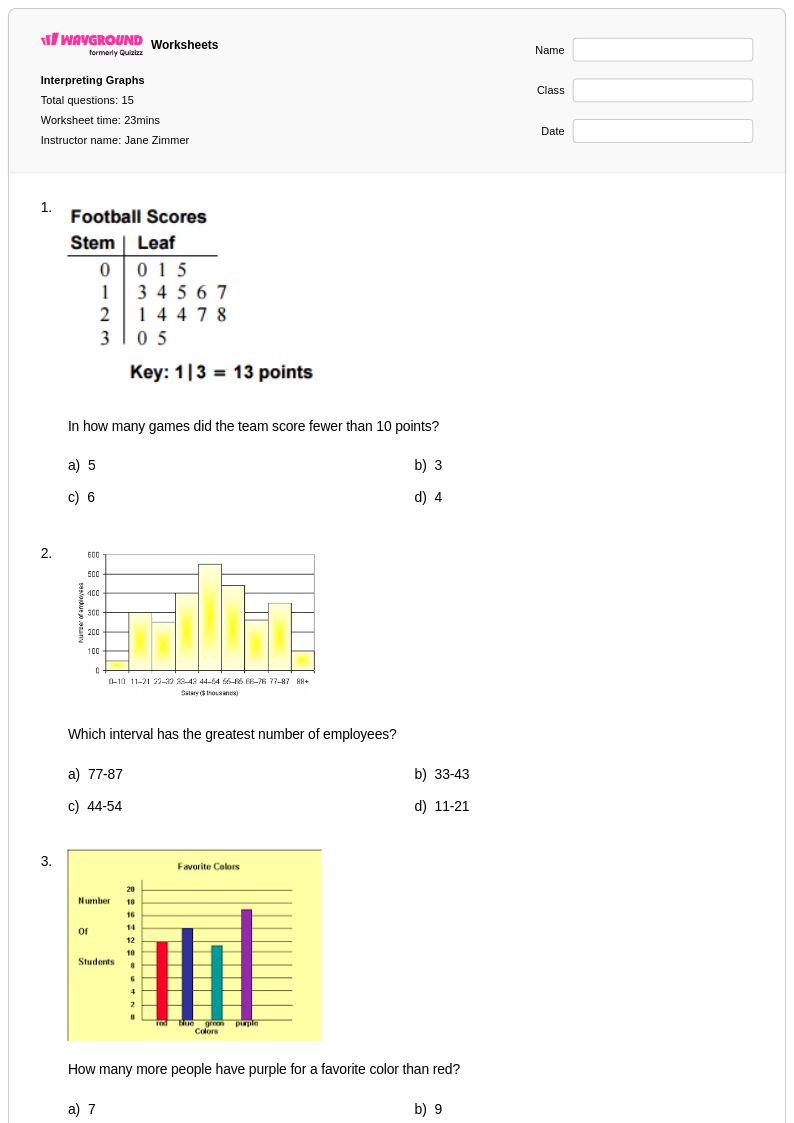
15 Q
5th - 7th
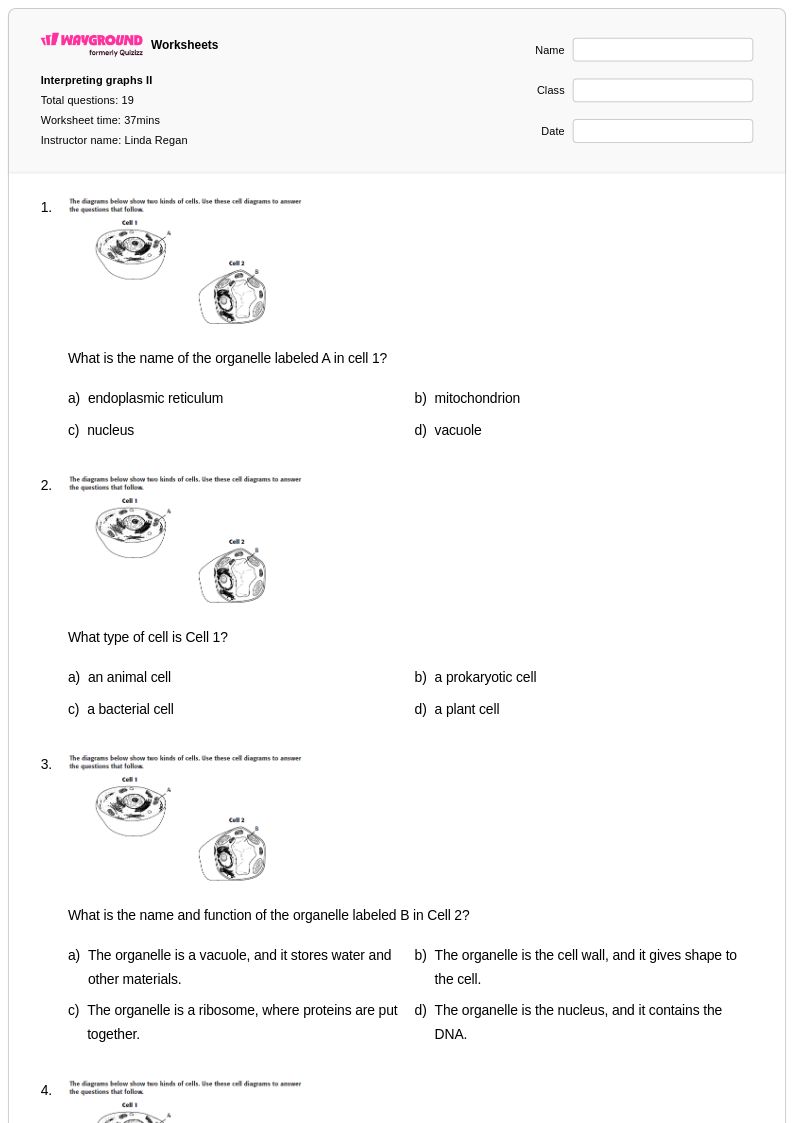
19 Q
7th
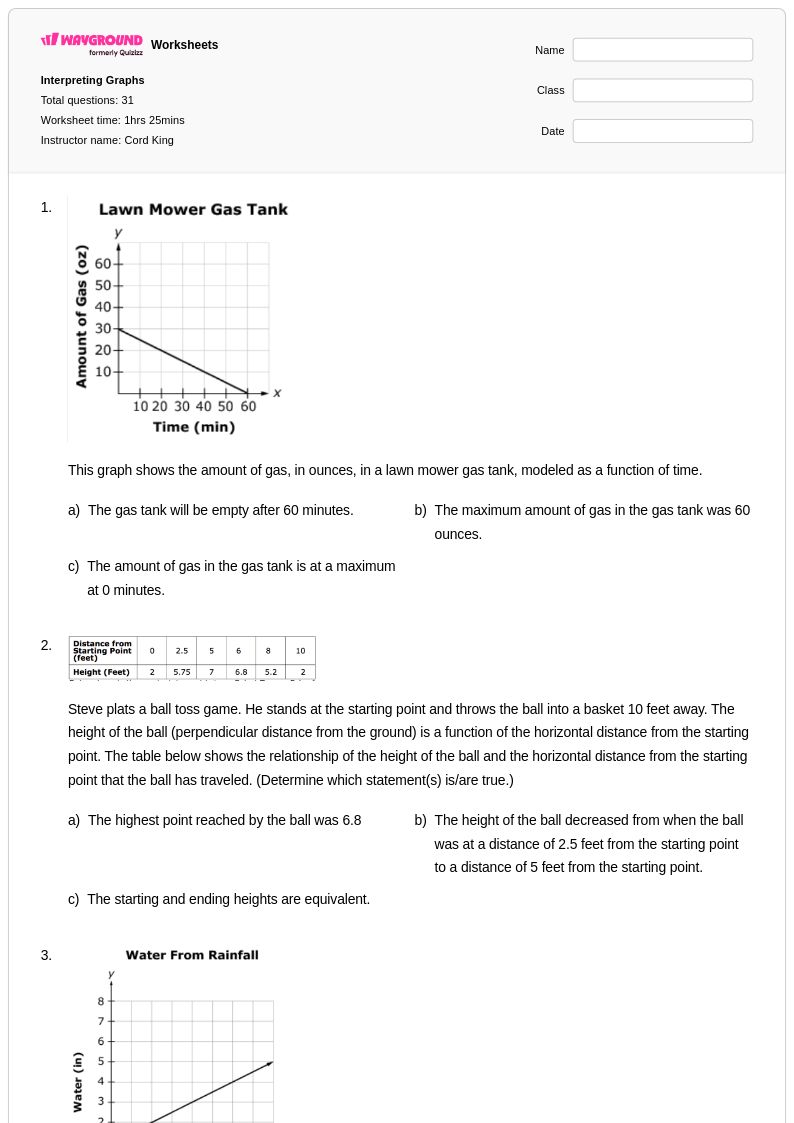
31 Q
7th - 8th
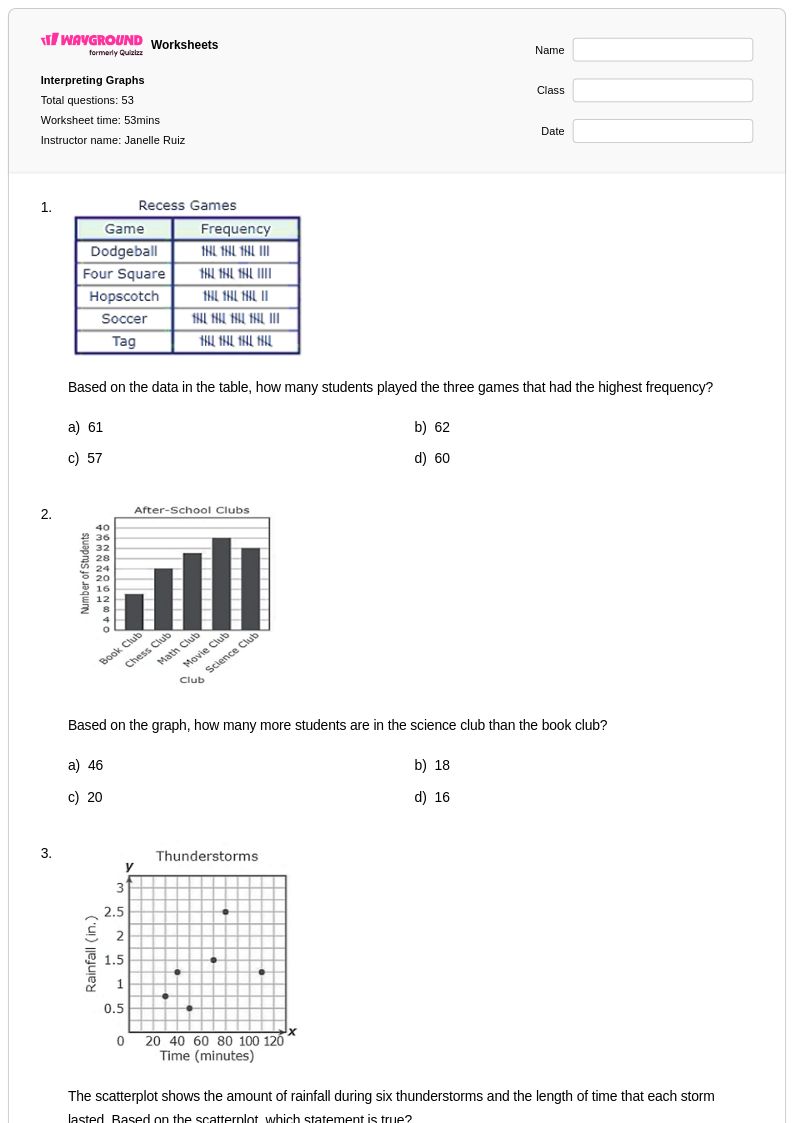
53 Q
7th
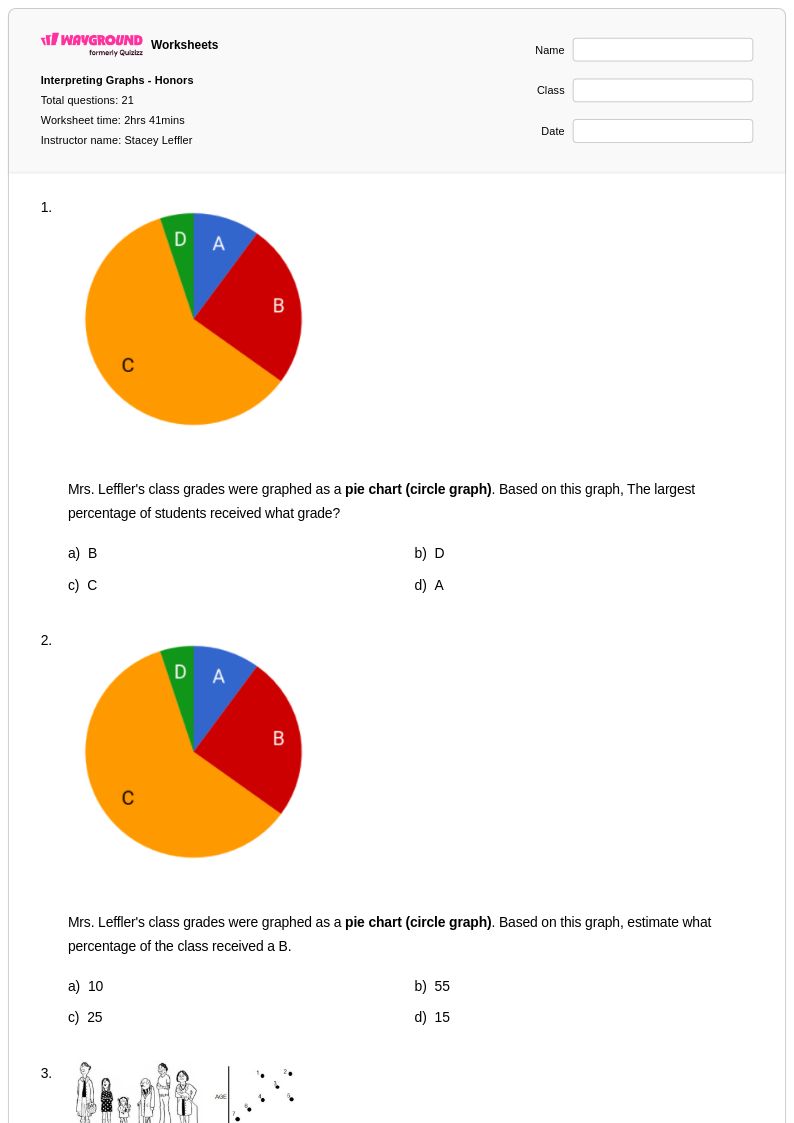
21 Q
7th
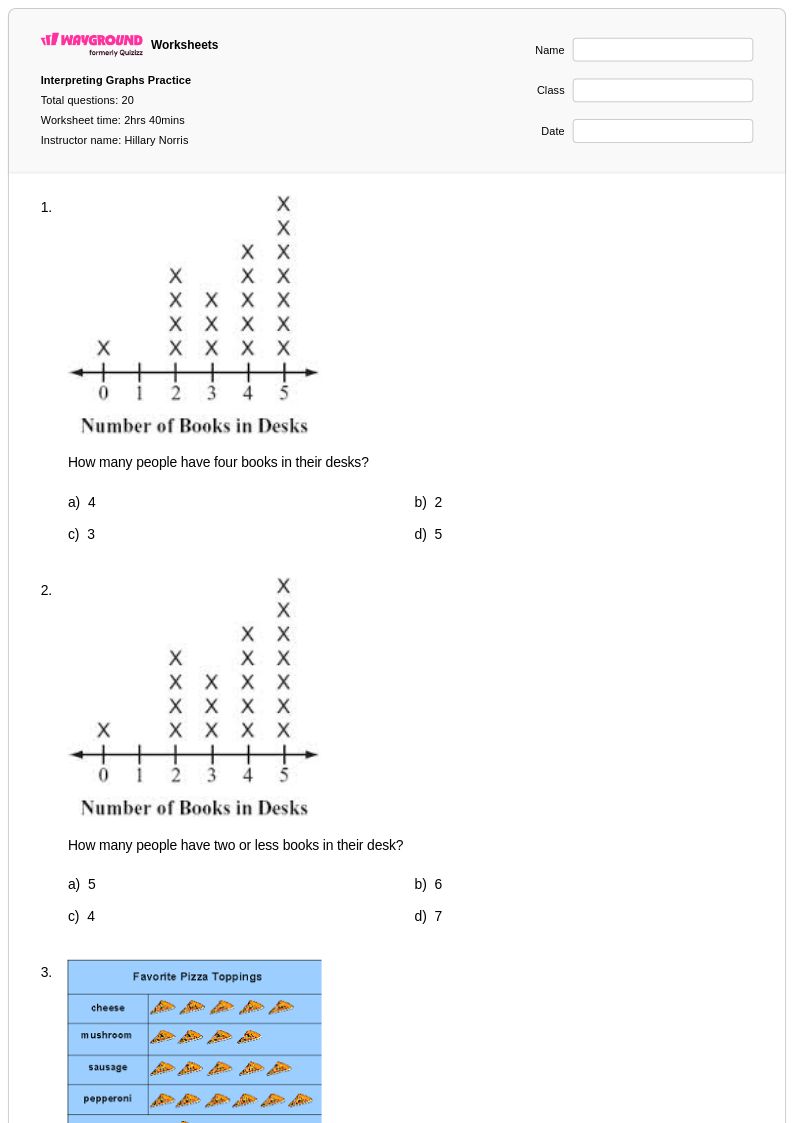
20 Q
7th
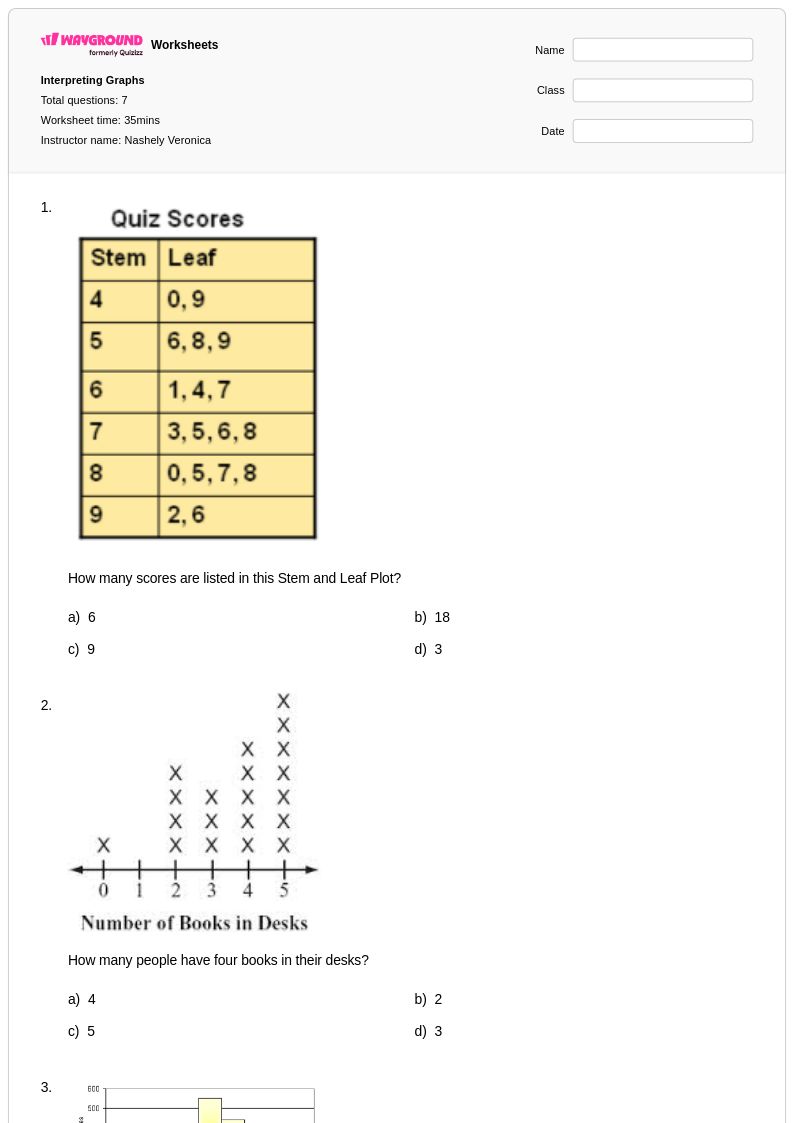
7 Q
7th - 10th
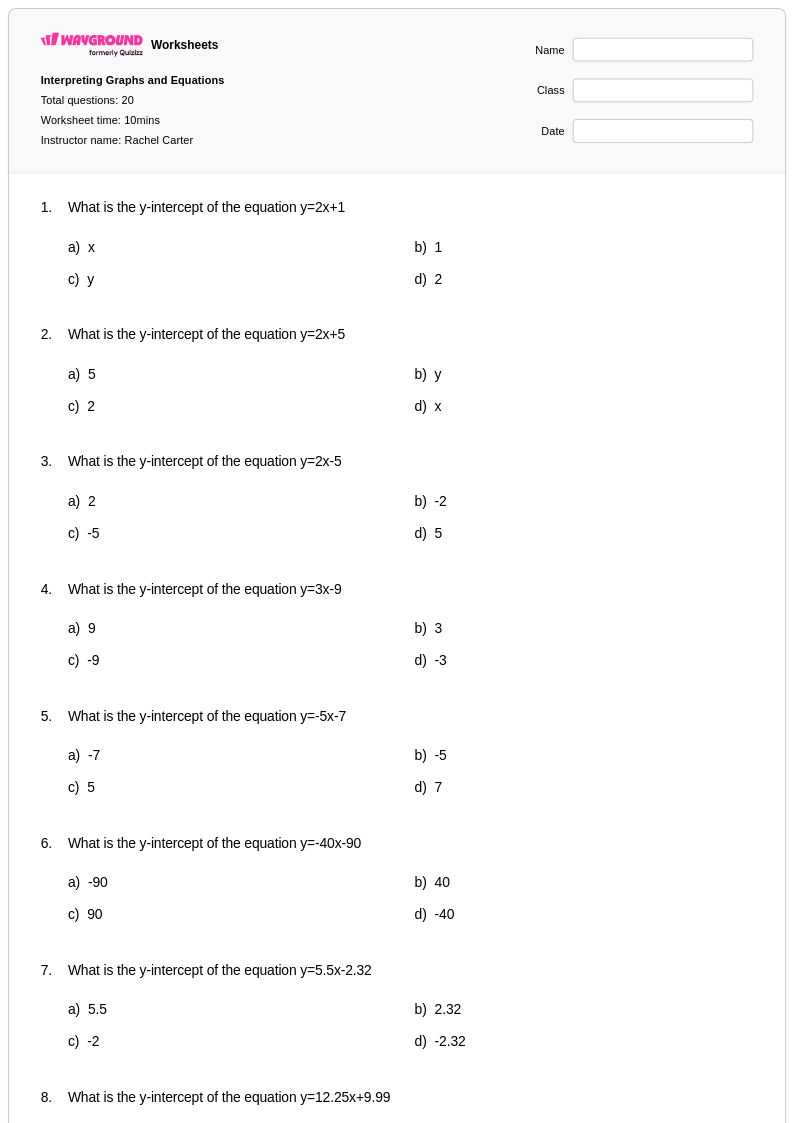
20 Q
7th
7 Q
7th - 12th
22 Q
7th
18 Q
7th - 8th
26 Q
7th
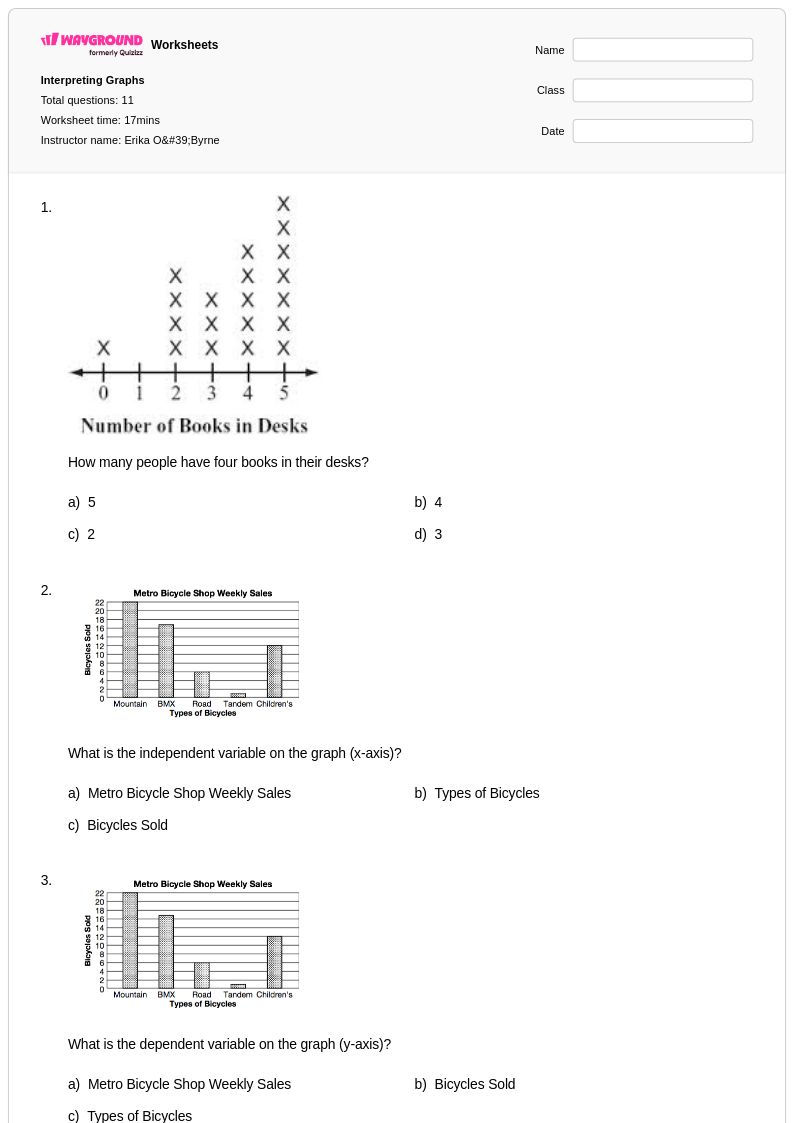
11 Q
7th - 8th
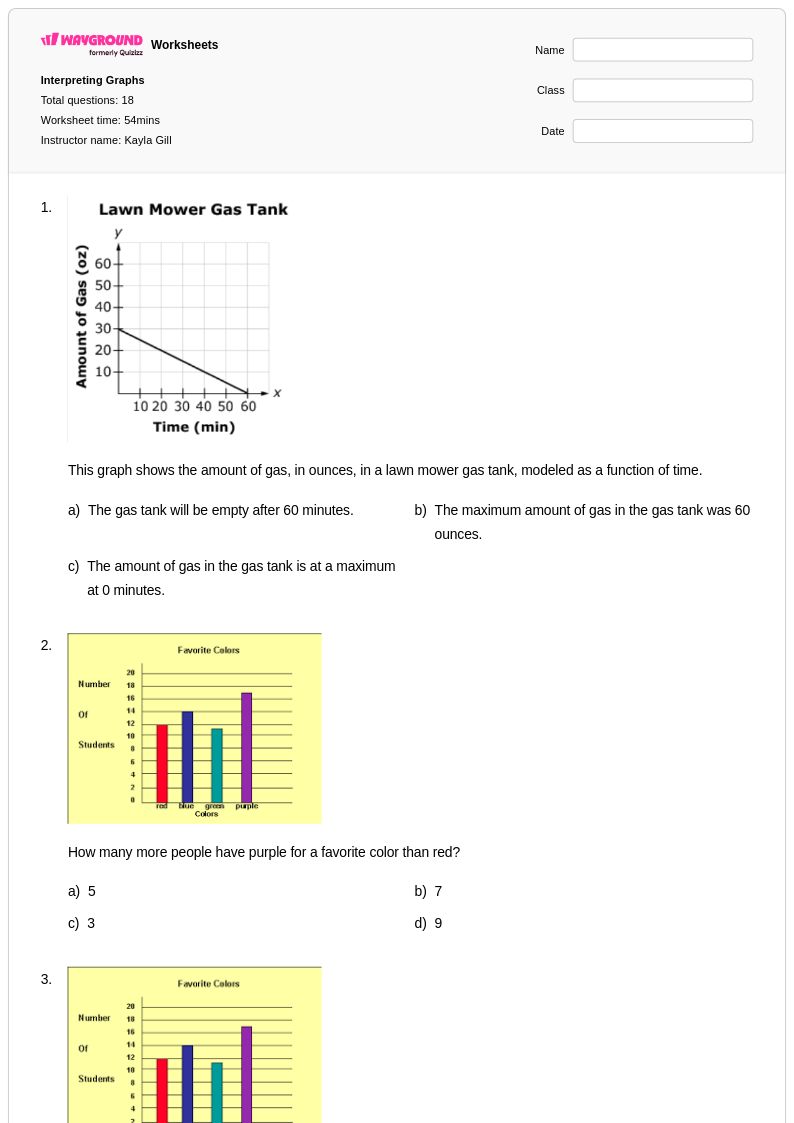
18 Q
7th
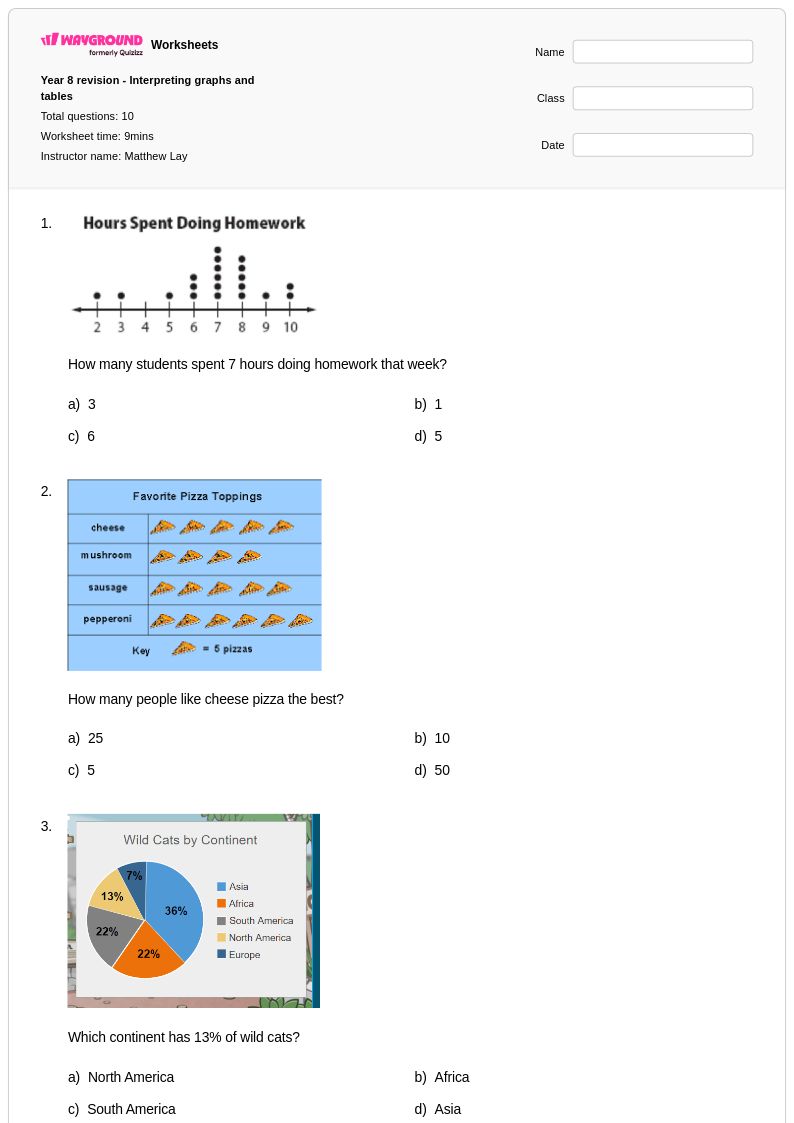
10 Q
7th - 9th
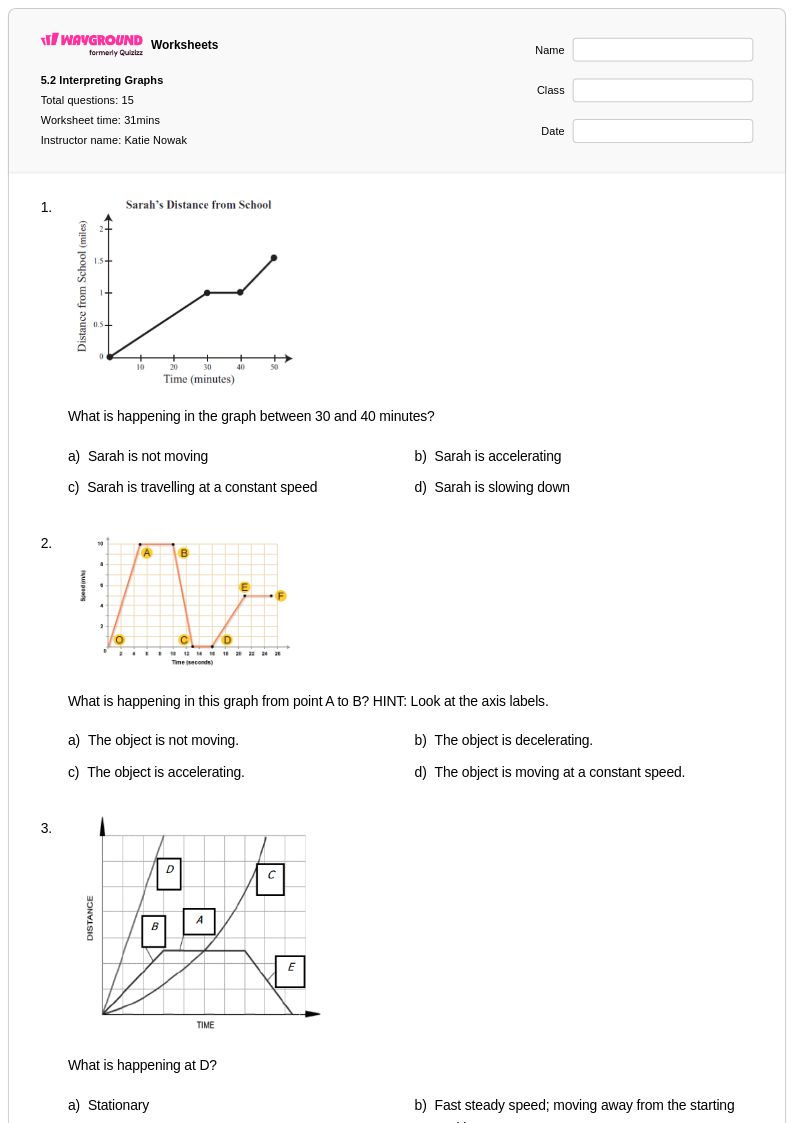
15 Q
7th
Explore Interpreting Graphs Worksheets by Grades
Explore Other Subject Worksheets for grade 7
Explore printable Interpreting Graphs worksheets for Grade 7
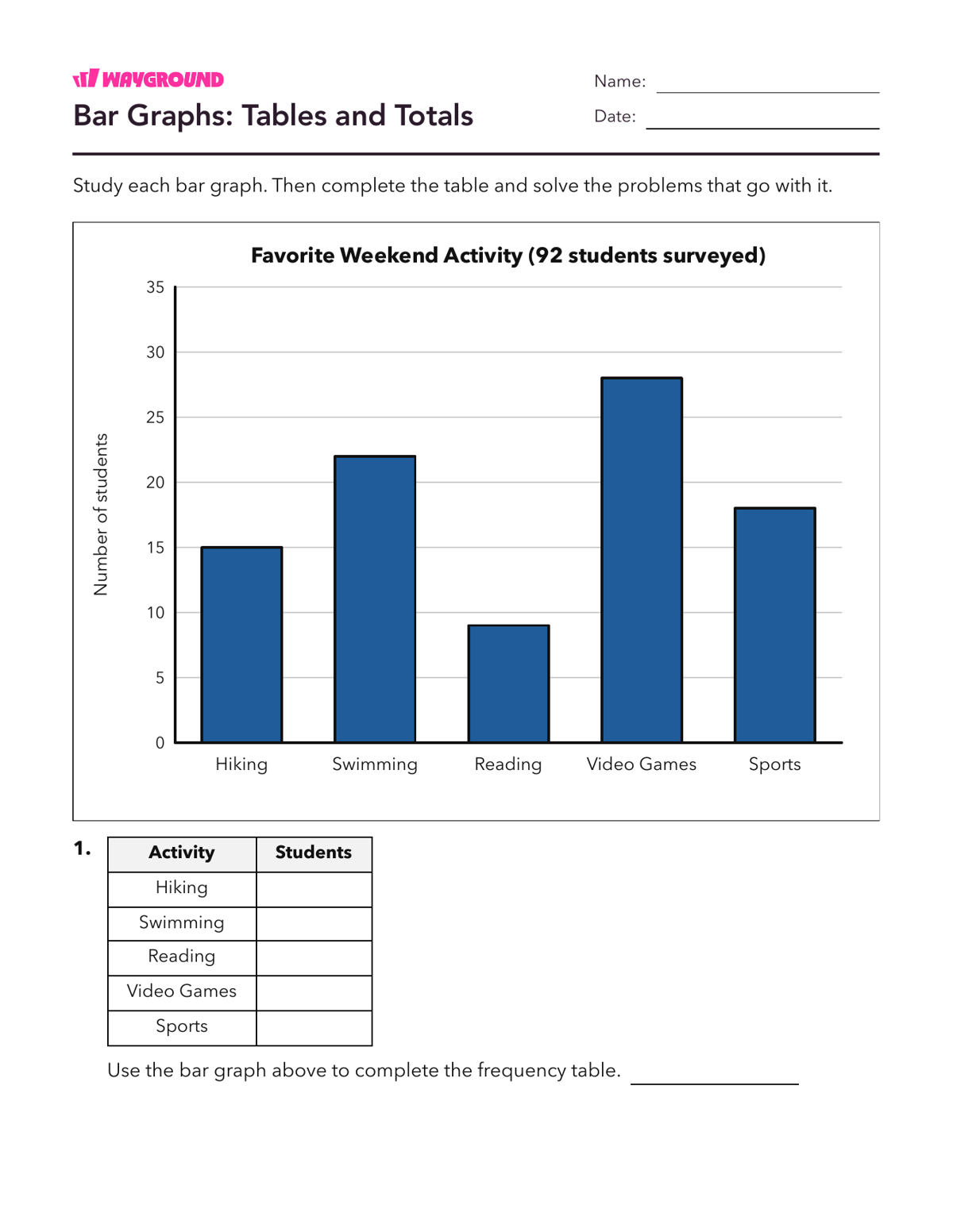
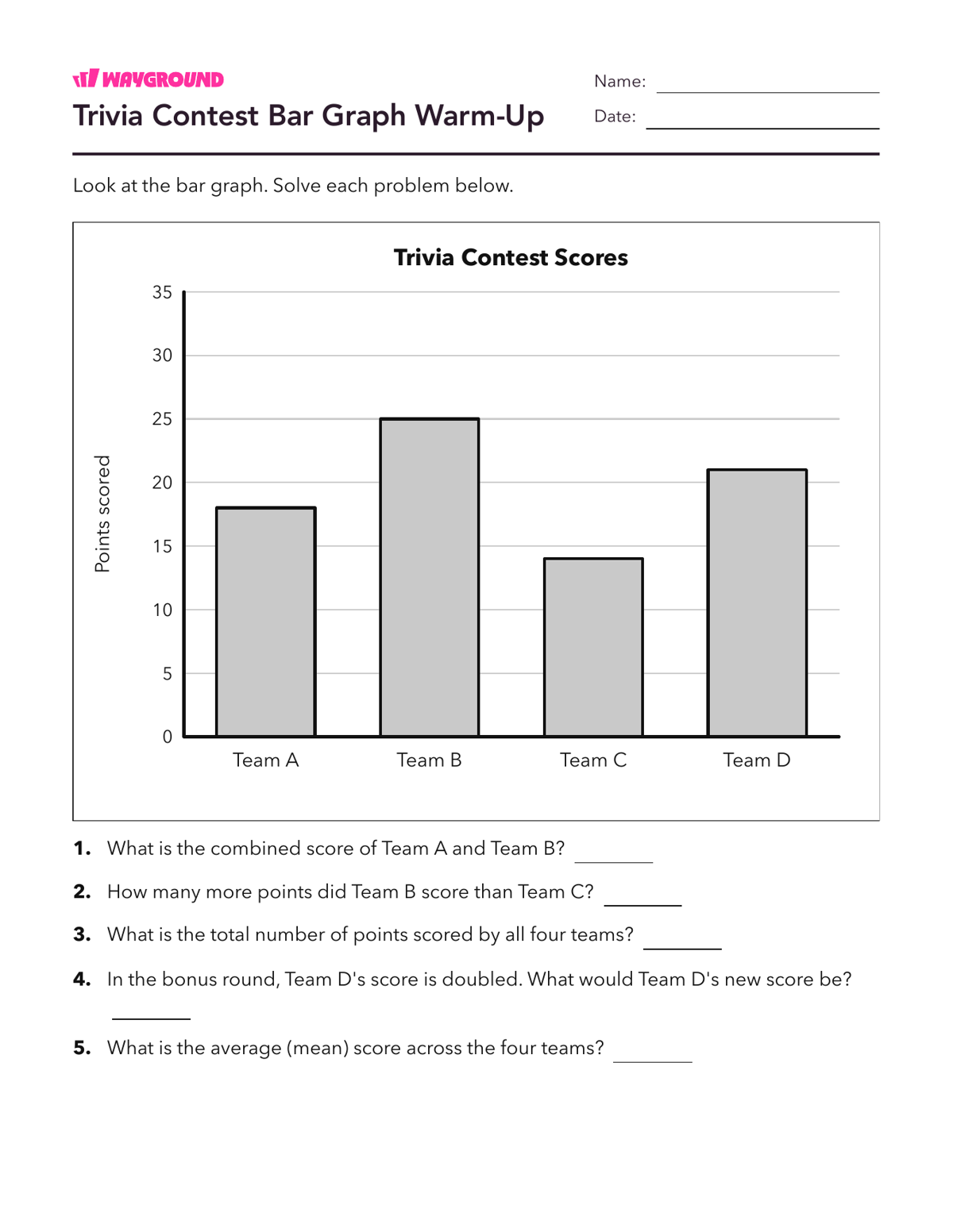
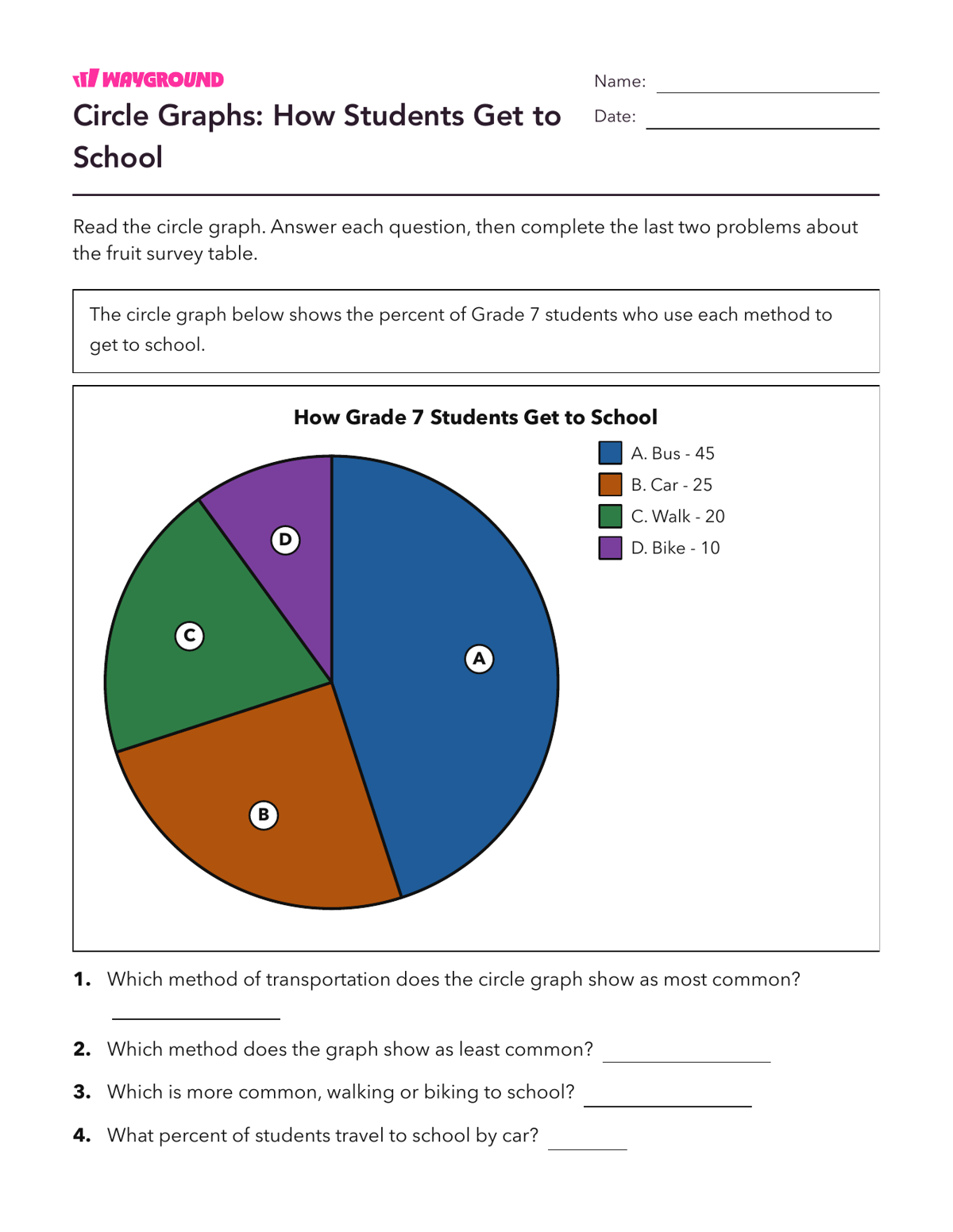
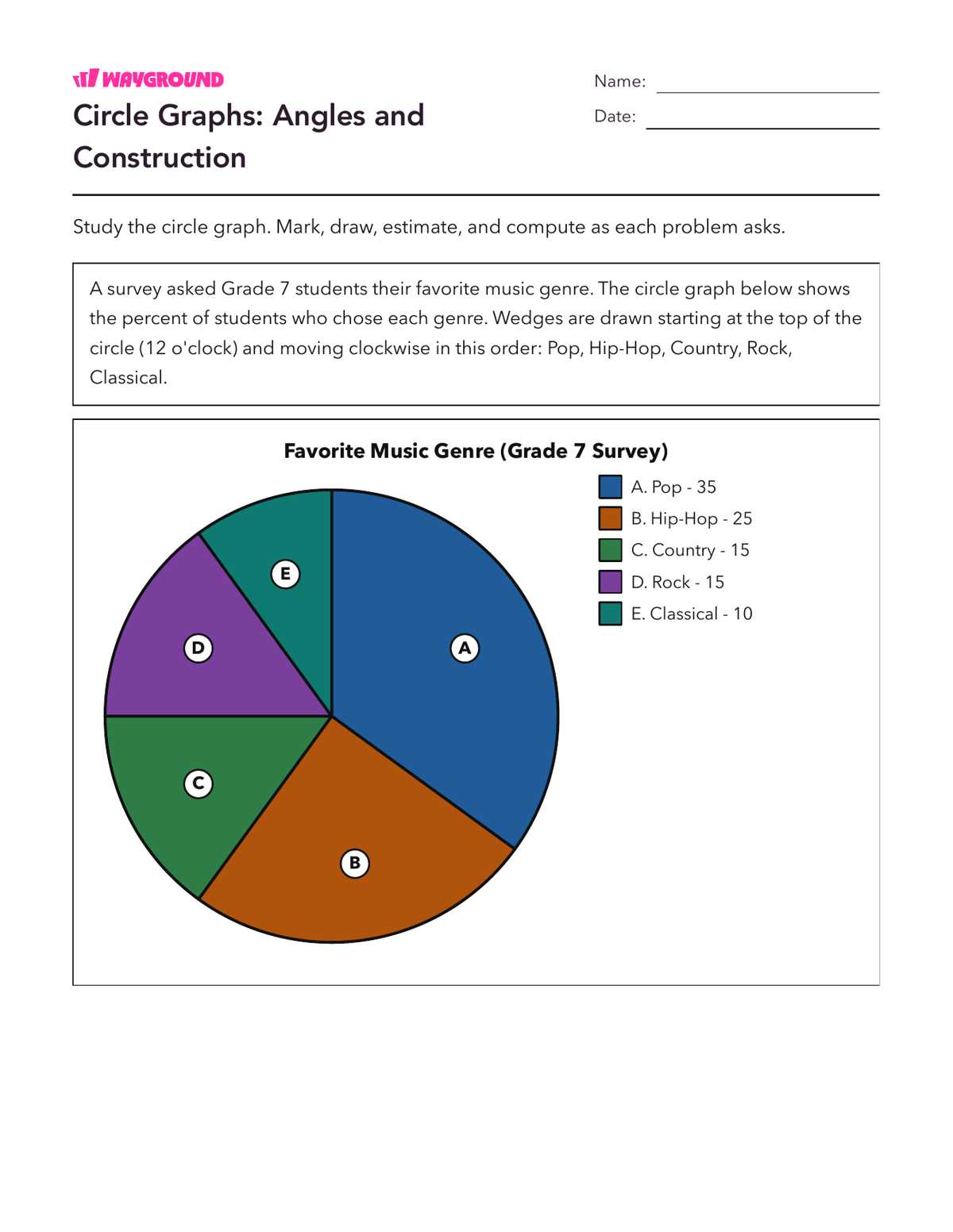
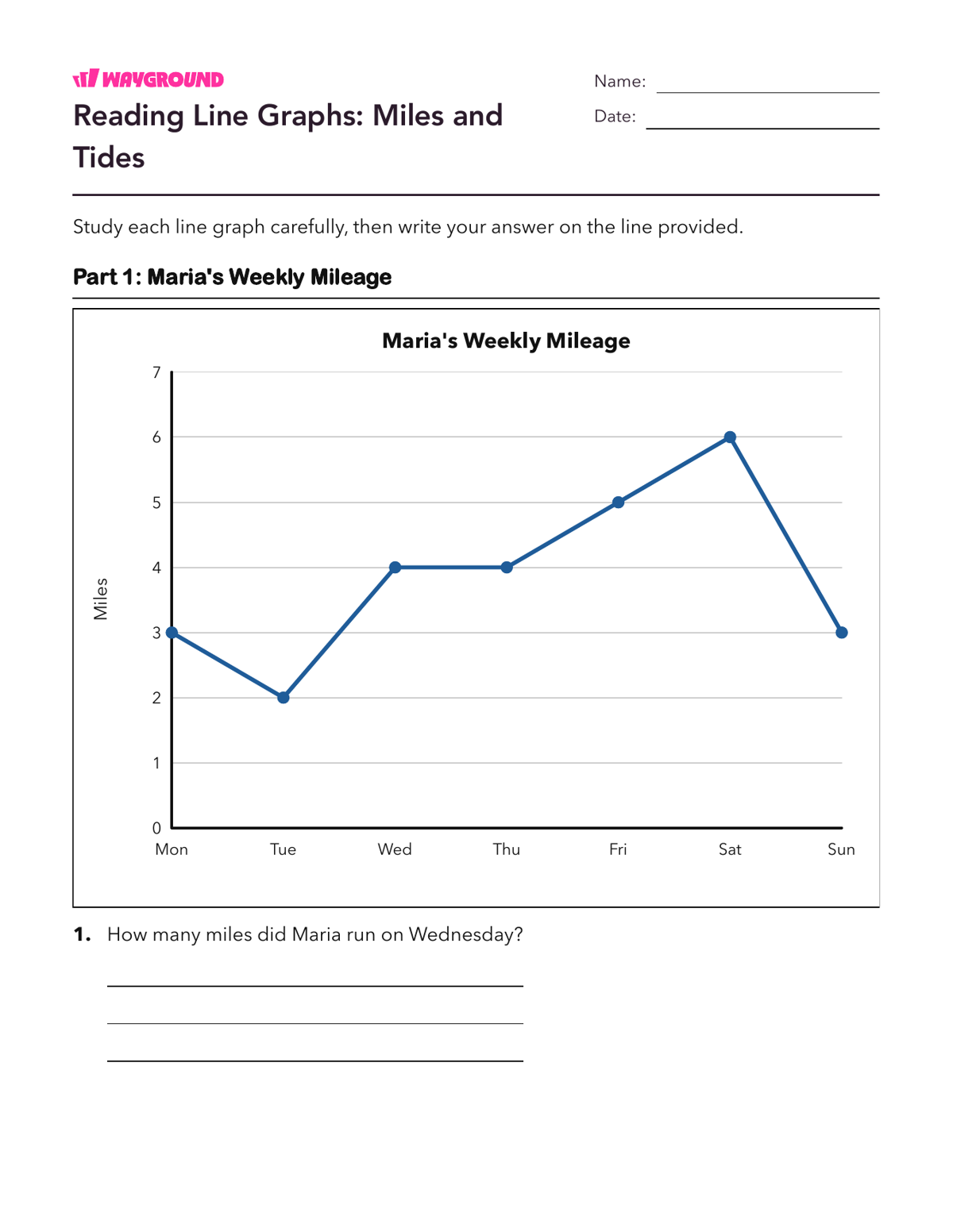
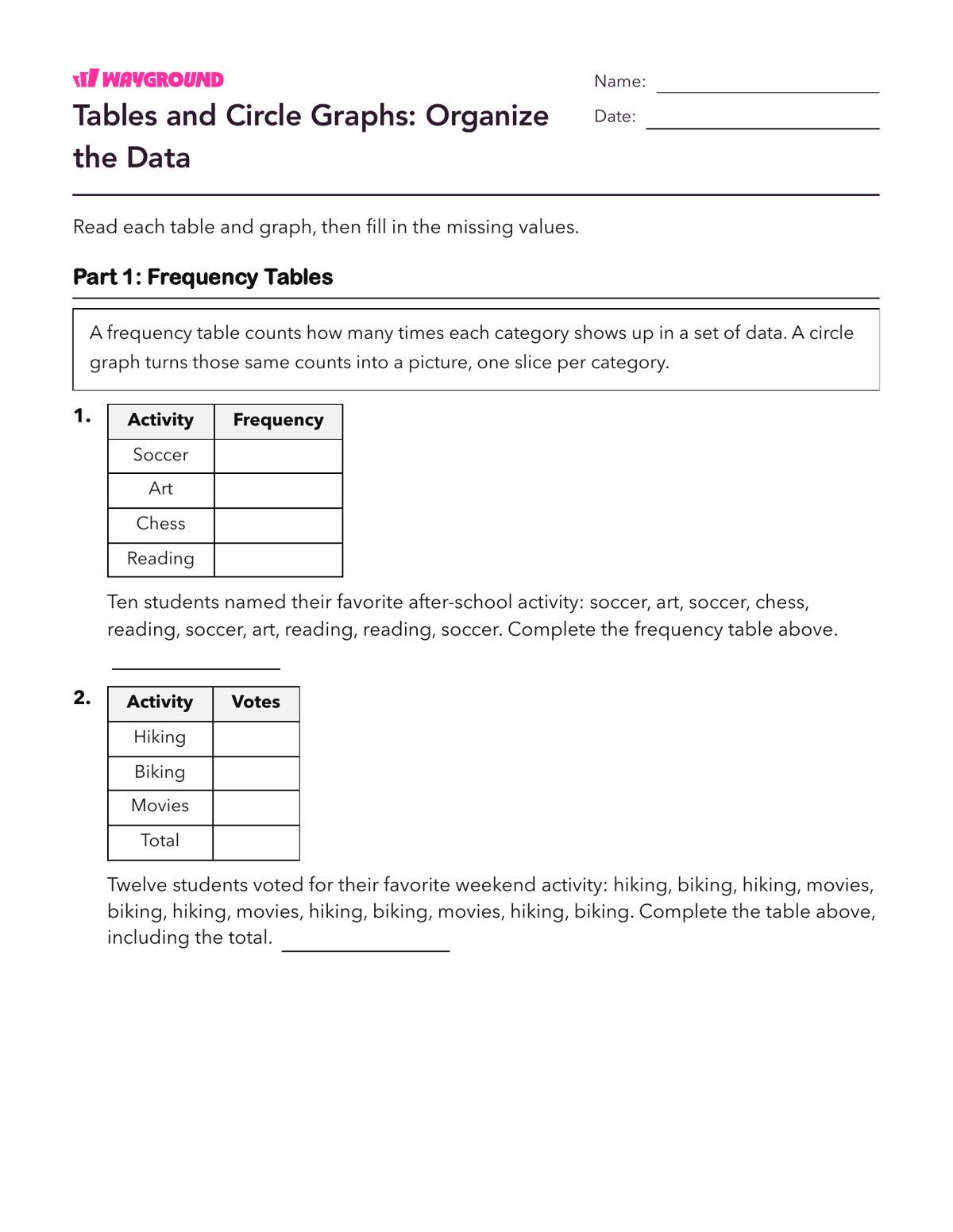
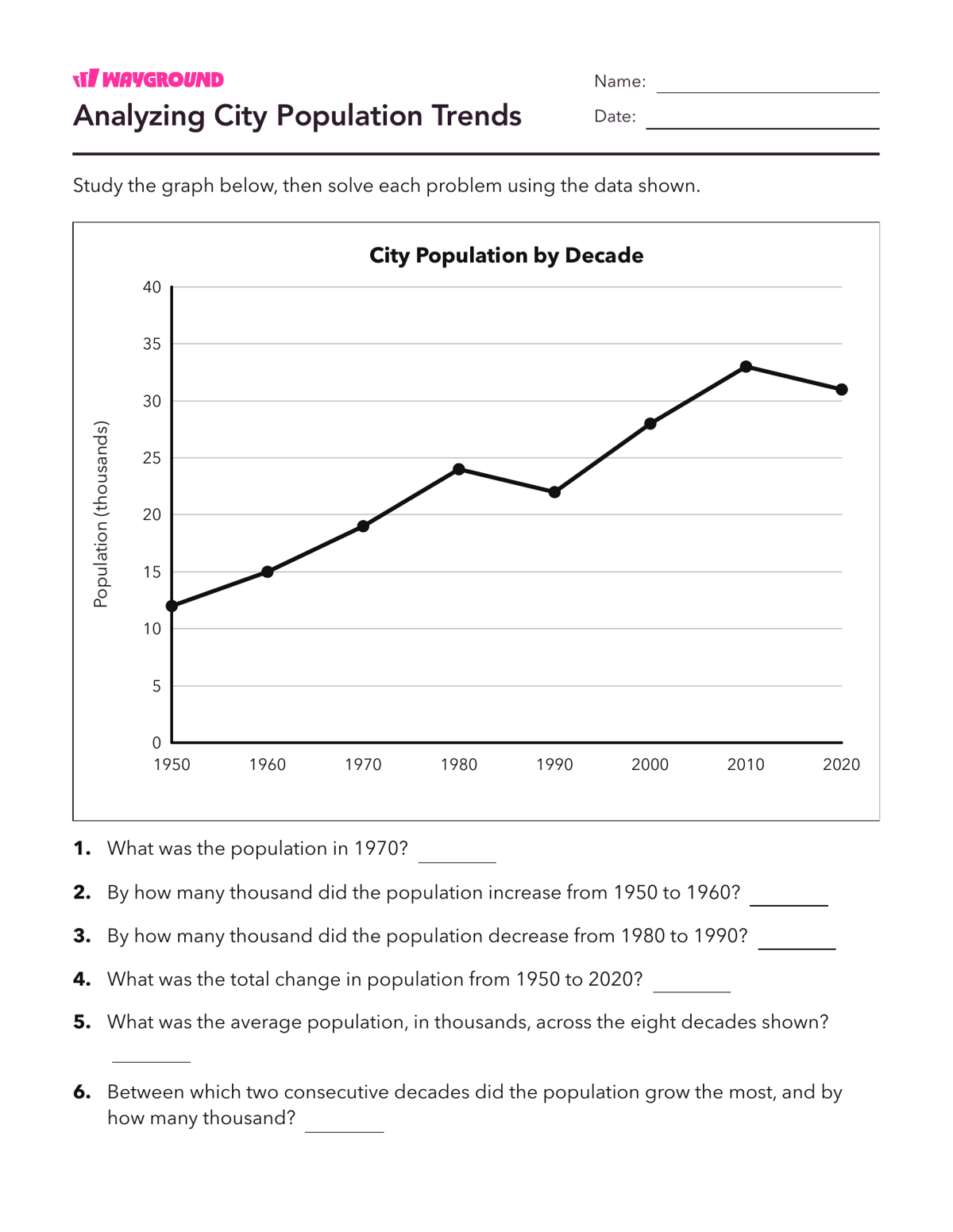
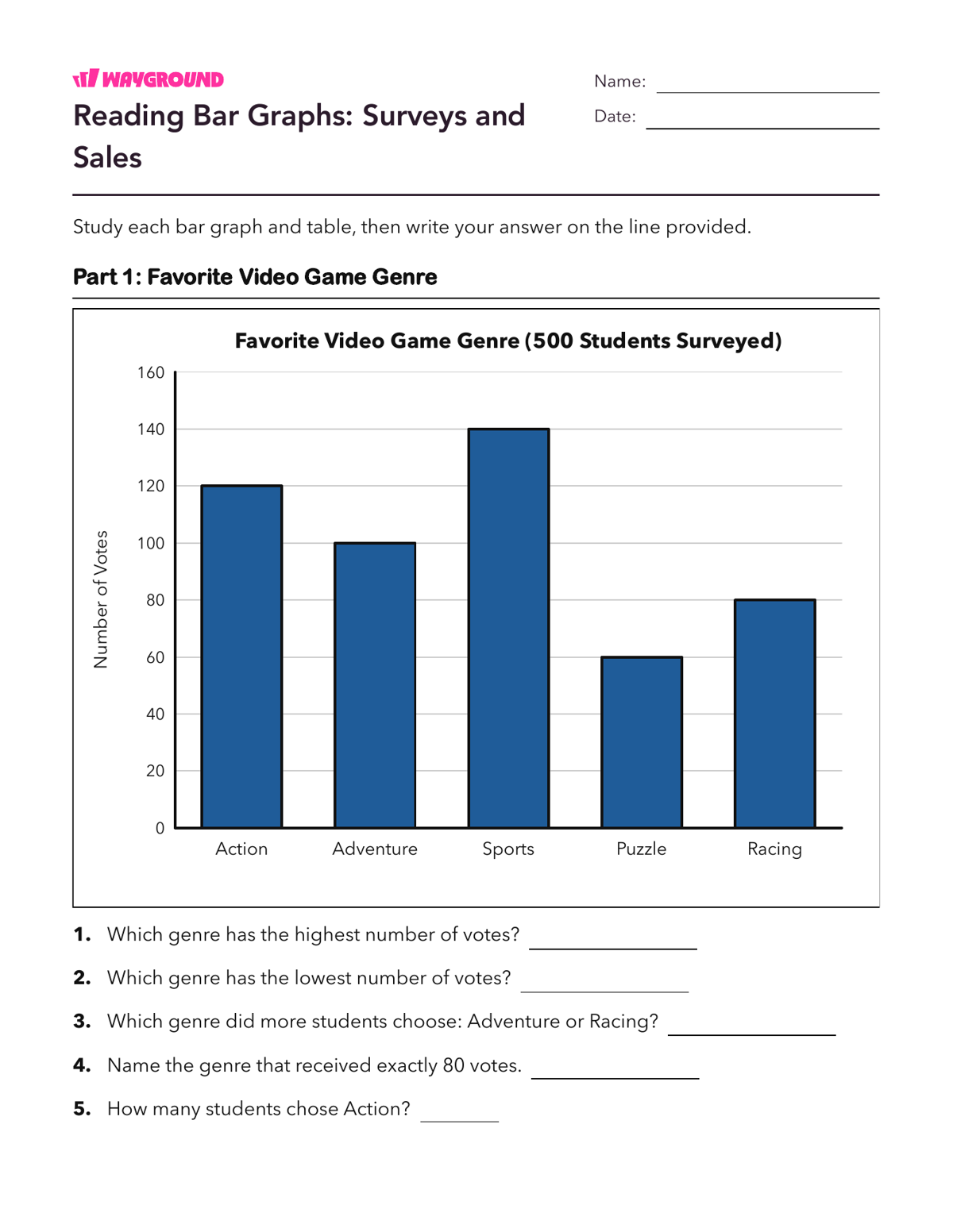
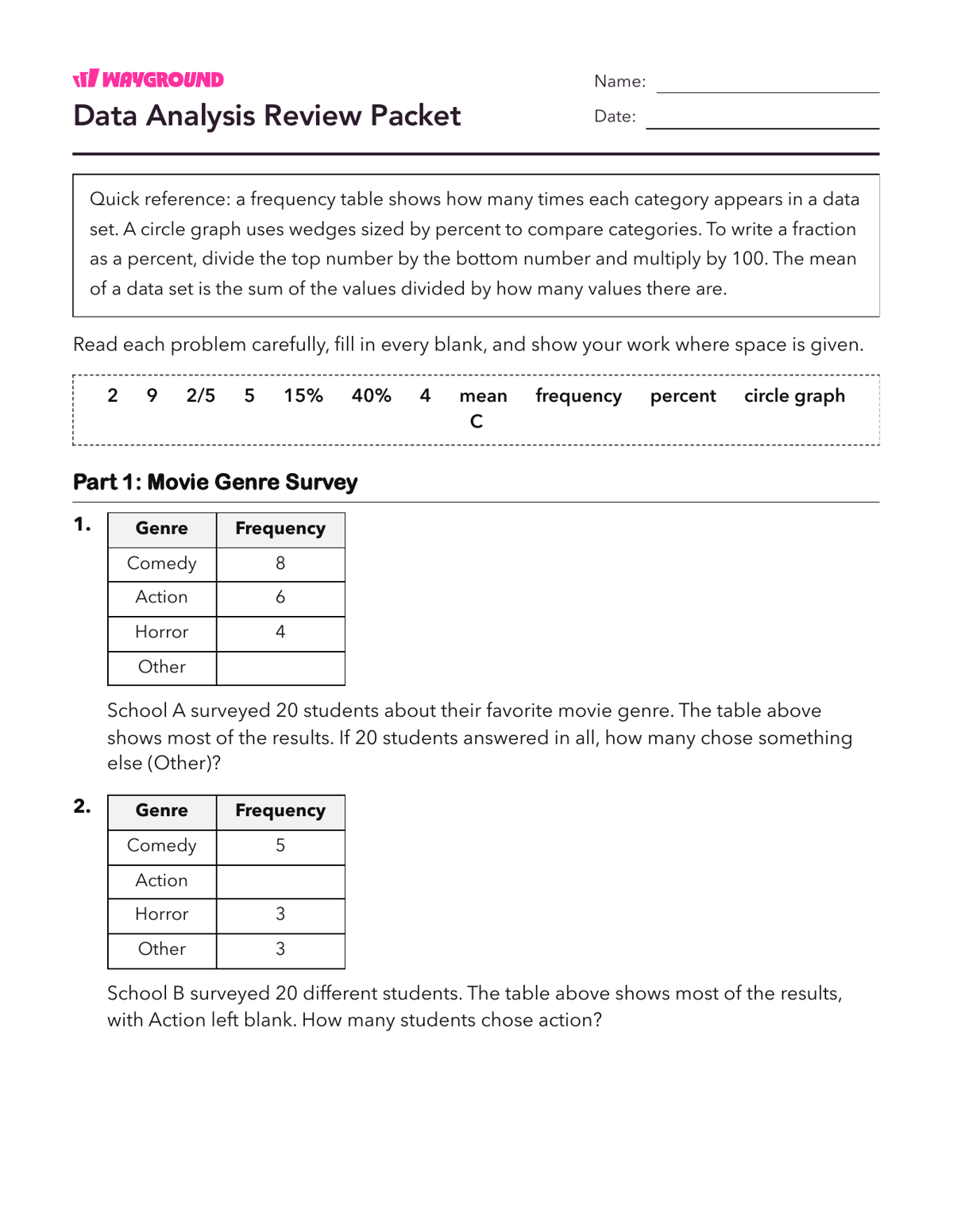
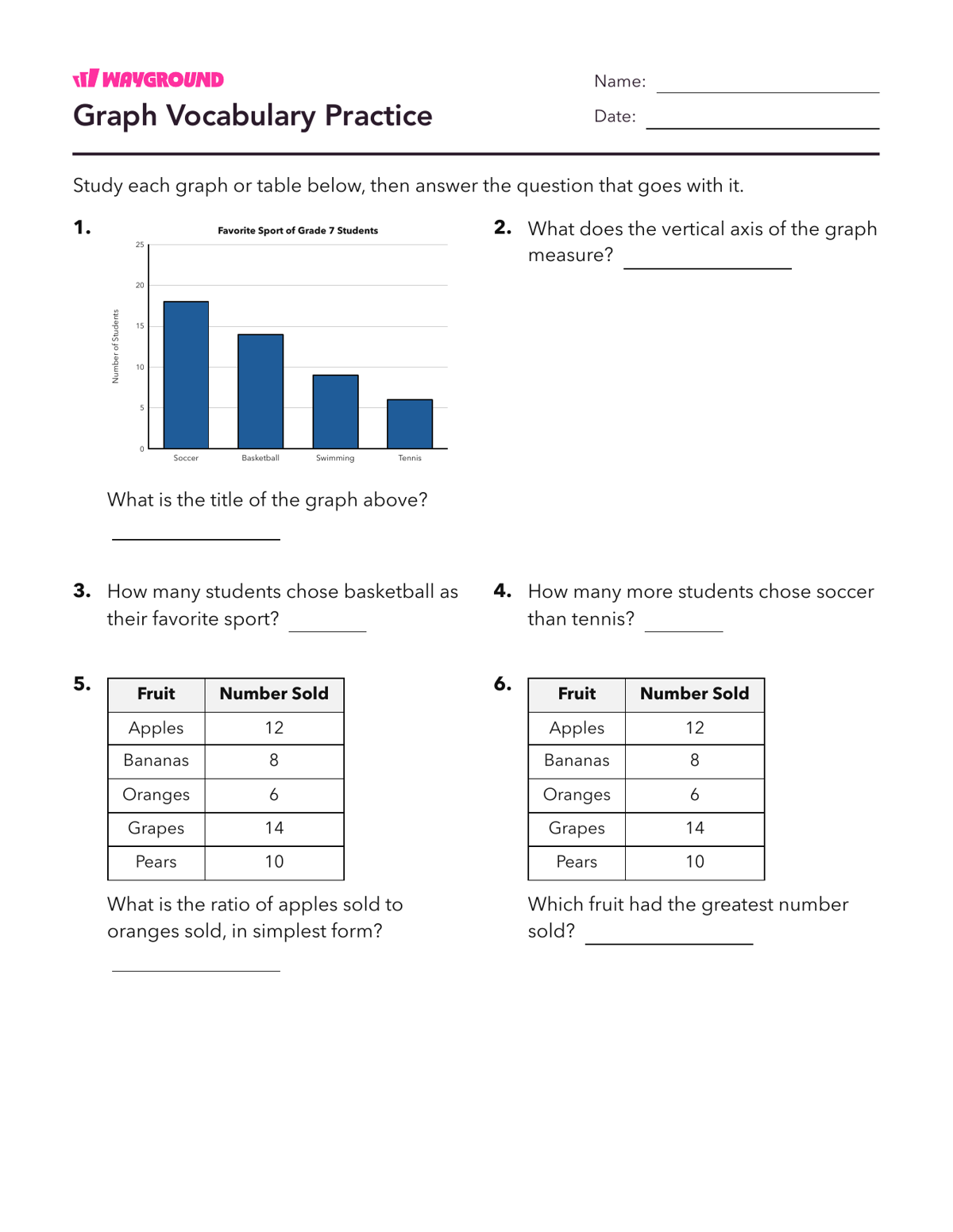
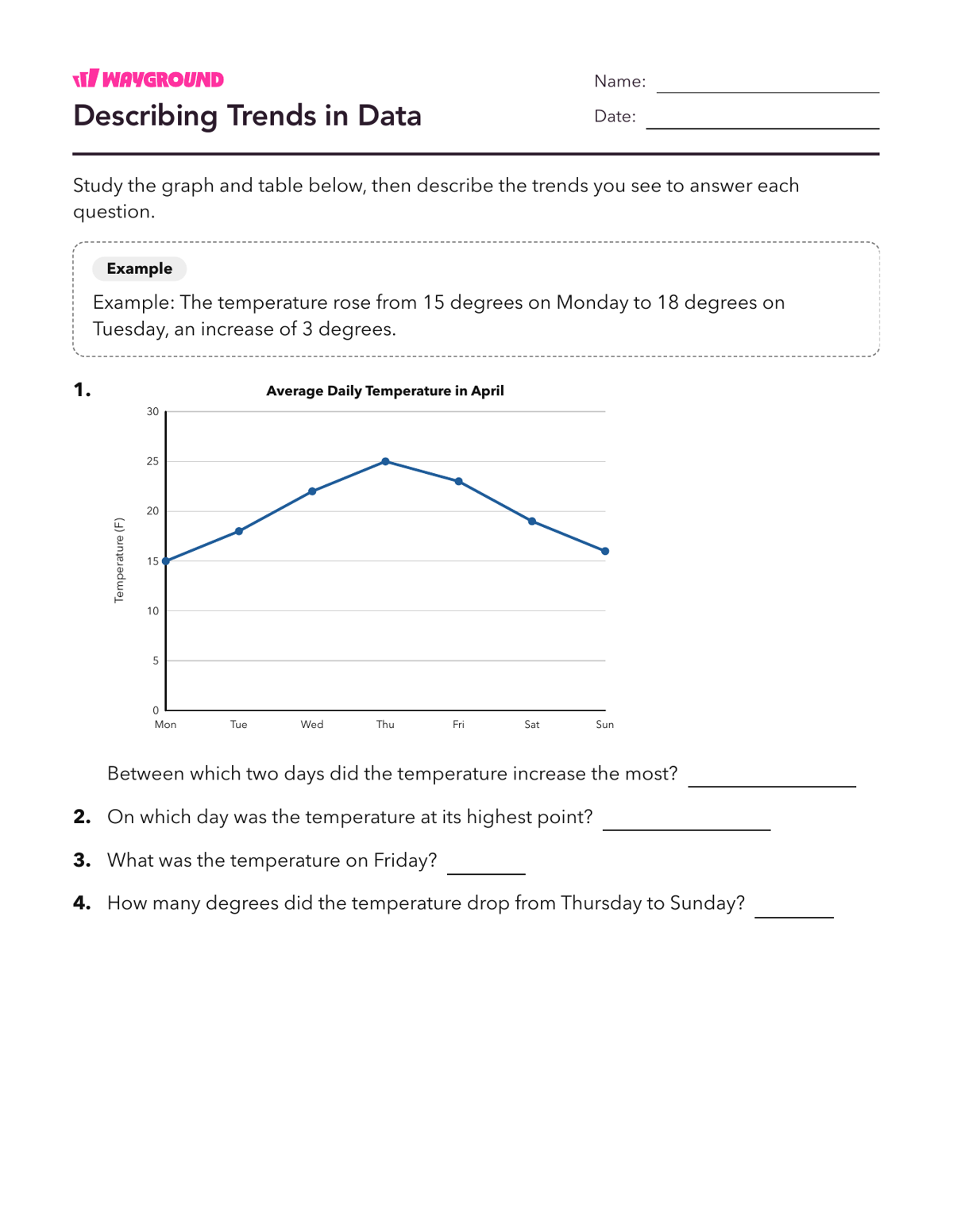
Interpreting graphs worksheets for Grade 7 students available through Wayground (formerly Quizizz) provide comprehensive practice in analyzing and understanding various types of data visualizations including bar graphs, line graphs, pie charts, and scatter plots. These expertly designed resources strengthen critical mathematical skills such as reading axis labels, identifying trends and patterns, making predictions based on data, and drawing conclusions from graphical information. Students develop proficiency in extracting specific data points, comparing different data sets, and recognizing relationships between variables through carefully structured practice problems. The worksheets include detailed answer keys that support both independent study and classroom instruction, with free printables available in convenient pdf format to accommodate diverse learning environments.
Wayground (formerly Quizizz) empowers teachers with millions of educator-created resources specifically designed for graph interpretation instruction, featuring robust search and filtering capabilities that allow educators to quickly locate materials aligned with specific learning standards and student needs. The platform's differentiation tools enable teachers to customize worksheets for various skill levels within their Grade 7 mathematics classrooms, supporting both remediation for struggling learners and enrichment opportunities for advanced students. Teachers can access these resources in both printable and digital formats, including downloadable pdfs, making lesson planning more efficient and flexible. This comprehensive collection supports targeted skill practice, formative assessment, and systematic review of graph interpretation concepts, helping educators address individual learning gaps while building class-wide proficiency in this essential mathematical competency.
FAQs
How do I teach graph interpretation in Grade 7?
What graph interpretation exercises work well for seventh graders?
What mistakes do Grade 7 students make when interpreting graphs?
How should I use a Grade 7 interpreting graphs worksheet for instruction or assessment?
How does interpreting graphs align with the Grade 7 Common Core curriculum?
How can I differentiate a Grade 7 graph interpretation worksheet?
What graph interpretation skills should a seventh grader have?