
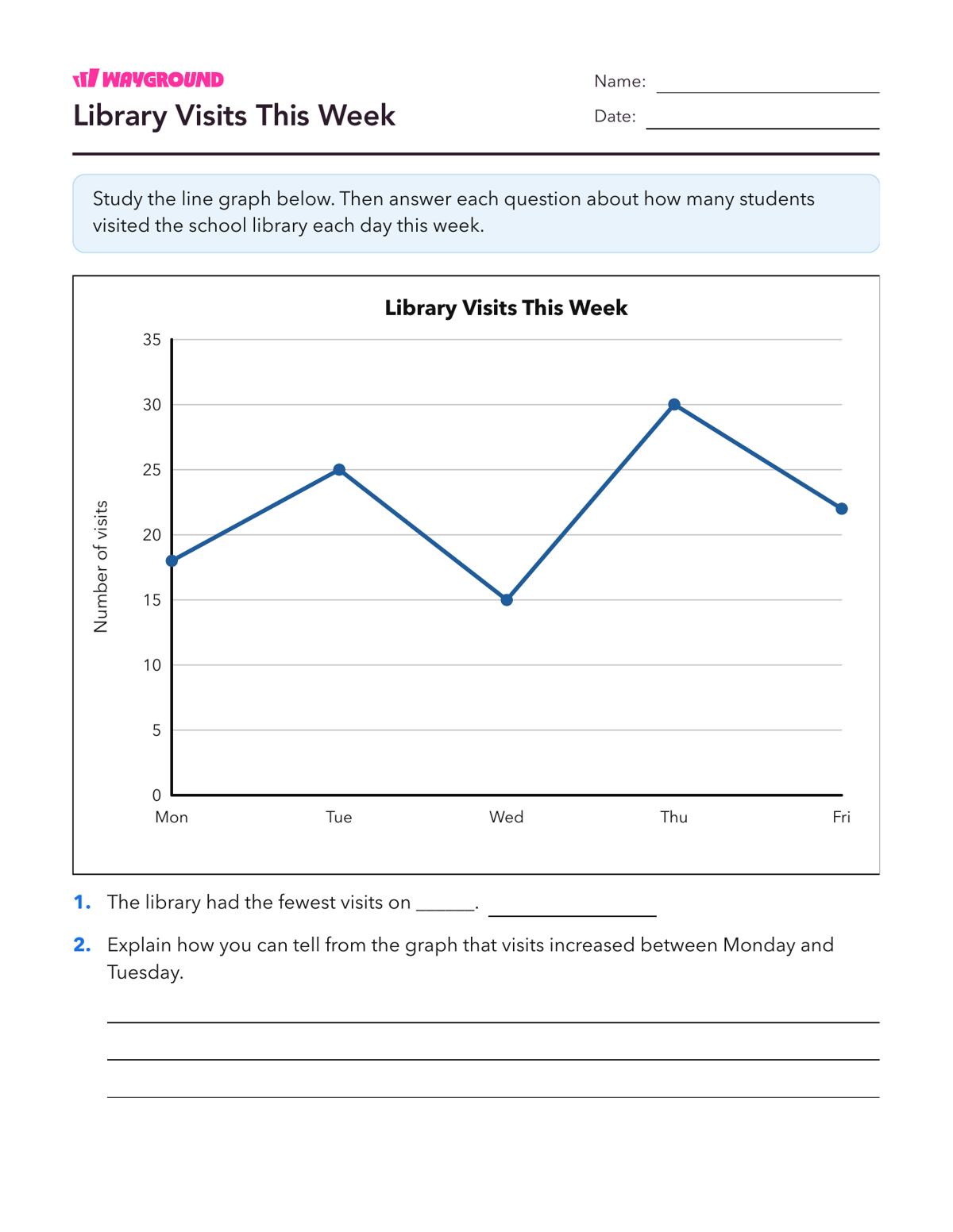
5 Q
6th
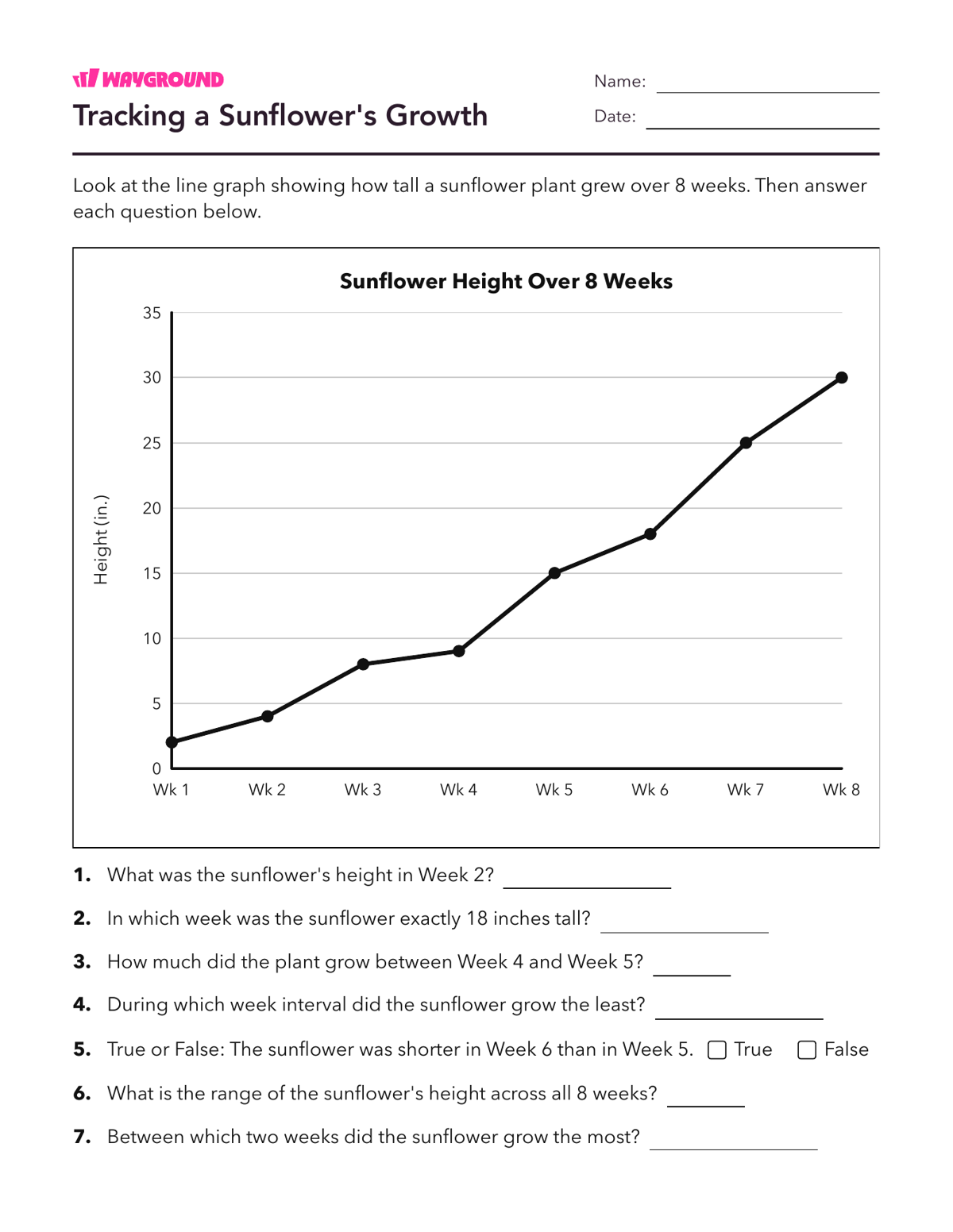
8 Q
6th
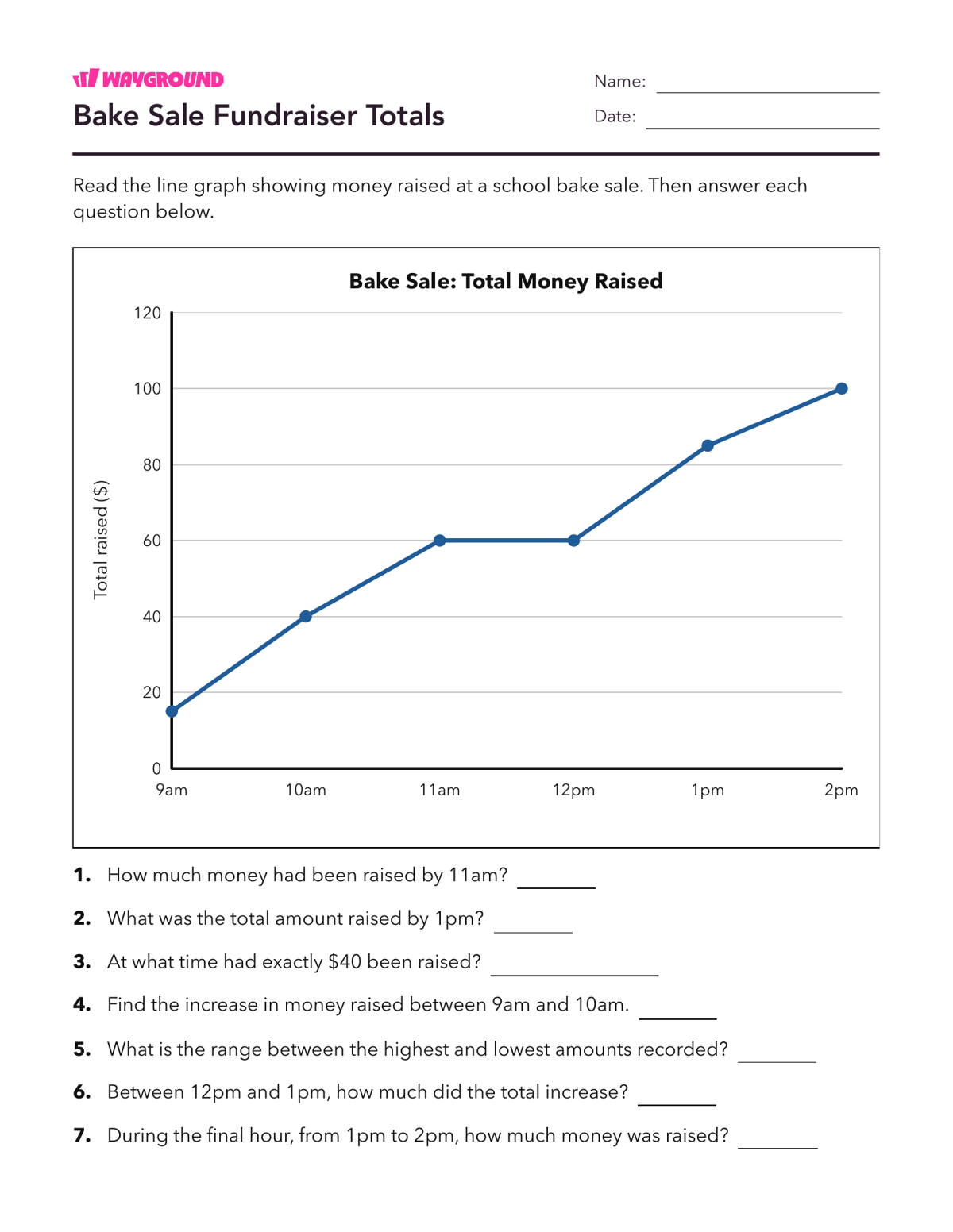
10 Q
6th
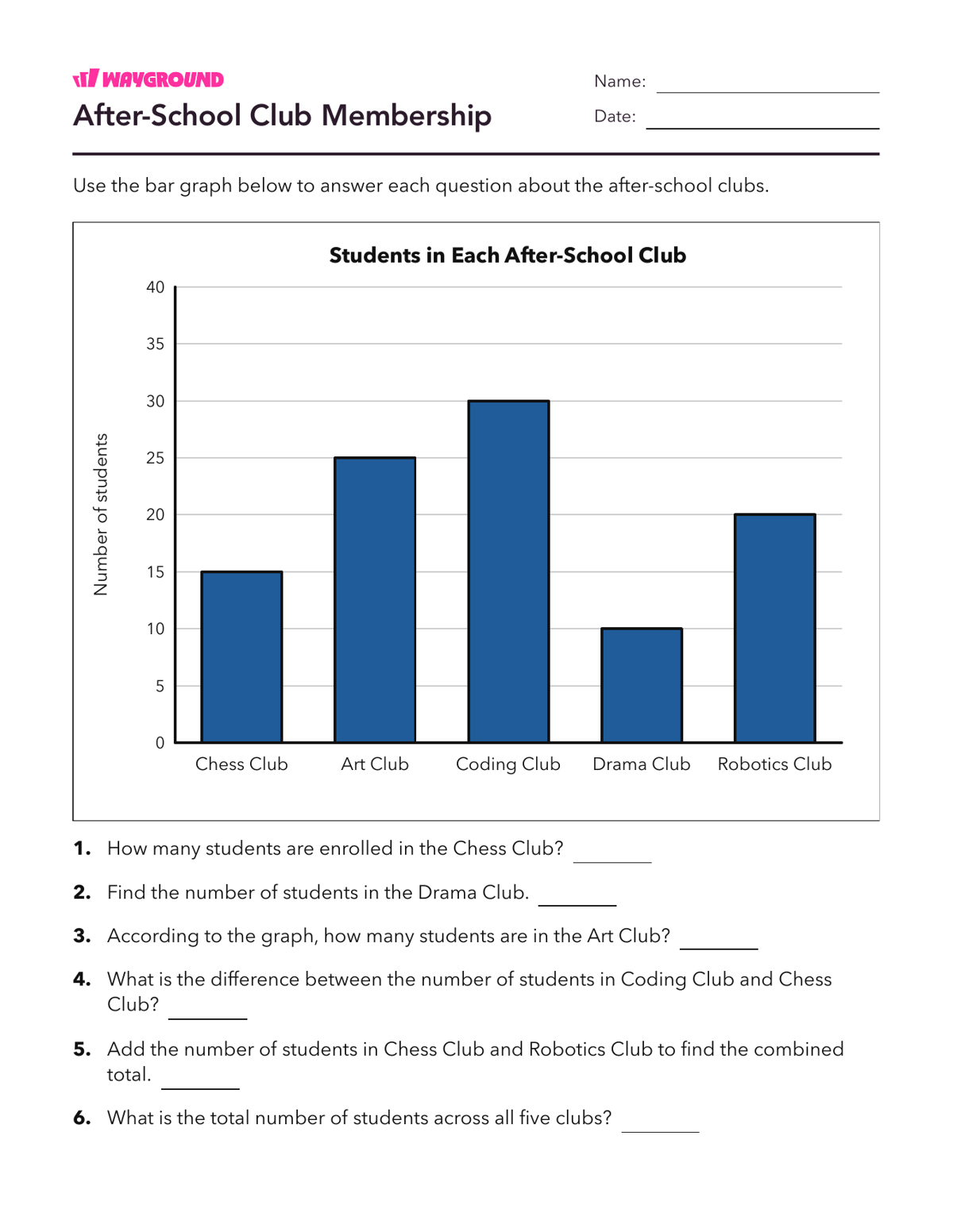
8 Q
6th
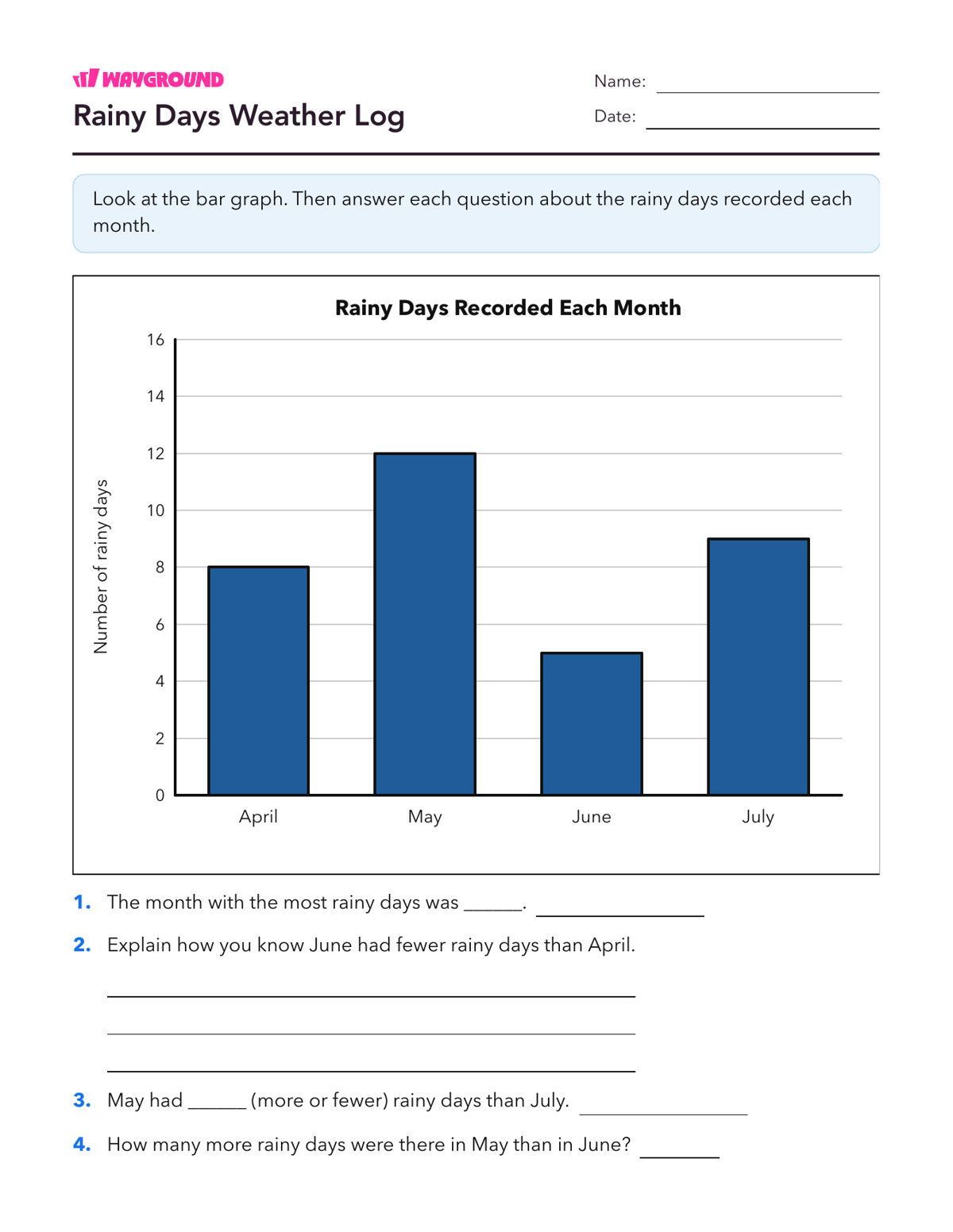
5 Q
6th
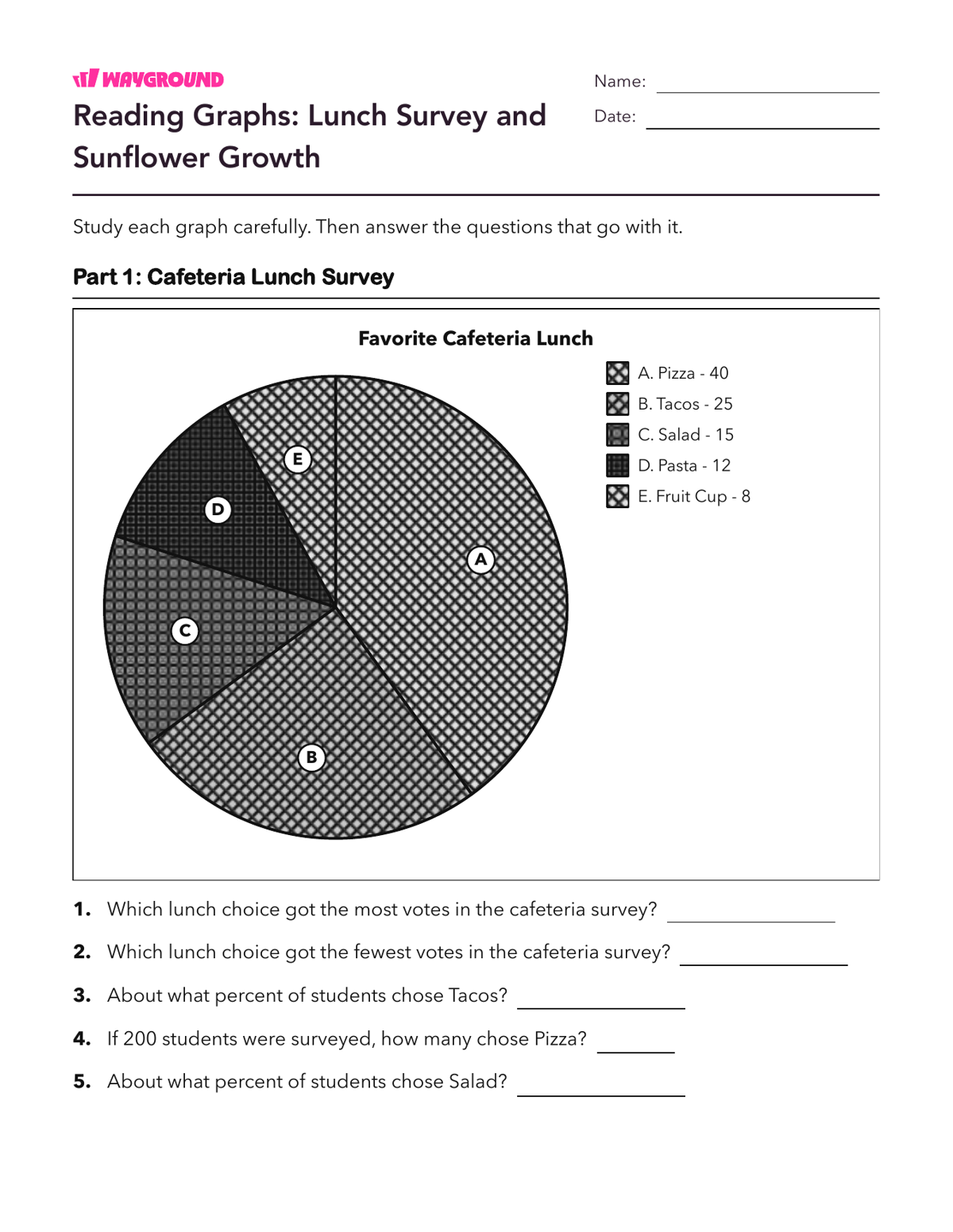
12 Q
6th
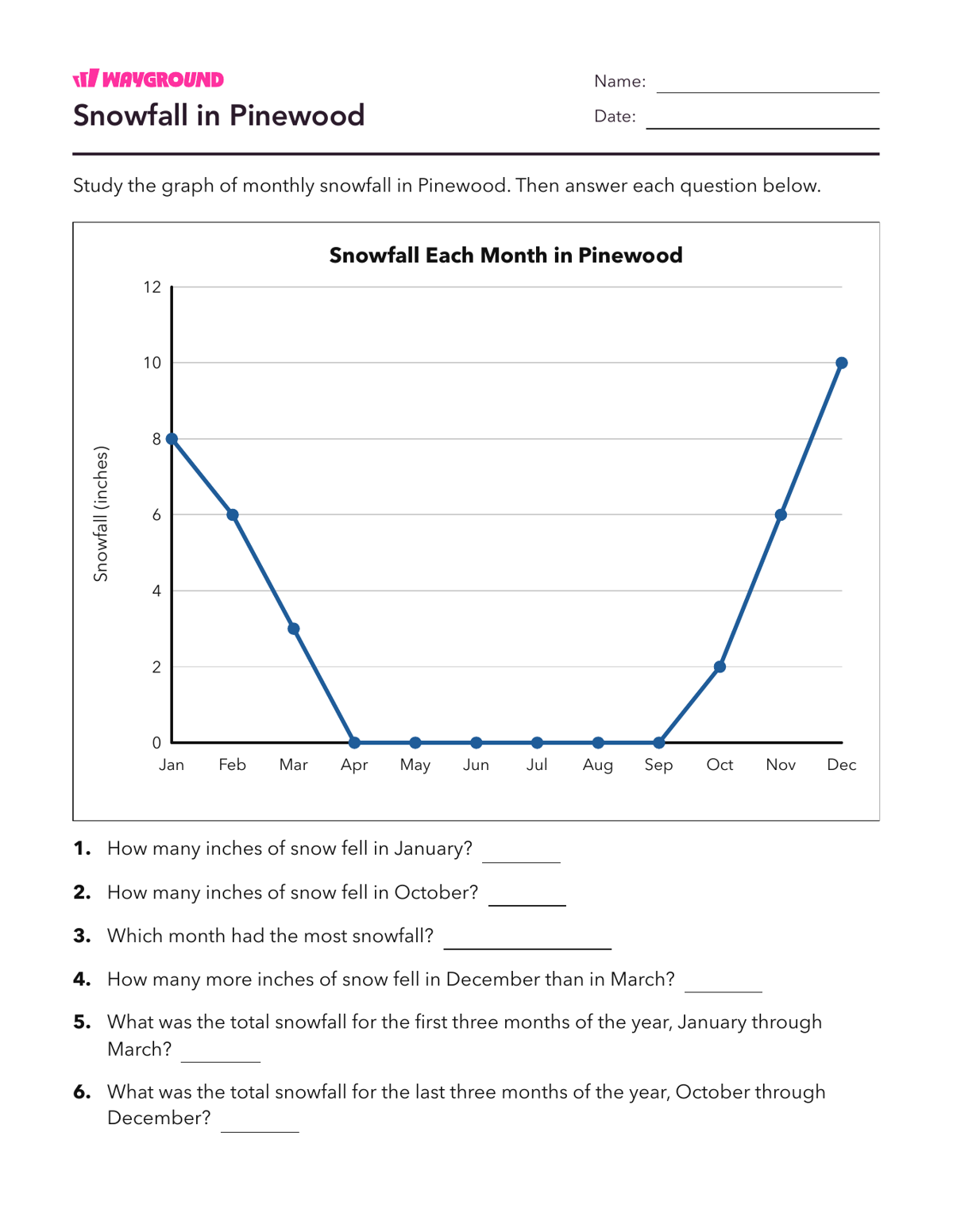
10 Q
6th
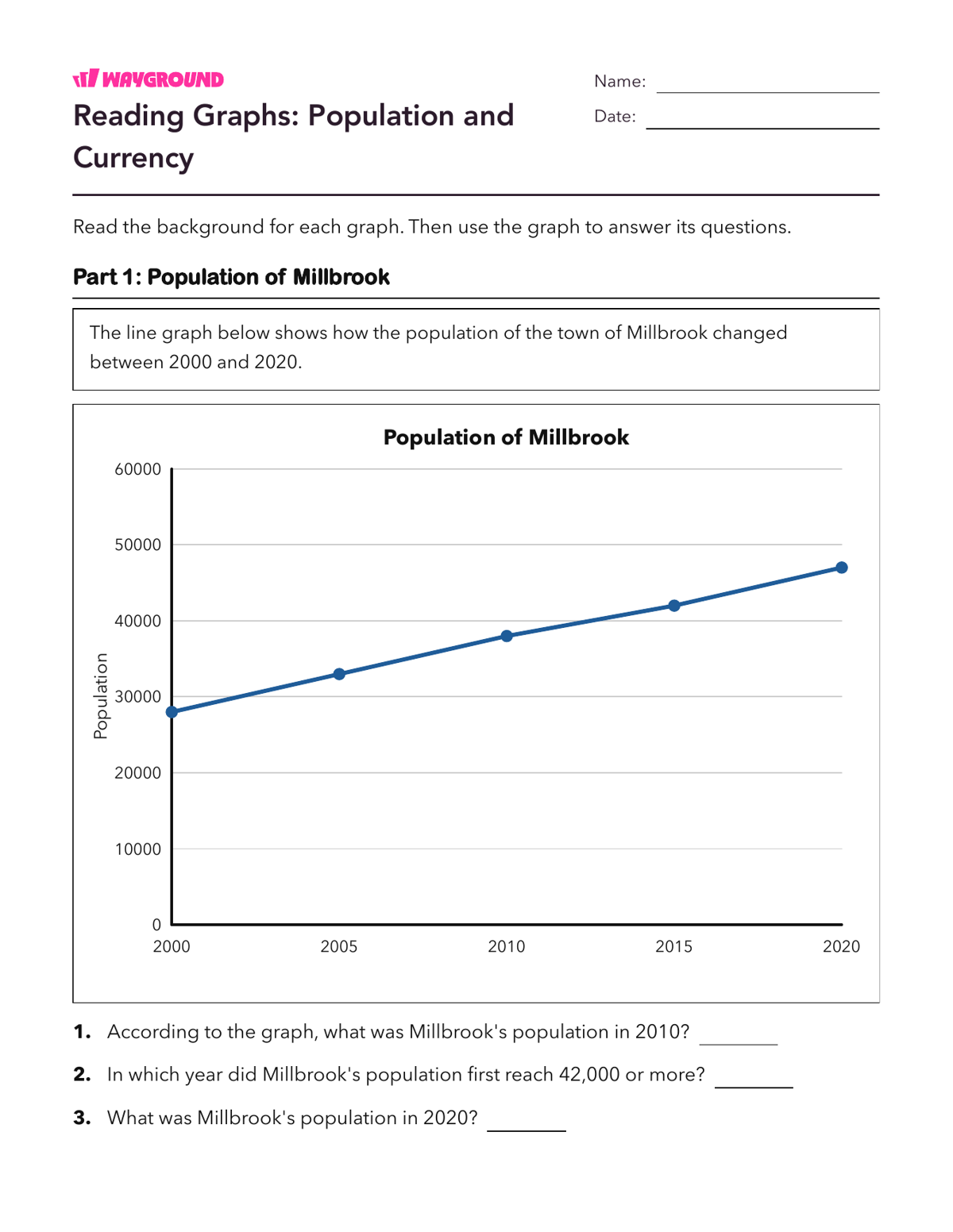
10 Q
6th
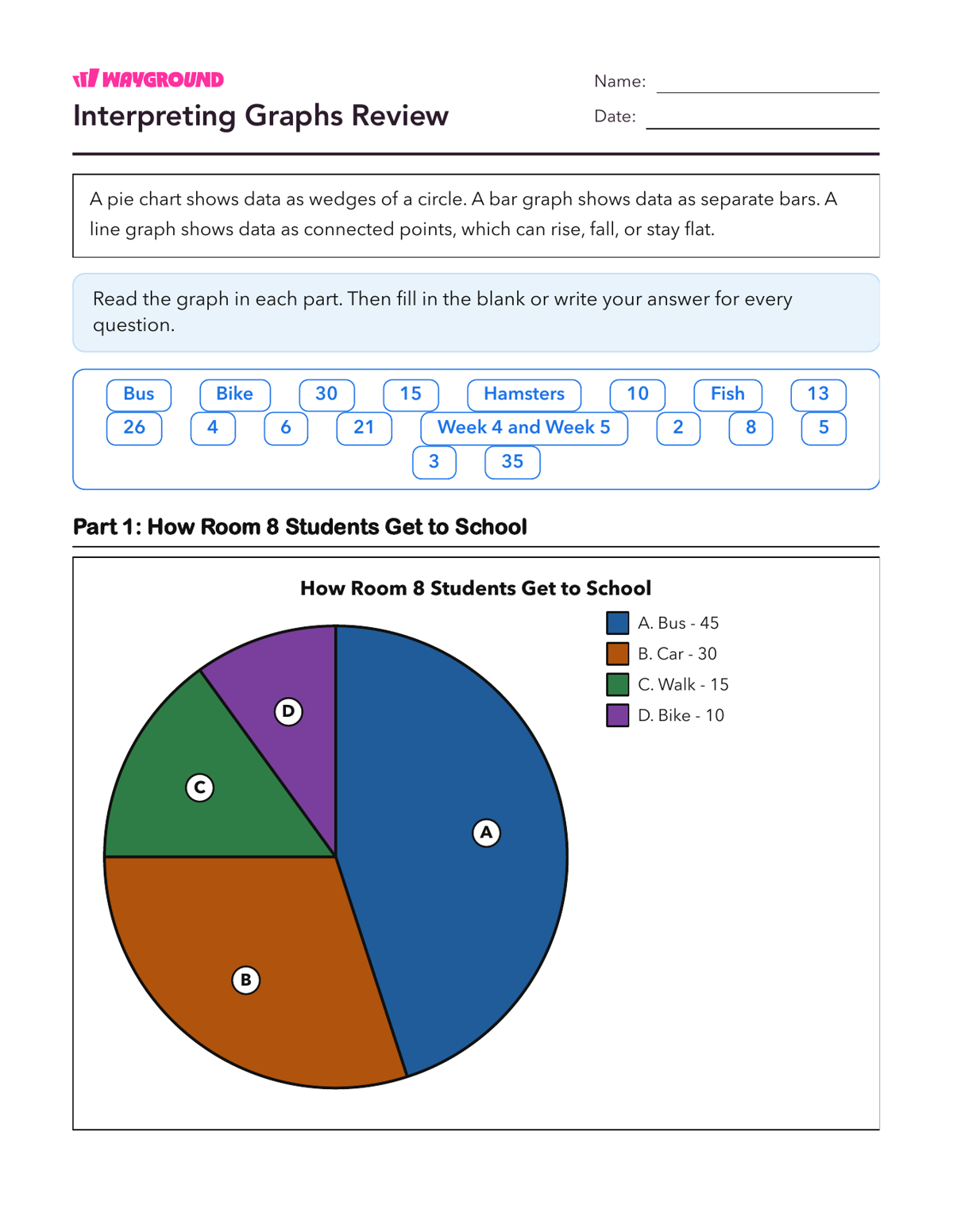
21 Q
6th
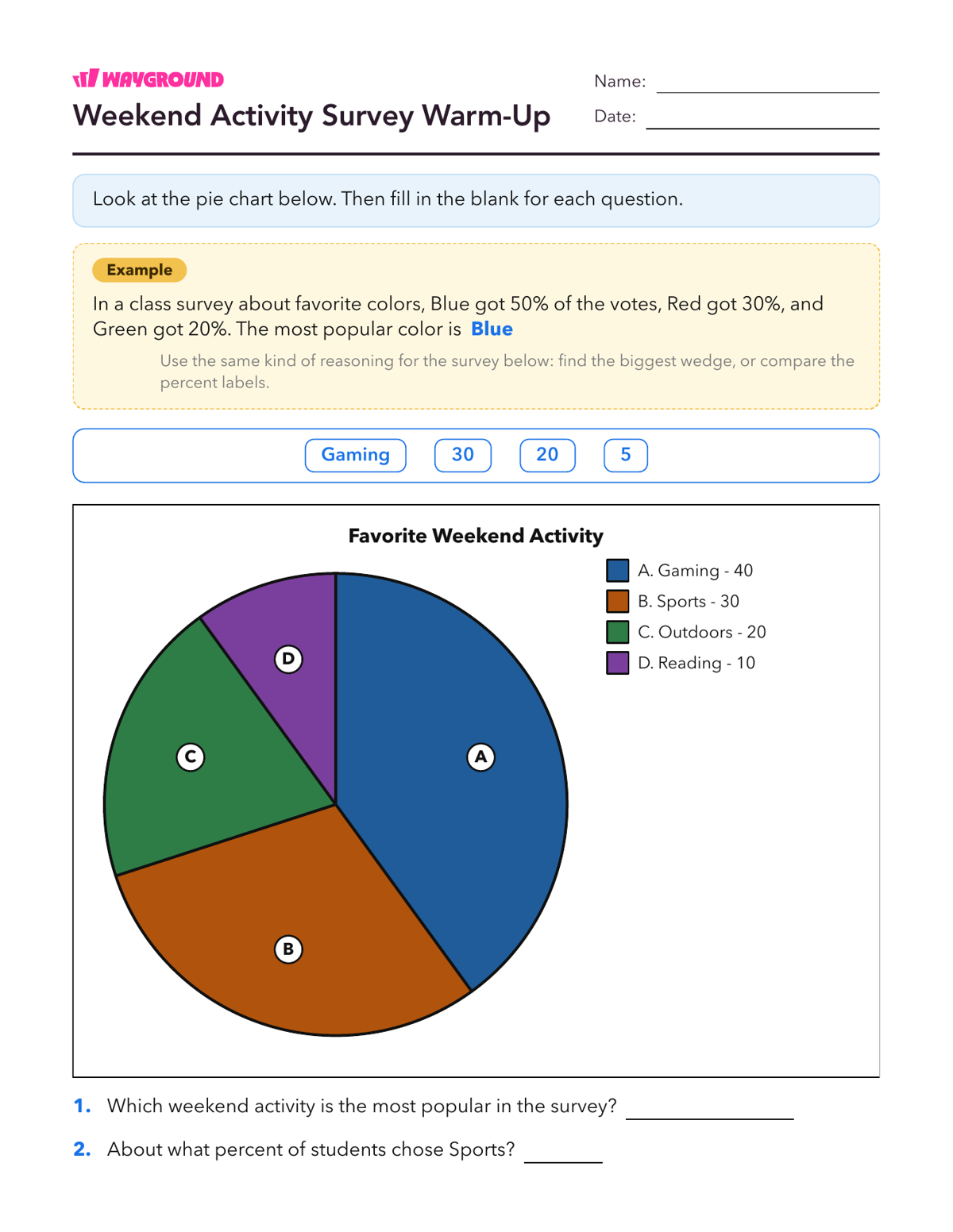
6 Q
6th
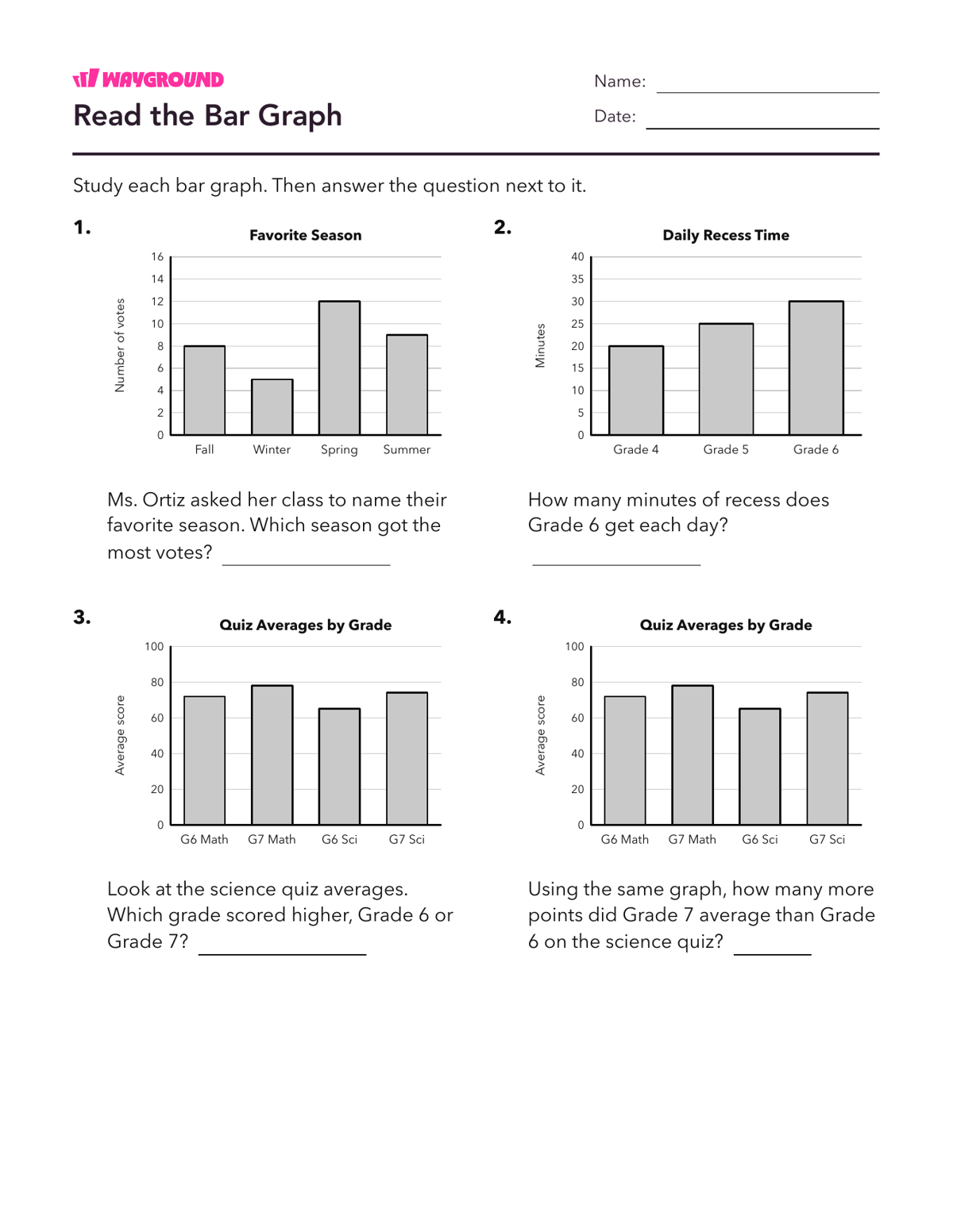
6 Q
6th
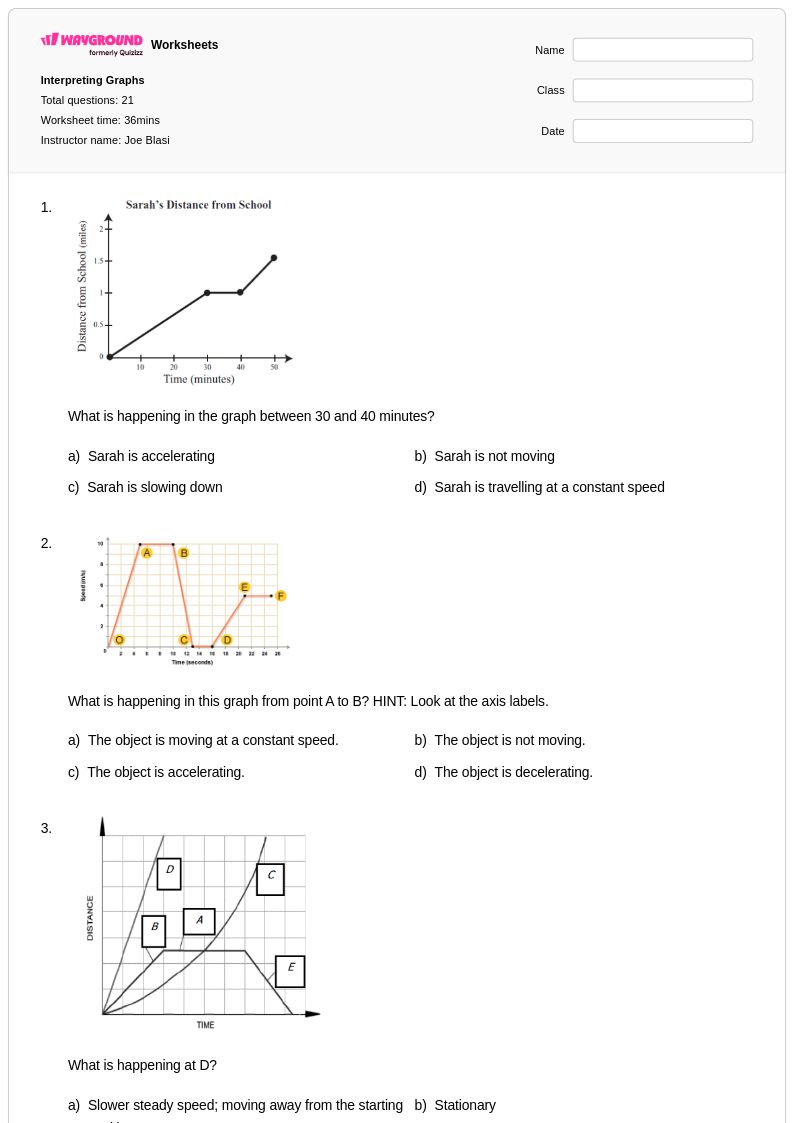
21 Q
6th - 8th
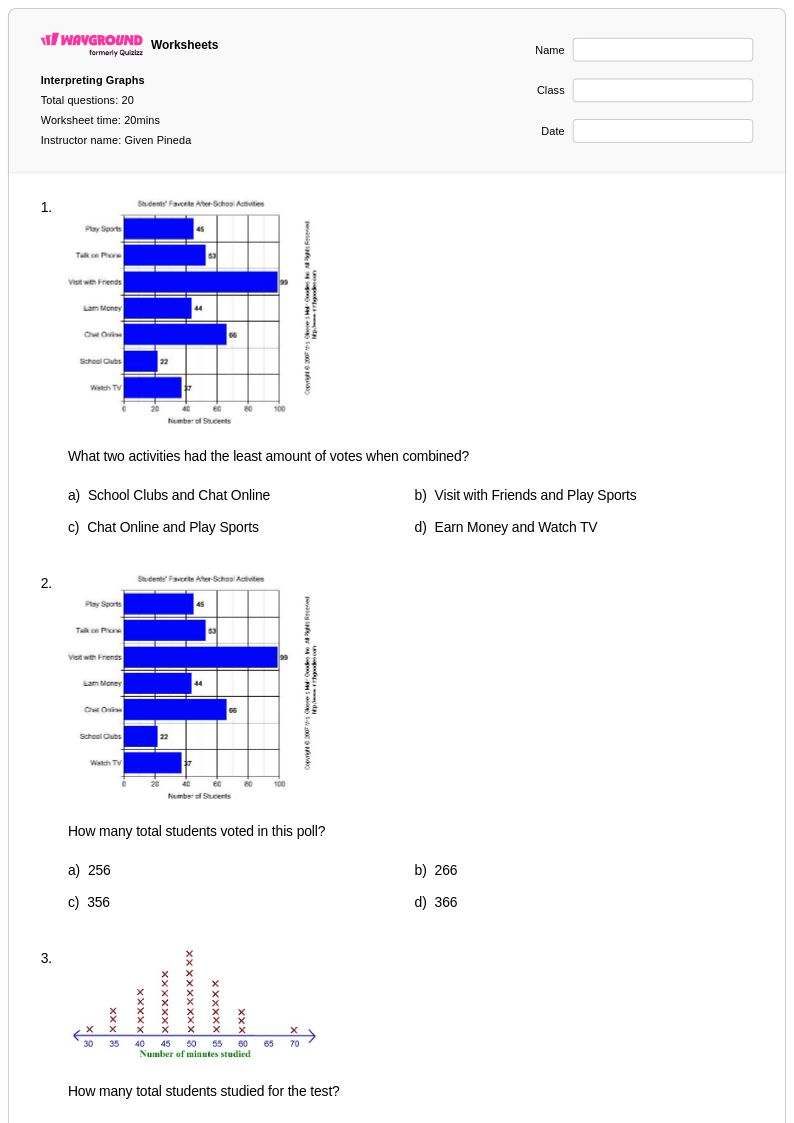
20 Q
6th - 12th
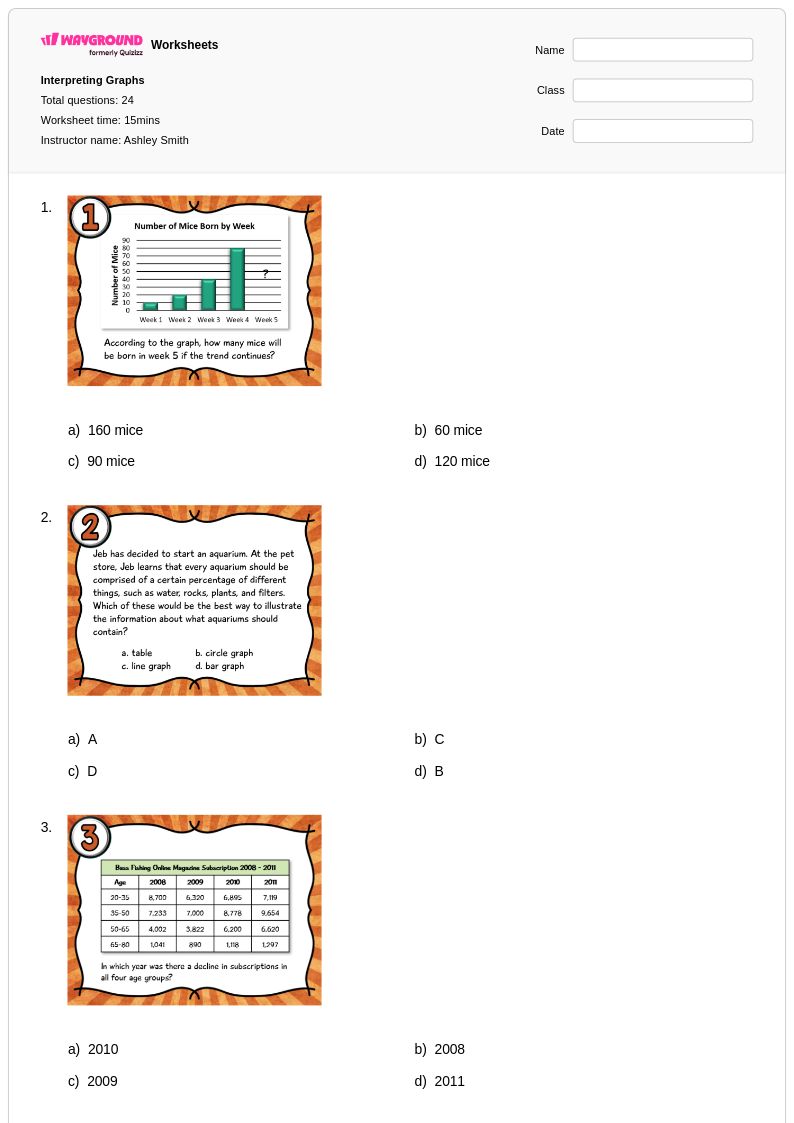
24 Q
6th - 8th
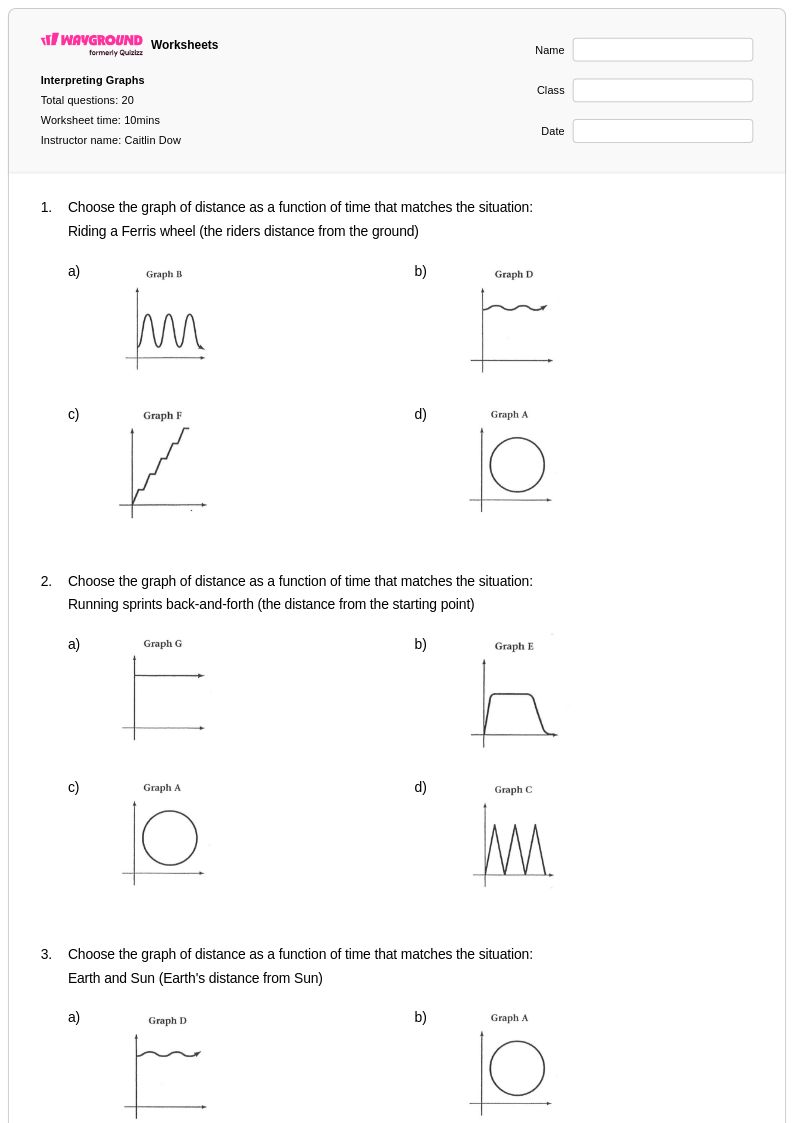
20 Q
6th - 8th
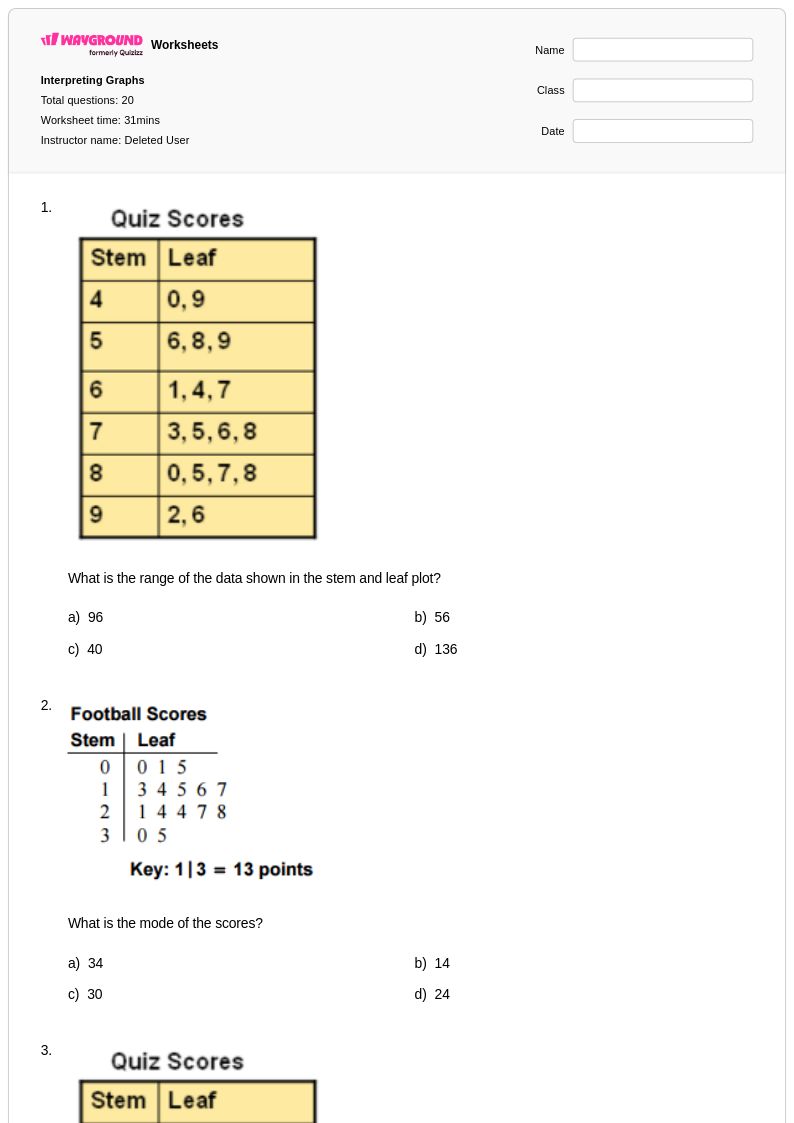
20 Q
6th
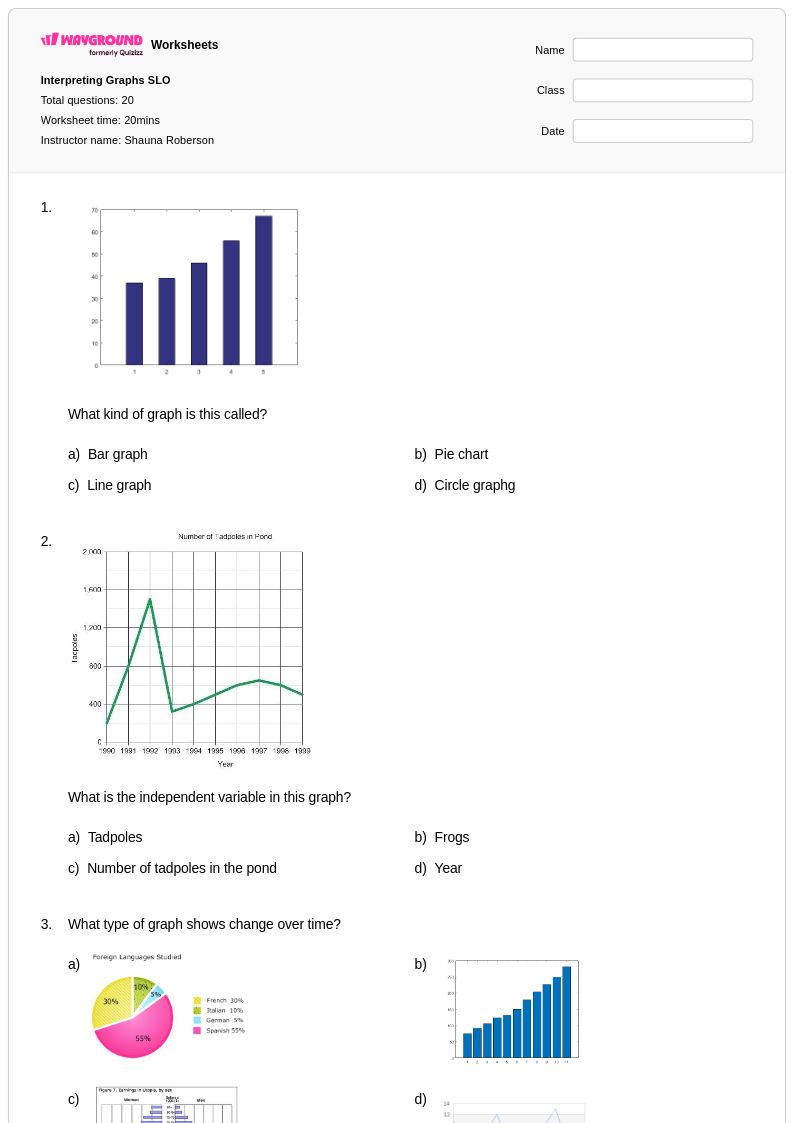
20 Q
6th - 8th
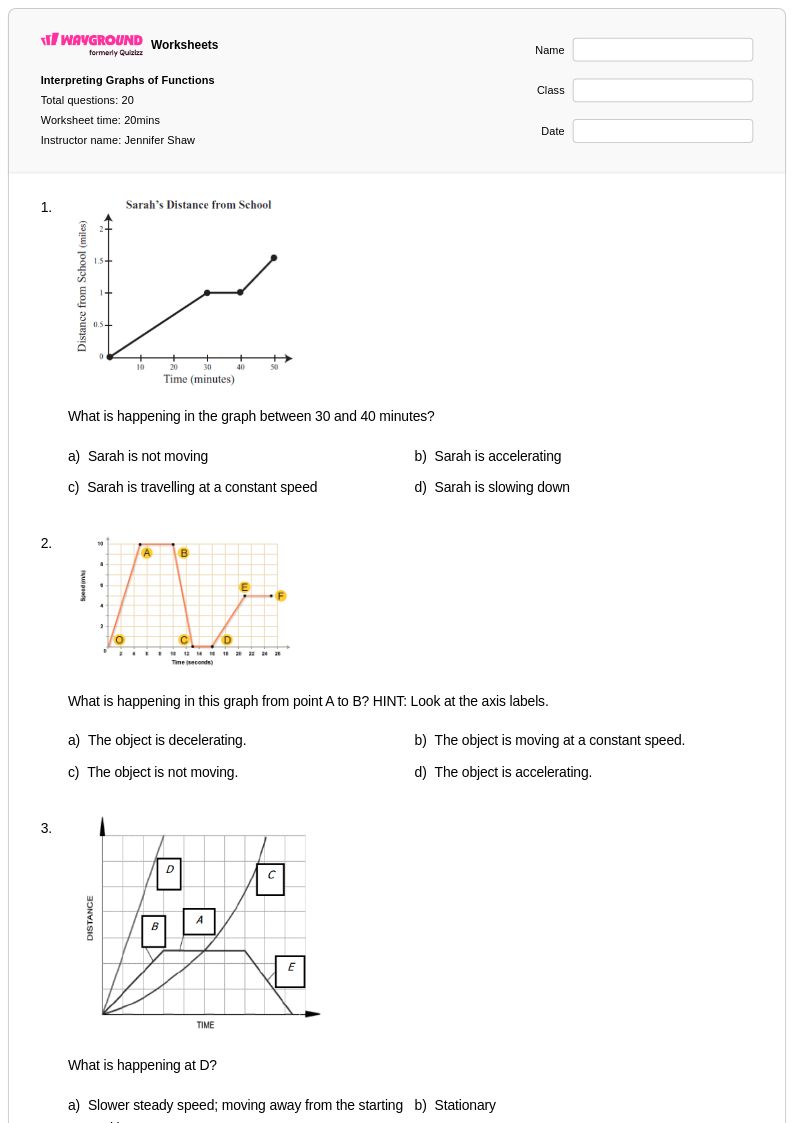
20 Q
6th - 11th
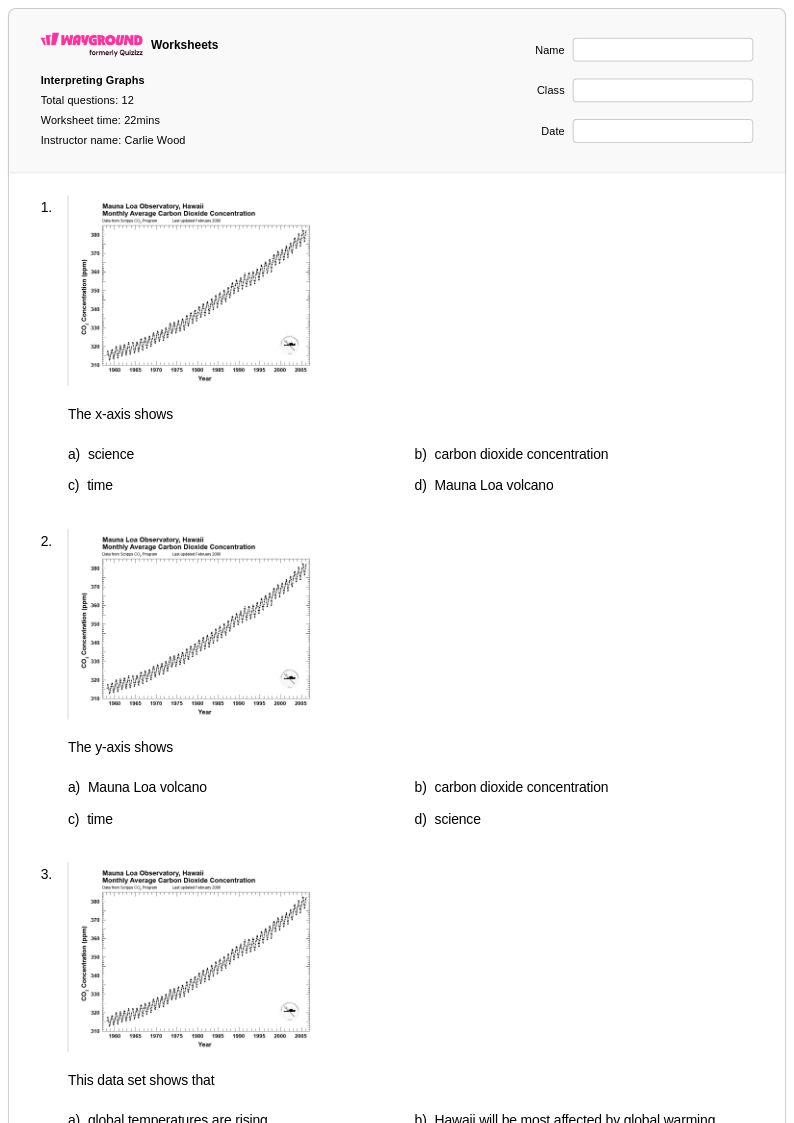
12 Q
6th - 12th
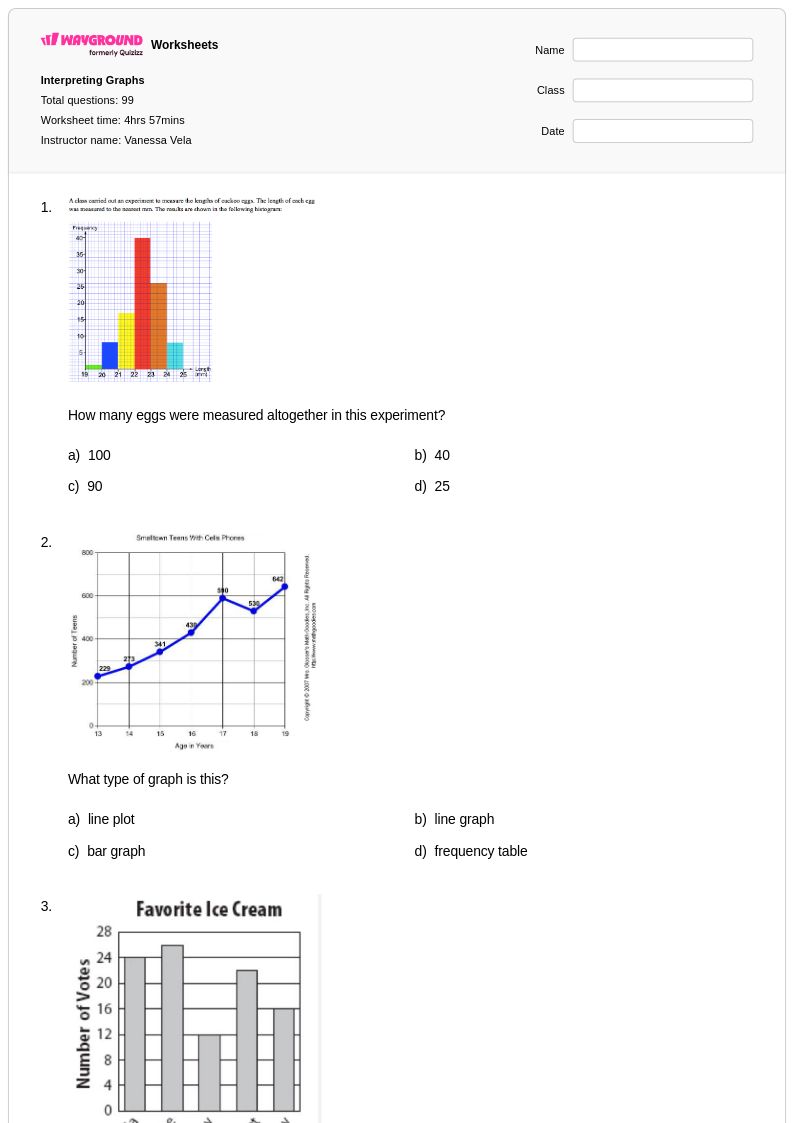
99 Q
6th
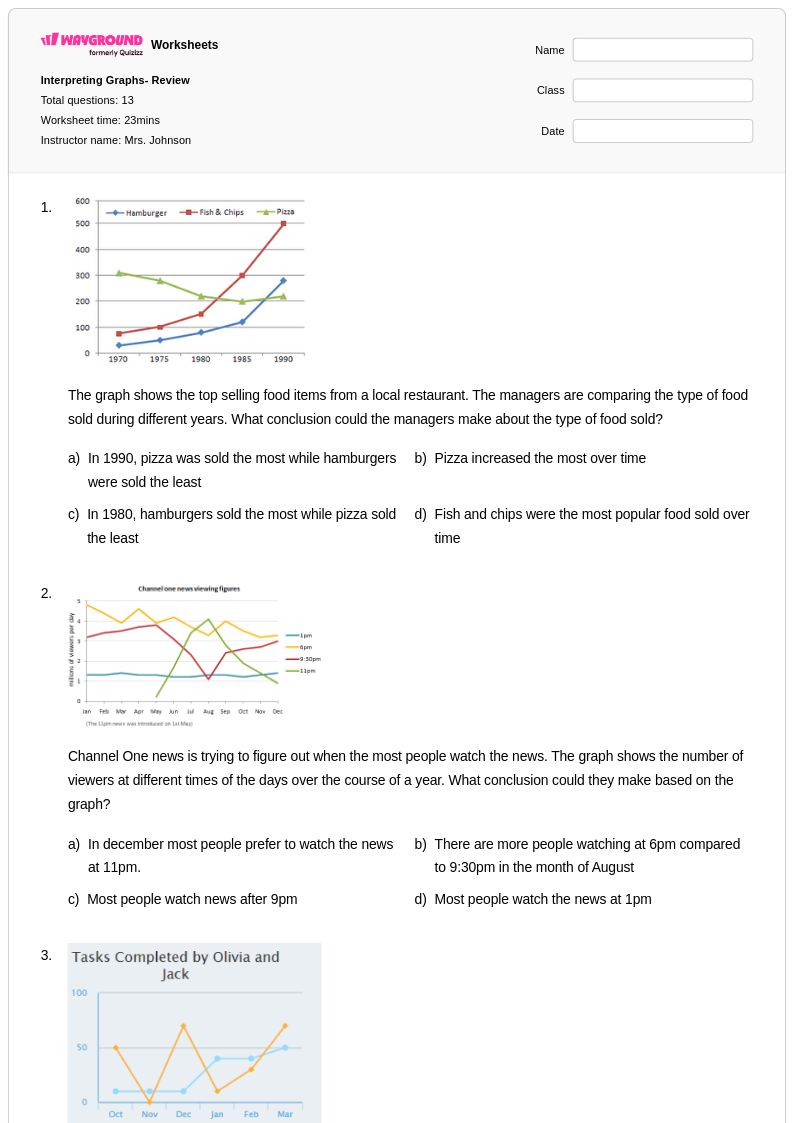
13 Q
6th
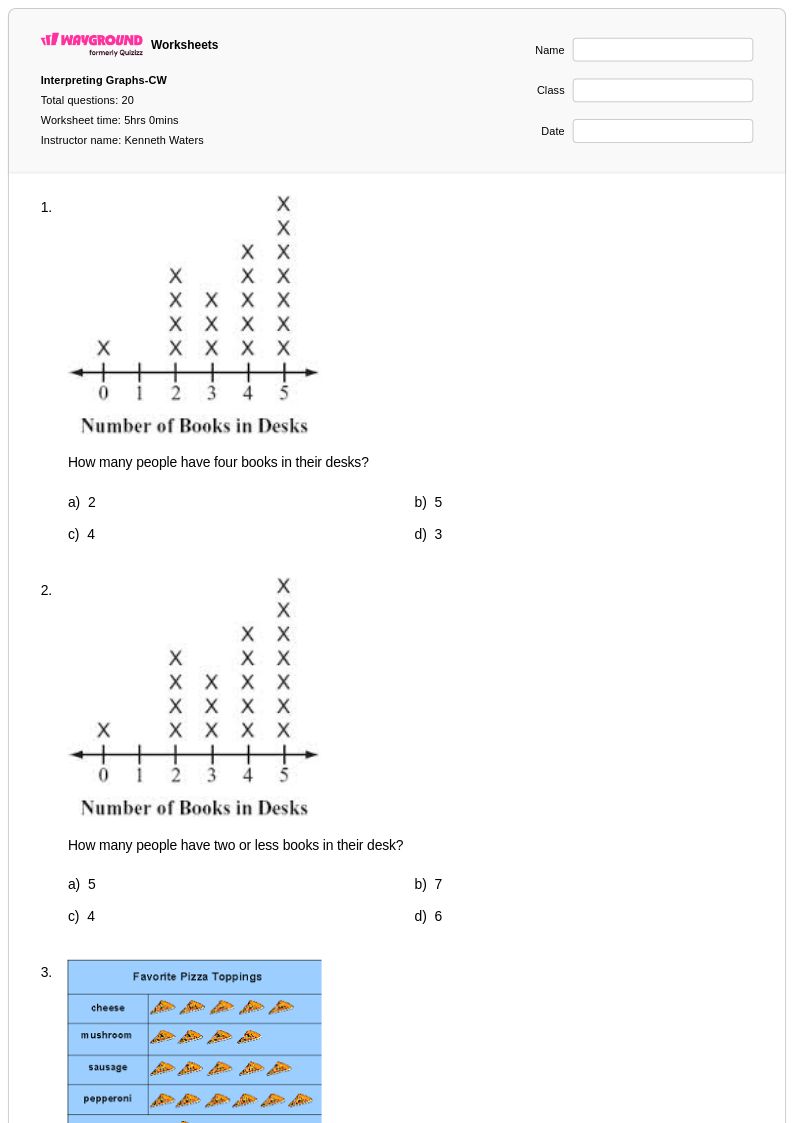
20 Q
6th - 8th
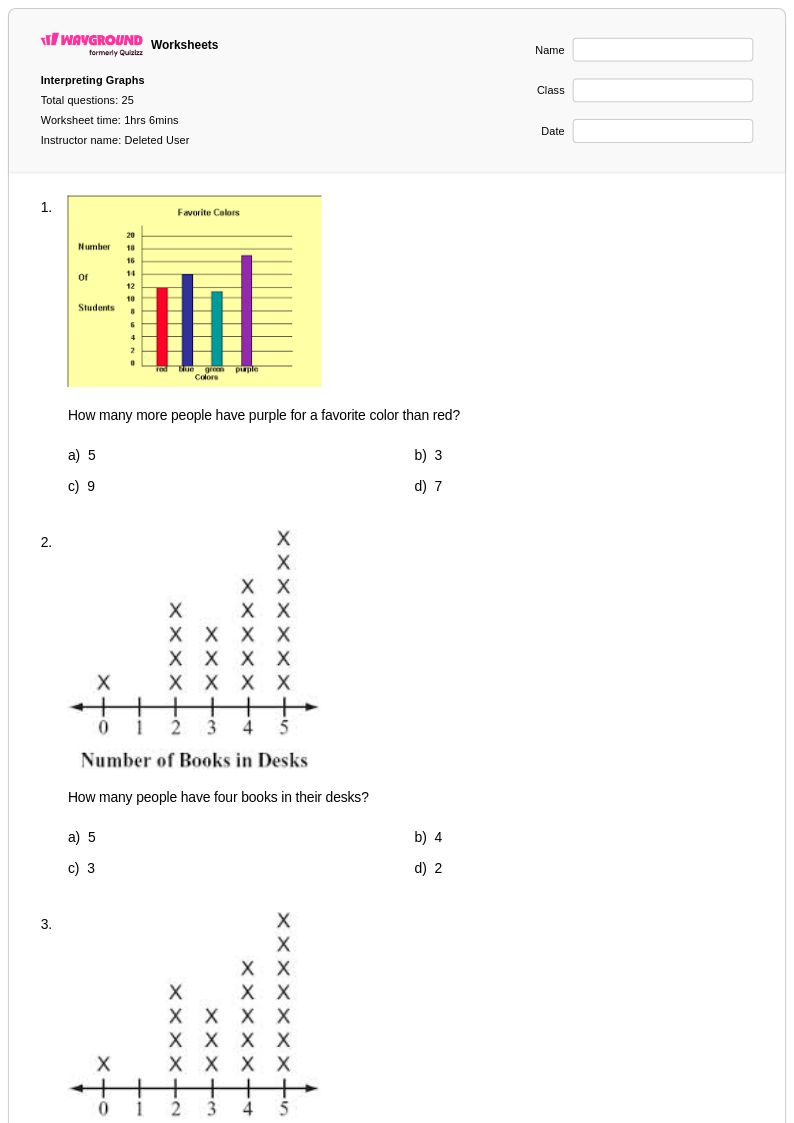
25 Q
6th - 7th
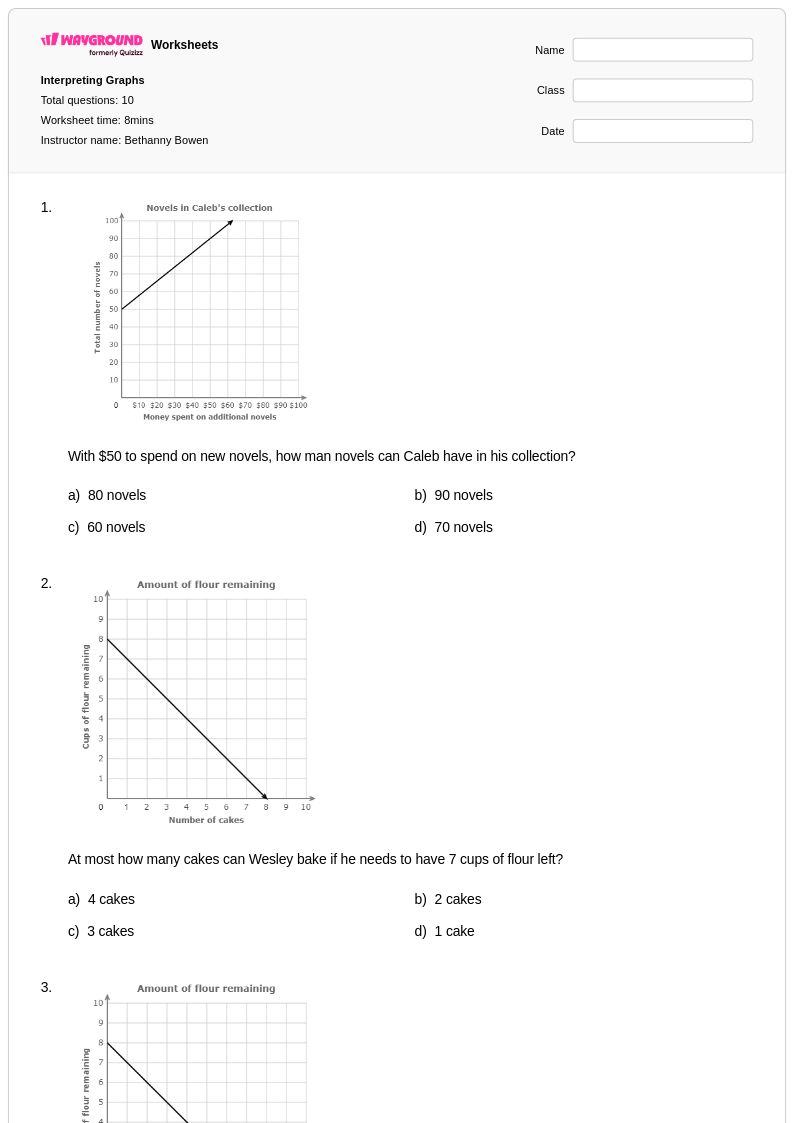
10 Q
6th
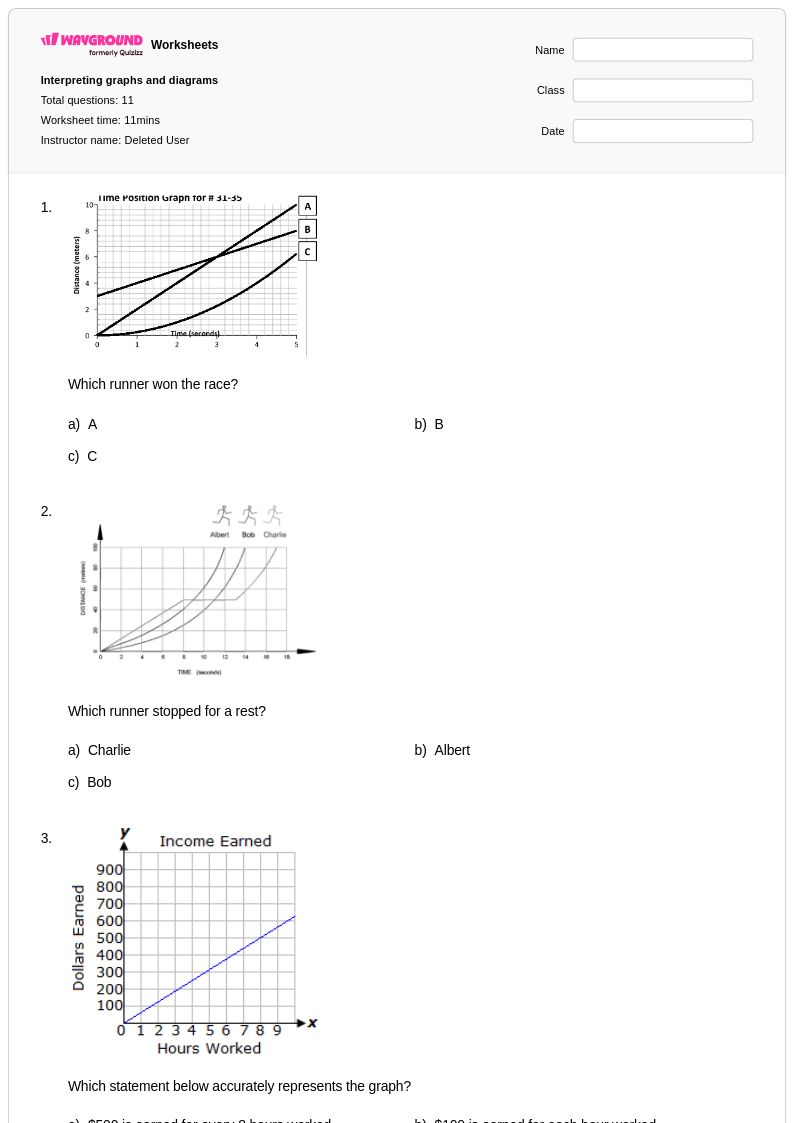
11 Q
6th - 9th
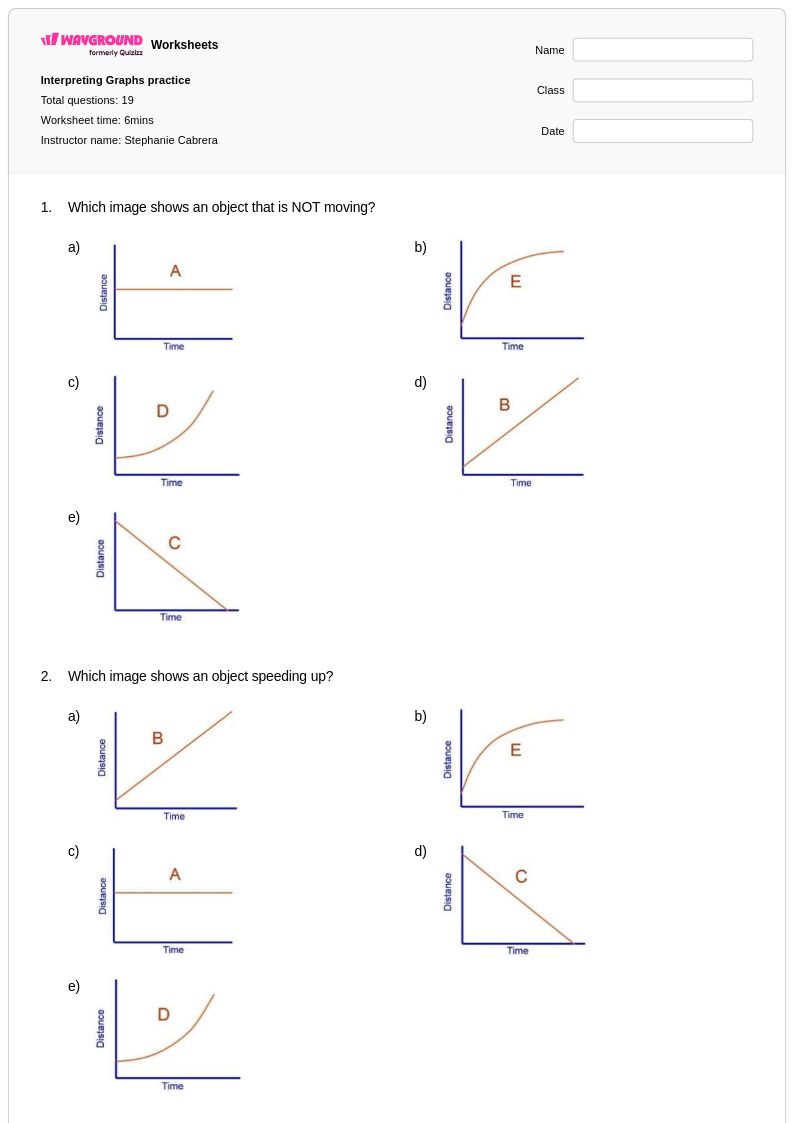
19 Q
6th
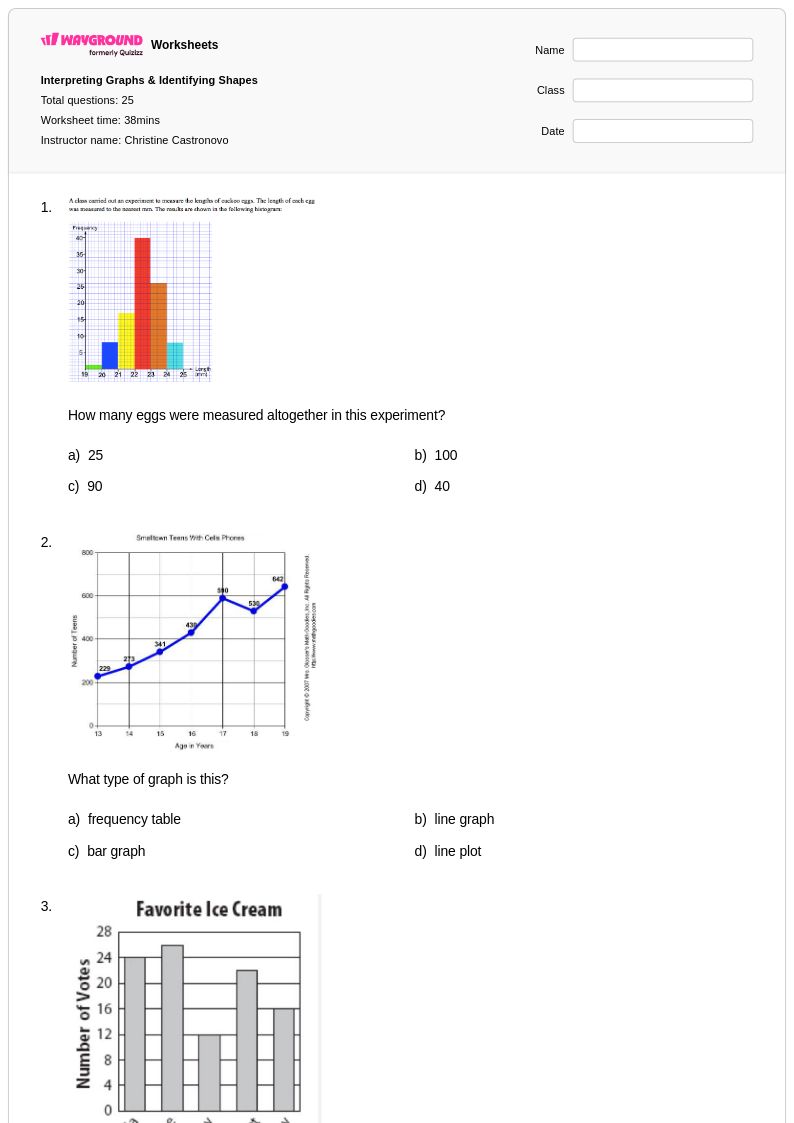
25 Q
6th
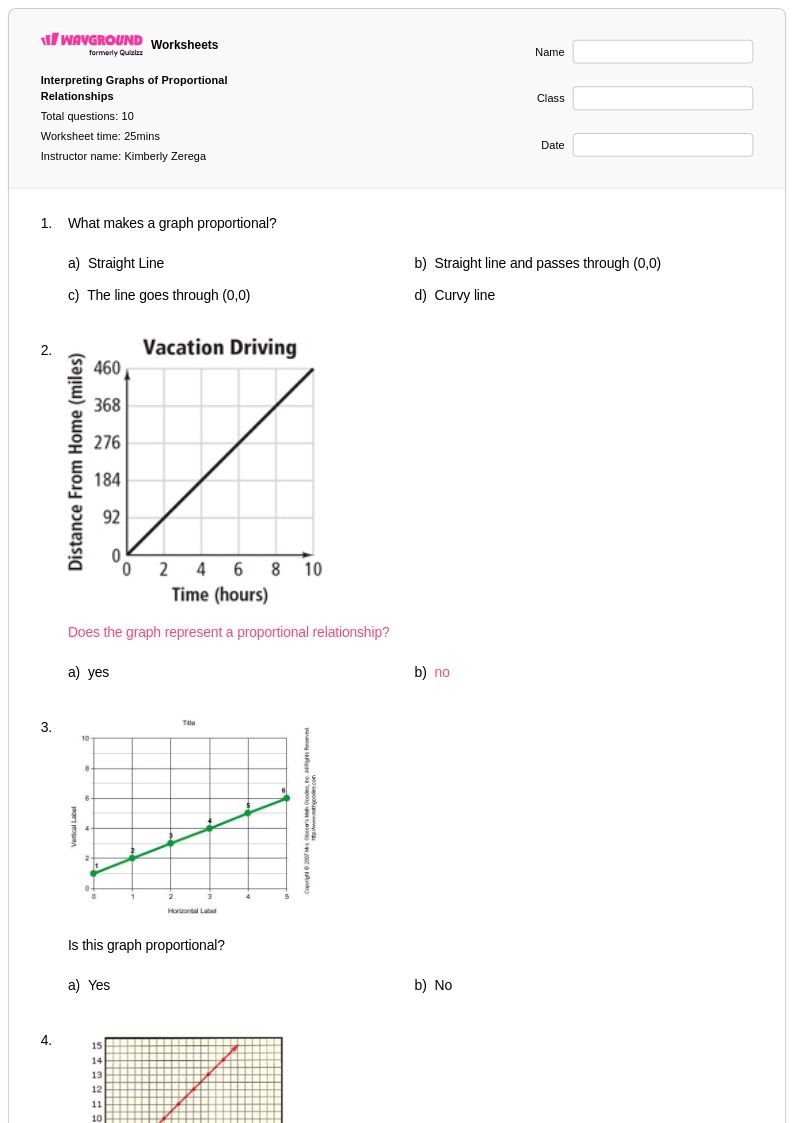
10 Q
6th
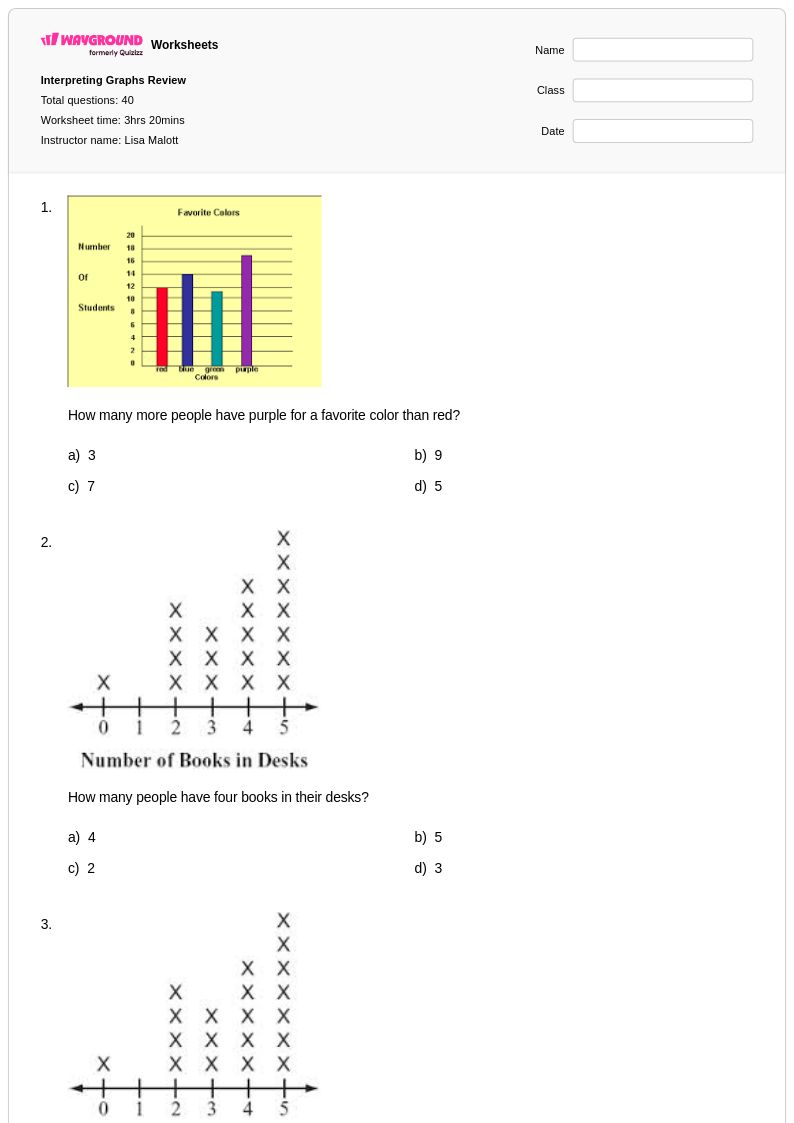
40 Q
6th
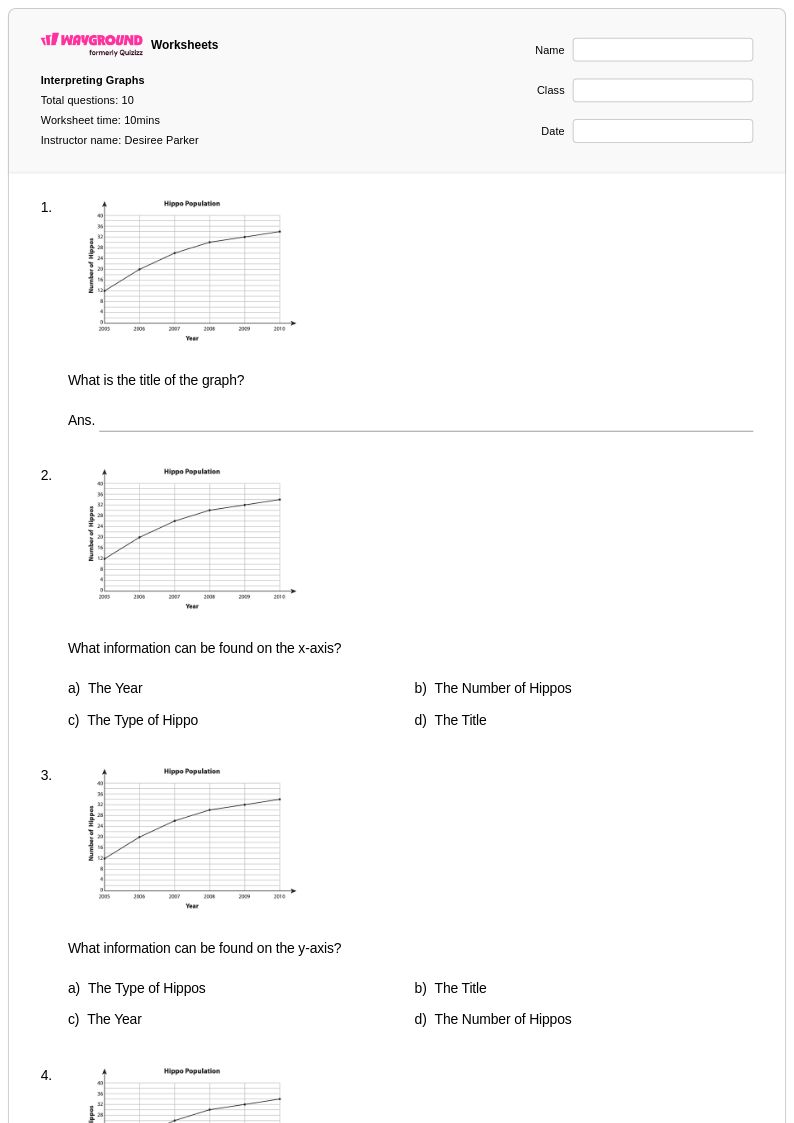
10 Q
6th - 12th
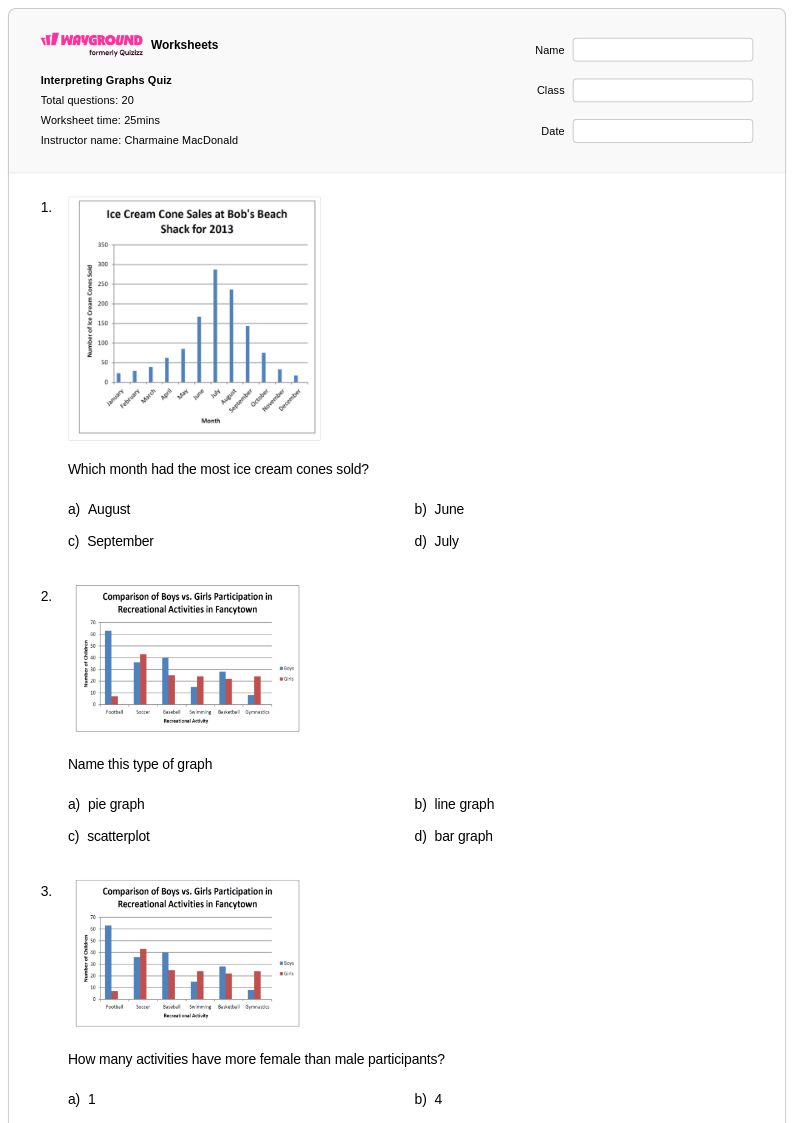
20 Q
6th
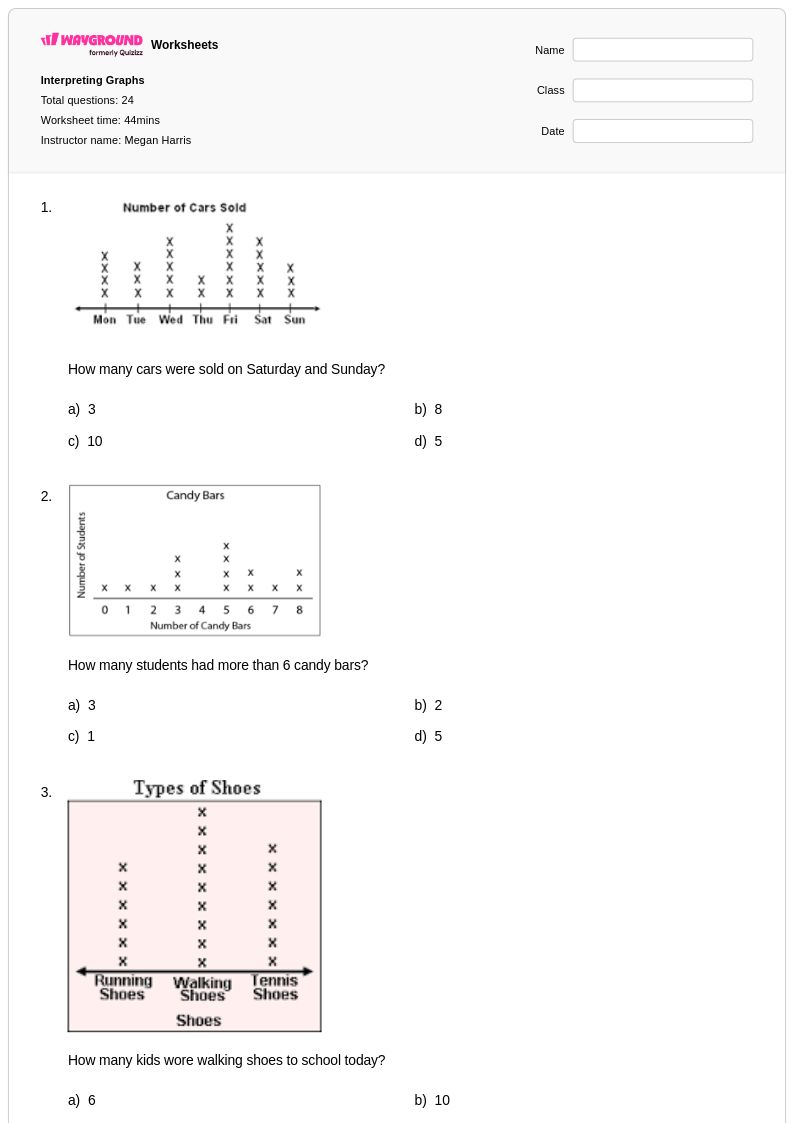
24 Q
6th
28 Q
6th
Explore Interpreting Graphs Worksheets by Grades
Explore Other Subject Worksheets for grade 6
Explore printable Interpreting Graphs worksheets for Grade 6
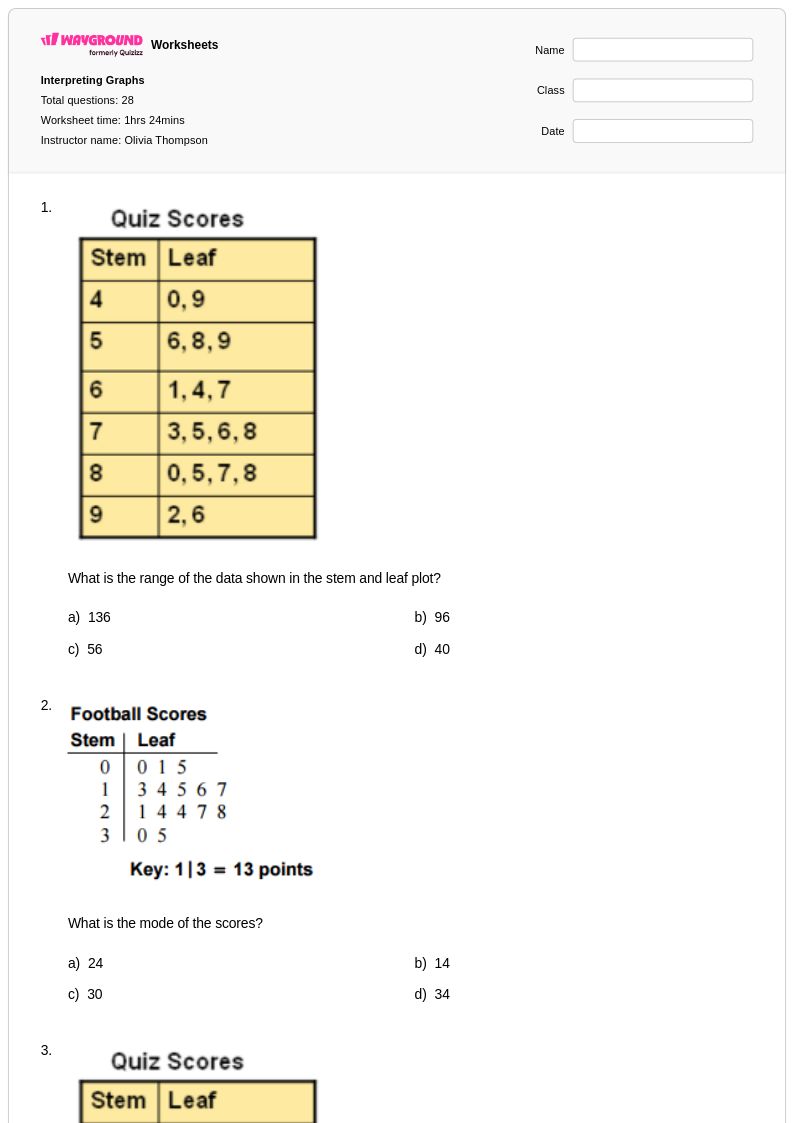
Interpreting graphs worksheets for Grade 6 students available through Wayground (formerly Quizizz) provide comprehensive practice in analyzing and extracting meaningful information from various visual data representations. These educational resources strengthen critical mathematical skills including reading coordinate points, identifying trends and patterns, comparing data sets, and drawing conclusions from bar graphs, line graphs, scatter plots, and pie charts. The practice problems systematically guide students through the process of examining graph components such as titles, axes labels, scales, and data points to answer questions about real-world scenarios. Each worksheet collection includes detailed answer keys and is available as free printable pdf resources, allowing students to develop confidence in translating visual information into mathematical understanding and logical reasoning.
Wayground (formerly Quizizz) empowers educators with millions of teacher-created interpreting graphs worksheet collections specifically designed to meet diverse Grade 6 classroom needs. The platform's robust search and filtering capabilities enable teachers to quickly locate resources aligned with specific learning standards and student ability levels, while built-in differentiation tools support both remediation for struggling learners and enrichment opportunities for advanced students. Teachers can seamlessly customize worksheets to match their lesson objectives and assessment requirements, with flexible delivery options including printable pdf formats for traditional paper-and-pencil practice and digital formats for technology-integrated learning environments. These comprehensive features streamline lesson planning while providing targeted skill practice that helps students master the essential mathematical literacy skills needed to interpret and analyze graphical data representations across various academic disciplines.
FAQs
How do I teach sixth graders to interpret graphs?
What exercises build Grade 6 graph interpretation skills?
What graph-reading mistakes are common in Grade 6?
How can I use a Grade 6 interpreting graphs worksheet?
How does interpreting graphs fit into the Grade 6 Common Core progression?
How can I differentiate graph interpretation for sixth graders?
What grade do students start analyzing scatter plots and other complex graphs?