Free Printable Ionic and Covalent Bonding Worksheets for Grade 10
Explore Wayground's comprehensive Grade 10 ionic and covalent bonding worksheets featuring free printables, practice problems, and answer keys to help students master chemical bonding concepts through engaging PDF activities.
Explore printable Ionic and Covalent Bonding worksheets for Grade 10
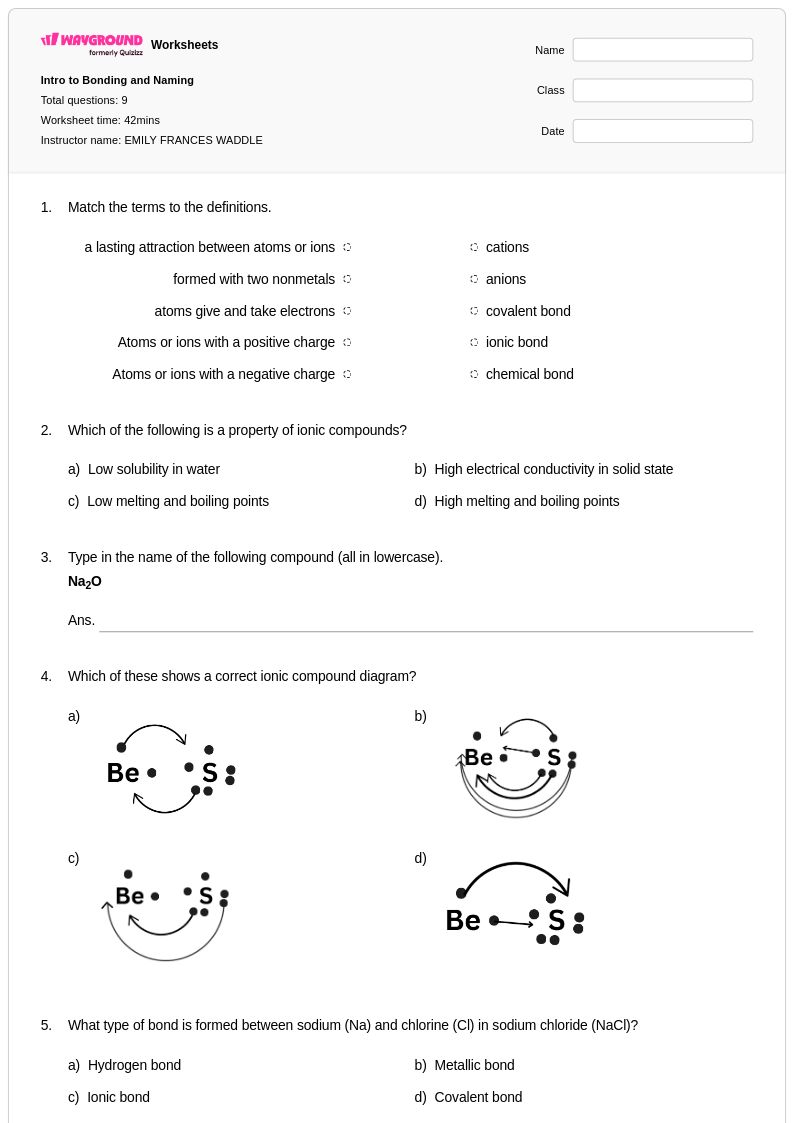
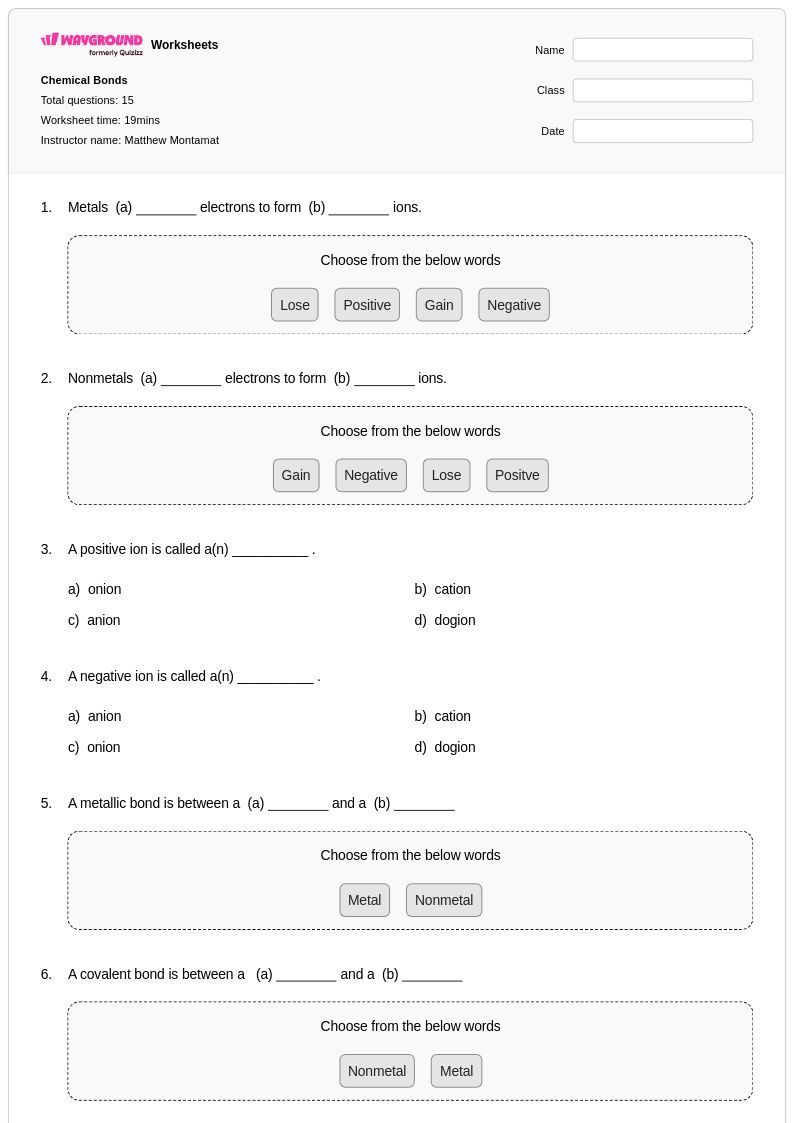
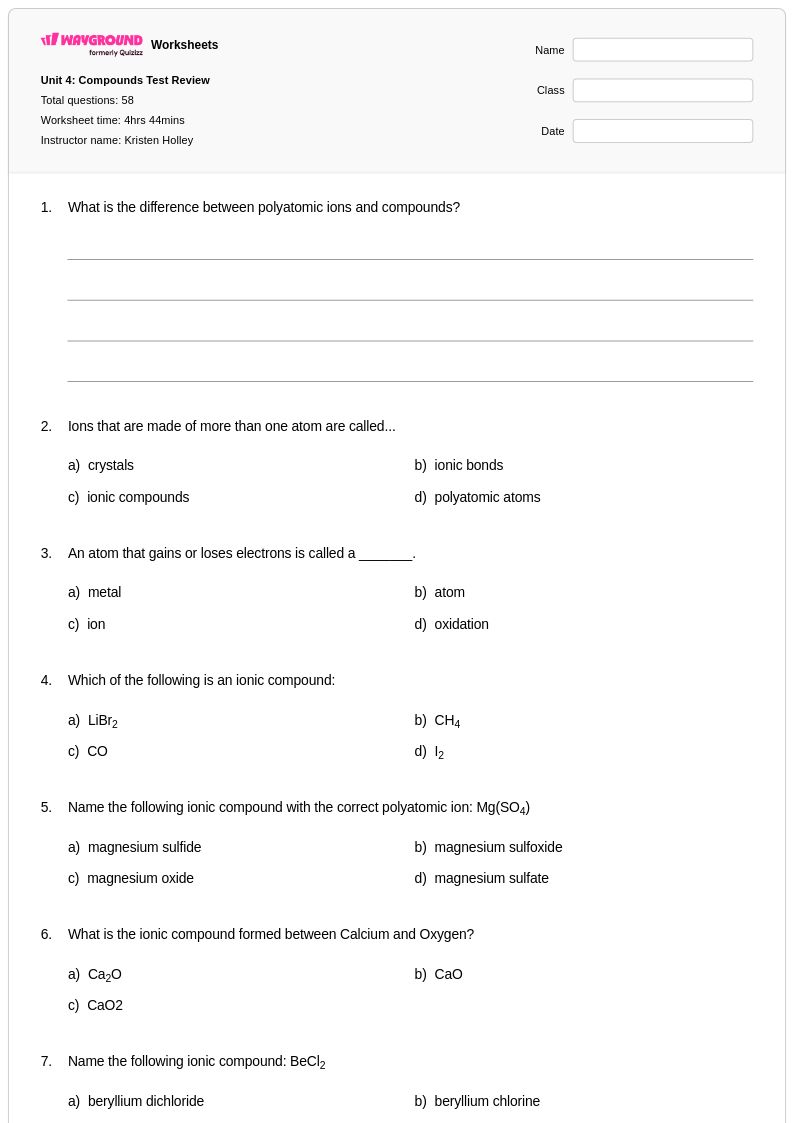
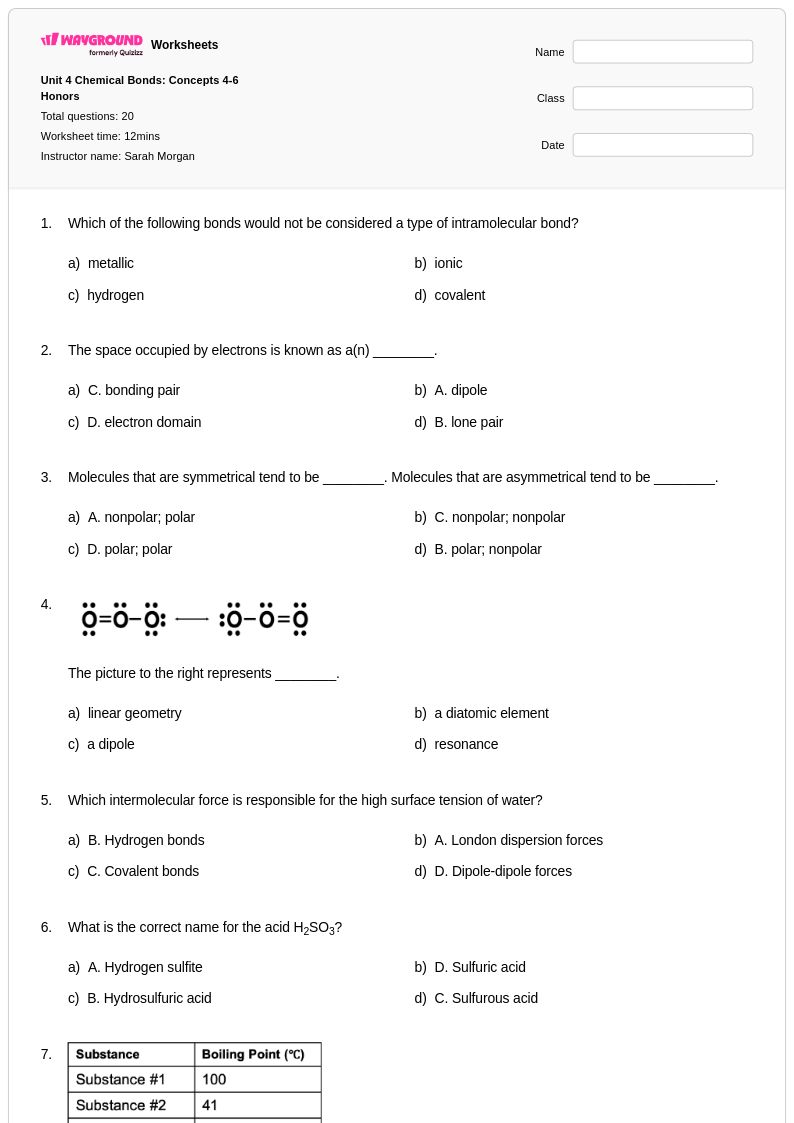
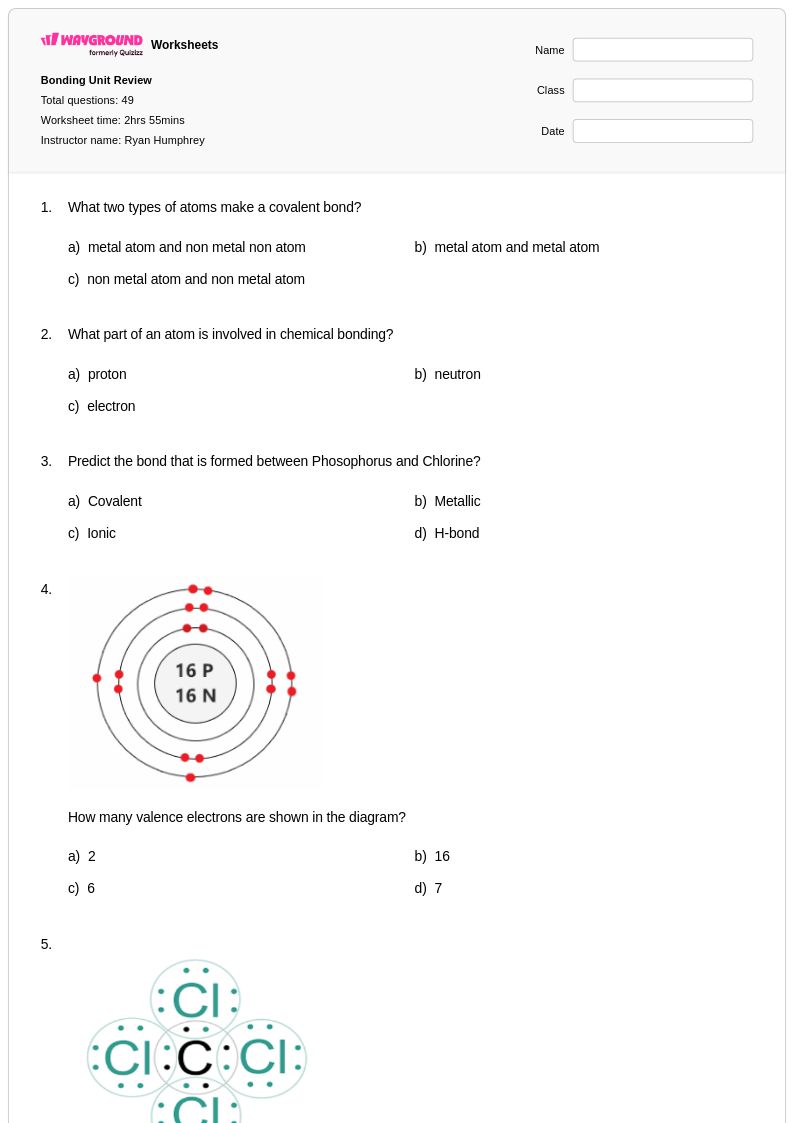
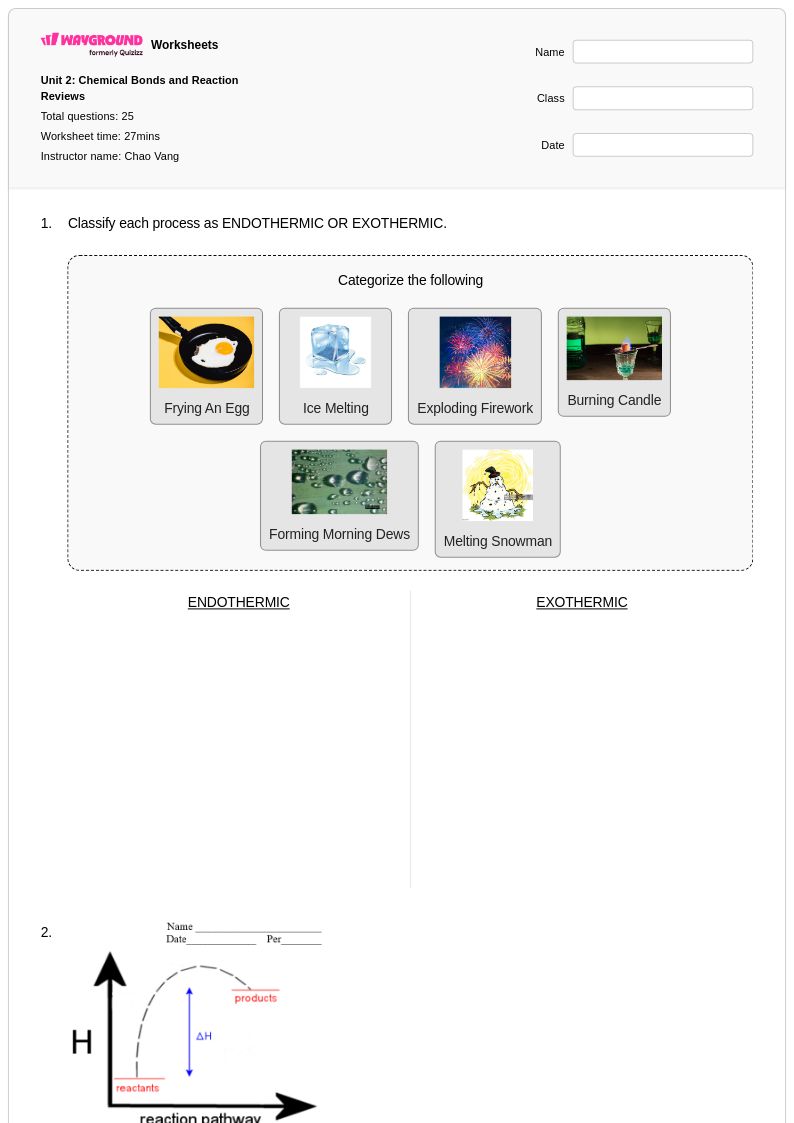
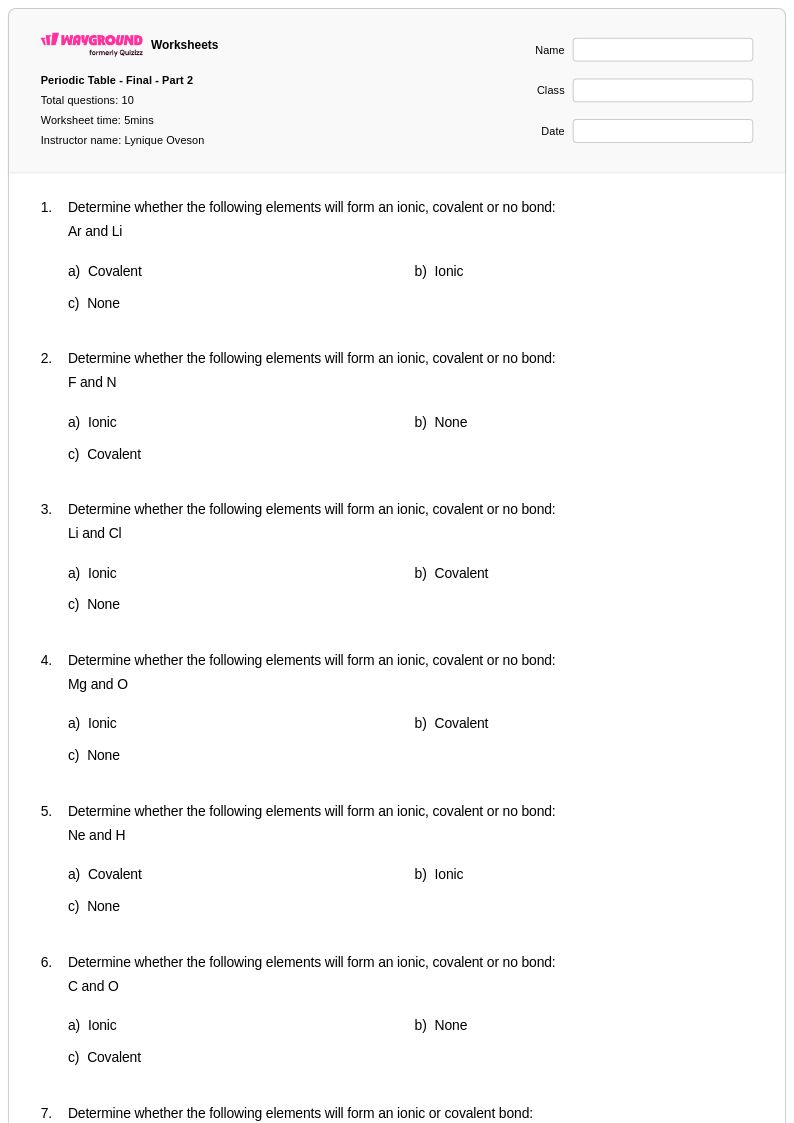
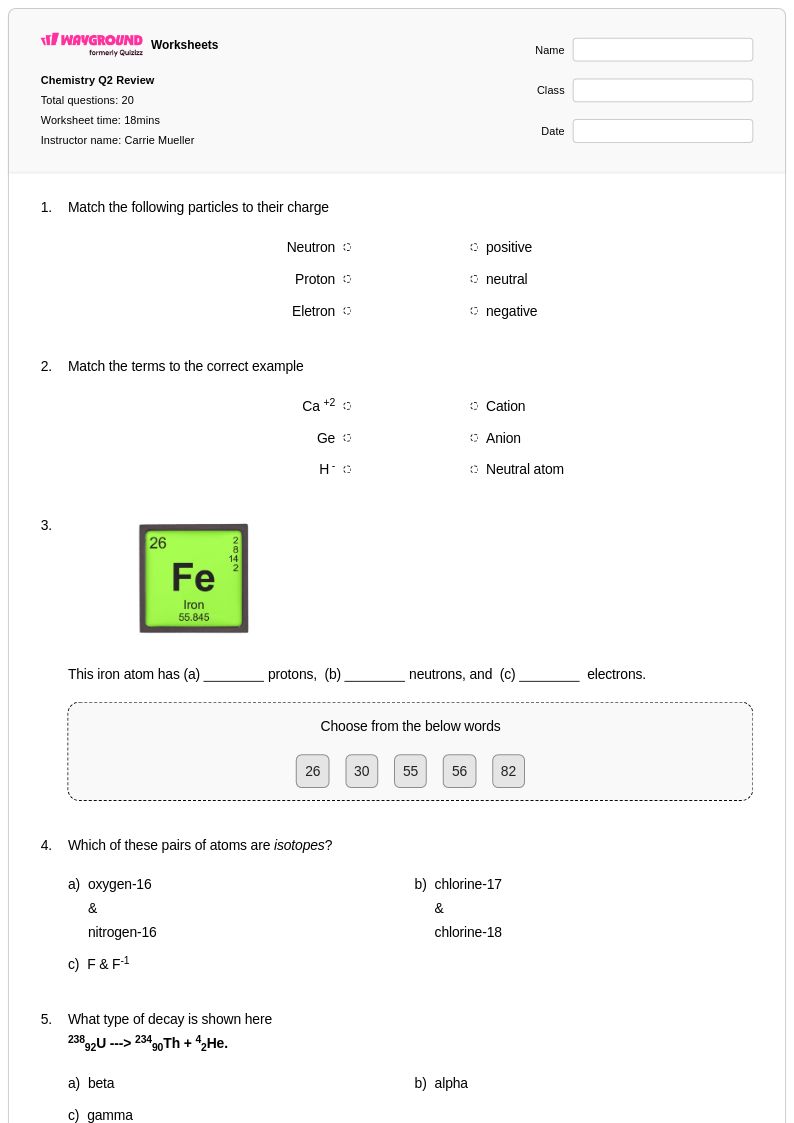
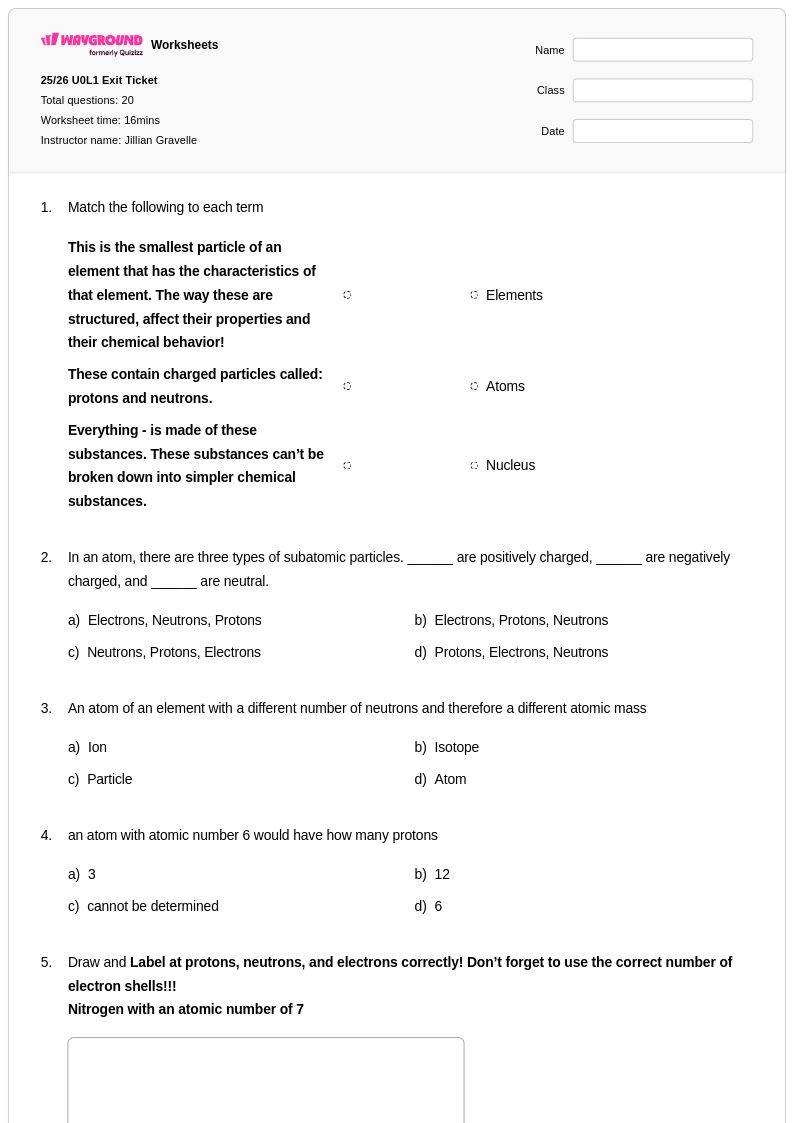
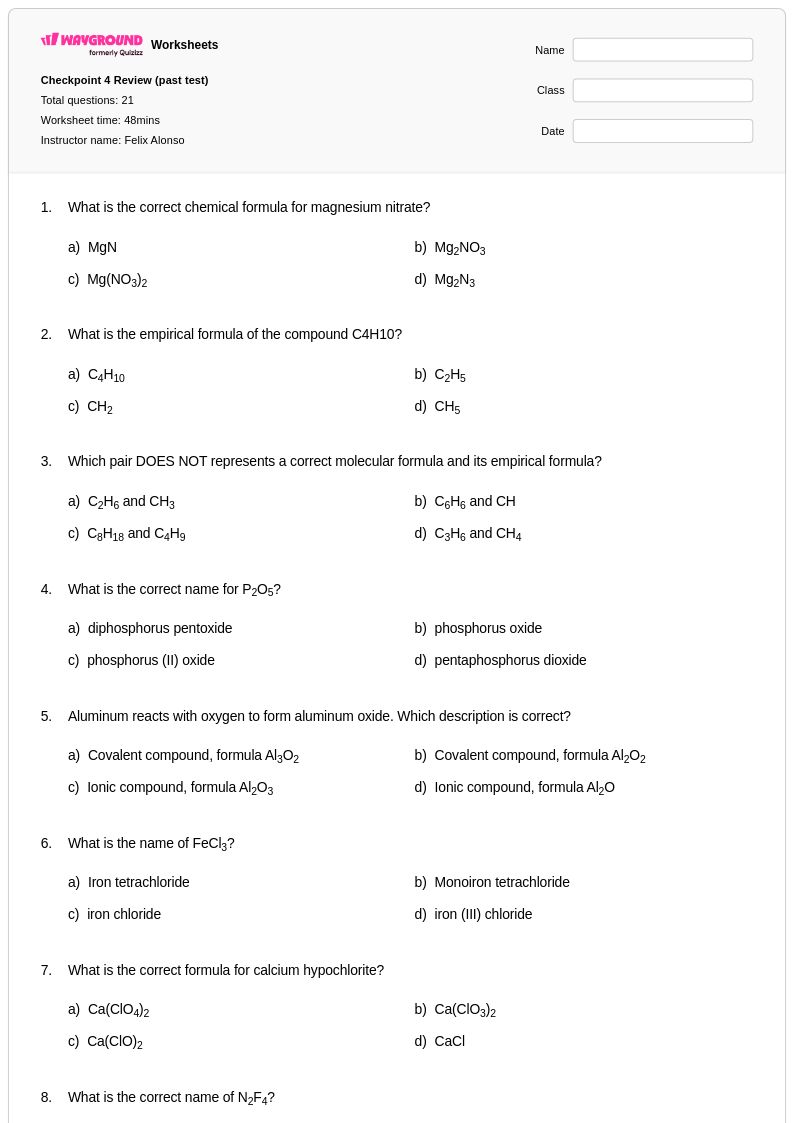
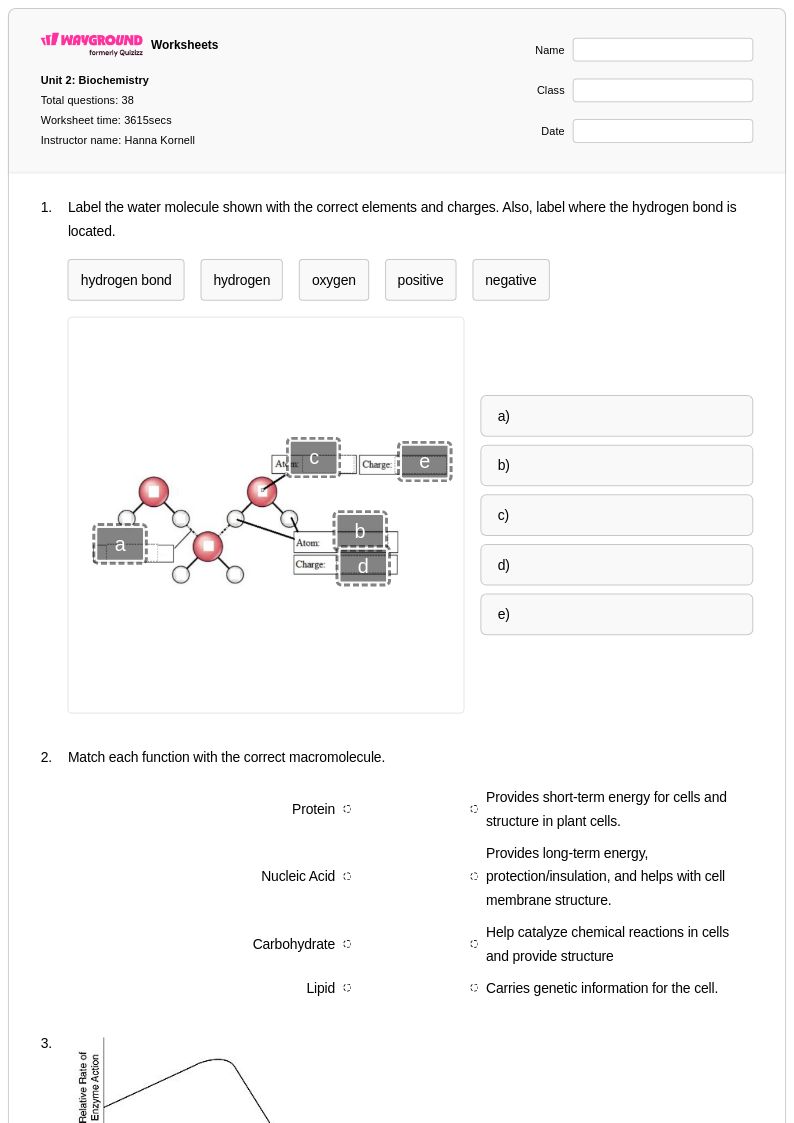
Ionic and covalent bonding worksheets for Grade 10 students available through Wayground (formerly Quizizz) provide comprehensive coverage of chemical bonding fundamentals that form the foundation of advanced chemistry concepts. These carefully designed practice problems guide students through distinguishing between ionic and covalent compounds, predicting bond formation based on electronegativity differences, and understanding how electron transfer and sharing determine molecular properties. The worksheet collections include detailed answer keys that support both independent study and classroom instruction, while the free printable format ensures accessibility for all learning environments. Students develop critical analytical skills by working through problems that require them to identify bonding patterns, draw Lewis structures, and predict compound behavior based on bonding type, building the conceptual framework necessary for success in higher-level chemistry coursework.
Wayground (formerly Quizizz) empowers educators with an extensive library of millions of teacher-created ionic and covalent bonding resources, featuring robust search and filtering capabilities that allow instructors to quickly locate materials aligned with specific learning standards and curriculum requirements. The platform's differentiation tools enable teachers to customize worksheets for varying skill levels within their Grade 10 classrooms, supporting both remediation for struggling students and enrichment opportunities for advanced learners. Available in both printable pdf format and interactive digital versions, these resources seamlessly integrate into diverse teaching approaches, from traditional paper-based assignments to technology-enhanced learning experiences. This flexibility streamlines lesson planning while providing educators with the adaptable tools necessary to reinforce bonding concepts through targeted skill practice, formative assessment, and individualized instruction that meets each student's unique learning needs.
FAQs
How do I teach the difference between ionic and covalent bonding?
Start by grounding students in electronegativity differences: ionic bonds form when the difference is roughly 1.7 or greater, while covalent bonds form between nonmetals with smaller electronegativity gaps. Use Lewis structures to make bonding visible — students see electron transfer in ionic compounds and electron sharing in covalent ones. Connecting bond type to observable physical properties, such as why ionic compounds have high melting points and conduct electricity when dissolved, helps students move beyond memorization toward conceptual understanding.
What practice exercises help students distinguish ionic from covalent bonds?
Effective practice includes classifying compound pairs by bond type using electronegativity values, writing Lewis structures for both ionic and covalent compounds, and predicting molecular geometry using VSEPR theory. Scaffolded problem sets that begin with binary ionic compounds and progress to polyatomic covalent molecules help students build confidence incrementally. Including questions that link bonding type to physical properties — such as melting point, solubility, and conductivity — reinforces the real-world significance of these distinctions.
What mistakes do students commonly make when identifying ionic vs. covalent bonds?
The most common error is assuming that any compound containing a metal automatically forms an ionic bond without checking electronegativity values. Students also frequently misapply Lewis structure rules, especially when drawing resonance structures or handling polyatomic ions. Another persistent misconception is treating bond type as binary rather than a continuum, which causes confusion with polar covalent bonds that share characteristics of both bond types.
How do students typically struggle with Lewis structures for covalent compounds?
Students often miscalculate total valence electrons, especially when polyatomic ions carry a charge that must be added or subtracted from the count. Placing lone pairs before completing octets — rather than forming double or triple bonds to satisfy valence requirements — is another frequent error. Expanded octets in molecules like SF6 or PCl5 are particularly confusing because they violate the octet rule students have been taught to rely on.
How can I use ionic and covalent bonding worksheets effectively in my chemistry class?
These worksheets are available as printable PDFs for traditional classroom use and in digital formats for technology-integrated environments, including the option to host them as a quiz on Wayground. Printable versions work well for structured lab follow-ups or guided practice, while digital formats allow for immediate feedback during independent work sessions. For classes with mixed readiness levels, Wayground's accommodation tools — including read aloud, reduced answer choices, and extended time — can be applied to individual students without disrupting the rest of the class.
How do I differentiate ionic and covalent bonding instruction for students at different levels?
For struggling learners, focus first on classifying simple binary compounds by bond type before introducing Lewis structures or VSEPR geometry. Advanced students can be challenged with resonance structures, formal charge calculations, and exceptions to the octet rule. On Wayground, differentiation tools such as reduced answer choices and extended time can be assigned to individual students within the same session, so remediation and enrichment can happen simultaneously without additional lesson planning overhead.