Free Printable Fight or Flight Response Worksheets for Class 12
Explore Wayground's free Class 12 fight or flight response worksheets and printables that help students master the physiological mechanisms of stress responses through engaging practice problems and comprehensive answer keys.
Explore printable Fight or Flight Response worksheets for Class 12
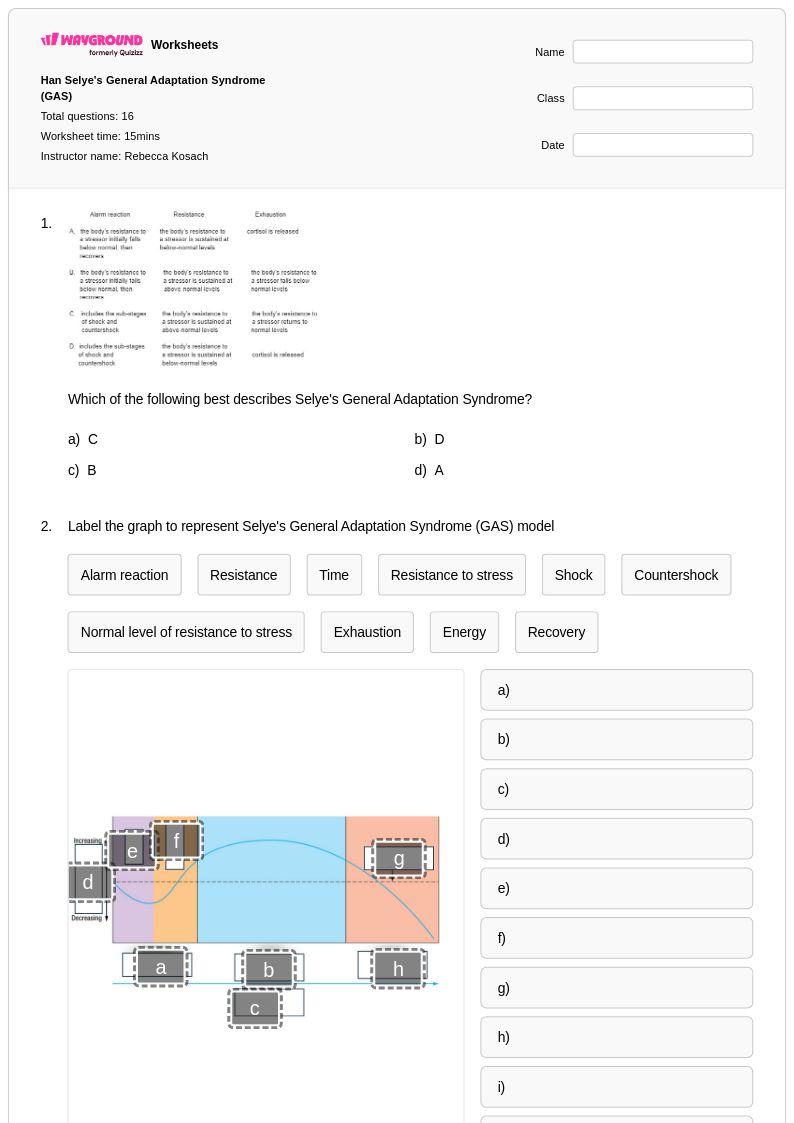
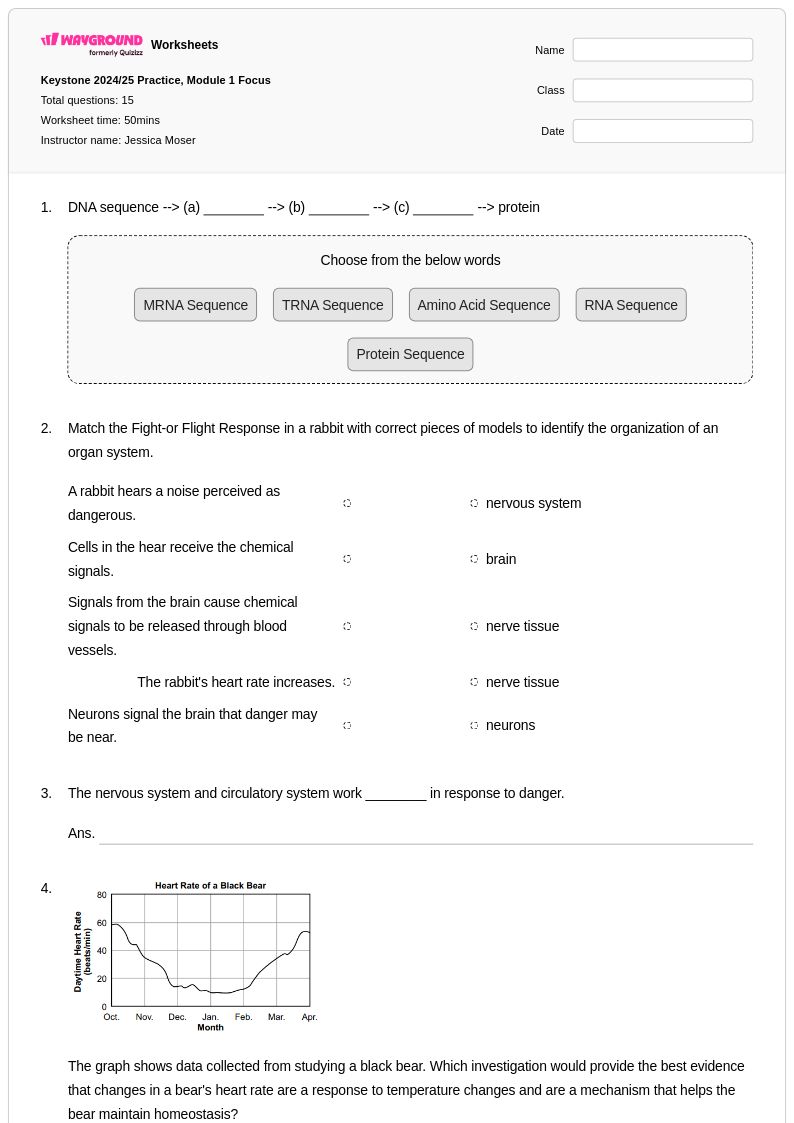
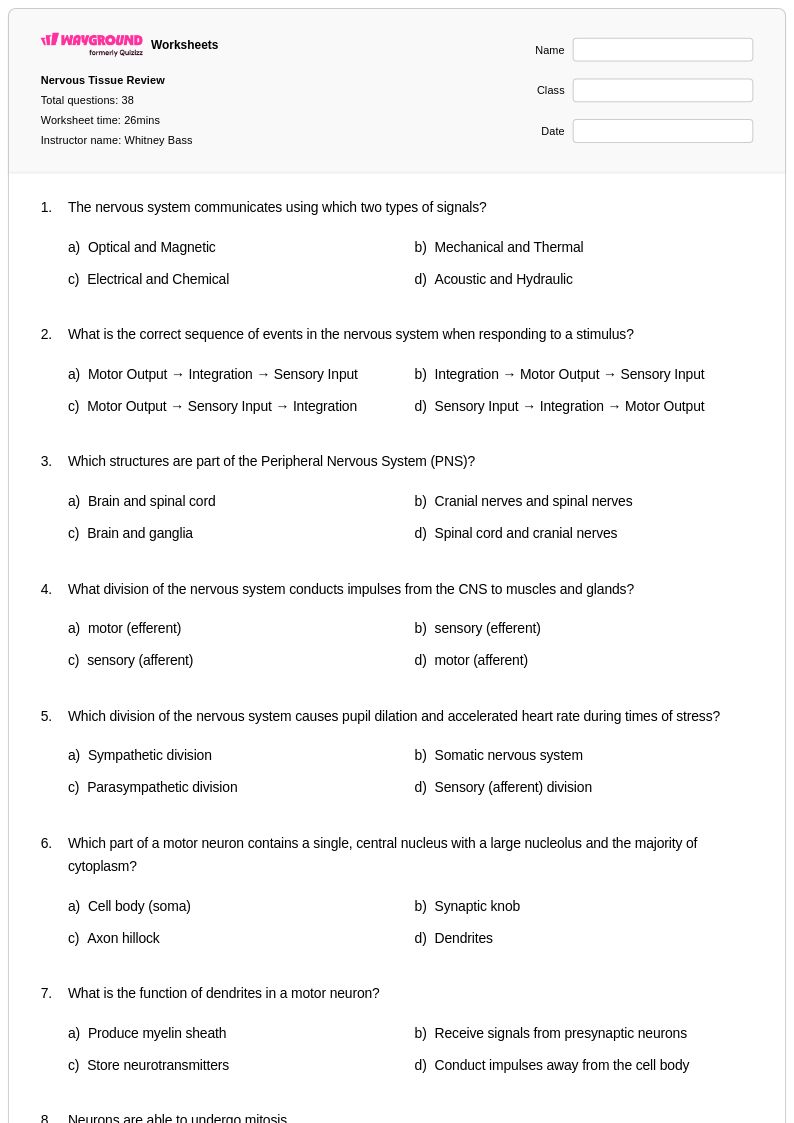
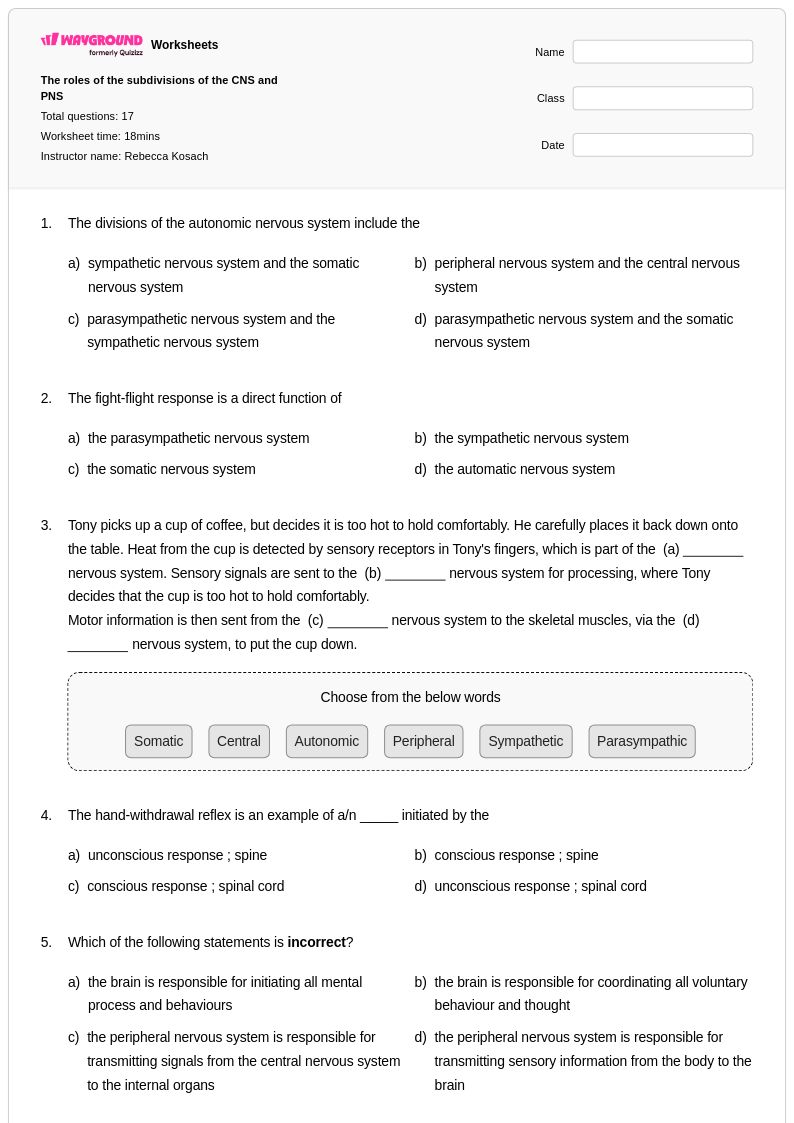
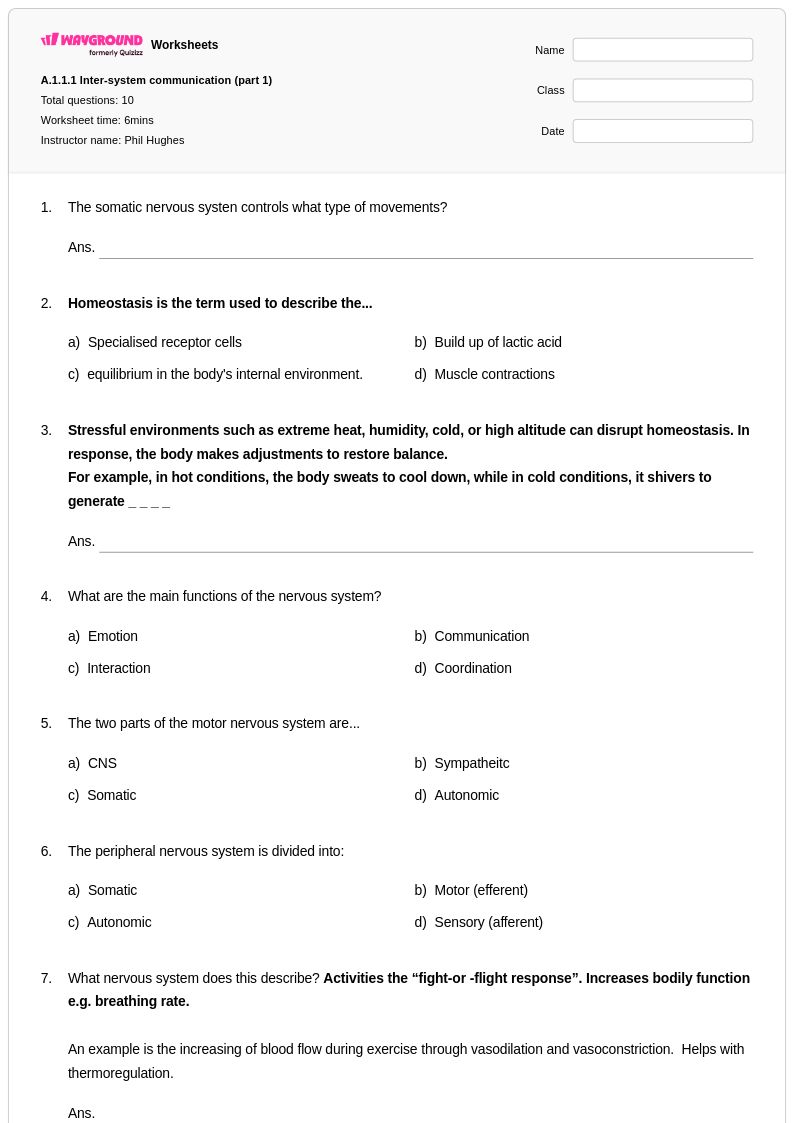
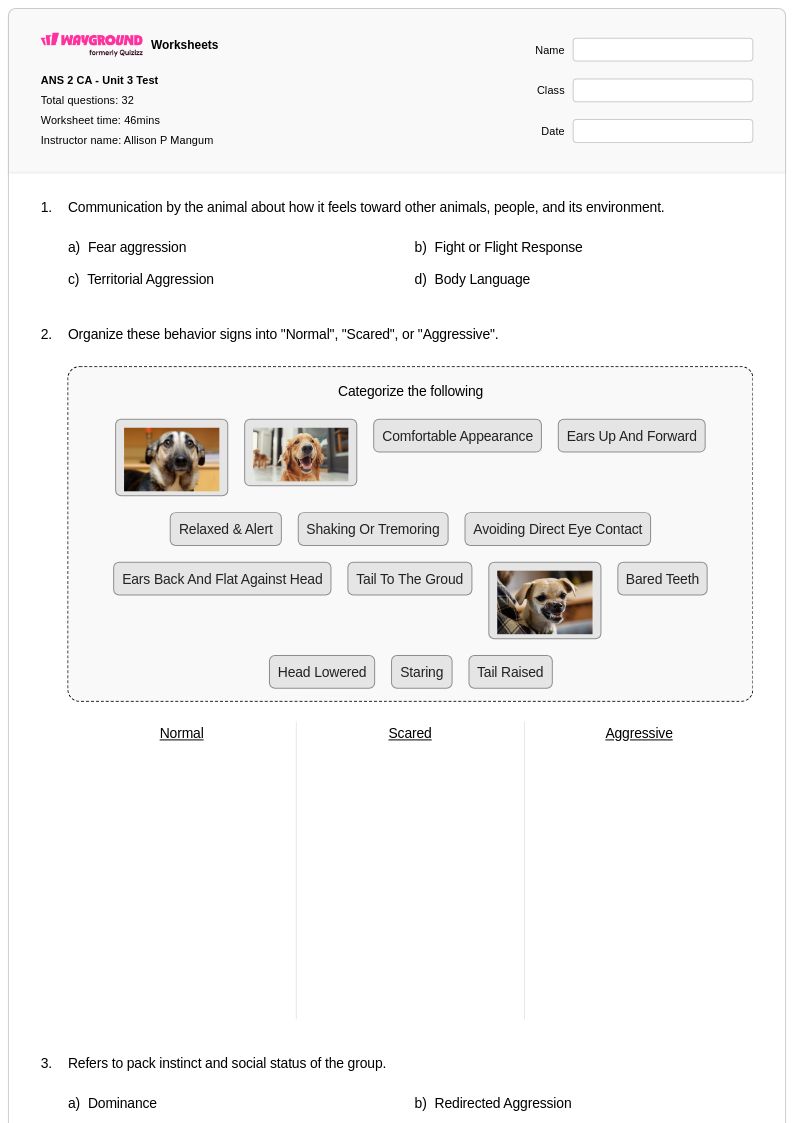
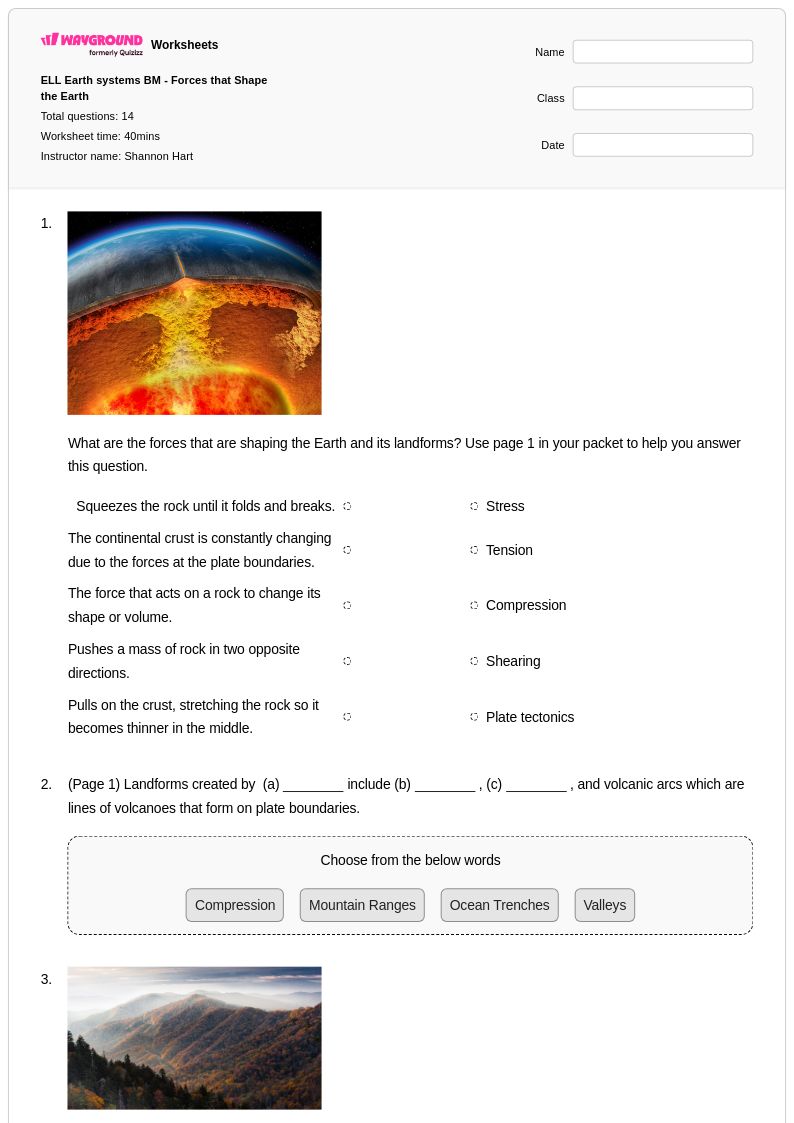
Fight or flight response worksheets for Class 12 students available through Wayground (formerly Quizizz) provide comprehensive coverage of this critical physiological process that governs how organisms respond to perceived threats. These expertly designed worksheets strengthen students' understanding of the complex neurological and hormonal pathways involved in acute stress responses, including the role of the sympathetic nervous system, adrenal glands, and key hormones like adrenaline and cortisol. Students engage with practice problems that explore the evolutionary significance of this response mechanism, analyze case studies of physiological changes during stress situations, and examine the differences between adaptive and maladaptive stress responses in modern contexts. Each worksheet includes detailed answer keys that help students verify their understanding of concepts ranging from neural signal transmission to the long-term health implications of chronic stress activation, making these free printables invaluable resources for mastering this sophisticated biological system.
Wayground (formerly Quizizz) supports educators teaching Class 12 fight or flight response concepts through millions of teacher-created resources that can be easily searched and filtered to match specific curricular needs and learning objectives. The platform's robust collection includes worksheets aligned with advanced biology standards, offering teachers flexibility to customize materials for different learning styles and academic levels within their classrooms. These differentiation tools enable seamless adaptation of content for remediation with struggling students or enrichment activities for advanced learners, while the availability of both printable pdf formats and interactive digital versions accommodates diverse classroom environments and teaching preferences. Teachers can efficiently plan comprehensive lesson sequences around stress physiology, utilize these resources for targeted skill practice in neurobiological processes, and implement formative assessments that help students build mastery of complex physiological concepts essential for advanced biological literacy.
FAQs
How do I teach the fight or flight response to students?
Start by grounding the concept in a relatable scenario, such as the sudden fear of almost being hit by a car, then trace the physiological chain reaction that follows: threat detection, hypothalamic activation, adrenaline and cortisol release, increased heart rate, and redirected blood flow to muscles. Connecting the autonomic nervous system and the HPA axis to these observable reactions helps students see the mechanism as a coordinated system rather than isolated facts. Pairing this explanation with diagram labeling activities or cause-and-effect sequencing tasks reinforces the pathway from stimulus to response.
What are common mistakes students make when learning about the fight or flight response?
A frequent misconception is that the fight or flight response is purely psychological, when in fact it is a tightly regulated physiological process driven by the autonomic nervous system and endocrine system. Students also commonly confuse the roles of adrenaline and cortisol, mistaking them as interchangeable rather than understanding that adrenaline drives the immediate response while cortisol sustains it. Another common error is failing to connect the response to homeostasis, missing the point that the body must return to baseline after the threat passes.
What worksheets or exercises help students practice understanding the fight or flight response?
Effective practice activities include pathway sequencing tasks where students arrange the steps from threat detection through hormonal release to behavioral output, as well as labeling diagrams of the autonomic nervous system and HPA axis. Scenario-based questions that ask students to predict which physiological changes occur in a given stressful situation build analytical skills by requiring them to apply the mechanism rather than just recall it. Comparing human and animal examples of the response also strengthens understanding of its evolutionary basis.
How do fight or flight response worksheets connect to broader biology standards?
The fight or flight response sits at the intersection of several core biology topics, including the nervous system, the endocrine system, homeostasis, and evolutionary adaptation, making it a high-leverage concept for standards alignment. Teaching it well requires students to understand feedback loops, hormone function, and the structural organization of the brain, particularly the role of the hypothalamus and adrenal glands. This interconnectedness makes fight or flight worksheets useful not just as standalone lessons but as integrative review tools across a biology or anatomy unit.
How do I use fight or flight response worksheets from Wayground in my classroom?
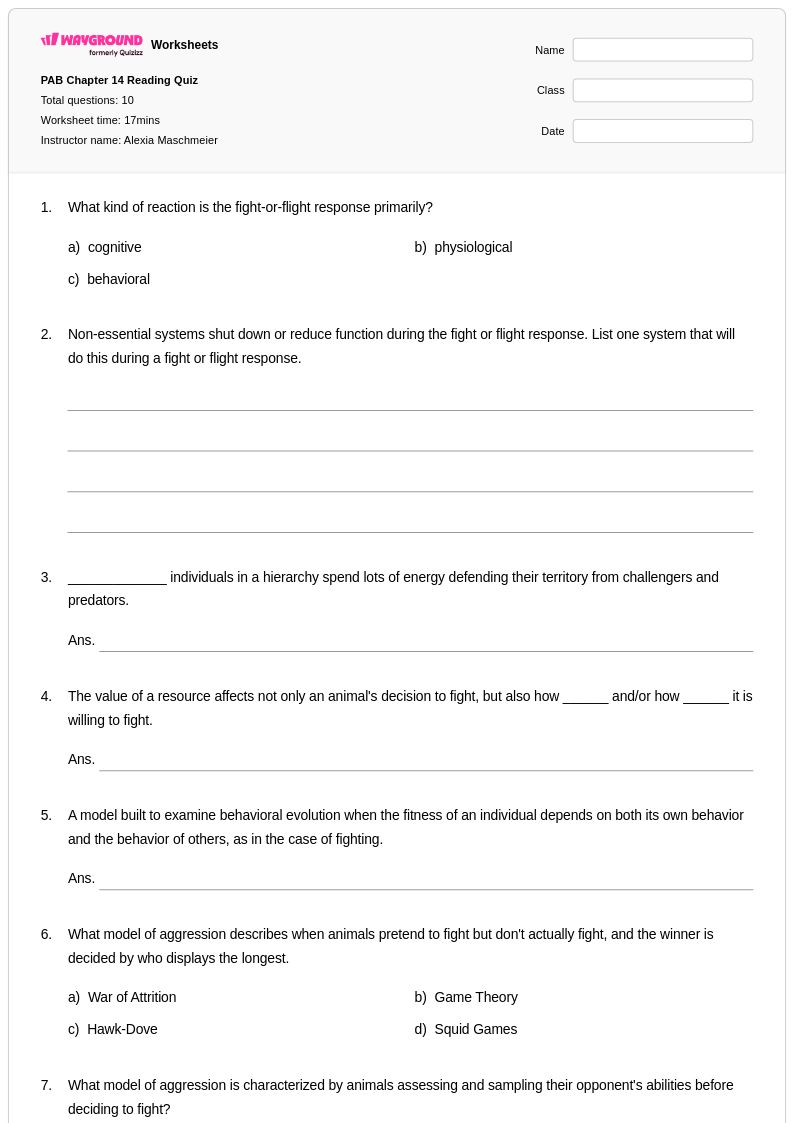
Wayground's fight or flight response worksheets are available as printable PDFs for traditional classroom use and in digital formats for technology-integrated learning environments, so they work whether your students are at desks or on devices. Each worksheet includes a detailed answer key, which makes them practical for independent practice, homework, or guided review without requiring additional teacher preparation. You can also host any worksheet as a live quiz on Wayground, giving you real-time insight into where students are struggling with the concept.
How can I differentiate fight or flight response instruction for students at different levels?
For students who are still building foundational knowledge, focus on the observable symptoms of the response, such as rapid heartbeat and heightened alertness, before introducing the underlying neurological and hormonal pathways. Advanced students can be challenged with questions that require them to analyze the evolutionary significance of the response, evaluate the long-term health effects of chronic stress activation, or compare the HPA axis response across different species. On Wayground, teachers can apply accommodations such as read aloud support, reduced answer choices, and extended time to individual students, ensuring each learner accesses the material at an appropriate level without disrupting the rest of the class.