Free Printable Positive Self-talk Worksheets for Kindergarten
Free kindergarten positive self-talk worksheets and printables help young learners develop confidence and emotional skills through engaging practice problems, with comprehensive answer keys and PDF resources available.
Explore printable Positive Self-talk worksheets for Kindergarten
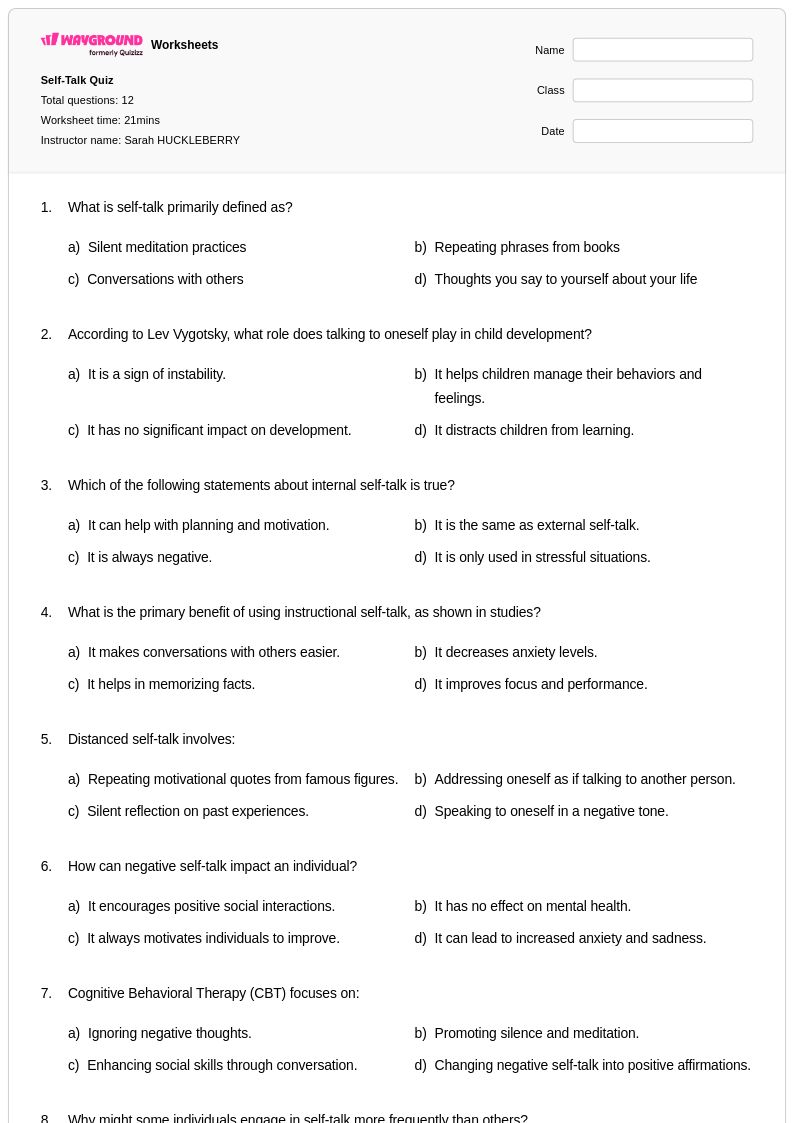
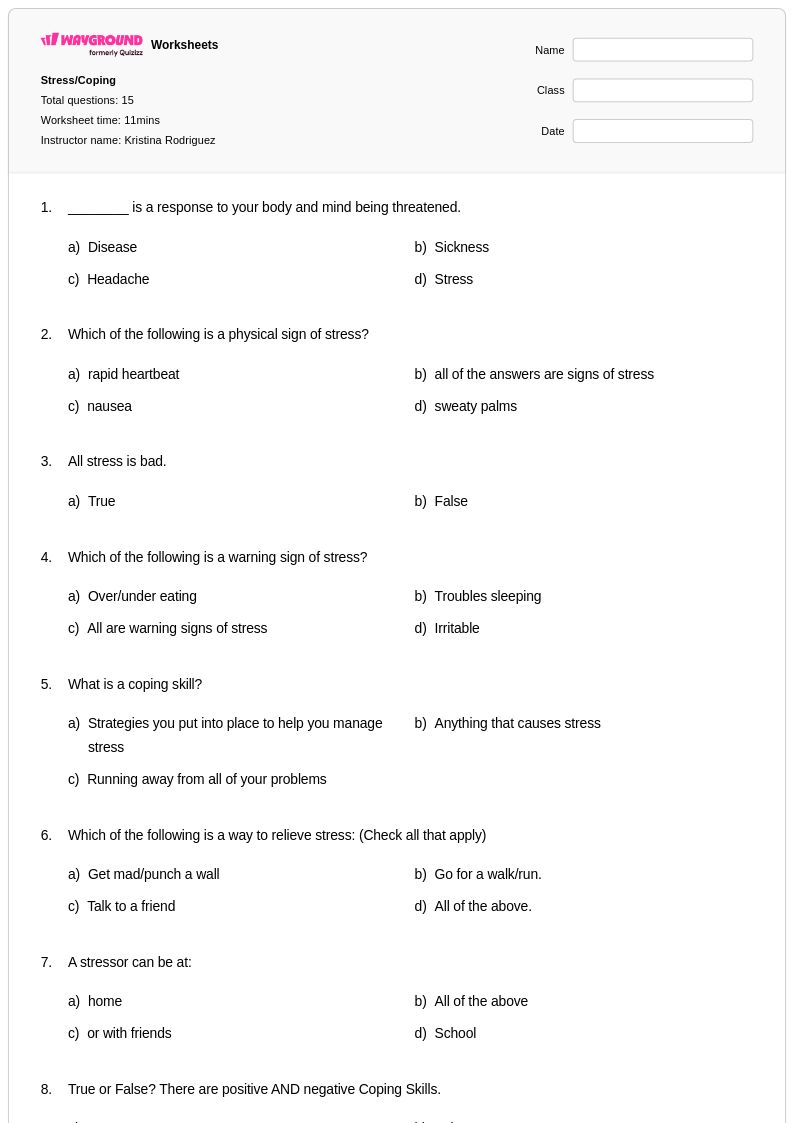
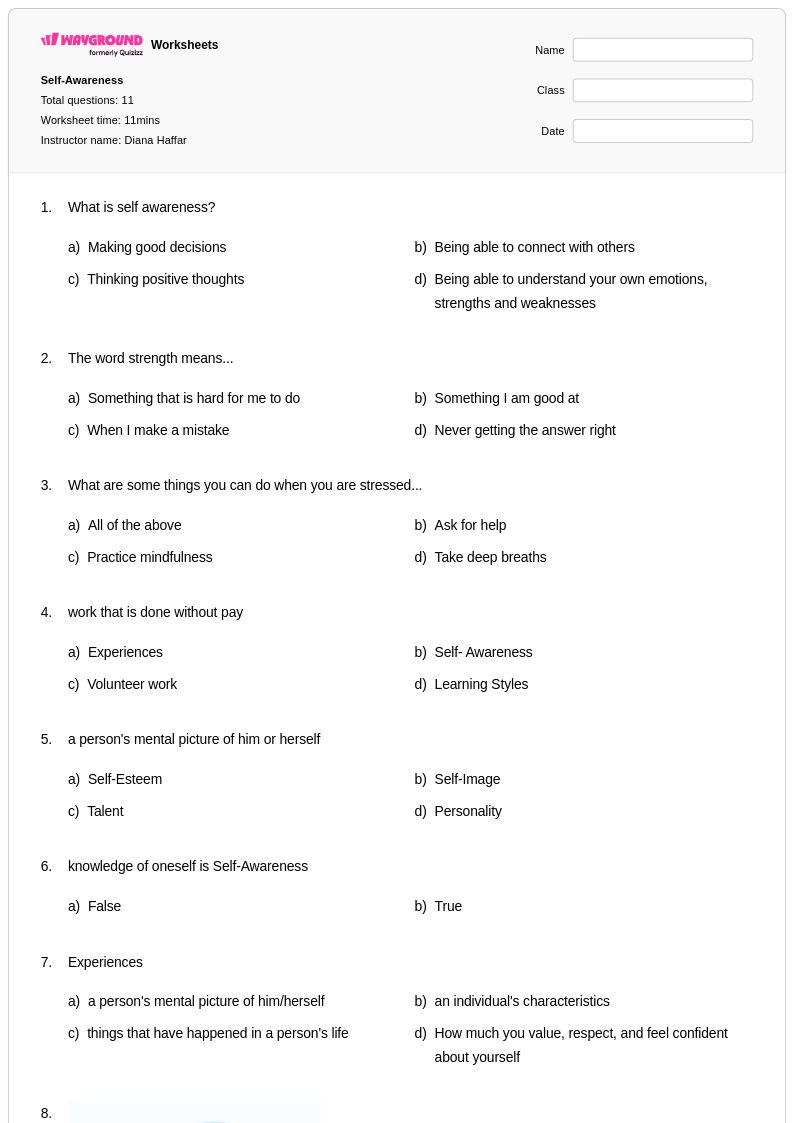
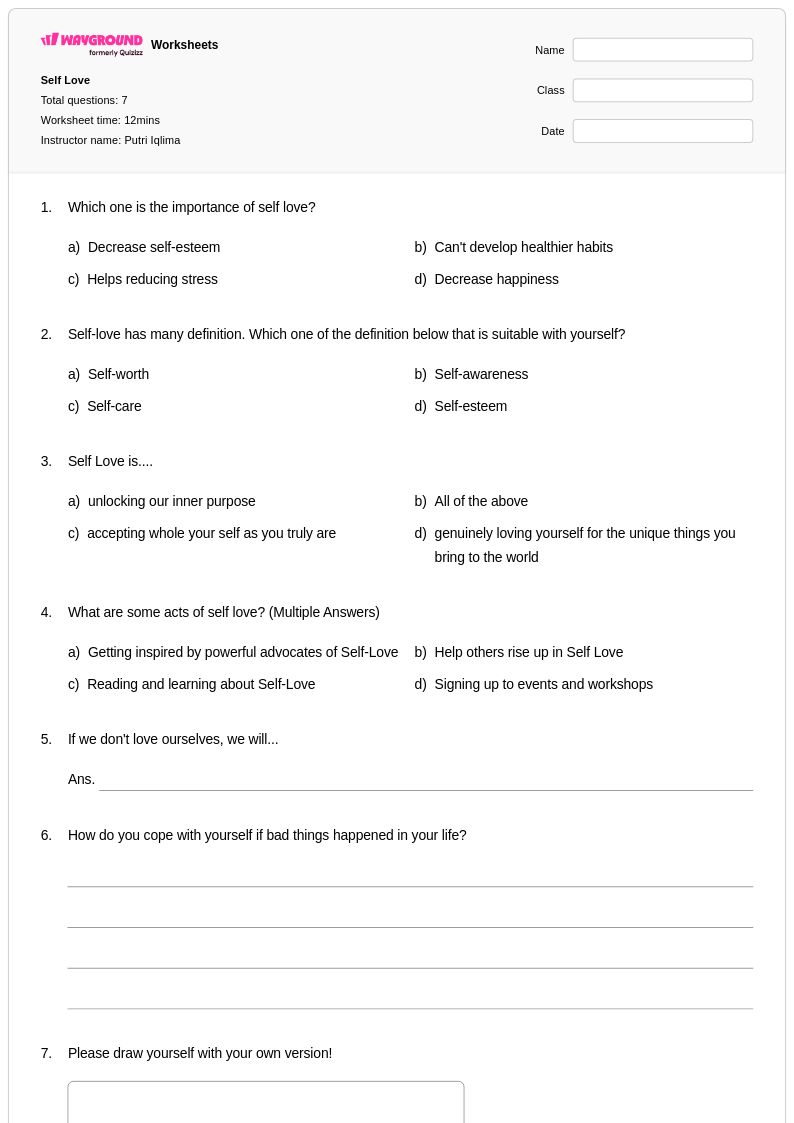
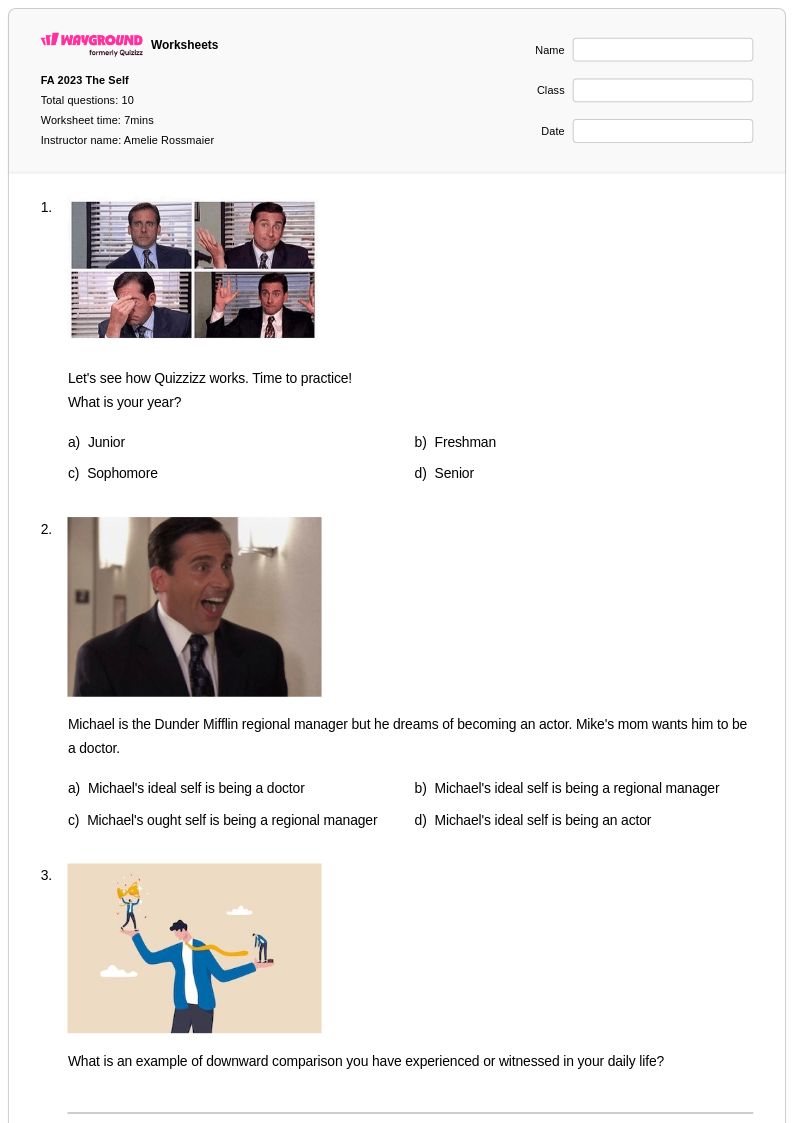
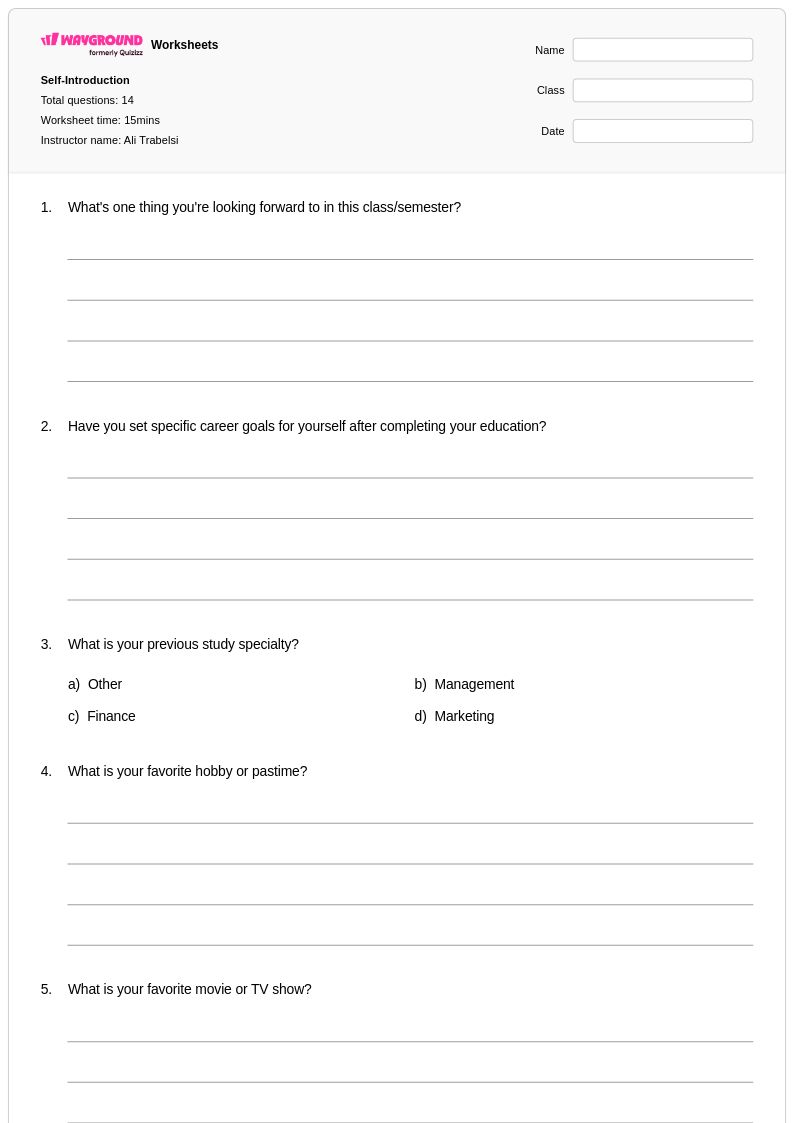
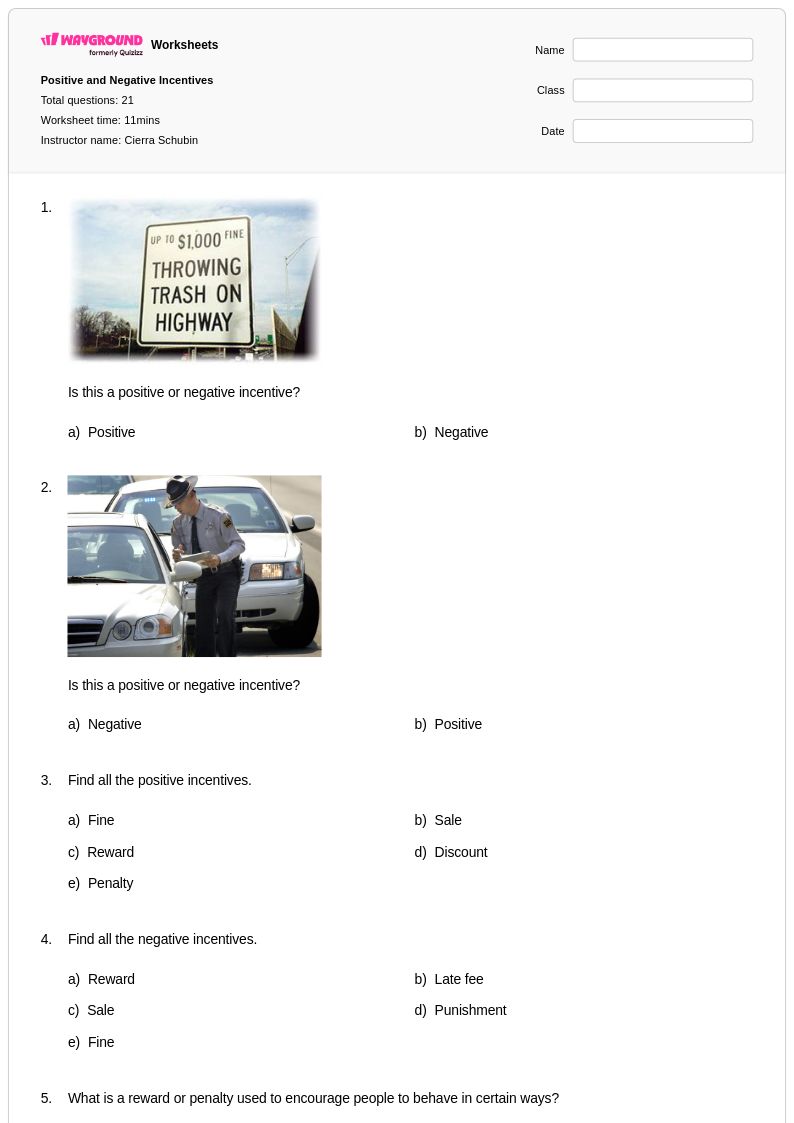
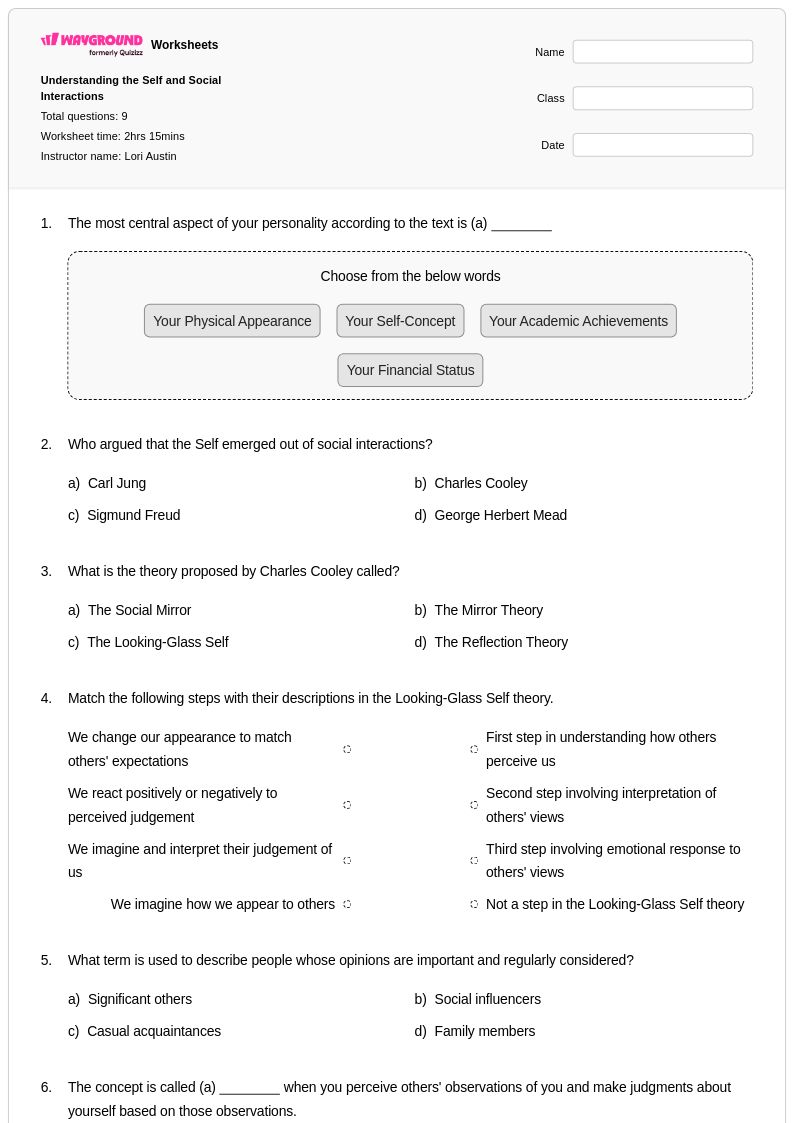
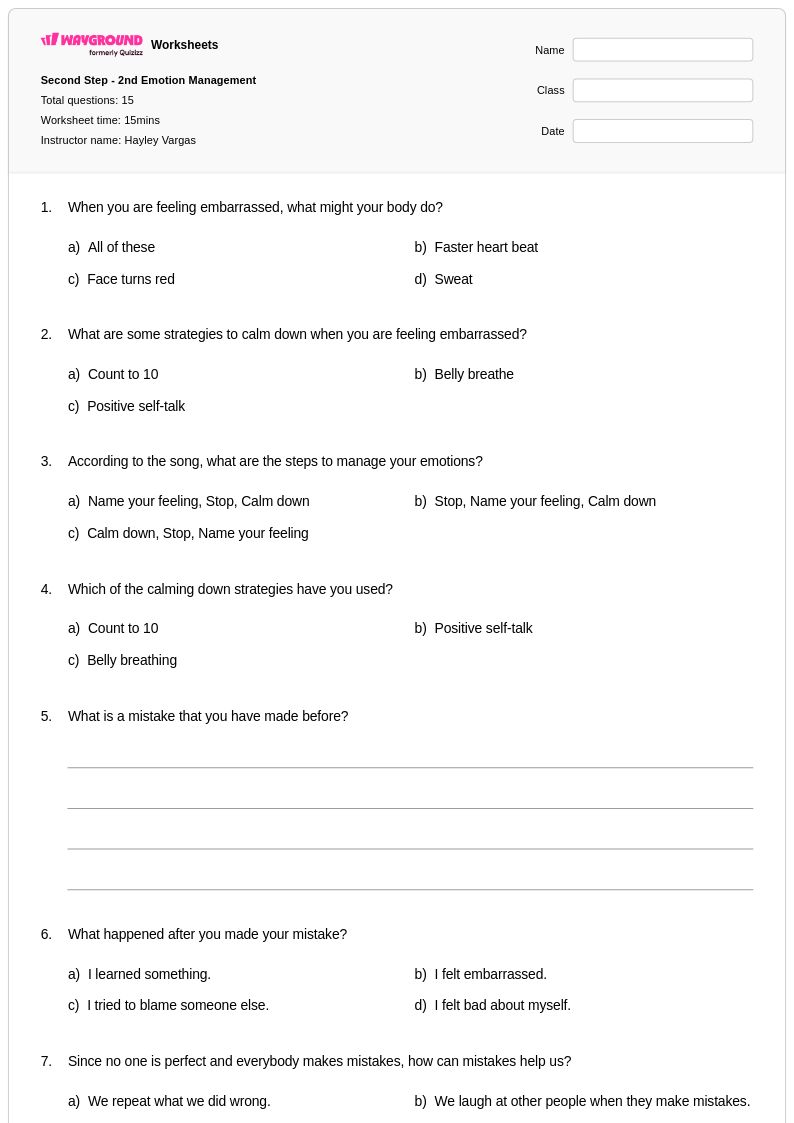
Positive self-talk worksheets for kindergarten provide young learners with essential foundation skills for developing healthy internal dialogue and emotional regulation. These carefully designed educational resources help children recognize negative thought patterns and replace them with encouraging, supportive inner voices that build confidence and resilience. Through engaging activities, colorful illustrations, and age-appropriate scenarios, these printable worksheets guide kindergarteners through practice problems that teach them to identify feelings, reframe challenges as opportunities, and develop affirming statements about their abilities. Each worksheet collection includes comprehensive answer keys that enable teachers and parents to facilitate meaningful discussions about self-compassion and growth mindset, while the free pdf format ensures easy accessibility for consistent practice both in classroom settings and at home.
Wayground, formerly Quizizz, empowers educators with an extensive library of millions of teacher-created positive self-talk resources specifically curated for kindergarten social studies instruction. The platform's robust search and filtering capabilities allow teachers to quickly locate worksheets that align with social-emotional learning standards and match their students' developmental needs. Advanced differentiation tools enable seamless customization of content complexity, ensuring that each child can engage meaningfully with self-affirmation concepts regardless of their current skill level. Whether educators need materials for whole-group lessons, targeted remediation for students struggling with self-confidence, or enrichment activities for advanced learners, the flexible digital and printable formats support diverse instructional approaches. This comprehensive worksheet collection streamlines lesson planning while providing consistent opportunities for kindergarteners to practice and internalize positive self-talk strategies that will serve as building blocks for lifelong emotional wellness.
FAQs
How do I teach positive self-talk to students?
Teaching positive self-talk starts with helping students recognize their internal dialogue and understand how negative thoughts influence their feelings and behavior. Introduce the concept by having students identify common negative self-statements they experience, then model how to reframe those thoughts using constructive, realistic alternatives. Grounding lessons in real-world scenarios — like test anxiety or social conflict — makes the skill immediately applicable and easier for students to internalize.
What activities help students practice positive self-talk?
Effective practice activities include thought reframing exercises where students read a negative self-statement and rewrite it constructively, scenario-based prompts that ask how they would coach a friend through self-doubt, and journaling tasks that build awareness of recurring thought patterns. Worksheets that present real-world situations requiring positive self-talk responses give students structured repetition, which is essential for building the habit of constructive internal dialogue.
What common mistakes do students make when learning positive self-talk?
A frequent misconception is that positive self-talk means ignoring problems or making unrealistic statements like 'Everything is perfect.' Students often swing between harsh self-criticism and empty affirmations without finding the middle ground of honest, constructive thinking. Teachers should emphasize that effective positive self-talk is realistic and problem-focused, not dismissive — for example, shifting from 'I'm terrible at this' to 'This is hard, but I can improve with practice.'
How does positive self-talk connect to social-emotional learning standards?
Positive self-talk directly supports core SEL competencies including self-awareness, emotional regulation, and growth mindset development. When students learn to monitor and adjust their internal dialogue, they build the foundational skills needed to manage stress, persist through challenges, and engage constructively in social situations. Integrating positive self-talk practice into SEL instruction helps students connect emotional language to real behavioral outcomes, reinforcing skills assessed across most SEL frameworks.
How can I use positive self-talk worksheets in my classroom?
Positive self-talk worksheets on Wayground are available as printable PDFs for traditional classroom use and in digital formats for technology-integrated learning environments, and can also be hosted as a quiz directly on Wayground. Teachers can use them for guided instruction, independent practice, or as a warm-up before SEL discussions. Each worksheet includes answer keys, making them practical for both teacher-led lessons and student self-assessment.
How can I support students who struggle with negative self-perception during these activities?
For students with deeply ingrained negative thought patterns, reducing the complexity of the task initially can lower the emotional barrier to engagement. On Wayground, teachers can apply accommodations such as reduced answer choices to decrease cognitive load, or enable Read Aloud so students can hear questions rather than decode text while managing emotional content. These settings can be assigned to individual students without notifying the rest of the class, allowing discreet, targeted support during whole-class worksheet sessions.