Free Printable Safety Planning Worksheets for Kindergarten
Free kindergarten safety planning worksheets and printables help young learners develop essential protective skills through engaging practice problems, complete with answer keys for effective social studies instruction.
Explore printable Safety Planning worksheets for Kindergarten
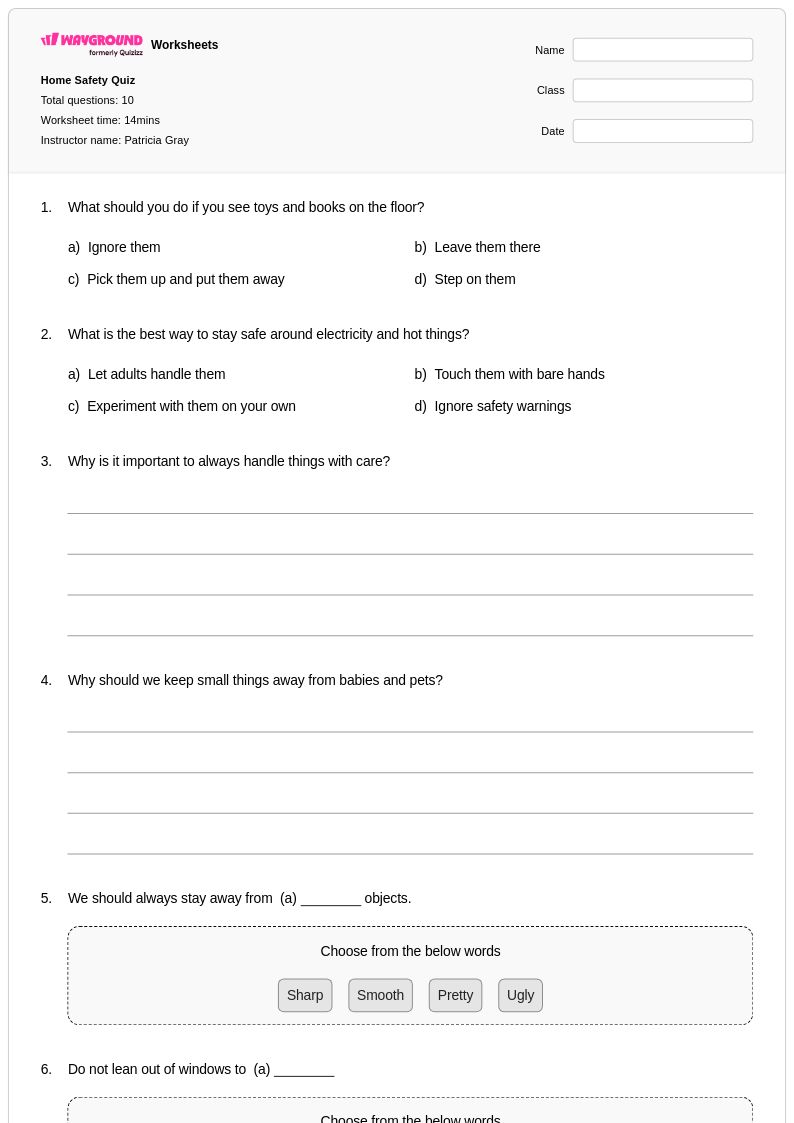
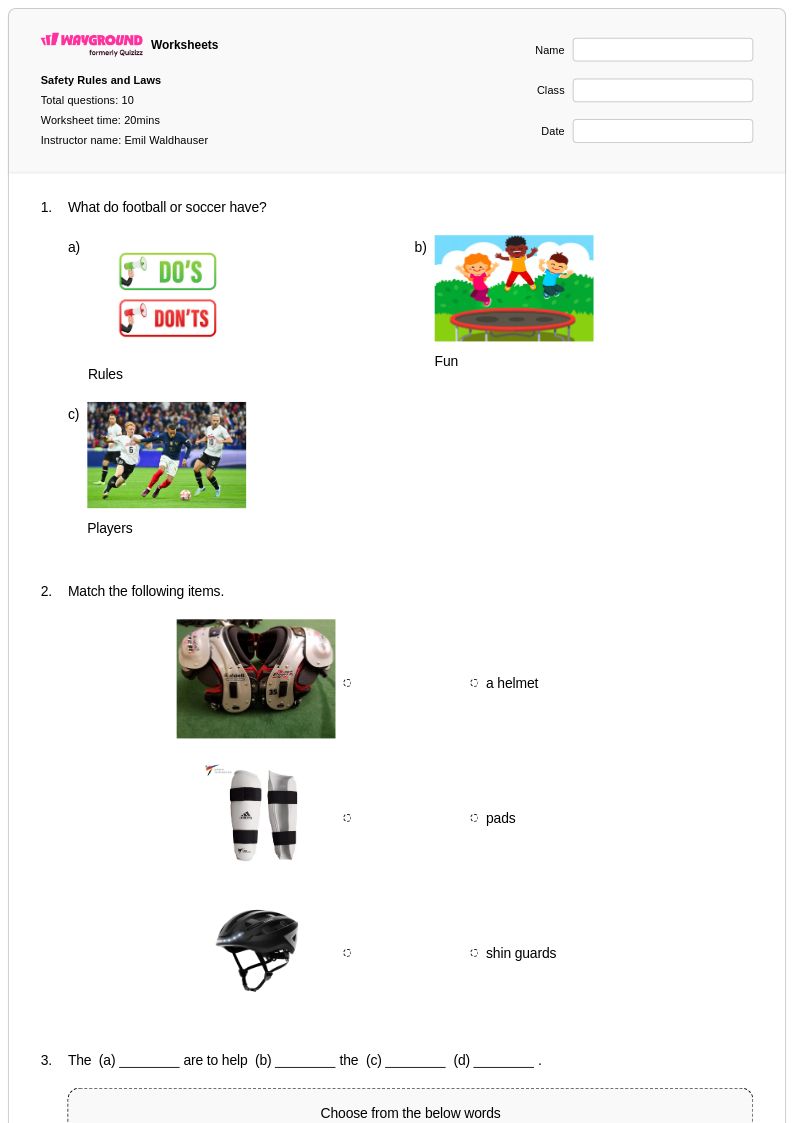
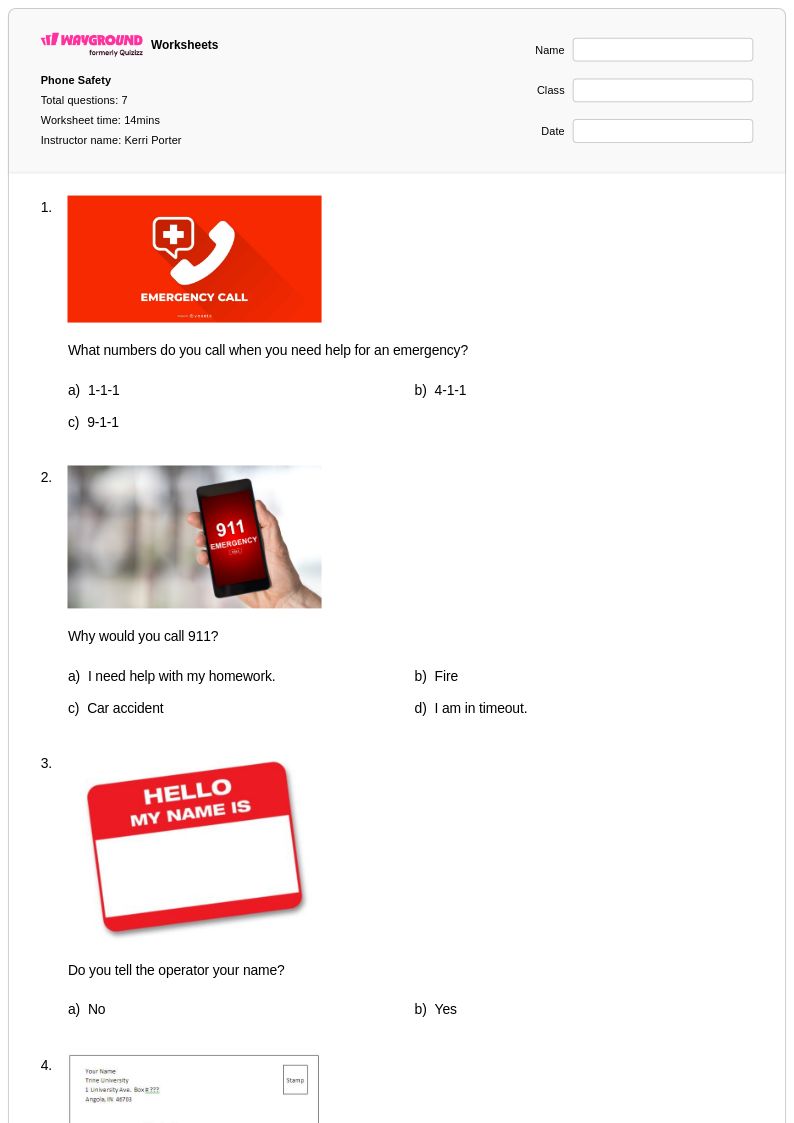
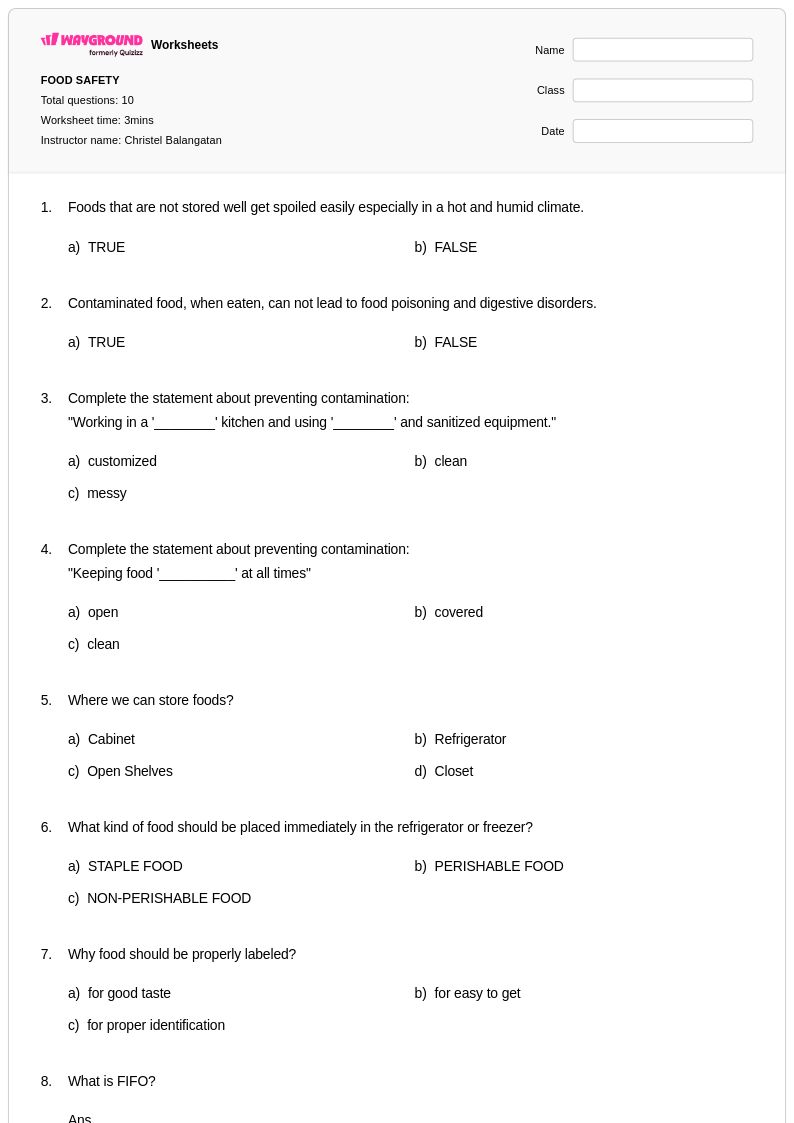
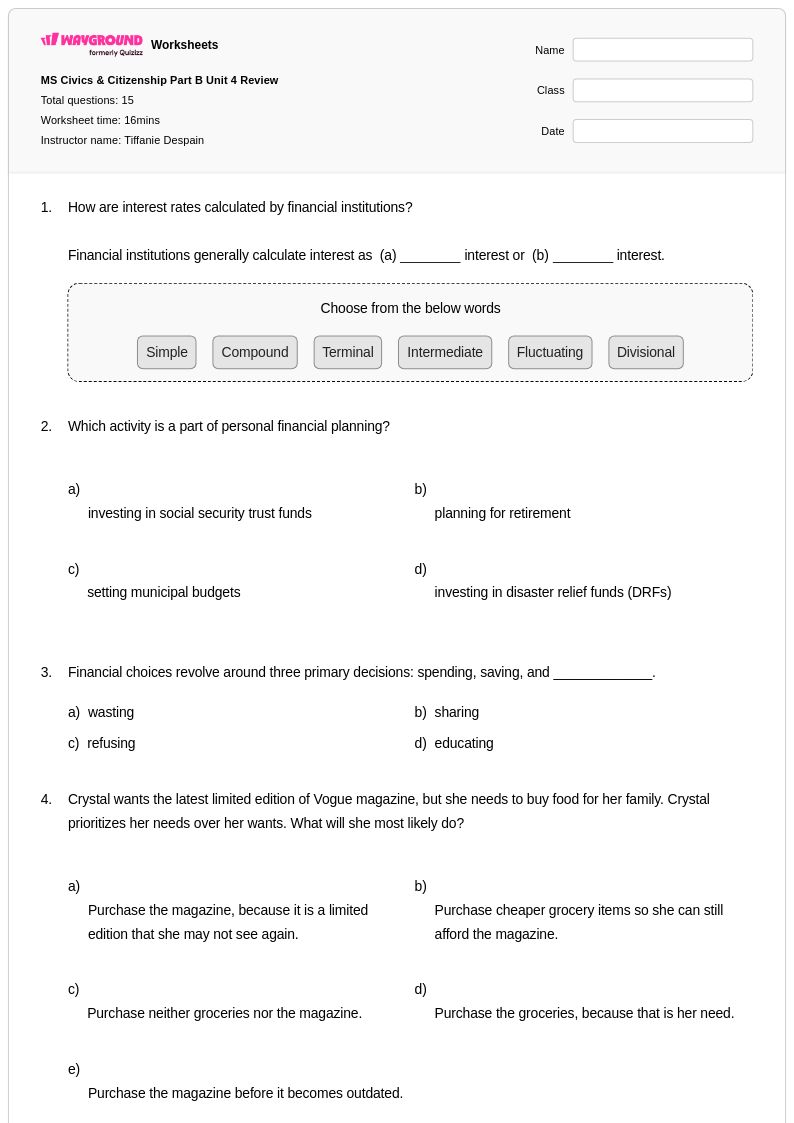
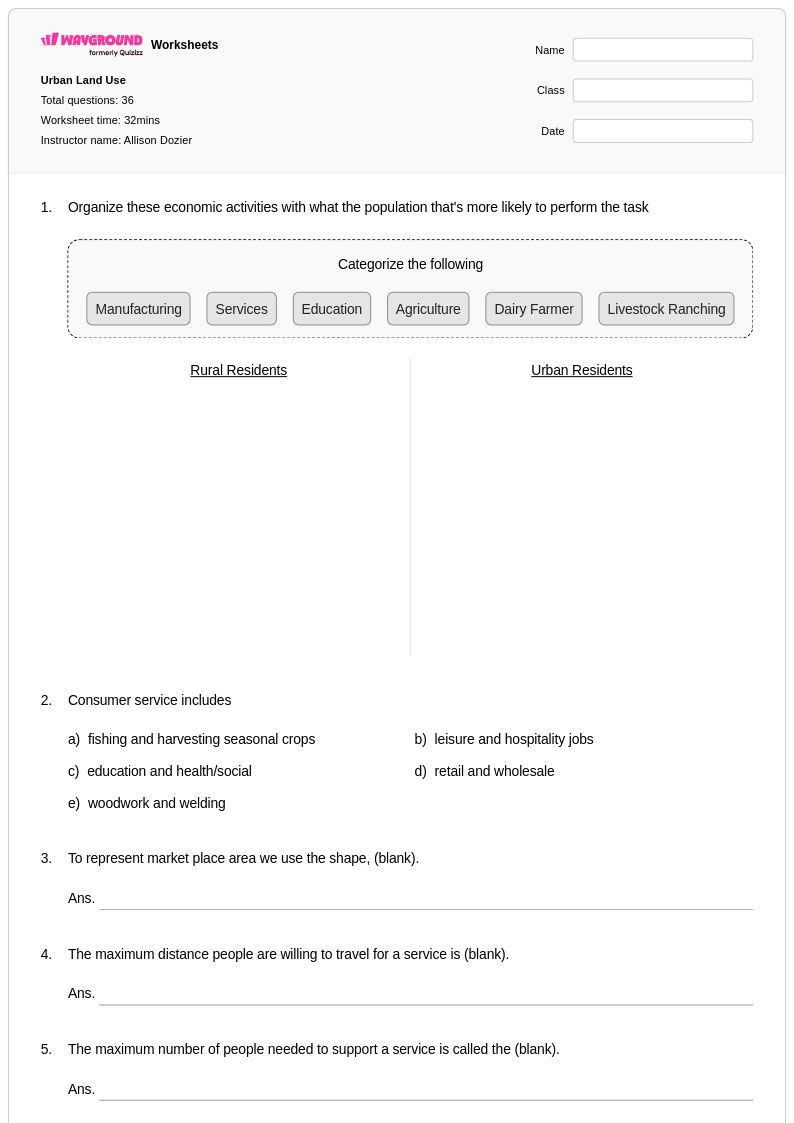
Safety planning worksheets for kindergarten students provide essential foundation-building activities that help young learners develop critical awareness and decision-making skills for everyday situations. These carefully designed printables introduce age-appropriate concepts such as identifying trusted adults, recognizing safe and unsafe situations, understanding basic emergency procedures, and practicing appropriate responses to various scenarios they may encounter at home, school, or in their community. Each worksheet collection includes comprehensive answer keys and structured practice problems that reinforce key safety concepts through engaging visual exercises, simple matching activities, and interactive scenarios that make learning both accessible and memorable for early elementary students.
Wayground, formerly Quizizz, empowers educators with an extensive library of millions of teacher-created safety planning resources specifically curated for kindergarten social studies instruction. The platform's robust search and filtering capabilities allow teachers to quickly locate materials that align with curriculum standards while offering flexible differentiation tools to meet diverse learning needs within the classroom. These comprehensive worksheet collections are available in both printable PDF formats and digital versions, enabling seamless integration into lesson planning whether for whole-class instruction, small group remediation, or individual skill practice. Teachers can easily customize these resources to target specific safety concepts, provide enrichment opportunities for advanced learners, or offer additional support for students requiring extra practice with essential safety awareness skills.
FAQs
How do I teach safety planning to students?
Effective safety planning instruction begins with helping students identify potential hazards in familiar environments, such as their home, school, or neighborhood. From there, teachers guide students through creating personal safety plans that include recognizing trusted adults, knowing safe spaces, and understanding how to respond to specific emergency situations. Role-playing scenarios and structured discussion are particularly effective for building situational awareness and decision-making skills in younger learners.
What activities help students practice personal safety planning skills?
Practice activities that simulate real-world scenarios are among the most effective for safety planning, as they require students to apply decision-making skills under realistic conditions rather than recall information passively. Worksheets that prompt students to map out personal safety plans, identify trusted adults, and select appropriate responses to emergency situations reinforce both procedural knowledge and critical thinking. Repeated exposure through varied practice problems helps students internalize responses so they become automatic in high-stress situations.
What mistakes do students commonly make when learning about safety planning?
A common misconception is that safety planning only applies to large-scale emergencies, causing students to overlook everyday personal safety scenarios such as stranger interactions or online safety. Students also frequently struggle to identify a sufficient number of trusted adults or safe spaces, defaulting to only one or two options. Teachers should explicitly address the importance of backup plans and rehearsing multiple response strategies, not just a single correct answer.
How can I use safety planning worksheets in my classroom?
Safety planning worksheets on Wayground are available as printable PDFs for traditional classroom use and in digital formats for technology-integrated environments, including the option to host them as a quiz directly on Wayground. Printable versions work well for guided instruction, take-home review, or small-group discussion, while digital formats allow for self-paced independent practice. Each worksheet includes a comprehensive answer key, making it straightforward to assess student understanding and facilitate meaningful follow-up discussion.
How can I differentiate safety planning instruction for students with different learning needs?
When using safety planning worksheets digitally on Wayground, teachers can apply individual student accommodations including Read Aloud for students who need audio support, reduced answer choices to lower cognitive load, and extended time for students who require it. These settings can be assigned to individual students or the whole class and are saved for reuse across future sessions, so setup only happens once. Students receiving default settings are not notified of any accommodations applied to peers, preserving a respectful and inclusive classroom environment.
At what grade level should safety planning be introduced?
Safety planning concepts can be introduced as early as kindergarten using age-appropriate language focused on trusted adults, safe spaces, and basic emergency responses such as calling for help. As students move into upper elementary and middle school, instruction can expand to include more complex scenario-based planning, communication strategies, and hazard identification in broader contexts. The key is scaffolding content to match developmental readiness while reinforcing foundational concepts at every level.