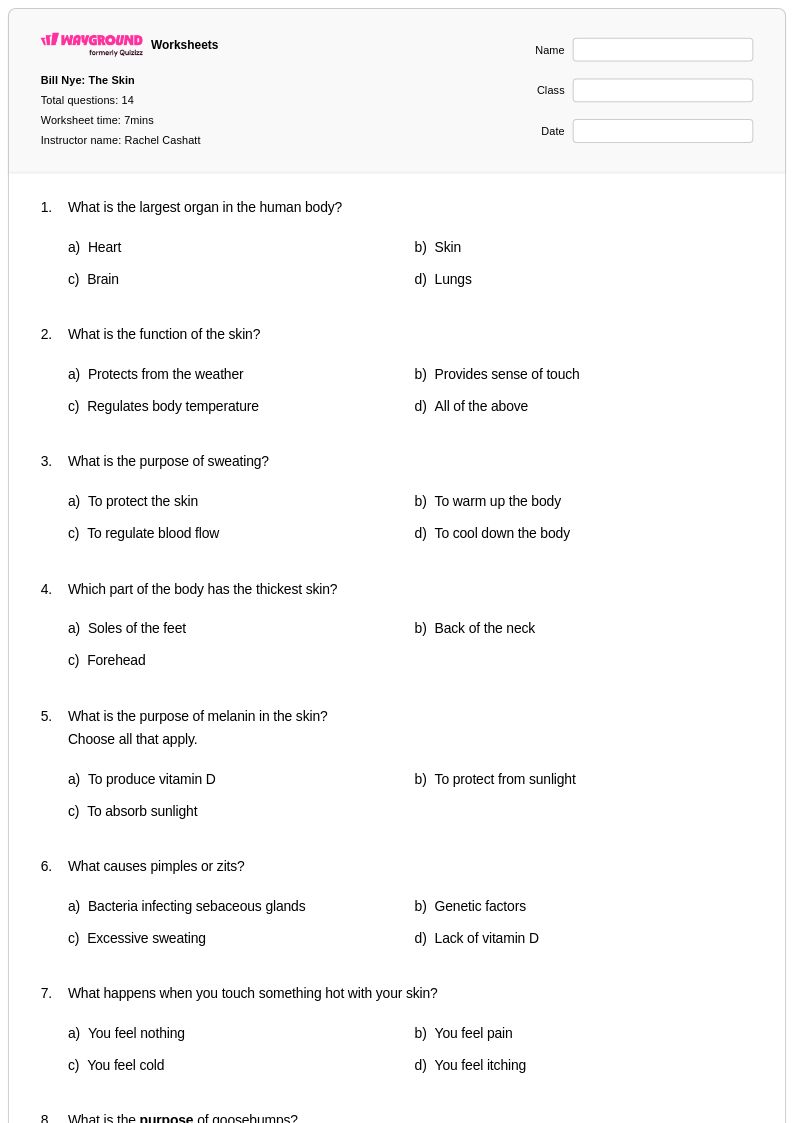
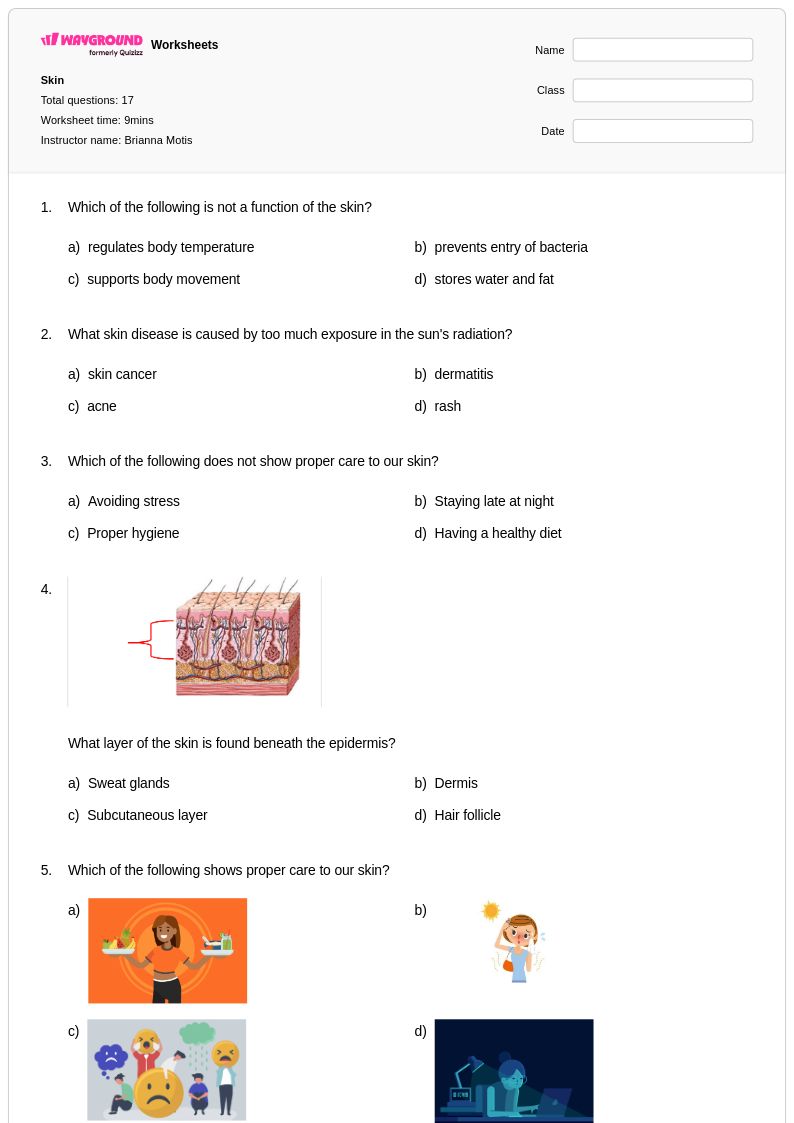
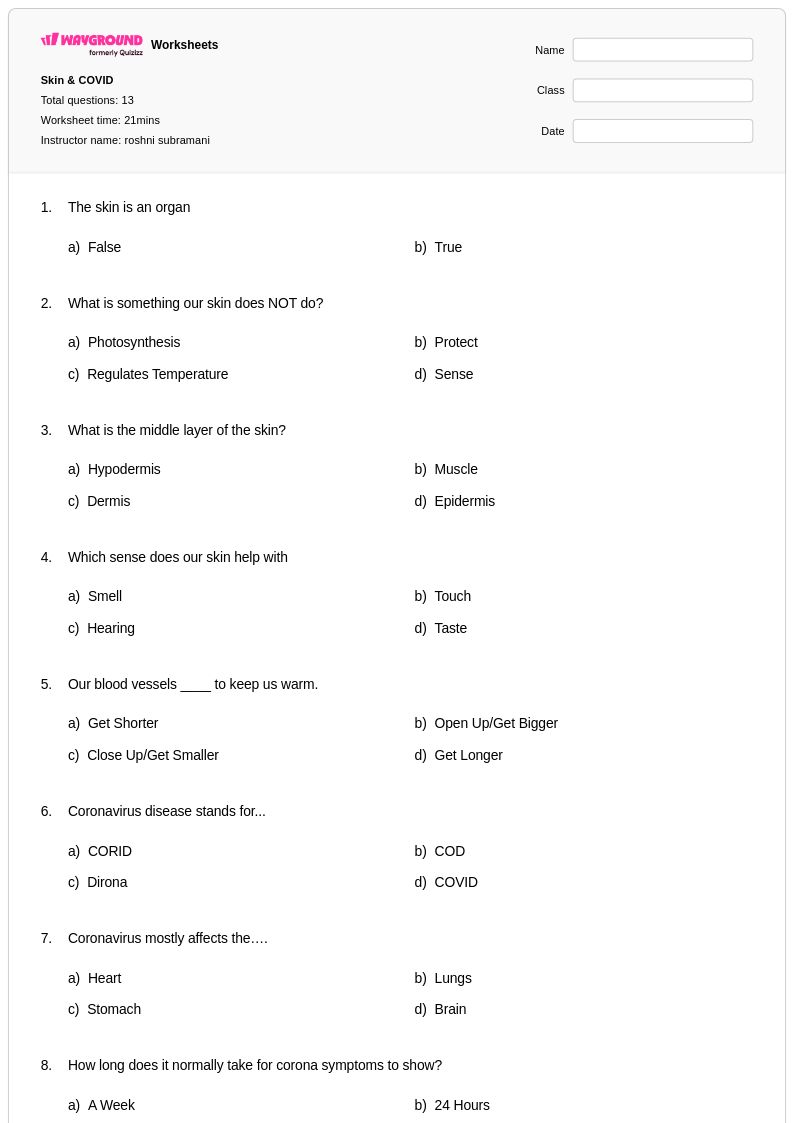
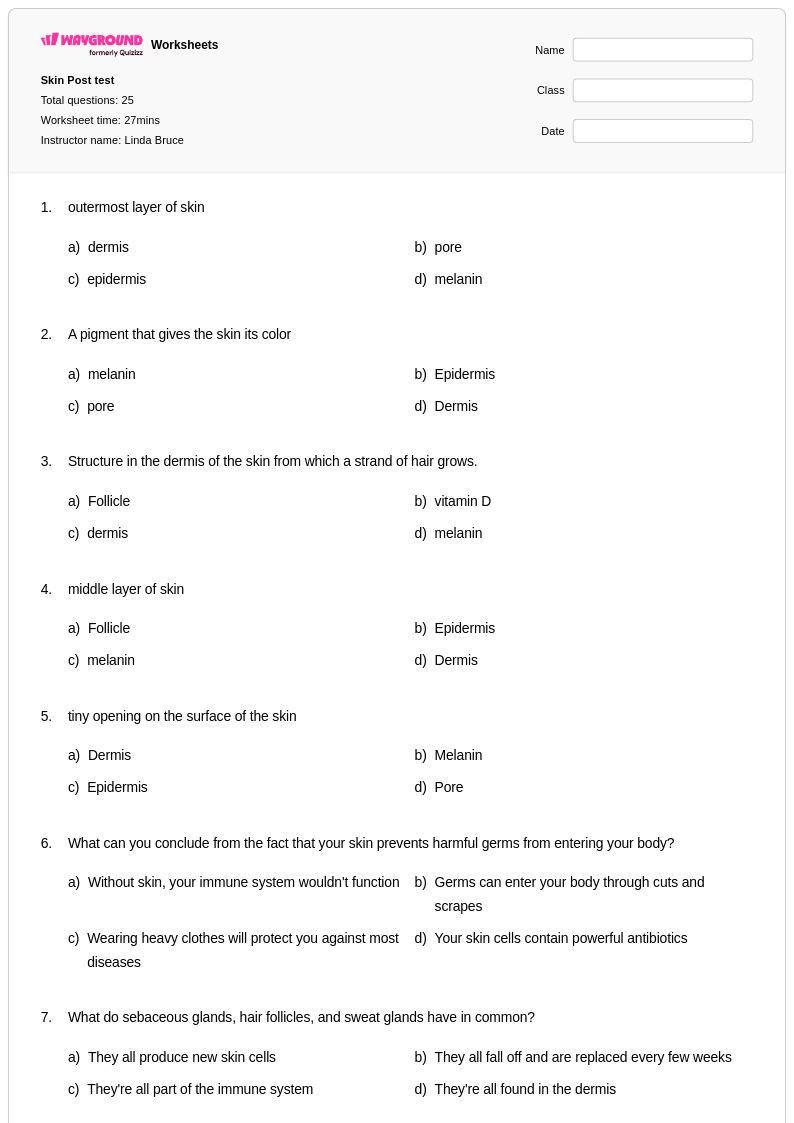
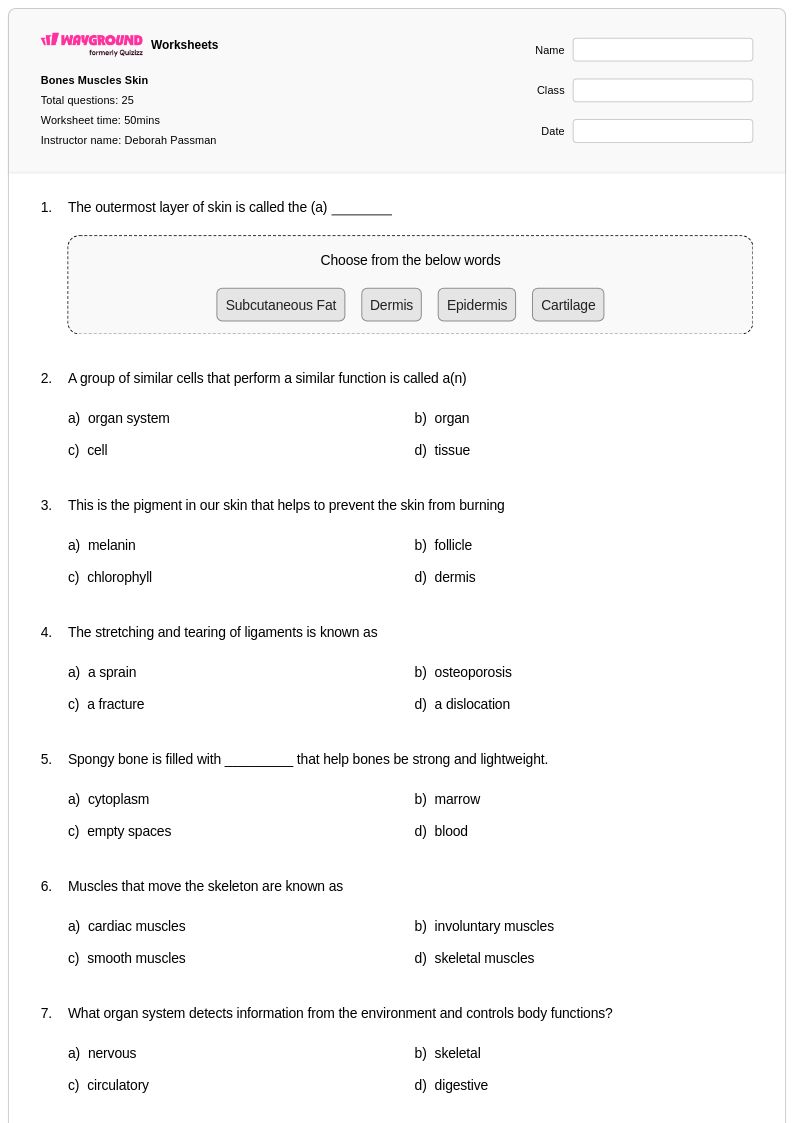
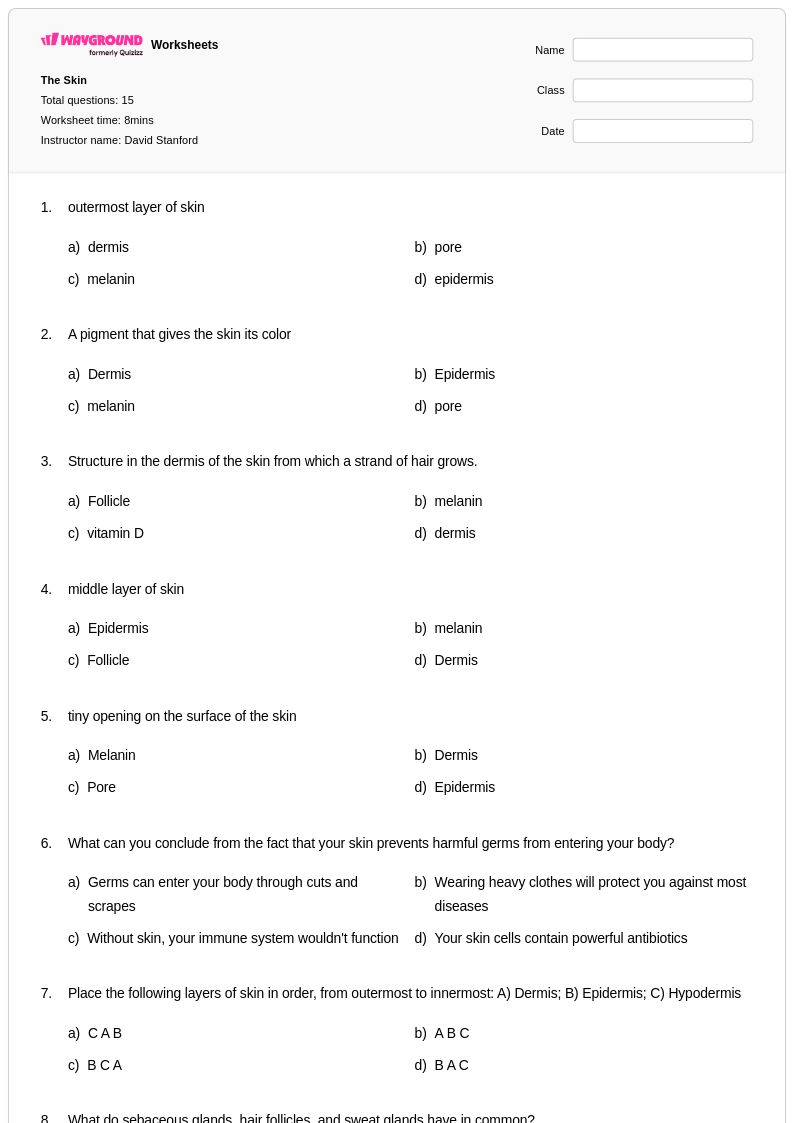
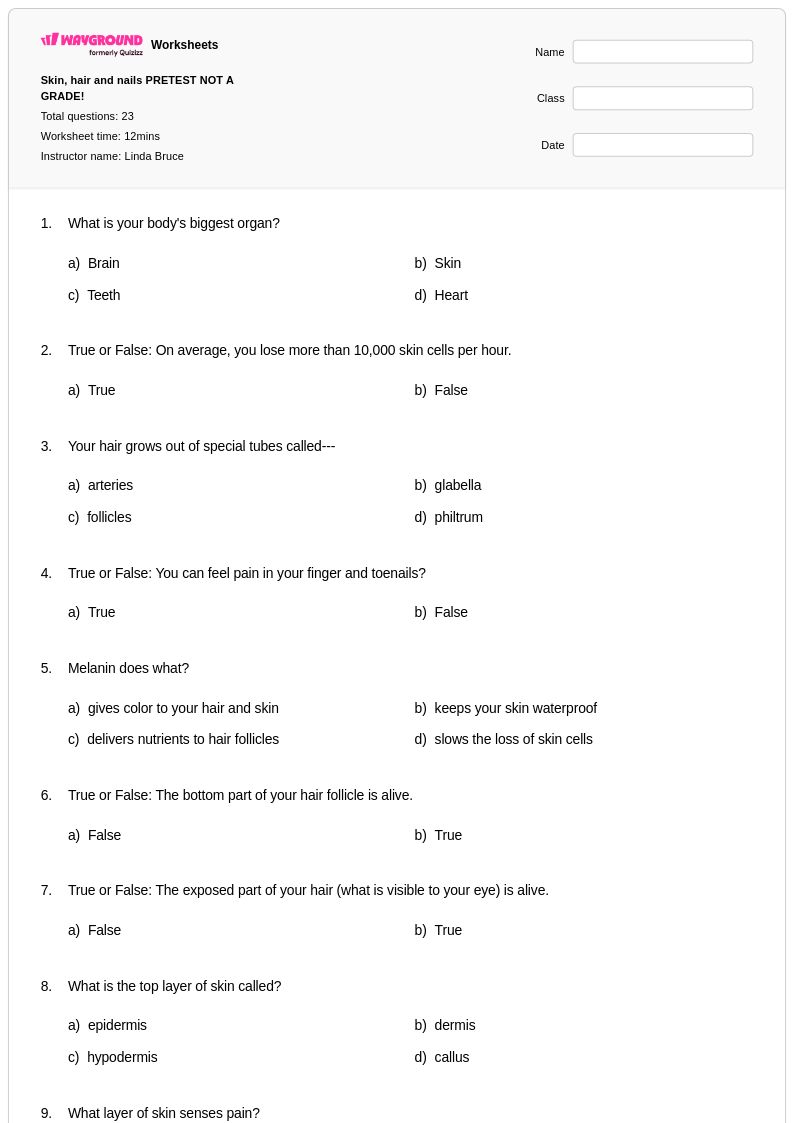
Explore Wayground's free Class 7 skin worksheets and printables that help students master the structure, functions, and biology of human skin through engaging practice problems and comprehensive answer keys.
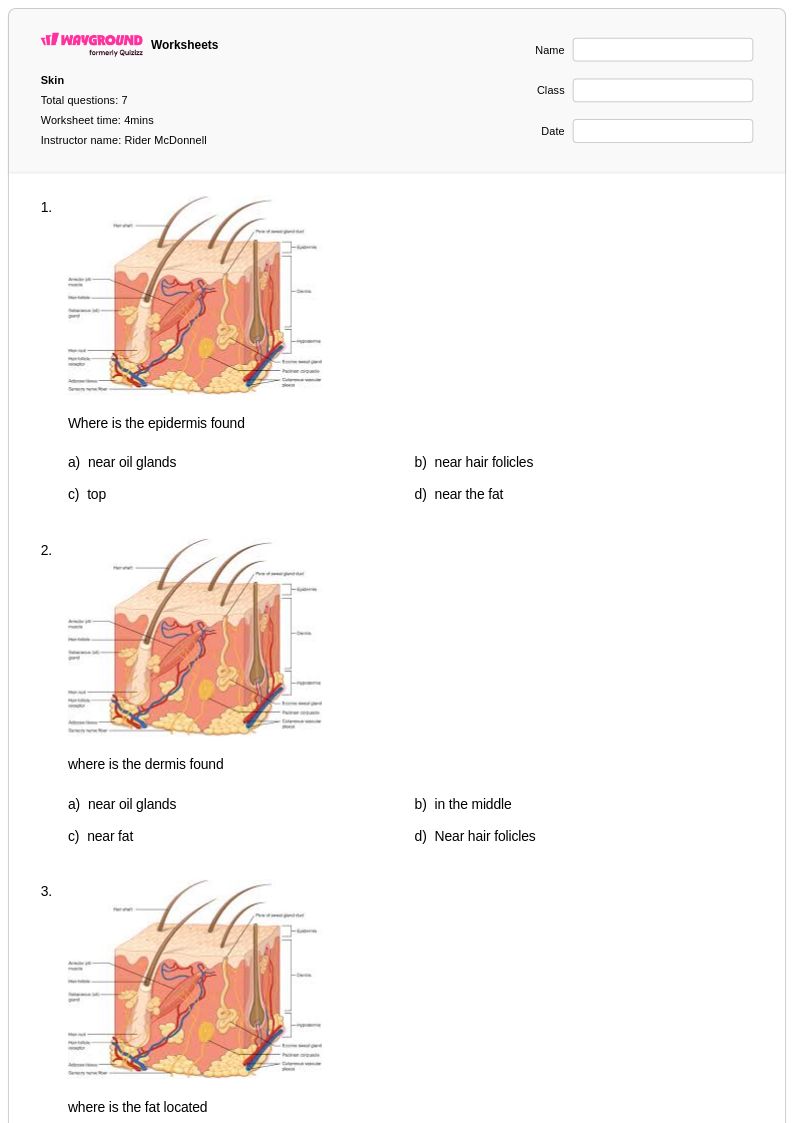
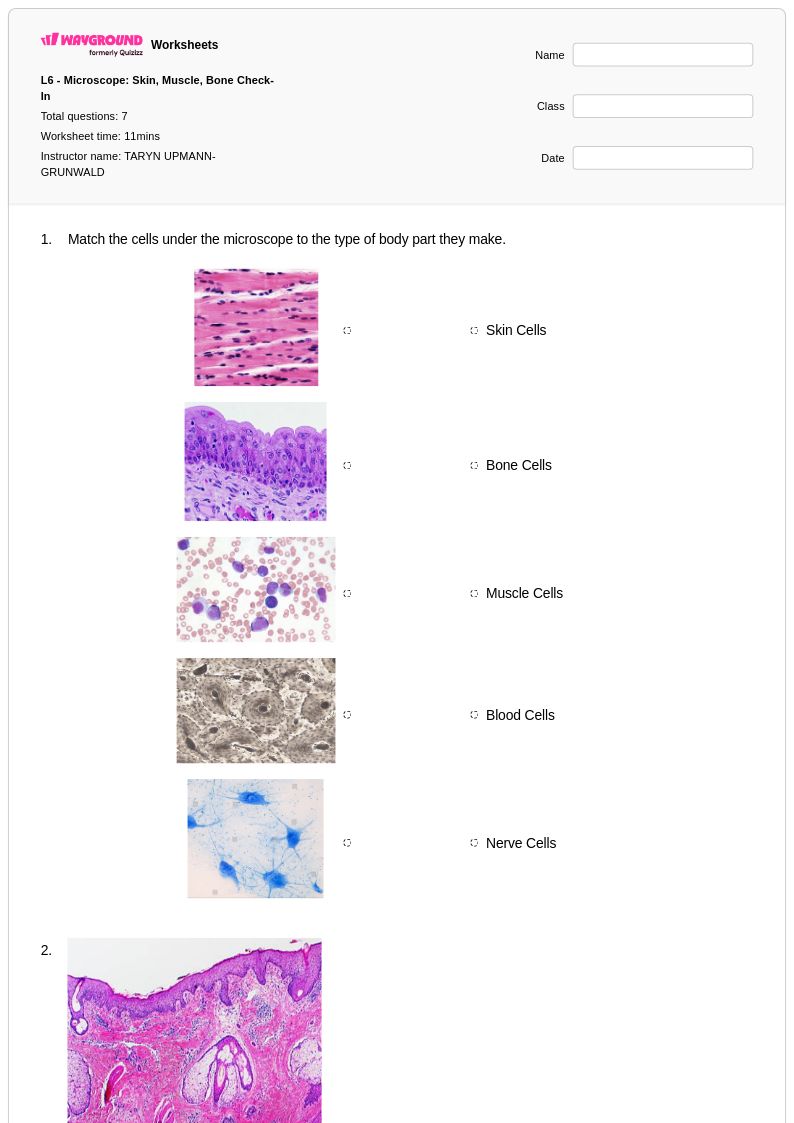
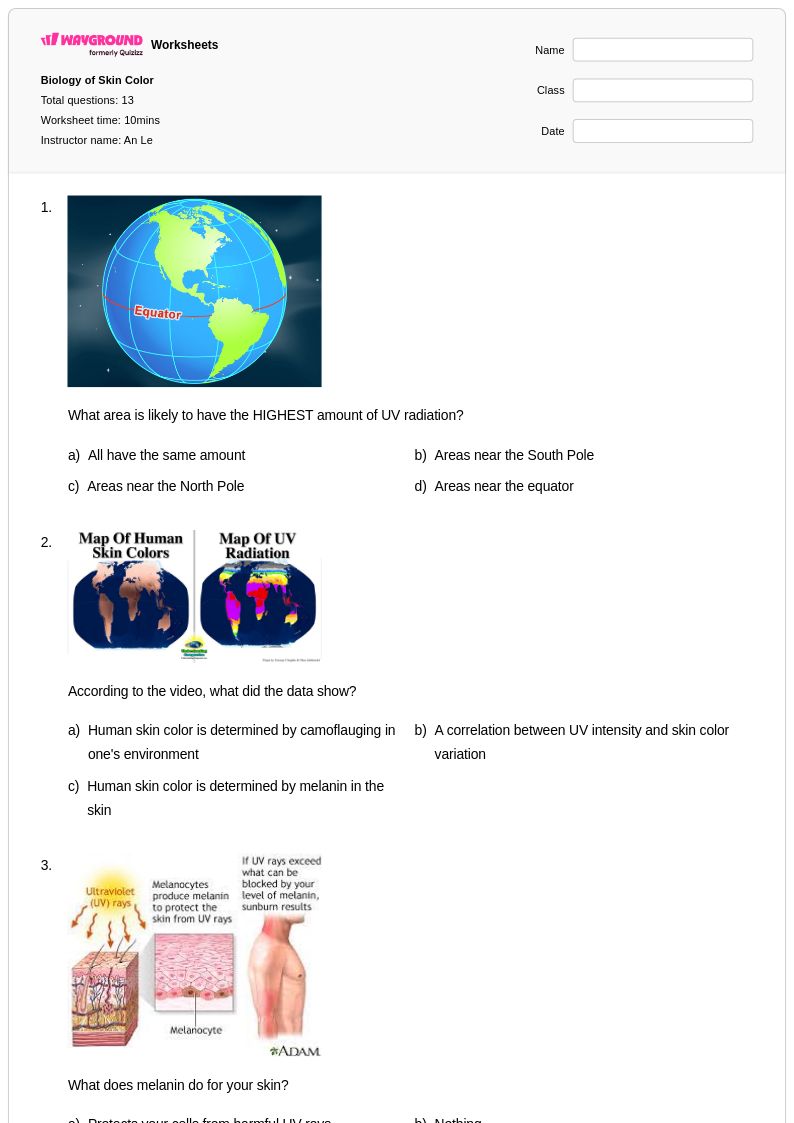
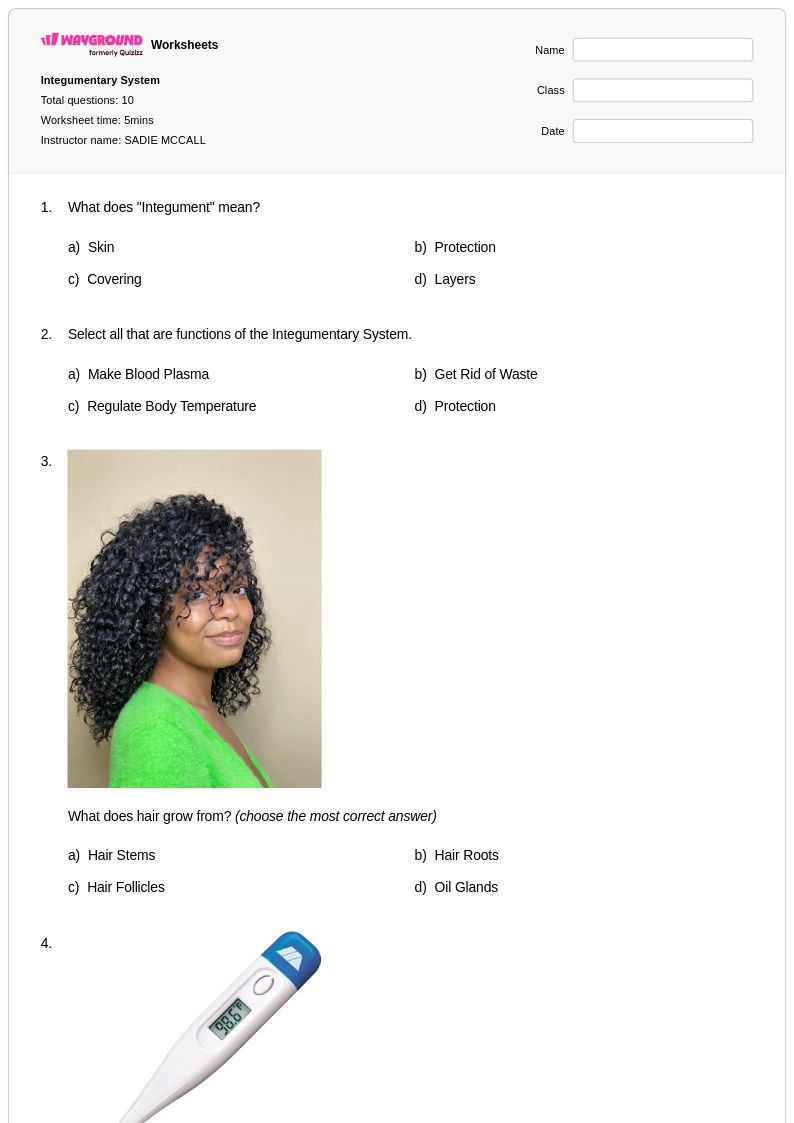
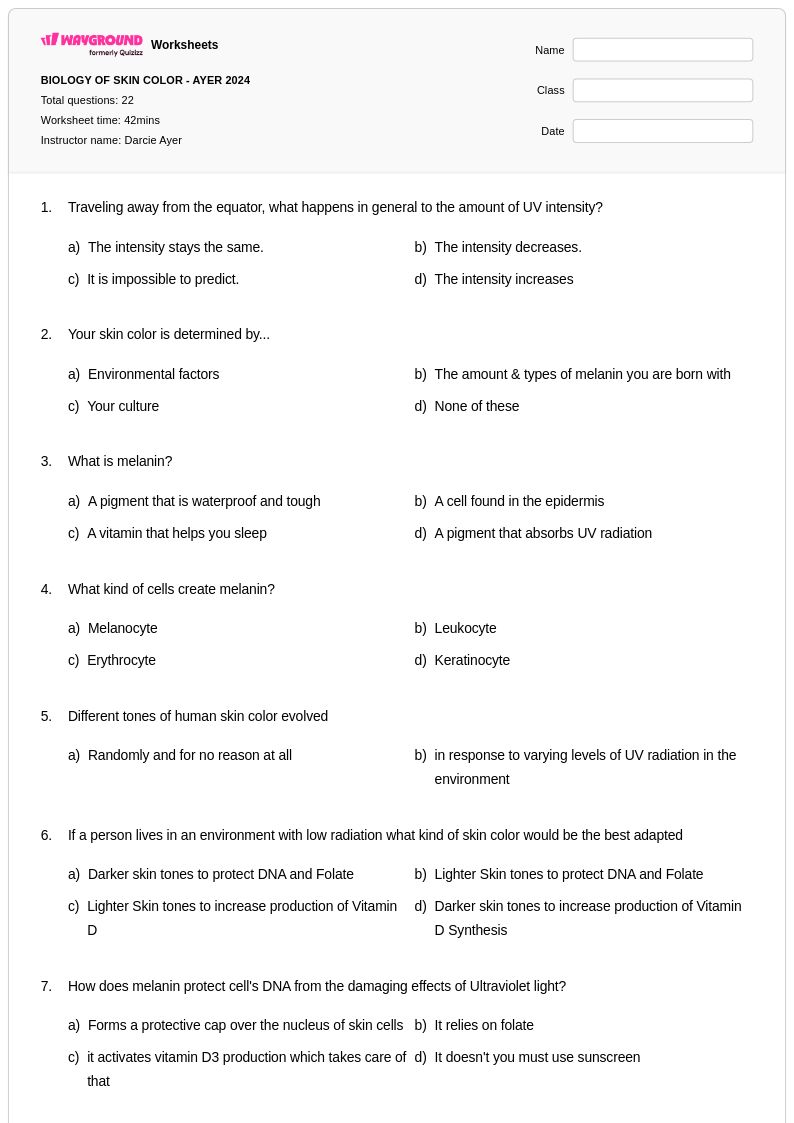
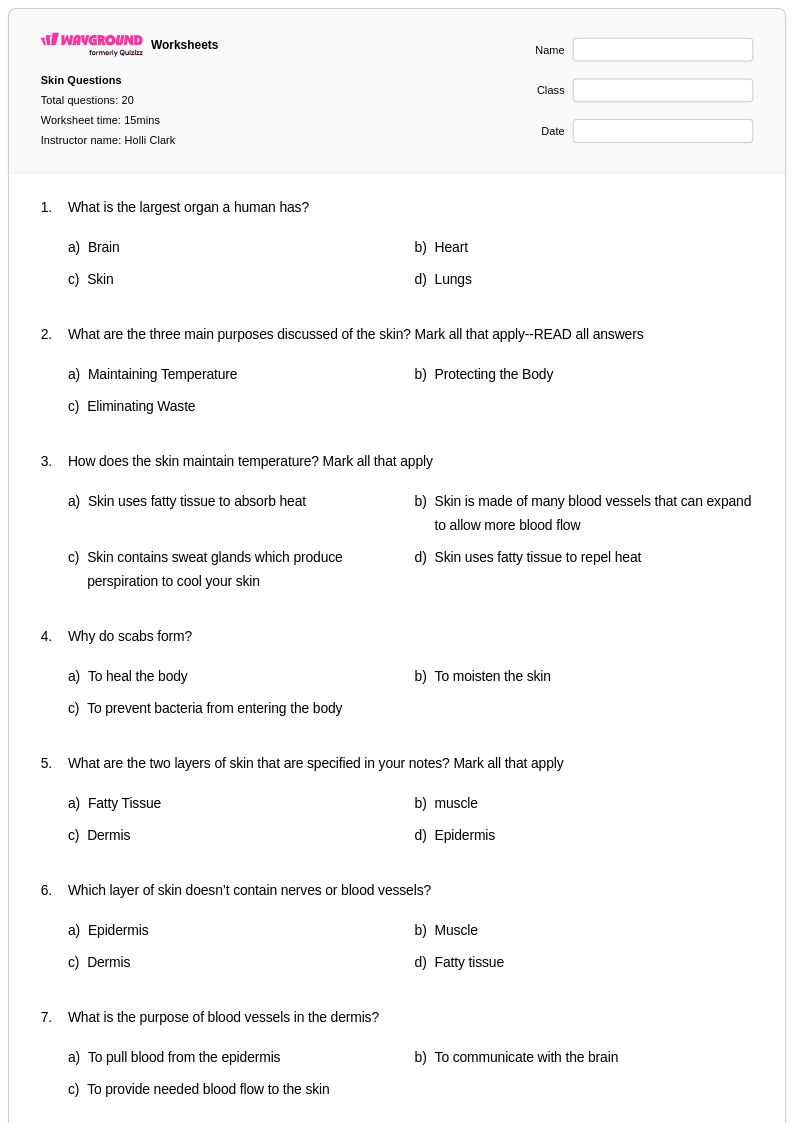
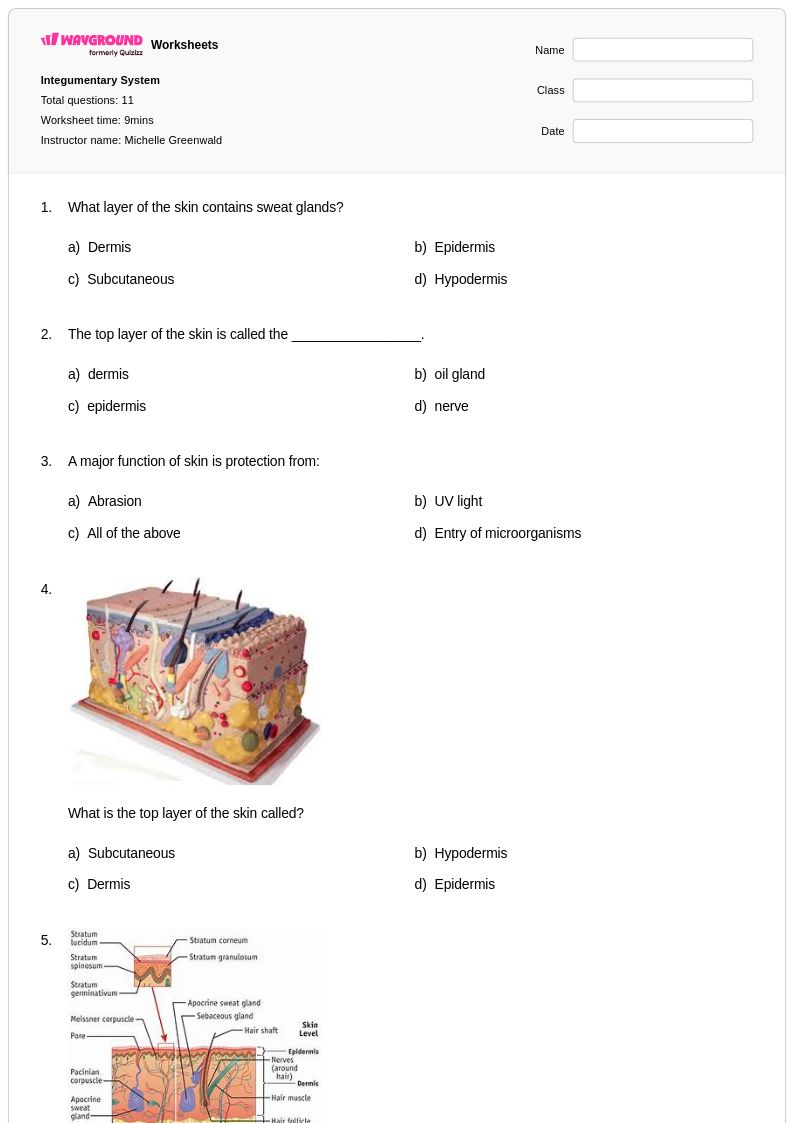
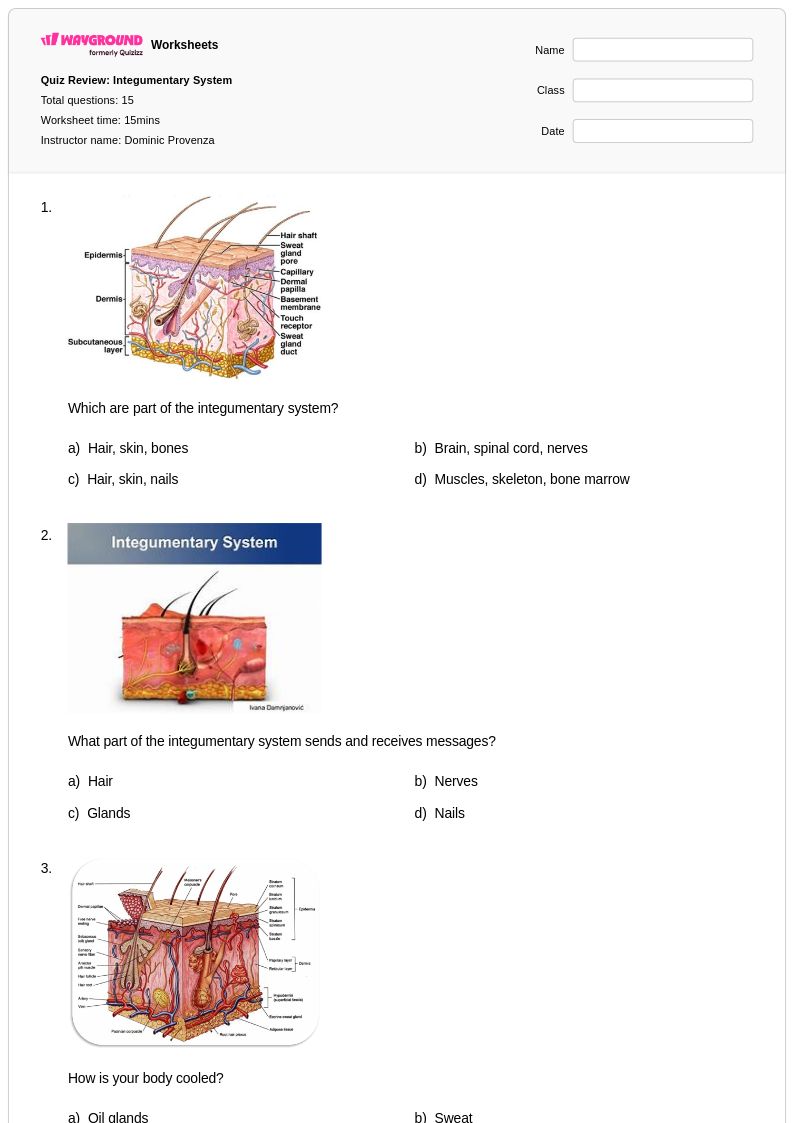
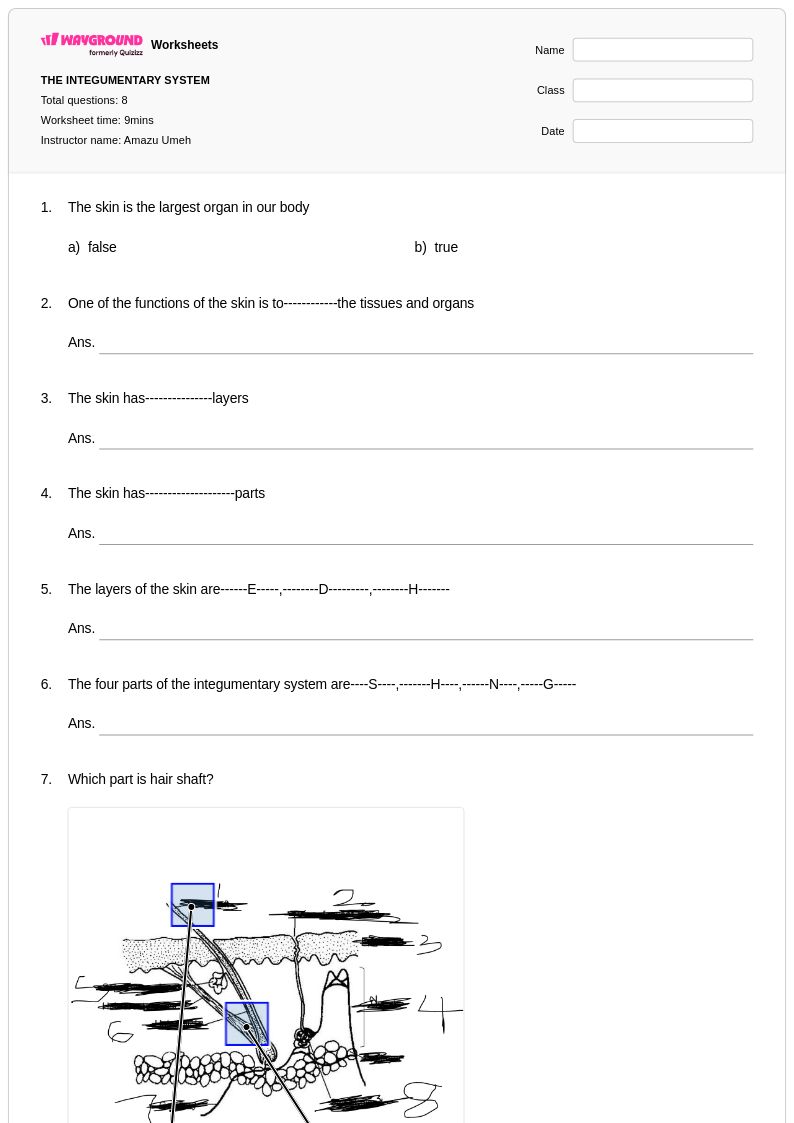
Class 7 skin worksheets available through Wayground (formerly Quizizz) provide comprehensive coverage of the integumentary system, focusing on the structure, function, and protective mechanisms of human skin. These educational resources strengthen students' understanding of the skin's three primary layers—epidermis, dermis, and hypodermis—while exploring critical concepts such as temperature regulation, sensory reception, and barrier protection against pathogens. The worksheets feature detailed practice problems that challenge students to identify skin structures, analyze how the skin responds to environmental changes, and understand the role of melanocytes in pigmentation and UV protection. Each resource includes answer keys to support independent learning and assessment, with free printables designed to reinforce key vocabulary and biological processes through engaging activities and scientific diagrams.
Wayground (formerly Quizizz) supports science educators with millions of teacher-created resources specifically designed for Class 7 biology instruction, featuring robust search and filtering capabilities that allow teachers to quickly locate skin-related content aligned with curriculum standards. The platform's differentiation tools enable educators to customize worksheets based on individual student needs, whether for remediation of foundational concepts or enrichment activities exploring advanced topics like wound healing and skin disorders. Teachers can access these resources in both printable pdf formats for traditional classroom use and digital formats for interactive learning experiences, streamlining lesson planning while providing flexible options for skill practice. The extensive collection supports comprehensive instruction by offering varied question types, from basic identification exercises to complex analysis problems that develop critical thinking skills essential for understanding human biology.
FAQs
How do I teach skin anatomy and the integumentary system to biology students?
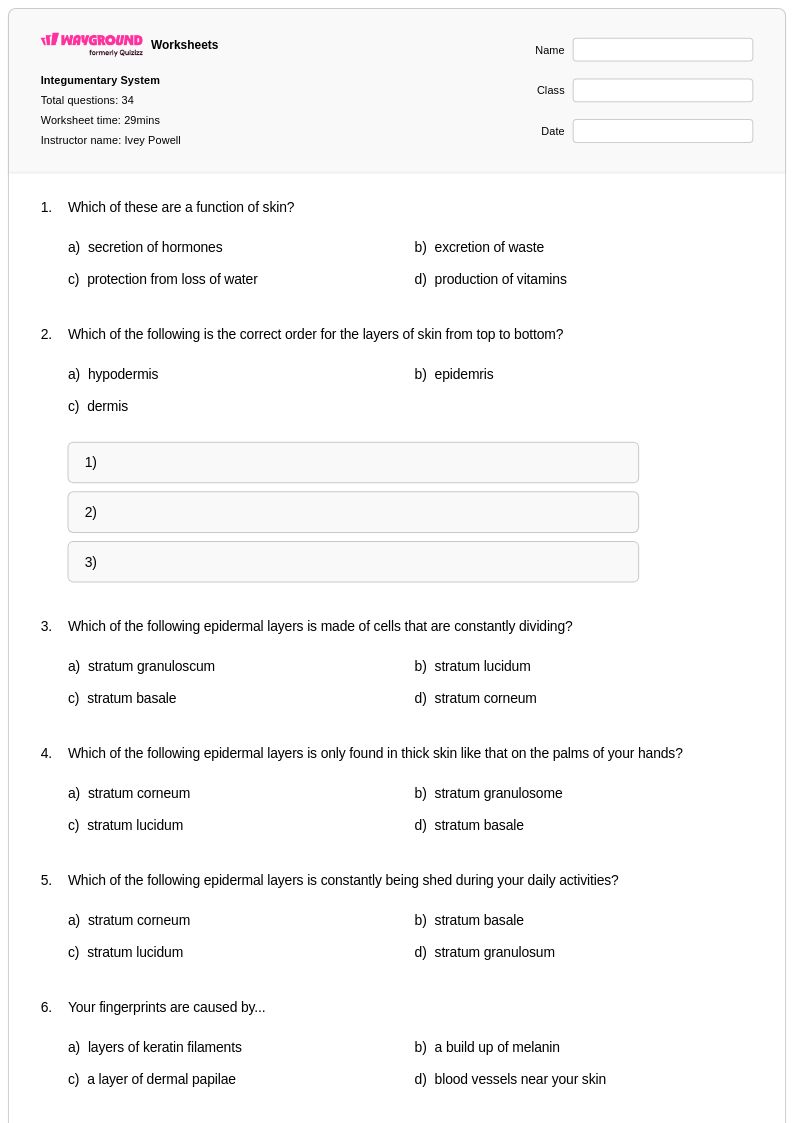
Start by grounding students in the three-layer structure of the skin: the epidermis, dermis, and hypodermis. From there, connect each layer to its specific functions, such as the epidermis forming a protective barrier, the dermis housing sensory receptors and sweat glands, and the hypodermis providing insulation. Visual labeling activities and structure-to-function matching exercises help students move from memorization to genuine anatomical understanding.
What exercises help students practice identifying skin structures and their functions?
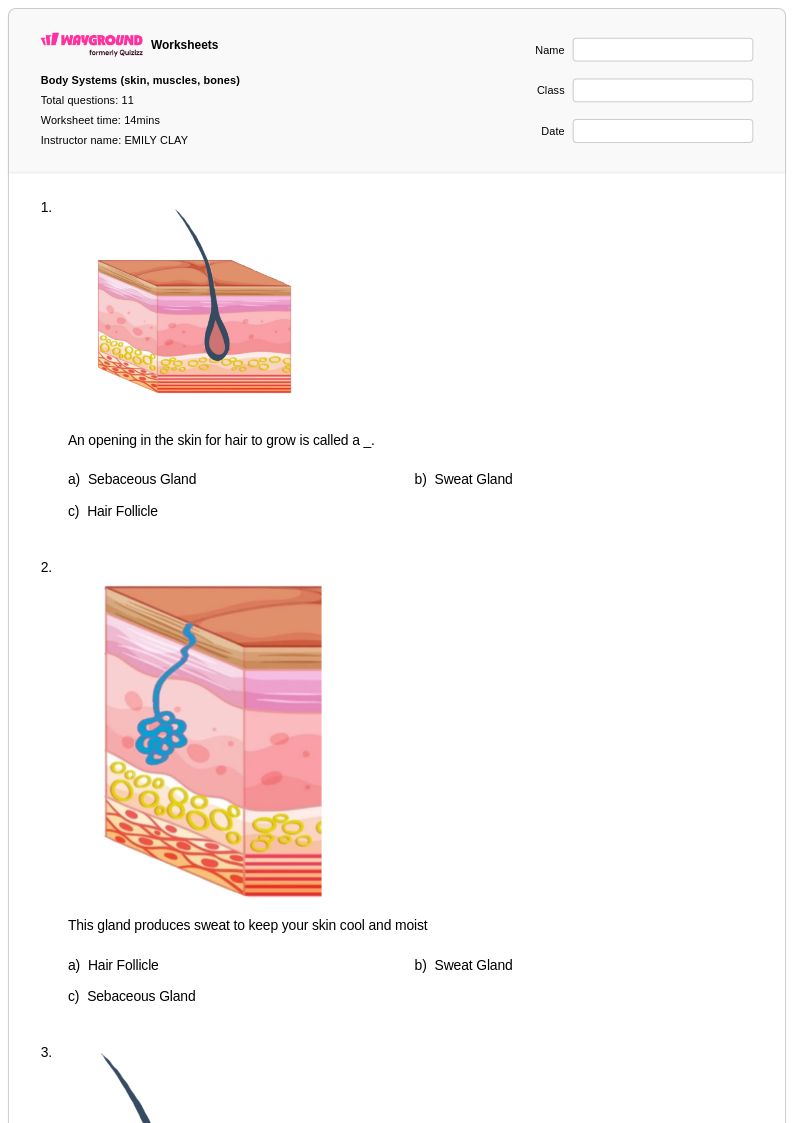
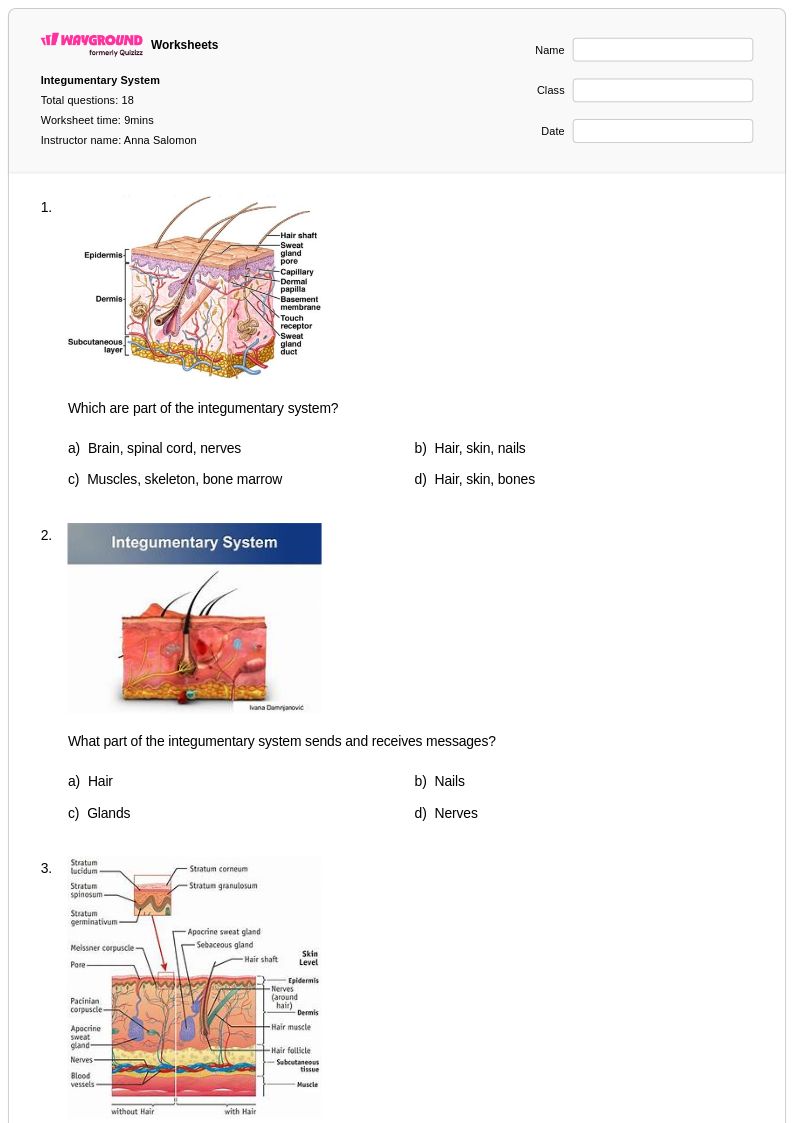
Labeling diagrams of skin cross-sections is one of the most effective practice formats, requiring students to correctly place and name structures like hair follicles, sebaceous glands, and Meissner's corpuscles. Practice problems that ask students to connect a structural feature to a physiological process, such as linking sweat glands to thermoregulation, reinforce deeper comprehension. These exercises also help students apply vocabulary in context rather than in isolation.
What mistakes do students commonly make when learning about skin biology?
A frequent misconception is treating the skin as a single, uniform layer rather than a dynamic, multi-layered organ with distinct zones and specialized cells. Students often confuse the roles of the epidermis and dermis, or incorrectly attribute sensory functions to the outermost epidermal layer rather than to receptors located in the dermis. Another common error is underestimating the skin's systemic role, particularly its involvement in thermoregulation, immune defense, and vitamin D synthesis.
How can I use skin worksheets to support students with different learning needs?
Wayground's skin worksheets are available in both printable PDF and digital formats, making them adaptable for in-class, remote, and hybrid settings. When hosting worksheets as a digital quiz on Wayground, teachers can apply student-level accommodations including read aloud support for auditory learners, reduced answer choices to lower cognitive load, and extended time for students who need it. These settings can be configured per student and saved for future sessions, so differentiation requires minimal setup after the initial configuration.
How do I assess whether students understand the functions of the skin beyond just memorizing structures?
Effective assessment moves students past recall by presenting unfamiliar scenarios, such as asking how skin responds to extreme cold or what happens when sebaceous glands overproduce sebum. Questions that require students to explain cause-and-effect relationships, such as connecting a disruption in the epidermis to increased infection risk, reveal whether comprehension is conceptual rather than rote. Answer keys that include explanations, not just correct responses, help teachers identify where gaps in functional understanding exist.
How do skin worksheets fit into a broader unit on the integumentary system?
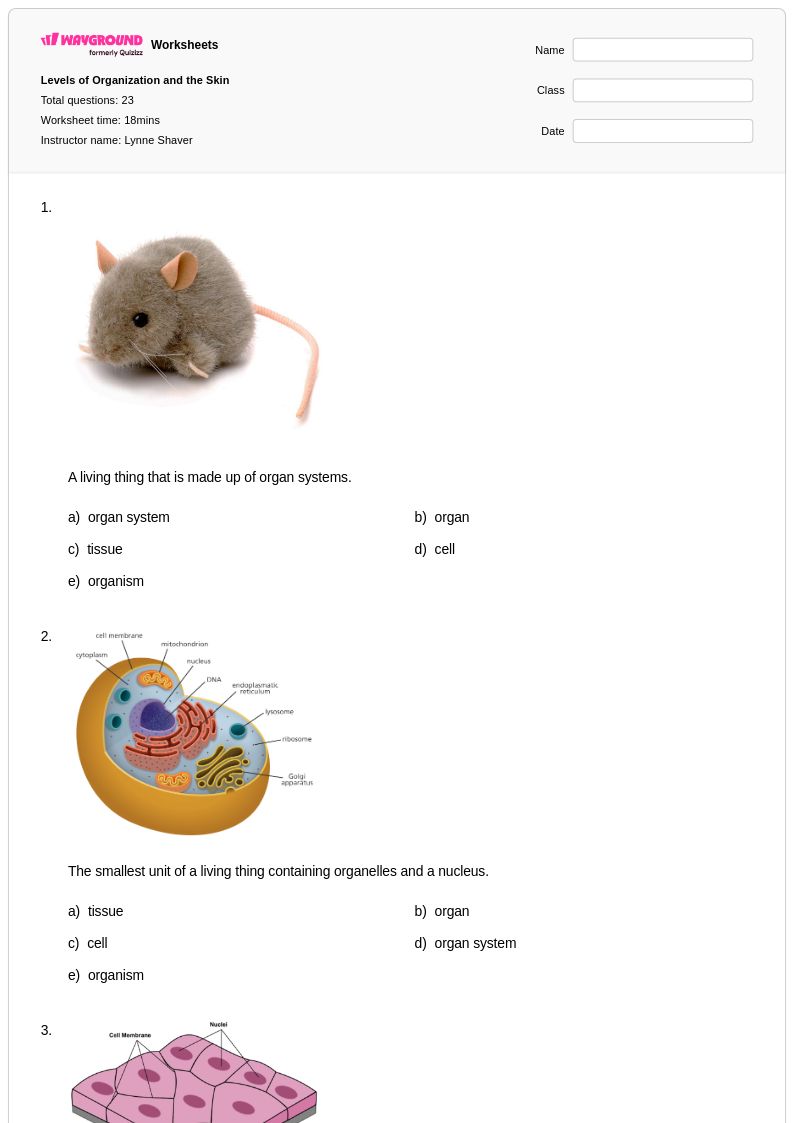
Skin worksheets work best as targeted practice within a sequenced unit that moves from basic anatomy to physiological processes and then to clinical or real-world applications. Early worksheets can establish the three-layer framework and cellular composition, while later ones can challenge students to analyze conditions like eczema, burns, or UV damage in terms of which layers and structures are affected. This progression ensures students build cumulative understanding rather than treating each concept as isolated.