
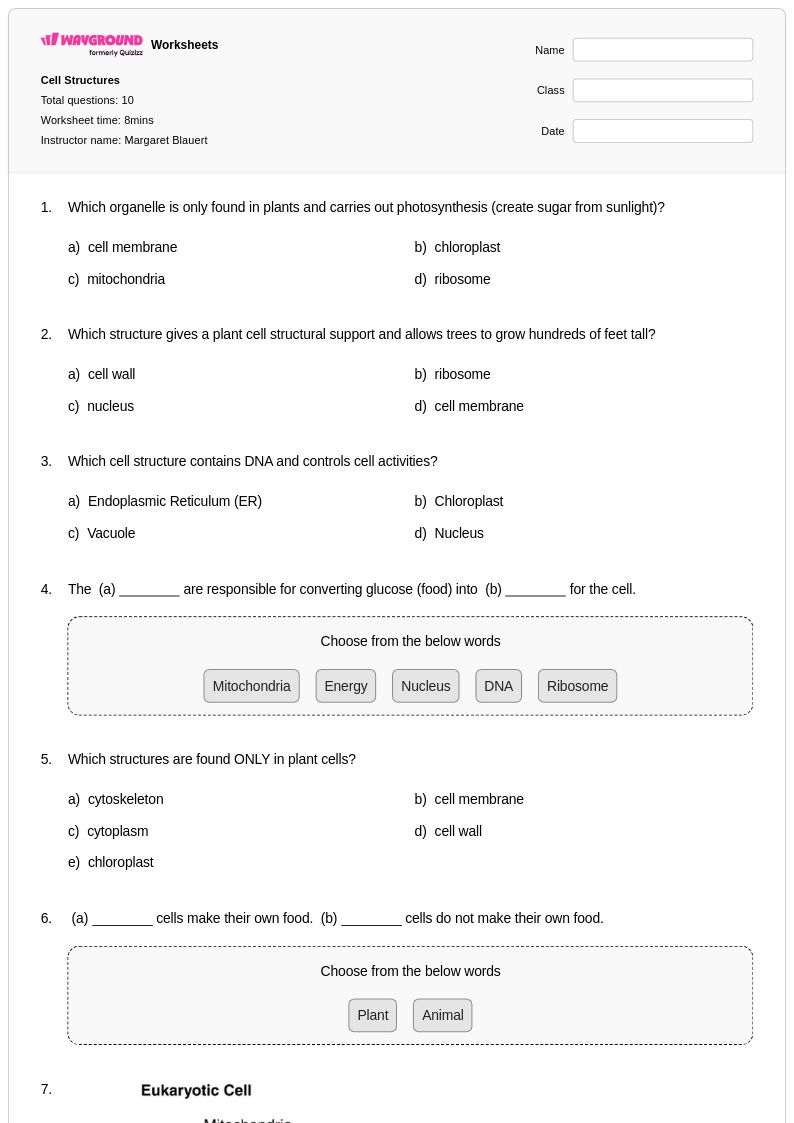
10 Q
7th
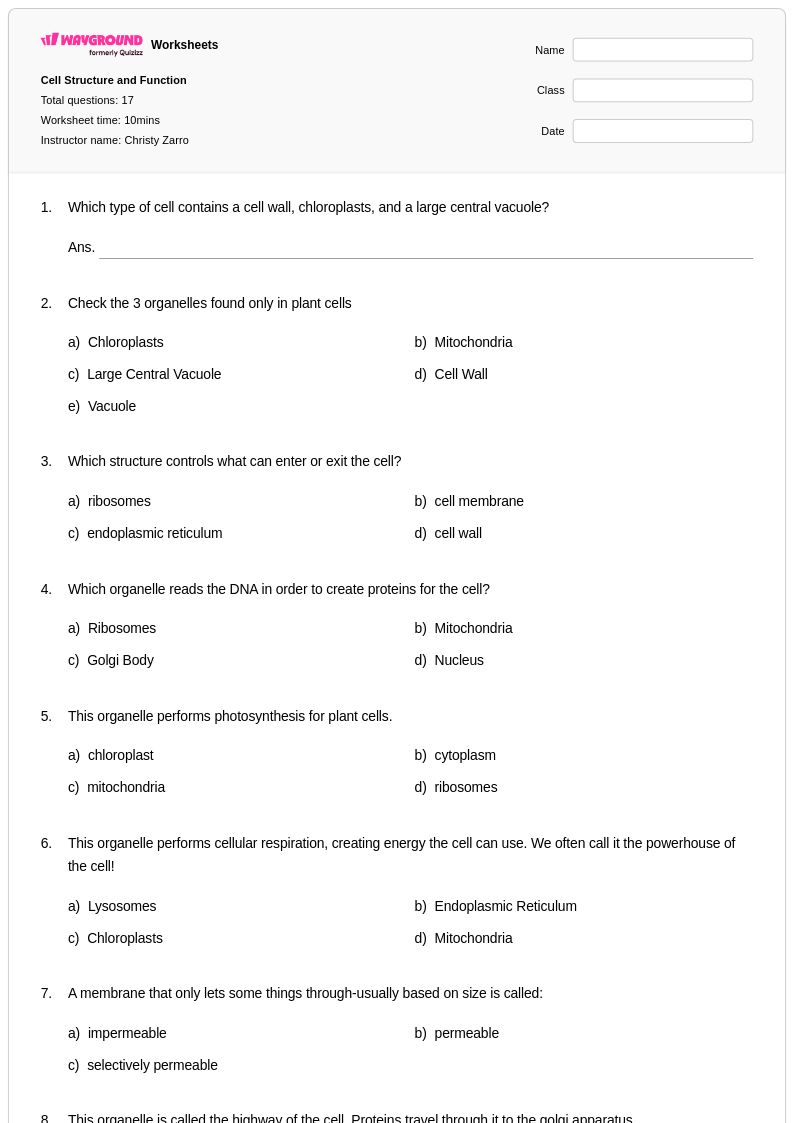
17 Q
7th
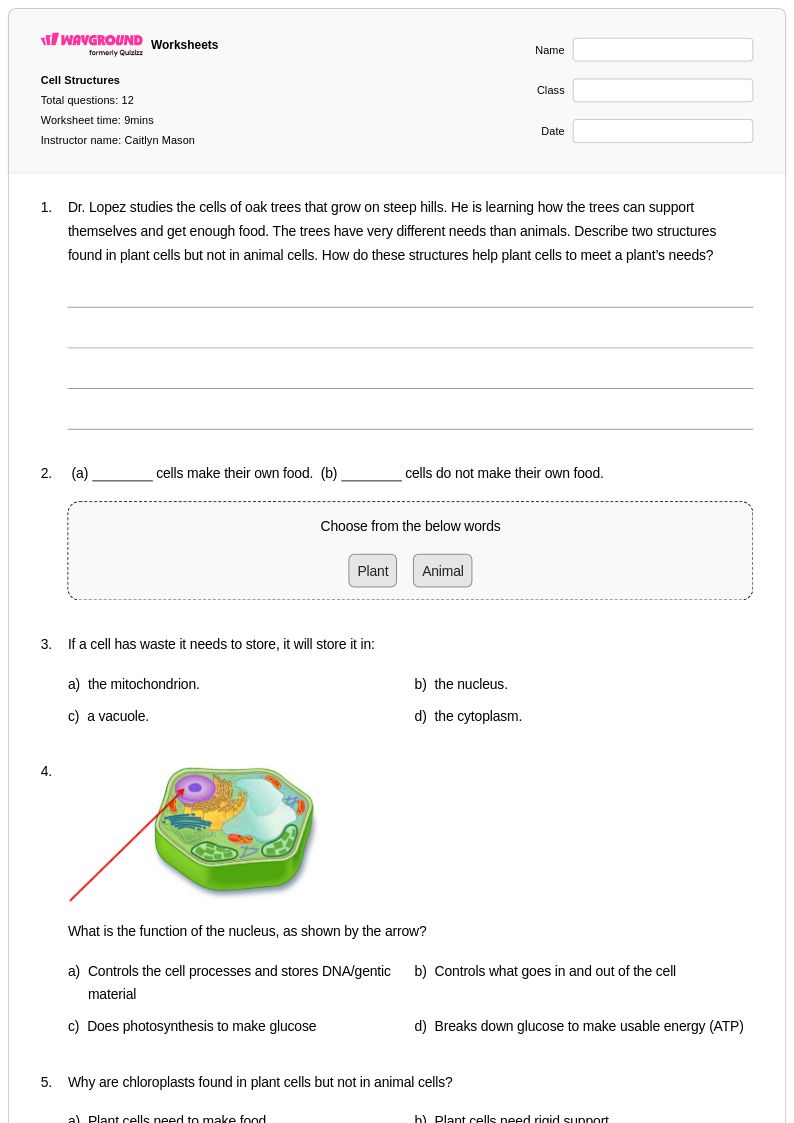
12 Q
7th
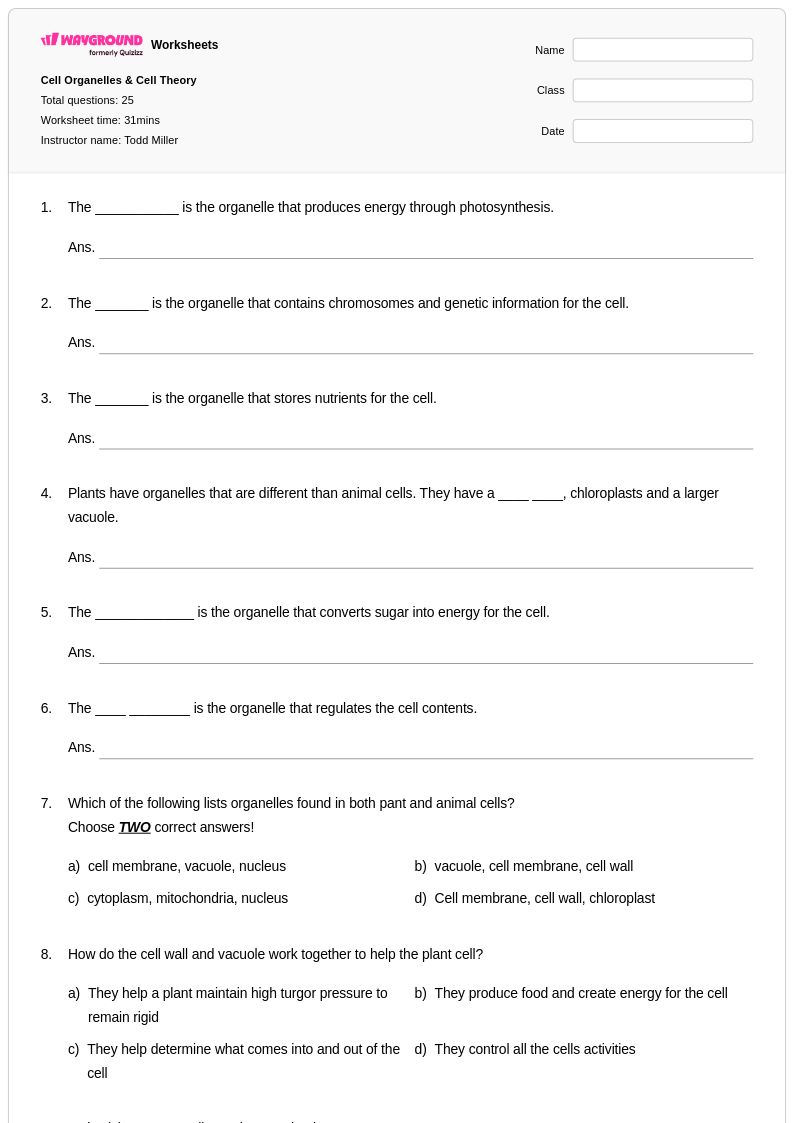
25 Q
7th
20 Q
7th
34 Q
7th - Uni
11 Q
7th
14 Q
7th
30 Q
7th
25 Q
7th
20 Q
6th - 8th
13 Q
6th - 8th
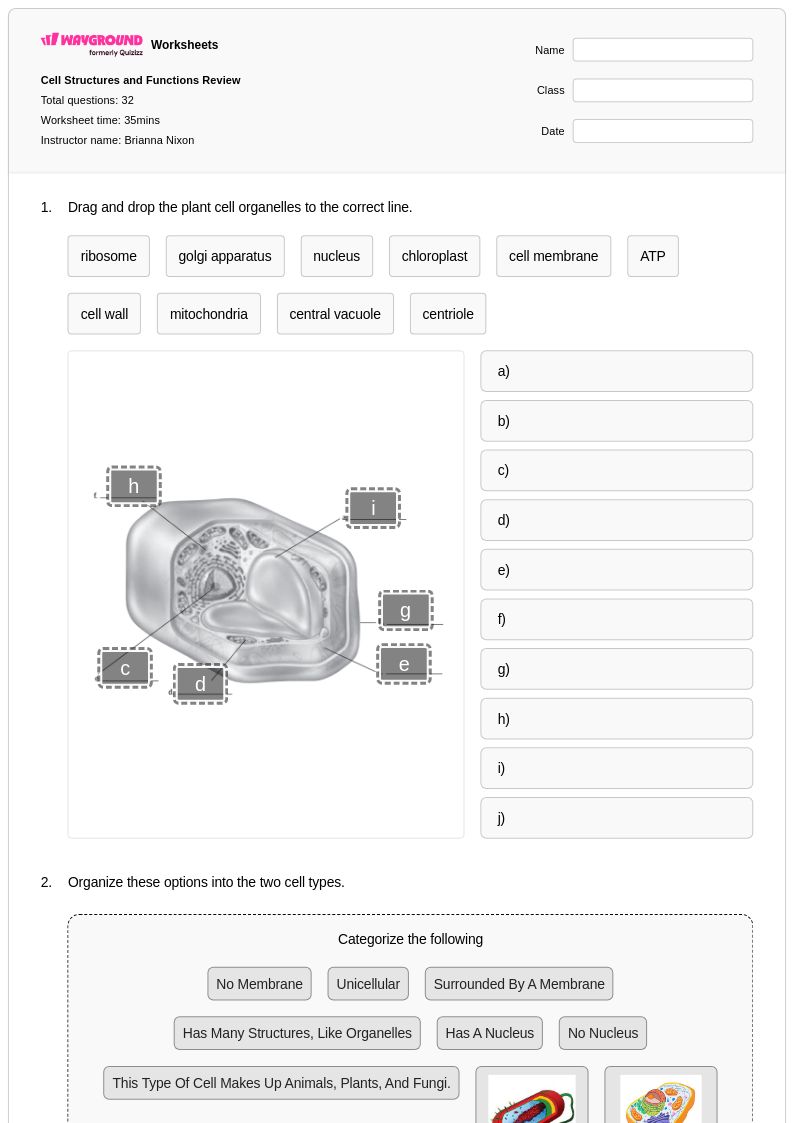
32 Q
7th
13 Q
7th
15 Q
7th
12 Q
7th
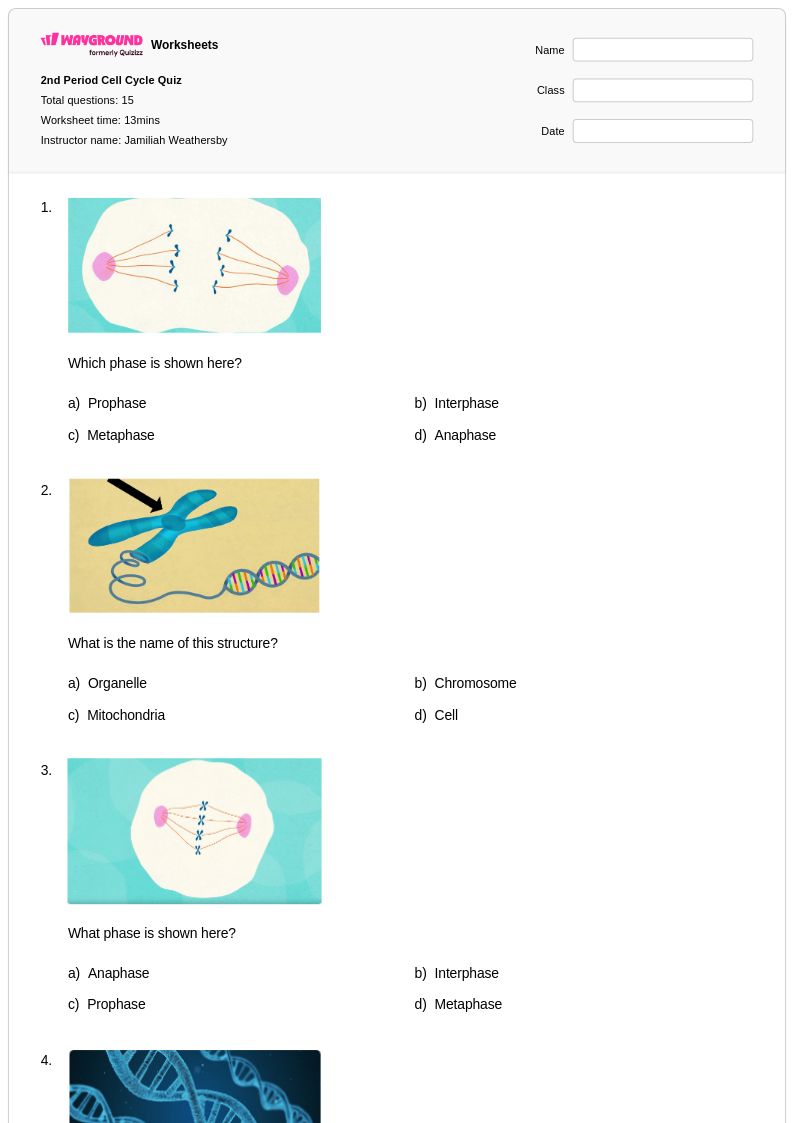
15 Q
7th
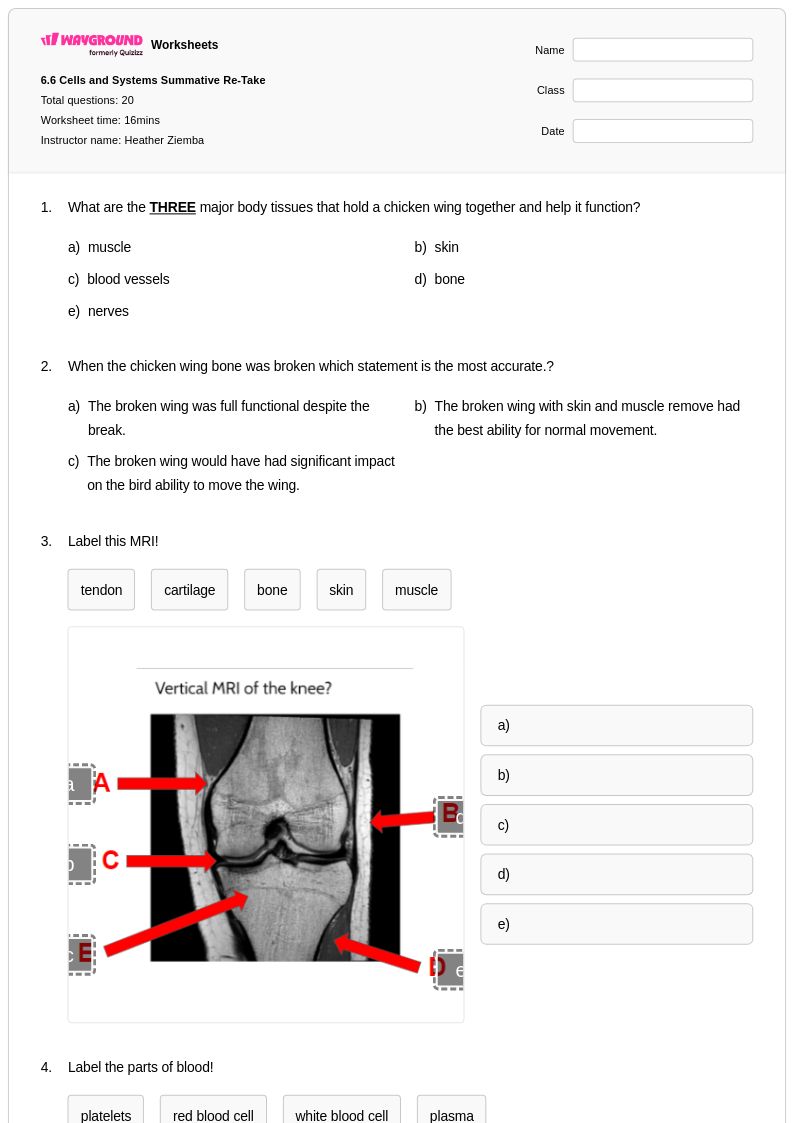
20 Q
7th
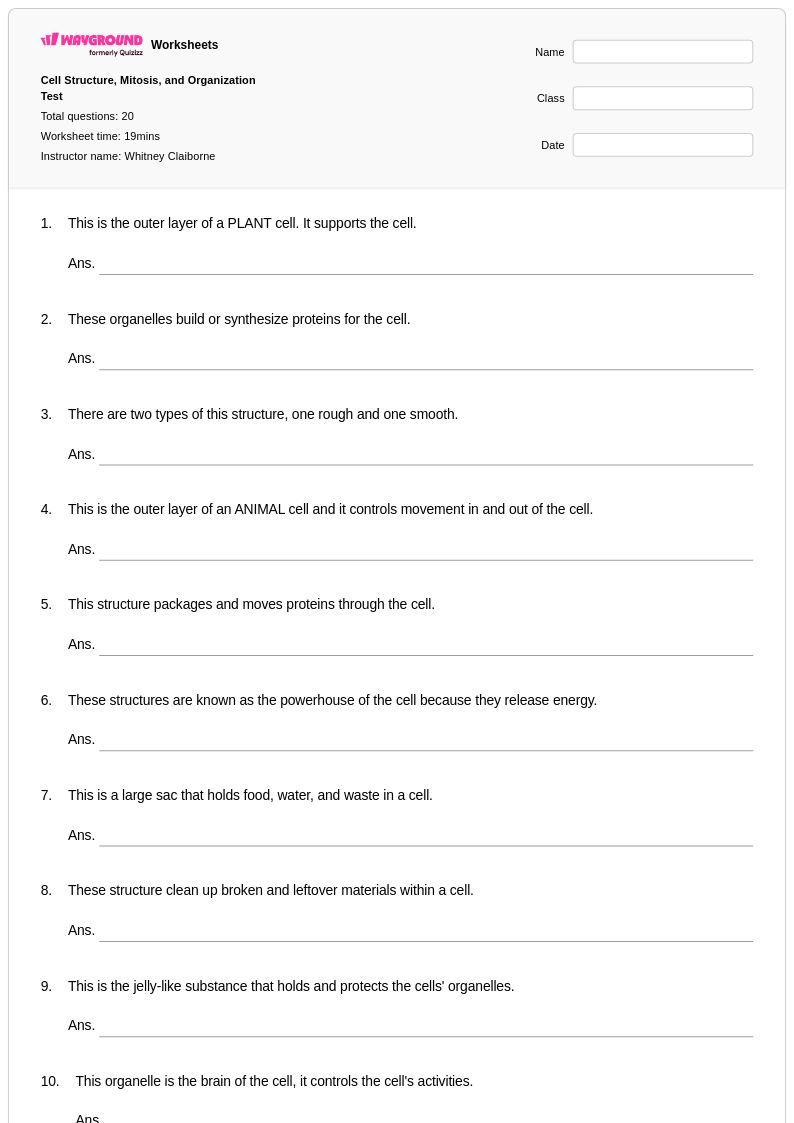
20 Q
7th
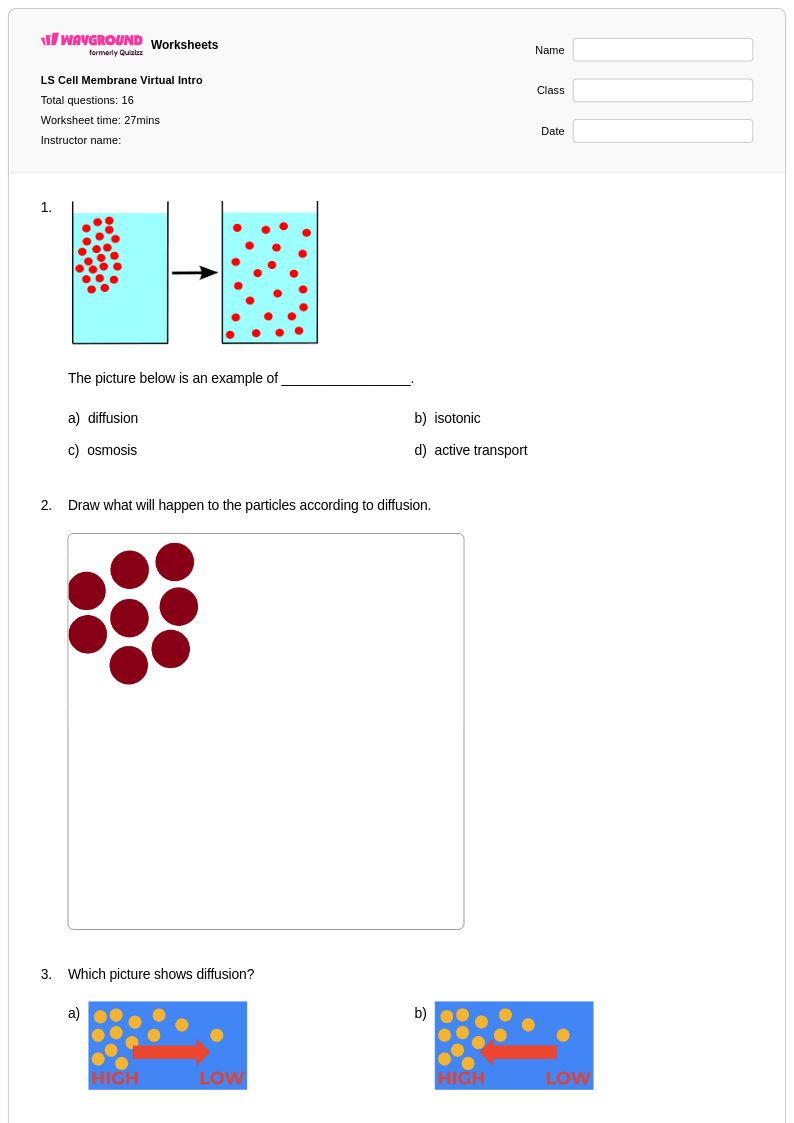
16 Q
7th
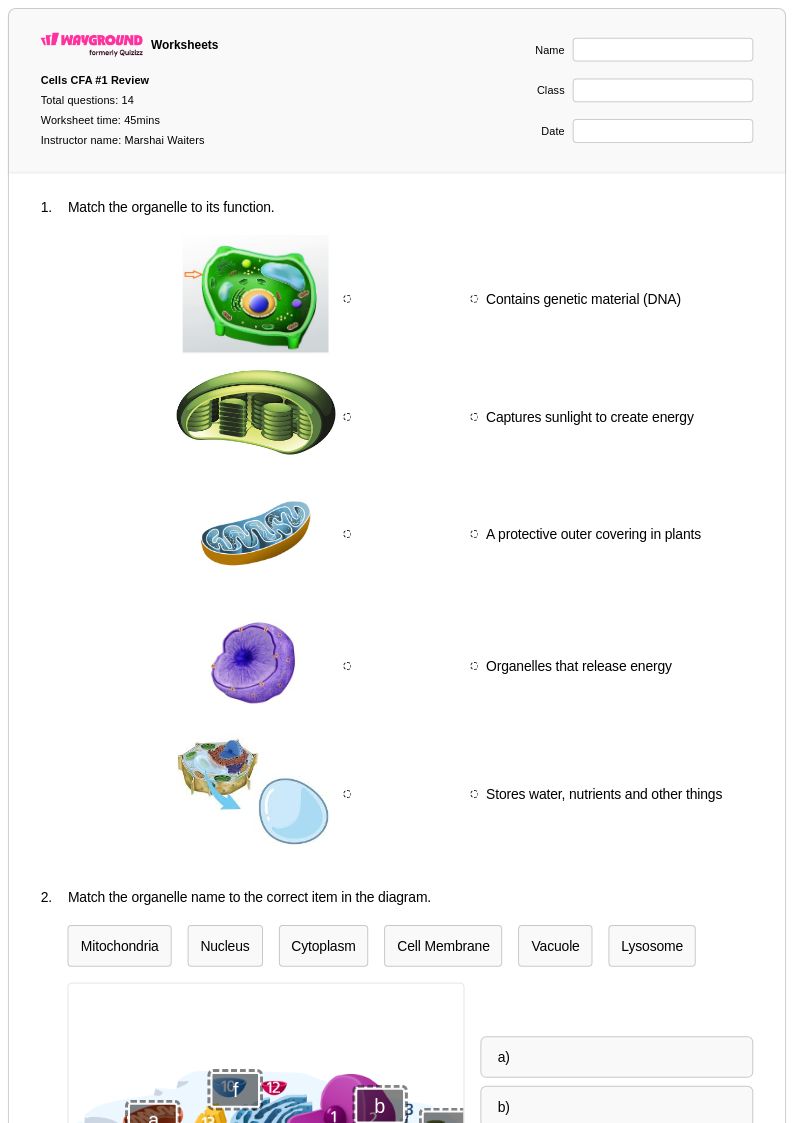
14 Q
7th
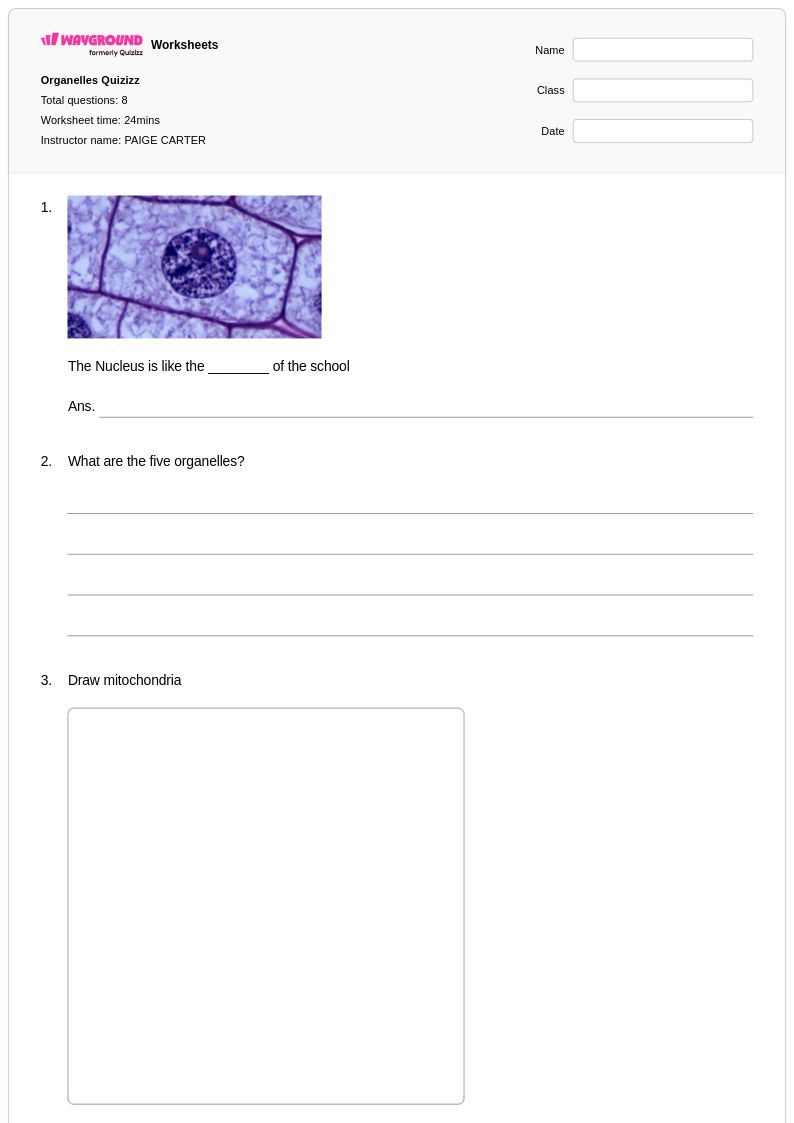
10 Q
7th
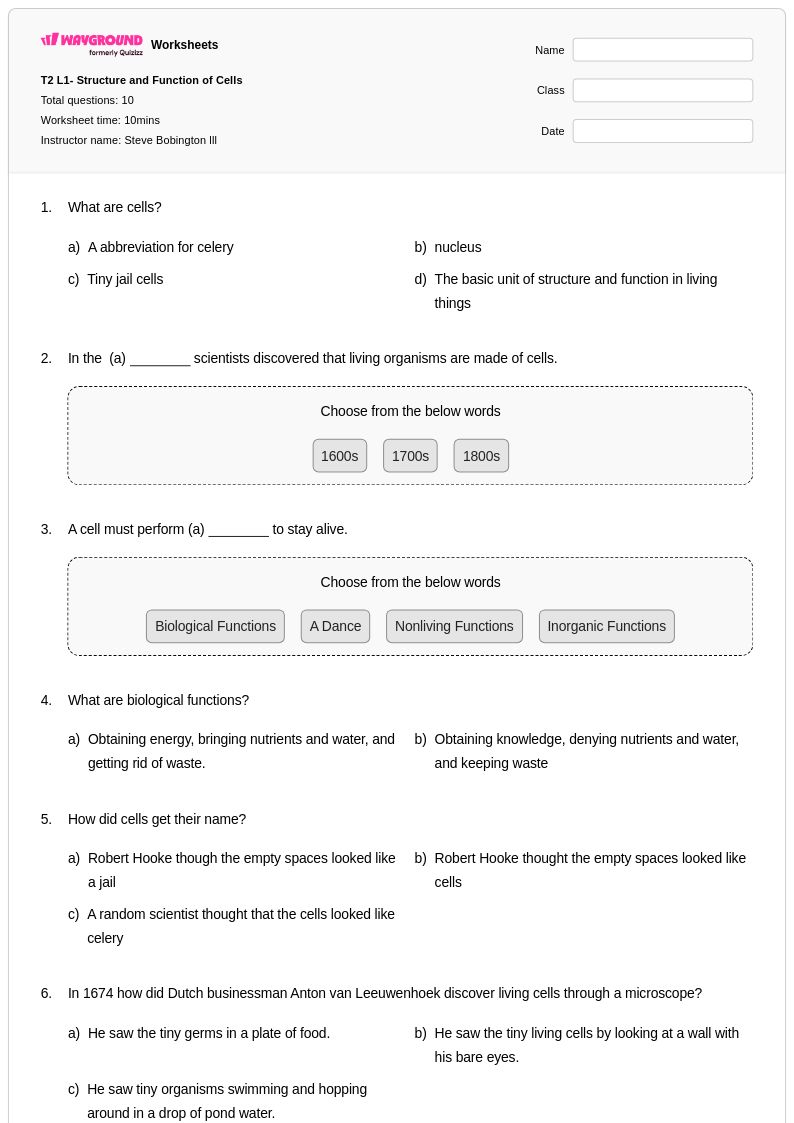
10 Q
7th
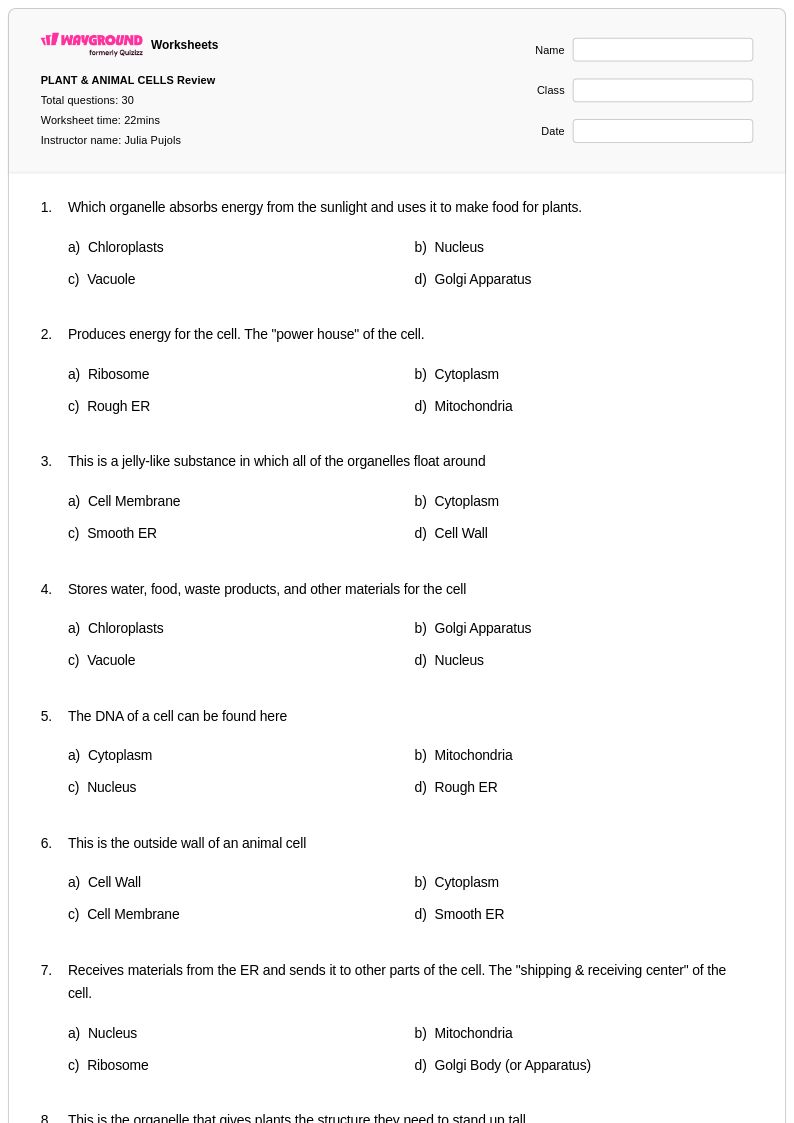
30 Q
7th
Explore Structure of a Cell Worksheets by Grades
Explore Other Subject Worksheets for class 7
Explore printable Structure of a Cell worksheets for Class 7
Structure of a Cell worksheets for Class 7 provide comprehensive practice materials that help students master the fundamental components and organization of cellular structures. These educational resources strengthen critical scientific skills including microscopic observation, diagram labeling, organelle identification, and understanding the relationship between cellular structure and function. Students work through engaging practice problems that reinforce their knowledge of key cellular components such as the nucleus, mitochondria, cell membrane, cytoplasm, and other essential organelles found in plant and animal cells. The worksheets include detailed answer keys that support independent learning and self-assessment, while printable pdf formats ensure easy classroom distribution and home study access. These free resources effectively bridge the gap between theoretical cellular biology concepts and practical application through hands-on activities that make complex microscopic structures more accessible to seventh-grade learners.
Wayground, formerly Quizizz, empowers educators with an extensive collection of teacher-created Structure of a Cell worksheets designed specifically for Class 7 biology instruction. The platform's millions of educational resources include standards-aligned materials that can be easily located through robust search and filtering capabilities, allowing teachers to quickly find worksheets that match their specific curriculum requirements and learning objectives. Advanced differentiation tools enable instructors to customize content complexity and modify assignments to meet diverse student needs, supporting both remediation for struggling learners and enrichment opportunities for advanced students. These versatile resources are available in both digital and printable pdf formats, providing flexibility for various classroom environments and teaching styles. Teachers can seamlessly integrate these materials into lesson planning, use them for targeted skill practice sessions, or deploy them as assessment tools to evaluate student understanding of cellular structures and their biological significance.
FAQs
How do I teach cell structure to middle or high school students?
What exercises help students practice identifying cell organelles?
What mistakes do students commonly make when learning about cell structure?
How can I differentiate cell structure worksheets for students at different skill levels?
How do I use Wayground's cell structure worksheets in my classroom?