
20 Q
7th
20 Q
6th - Uni
20 Q
6th - Uni
10 Q
3rd
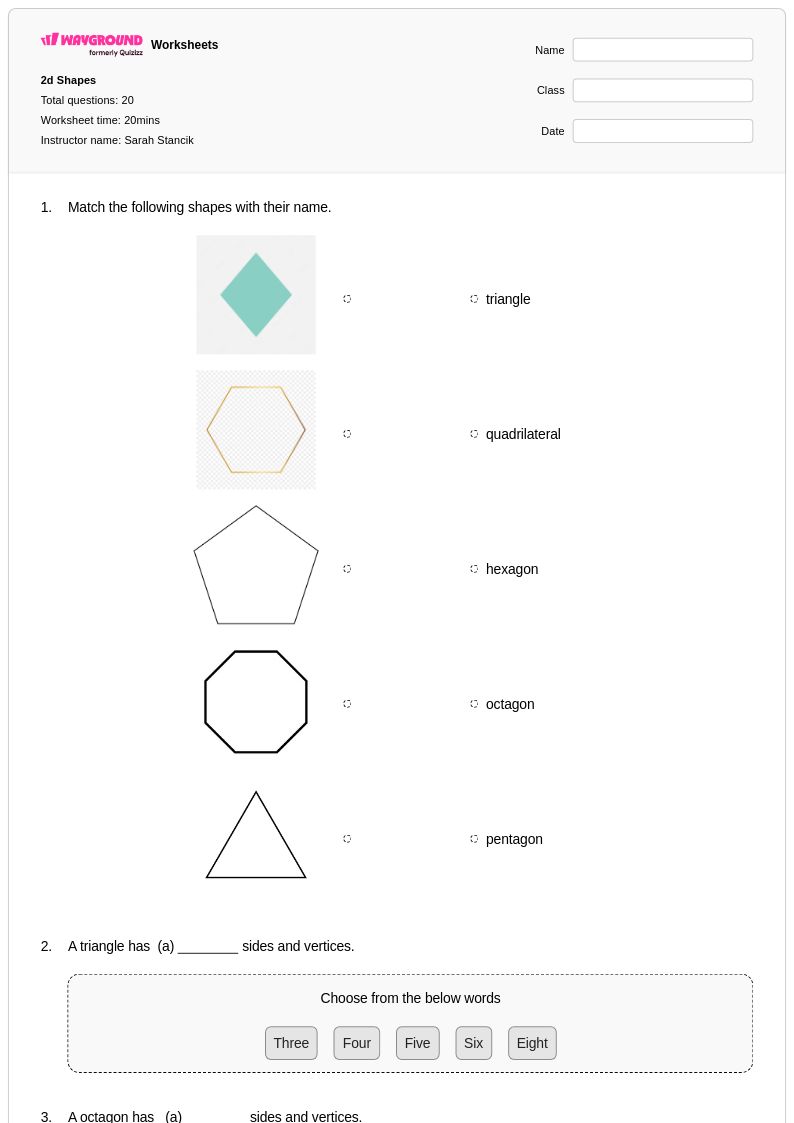
20 Q
3rd
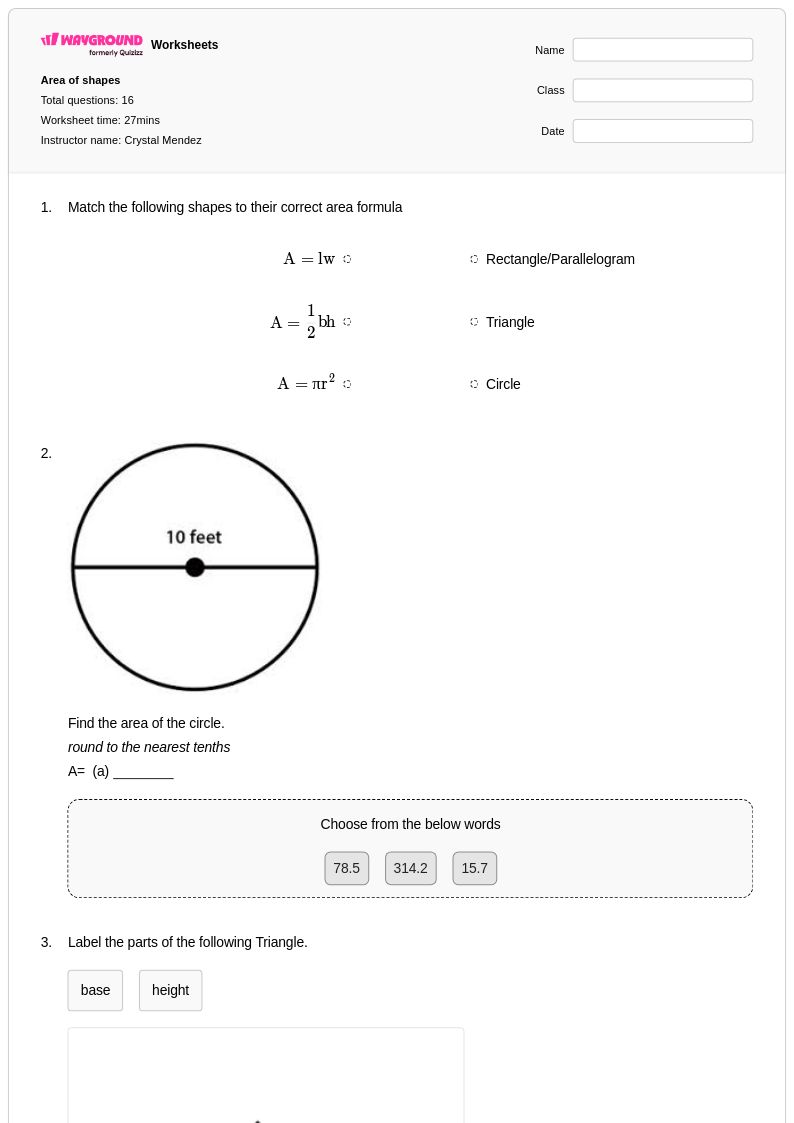
16 Q
10th
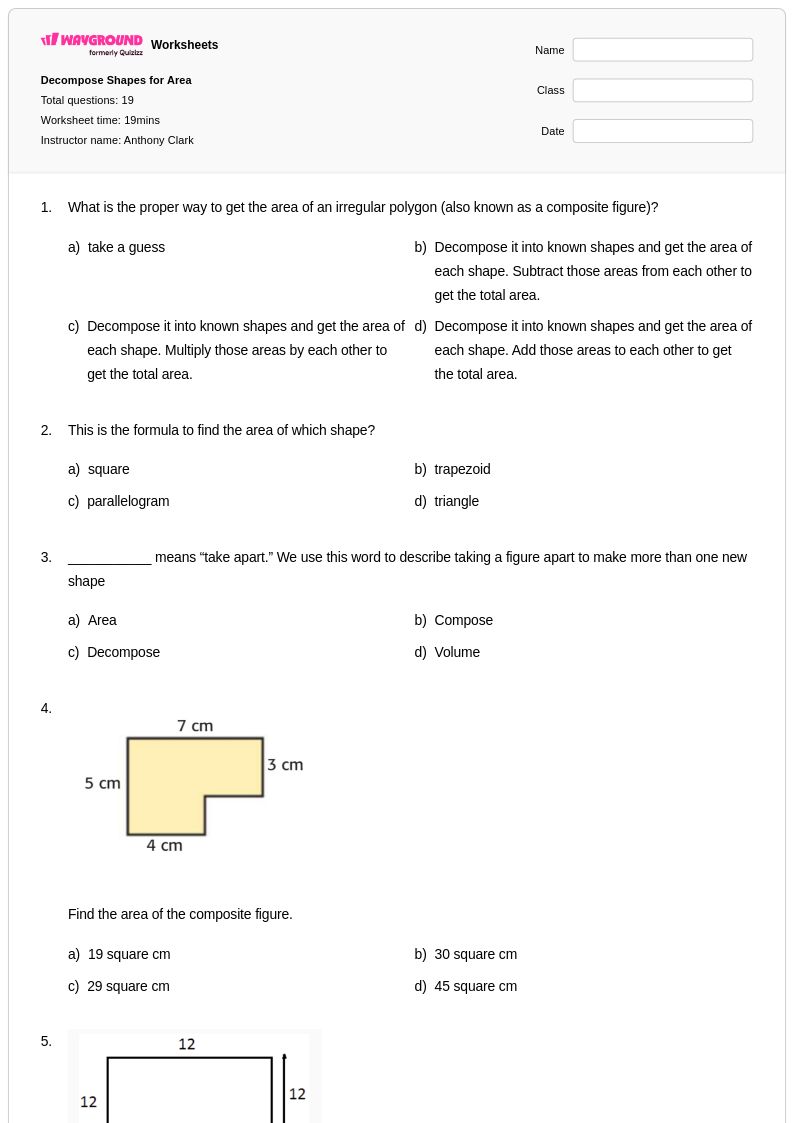
19 Q
6th - Uni
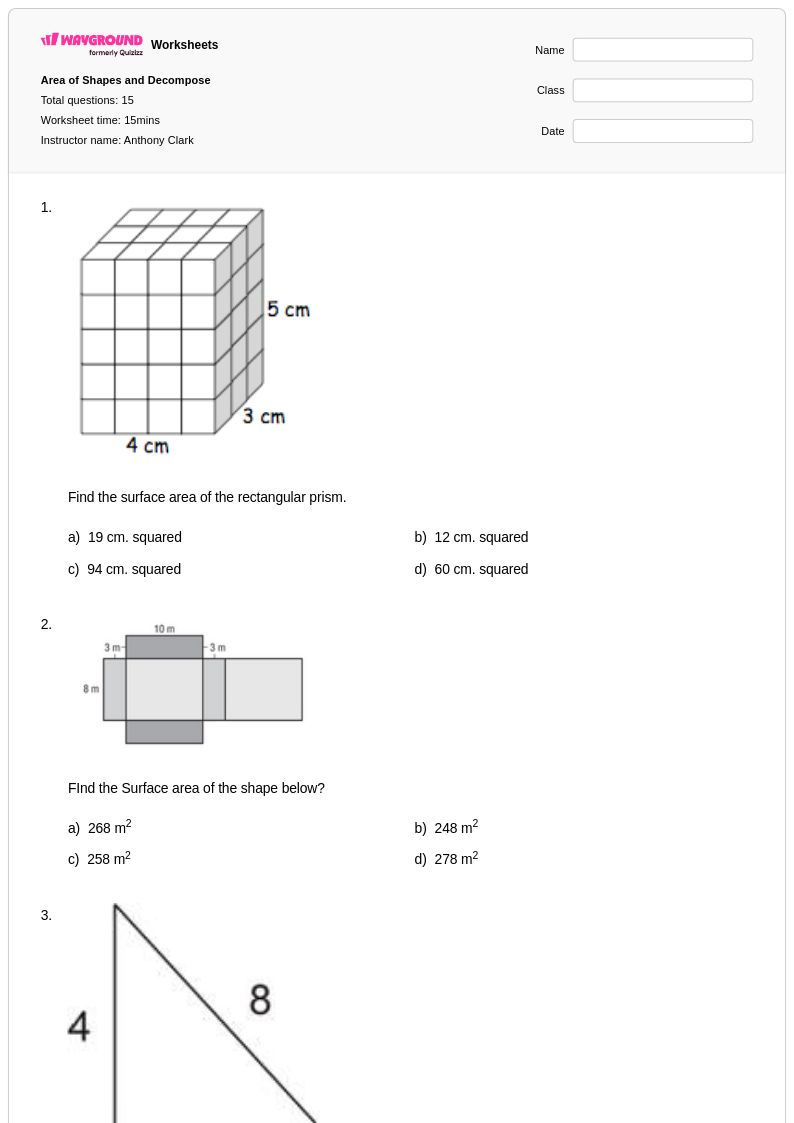
15 Q
6th - Uni
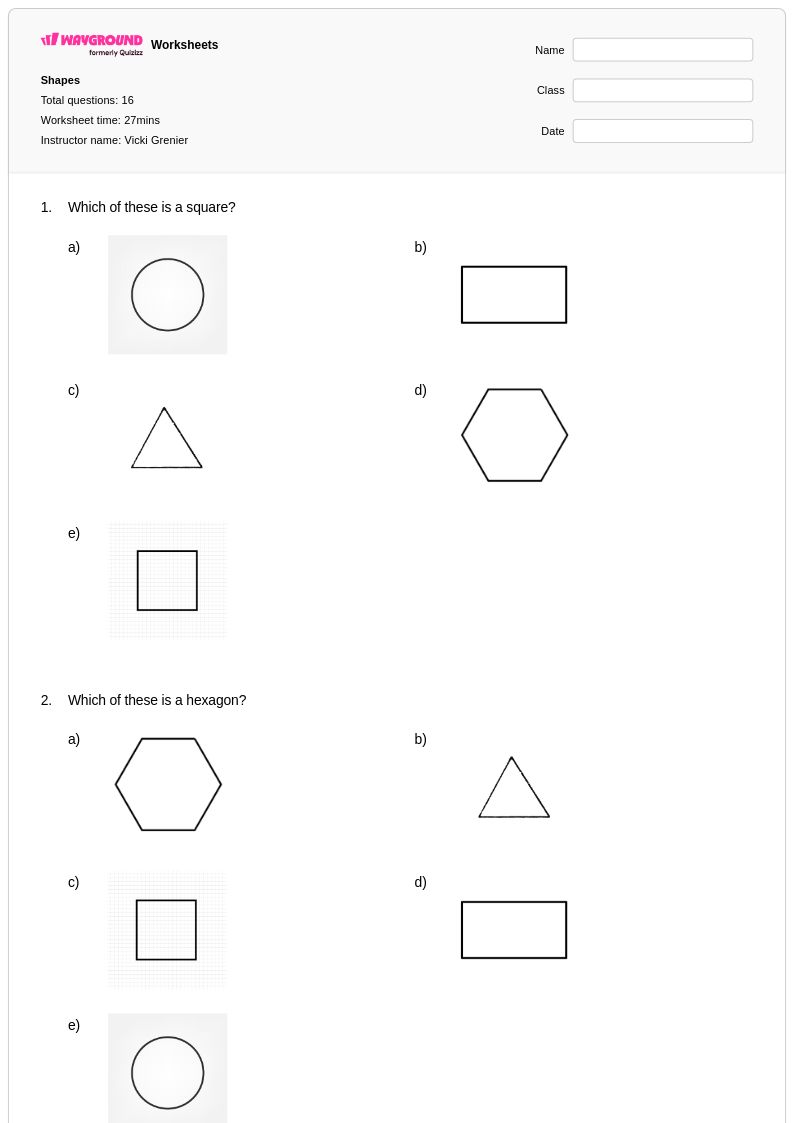
16 Q
KG
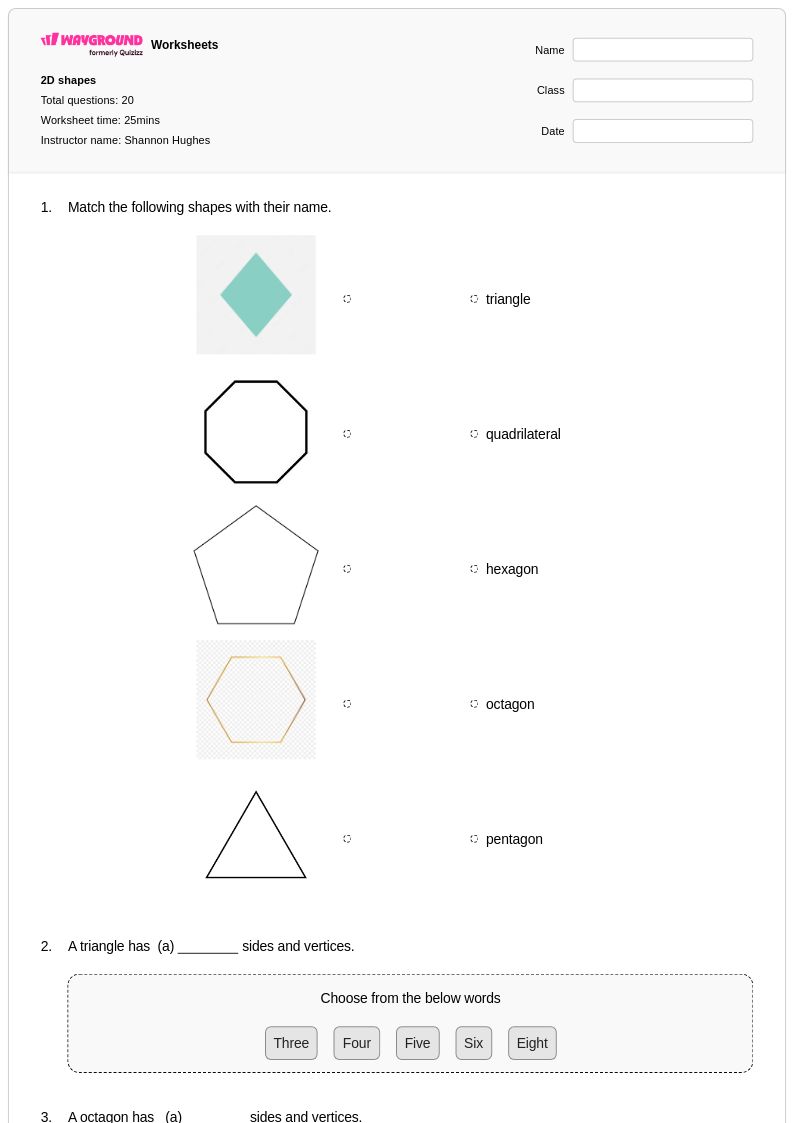
20 Q
2nd
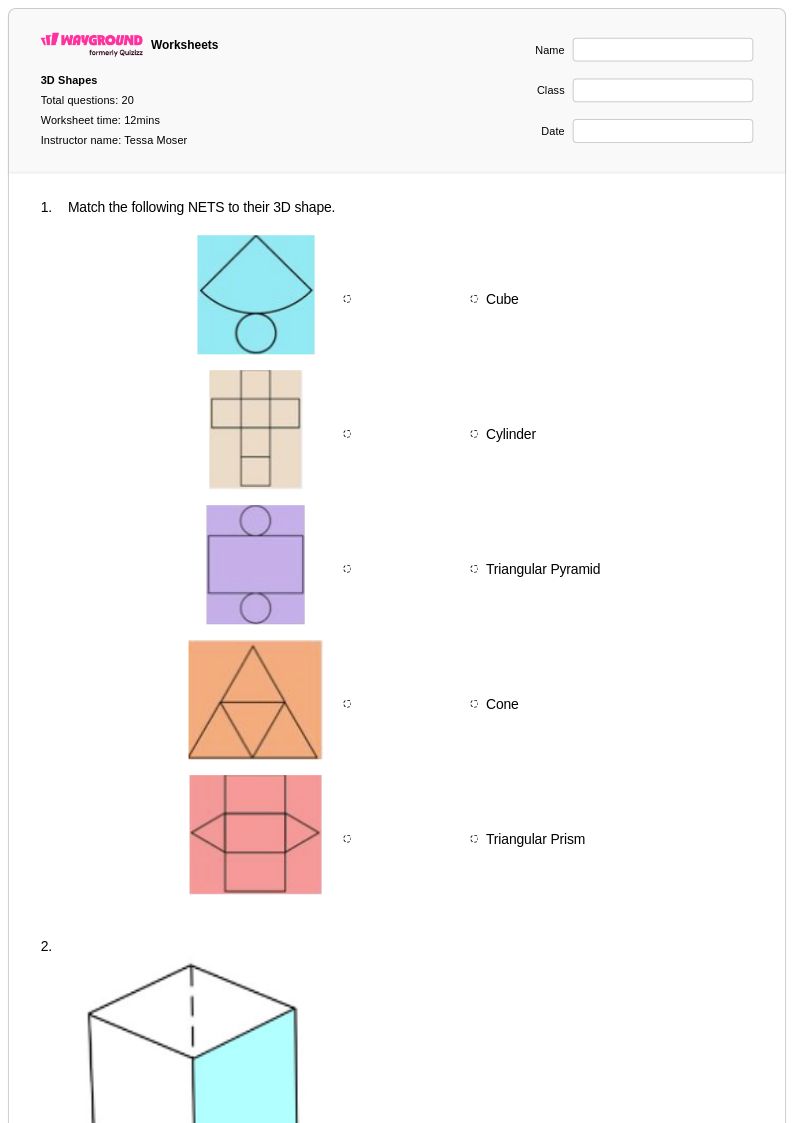
20 Q
10th
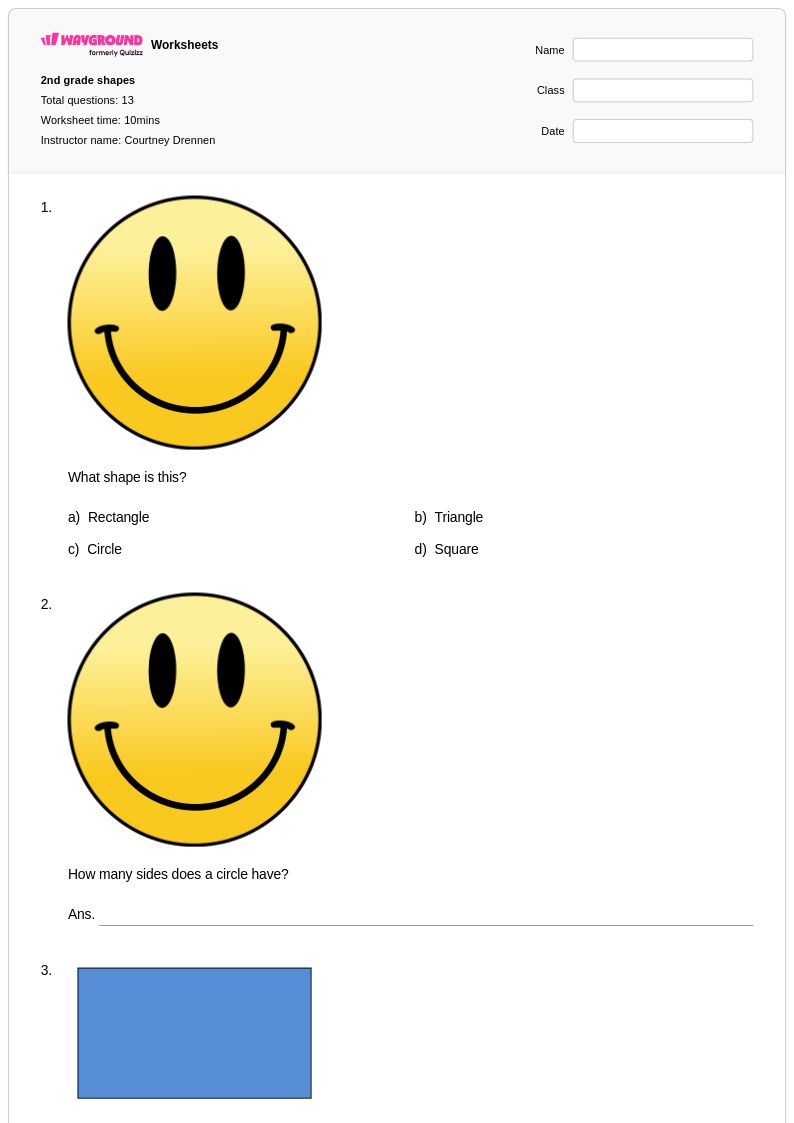
13 Q
2nd
20 Q
6th - Uni
13 Q
7th
20 Q
6th - Uni
24 Q
6th - 8th
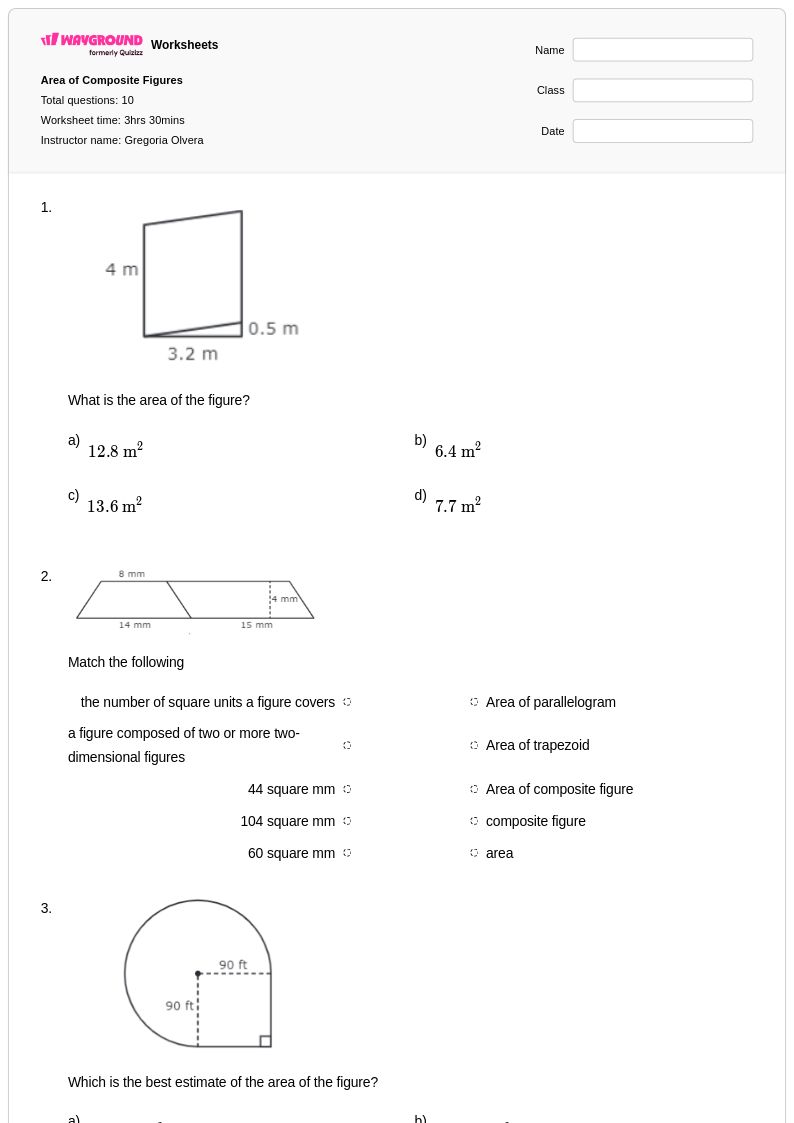
10 Q
7th
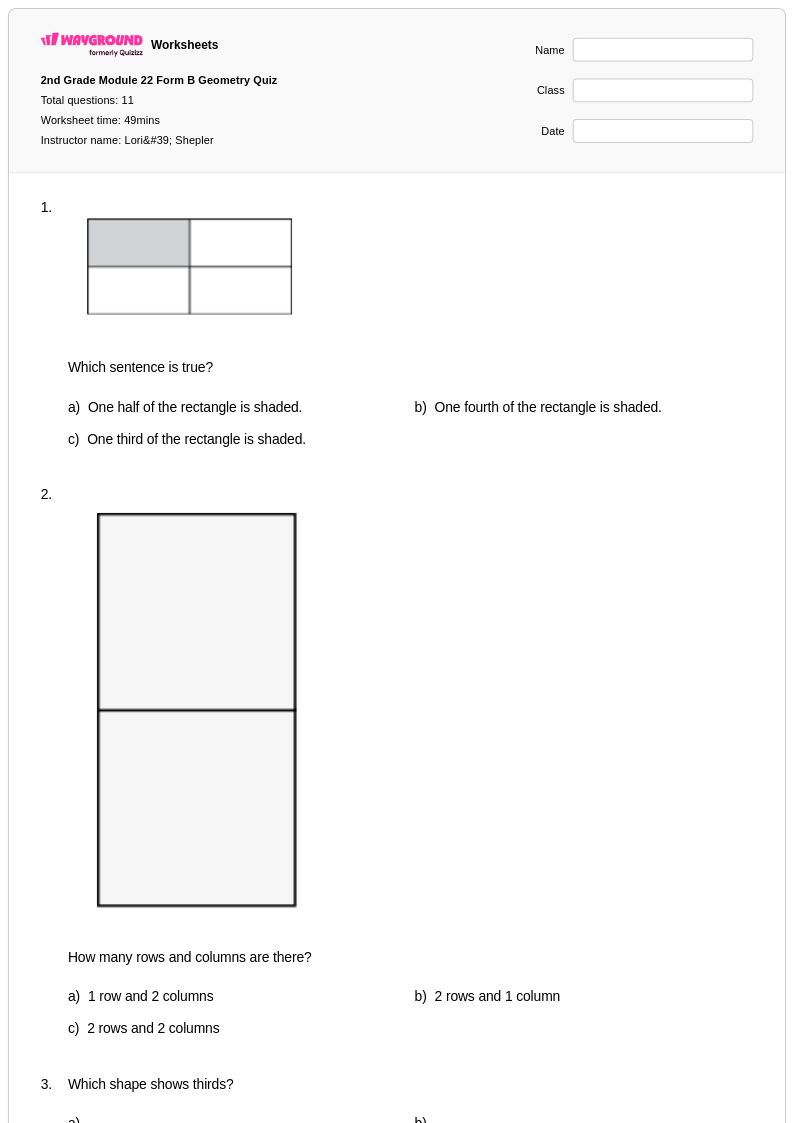
11 Q
2nd
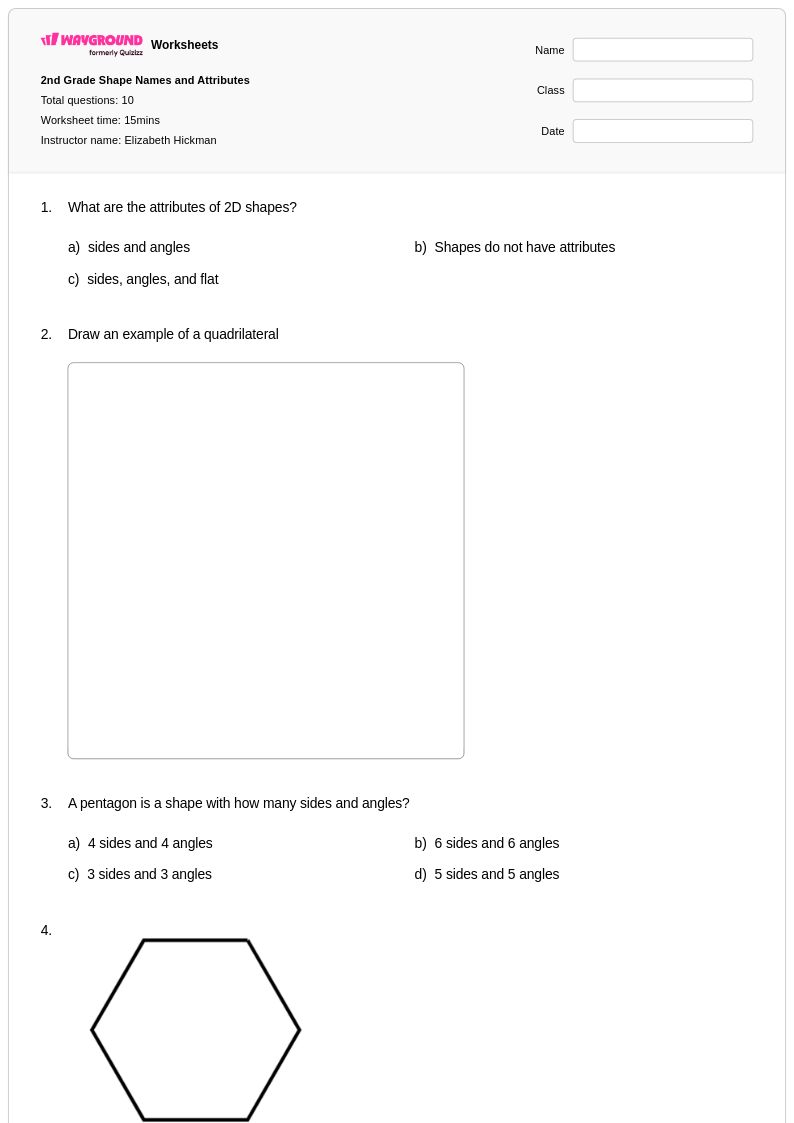
10 Q
2nd
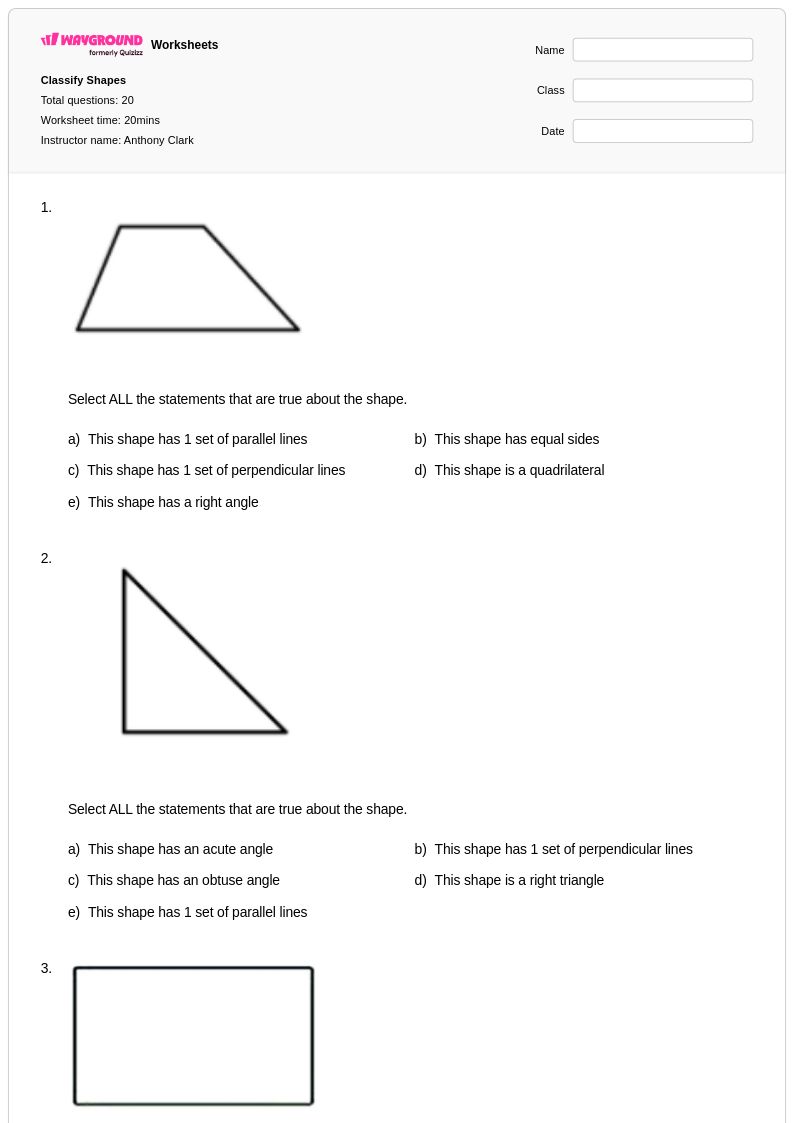
20 Q
5th - Uni
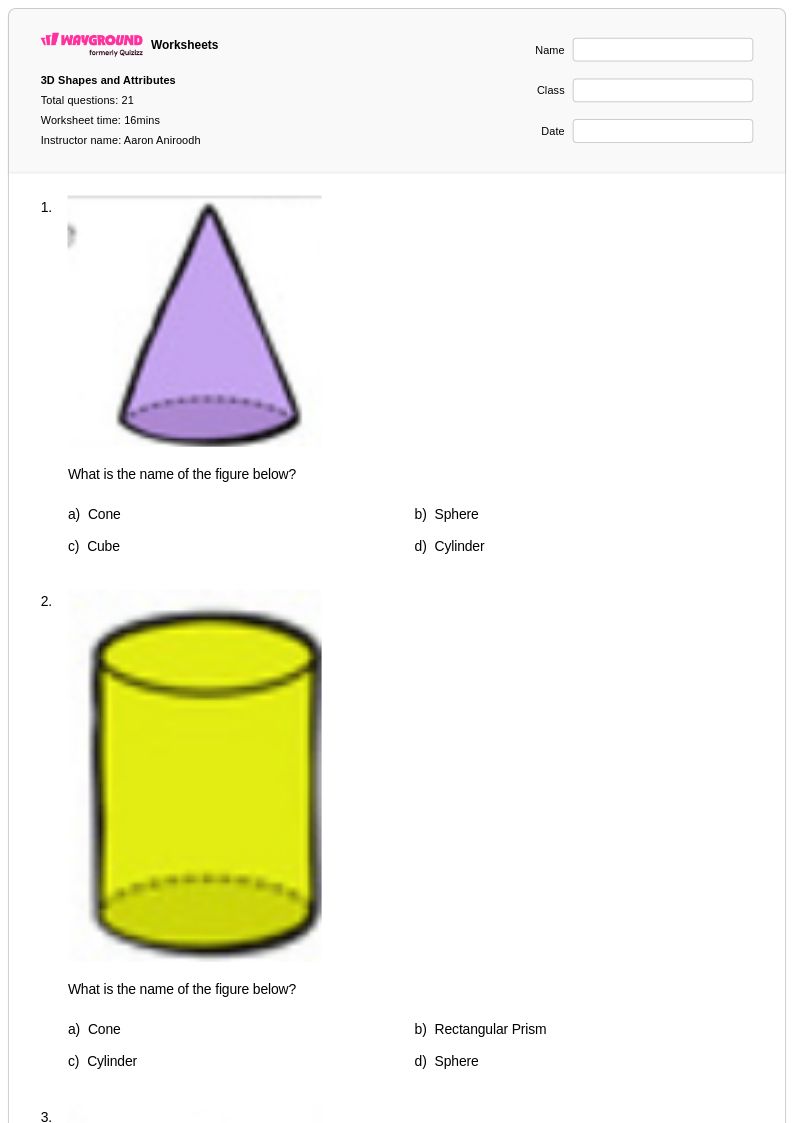
21 Q
3rd
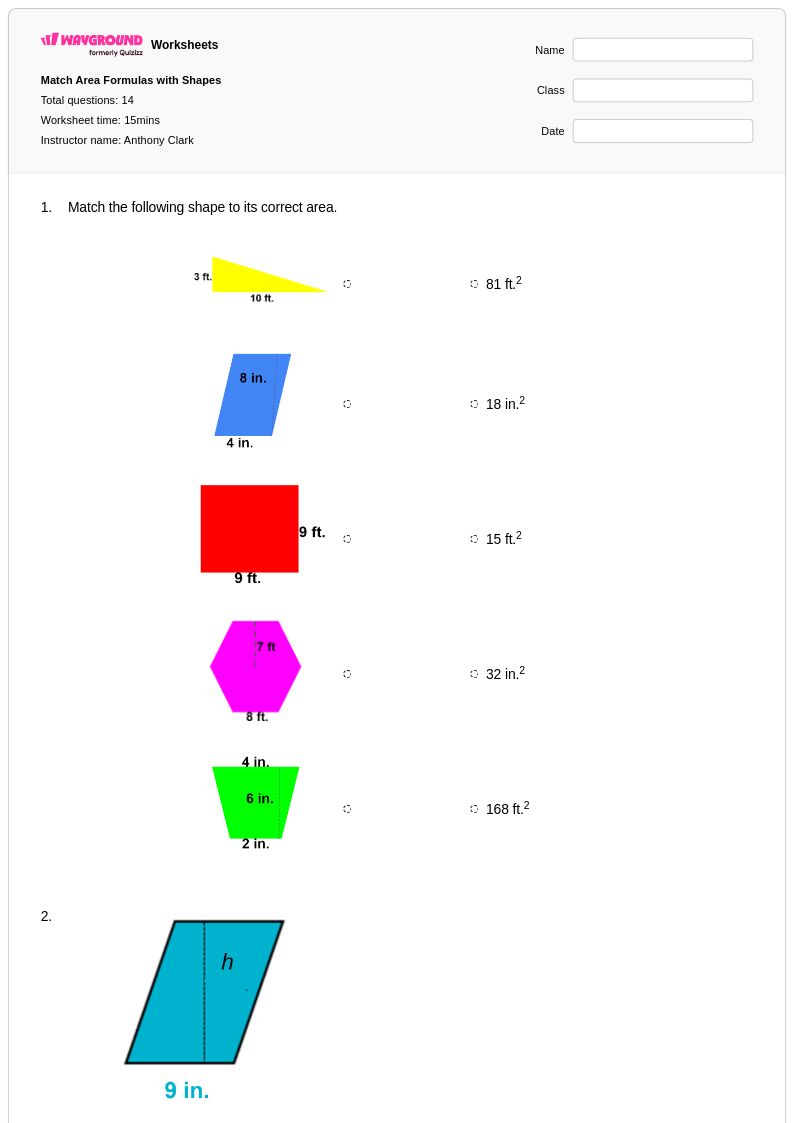
15 Q
6th - Uni
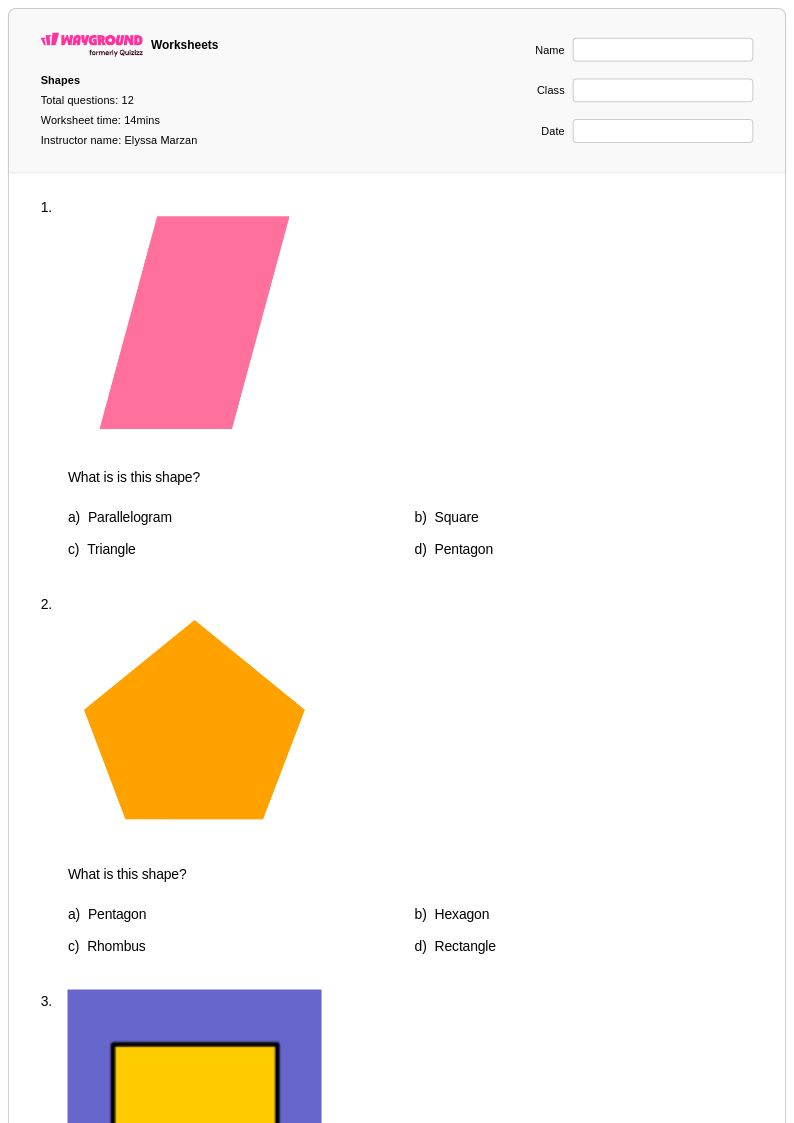
12 Q
2nd
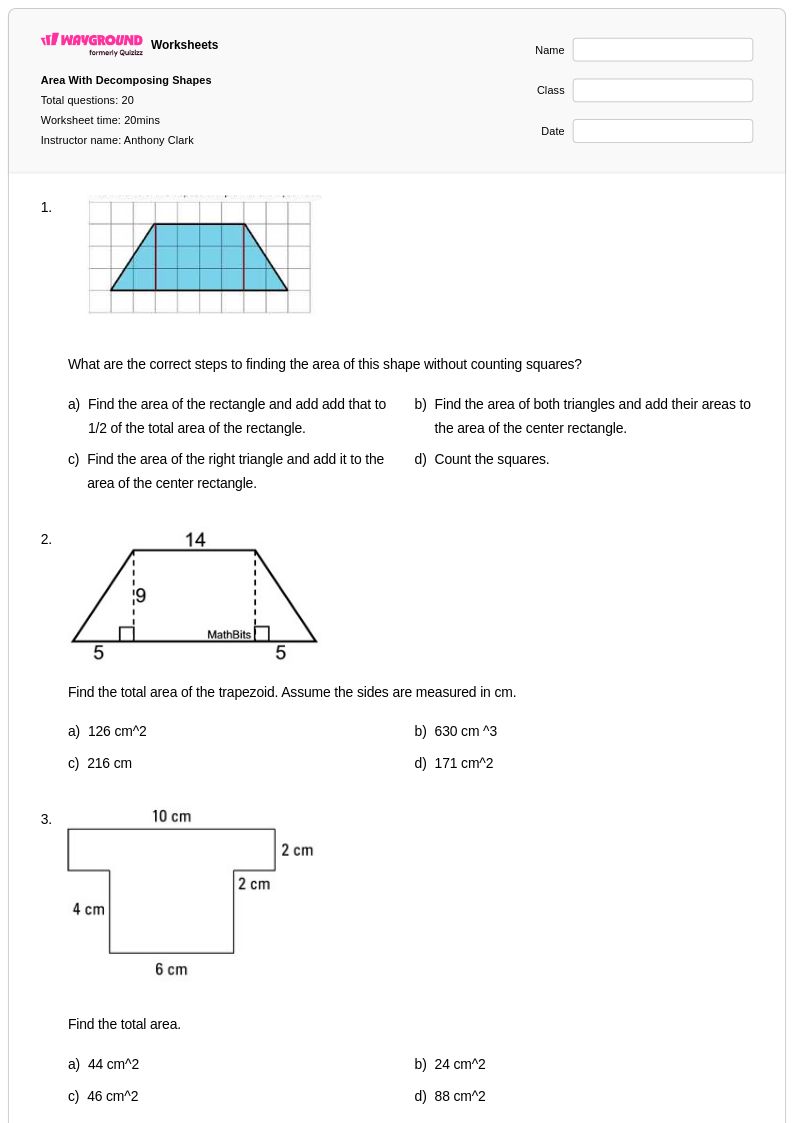
20 Q
6th - Uni
Explore Worksheets by Grade
Explore Worksheets by Subjects
Explore printable Tracing Shapes worksheets
Tracing shapes worksheets available through Wayground (formerly Quizizz) provide essential foundational practice for developing fine motor skills, spatial awareness, and geometric recognition abilities. These comprehensive practice problems guide students through systematic tracing exercises featuring circles, squares, triangles, rectangles, and other fundamental geometric forms, strengthening hand-eye coordination while building crucial pre-writing skills. Each printable worksheet includes carefully designed shapes of varying sizes and complexities, allowing educators to progressively challenge students as their tracing abilities develop. The free pdf resources feature clear answer keys and structured activities that reinforce shape identification, directional movement patterns, and pencil control techniques essential for mathematical and literacy success.
Wayground (formerly Quizizz) empowers educators with millions of teacher-created tracing shapes resources that streamline lesson planning and support diverse learning needs through robust search and filtering capabilities. Teachers can easily customize worksheets to match individual student abilities, accessing both printable pdf formats for traditional practice and digital versions for interactive learning experiences. The platform's differentiation tools enable educators to modify tracing complexity, line thickness, and shape variety to accommodate various skill levels within the same classroom. These flexible resources prove invaluable for remediation activities with struggling learners, enrichment opportunities for advanced students, and consistent skill practice across different instructional settings, ensuring all students receive appropriate geometric tracing experiences aligned with their developmental needs.