wayground logo

Free Printable Worksheets

Font size

S
M
L
XL
Worksheets

C2 Review: Chemistry of Life

Total questions: 82

Worksheet time: 2hrs 14mins
Name
Class
Date
1.
A student claims that a glass of water, a rock, and air are all made of atoms. Is the student correct?
a)
No, only the rock and the water are made of atoms.
b)
Yes, they are all made of the same type of atom.
c)
No, only the rock is made of atoms.  The water and air are not because they are not solid.
d)
Yes, they are all made of different types of atoms.
2.
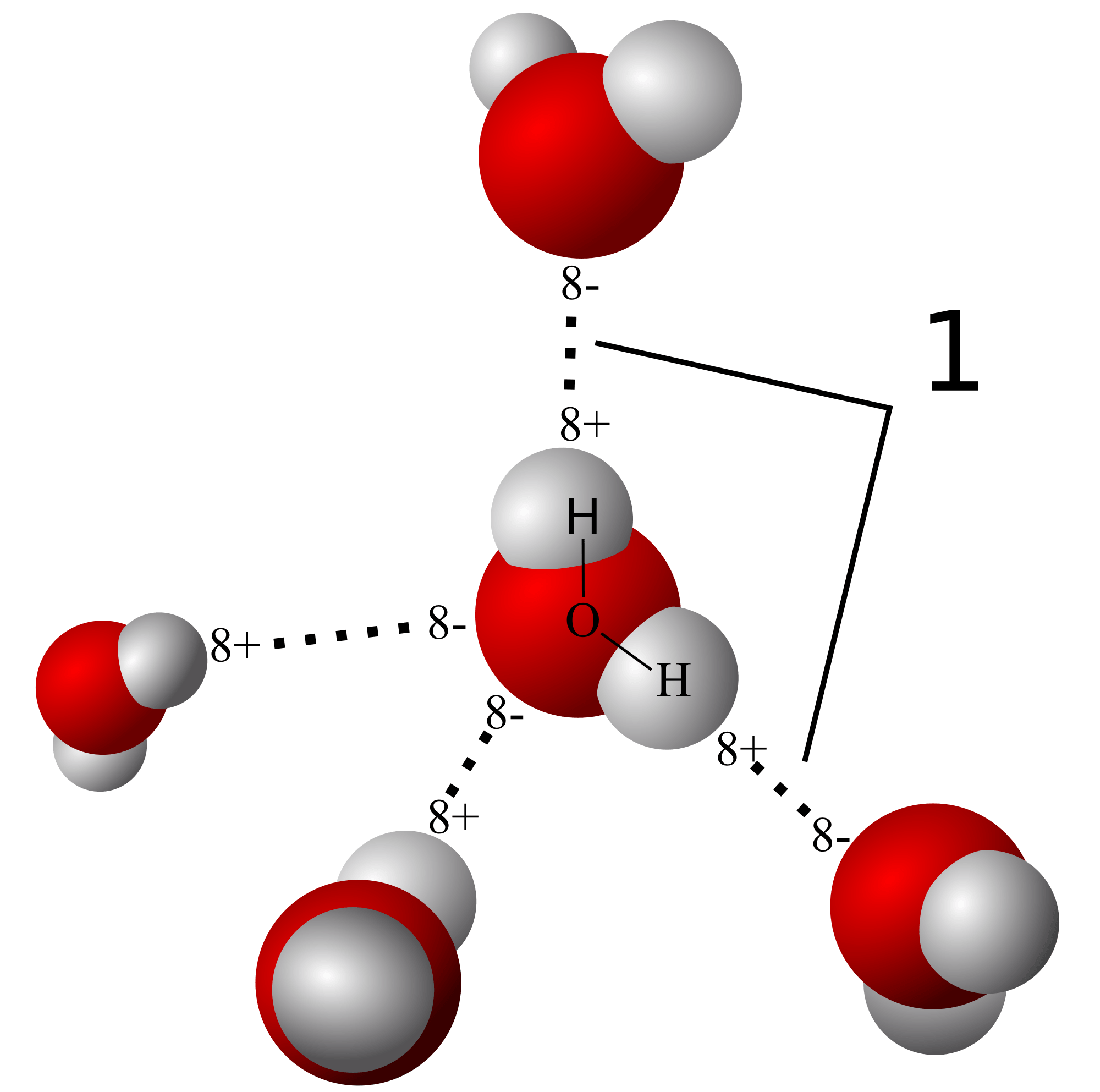
Attractions between water molecules are called
a)
Covalent bonds
b)
Ionic bonds
c)
Polar bonds
d)
Hydrogen bonds
3.
Molecule in which opposite ends have opposite electric charges
a)
cohesion
b)
polar molecule
c)
hydrogen bond
d)
solution
4.
Water is a universal solvent because it...
a)
It can be found anywhere
b)
It freezes when it gets cold
c)
floats when frozen
d)
Dissolves most substances
5.
Water molecules require a lot of energy to separate one from the others.  This gives water a high
a)
density
b)
polarity
c)
solvency
d)
specific heat
6.
A water strider can skate along the top of a pond because:
a)
covalent bonds result in water cohesion
b)
hydrogen bonds result in water cohesion (surface tension)
c)
water striders have adapted to take advantage of water cohesion
d)
high specific heat of water
7.
What might happen if you mixed a strong acid with an equally strong base?
a)
You would see an explosive chemical reaction.
b)
The acid would destroy the base.
c)
The base would destroy the acid.
d)
You'd wind up with a pH-neutral substance.
8.
Which is the stronger acid?
a)
pH 1
b)
pH 4
c)
pH 8
d)
pH 13
9.
In a covalent bond, electrons are ___.
a)
gained
b)
lost
c)
shared
d)
transferred
10.
An atom of calcium becomes a cation when it forms an ionic bond with two atoms of chlorine.  What is the charge on the calcium ion?
a)
4+
b)
3+
c)
2+
d)
1+
11.
The group 1 elements are highly reactive because
a)
the lone electron in their valence shells is easily lost
b)
they already have eight electrons in their valence shells
c)
they are far away from the nonmetals on the periodic table
d)
they can easily add electrons to fill their valence shells
12.
How many valence electrons does the element calcium have?
a)
one
b)
two
c)
 three
d)
four
13.
The electrons in a nonpolar covalent bond are
a)
gained
b)
lost
c)
shared equally
d)
shared unequally
14.
what type of bond forms between carbon and oxygen?
a)
peptide
b)
ionic
c)
covalent
d)
hydrogen
15.
Which statement accurately describes a compound?
a)
Can be easily separated into its individual elements.
b)
Made of two or more elements chemically bonded together.
c)
Elements retain their own individual properties.
d)
Can has a composition that varies.
16.

In a polar covalent bond between oxygen and hydrogen, around which elements do the valence electrons spend more time?

a)

oxygen atom

b)

hydrogen atoms

c)

evenly between oxygen hydrogen

d)

cannot be determined

17.

The charge on an anion is

a)

negative.

b)

positive.

c)

no charge.

d)

negative or positive

18.

The ability to form beads of water on a car's surface is due to

a)

adhesion

b)

solubility

c)

high specific heat

d)

surface tension

e)

cohesion

19.

pH of 12 indicates a

a)

weak base

b)

weak acid

c)

strong acid

d)

strong base

20.

Substance that is used to resist changes in pH is

a)

a buffer.

b)

electromagnetic.

c)

a salt.

d)

none of the above

21.
How many valence electrons are represented here?
a)
7
b)
5
c)
2
d)
8
22.
Which of the following has 4 bonding sites?  (according to Lewis Dot Structures)
a)
Boron
b)
Nitrogen
c)
Carbon
d)
Oxygen
23.
Which of these compounds COULD happen due to ionic bonding?
a)
Chlorine and Potassium
b)
Argon and Sodium
c)
Carbon and Oxygen
d)
Beryllium and Magnesium
24.

Which of the following is an acid?

a)

soap

b)

baking soda

c)

orange juice

d)

pure water

25.

Something with a pH of 2 is ___ times more acidic than something with a pH of 4.

a)

2

b)

1000

c)

10

d)

100

26.

What is the function of carbohydrates?

a)

provides quick energy

b)

stores energy

c)

helps with growth and repair of tissues

d)

stores genetic information

27.

What is the function of lipids?

a)

provides quick energy

b)

stores energy

c)

helps with growth and repair of tissues

d)

stores genetic information

28.

What is the function of proteins?

a)

provides quick energy

b)

stores energy

c)

helps with growth and repair of tissues

d)

stores genetic information

29.

What is the function of nucleic acid?

a)

provides quick energy

b)

stores energy

c)

helps with growth and repair of tissues

d)

stores genetic information

30.

What is the monomer for carbohydrates?

a)

Monosaccarides

b)

Fatty Acids

c)

Amino Acids

d)

Nucleotides

31.

What is the monomer for Lipids?

a)

Monosaccarides

b)

Fatty Acids

c)

Amino Acids

d)

Nucleotides

32.

What is the monomer for proteins?

a)

Monosaccarides

b)

Fatty Acids

c)

Amino Acids

d)

Nucleotides

33.

What is the monomer for nucleic acid?

a)

Monosaccarides

b)

Fatty Acids

c)

Amino Acids

d)

Nucleotides

34.
What do monomers do?
a)
Bonds to make a Polymer
b)
Creates Protiens
c)
Stores energy
d)
Splits to make more cells
35.
four most common elements that make up all living things are carbon, hydrogen,
a)
nitrogen, and iron.
b)
oxygen, and nitrogen.
c)
calcium, and phosphorus.
d)
oxygen, and iron.
36.
Which biomolecule is found in fats, oils, and waxes and is a source of long-term energy
a)
Proteins
b)
Nucleic Acid
c)
Lipids
d)
Carbohydrate
37.
What biomolecule do enzymes belong to? 
a)
Carbohydrate
b)
Lipid
c)
Nucleic Acid
d)
Protein
38.

Beeswax is a waxy substance that is produced by bees and then harvested by humans for a variety of uses. Ancient Romans used beeswax as a waterproofing agent because it is not water-permeable. Beeswax is which of the following types of organic molecule?

a)

carbohydrate

b)

lipid

c)

nucleic acid

d)

protein

39.

Many land plants store energy in starch. When energy is needed, the starch molecules can be broken down quickly. This chemical reaction produces which of the following?

a)

amino acids

b)

lipids

c)

monosaccharides

d)

RNA chains

40.

A student makes a Venn Diagram to compare functions of carbohydrates and lipids. Which cellular function of carbohydrates and lipids should be placed in the shared section of the Venn Diagram? 

a)

Hormone production

b)

Structural support of the cell walls

c)

Energy

d)

Catalyst for chemical reactions

41.
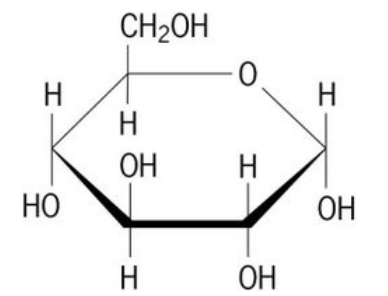
Which biomolecule is this a picture of?
a)
Protein
b)
Nucleic Acid
c)
Lipid
d)
Carbohydrate
42.
Which biomolecule contains fats, oils, and waxes?
a)
Proteins
b)
Nucleic Acid
c)
Lipids
d)
Carbohydrate
43.
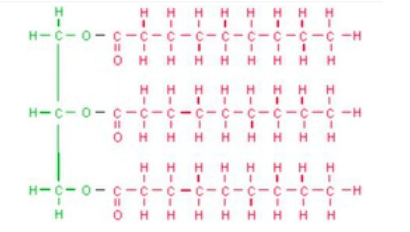
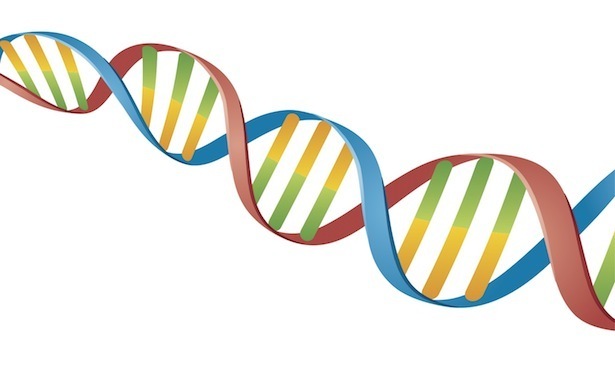
Which biomolecule is this a picture of?
a)
Protein
b)
Nucleic Acid
c)
Lipid
d)
Carbohydrate
44.
Which biomolecule is this a picture of?
a)
Protein
b)
Nucleic Acid
c)
Lipid
d)
Carbohydrate
45.

Which biomolecule helps form muscles?

a)

Nucleic Acid

b)

Carbohydrate

c)

Protein

d)

Lipids

46.
Which biomolecule is responsible for insulation and energy storage?
a)
Protein
b)
Nucleic Acid
c)
Lipid
d)
Carbohydrate
47.
Which biomolecule contain your genetics?
a)
Carbohydrate
b)
Lipid
c)
Nucleic Acid
d)
Protein
48.
Which is a Carbohydrate's monomer?
a)
Sugar
b)
Amino acids
c)
Monosacharide
d)
Nucleotide
49.
Which biomolecule is made of nucleotides and contain you DNA?
a)
Carbohydrate
b)
Lipids
c)
Protein
d)
Nucleic Acid
50.
What is the function of a nucleic acid?
a)
Stores genetic information
b)
Stores energy
c)
Quick source of energy
d)
Builds structures
51.

Which are examples of proteins?

a)

glucose, pasta, bread

b)

fats, oils, waxes

c)

meats, enzyme, lactase, eggs

d)

DNA, RNA

52.

Which biomolecules transport oxygen and other substances and also form part of most organelles?

a)

Lipids

b)

Carbohydrates

c)

Proteins

d)

Nucleic Acids

53.

Just under an orca's skin lies a thick layer of blubber. Blubber helps insulate a whale from heat loss. Based on this information, which biomolecule is blubber primarily made of?

a)

Lipids

b)

Nucleic Acids

c)

Proteins

d)

Carbohydrates

54.

What element needs to be present to consider a molecule organic?

a)

Nitrogen

b)

Oxygen

c)

Carbon

d)

Phosphorous

55.

Proteins are used by the body for immunity, enzymes and

a)

Storage of energy

b)

Storage of genetic Information

c)

Quick energy release

d)

Structure

56.

Which of the following could be cause by a diet rich in saturated fats? (you should select more than 1 answer choice)

a)

Frail nails and hair

b)

High blood pressure

c)

Low blood-sugar levels

d)

Lipid deposit in your eyes

57.
All polymers are made up of...
a)
monosaccharides
b)
monomers
c)
proteins
d)
None of these
58.
What are foods that are high in carbs?
a)
Eggs, fish, poultry
b)
Cheese, meats, vegetables
c)
Bread, potatoes, and pasta
d)
Multitude of oils, butter and condiments
59.
True or False:   Enzymes are substrate specific
a)
True
b)
False
60.
Identify the biomolecule
a)
monosaccharide
b)
disaccharide
c)
polysaccharide
d)
glycogen
61.
Identify the biomolecule
a)
Protein
b)
Lipid
c)
Carbohydrate
d)
Nucleic Acid
62.

One function of lipids is to store energy. What is another function of lipids in the human body?

a)

To form plasma membranes

b)

To make energy from the sun

c)

To control chemical reactions

d)

To provide quick energy for the cell

63.

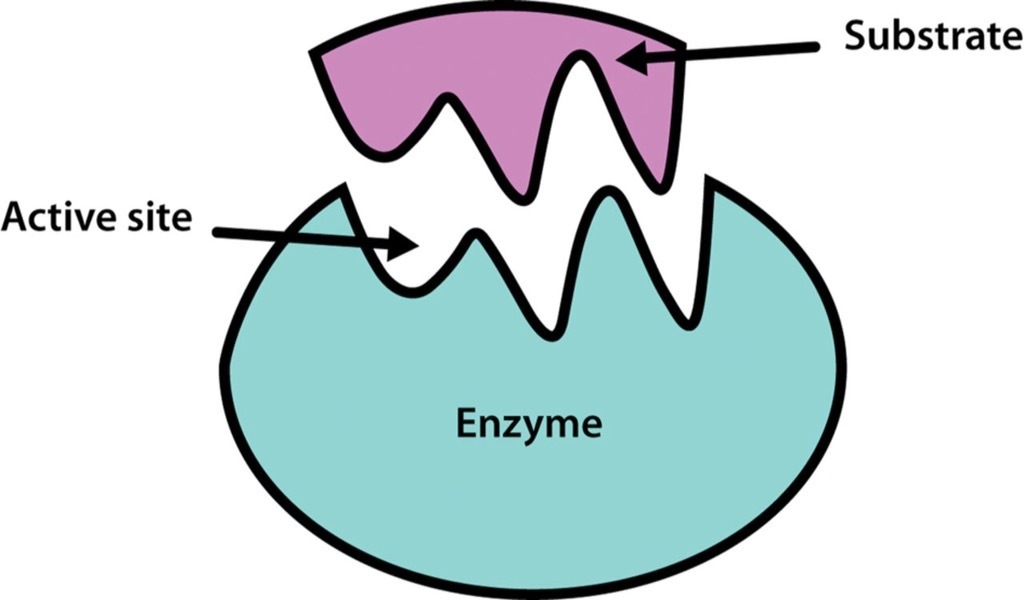
Letter "A" represents the ___________

a)

Prokaryote

b)

Active site

c)

Product

d)

Substrate

64.

_________ is the region of an enzyme that attaches to a substrate.

a)

Enzyme

b)

Non-competitive competitor

c)

Enzyme-Substrate Complex

d)

Active site

65.

This carbohydrate is used by animals to store energy in the liver.

a)

chitin

b)

glycogen

c)

glucose

d)

starch

66.

This type of fat contains at least one double bond.

a)

saturated fat

b)

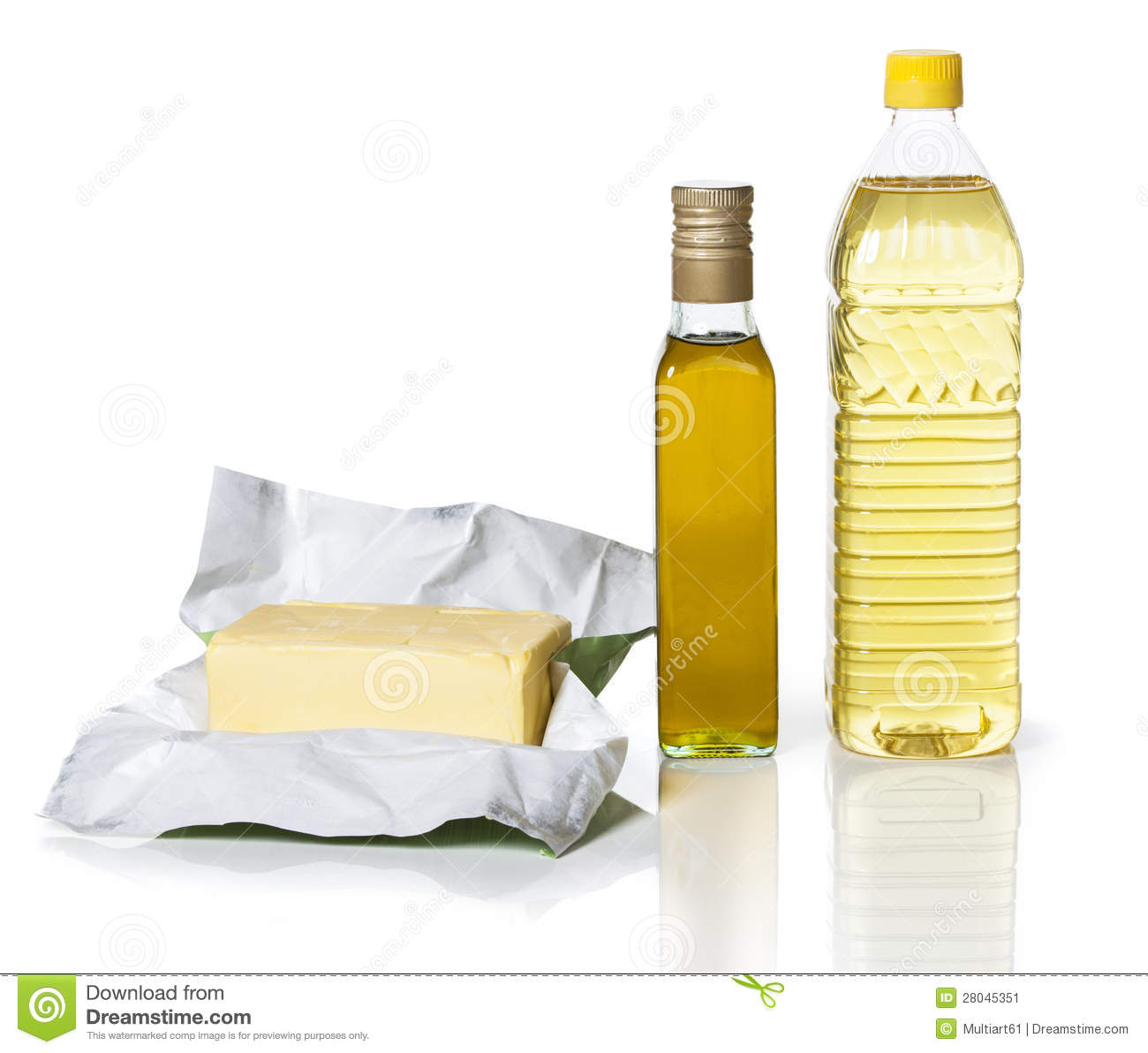
unsaturated fat

c)

polysaccharide

d)

monosaccharide

67.

Single bond between Carbon and Hydrogen chains.

Tends to be solid at room temperature like butter.

a)

Saturated Fats

b)

Unsaturated Fats

c)

Carbohydrates

d)

Proteins

68.
The simple sugar from fruit is called_____.
a)
sucrose
b)
lactose
c)
fructose
d)
maltose
69.

Cellulose is a structural carbohydrate found in-

a)

plants

b)

fungi

c)

insects

d)

polyvinyl

70.

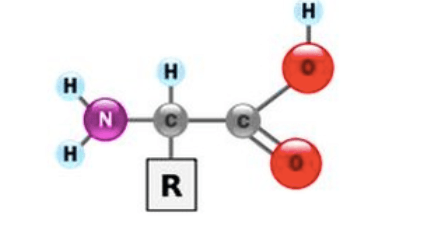
Which colored box is different for every amino acid?

a)

Blue (left)

b)

Turquoise (top)

c)

Orange

d)

Red

e)

Purple

71.

Two amino acids will bond together as the result of _______.

a)

Dehydration synthesis

b)

Hydrolysis

c)

pHolysis

d)

Rehydration synthesis

72.

Proteins are polymers of __________.

a)

amino acids

b)

fatty acids

c)

carboxylic acids

d)

nucleic acids

73.

How does an enzyme influence a biological reaction?

a)

It increases the energy difference between reactants and products.

b)

It decreases the activation energy necessary to begin the chemical reaction.

c)

It increases the kinetic energy of reactants, thereby increasing their tendency to collide.

d)

It decreases the kinetic energy of reactants, enabling them to move through a chemical change.

74.
How many different amino acids are there?
a)
15
b)
20
c)
25
d)
30
75.
The diagram shows a bond forming between two amino acids. What is the name of this reaction?
a)
Dehydration Synthesis
b)
Hydrolysis
c)
Pepysis
d)
Oxidation
76.
The reaction used to digest and break the bond in red is:
a)
Hydrolysis
b)
Dehydration Synthesis
c)
Oxidation
d)
Single Displacement
77.
Produces water as a by-product
a)
Dehydration synthesis
b)
Hydolysis
78.
Breaks up polymers, forming monomers
a)
dehydration synthesis
b)
hydrolysis
79.
The following figure is illustrating
a)
Dehydration Synthesis
b)
Hydrolysis
80.

CHECK ALL THAT APPLY!


The following macromolecules contain Carbon, Hydrogen, and Oxygen:

a)

Carbohydrates

b)

Lipids

c)

Proteins

d)

Nucleic Acids

81.

How many water molecules are released in the formation of this polymer?

a)

1

b)

2

c)

3

d)

4

82.
The following figure is illustrating
a)
Dehydration Synthesis
b)
Hydrolysis